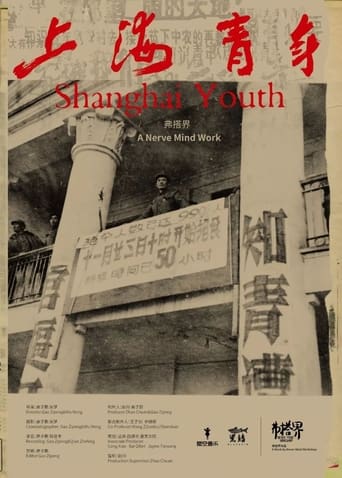
Shanghai Youth
2015-06-09 · 515 min · Not rated
As a special generation born in the New China, the hundreds of thousands of educated youth from Shanghai went through enormous hardship during their work in Xinjiang from 1963 to 1966. Because of the specific historical conditions and context, they have been strikingly stamped with the mark of the times and have had to struggle to understand the relationship between themselves and the nation.
Trailers are previews, not full movies.
No authorized playback source configured. Use the legal watch options below.
Production details
- Directors
- Meng Wu, Gao Zipeng
- Production companies
- Unavailable
- Countries
- China
- Status
- Released
Top Cast
Cast unavailable.
Title information and images are supplied by TMDb. Explore our discovery guide for advice on comparing metadata and legal viewing options.
Where to watch
Availability provided by JustWatch via TMDb. Offers can change. Provider links are listed on TMDb; full playback requires a separately authorized source.
Availability not listed for this country.
Seasons & episodes
Recommendations

A documentary about how a dominant cultural and demographic institution both sustains their traditional activities and adapts to the digital revolution.

The definitive 3½-hour documentary about the troubled creation and enduring legacy of the science fiction classic 'Blade Runner', culled from 80 interviews and hours of never-before-seen outtakes and lost footage.

A compilation of over 30 years of private home movie footage shot by Lithuanian-American avant-garde director Jonas Mekas, assembled by Mekas "purely by chance", without concern for chronological order.
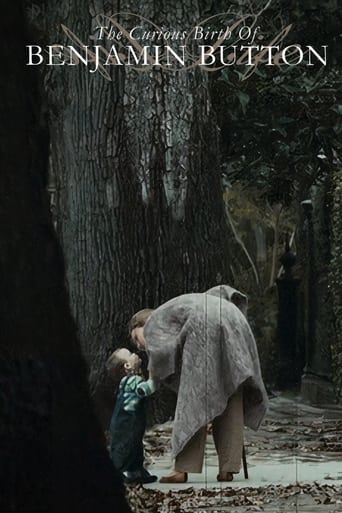
A documentary about the making of David Fincher's 2008 film THE CURIOUS CASE OF BENJAMIN BUTTON. Virtually every element in the evolution of the Fincher's film is documented here, from the project's attachment to numerous other directors during the 1990s, to its shoot in 2006 and 2007 in New Orleans, to its complex, CGI-intensive postproduction process.
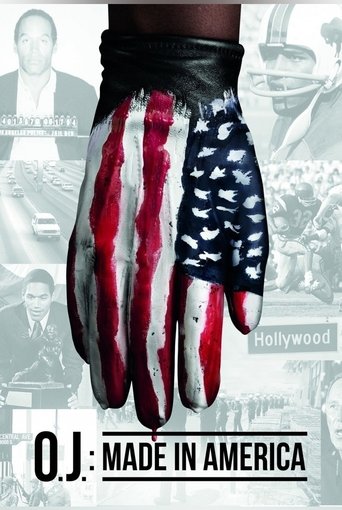
A chronicle of the rise and fall of O.J. Simpson, whose high-profile murder trial exposed the extent of American racial tensions, revealing a fractured and divided nation.
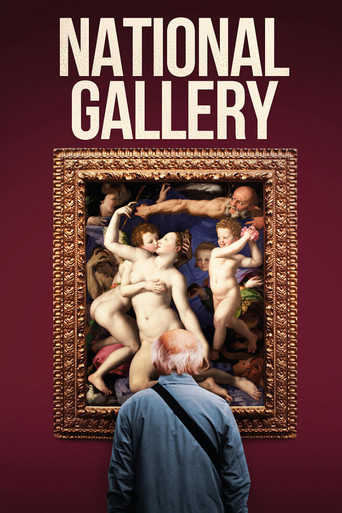
A portrait of the day-to-day operations of the National Gallery of London, that reveals the role of the employees and the experiences of the Gallery's visitors. The film portrays the role of the curators and conservators; the education, scientific, and conservation departments; and the audience of all kinds of people who come to experience it.
Live Aid was held on 13 July 1985, simultaneously in Wembley Stadium in London, England, and the John F. Kennedy Stadium in Philadelphia, United States. It was one of the largest scale satellite link-ups and television broadcasts of all time: watched live by an estimated global audience of 1.9 billion, across 150 nations. "It's twelve noon in London, seven AM in Philadelphia, and around the world it's time for Live Aid...!"
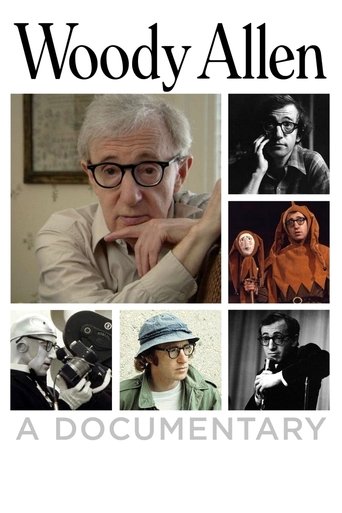
An intense portrait of the iconic filmmaker, writer, actor, comedian and musician Woody Allen: his life, family and friends; his writing and directing habits, and his relationship with performers.
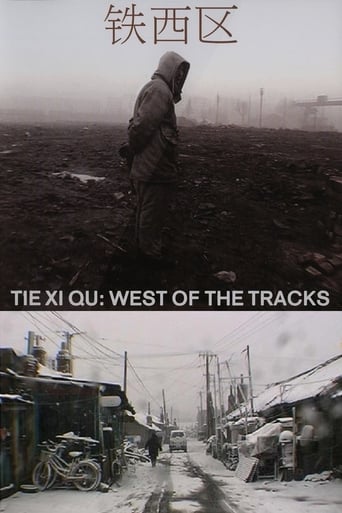
A detailed look at the gradual decline of Shenyang’s industrial Tiexi district, an area that was once a vibrant example of China’s socialist economy. But industry is changing, and the factories of Tiexi are closing. Director Wang Bing introduces us to some of the workers affected by the closures, and to their families.
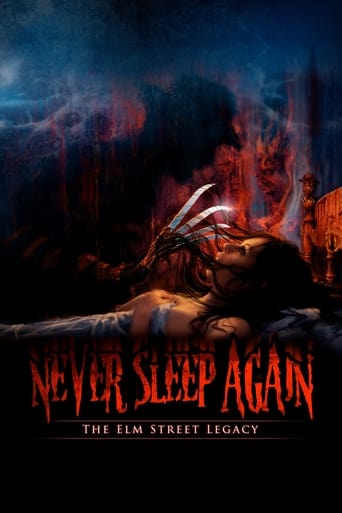
For decades, Freddy Krueger has slashed his way through the dreams of countless youngsters, scaring up over half a billion dollars at the box office across eight terrifying, spectacular films.
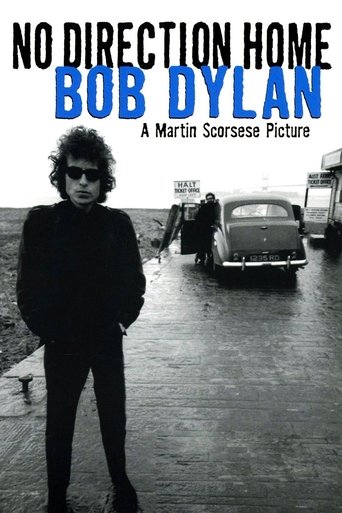
A chronicle of Bob Dylan's strange evolution between 1961 and 1966 from folk singer to protest singer to "voice of a generation" to rock star.

Oliver Stone charts the history of the United States from the Second World War to the present.

Taking inspiration from Peter M. Bracke's definitive book of the same name, this seven-hour documentary dives into the making of all twelve Friday the 13th films, with all-new interviews from the cast and the crew.
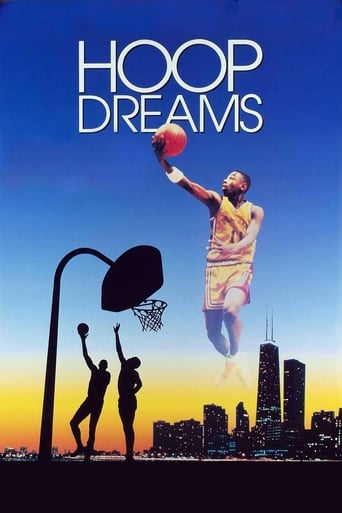
Every school day, African-American teenagers William Gates and Arthur Agee travel 90 minutes each way from inner-city Chicago to St. Joseph High School in Westchester, Illinois, a predominately white suburban school well-known for the excellence of its basketball program. Gates and Agee dream of NBA stardom, and with the support of their close-knit families, they battle the social and physical obstacles that stand in their way. This acclaimed documentary was shot over the course of five years.
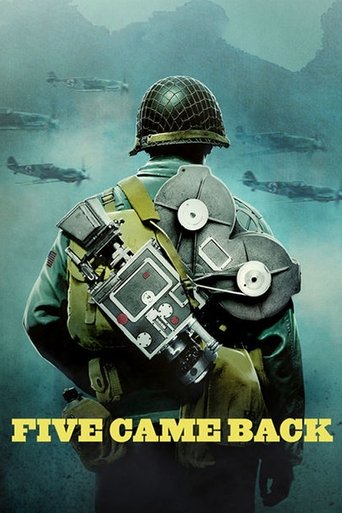
The extraordinary story of how Hollywood changed World War II – and how World War II changed Hollywood, through the interwoven experiences of five legendary filmmakers who went to war to serve their country and bring the truth to the American people: John Ford, William Wyler, John Huston, Frank Capra, and George Stevens. Based on Mark Harris’ best-selling book, “Five Came Back: A Story of Hollywood and the Second World War.”

Marcel Ophuls' riveting film details the heinous legacy of the Gestapo head dubbed "The Butcher of Lyon." Responsible for over 4,000 deaths in occupied France during World War II, Barbie would escape—with U.S. help—to South America in 1951, where he lived until a global manhunt led to his 1983 arrest and subsequent trial.

An intimate look at the Woodstock Music & Art Festival held in Bethel, NY in 1969, from preparation through cleanup, with historic access to insiders, blistering concert footage, and portraits of the concertgoers; negative and positive aspects are shown, from drug use by performers to naked fans sliding in the mud, from the collapse of the fences by the unexpected hordes to the surreal arrival of National Guard helicopters with food and medical assistance for the impromptu city of 500,000.

A live concert in tribute to Freddie Mercury, former lead singer of Queen. Mercury died of AIDS and so some of the proceeds of this concert went to AIDS research. Features performers such as Metallica, Def Leppard, Elton John, Axl Rose, Extreme, George Michael, and many others. Performers alternate between doing their own hits, covering Queen songs, or jamming with the surviving members of Queen.

The London 2012 Olympic Games Opening Ceremony took place at 9pm on 27 July 2012. Titled 'Isles of Wonder', the Ceremony welcomed the finest athletes from more than 200 nations for the start of the London 2012 Olympic Games, marking an historic third time the capital has hosted the world’s biggest and most important sporting event. The Opening Ceremony reflected the key themes and priorities of the London 2012 Games, based on sport, inspiration, youth and urban transformation. It was a Ceremony 'for everyone' and celebrated contributions the UK has made to the world through innovation and revolution, as well as the creativity and exuberance of British people.
Similar titles
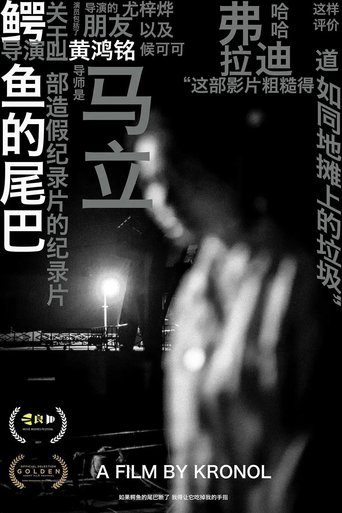
In order to finish her homework, the girl decided to shoot a fake documentary. In the process, she came closer to her grandmother's world and found herself.


The story of a girl attempted suicide for love and finally returned to religion.

This story is about the group's marvellous life without money.The film tell this story from six points of view: the screenwriter, the recording, the photography, the art, the performer and the director.

Scars, which are unfortunate or unexpected results, are also signs of healing. This new connective tissue replaces the process of injured tissues, and at the same time it becomes a metaphor for the pain and frustration of life: the sadness of the body, the union of pain... In short, scars have become a proof, a proof of existence, a proof of alive, a proof of pain, and a proof of a certain age. Beginning in 1949, in this vast land, these various scars, these healing marks, patterns, sad shapes, bring personal memories, collective pains, the marks of history, and come together Gaze, the meaning of the record. This film is the first part of the "Scar" project, the story of 110 Chinese scars.
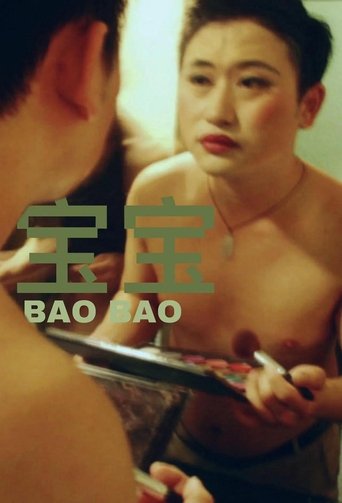
The baby is a temporary floating population. He works diligently, from a small restaurant owner to a tea shop manager to a bar manager. This film records the survival state of children centered and gay comrades: trivial, messy, boring, and entertaining themselves. The camera calmly captures every bit of their daily life for more than two years, and as time goes by, the changes the baby presents are more ordinary. The film calmly explains the relationship between "comrades" and "society", and the various small details interpenetrated in the film also metaphorically reflect the changes of today's society
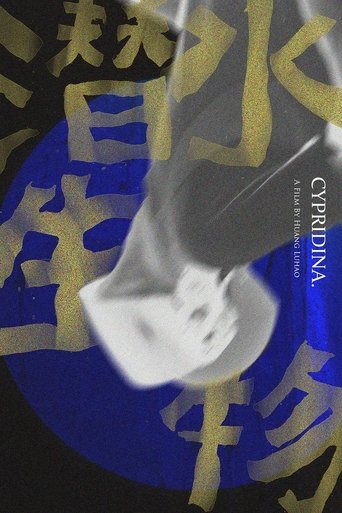
This film is about the story of the main character and his younger brother, the younger brother saw the comic book of the main character, in his brain, he had a fight of animal chess related to memory. The younger brother belongs to the green party, the elder brother belongs to the orange party, at last the elder brother lost and the younger brother won in his consciousness, the younger brother took the elder brother to see the future elder brother in the heart of the younger brother.
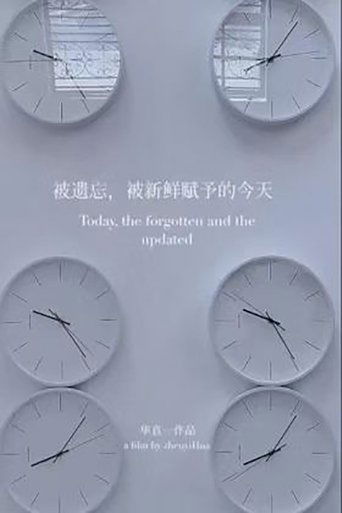
What are we doing after the war?

Here is only one chance in life, and the way of education has a profound impact on the future of children; letting children go to school at home is a challenge and an experiment that does not allow failure... This film visits four families who have completely different backgrounds but also choose to teach themselves. Through the sharing of experiences between their children and their parents, it presents the appearance of the phenomenon of self-study in Taiwan today. Is the pursuit of the happy growth of one's own children contradictory to the hope that the children will become a dragon and a phoenix? What kind of learning environment should we prepare for children? How do families with different backgrounds and children with different qualifications choose appropriate education methods? What is best for children?
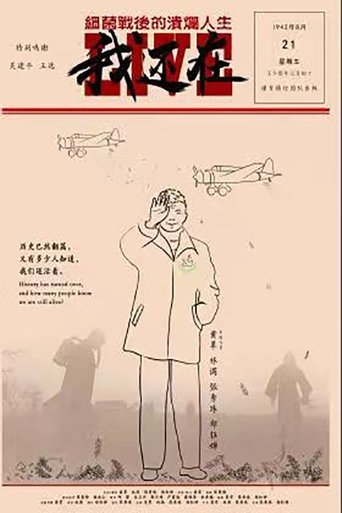
On August 21, 1942, while the Japanese "Expeditionary Team" immediately retreated with ground troops, they scattered anthrax on fields, grasses, and crops in urban residential areas along the Zhejiang-Jiangxi traffic. People along the route mostly depend on farming for their livelihoods, so at the same time, many people crippled and died with rotten feet. According to incomplete statistics, there are only more than 160 suspected germ warfare survivors in Quzhou, Zhejiang. This film focuses on these surviving elderly people. When 70 years have passed since the war and a new chapter of history opened, what kind of lives are the old people who are victims? What kind of mental state are you in? Will the wounds left over from the war heal? What is the attitude towards war?
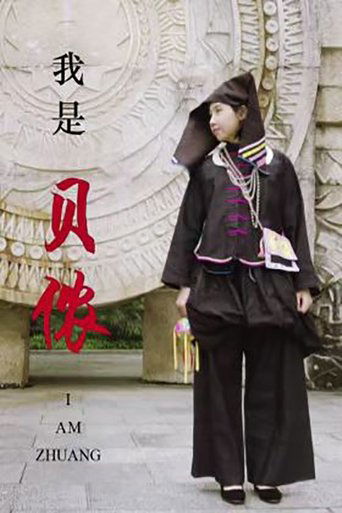
Beixnuengx means compatriot in the Zhuang language. I was born and raised in the city. Although I am Zhuang (China’s ethnic group), am I Beixnuengx? I want to find my identity. So I started with Zhuang folk songs. I set off from Nanning to Wuming, Baise, and then to Mashan, my hometown that I have never been to. I met people singing songs in WeChat groups; I joined the Zhuang song festival at the entrance of the village, I visited 100-year-olds who still make Zhuang brocade... What are the stories of those singing folk songs? What Beixnuengx culture is revealed in folk songs? Along the way, I slowly uncovered the much advertised Zhuang culture and saw her in the most original form. In the end, how did I answer my initial question?
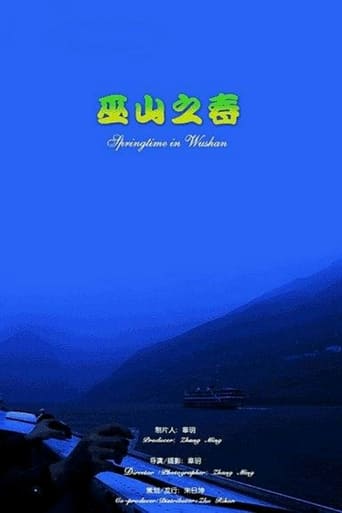
Zhang Ming went back to his hometown Wushan to record the last images before it being changed forever by the upcoming Three Gorges Dam.
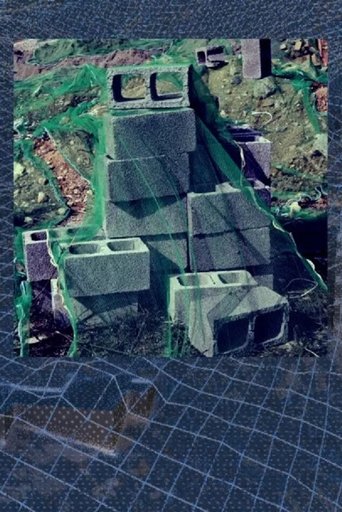
Video essay ‘Rock and Cliff' investigates the creation of Horn Town, a new model village and centre of large scale tourist development, and the experiences of rural residents moved there through government-led displacement. Horn Town is located in Wulong, a rural district near the Three Gorges Dam administered by the Chongqing municipality (a city of 30 million people). Narrated in the style of a science documentary but using local Chongqing dialect, the video brings a geological and topographical perspective to types of 'rocks' found in the area,from mythological stones from a mountain cliff, to ruins of the original settlement, to a stone sculpture from a dubious 'Land Art Biennial', in order to address issues of land acquisition, top-down development and spatial politic.
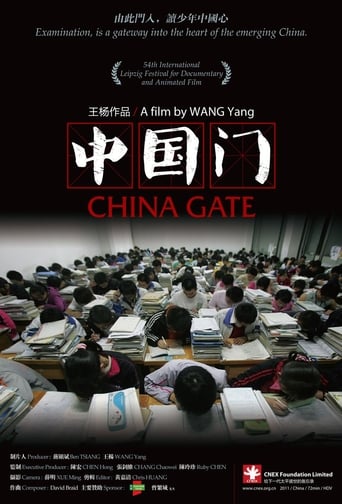
"China Gate" tells the story of young Chinese fight to change their fate through studying. Right before dawn, students in Huining have already started their self-studying session; hard working youngsters have filled up the space of school ground. This is one of the most poverty-stricken Counties in Western China; here people's only hope is in education, as the way to change their social status. Therefore all their effort point towards the College Entrance Examination, the process is like going through a gate, those who pass can study at urban Universities, and have the chance to build a better life. During the same winter season in Beijing, a graduate student faces a big decision. Should he keep trying to survive in the big city or get back to his countryside home? The exhausted faces at the Beijing underground seem to be revealing the truth about their distance in between. The student comes to see the flag ceremony at Tiananmen Square, where the pulsing symbol of the nation lies.
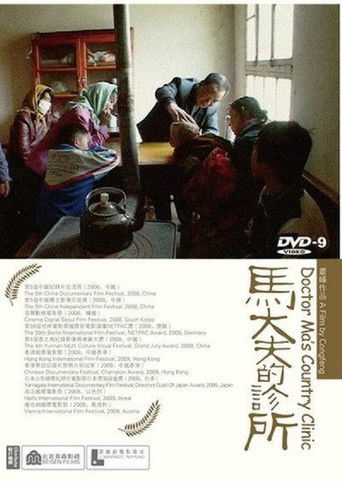
"Huangyangchuan, Gansu province, China. It's an arid mountain area with poor roads. Ma Bingcheng is well-respected local doctor, so many patients (most of them farmers) come to see him every day. In his small clinic, people chat with each other about their lives, local conditions, or the people they know. The clinic seems to open up like a microcosm, the information and experiences of different people intertwine, revealing the conditions of typical Chinese farmers, and the typical fates of both young and old--"
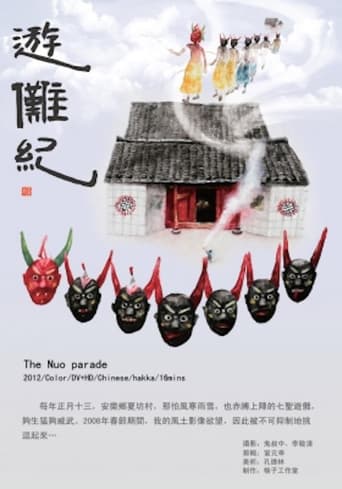
On the thirteenth of the first month of each year, Xiafang Village, Anle Township, even in the cold and rain, the Seven Saints Peregrine Falcons, who are shirtless, are powerful and mighty. During the 2008 Spring Festival, Uncle Ghost's desire to record terroir images was irresistibly teased.
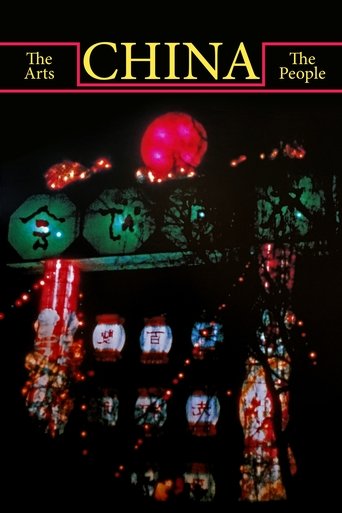
China marks the beginning of the extensive Asian theme in Ottinger’s filmography and is her first travelogue. Her observant eye is interested in anything from Sichuan opera and the Beijing Film Studio to the production of candy and sounds of bicycle bells.
Filmed over three years on China’s railways, The Iron Ministry traces the vast interiors of a country on the move: flesh and metal, clangs and squeals, light and dark, and language and gesture. Scores of rail journeys come together into one, capturing the thrills and anxieties of social and technological transformation. The Iron Ministry immerses audiences in fleeting relationships and uneasy encounters between humans and machines on what will soon be the world’s largest railway network.
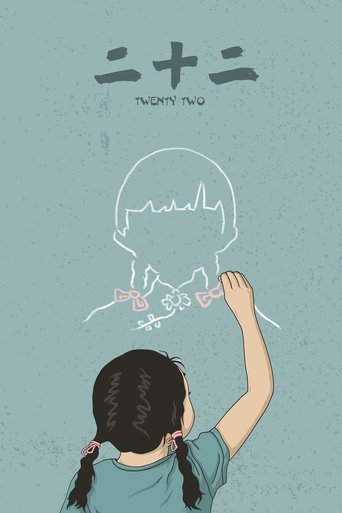
Follow the lives of the elderly survivors who were forced into sex slavery as “Comfort Women” by the Japanese during World War II. At the time of filming, only 22 of these women were still alive to tell their story. Through their own personal histories and perspectives, they tell a tale that should never be forgotten to generations unaware of the brutalization that occurred.