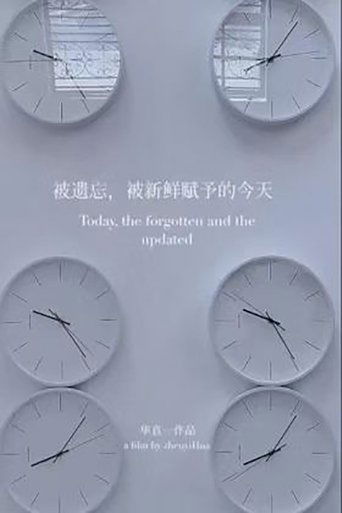
TODAY, THE FORGOTTEN AND THE UPDATED
2022-09-26 · 10 min · Not rated
What are we doing after the war?
Trailers are previews, not full movies.
No authorized playback source configured. Use the legal watch options below.
Production details
- Directors
- Zhenyi Hua
- Production companies
- Unavailable
- Countries
- Unavailable
- Status
- Released
Top Cast
Cast unavailable.
Title information and images are supplied by TMDb. Explore our discovery guide for advice on comparing metadata and legal viewing options.
Where to watch
Availability provided by JustWatch via TMDb. Offers can change. Provider links are listed on TMDb; full playback requires a separately authorized source.
Availability not listed for this country.
Seasons & episodes
Recommendations

When Allied forces liberated the Nazi concentration camps in 1944-45, their terrible discoveries were recorded by army and newsreel cameramen, revealing for the first time the full horror of what had happened. Making use of British, Soviet and American footage, the Ministry of Information’s Sidney Bernstein (later founder of Granada Television) aimed to create a documentary that would provide lasting, undeniable evidence of the Nazis’ unspeakable crimes. He commissioned a wealth of British talent, including editor Stewart McAllister, writer and future cabinet minister Richard Crossman – and, as treatment advisor, his friend Alfred Hitchcock. Yet, despite initial support from the British and US Governments, the film was shelved, and only now, 70 years on, has it been restored and completed by Imperial War Museums under its original title "German Concentration Camps Factual Survey".

Through deeply personal interviews with her siblings and an examination of the photographs, letters, and belongings left behind, Mariska assembles a new portrait of her mother Jayne Mansfield, an extraordinary and complex woman.

Al Pacino's deeply-felt rumination on Shakespeare's significance and relevance to the modern world through interviews and an in-depth analysis of "Richard III."

Director Michael Apted revisits the same group of British-born adults after a 7 year wait. The subjects are interviewed as to the changes that have occurred in their lives during the last seven years.

In an intimate and joyful story of love in the face of loss, celebrated poets Andrea Gibson and Megan Falley find strength—and unexpected hilarity—in what might be their final year together.

An inside look at one of the most anticipated movie sequels ever with James Cameron and cast.
After another 7 year wait, director Michael Apted revisits the same group of British-born children from Seven Up! and 7 Plus Seven. The subjects are interviewed as to the changes that have occurred in their lives during the last seven years.

From the heights of her modeling fame to her tragic death, this documentary reveals Anna Nicole Smith through the eyes of the people closest to her.
Just two years away from turning 30, participants in Michael Apted's documentary series are facing serious questions of identity and purpose, wondering whether they've found their place in the world.

A documentary about the life and films of director John Ford.
An interview with film director Roman Polanski conducted during his period of house arrest, discussing his life and work.

A documentary on the expletive's origin, why it offends some people so deeply, and what can be gained from its use.

The final entry in a trilogy of films produced for the U.S. government by John Huston. Some returning combat veterans suffer scars that are more psychological than physical. This film follows patients and staff during their treatment. It deals with what would now be called PTSD, but at the time was categorised as psychoneurosis or shell-shock. Government officials deemed this 1946 film counterproductive to postwar efforts; it was not shown publicly until 1981.

A documentary about how a dominant cultural and demographic institution both sustains their traditional activities and adapts to the digital revolution.
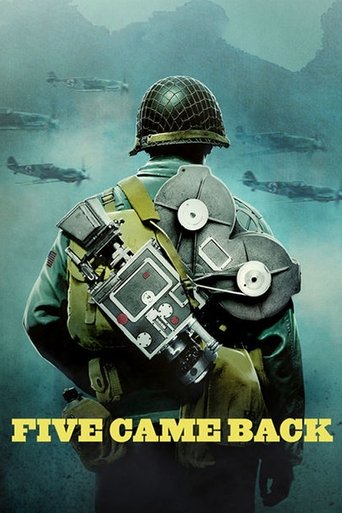
The extraordinary story of how Hollywood changed World War II – and how World War II changed Hollywood, through the interwoven experiences of five legendary filmmakers who went to war to serve their country and bring the truth to the American people: John Ford, William Wyler, John Huston, Frank Capra, and George Stevens. Based on Mark Harris’ best-selling book, “Five Came Back: A Story of Hollywood and the Second World War.”

A visual montage portrait of our contemporary world dominated by globalized technology and violence.

A string of threatening emails escalates into a revenge plot involving a newly married US marshal and his ex-girlfriend.

Alexander McQueen's rags-to-riches story is a modern-day fairy tale, laced with the gothic. Mirroring the savage beauty, boldness and vivacity of his design, this documentary is an intimate revelation of McQueen's own world, both tortured and inspired, which celebrates a radical and mesmerizing genius of profound influence.
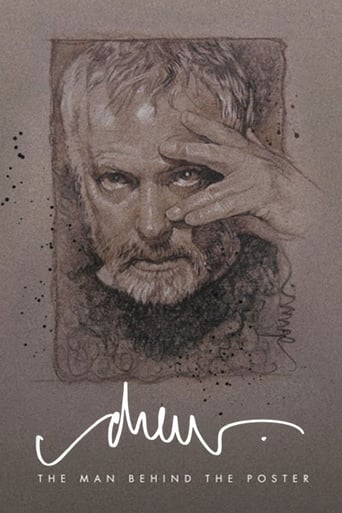
A documentary on legendary movie-poster artist Drew Struzan.
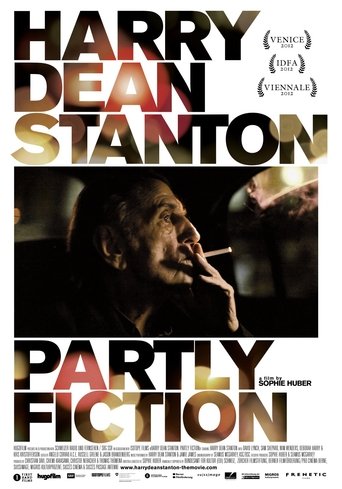
An impressionistic portrait of the iconic actor Harry Dean Stanton comprised of intimate moments, film clips from some of his 250 films and his renditions of American folk songs.
Similar titles
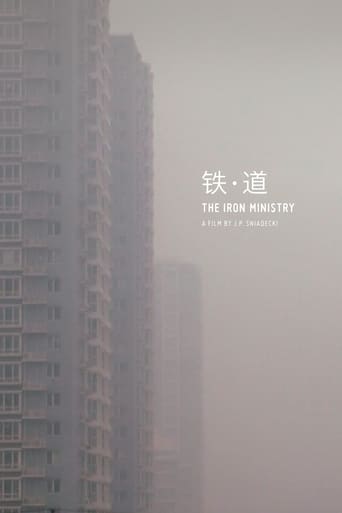
Filmed over three years on China’s railways, The Iron Ministry traces the vast interiors of a country on the move: flesh and metal, clangs and squeals, light and dark, and language and gesture. Scores of rail journeys come together into one, capturing the thrills and anxieties of social and technological transformation. The Iron Ministry immerses audiences in fleeting relationships and uneasy encounters between humans and machines on what will soon be the world’s largest railway network.

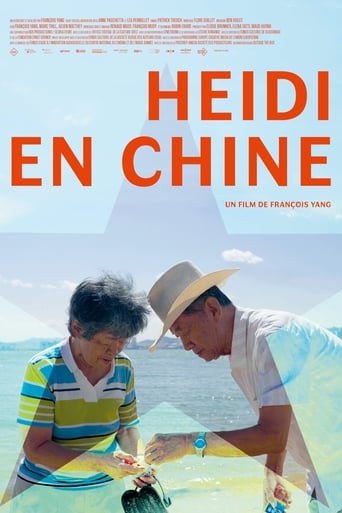
In 1946, Heidi is entrusted to a Swiss family by her father. He will never come back for her. Today, François Yang questions his mother about her past. What follows is a journey to China, a quest to reconstruct memory. Through contact with her brothers and sister, Heidi measures the extent of the drama experienced by her family that remained in China, persecuted by the Communist Party.
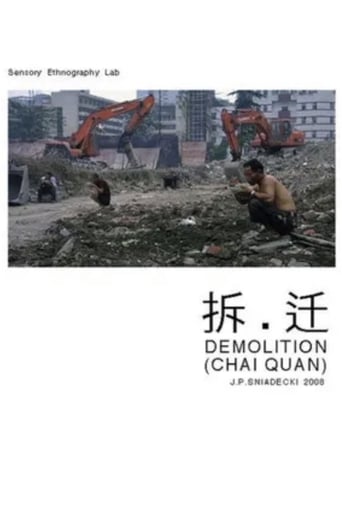
"If the old doesn't go, the new never comes" recites a teenager hanging out near a demolition site in the center of Chengdu, the Sichuan capital in western China. In Demolition, filmmaker J.P. Sniadecki deconstructs the transforming cityscape by befriending the migrant laborers on the site and documenting the honest, often unobserved, human interactions, yielding a wonderfully patient and revealing portrait of work and life in the shadow of progress and economic development.

A large majority of LGBT people in mainland China remain in the closet. Most of these closet doors are kept tightly shut by pressure from friends, family, and society itself. This documentary hopes to explore the experience of coming out in China through a series of interviews with out homosexuals. The interviews touch upon the discrimination, suppression, and even violence they have endured as well as the touching moments where they experienced compassion and understanding. The documentary also covers gay rights activist and proud mother of a homosexual, Wu Youjian, who stands strongly by her son and other gay men in full support.

A soon-to-be first-time voter, the filmmaker’s thought-provoking journey into the Rust Belt and South captures four Asian American voters’ ardent first time grassroots political participation ignited by the 2016 rise of “Chinese Americans for Trump.” FIRST VOTE is a character driven cinema verité style film chronicling the democratic participation of four Asian American voters from 2016 through the 2018 midterm elections.

In this vivid portrait of China's musical heritage, Sichuan Opera performers strive to keep a centuries-old artform alive. After thriving for 300 years, Sichuan Opera is an endangered art form. Having survived the Cultural Revolution, state-sponsored opera troupes now face extinction in the era of private enterprise. Opera master Li Baoting began his career at eight, but now performs pop songs with showgirls in cheap bars. His colleague Wang Bin performs in travelling tents, trying to resist the massive cultural changes threatening to wipe out this artform.

A lively community of Christians inhabit Fangshan, a remote rural town in Jiangsu Province. At the start of the millennium, a church was built there with support of local inhabitants' relatives from Taiwan. On Sundays, up to 900 people gather to worship, while spending most of their days maintaining a modest living as farmers. Their faith governs how they handle family conflicts, illnesses and other difficulties. Still, they must contend with constraining forces in their community, from ancient folk religious practices to laws forbidding evangelism.
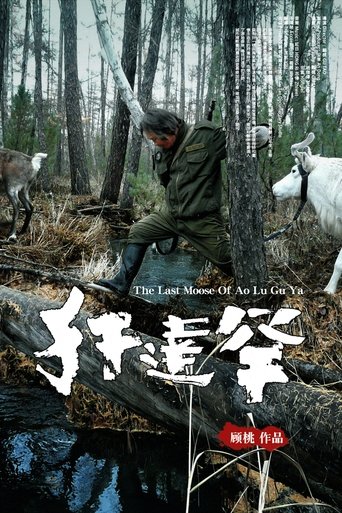
Documentary about a tribe of indigenous people in northern China.
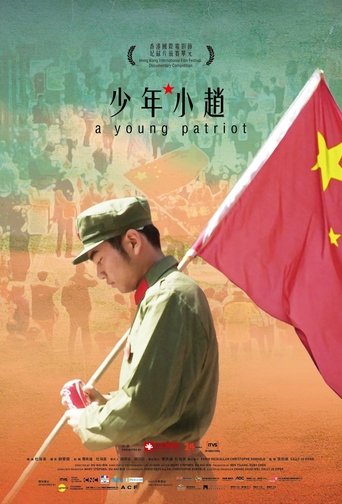
A documentary chronicling the coming of age of a young chinese man.
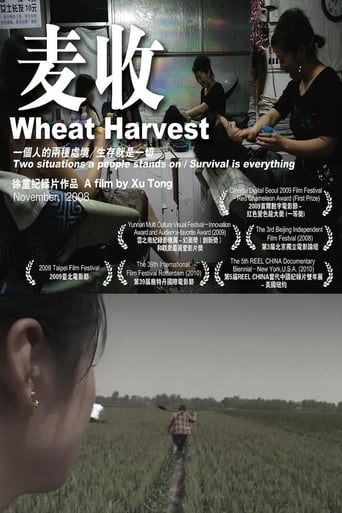
A documentary film showing the life of Niu Hongmiao, a 20-year-old country girl who is now a prostitute in Beijing. Around the time of wheat harvesting, she goes back home to Dingxing County, Hebei Province to visit her parents.

The Cold Winter was shot from the end of 2009 to early 2010, and focuses on the struggle of artists near Beijing’s famous Chaoyang District 798 Art Zone to protect their land and studios from demolition by developers. During the exceptionally cold winter of the title, the artists formed the “Warm Winter Plan” movement as a means of defending their rights and raising public awareness, being subjected to threats and brutal violence in the process.
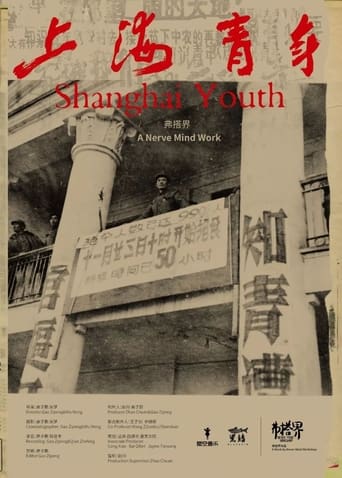
As a special generation born in the New China, the hundreds of thousands of educated youth from Shanghai went through enormous hardship during their work in Xinjiang from 1963 to 1966. Because of the specific historical conditions and context, they have been strikingly stamped with the mark of the times and have had to struggle to understand the relationship between themselves and the nation.
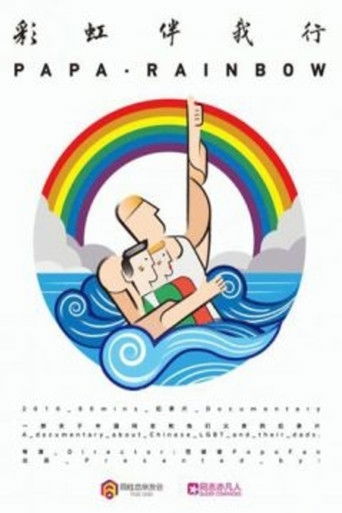
In China, most families have difficulties facing their lesbian, gay, bisexual and/or transgender (LGBT) children. They have to contend with common social beliefs that homosexuality is shameful, abnormal, a perverted condition caused by deviant family relationships. Many parents see their kids as their property, and fathers often assert their authority to ensure that no harm comes to the family reputation. The documentary 'Papa Rainbow' features six Chinese fathers who talk openly and freely about their experiences with their LGBT children. Speaking out against discrimination and stigma, they redefine what it means to protect a household. They fully embrace their kids for who they are, and become pioneer activists fighting for an equal and diverse society.
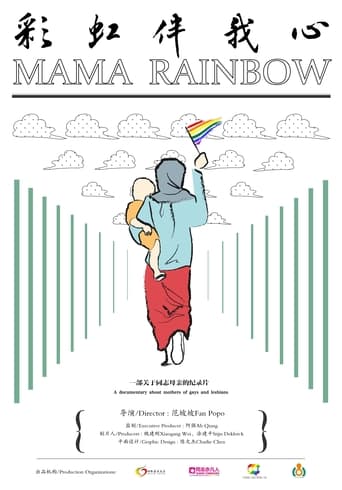
For Chinese parents, finding out that their kid is gay usually presents a major tragedy, with the big majority utterly unable to accept the homosexuality of their son or daughter. However, during recent years a fresh rainbow wind has been blowing over the Chinese mainland: a pioneer generation of Chinese parents has been stepping up and speaking out on their love for their gay kids. This documentary features 6 mothers from all over China, who talk openly and freely about their experiences with their homosexual children. With their love, they are giving a whole new definition to Chinese-style family bonds.
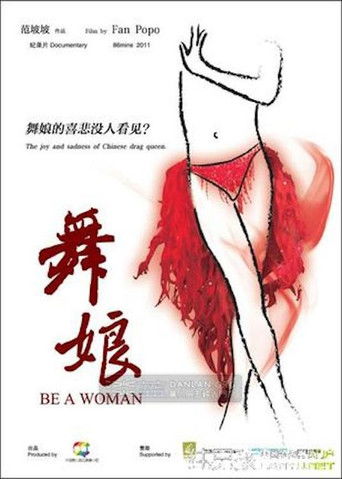
Over the course of 3 years, Fan Popo visited a bar called “Only-Love” in Nanning, China, getting to know the dancers and drag queens there and discovering who they really were behind their exuberant costumes and personas.
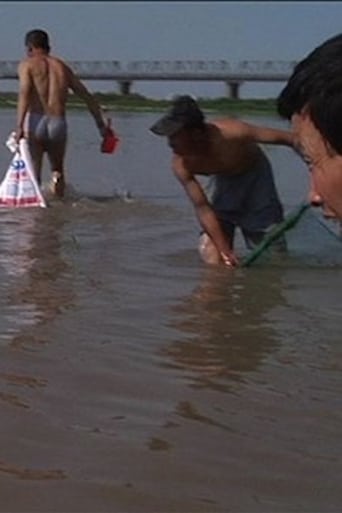
In northeastern China the Songhua River flows west from the border of Russia to the city of Harbin, where four million people depend on it as a source of water. Songhua is a portrait of the varying people that gather where the river meets the city, and an ethnographic study of the intimate ways in which they play and work.

A short documentary that captures the longest total solar eclipse of the 21st century, The Yellow Bank takes you on a contemplative boat ride across the Huangpu River in Shanghai, China. Filmmaker J.P. Sniadecki, who lived and worked in Shanghai nine years earlier, uses the eclipse as a catalyst to explore the way weather, light, and sound affect the urban architectural environment during this extremely rare phenomenon.
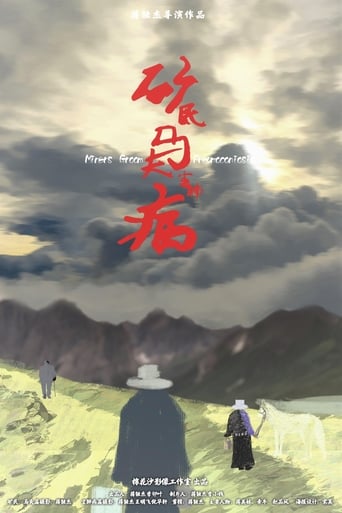
The location of Hunan's southwestern Hunan, the local economy is not active, the people either go out to work or go up the mountain to mine. Due to the constant mining disasters, despite the government's efforts to rectify and regulate, many people still illegally mine. Miners often do not pay attention to the protection of mines. Many years later, many miners have pneumoconiosis. The film started shooting in 2010 until 2018, with a filming period of nearly ten years, until the death of Zhao Pingfeng, the protagonist of pneumoconiosis, leaving young children and mentally handicapped wife.
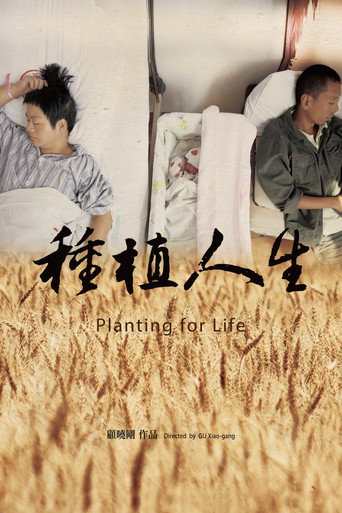
Old Jia gave up his city life and returned to the countryside with his wife. He abandoned chemical fertilizer to practice natural farming. His philosophy attracted a big group of admirers from the city, whereas local villagers disagreed on his approaches.