Let There Be Light
1946-12-16 · 58 min · ★ 7.3
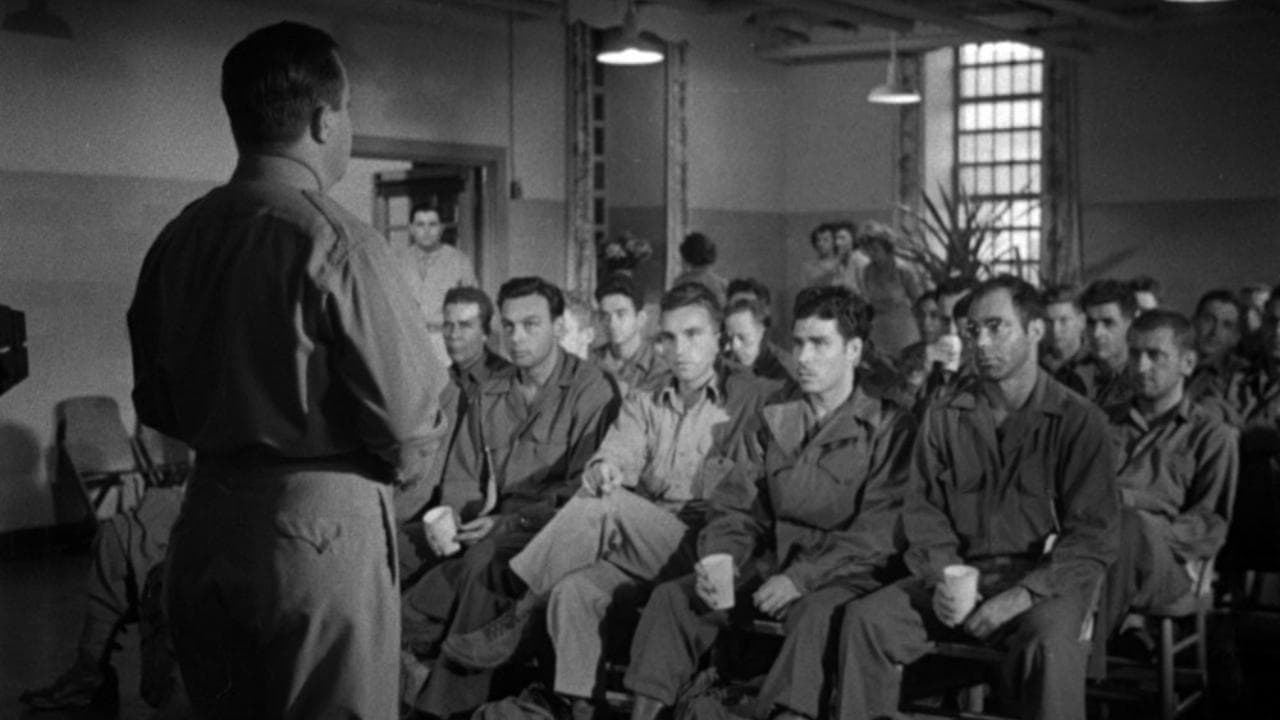
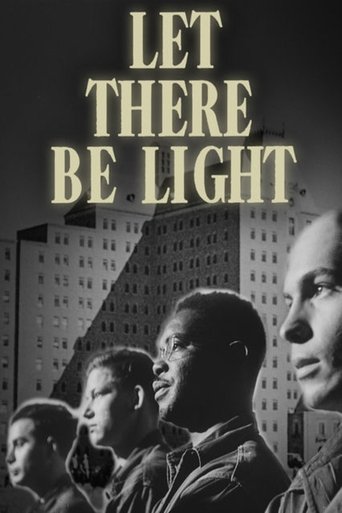
The final entry in a trilogy of films produced for the U.S. government by John Huston. Some returning combat veterans suffer scars that are more psychological than physical. This film follows patients and staff during their treatment. It deals with what would now be called PTSD, but at the time was categorised as psychoneurosis or shell-shock. Government officials deemed this 1946 film counterproductive to postwar efforts; it was not shown publicly until 1981.
Trailers are previews, not full movies.
No authorized playback source configured. Use the legal watch options below.
Production details
- Directors
- John Huston
- Production companies
- U.S. Army Pictorial Services
- Countries
- United States of America
- Status
- Released
Top Cast
 Walter HustonNarrator (voice) (uncredited)
Title information and images are supplied by TMDb. Explore our discovery guide for advice on comparing metadata and legal viewing options.
Where to watch
Availability provided by JustWatch via TMDb. Offers can change. Provider links are listed on TMDb; full playback requires a separately authorized source.
Streaming
fuboTV, MGM+ Amazon Channel, Philo, MGM Plus Roku Premium Channel, Criterion Channel, MGM Plus
Rental
Amazon Video
Purchase
Amazon Video
Free
Kanopy, Fawesome
With ads
Tubi TV
View authorized watch options on TMDbSeasons & episodes
Recommendations

When Sgt. First Class Brian Eisch is critically wounded in Afghanistan, it sets him and his sons on a journey of love, loss, redemption and legacy.
In 2010, the media branded a platoon of U.S. Army infantry soldiers “The Kill Team” following reports of its killing for sport in Afghanistan. Now, one of the accused must fight the government he defended on the battlefield, while grappling with his own role in the alleged murders. Dan Krauss’s absorbing documentary examines the stories of four men implicated in heinous war crimes in a stark reminder that, in war, innocence may be relative to the insanity around you.

Prelude to War was the first film of Frank Capra's Why We Fight propaganda film series, commissioned by the Pentagon and George C. Marshall. It was made to convince American troops of the necessity of combating the Axis Powers during World War II. This film examines the differences between democratic and fascist states.
Amid the failing counteroffensive, a journalist follows a Ukrainian platoon on their mission to traverse one mile of heavily fortified forest and liberate a strategic village from Russian occupation. But the farther they advance through their destroyed homeland, the more they realize that this war may never end.
A love letter from a young mother to her daughter, the film tells the story of Waad al-Kateab’s life through five years of the uprising in Aleppo, Syria as she falls in love, gets married and gives birth to Sama, all while cataclysmic conflict rises around her. Her camera captures incredible stories of loss, laughter and survival as Waad wrestles with an impossible choice– whether or not to flee the city to protect her daughter’s life, when leaving means abandoning the struggle for freedom for which she has already sacrificed so much.

A string of threatening emails escalates into a revenge plot involving a newly married US marshal and his ex-girlfriend.
The extraordinary story of how Hollywood changed World War II – and how World War II changed Hollywood, through the interwoven experiences of five legendary filmmakers who went to war to serve their country and bring the truth to the American people: John Ford, William Wyler, John Huston, Frank Capra, and George Stevens. Based on Mark Harris’ best-selling book, “Five Came Back: A Story of Hollywood and the Second World War.”
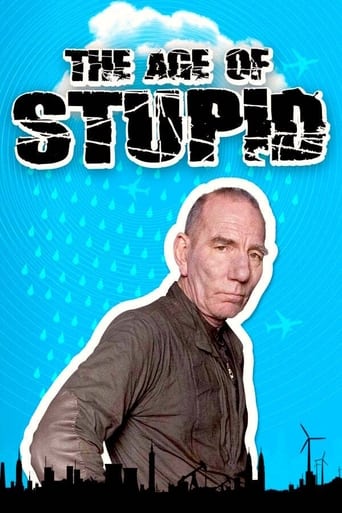
Pete Postlethwaite stars as a man living alone in the devastated future world of 2055, looking at old footage from 2008 and asking: why didn’t we stop climate change when we had the chance?
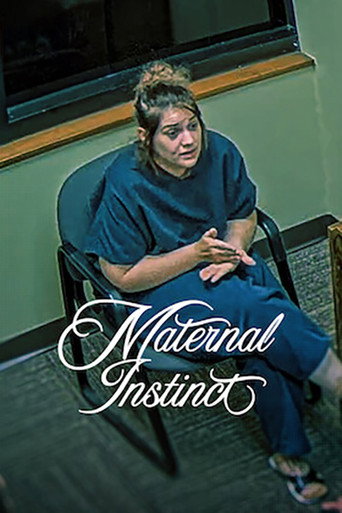
Police pull over a woman who claims she just gave birth. But the baby — and the blood — aren't hers. Twisted lies unravel in this true-crime documentary.
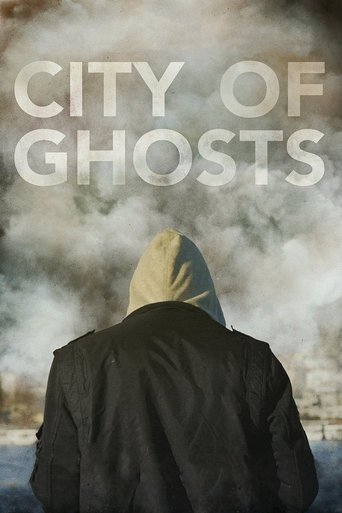
With unprecedented access, this documentary follows the extraordinary journey of “Raqqa is Being Slaughtered Silently”—a group of anonymous citizen journalists who banded together after their homeland was overtaken by ISIS—as they risk their lives to stand up against one of the greatest evils in the world today.

This documentary movie is about the battle of San Pietro, a small village in Italy. Over 1,100 US soldiers were killed while trying to take this location, that blocked the way for the Allied forces from the Germans. Preserved by the Academy Film Archive in 2005.
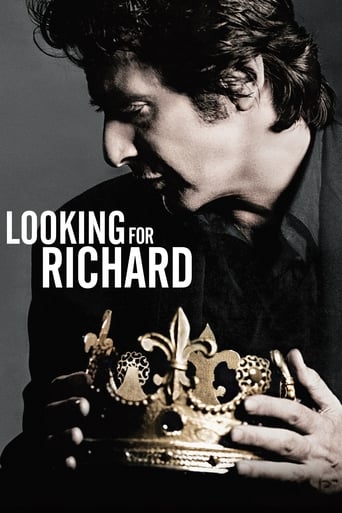
Al Pacino's deeply-felt rumination on Shakespeare's significance and relevance to the modern world through interviews and an in-depth analysis of "Richard III."
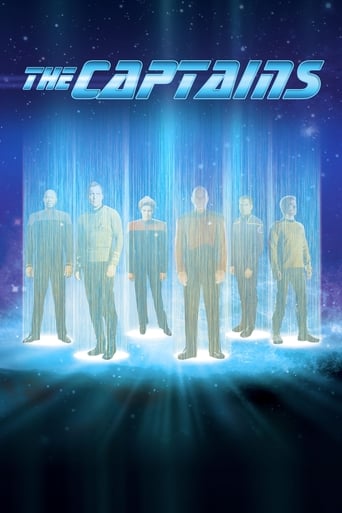
The Captains is a feature-length documentary film written and directed by William Shatner. The film follows Shatner as he interviews the other actors who have portrayed starship captains in the Star Trek franchise.
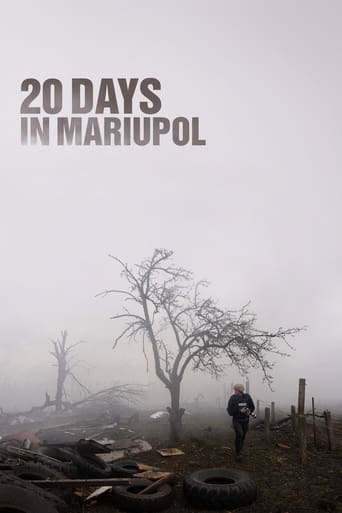
As the Russian invasion begins, a team of Ukrainian journalists trapped in the besieged city of Mariupol struggle to continue their work documenting the war's atrocities.
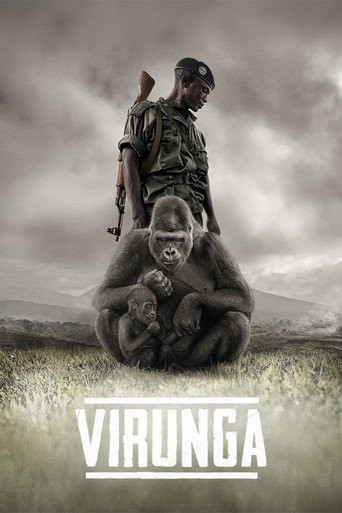
Virunga in the Democratic Republic of the Congo is Africa’s oldest national park, a UNESCO world heritage site, and a contested ground among insurgencies seeking to topple the government that see untold profits in the land. Among this ongoing power struggle, Virunga also happens to be the last natural habitat for the critically endangered mountain gorilla. The only thing standing in the way of the forces closing in around the gorillas: a handful of passionate park rangers and journalists fighting to secure the park’s borders and expose the corruption of its enemies. Filled with shocking footage, and anchored by the surprisingly deep and gentle characters of the gorillas themselves, Virunga is a galvanizing call to action around an ongoing political and environmental crisis in the Congo.
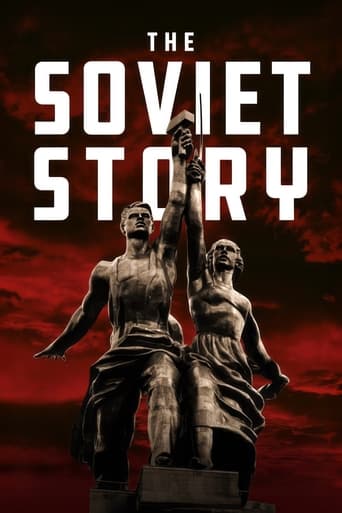
“The Soviet Story” is a story of an Allied power, which helped the Nazis to fight Jews and which slaughtered its own people on an industrial scale. Assisted by the West, this power triumphed on May 9th, 1945. Its crimes were made taboo, and the complete story of Europe’s most murderous regime has never been told. Until now...
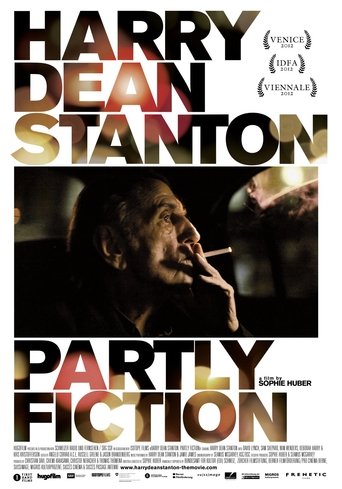
An impressionistic portrait of the iconic actor Harry Dean Stanton comprised of intimate moments, film clips from some of his 250 films and his renditions of American folk songs.
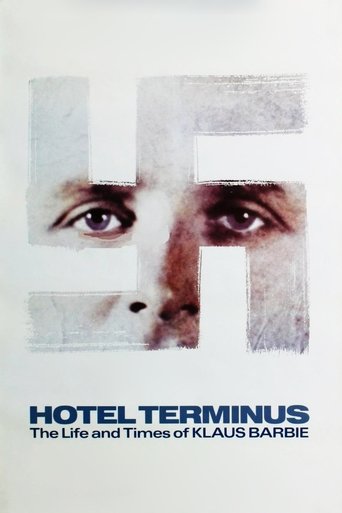
Marcel Ophuls' riveting film details the heinous legacy of the Gestapo head dubbed "The Butcher of Lyon." Responsible for over 4,000 deaths in occupied France during World War II, Barbie would escape—with U.S. help—to South America in 1951, where he lived until a global manhunt led to his 1983 arrest and subsequent trial.
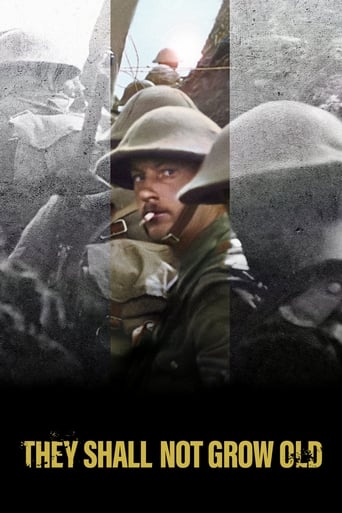
A documentary about World War I with never-before-seen footage to commemorate the centennial of Armistice Day, and the end of the war.

Through deeply personal interviews with her siblings and an examination of the photographs, letters, and belongings left behind, Mariska assembles a new portrait of her mother Jayne Mansfield, an extraordinary and complex woman.
Similar titles

Stuck in a rut, reporter Kim Baker decides to shake things up by leaving her desk job in New York and taking a dangerous assignment in Afghanistan. Far from home and completely out of her comfort zone, a culture-shocked Kim befriends an adventurous reporter Tanya Vanderpoel, a stern Colonel, and a charming photojournalist to help her navigate this crazy new world.
After the suppression of "Let There Be Light" (a documentary about combat-induced post-traumatic stress disorders which presented many inconvenient and demoralizing truths), the U.S. Army Signal Corp created this dramatized up-beat remake of the film. Only this time, the production excluded the involvement of John Houston, the producer of the original documentary.
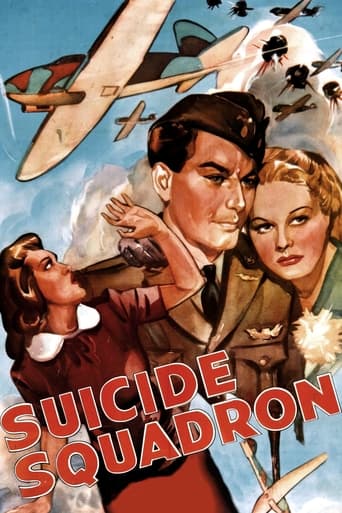
Stefan Radetzky, a Polish pilot and famous concert pianist, is hospitalised in England from injuries sustained while in combat, and having lost his memory. As Radetzky plays the piano in a trance-like state, the story moves back in time to war-torn Warsaw. During an air-raid, Radetzky meets American journalist Carole, and there is a mutual attraction. Following the fall of Poland, Radetzky and Irish pilot, Mike, escape to Rumania and then on to America. Radetzky continues his musical career in America and meets up again with Carole.
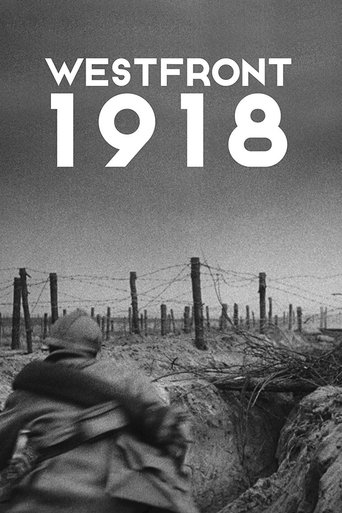
A group of German infantrymen of the First World War live out their lives in the trenches of France. They find brief entertainment and relief in a village behind the lines, but primarily terror fills their lives as the attacks on and from the French army ebb and flow. One of the men, Karl, goes home on leave only to discover the degradation forced on his family by wartime poverty. He returns to the lines in time to face an enormous attack by French tanks.
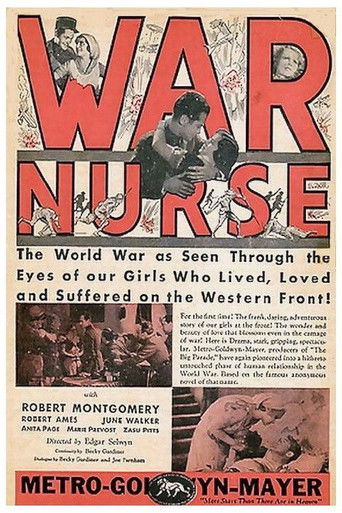
Women from various backgrounds volunteer as nurses in France at the outbreak of World War I.
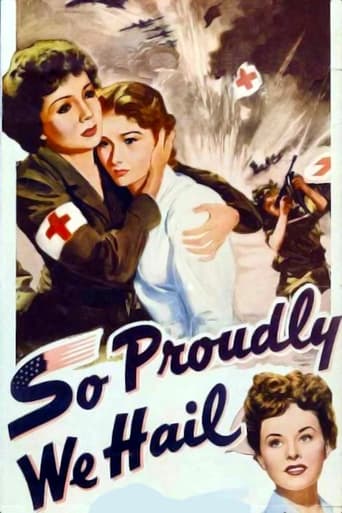
During the start of the Pacific campaign in World War II, Lieutenant Janet Davidson is the head of a group of U.S. military nurses who are trapped behind enemy lines in the Philippines. Davidson tries to keep up the spirits of her staff, which includes Lieutenants Joan O'Doul and Olivia D'Arcy. They all seek to maintain a sense of normal life, including dating, while under constant danger as they tend to wounded soldiers.
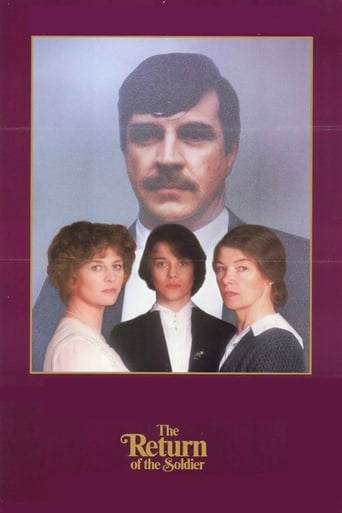
The horrors of World War I have robbed returning veteran Chris Baldry of his memory. The traumatized soldier doesn't even recognize his own wife, Kitty, or remember their years together. While Baldry attempts to cope with the unfamiliar surroundings of his own home, he seeks out the company of an old flame from his childhood, Margaret Grey. His amnesia also makes him a ready target for the affections of his older cousin, Jenny.
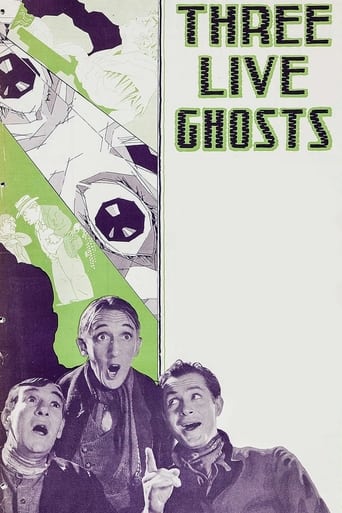
An investigator is asking Mrs. Gubbins about a William Foster, who was a friend of her stepson Jimmy. Both are listed as killed in action during the Great War. It is Armistice Day, 1918, and the war is over. Who should be strolling down the street but Jimmy Gubbins, Bill 'Jones' and another man who has lost his memory. They are ghosts as the official records list them as dead and not as escaped P.O.W's. Jimmy's mother is not happy to see that Jimmy is still living as she has been spending the death benefits, but she is happy to see Bill as there is a large reward for him. No one knows much about the third one, called 'Spoofy', except that he can steal anything at anytime and that gets everyone is trouble.
A shell-shocked black soldier is cared for by a miner and his daughter when he wanders into their camp, and makes a fresh start in life with the aid of the American Legion.
The Turkish army considers homosexuality a mental disorder which exonerates young men from military service, but also requires a medical diagnosis to be reached through both psychological and more invasive (and humiliating) diagnostic procedures.’Çürük’ is an intense, entirely anonymous recording of the mortifying procedure used by the Turkish military to make it possible for gay men to exempt themselves from military service. The humiliation includes psychological tests, anal examinations and the photographical proof of gay sex. The impact on gay men‘s self-esteem becomes more than obvious, when one of the protagonists doubtfully asks: “Do you think I'm a real man?”
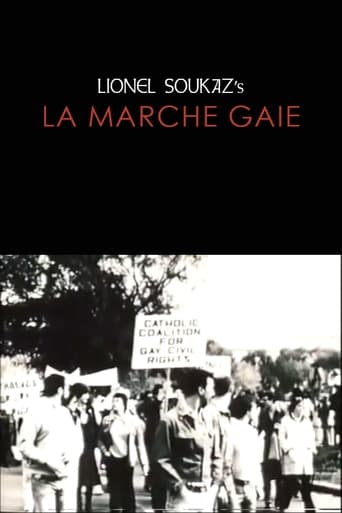
A short documentary about the October 14 1979 March For Lesbian And Gay Rights in Washington D.C.
21 years after the collapse of the Communist regime, Albania experiences democracy with it's many contradictions. An exclusive insider perspective given by three young protagonists.
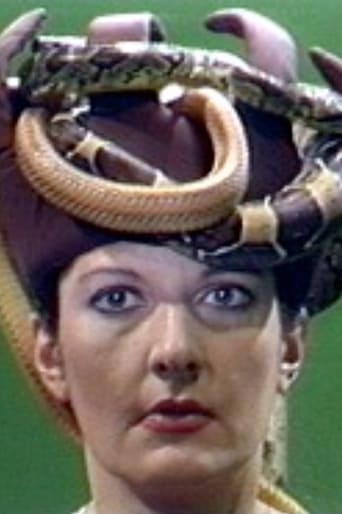
Marina Abramovic collaborated with videomaker Charles Atlas on this striking work of autobiographical performance. Abramovic delivers a monologue that traces a concise personal chronology. This brief narrative history, which references her past in the former Yugoslavia, her performance work, and her collaboration with and separation from Ulay, is intercut with images of Abramovic engaged in symbolic gestures and ritual acts—scrubbing her feet, staring like Medusa as snakes writhe on her head. Closing her litany with the phrase "time past, time present," Abramovic invokes the personal and the mythological in a poignant affirmation of self.

2015, 25:24 min, color, sound, Two Channels

2015, 2:41 min, color, sound, HD video

2014, 1:04, color, sound, Two Channels
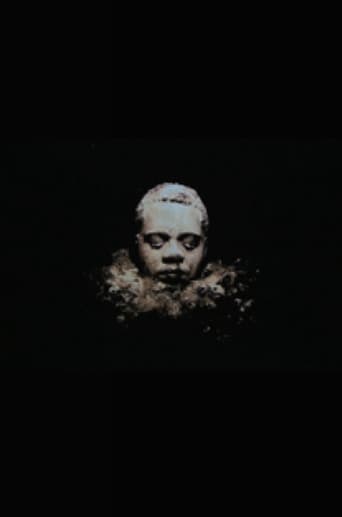
2010, 24:39 min, color, silent, HD video
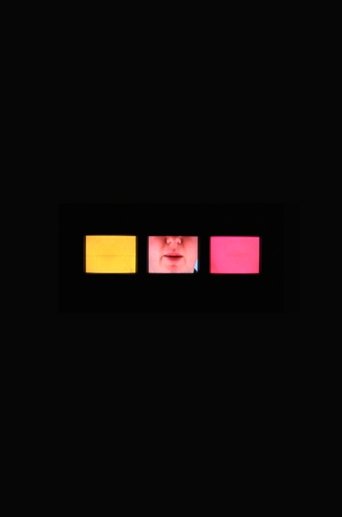
2009, 3:27 min, color, sound, three-channel installation
1999, 4:43 min, color, sound