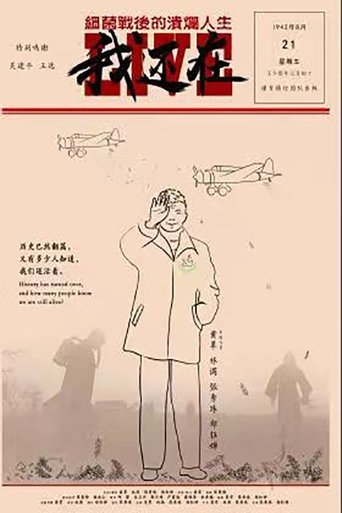
LIVE OF ROTTEN LIFE
2019-04-30 · 85 min · Not rated
On August 21, 1942, while the Japanese "Expeditionary Team" immediately retreated with ground troops, they scattered anthrax on fields, grasses, and crops in urban residential areas along the Zhejiang-Jiangxi traffic. People along the route mostly depend on farming for their livelihoods, so at the same time, many people crippled and died with rotten feet. According to incomplete statistics, there are only more than 160 suspected germ warfare survivors in Quzhou, Zhejiang. This film focuses on these surviving elderly people. When 70 years have passed since the war and a new chapter of history opened, what kind of lives are the old people who are victims? What kind of mental state are you in? Will the wounds left over from the war heal? What is the attitude towards war?
Trailers are previews, not full movies.
No authorized playback source configured. Use the legal watch options below.
Production details
- Directors
- Cui Huang
- Production companies
- Unavailable
- Countries
- Unavailable
- Status
- Released
Top Cast
Cast unavailable.
Title information and images are supplied by TMDb. Explore our discovery guide for advice on comparing metadata and legal viewing options.
Where to watch
Availability provided by JustWatch via TMDb. Offers can change. Provider links are listed on TMDb; full playback requires a separately authorized source.
Availability not listed for this country.
Seasons & episodes
Recommendations

Ranjit, a farmer in India, takes on the fight of his life when he demands justice for his 13-year-old daughter, the victim of a brutal gang rape. His decision to support his daughter is virtually unheard of, and his journey unprecedented.
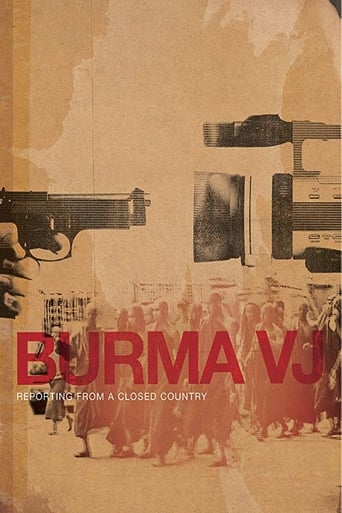
Going beyond the occasional news clip from Burma, the acclaimed filmmaker, Anders Østergaard, brings us close to the video journalists who deliver the footage. Though risking torture and life in jail, courageous young citizens of Burma live the essence of journalism as they insist on keeping up the flow of news from their closed country.

In an intimate and joyful story of love in the face of loss, celebrated poets Andrea Gibson and Megan Falley find strength—and unexpected hilarity—in what might be their final year together.

A documentary about how a dominant cultural and demographic institution both sustains their traditional activities and adapts to the digital revolution.

In the Realms of the Unreal is a documentary about the reclusive Chicago-based artist Henry Darger. Henry Darger was so reclusive that when he died his neighbors were surprised to find a 15,145-page manuscript along with hundreds of paintings depicting The Story of the Vivian Girls, in What is Known as the Realms of the Unreal, of the Glodeco-Angelinnian War Storm, Cased by the Child Slave Rebellion.

A documentary on the life of John Lennon, with a focus on the time in his life when he transformed from a musician into an antiwar activist.

From the heights of her modeling fame to her tragic death, this documentary reveals Anna Nicole Smith through the eyes of the people closest to her.

A visual montage portrait of our contemporary world dominated by globalized technology and violence.

When Allied forces liberated the Nazi concentration camps in 1944-45, their terrible discoveries were recorded by army and newsreel cameramen, revealing for the first time the full horror of what had happened. Making use of British, Soviet and American footage, the Ministry of Information’s Sidney Bernstein (later founder of Granada Television) aimed to create a documentary that would provide lasting, undeniable evidence of the Nazis’ unspeakable crimes. He commissioned a wealth of British talent, including editor Stewart McAllister, writer and future cabinet minister Richard Crossman – and, as treatment advisor, his friend Alfred Hitchcock. Yet, despite initial support from the British and US Governments, the film was shelved, and only now, 70 years on, has it been restored and completed by Imperial War Museums under its original title "German Concentration Camps Factual Survey".

A documentary on the expletive's origin, why it offends some people so deeply, and what can be gained from its use.

Over 35 years after Bob Lazar's revelations, this documentary exposes secrets of a facility the government still denies. Featuring Lazar's testimony, recreations, and new evidence, it reopens a case that continues to spark global curiosity
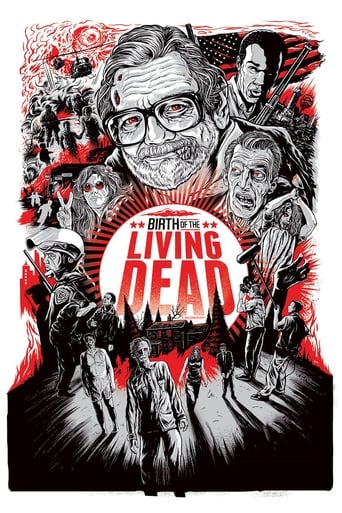
A behind the scenes look into George Romero's groundbreaking horror classic Night of the Living Dead.
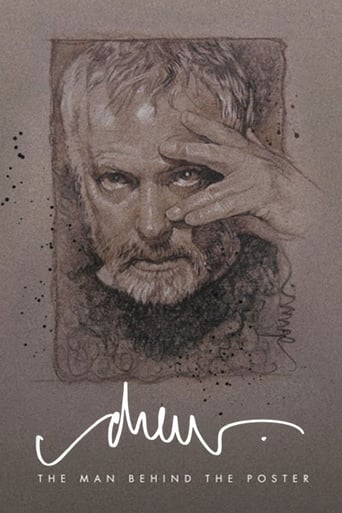
A documentary on legendary movie-poster artist Drew Struzan.
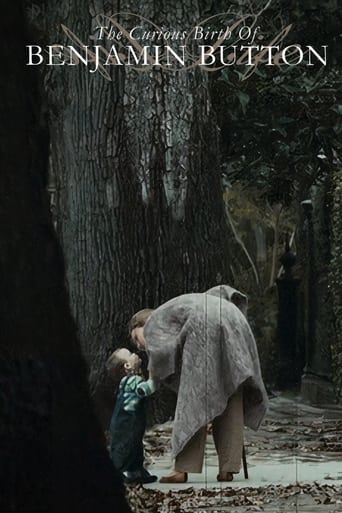
A documentary about the making of David Fincher's 2008 film THE CURIOUS CASE OF BENJAMIN BUTTON. Virtually every element in the evolution of the Fincher's film is documented here, from the project's attachment to numerous other directors during the 1990s, to its shoot in 2006 and 2007 in New Orleans, to its complex, CGI-intensive postproduction process.

Through deeply personal interviews with her siblings and an examination of the photographs, letters, and belongings left behind, Mariska assembles a new portrait of her mother Jayne Mansfield, an extraordinary and complex woman.

A string of threatening emails escalates into a revenge plot involving a newly married US marshal and his ex-girlfriend.

Film adaptation of French economist Thomas Piketty's ground-breaking global bestseller of the same name: an eye-opening journey through wealth and power.

A documentary about the life and films of director John Ford.

A detailing of the rise to prominence and global sporting superstardom of six supremely talented young Manchester United football players (David Beckham, Nicky Butt, Ryan Giggs, Paul Scholes, Phil and Gary Neville). The film covers the period 1992-1999, culminating in Manchester United's European Cup triumph.
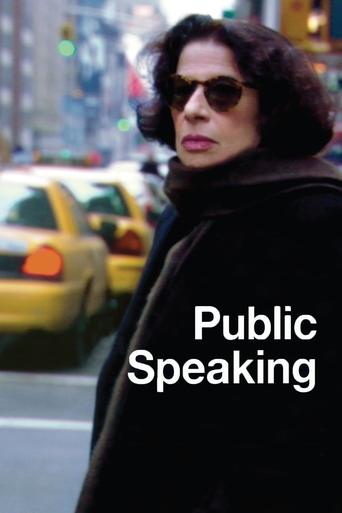
Martin Scorsese’s portrait of writer and social commentator Fran Lebowitz, celebrated for her sharp wit and observations on modern life. Filmed at New York’s Waverly Inn and intercut with archival footage and interviews, the documentary captures Lebowitz’s distinctive worldview through her spontaneous monologues and public appearances.
Similar titles
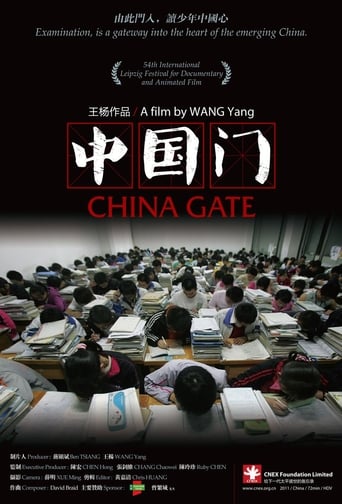
"China Gate" tells the story of young Chinese fight to change their fate through studying. Right before dawn, students in Huining have already started their self-studying session; hard working youngsters have filled up the space of school ground. This is one of the most poverty-stricken Counties in Western China; here people's only hope is in education, as the way to change their social status. Therefore all their effort point towards the College Entrance Examination, the process is like going through a gate, those who pass can study at urban Universities, and have the chance to build a better life. During the same winter season in Beijing, a graduate student faces a big decision. Should he keep trying to survive in the big city or get back to his countryside home? The exhausted faces at the Beijing underground seem to be revealing the truth about their distance in between. The student comes to see the flag ceremony at Tiananmen Square, where the pulsing symbol of the nation lies.
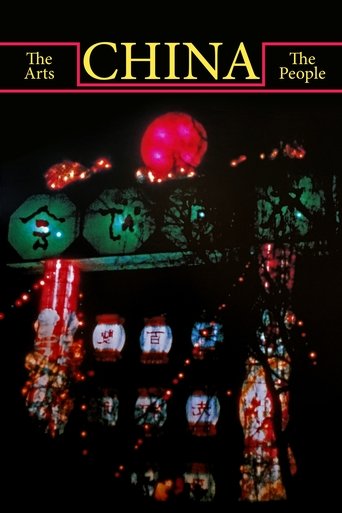
China marks the beginning of the extensive Asian theme in Ottinger’s filmography and is her first travelogue. Her observant eye is interested in anything from Sichuan opera and the Beijing Film Studio to the production of candy and sounds of bicycle bells.
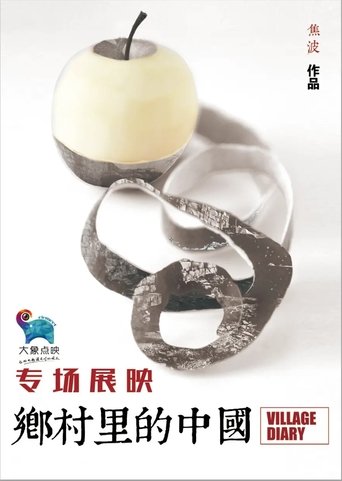
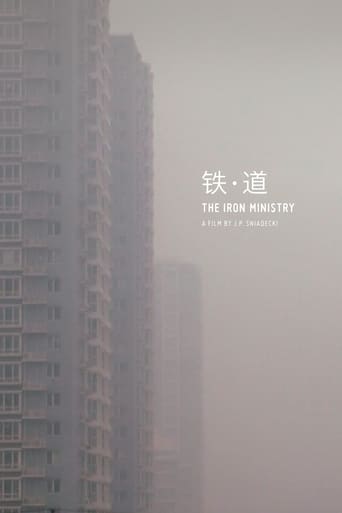
Filmed over three years on China’s railways, The Iron Ministry traces the vast interiors of a country on the move: flesh and metal, clangs and squeals, light and dark, and language and gesture. Scores of rail journeys come together into one, capturing the thrills and anxieties of social and technological transformation. The Iron Ministry immerses audiences in fleeting relationships and uneasy encounters between humans and machines on what will soon be the world’s largest railway network.

Workers, peasants, soldiers, students and merchants were five groups of Chinese society in the 1950s, after the so-called elimination of the exploited class. Borrowing this concept, the umbrella is taken as the clue to rediscover changes in various social classes after the economic reform, and to analyze the social problems in China. Workers making umbrellas, merchants selling umbrellas, students looking for jobs in the rain. Umbrella is used as a metaphor that can be seen everywhere. As the raindrop, what we see is sometimes clear, sometimes untraceable.
Interviews with Dalai Lama and some Chinese intellectuals about Tibet/China relations and related issues.
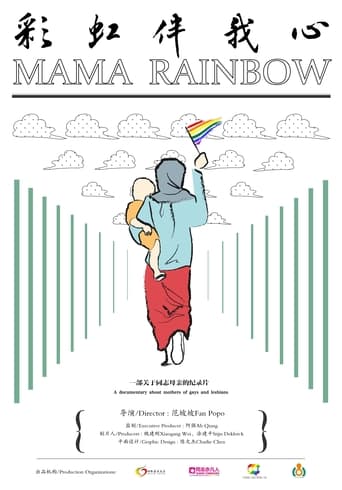
For Chinese parents, finding out that their kid is gay usually presents a major tragedy, with the big majority utterly unable to accept the homosexuality of their son or daughter. However, during recent years a fresh rainbow wind has been blowing over the Chinese mainland: a pioneer generation of Chinese parents has been stepping up and speaking out on their love for their gay kids. This documentary features 6 mothers from all over China, who talk openly and freely about their experiences with their homosexual children. With their love, they are giving a whole new definition to Chinese-style family bonds.
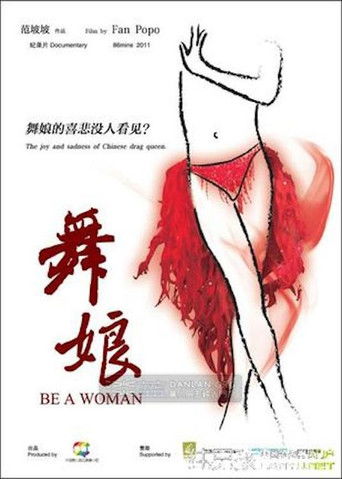
Over the course of 3 years, Fan Popo visited a bar called “Only-Love” in Nanning, China, getting to know the dancers and drag queens there and discovering who they really were behind their exuberant costumes and personas.
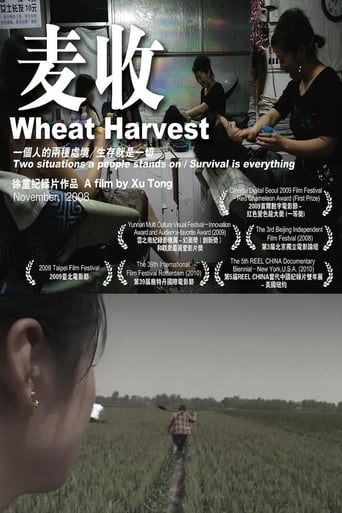
A documentary film showing the life of Niu Hongmiao, a 20-year-old country girl who is now a prostitute in Beijing. Around the time of wheat harvesting, she goes back home to Dingxing County, Hebei Province to visit her parents.
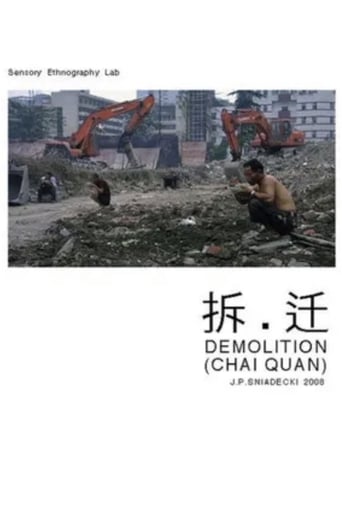
"If the old doesn't go, the new never comes" recites a teenager hanging out near a demolition site in the center of Chengdu, the Sichuan capital in western China. In Demolition, filmmaker J.P. Sniadecki deconstructs the transforming cityscape by befriending the migrant laborers on the site and documenting the honest, often unobserved, human interactions, yielding a wonderfully patient and revealing portrait of work and life in the shadow of progress and economic development.
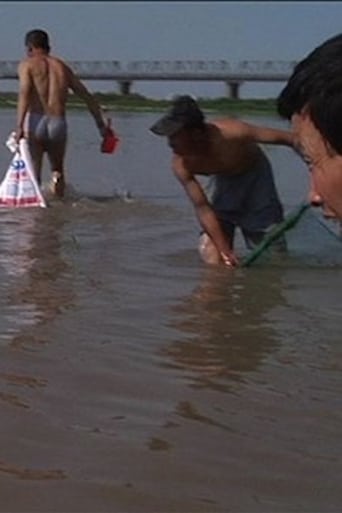
In northeastern China the Songhua River flows west from the border of Russia to the city of Harbin, where four million people depend on it as a source of water. Songhua is a portrait of the varying people that gather where the river meets the city, and an ethnographic study of the intimate ways in which they play and work.
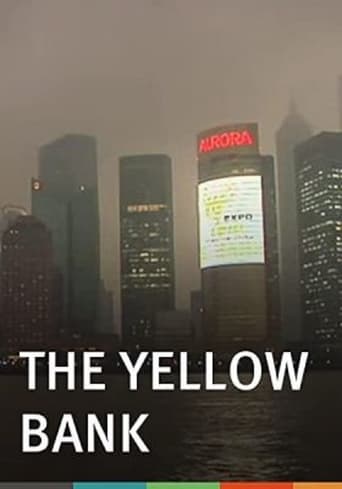
A short documentary that captures the longest total solar eclipse of the 21st century, The Yellow Bank takes you on a contemplative boat ride across the Huangpu River in Shanghai, China. Filmmaker J.P. Sniadecki, who lived and worked in Shanghai nine years earlier, uses the eclipse as a catalyst to explore the way weather, light, and sound affect the urban architectural environment during this extremely rare phenomenon.

A soon-to-be first-time voter, the filmmaker’s thought-provoking journey into the Rust Belt and South captures four Asian American voters’ ardent first time grassroots political participation ignited by the 2016 rise of “Chinese Americans for Trump.” FIRST VOTE is a character driven cinema verité style film chronicling the democratic participation of four Asian American voters from 2016 through the 2018 midterm elections.
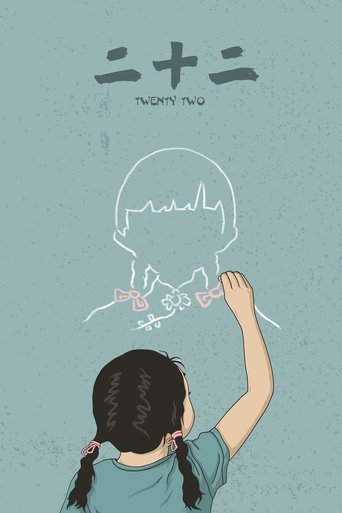
Follow the lives of the elderly survivors who were forced into sex slavery as “Comfort Women” by the Japanese during World War II. At the time of filming, only 22 of these women were still alive to tell their story. Through their own personal histories and perspectives, they tell a tale that should never be forgotten to generations unaware of the brutalization that occurred.
Zhang Ming went back to his hometown Wushan to record the last images before it being changed forever by the upcoming Three Gorges Dam.
Part mournful meditation through documentary footage, part experimental narrative. This film looks at the life of the Chinese who have been displaced within their own society.
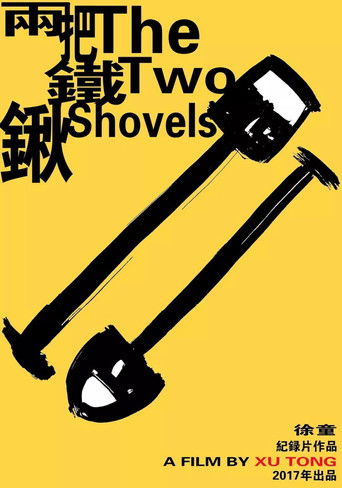
After "Old Tang Tou", Xu Tong continued to film the family of Old Tang Tou's son, Tang Laosan, in Northeast China. Tang Laosan was sent to prison for a murder case, and Tang Laosan's son, Xiaobao, unexpectedly encountered such a change in the year of his high school entrance exams, which made the fates of father and son both unpredictable.
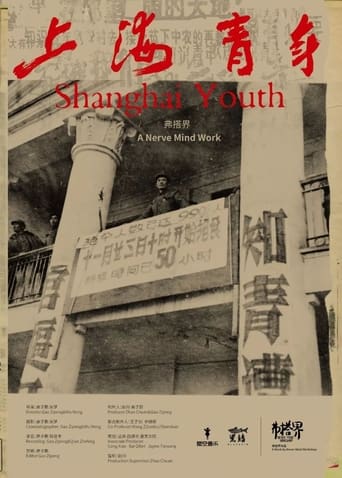
As a special generation born in the New China, the hundreds of thousands of educated youth from Shanghai went through enormous hardship during their work in Xinjiang from 1963 to 1966. Because of the specific historical conditions and context, they have been strikingly stamped with the mark of the times and have had to struggle to understand the relationship between themselves and the nation.
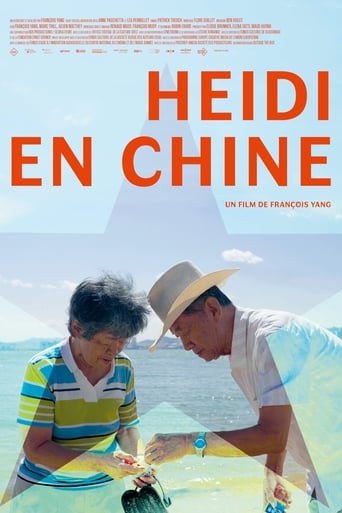
In 1946, Heidi is entrusted to a Swiss family by her father. He will never come back for her. Today, François Yang questions his mother about her past. What follows is a journey to China, a quest to reconstruct memory. Through contact with her brothers and sister, Heidi measures the extent of the drama experienced by her family that remained in China, persecuted by the Communist Party.

A large majority of LGBT people in mainland China remain in the closet. Most of these closet doors are kept tightly shut by pressure from friends, family, and society itself. This documentary hopes to explore the experience of coming out in China through a series of interviews with out homosexuals. The interviews touch upon the discrimination, suppression, and even violence they have endured as well as the touching moments where they experienced compassion and understanding. The documentary also covers gay rights activist and proud mother of a homosexual, Wu Youjian, who stands strongly by her son and other gay men in full support.