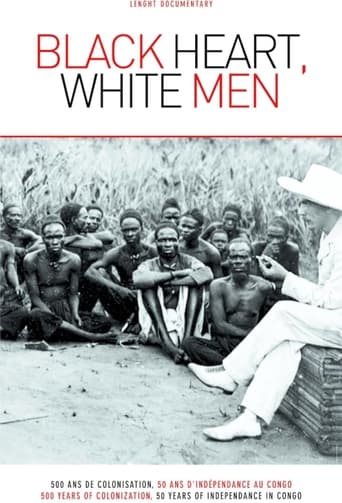
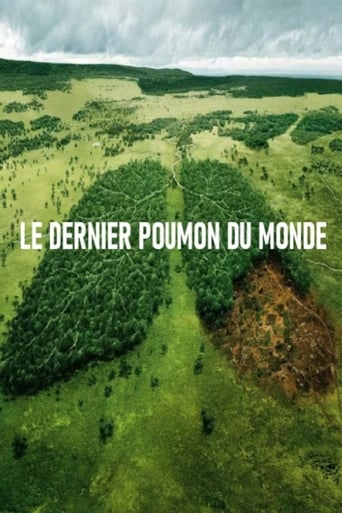
Maman Marie Thérèse : retour à l'essentiel
2013-09-26 · Runtime unavailable · Not rated
Trailers are previews, not full movies.
No authorized playback source configured. Use the legal watch options below.
Production details
- Directors
- Yann Arthus-Bertrand
- Production companies
- Unavailable
- Countries
- France
- Status
- Released
Top Cast
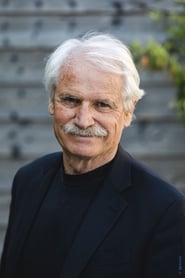 Yann Arthus-BertrandYann Arthus-Bertrand
Title information and images are supplied by TMDb. Explore our discovery guide for advice on comparing metadata and legal viewing options.
Where to watch
Availability provided by JustWatch via TMDb. Offers can change. Provider links are listed on TMDb; full playback requires a separately authorized source.
Availability not listed for this country.
Seasons & episodes
Recommendations

In an intimate and joyful story of love in the face of loss, celebrated poets Andrea Gibson and Megan Falley find strength—and unexpected hilarity—in what might be their final year together.

Through deeply personal interviews with her siblings and an examination of the photographs, letters, and belongings left behind, Mariska assembles a new portrait of her mother Jayne Mansfield, an extraordinary and complex woman.
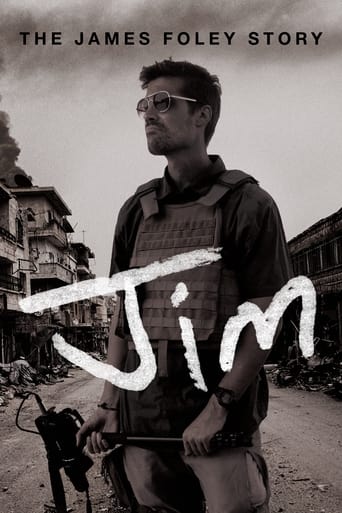
In August, 2014, a video of the public execution of American photojournalist James Foley rippled across the globe. Foley wore an orange jumpsuit as he knelt beside an ISIS militant dressed in black. That image challenged the world to deal with a new face of terror. And it tested one American family. Seen through the lens of filmmaker Brian Oakes, Foley’s close childhood friend, Jim takes us from small-town New England to the adrenaline-fueled front lines of Libya and Syria, where Foley pushed the limits of danger to report on the plight of civilians impacted by war.

An inside look at one of the most anticipated movie sequels ever with James Cameron and cast.

A string of threatening emails escalates into a revenge plot involving a newly married US marshal and his ex-girlfriend.
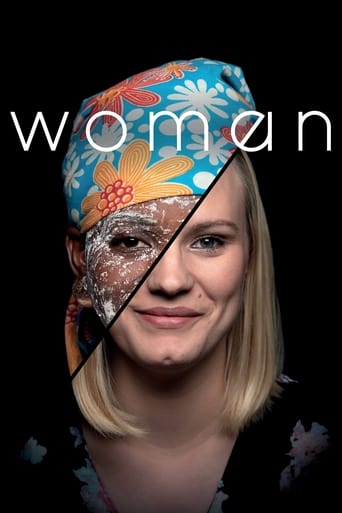
The film is based on interviews with 2,000 women from 50 countries, and covers the status of women all over the world. The topics covered include forced marriages, sexual assault, female genital mutilation, acid attacks, motherhood, sexuality, menstruation, education and the professional success of women.
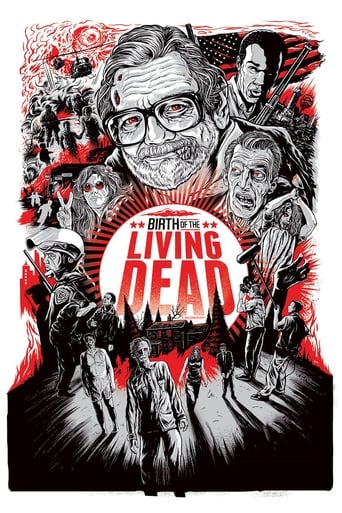
A behind the scenes look into George Romero's groundbreaking horror classic Night of the Living Dead.

A documentary on the expletive's origin, why it offends some people so deeply, and what can be gained from its use.
Go behind the scenes with stars, puppeteers and creators as they bring Jim Henson's magical world of Thra back to life in a sweeping fantasy series.

A 1993 documentary film about Bruce Lee. The film includes interviews from some of his fellow students and opponents who worked alongside him in his movies.
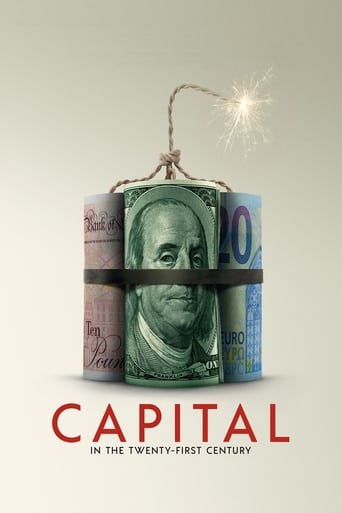
Film adaptation of French economist Thomas Piketty's ground-breaking global bestseller of the same name: an eye-opening journey through wealth and power.
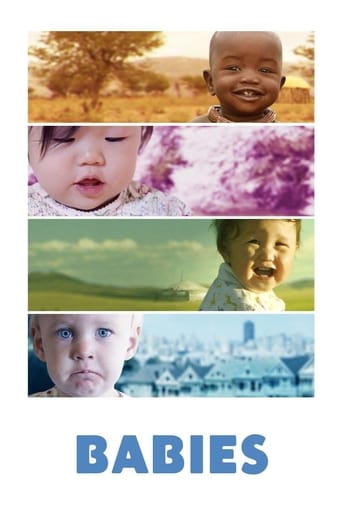
A non-narrated documentary following the lovesome lives of four infants from birth to their first birthday. The babies featured are two from rural areas: Ponijao from Opuwo, Namibia, and Bayar from Bayanchandmani, Mongolia, as well as two from urban areas: Mari from Tokyo, Japan, and Hattie from San Francisco, USA.
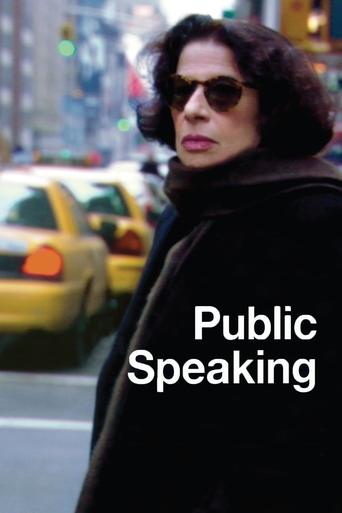
Martin Scorsese’s portrait of writer and social commentator Fran Lebowitz, celebrated for her sharp wit and observations on modern life. Filmed at New York’s Waverly Inn and intercut with archival footage and interviews, the documentary captures Lebowitz’s distinctive worldview through her spontaneous monologues and public appearances.
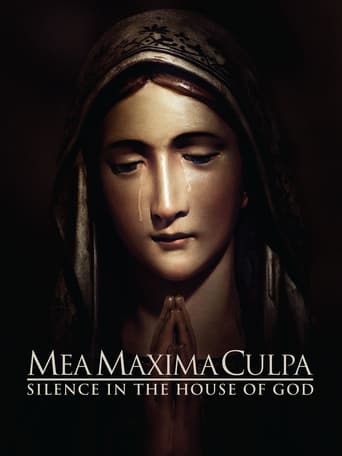
Alex Gibney explores the charged issue of pedophilia in the Catholic Church, following a trail from the first known protest against clerical sexual abuse in the United States and all way to the Vatican.

A compilation of over 30 years of private home movie footage shot by Lithuanian-American avant-garde director Jonas Mekas, assembled by Mekas "purely by chance", without concern for chronological order.

In the Realms of the Unreal is a documentary about the reclusive Chicago-based artist Henry Darger. Henry Darger was so reclusive that when he died his neighbors were surprised to find a 15,145-page manuscript along with hundreds of paintings depicting The Story of the Vivian Girls, in What is Known as the Realms of the Unreal, of the Glodeco-Angelinnian War Storm, Cased by the Child Slave Rebellion.
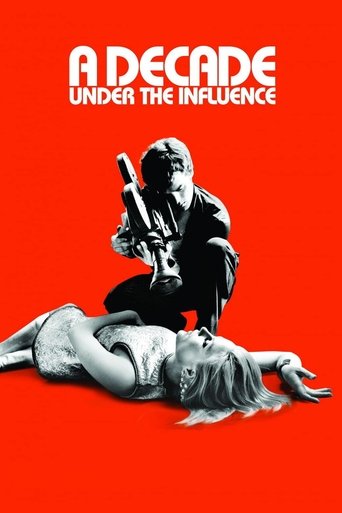
A documentary examining the decade of the 1970s as a turning point in American cinema. Some of today's best filmmakers interview the influential directors of that time.
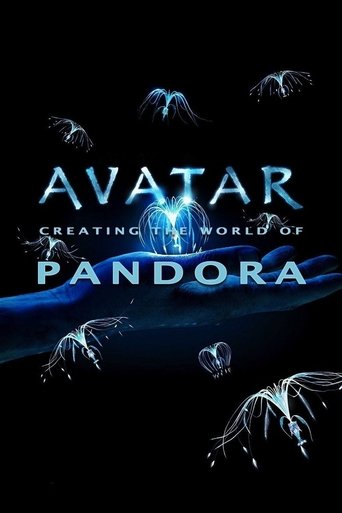
The Making-of James Cameron's Avatar. It shows interesting parts of the work on the set.

From the heights of her modeling fame to her tragic death, this documentary reveals Anna Nicole Smith through the eyes of the people closest to her.
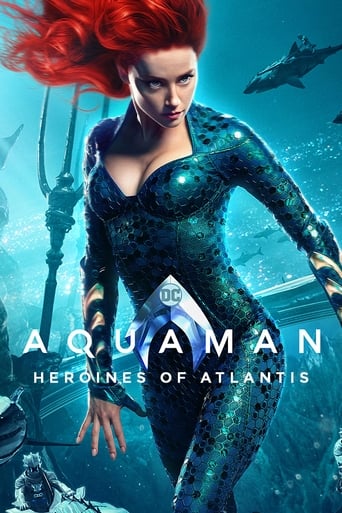
Amber Heard and Nicole Kidman discuss their characters Mera and Atlanna.
Similar titles
As if they were showing their film to a few friends in their home, the Johnsons describe their trip across the world, which begins in the South Pacific islands of Hawaii, Samoa, Australia, the Solomons (where they seek and find cannibals), and New Hebrides. Thence on to Africa via the Indian Ocean, Suez Canal, North Africa, and the Nile River to lion country in Tanganyika. (They are briefly joined in Khartum by George Eastman and Dr. Al Kayser.) Taking a safari in the Congo, the Johnsons see animals and pygmies, and travel back to Uganda, British East Africa, and Kenya.
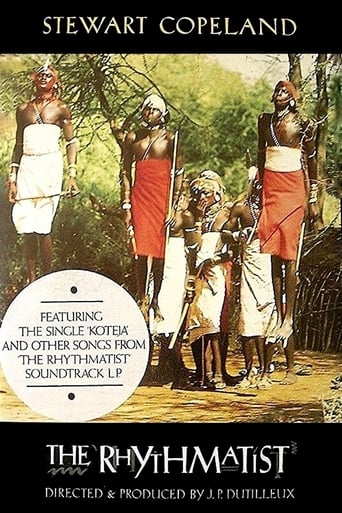
A musical oddessy through the heart of Africa in search of the roots of Rock & Roll.
35 Cows and a Kalashnikov is a joyously made triptych about warrior-farmers, colorful dandies and voodoo wrestlers in Ethiopia, Brazzaville and Kinshasa. It paints a loving and attentive portrait of African pride and beauty.
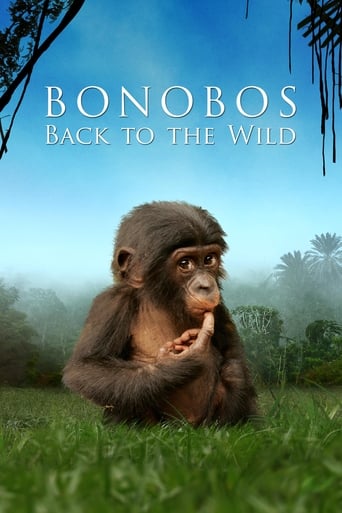
The critically important work by renowned naturalist Claudine Andre to save the endangered bonobo apes of the Congo is presented in this visually stunning feature film.
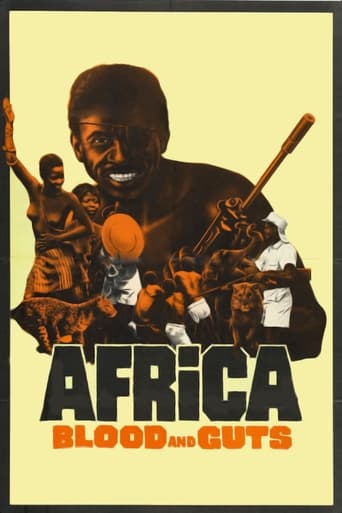
A chronicle of the violence that occurred in much of the African continent throughout the 1960s. As many African countries were transitioning from colonial rule to other forms of government, violent political upheavals were frequent. Revolutions in Zanzibar and Kenya in which thousands were killed are shown, the violence not only political; there is also extensive footage of hunters and poachers slaughtering different types of wild animals.
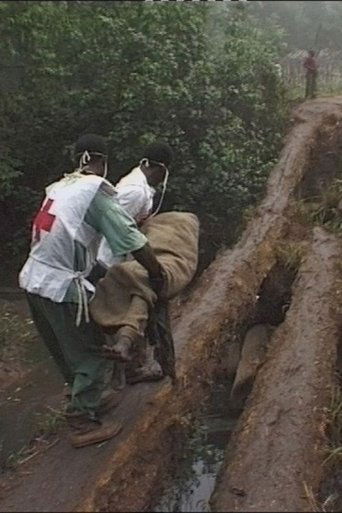
Along an overgrown rail track south of the Zairean town Kisangani, a UN expedition together with a handful of journalists discover “lost” refugees. They are eighty thousand Hutus from far away Rwanda, the last survivors of three years of hunger and armed persecution that transpired throughout the vast Congo basin. The Hutu-refugees leave the forest, gathering in two gigantic camps. Hundreds of refugees die every day from diseases and malnutrition The Rwandans are promised repatriation with airplanes out of Kisangani. The film traces those refugees into the heart of the rainforest, and the hopeless attempts to help them.. But only four weeks later, the unprotected UN-camps are again attacked by machine-gun fire, deliberately massacred by factions of the rebel army (AFDL) of today’s Democratic Republic Congo. Eighty thousand men, women and children disappear once again back into the jungle. (jedensvet.cz)
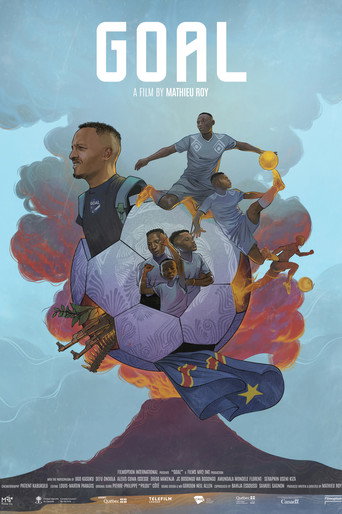
Goal: Striking Congo follows former professional Ugo Kasuku, who has run a football academy for years in war-torn Goma and now launches the Future Pro League, bringing international scouts to offer youth opportunity, dignity, and hope for a wounded nation.
Since the late 1990s, more people have died in war-torn Congo than in any conflict since World War II. In addition to the dead, hundreds of thousands of woman and girls have been raped. Rape, explains a British colonel, is a weapon of war, part of a destabilization covering the theft of valuable minerals. Rape victims are traumatized, injured, abandoned by husbands, pregnant, and ravaged by disease.
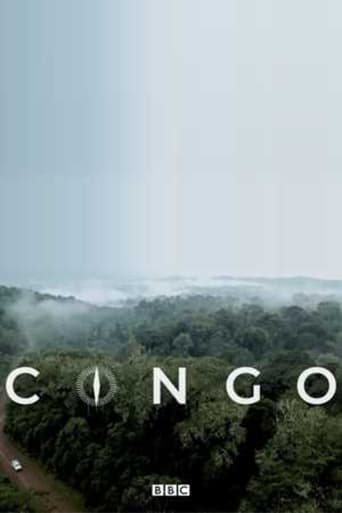
The Democratic Republic of the Congo is a vast, mineral rich country the size of Western Europe. Alastair Leithead takes an epic journey from the Atlantic Ocean to the far reaches of the Congo river to explore how history has shaped the Congo of today and uncover the lesser told stories of this beautiful, if troubled country. In the largest rainforest outside of the Amazon he comes face to face with its gorillas and hunts with pygmies, he travels into the heart of the Ebola outbreak with United Nations peacekeepers, and explores the cobalt mines which will drive our electric cars of the future.
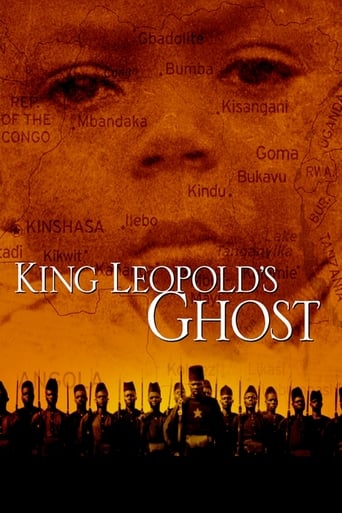
The modern history of the Congo, the heart of Africa, is a terrifying tale of appalling brutality: how the greedy and incredibly ruthless King Leopold II of Belgium (1935-1909) turned a vast country into his private estate (1885-1908) and how he plundered the land and raped the bodies and souls of its defenceless inhabitants, causing countless victims; and what exactly is the true impact of this often forgotten story of crime and horror today.
Short ethnographic documentary showing some everyday life scenes based upon footage shot by director Luc de Heusch in Congo in 1954 reassembled by Damien Mottier (Université Paris Nanterre) and Grace Winter (CINEMATEK).
Short ethnographic documentary showing a leopard dance based upon footage shot by director Luc de Heusch in Congo in 1954 reassembled by Damien Mottier (Université Paris Nanterre) and Grace Winter (CINEMATEK).
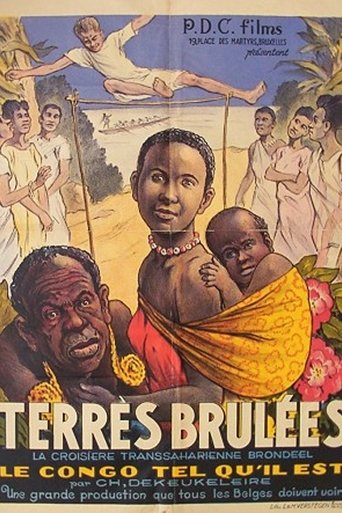
A visual travel diary on the expedition led by Brondeel in 1934. This expedition to Belgian Congo, by truck, became a testimony to the social conditions of Africans during the colonial era.
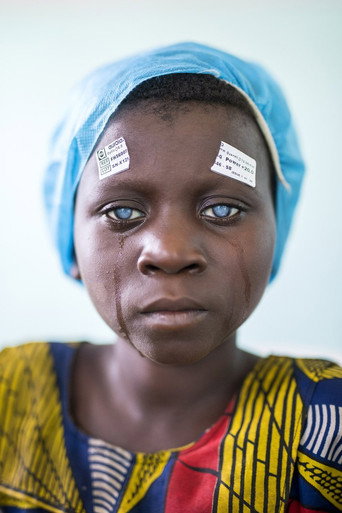
Dr. Richard Hardi has spent 29 years restoring sight in the Democratic Republic of Congo. From a small operating room in Mbuji-Mayi, he travels hundreds of kilometers to remote communities, where patients—many of them elderly or children—make difficult journeys for a simple cataract operation that could transform their lives. The documentary also traces Richard’s determined effort to build a modern eye hospital, bringing his hope that local doctors will one day continue the work to life.
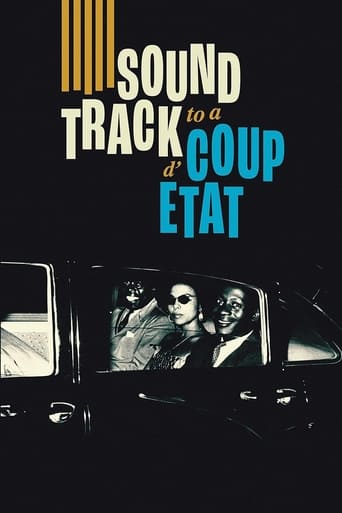
Jazz and decolonization are intertwined in a powerful narrative that recounts one of the tensest episodes of the Cold War.
Documentary about the inhabitants, both human and animal, of the Belgian Congo.

“In the beginning, women lived apart, unaware of the existence of men. Until one day, when the first woman, Toli, who was brave and adventurous traveled deep into the forest. Toli discovered solitary creatures with big muscles who knew how to climb trees and harvest wild honey. When Toli tasted their honey, she thought they should all live together….” That is how one of the creation stories of the Aka people from the tropical rainforest of the Congo Basin goes. Akaya, Kengole, Dibota and their friends and family are hunters-gatherers (and also great story-tellers) who guide us through their world. They explain their origins, myths, and the very spiritual meaning of life.
Commissioned for the Irish representation at the 55th Venice Biennale in 2013, The Enclave is an immersive, six-screen video art installation by Irish contemporary artist Richard Mosse. Partly inspired by Joseph Conrad’s modernist literary masterpiece Heart of Darkness, the visceral and moving work was filmed in the Democratic Republic of Congo using 16mm colour infra-red film, which captures otherwise invisible parts of the spectrum. The resulting imagery in Mosse’s work is hallucinatory and dream-like with the usual greens of jungle and forest replaced by shimmering violet. The Enclave depicts a complicated, strife-ridden place in a way that reflects its complexity, using a strategy of beauty and transfixion to combat the wider invisibility of a conflict that has claimed so many.