Lotoko
2023-03-22 · 5 min · Not rated
Short ethnographic documentary showing a leopard dance based upon footage shot by director Luc de Heusch in Congo in 1954 reassembled by Damien Mottier (Université Paris Nanterre) and Grace Winter (CINEMATEK).
Trailers are previews, not full movies.
No authorized playback source configured. Use the legal watch options below.
Production details
- Directors
- Grace Winter, Damien Mottier, Luc de Heusch
- Production companies
- Université Paris Nanterre, Films Henri Storck, Cinematek
- Countries
- Belgium
- Status
- Released
Top Cast
Cast unavailable.
Title information and images are supplied by TMDb. Explore our discovery guide for advice on comparing metadata and legal viewing options.
Where to watch
Availability provided by JustWatch via TMDb. Offers can change. Provider links are listed on TMDb; full playback requires a separately authorized source.
Availability not listed for this country.
Seasons & episodes
Recommendations

A documentary on the expletive's origin, why it offends some people so deeply, and what can be gained from its use.

In an intimate and joyful story of love in the face of loss, celebrated poets Andrea Gibson and Megan Falley find strength—and unexpected hilarity—in what might be their final year together.
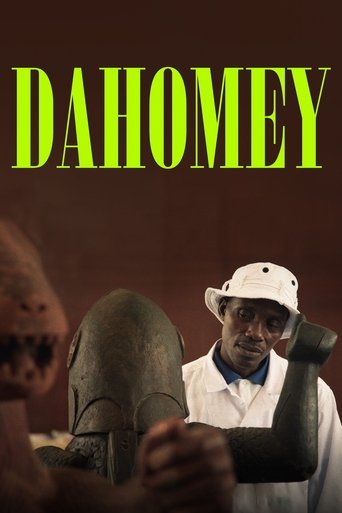
Thousands of royal artifacts of Dahomey, a West African kingdom, were taken by French colonists in the 19th century for collection and display in Paris. Centuries later, a fraction returned to their home in modern-day Benin. This dramatized documentary follows the journey of 26 of the treasures as told by cultural art historians, embattled university students, and one of the repatriated statues himself.

A visual montage portrait of our contemporary world dominated by globalized technology and violence.

A documentary about how a dominant cultural and demographic institution both sustains their traditional activities and adapts to the digital revolution.

Director Michael Apted revisits the same group of British-born adults after a 7 year wait. The subjects are interviewed as to the changes that have occurred in their lives during the last seven years.
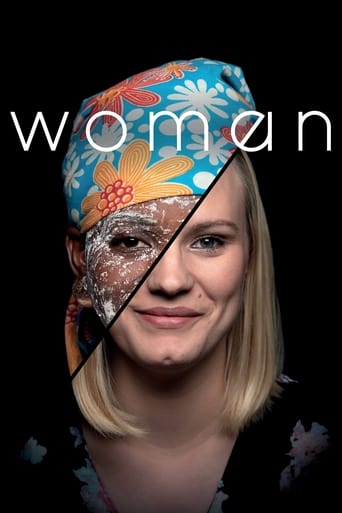
The film is based on interviews with 2,000 women from 50 countries, and covers the status of women all over the world. The topics covered include forced marriages, sexual assault, female genital mutilation, acid attacks, motherhood, sexuality, menstruation, education and the professional success of women.

Through deeply personal interviews with her siblings and an examination of the photographs, letters, and belongings left behind, Mariska assembles a new portrait of her mother Jayne Mansfield, an extraordinary and complex woman.
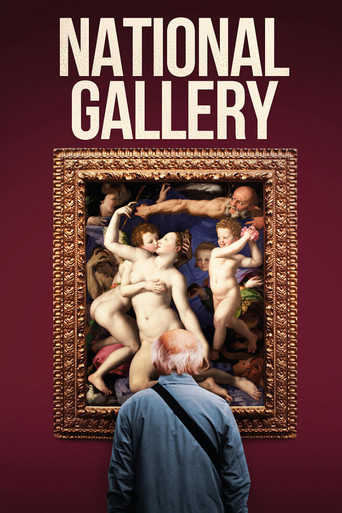
A portrait of the day-to-day operations of the National Gallery of London, that reveals the role of the employees and the experiences of the Gallery's visitors. The film portrays the role of the curators and conservators; the education, scientific, and conservation departments; and the audience of all kinds of people who come to experience it.
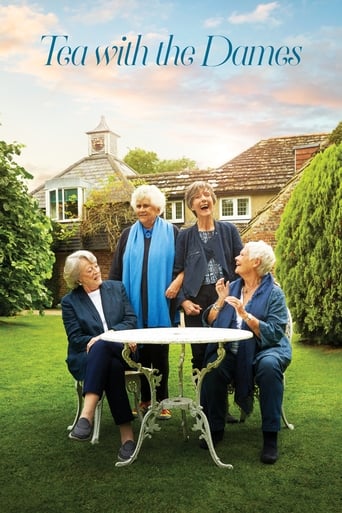
BBC Arena's documentary on the Dames of British Theatre and film featuring Maggie Smith, Eileen Atkins, Judi Dench and Joan Plowright on screen together for the first time as they reminisce over a long summer weekend in a house Joan once shared with Sir Laurence Olivier.

A documentary about the life and films of director John Ford.
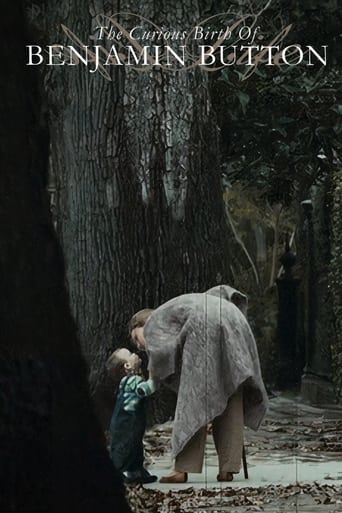
A documentary about the making of David Fincher's 2008 film THE CURIOUS CASE OF BENJAMIN BUTTON. Virtually every element in the evolution of the Fincher's film is documented here, from the project's attachment to numerous other directors during the 1990s, to its shoot in 2006 and 2007 in New Orleans, to its complex, CGI-intensive postproduction process.

Alexander McQueen's rags-to-riches story is a modern-day fairy tale, laced with the gothic. Mirroring the savage beauty, boldness and vivacity of his design, this documentary is an intimate revelation of McQueen's own world, both tortured and inspired, which celebrates a radical and mesmerizing genius of profound influence.

A compilation of over 30 years of private home movie footage shot by Lithuanian-American avant-garde director Jonas Mekas, assembled by Mekas "purely by chance", without concern for chronological order.

Martin Scorsese, Robert De Niro, Joe Pesci, and Al Pacino in conversation about The Irishman.

Film adaptation of French economist Thomas Piketty's ground-breaking global bestseller of the same name: an eye-opening journey through wealth and power.

Director Michael Apted revisits the same group of British-born adults after a 7 year wait. The subjects are interviewed as to the changes that have occurred in their lives during the last seven years.

A dreamlike conversation with the past and the present, reimagining Latasha Harlins' story by excavating intimate memories shared by those who loved her.
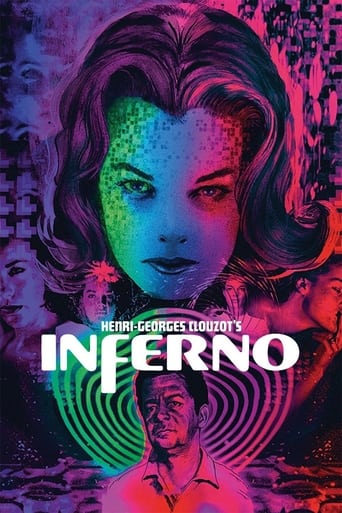
In 1964, Henri-Georges Clouzot's production of L'Enfer came to a halt. Despite huge expectations, major studio backing and an unlimited budget, after three weeks the production collapsed. This documentary presents Inferno's incredible expressionistic original rushes, screen tests, and on-location footage, whilst also reconstructing Clouzot's original vision, and shedding light on the ill-fated endeavor through interviews, dramatizations of unfilmed scenes, and Clouzot's own notes.

Daniel Craig candidly reflects on his 15 year adventure as James Bond. Including never-before-seen archival footage from Casino Royale to the upcoming 25th film No Time To Die, Craig shares his personal memories in conversation with 007 producers, Michael G Wilson and Barbara Broccoli.
Similar titles
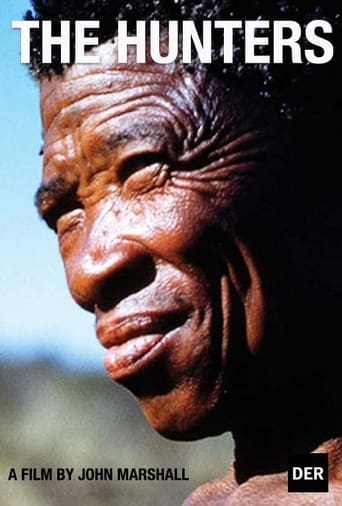
An ethnographic documentary following four Ju/’hoansi (!Kung) men during a multi-day giraffe hunt in the Kalahari Desert, filmed during the Smithsonian–Harvard Peabody expedition of 1952–53.
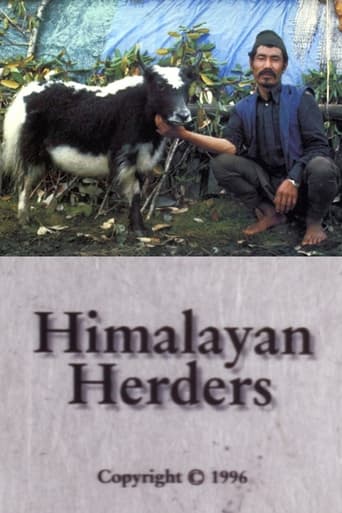
John Bishop and Naomi Bishop present a portrait a peculiar life style of the Himalayan indigenous Sherpa people in their documentary , the Himalayan Herders. The 76 minutes long film is about the diverse culture and life style of herders community near Mt. Everest region of Nepal.The film was made in 1997 as a part of Case Studies in Cultural Anthropology Series.
Short ethnographic documentary on the Tetela tribe in Congo based upon footage and commentary by director Luc de Heusch from 1953 reassembled by Damien Mottier (Université Paris Nanterre) and Grace Winter (CINEMATEK).
Short ethnographic documentary showing some everyday life scenes based upon footage shot by director Luc de Heusch in Congo in 1954 reassembled by Damien Mottier (Université Paris Nanterre) and Grace Winter (CINEMATEK).
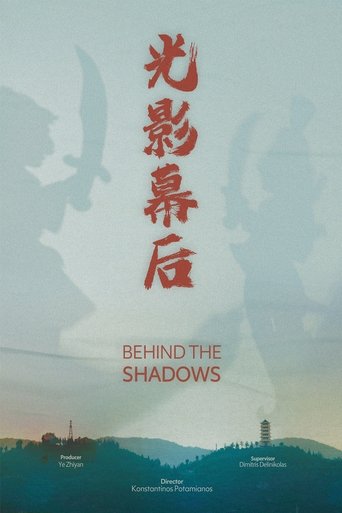
The Greek shadow puppetry began 130 years ago. A student of Greek shadow puppetry travels to China, where shadow puppetry began over 2000 years ago. There he follows Chinese shadow puppeteer master He Shihong in Wushan of China. Watching his performances and listening to him talk about his art and his career in it, many parallels are drawn and he expresses them by including his Greek shadow puppetry teacher in the film. This documentary is a cultural bridge between Greece and China through the art of shadow puppetry.
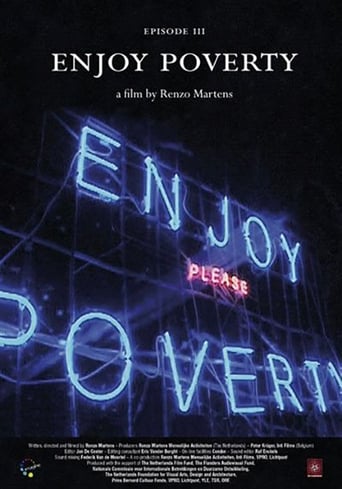
An investigation of the emotional and economic value of Africa's most lucrative export: filmed poverty. Deep in the interiors of the Congo, Dutch artist Renzo Martens single-handedly undertakes an epic journey and launches an emancipatory program that helps the poor become aware of what is their primary capital resource: Poverty. After three years of traveling through the Democratic Republic of the Congo he asks the question: "Who owns poverty?
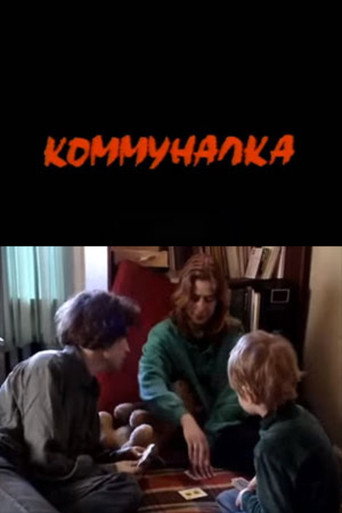
“Communalka” tells the story of people living in a communal flat in Saint Petersburg, whose characters and destinies have been shaped by shared living.
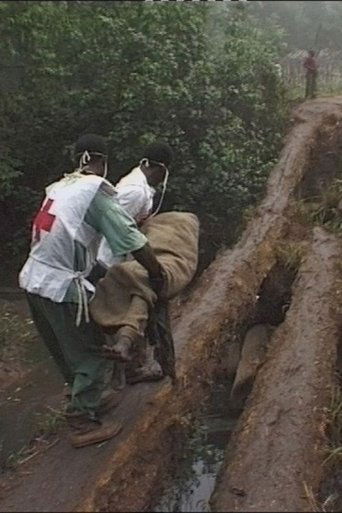
Along an overgrown rail track south of the Zairean town Kisangani, a UN expedition together with a handful of journalists discover “lost” refugees. They are eighty thousand Hutus from far away Rwanda, the last survivors of three years of hunger and armed persecution that transpired throughout the vast Congo basin. The Hutu-refugees leave the forest, gathering in two gigantic camps. Hundreds of refugees die every day from diseases and malnutrition The Rwandans are promised repatriation with airplanes out of Kisangani. The film traces those refugees into the heart of the rainforest, and the hopeless attempts to help them.. But only four weeks later, the unprotected UN-camps are again attacked by machine-gun fire, deliberately massacred by factions of the rebel army (AFDL) of today’s Democratic Republic Congo. Eighty thousand men, women and children disappear once again back into the jungle. (jedensvet.cz)
As if they were showing their film to a few friends in their home, the Johnsons describe their trip across the world, which begins in the South Pacific islands of Hawaii, Samoa, Australia, the Solomons (where they seek and find cannibals), and New Hebrides. Thence on to Africa via the Indian Ocean, Suez Canal, North Africa, and the Nile River to lion country in Tanganyika. (They are briefly joined in Khartum by George Eastman and Dr. Al Kayser.) Taking a safari in the Congo, the Johnsons see animals and pygmies, and travel back to Uganda, British East Africa, and Kenya.
A 16-minute short shot with a totally subjective eye; conveys the mythic life sense and social elements of a people who live in the world's highest mountains.

"With characteristic wit and rigor, experimental filmmaker Larry Gottheim here applies his impressionistic editing style to footage collected during his travels in the Dominican Republic. Gottheim’s formal emphasis on repetition and fissures between sound and image resonates here as a mode of sociological reflection (with the fragmentary montage mirroring elements of ritual while also destabilizing the ethnographic gaze). A largely overlooked antecedent to the contemporary blending of avant-garde and ethnographic filmmaking, MACHETTE GILLETTE… MAMA still poses a potent challenge to documentary convention." - Max Goldberg
This provocative and profound film documents the Choqela ceremony, an agricultural ritual and song of the Aymara Indians of Peru. By offering several different translations of the proceedings, the film acknowledges the problems of interpretation as an inherent dilemma of anthropology.
Early Mondo film featuring primitive rituals, animals being butchered, unusual birth defects, and a legit trepanation scene.
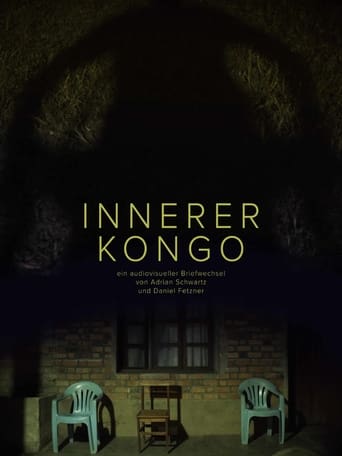
Experimental ethnographic digital feature exploring International student and teacher identity expressed through musical performance at the University of Jinan, Shandong, China.
A man performs the same ritual every day: he cleans his shoes, dresses up in his shiny blue suit, wears his white gloves and grey hat, and spends his time walking around Brazzaville. His presence generates an absurd apparition in the urban chaos of the city, which reflects the imaginary produced by one of the upmost icons of pop culture.
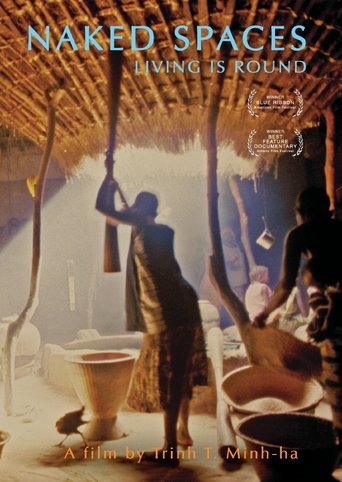
Shot with stunning elegance and clarity, NAKED SPACES explores the rhythm and ritual of life in the rural environments of six West African countries (Mauritania, Mali, Burkino Faso, Togo, Benin and Senegal). The nonlinear structure of NAKED SPACES challenges the traditions of ethnographic filmmaking, while sensuous sights and sounds lead the viewer on a poetic journey to the most inaccessible parts of the African continent: the private interaction of people in their living spaces.