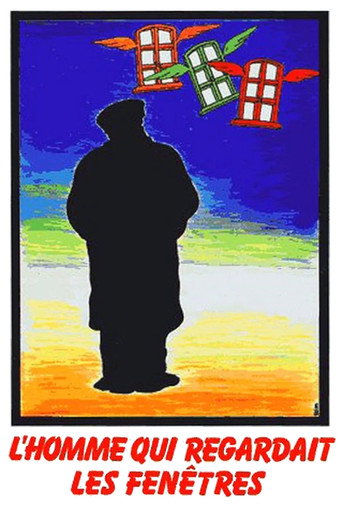
The Man Who Watched Windows
1985-01-01 · 85 min · ★ 9.5
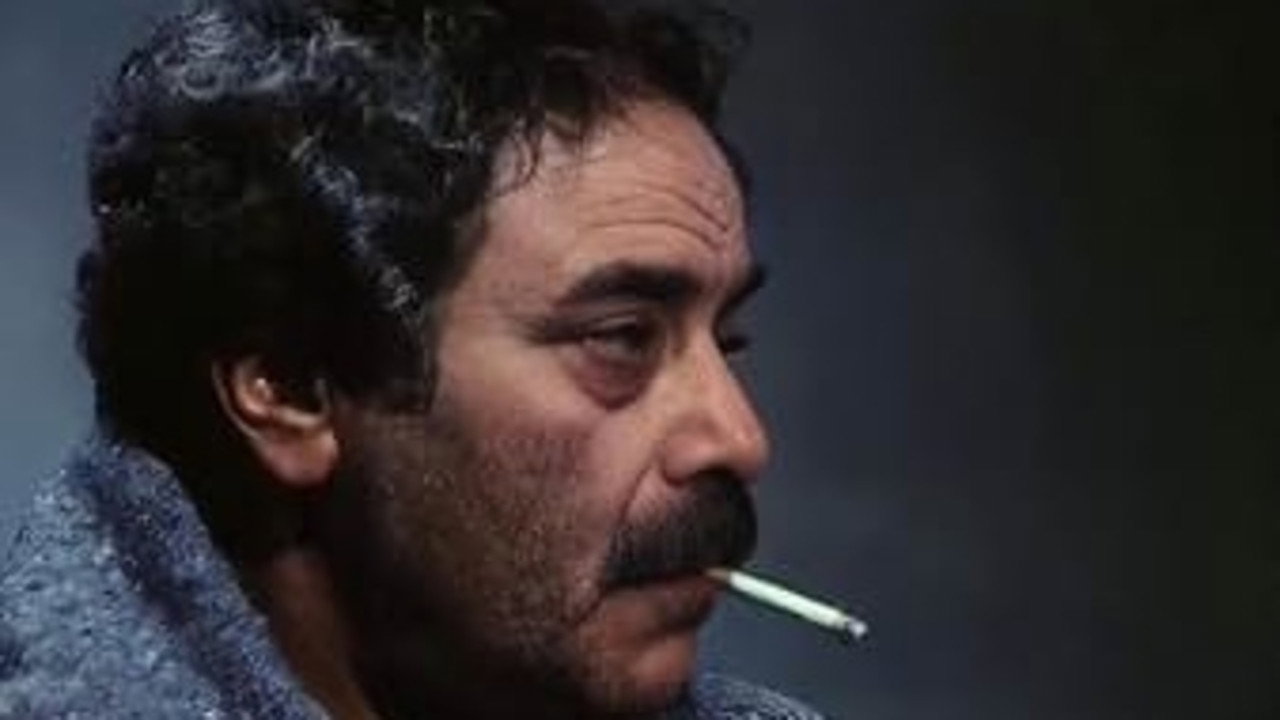
A police office in Algiers sometime after independence. Mr Rachid, father, around fifty years old, former colonial official transferred to the cinema annex library. Mr. Rachid, disappointed and exasperated by his sad life, faced with an inspector who questions him, tries to explain: why did he kill his former department head after a long night of wandering?
Trailers are previews, not full movies.
No authorized playback source configured. Use the legal watch options below.
Production details
- Directors
- Merzak Allouache
- Production companies
- Unavailable
- Countries
- Algeria
- Status
- Released
Top Cast
 Hadj Smaine Mohamed SeghirRachid
 Boudjemaâ Karèche
 Allel El Mouhib
Title information and images are supplied by TMDb. Explore our discovery guide for advice on comparing metadata and legal viewing options.
Where to watch
Availability provided by JustWatch via TMDb. Offers can change. Provider links are listed on TMDb; full playback requires a separately authorized source.
Availability not listed for this country.
Seasons & episodes
Recommendations
When lapsed Jew and former cardiologist Harry suddenly decides to spend his retirement as a pig farmer in Nazareth, Israel, the move deeply shocks his family and his new neighbours. Back in New York, Harry’s ex-wife Monica is trying to manage the lives of their adult children, Annabelle and David, as well as her own.

Based on the true story of a black girl who was born to two white Afrikaner parents in South Africa during the apartheid era.
A poor, struggling South Carolinian mother and daughter face painful choices with their resolve and pride. Bone, the eldest daughter, and Anney her tired mother, grow both closer and farther apart: Anney sees Glen as her last chance.
During the 1976 Soweto uprising, a white school teacher's life and values are threatened when he asks questions about the death of a young black boy who died in police custody.
A drama set in the American South, where a precocious, troubled girl finds a safe haven in the music and movement of Elvis Presley.

To be able to travel to Europe and find the love of his life, Sam Ali, a Syrian refugee, accepts to have his back tattooed by one of the most sulfurous contemporary artist; becoming that way a precious work of art.

Carla Zachanassian had a child by Serge Miller as a teenager. When Serge refused to marry her, she was driven out of town. By her own wit and cunning, she has returned as a multi-millionaire for a visit. The town lays out the red carpet expecting big things from Carla, only to learn that her sole purpose is to see Serge Miller killed...
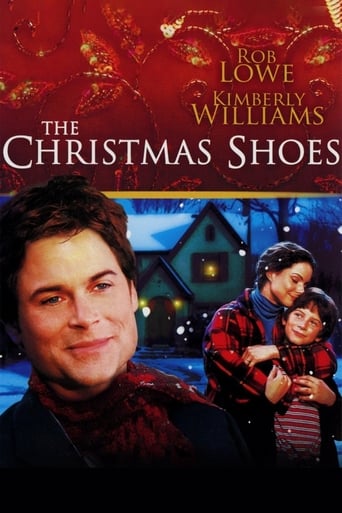
Two separate stories mesh - in the first, a young music teacher, Maggie Andrews, begins dying of a heart condition and her son Nathan tries to get a pair of Christmas shoes for her before she dies. In the second, lawyer Robert Layton and his wife Kate are slowly drifting apart and the matter comes to a head during Christmas when Kate takes over for Maggie for the school choir.

As a country arms itself for war, a family tears itself apart. Forced to avenge his father's death but paralyzed by the task ahead, Hamlet rages against the impossibility of his predicament, threatening both his sanity and the security of the state.
Α tragi-comedy about 9 women of different ages and various backgrounds that gather in an Algerian hammam to talk about their lives.

A hard-living salesman becomes a quadriplegic after an accident.
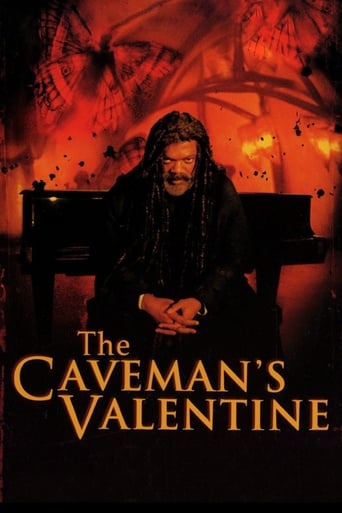
Romulus, a misunderstood musician turned recluse hiding from personal demons in a New York City cave, finds the frozen body of a young drifter in a tree. The authorities, including his police officer daughter, claim the death is accidental. Romulus is convinced the man was murdered by a prominent art photographer but how can he prove he's right when everyone thinks he's insane?
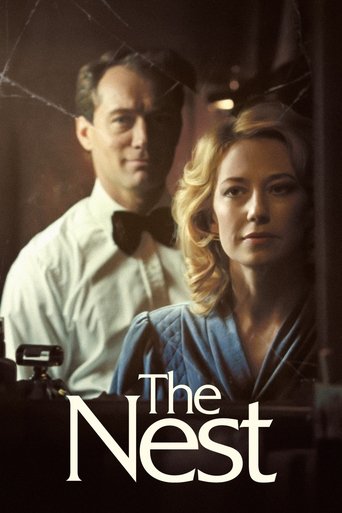
Rory is an ambitious entrepreneur who brings his American wife and kids to his native country, England, to explore new business opportunities. After abandoning the sanctuary of their safe American suburban surroundings, the family is plunged into the despair of an archaic '80s Britain and their unaffordable new life in an English manor house threatens to destroy the family.

A pair of twin brothers from East L.A. choose to live their lives differently and end up on opposite sides of the law.

In a suburban landscape, the lives of several families interlace with loss, despair and personal crisis. Esther Gold has lost focus on all but caring for her comatose son, Paul, and neglects her daughter and husband. Lawyer Jim Train is devoted to his career, not his family. Helen Christianson wants to find a new spark in life, while Annette Jennings tries to rebuild hers.

Thomas Montgomery, a married father of two young daughters, gets seduced by the world of online gambling and chat rooms where a virtual romance and sexual obsession ultimately leads to the murder of an innocent man.
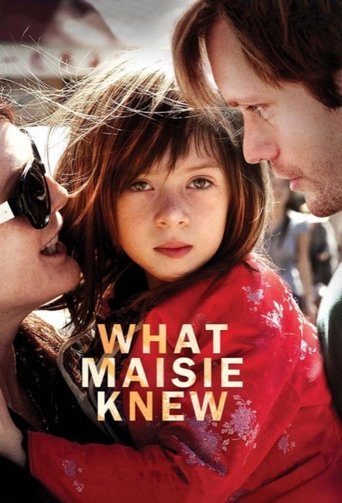
In New York City, six-year-old Maisie is caught in the middle of a bitter custody battle between her self-absorbed parents—an aging rock singer mother and a distracted art dealer father. As both quickly marry new partners to strengthen their legal standing, Maisie is shuttled back and forth in an endless game of emotional point-scoring. Yet amid the chaos and upheaval, Maisie begins to find true comfort and affection in her new step-parents.
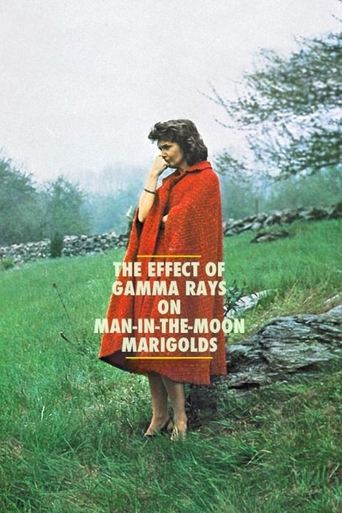
Middle-aged widow Beatrice Hunsdorfer and her daughters Ruth and Matilda are struggling to survive in a society they barely understand. Beatrice dreams of opening an elegant tea room but does not have the wherewithal to achieve her lofty goal. Epileptic Ruth is a rebellious adolescent, while shy but highly intelligent and idealistic Matilda seeks solace in her pets and school projects, including one designed to show how small amounts of radium affect marigolds.

After Margaret, a divorcée living in Dublin, loses her teenage son, she develops an unorthodox relationship with Joe, a homeless youth. Their tentative trust is threatened by his involvement with a violent gang and the escalation of her ex-husband's grieving rage.

Mahree Bok lives on a farm in South Africa. Her father is a policeman who cannot hide his joy when activist Steve Biko is caught by the South African authorities. Piper Dellums is the daughter of a US congressman from California and who lives in a nice home in Washington DC. When Mahree is chosen to spend a semester at the Dellums' house, she doesn't expect that her host family would be black. Nor do her hosts suspect that she is not a black South African.
Similar titles
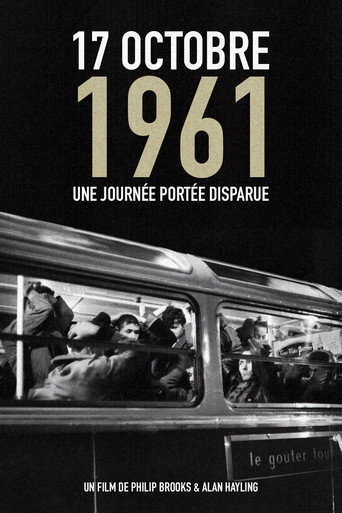
This documentary bears witness to the events that took place more than thirty years before the filming of this movie, on October 17, 1961, in Paris, during the Algerian War. It is a work not only about historical truth but also about memory. Constructed primarily from interviews conducted with those involved in the events, along with archival footage, photographs, and radio broadcasts from the time, our investigation proves that nearly 200 Algerians were killed (drowned, tortured) that night and in the days that followed by the French police. "A Missing Day" seeks to ask two key questions: how could such events have unfolded in the capital of a Western democracy barely thirty years ago? And why have they been silenced ever since?
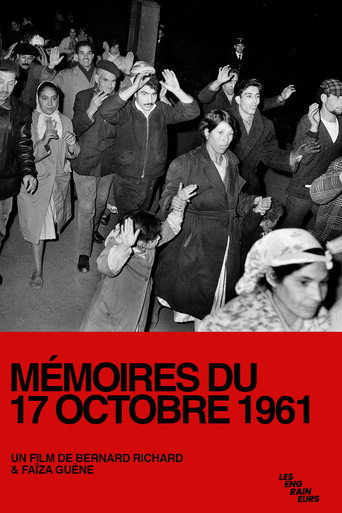
Three demonstrators from October 17, 1961, and a journalist recount the peaceful success of the demonstration and its brutal repression in the streets of Paris. Five months before the end of the Algerian War, the Gaullist government violently suppressed (40 to 300 deaths in a single evening, according to various sources) a peaceful demonstration by the entire Algerian civilian population of the Paris region, protesting the curfew imposed solely on this population (all participants held French citizenship). The government long denied this state crime; the official version: 3 deaths! In 1962, these events were granted amnesty by a simple decree (later enacted into law) issued by the same Gaullist government.
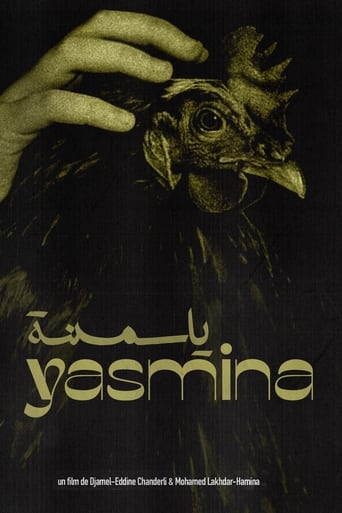
"Yasmina" filmed in 1961 in the middle of the Algerian war tells the story of a little Algerian girl with her hen and her family whose father was killed in a bombing by the French colonial army of occupation. The family, after a long journey, heads towards the refugee camps on the Tunisian border. Produced by the Cinema Service of the Provisional Government of the Algerian Republic (GPRA) in the midst of the war of independence, these films were intended to re-inform the population and international public opinion on the abuses committed by the French colonial army: torture, arrests and arbitrary executions, napalm bombings, fires in douars, entire villages wiped off the map, etc. which the French media described as a "pacification" campaign. The latter censoring or reorienting any images that could harm the colonial narrative.
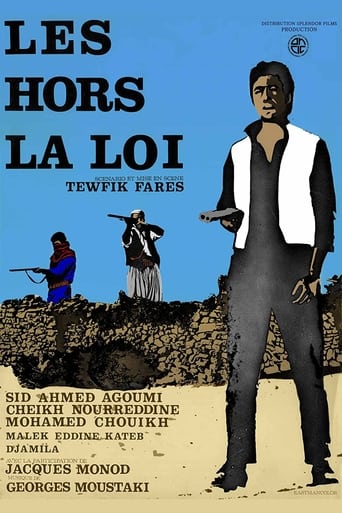
In prison in colonial Algeria, shortly after the end of the Second World War, three indigenous cellmates make out. Once free, they attack the authority represented by the triad of the boss, the gendarme and the administrator. “Living the colonial condition,” confided Tewfik Farès, “is something! It’s not sociologically or historically speaking. It’s life. And I think that’s all there in it. [...] For a hundred and thirty years, we wait. We hold back. We push back. We hope. At the same time, on different occasions, there are skirmishes, unrest.
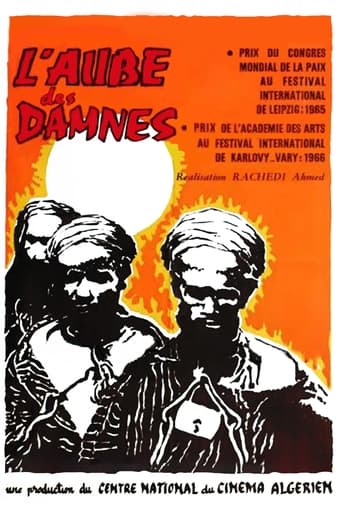
This excellent feature-length documentary - the story of the imperialist colonization of Africa - is a film about death. Its most shocking sequences derive from the captured French film archives in Algeria containing - unbelievably - masses of French-shot documentary footage of their tortures, massacres and executions of Algerians. The real death of children, passers-by, resistance fighters, one after the other, becomes unbearable. Rather than be blatant propaganda, the film convinces entirely by its visual evidence, constituting an object lesson for revolutionary cinema.
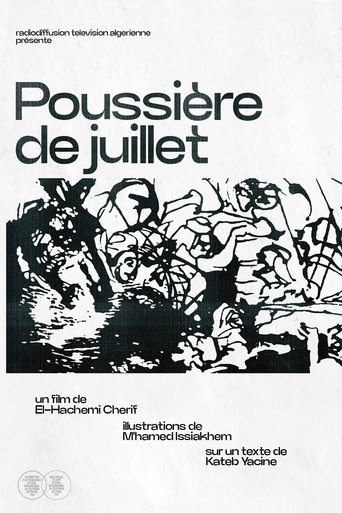
“Poussières de Juillet”, produced in 1967 by Hachemi El-Chérif, is taken from a poem by Kateb Yacine. "We made a film on the return of the ashes of Emir Abdelkader, to Algeria. It was the opportunity to make a film on the ancestors with M'hamed Issiakhem. He designed glass plates on the basis of my texts. Then we had actors collaborate. It was a film which cost us a total of 300 dinars, proof that we could do work for television without too much money. We won two first international prizes at the Belgrade festival. We left the original of the film with the Egyptians in Alexandria and they lost it. We kept a copy but over time I wonder what happened to it, because there is no not even had a screening, they say it still exists, but I don't know in what state." Kateb Yacine, July 28, 1986, interview with Arlette Casas.

A woman has a close bond with her beloved Algerian grandfather, who protected her from a toxic home life as a child; his death triggers a deep identity crisis as tensions between her extended family members escalate, revealing new depths of resentment and bitterness.

27 years after 1962, Antoine returns to Algiers...

Selim Mechoubine, a young man of 28, is the eldest of a large family. In the cramped accommodation he shares with his parents, brothers and sisters... he occupies the kitchen, the refuge of his dreams and his many fantasies. Selim, the court clerk where divorcing couples parade..., wants to get married. His mother finds him “the rare pearl”. But now, the bride's family demands that the couple have their own home... Selim's misadventure begins; he finds himself confronted with the problems of the housing crisis which forces him to begin a long quest, procedures, requests to find the sine qua non condition for his marriage.
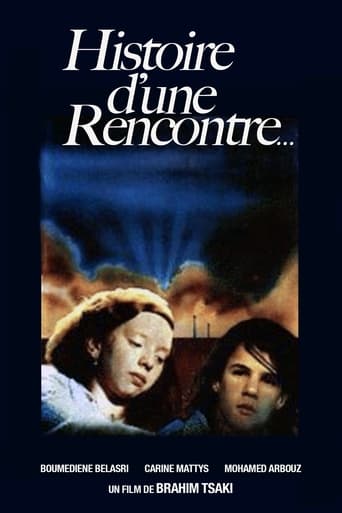
Two deaf and dumb children. She is the daughter of an American Oil engineer. He is the son of an Algerian farmer. They meet and manage to communicate, transcending all the cultural barriers that separate them.
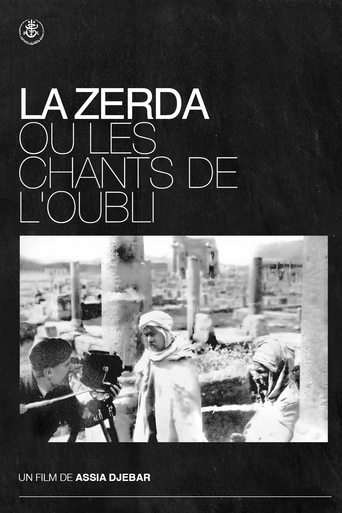
“La Zerda and the songs of oblivion” (1982) is one of only two films made by the Algerian novelist Assia Djebar, with “La Nouba des femmes du mont Chenoua” (1977). Powerful poetic essay based on archives, in which Assia Djebar – in collaboration with the poet Malek Alloula and the composer Ahmed Essyad – deconstructs the French colonial propaganda of the Pathé-Gaumont newsreels from 1912 to 1942, to reveal the signs of revolt among the subjugated North African population. Through the reassembly of these propaganda images, Djebar recovers the history of the Zerda ceremonies, suggesting that the power and mysticism of this tradition were obliterated and erased by the predatory voyeurism of the colonial gaze. This very gaze is thus subverted and a hidden tradition of resistance and struggle is revealed, against any exoticizing and orientalist temptation.
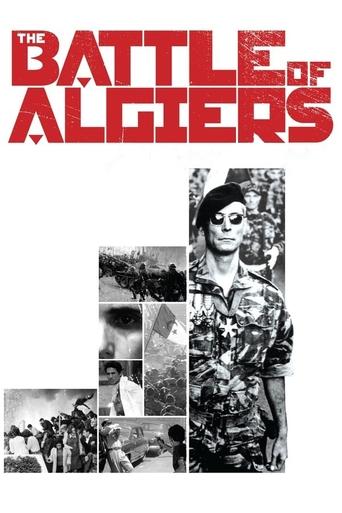
Former petty criminal Ali la Pointe becomes a commander of the Algerian Front de Liberation Nationale, directing a guerilla insurgency against the colonial French occupation. Paratrooper commander Colonel Phillippe Mathieu, a veteran of World War II and the First Indochina War, is sent to Algeria to reinforce efforts to squelch the uprisings.
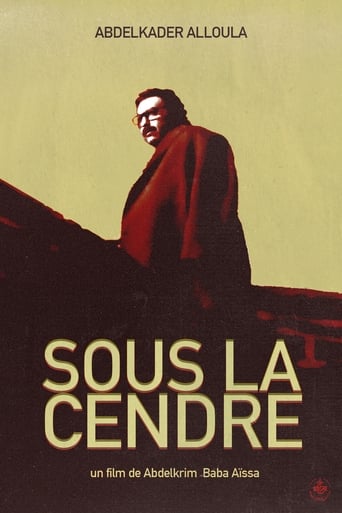
The Second World War. French authorities ban political parties and unions. In Algeria, the leaders of political and trade union organizations were arrested and interned in "surveillance" camps with more than 2,000 French and foreigners: communist activists, trade unionists, brigadists, Spanish republicans and other opponents of the Vichy regime. The Djenien Bourezg camp is one of these camps, located in southern Algeria and is one of the most formidable. An old activist for the Algerian national cause returns to the scene. He blows away the ashes that cover this part of history. And through it, we discover the hard fight of the camp inmates for respect and human dignity, under a fascist command.

It was from the popular song-poem by Mohamed Ben Guittoun that director Mohamed Hazourli (of the Constantine regional station of RTA) wrote the screenplay. Hiziya Bent Ahmeb Bey, 23 years old, lived in southeastern Algeria, in a village called Sidi Khaled. The daughter of a powerful notable of the Dhouaouda tribe, who regularly migrated through the desert, Hiziya was exceptionally beautiful, to the point that other girls were jealous and envious of her, and men succumbed to her charm. But the young woman's heart belonged to Saïd, an orphan taken in as a child by his uncle. They met in secret and married despite family hostility. A month after their wedding, Hiziya died during the transhumance in the desert. The death of his beloved plunged Saïd into deep grief, to the point that he abandoned his possessions and family to wander the desert.
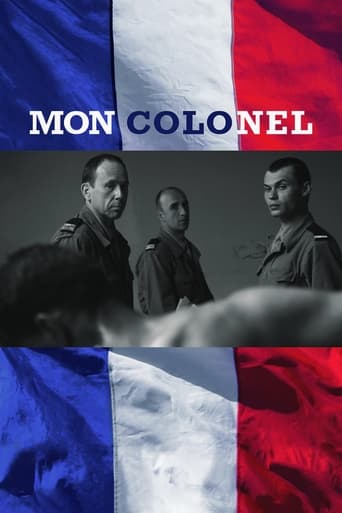
'Reformed Colonel' Raoul Duplan is found dead in Paris, a couple of decades after Algeria's struggle for independence was won from France. Assigned to investigate, Lieutenant Galois receives the diary of Lieutenent Guy Rossi, who served under Duplan in Algeria in 1956, and has been reported as MIA since 1957. The revelations in Rossi's diary far surpass Duplan's actions in Algeria, and give insight on how dirty Algeria's War for Independence really was.
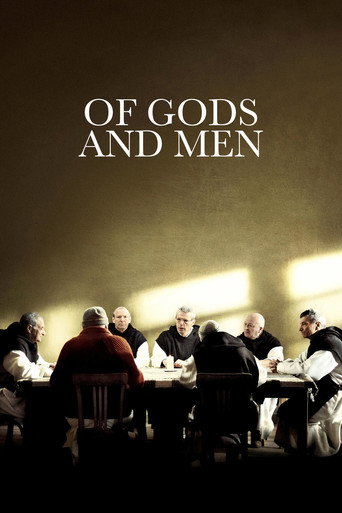
A group of Trappist monks reside in the monastery of Tibhirine in Algeria, where they live in harmony with the largely Muslim population. When a bloody conflict between Algeria's army and Muslim Jihadi insurgents disrupts the peace, they are forced to consider fleeing the monastery and deserting the villagers they have ministered to. In the face of deadly violence, the monks wrestle with their faith and their convictions.
Henia will give anything to mend her broken past and find her mother, from whom she has been separated since the conflict between Morocco and Algeria during the Black Demonstration of 1975. After being given an opportunity to assist an elderly blind man, she accepts the offer and eventually finds herself agreeing to marry him. For Henia, this is a chance to get the necessary papers for her return to Algeria. For the old man, it’s a chance to start over. For his son, it is a disgrace.
Depicts the life of Sidi Lakhdar Ben Khlouf, an eminent symbolic figure who is part of the memory of Algerian poetry and popular fight. Sidi Lakhdar Ben Khelouf became famous thanks to his poems about the Prophet Muhammad (earning him the nickname "praiser of the Prophet") and the epic he dedicates to the Battle of Mazagran on August 26, 1558, against the Spaniards. Counted among the patron saints of the Mostaganem region, his poems are often interpreted by chaâbi singers.

They come from completely different worlds, but over the course of a single day and night, their lives collide. What starts as a clinical relationship slowly turns into something deeper—almost like a shared understanding of the same struggle.
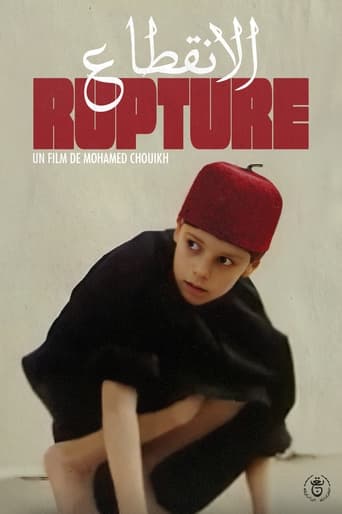
"Rupture is a look at a complex and little-known period in the recent history of Algeria, that of the thirties, a time when a political conscience was beginning to assert itself. I wanted to understand how and by what miracle, despite the small individual and collective revolts that had failed in the past, the unity of the Algerian people had been forged around the reconquest of independence. The main figures who worked, each in their own way, for this idea, are men who have always lived in the shadows and forgotten. And that's how I tried through this film to pay tribute to all those who gave up everything to dedicate themselves to a cause they considered just". Mohamed Chouikh