
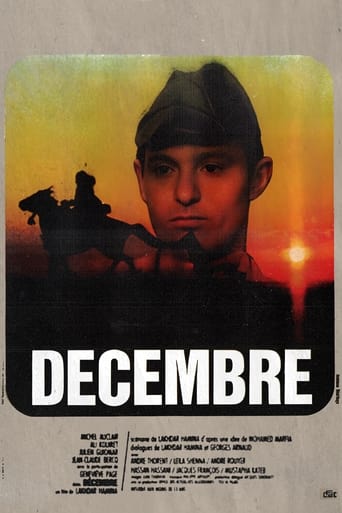
December
1973-01-02 · 95 min · ★ 10.0
In Algiers, during the Algerian War of Independence, one of the leaders of the FLN was arrested by the French colonial army, which used the most violent methods to make the prisoners speak. The use of torture poses a conscience problem for a French officer. Playing shot-reverse-shot, between the tortured and his torturer, in a suffocating camera, Mohammed Lakhdar-Hamina approaches torture by drawing inspiration from the story of his father, who died of abuse.
Trailers are previews, not full movies.
No authorized playback source configured. Use the legal watch options below.
Production details
- Directors
- Mohammed Lakhdar-Hamina
- Production companies
- Telcia Films, Office des Actualités Algériennes (OAA), Office National pour le Commerce et l'Industrie Cinématographique (ONCIC)
- Countries
- Algeria, France
- Status
- Released
Top Cast
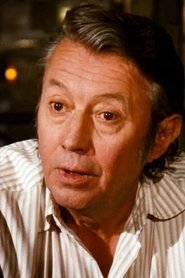 Michel AuclairColonel de St-Méran
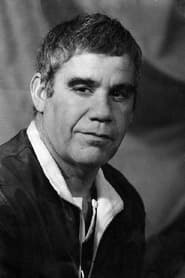 Sid Ali KouiretSi Ahmed
 Julien GuiomarLe général Beaumont
 Geneviève PageBéatrice de St-Mérand
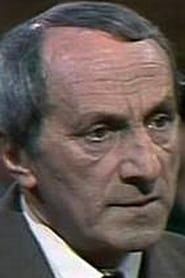 André ThorentLe général Michon
 Mustapha KatebKhédija
 André RouyerL'aumônier
 Jacques FrançoisSerge de la Prévoteraie
 Jean-Pierre Castaldi
 Jacques Castelot
 Gérard Darrieu
 Hassan El-Hassani
Title information and images are supplied by TMDb. Explore our discovery guide for advice on comparing metadata and legal viewing options.
Where to watch
Availability provided by JustWatch via TMDb. Offers can change. Provider links are listed on TMDb; full playback requires a separately authorized source.
Availability not listed for this country.
Seasons & episodes
Recommendations
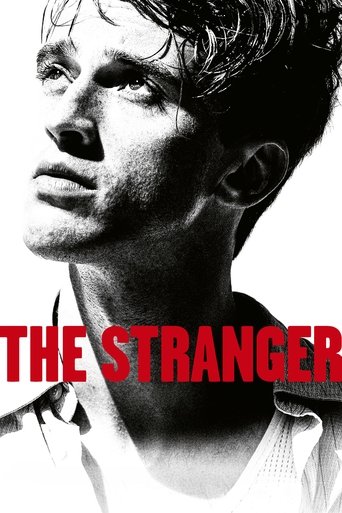
Algiers, 1938. Meursault, a quiet and unassuming employee in his early thirties, attends his mother's funeral without shedding a tear. The next day, he begins a casual affair with Marie, a work colleague. He quickly slips back into his usual routine.
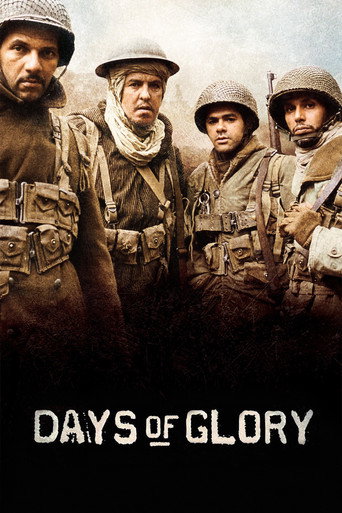
1943. They have never stepped foot on French soil but because France was at war, Said, Abdelkader, Messaoud and Yassir enlist in the French Army, along with 130,000 other “indigenous” soldiers, to liberate the “fatherland” from the Nazi enemy. Heroes that history has forgotten...
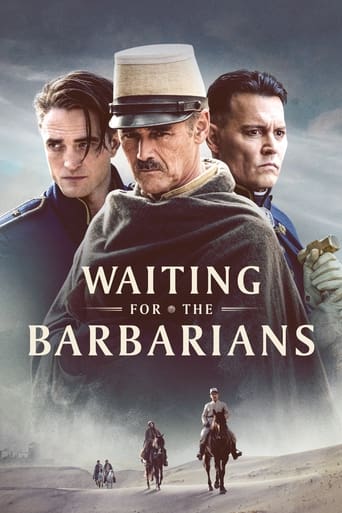
At an isolated frontier outpost, a colonial magistrate suffers a crisis of conscience when an army colonel arrives looking to interrogate the locals about an impending uprising, using cruel tactics that horrify the magistrate.
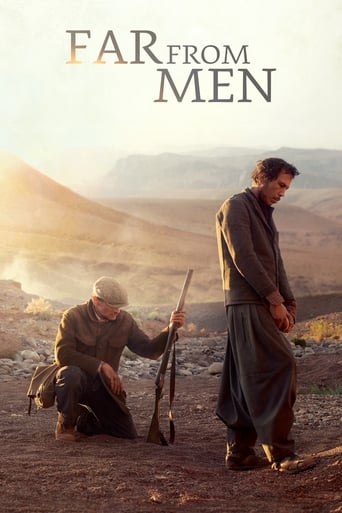
A French teacher in a small Algerian village during the Algerian War forms an unexpected bond with a dissident who is ordered to be turned in to the authorities.
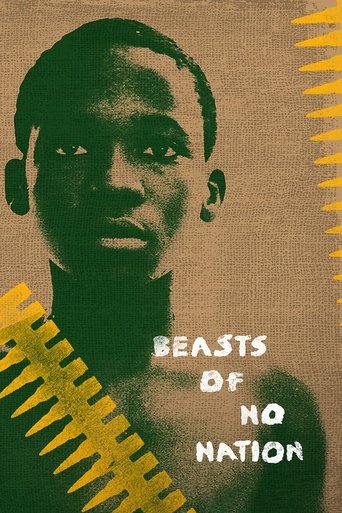
Based on the experiences of Agu, a child fighting in the civil war of a West African country. Follows Agu's journey as he's forced to join a group of soldiers. While he fears his commander and many of the men around him, his fledgling childhood has been brutally shattered by the war raging through his country, and he is at first torn between conflicting revulsion and fascination.
A drama following a French platoon during Algeria's war of independence.
Resistance leader Omar Mukhtar opposes Italian colonization before World War II. The brutal guerrilla war against Italian General Rodolfo Graziani and the Fascist forces of Benito Mussolini highlights the struggle for Libyan independence and the harsh tactics utilised by the colonisers.
It is based on upon the memoir Mémoires d'un agent secret de la France libre et La Ligne de démarcation by Gilbert Renault under his pseudonym Colonel Rémy. A small village in the Jura is split by the river Loue which creates the line of demarcation between Nazi occupied France and freedom. A French officer, Pierre, is released by the Nazi soldiers to find his chateau converted into a German command centre. Whilst he is obliged to co-operate with the enemy, his wife Mary supports the resistance movement and is willing to risk her life for it. The Nazis step up their activity against the resistance, insisting that any who attempt to cross the line of demarcation will be shot. When his wife is arrested, Pierre decides to switch his allegiance.
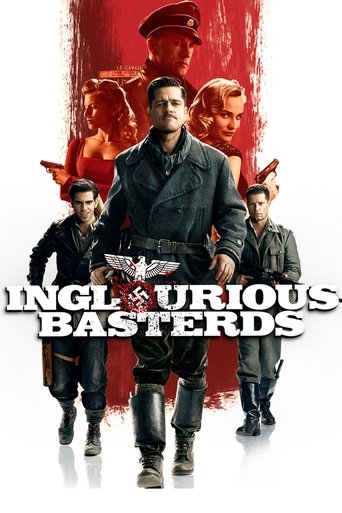
In Nazi-occupied France during World War II, a group of Jewish-American soldiers known as "The Basterds" are chosen specifically to spread fear throughout the Third Reich by scalping and brutally killing Nazis. The Basterds, lead by Lt. Aldo Raine soon cross paths with a French-Jewish teenage girl who runs a movie theater in Paris which is targeted by the soldiers.
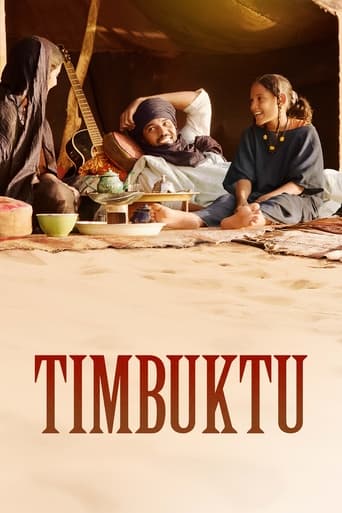
Just outside of the Malian city of Timbuktu, now occupied by militant Islamic rebels who impose the Sharia on civilians and inconvenience their daily life, a cattleman kills a fisherman.
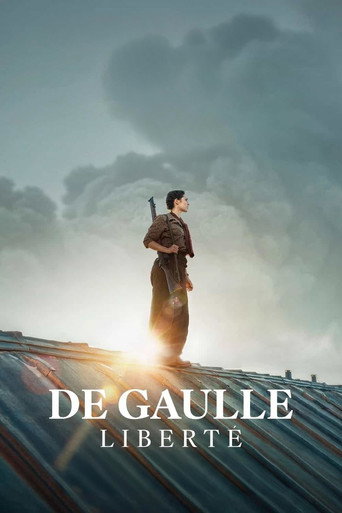
Part two of a two-part biopic following French army officer Charles De Gaulle's life and political commitment between 1940 and 1945, and trace his development towards a political career.
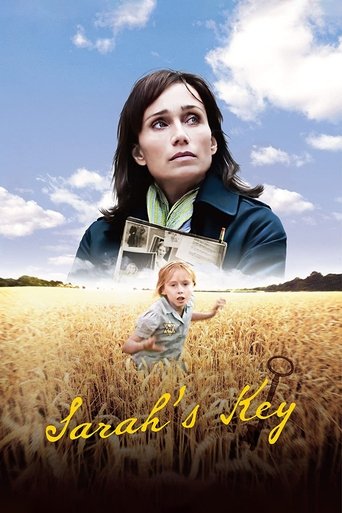
On the night of 16 July 1942, ten year old Sarah and her parents are being arrested and transported to the Velodrome d'Hiver in Paris where thousands of other jews are being sent to get deported. Sarah however managed to lock her little brother in a closet just before the police entered their apartment. Sixty years later, Julia Jarmond, an American journalist in Paris, gets the assignment to write an article about this raid, a black page in the history of France. She starts digging archives and through Sarah's file discovers a well kept secret about her own in-laws.
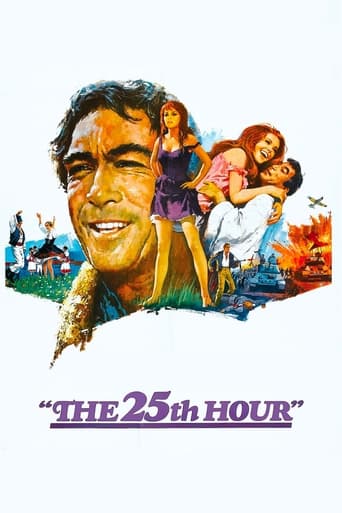
A Romanian peasant fights to get back to his family after he's imprisoned by the Nazis.The picture is based on real events. It includes Hungary's government in collaboration with the Nazis, the encroachment of Romania by Stalin's troopers, and other happenings.

In 1429, a French teenager stood before her King with a message she claimed came from God; that she would defeat the world's greatest army and liberate her country from its political and religious turmoil. As she reclaims God's diminished kingdom, this courageous young woman has various amazing victories until her violent and untimely death.
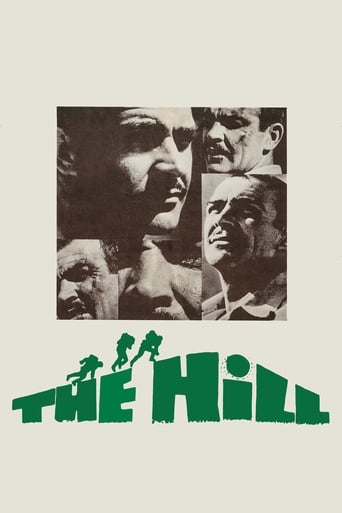
North Africa, World War II. British soldiers on the brink of collapse push beyond endurance to struggle up a brutal incline. It's not a military objective. It's The Hill, a manmade instrument of torture, a tower of sand seared by a white-hot sun. And the troops' tormentors are not the enemy, but their own comrades-at-arms.

A WWII veteran escapes his care home in Northern Ireland and embarks on an arduous but inspirational journey to France to attend the 75th anniversary of the D-Day landings, finding the courage to face the ghosts of his past.
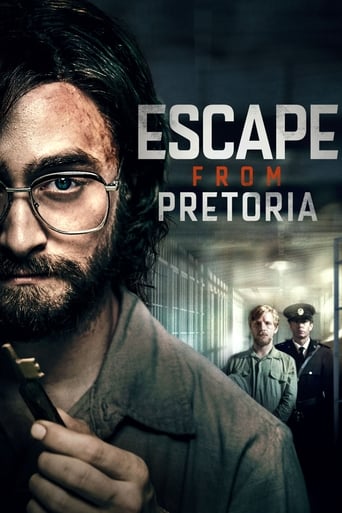
South Africa, 1978. Tim Jenkin and Stephen Lee, two white political activists from the African National Congress imprisoned by the apartheid regime, put a plan in motion to escape from the infamous Pretoria Prison.
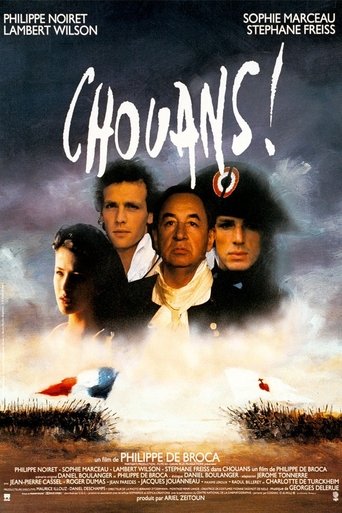
Directed by Philippe de Broca, the film recounts a bloody episode of the French Revolution. 1793, the Terror . In Vendée and in Bretagne, the chouans are revolting against the young Republic and fight for the monarchy restauration. The civil war divides also the family of the Count Savinien de Kerfadec, a liberal and generous noble and a flying machines inventor.
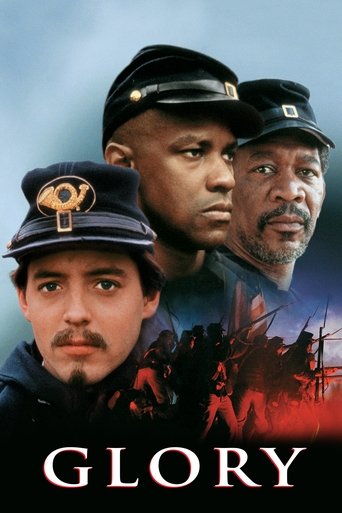
Robert Gould Shaw leads the US Civil War's first all-black volunteer company, fighting prejudices of both his own Union army and the Confederates.

A 5-year-old girl embarks on a harrowing quest for survival amid the sudden rise and terrifying reign of the Khmer Rouge in Cambodia.
Similar titles

A successful advertising journalist, embarks on a journey to Egypt where he encounters Maryam, a striking Eritrean woman whose beauty is matched only by her enigmatic presence. What begins as a chance meeting gradually evolves into a layered emotional connection that challenges Giorgio’s worldview and highlights cultural and racial divides.

Aïcha, a 7-year-old black girl receives a drawing mocking her hair. With the help of her big sister, they will spend the evening trying to make her beautiful like her classmates. How far is she willing to go to be seen and accepted?
Joshua Nyaga travels to the countryside from London to spend a summer’s weekend with his girlfriend Cass’ family for the first time. Transplanted as a young boy from the violence of the Ugandan civil war to the concrete jungle of London, Joshua has never experienced the privilege that Cass’ family enjoys. Surrounded by the sea and lush natural landscape, the farm is an oasis, brimming with idealistic notions and lively debate amongst Cass’ father, stepmother and their longtime friend of the family, Michael. But Joshua’s warm welcome is short lived, when a sudden act of violent racism at a local summer concert shatters the peace forcing Joshua and those around him to confront the uncomfortable truth of their differences.

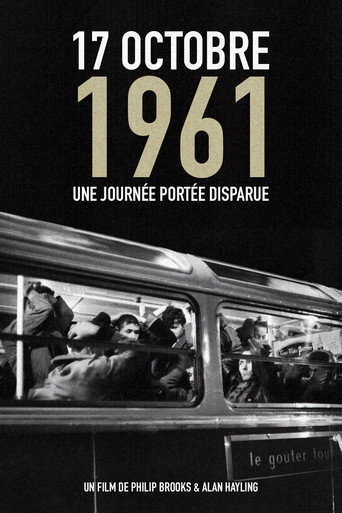
This documentary bears witness to the events that took place more than thirty years before the filming of this movie, on October 17, 1961, in Paris, during the Algerian War. It is a work not only about historical truth but also about memory. Constructed primarily from interviews conducted with those involved in the events, along with archival footage, photographs, and radio broadcasts from the time, our investigation proves that nearly 200 Algerians were killed (drowned, tortured) that night and in the days that followed by the French police. "A Missing Day" seeks to ask two key questions: how could such events have unfolded in the capital of a Western democracy barely thirty years ago? And why have they been silenced ever since?
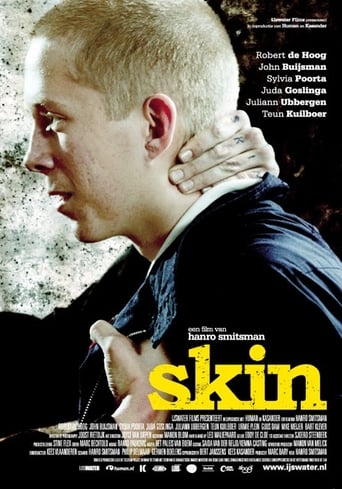
In the late Seventies, a Dutch teenager named Frankie, who is the son of a holocaust survivor, lives in a working class area in Holland. Frankie’s mother is taken to hospital in a terminal condition, causing a bigger rift between him and his father. This leads to Frankie becoming the interest of the local Nazi skinhead group.

A semi-biographical account of Yip Man, the first martial arts master to teach the Chinese martial art of Wing Chun. The film focuses on events surrounding Ip that took place in the city of Foshan between the 1930s to 1940s during the Second Sino-Japanese War. Directed by Wilson Yip, the film stars Donnie Yen in the lead role, and features fight choreography by Sammo Hung.
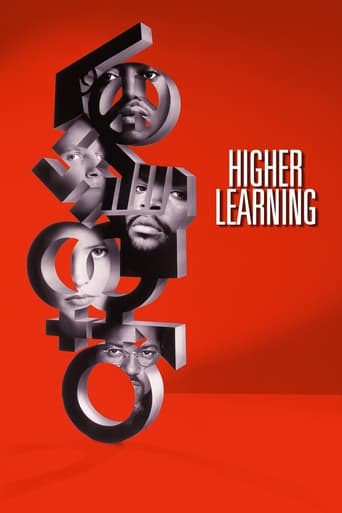
African-American student Malik is on a track scholarship; academics are not his strong suit, and he goes in thinking that his athletic abilities will earn him a free ride through college. Fudge, a "professional student" who has been at Columbus for six years so far, becomes friendly with Malik and challenges his views about race and politics in America.
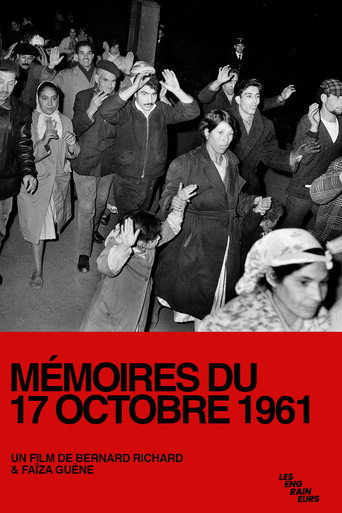
Three demonstrators from October 17, 1961, and a journalist recount the peaceful success of the demonstration and its brutal repression in the streets of Paris. Five months before the end of the Algerian War, the Gaullist government violently suppressed (40 to 300 deaths in a single evening, according to various sources) a peaceful demonstration by the entire Algerian civilian population of the Paris region, protesting the curfew imposed solely on this population (all participants held French citizenship). The government long denied this state crime; the official version: 3 deaths! In 1962, these events were granted amnesty by a simple decree (later enacted into law) issued by the same Gaullist government.
"Yasmina" filmed in 1961 in the middle of the Algerian war tells the story of a little Algerian girl with her hen and her family whose father was killed in a bombing by the French colonial army of occupation. The family, after a long journey, heads towards the refugee camps on the Tunisian border. Produced by the Cinema Service of the Provisional Government of the Algerian Republic (GPRA) in the midst of the war of independence, these films were intended to re-inform the population and international public opinion on the abuses committed by the French colonial army: torture, arrests and arbitrary executions, napalm bombings, fires in douars, entire villages wiped off the map, etc. which the French media described as a "pacification" campaign. The latter censoring or reorienting any images that could harm the colonial narrative.
This docu-fiction recounts the difficulties overcome by an ALN detachment whose perilous mission is to transport weapons and ammunition from Tunisia across the Algerian Sahara during the Algerian liberation war (1954-1962) against the French army of occupation.
In Algeria in 1954, in a village in the Aurès region, poverty reigns over peasants enslaved by colonial administrators and Algerian landowners. Noua, in love with the son of a peasant dispossessed of his land, must be sold to a wealthy landowner.
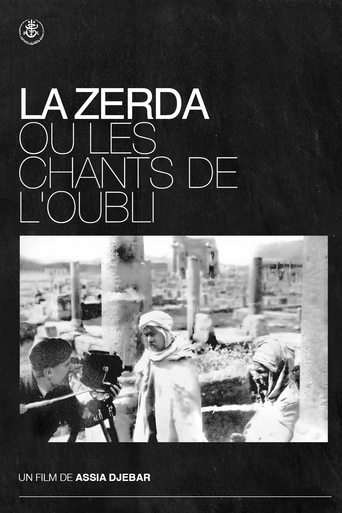
“La Zerda and the songs of oblivion” (1982) is one of only two films made by the Algerian novelist Assia Djebar, with “La Nouba des femmes du mont Chenoua” (1977). Powerful poetic essay based on archives, in which Assia Djebar – in collaboration with the poet Malek Alloula and the composer Ahmed Essyad – deconstructs the French colonial propaganda of the Pathé-Gaumont newsreels from 1912 to 1942, to reveal the signs of revolt among the subjugated North African population. Through the reassembly of these propaganda images, Djebar recovers the history of the Zerda ceremonies, suggesting that the power and mysticism of this tradition were obliterated and erased by the predatory voyeurism of the colonial gaze. This very gaze is thus subverted and a hidden tradition of resistance and struggle is revealed, against any exoticizing and orientalist temptation.
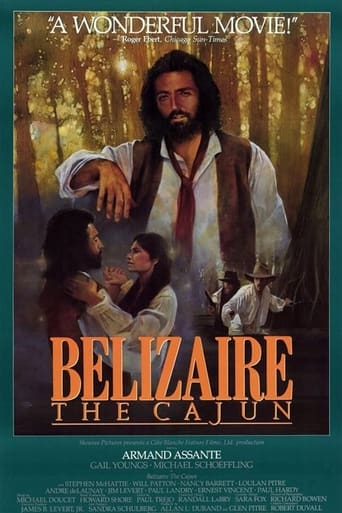
In 19th-century Louisiana's Cajun country, Belizaire is the informal spokesman for his citizens, who don't see eye to eye with local racists who wish to eradicate all Cajuns. Complicating matters is that Belizaire's former flame is now married to his biggest rival, an affluent landowner's son. Before he knows it, Belizaire is caught up in a web of murder, lies, and prejudice.

A soldier from Earth crashlands on an alien world after sustaining battle damage. Eventually he encounters another survivor, but from the enemy species he was fighting; they band together to survive on this hostile world. In the end the human finds himself caring for his enemy in a completely unexpected way.
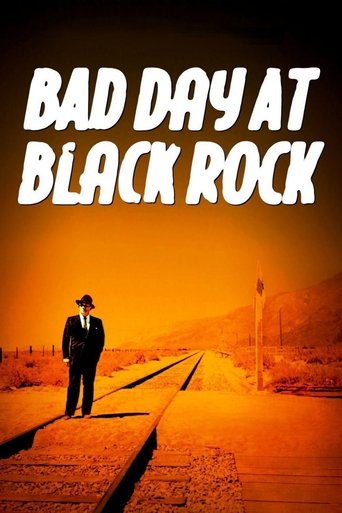
One-armed war veteran John J. Macreedy steps off a train at the sleepy little town of Black Rock. Once there, he begins to unravel a web of lies, secrecy, and murder.
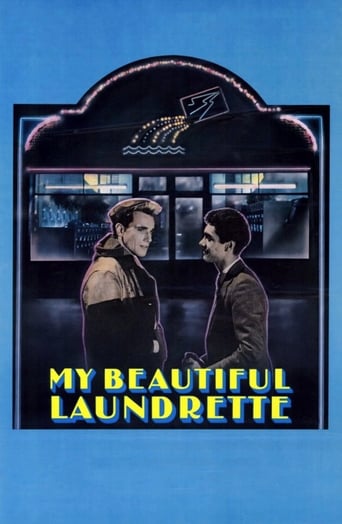
A young Pakistani Briton manages a rundown laundrette with his lover while dealing with tension in his family, the local Pakistani community, and a persistent mob of skinheads.
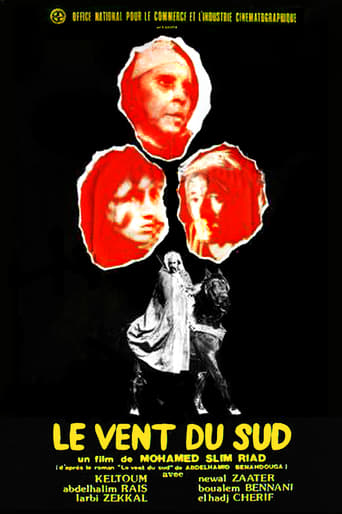
Néfissa, a student in Algiers, returns to her village in the south in the summer. Her father wants her to marry the mayor but she wants to continue her studies. Confronting her father and the opinion of the villagers who do not understand her, she decides to flee to Algiers. The shepherd Rabah discovering her wounded and lost in the mountains, has her treated by her mother. In contact with Nefissa, Rabat becomes aware of his exploited condition and discovers the possibilities offered to him by the cooperatives of the agrarian revolution. The two young people will go through the decisive stage together which will allow them to escape obscurantism and exploitation. Based on the novel "Le vent du sud" by Abdelhamid Benahouga
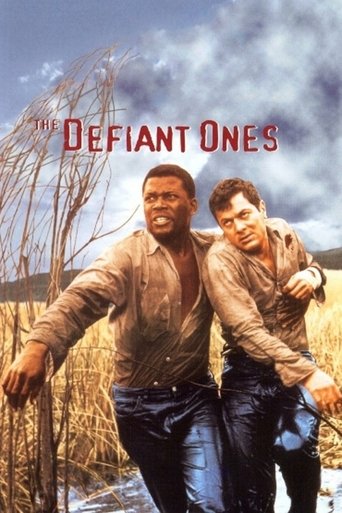
Two convicts—one white, one black—escape while chained to each other.
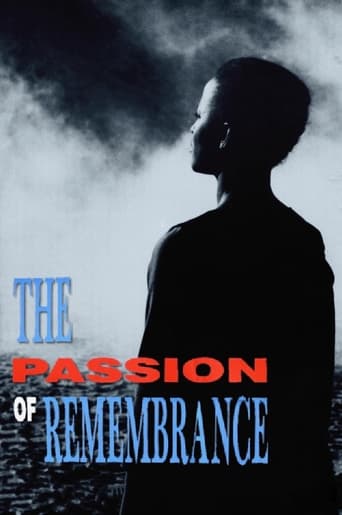
Co-directed by Blackwood and Julien, the first full-length feature film by Sankofa Film and Video offers a radical and necessary interrogation into what constitutes 'post-colonial' identity at a time of political and social restlessness in Britain. Set within an isolated desert landscape contrasted with recognizable scenes of the intensity of family life, this vanguard work demonstrates the richness and variety of the black experience; it is a poetic and hard-hitting commentary on the complexities of race, gender and sexuality.