

Max Bill: The Master's Vision
2008-08-10 · 94 min · ★ 6.0
The film about Max Bill (1908-1994) moves between the dynamic fields of art, aesthetics and politics. Max Bill was probably the most important swiss artist of the 20th century and the most famous student to come out of the legendary Bauhaus in Dessau. He was an ardent anti-fascist and all his avant-garde work as an artist, sculptor, architect and typographer showed a social responsibility and environmental awareness right through his life. His views have become incredibly topical.
Trailers are previews, not full movies.
No authorized playback source configured. Use the legal watch options below.
Production details
- Directors
- Erich Schmid
- Production companies
- Ariadnefilm GmbH
- Countries
- Switzerland
- Status
- Released
Top Cast
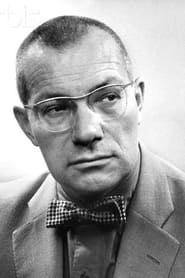 Max Bill
Title information and images are supplied by TMDb. Explore our discovery guide for advice on comparing metadata and legal viewing options.
Where to watch
Availability provided by JustWatch via TMDb. Offers can change. Provider links are listed on TMDb; full playback requires a separately authorized source.
Availability not listed for this country.
Seasons & episodes
Recommendations
This unique cinematic experience dives deep into an artist’s work and reveals his life path, inspiration, and creative process. It explores his fascination with myth and history. Past and present are interwoven to diffuse the line between film and painting, allowing the audience to be completely immersed in the remarkable world of one of the greatest contemporary artists, Anselm Kiefer. Wim Wenders shot this unique portrait over the course of two years in stunning 3D.
A day in the city of Berlin, which experienced an industrial boom in the 1920s, and still provides an insight into the living and working conditions at that time. Germany had just recovered a little from the worst consequences of the First World War, the great economic crisis was still a few years away and Hitler was not yet an issue at the time.
As his life comes to its end, famous Hollywood director Orson Welles puts it all on the line at the chance for renewed success with the film The Other Side of the Wind.
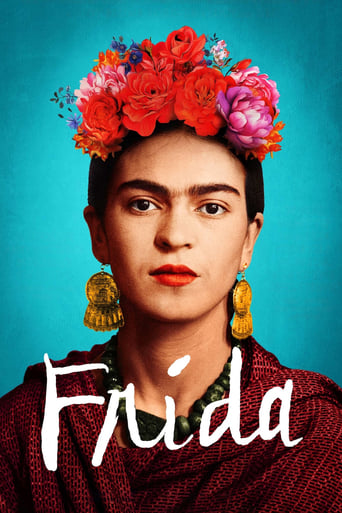
An intimately raw and magical journey through the life, mind, and heart of iconic artist Frida Kahlo. Told through her own words for the very first time — drawn from her diary, revealing letters, essays, and print interviews — and brought vividly to life by lyrical animation inspired by her unforgettable artwork.
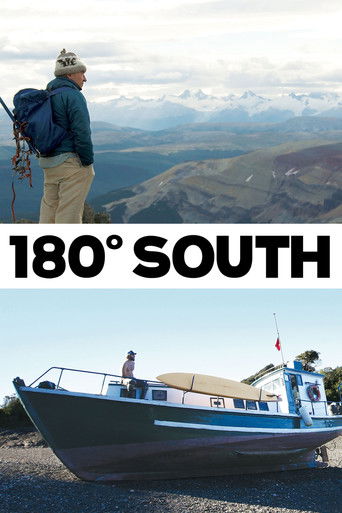
The film follows adventurer Jeff Johnson as he retraces the epic 1968 journey of his heroes Yvon Chouinard and Doug Tompkins to Patagonia.
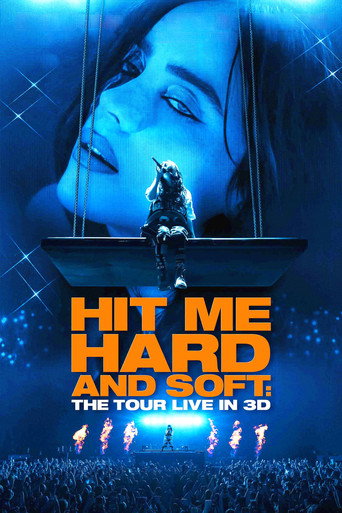
Captured during Billie Eilish's sold-out world tour, a concert experience from one of the most celebrated and successful artists of her generation, presented in immersive 3D.

Documentary filmmaker Amy Berg investigates the life of 30-year pedophile Father Oliver O'Grady and exposes the corruption inside the Catholic Church that allowed him to abuse countless children. Victims' stories and a disturbing interview with O'Grady offer a view into the troubled mind of the spiritual leader who moved from parish to parish gaining trust ... all the while betraying so many.
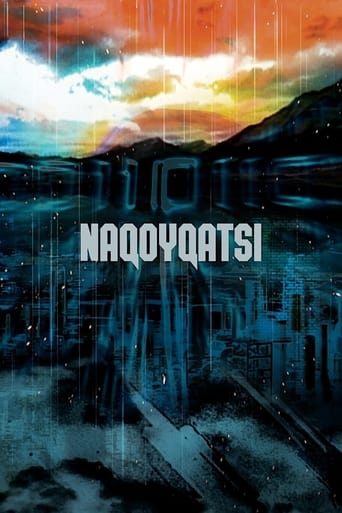
A visual montage portrait of our contemporary world dominated by globalized technology and violence.
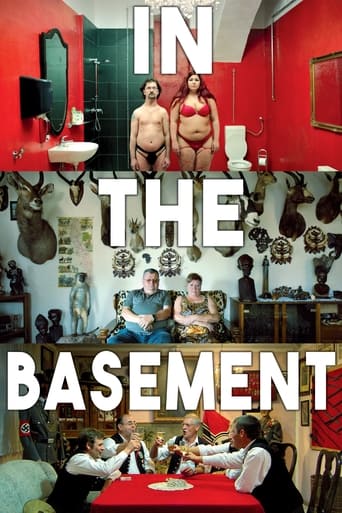
Filmmaker Ulrich Seidl explores of the dark underside of the human psyche by entering Austrian basements fitted out as private domains for secrets and fetishes.

A backstage and on-stage look at Justin Bieber during his rise to super stardom.
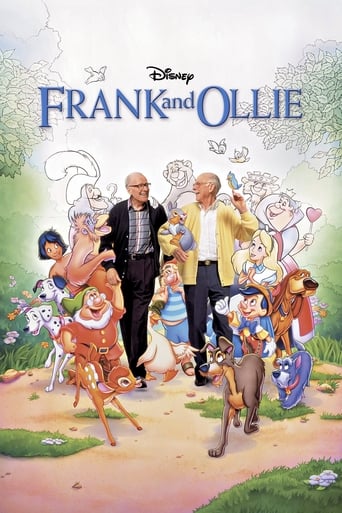
Before computer graphics, special effects wizardry, and out-of-this world technology, the magic of animation flowed from the pencils of two of the greatest animators The Walt Disney Company ever produced -- Frank Thomas and Ollie Johnston. Frank and Ollie, the talent behind BAMBI, PINOCCHIO, LADY AND THE TRAMP, THE JUNGLE BOOK, and others, set the standard for such modern-day hits as THE LION KING. It was their creative genius that helped make Disney synonymous with brilliant animation, magnificent music, and emotional storytelling. Take a journey with these extraordinary artists as they share secrets, insights, and the inspiration behind some of the greatest animated movies the world has ever known!
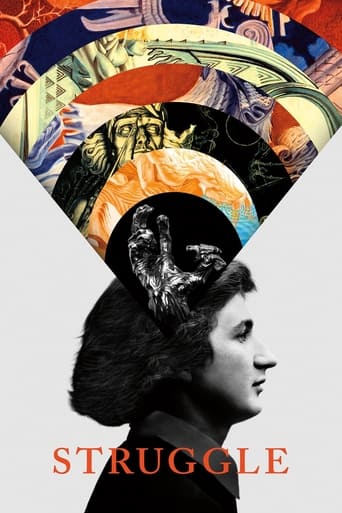
Artists in LA discover the work of forgotten Polish sculptor Stanislav Szukalski, a mad genius whose true story unfolds chapter by astounding chapter.
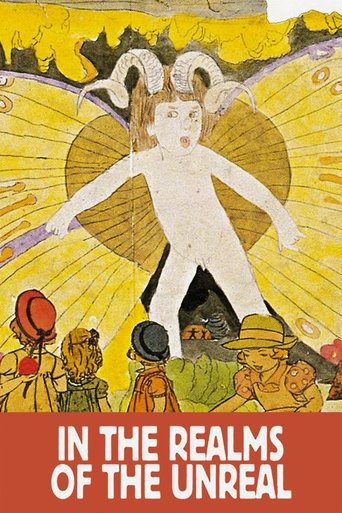
In the Realms of the Unreal is a documentary about the reclusive Chicago-based artist Henry Darger. Henry Darger was so reclusive that when he died his neighbors were surprised to find a 15,145-page manuscript along with hundreds of paintings depicting The Story of the Vivian Girls, in What is Known as the Realms of the Unreal, of the Glodeco-Angelinnian War Storm, Cased by the Child Slave Rebellion.

As a visually radical memoir, CAMERAPERSON draws on the remarkable footage that filmmaker Kirsten Johnson has shot and reframes it in ways that illuminate moments and situations that have personally affected her. What emerges is an elegant meditation on the relationship between truth and the camera frame, as Johnson transforms scenes that have been presented on Festival screens as one kind of truth into another kind of story—one about personal journey, craft, and direct human connection.

A tribute to Italian filmmaker Sergio Corbucci (1926-90), presented by American filmmaker Quentin Tarantino.

Focused on the life of the band and their collaborators over the 3 vital years in which they developed critically acclaimed albums, 'Humanz' and 'The Now Now', and undertook their most ambitious world tour to date.
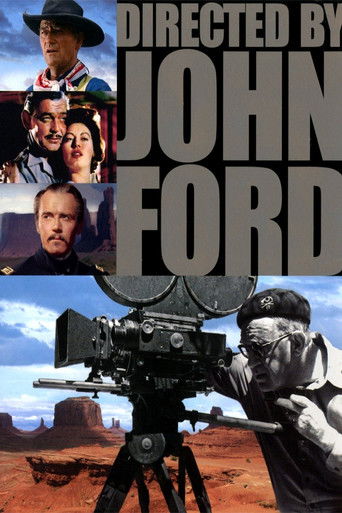
A documentary about the life and films of director John Ford.
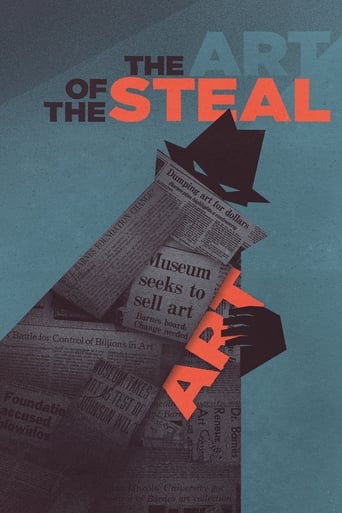
A gripping tale of intrigue and mystery in the art world, this film traces the history of a collection of Post-Impressionist paintings - worth billions - which became the subject of a power struggle after the death of its owner. Dr. Albert Barnes.
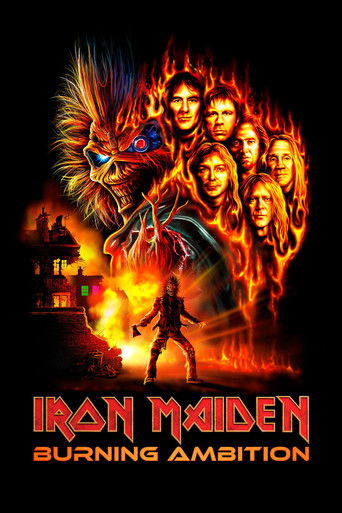
With unprecedented access to the official archives and intimate recollections from the band, both current and past, Iron Maiden: Burning Ambition invites fans to experience one of the most iconic journeys in music history. Spanning five decades, this electrifying documentary charts the band’s rise from the pubs of East London to the world’s biggest stadiums. Featuring exclusive interviews with band members and contributors such as Javier Bardem, Lars Ulrich and Chuck D, as well as all-new animated sequences of the band's legendary mascot, Eddie, the film offers a rare and intimate look at Iron Maiden’s uncompromising vision and unwavering connection with their truly global army of fans.

In an intimate and joyful story of love in the face of loss, celebrated poets Andrea Gibson and Megan Falley find strength—and unexpected hilarity—in what might be their final year together.
Similar titles
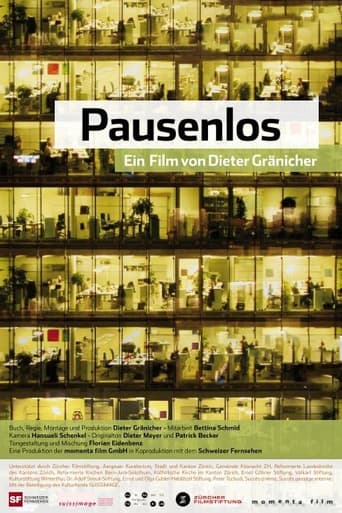
The film portrays people with different time consciousness. A computer scientist works non-stop. Only when she gets home can she relax. A young employee suffers from sleep disorders and stress at work, and sinks into a state of decompensation. Ski trainer Didier Plaschy looks at the effects of slowing down and speeding up. Time historian Karlheinz Geissler takes a piquantly humorous look at our fast-paced society.
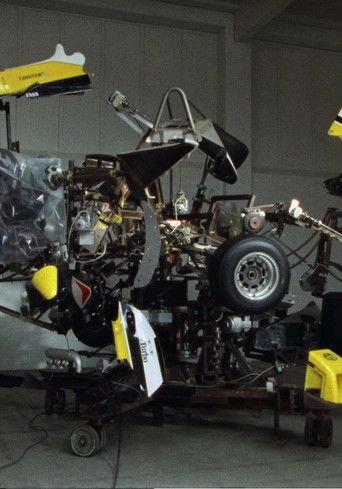
The Jean Tinguely Museum in Basel, Switzerland, designed by Mario Botta, opened in 1996, five years after the Swiss sculptor's death. META MECANO is a poetic depiction of the genesis of this mono-graphic museum, from the builders' first plans and Mario Botta's designs to its construction and the assembly of Tinguely's fragile mobile sculptures. In interviews with Mario Botta, Tinguely's wife Niki de Saint Phalle, museum director Pontus Hultén and Tinguely himself, the film goes on to explore the mission of museums and of art in general today. META MECANO is a unique document on the significance of the artist Jean Tinguely and on the role that museums play in our day and age.
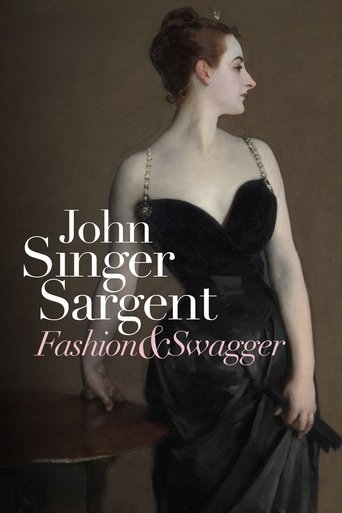
Filmed at the Museum of Fine Arts, Boston and the Tate Britain, London, the exhibition reveals Sargent’s power to express distinctive personalities, power dynamics and gender identities during this fascinating period of cultural reinvention. Alongside 50 paintings by Sargent sit stunning items of clothing and accessories worn by his subjects, drawing the audience into the artist’s studio. Sargent’s sitters were often wealthy, their clothes costly, but what happens when you turn yourself over to the hands of a great artist? The manufacture of public identity is as controversial and contested today as it was at the turn of the 20th century, but somehow Sargent’s work transcends the social noise and captures an alluring truth with each brush stroke.
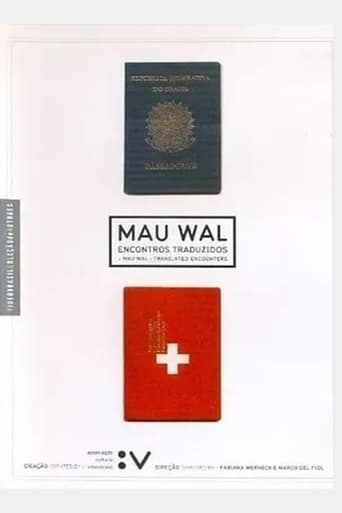
Maurício Dias & Walter Riedweg often say the streets are their studio. From the observation of them and of those who populate them there arise installations about encounters, identity and territoriality. The Brazilian-born Dias met the Swiss Riedweg in 1993. Together they learned that they could boost one another’s ideas. “This marriage became Mau Wal,” says Dias. In this documentary, they present their works and the many characters behind them: people who make day-to-day living in the big cities. Street vendors at a Northeast Brazilian fair in São Paulo, illegal immigrants in their quest for the European dream, street kids and their memories. In stories or in the role it plays, the human element is always a centerpiece to the duo’s work.
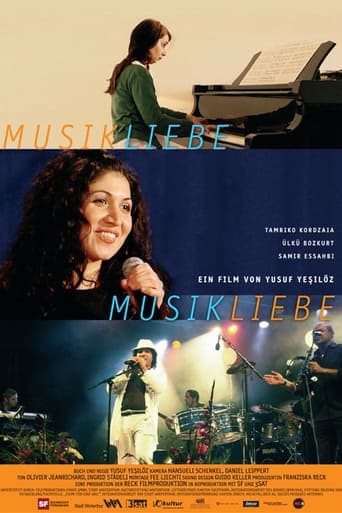
Two musicians whose biographies could not be more different. And yet, they are not only linked by a passion for music that they share with their spouses. All three have enjoyed successful careers in their home countries, and now need to find new bearings in Switzerland. Parallel to her concerts, pianist Tamriko Kordzaia, originally from Georgia, gives lessons at a music school, composer and singer Samir Essahbi, who is Moroccan, performs regularly with his band, and Turkish singer Ülkü Fazilet Bozkurt is starting to perform again.
Rudolf Buth, 86, leaves his 45-year-old apartment due to loneliness and moves in with Pauline Pappert and Therese Heinze, also 86, who have lived together for ten years. Initially, their different lifestyles clash, but the women win Rudolf over with empathy. Rudolf charms them, with Therese feeling the need to educate him and Pauline enjoying flirting. However, their joy is short-lived. The documentary “Ménage à trois” captures their story of finding companionship in old age.
Fernando Lemo's world is fiercely stripped of any external logic, as Jorge de Sena once said. His artistic gesture blends with his own existence, where the poetic principle comes first. And with the light that insists to come through the half-closed door, the fear of life is vanquished in the battle fought with death. Thus, each word is born within another word and each image within another image. Out of how many knives is love made, the poet wonders?
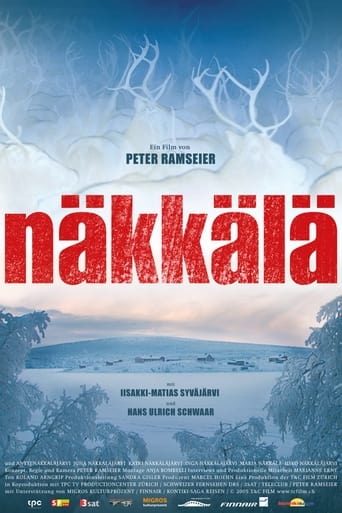
A hamlet in Finland's sprawling tundra. It became the second home of Emmental's Hans Ulrich Schwaar. He lives here with his friend and host, Sami Iisakki-Matias Syväjärvi, owner of the largest reindeer herd in Finland. The reindeer and the rhythm of nature determine daily life. Peter Ramseier has captured this life and the friendship between two men from different cultures in superb, poetic images.
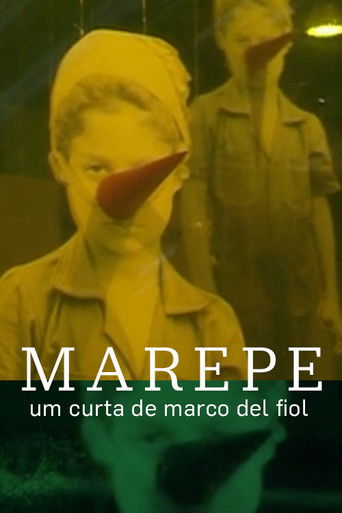
Marepe, an artist from Bahia, produces art with anything he comes across in the town he lives in, Santo Antônio de Jesus. Packs of cigarettes, coconut palms, walls, and memories taken from the streets, go into putting together a personal archeology for this young artist.
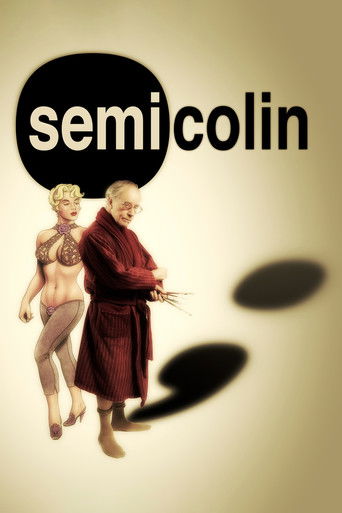
Challenging all notions of genre, Semi Colin is a living, breathing art installation. Part performance, part art, part social comment, Colin philosophizes on his life's obsessive work as an erotic artist.
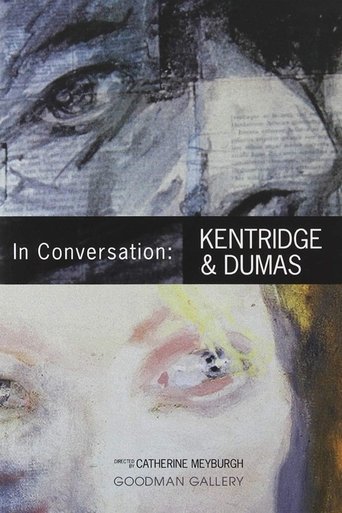
William Kentridge and Marlene Dumas – two of the most celebrated names in international contemporary art – come face to face in a series of frank, witty and intense discussions about their work and practice. The film follows them from the gentle ambience of a dinner conversation, to their studios – where we are given insight into the way that each artist works – to some of their finished works and installations. What emerges is how very differently these two highly successful South African artists approach image making. Dumas’ method is deeply intuitive – she often works on the floor as though embracing her paintings, pouring and dabbing paint to produce her remarkable portraits. Kentridge is intensely systematic, alternating gestural mark making with the repetitive action of drawing-filming-erasing for his animated films.
Vaastu Marabu documents the theory and practice of the Vaastu tradition of Indian art, architecture, craft and design. One of the foremost shilpis (designer-builder-sculpter) of India, Shri. V. Ganapati Sthapati of Mammallapuram, meditates on his art and his occupation. The film shows the process of making stone idols at Mammallapuram, near Madras, of casting bronzes in Kumbakonam, and of building stone temples at Kamudhi, near Madurai and at Ratnagiri, near Vellore. It illustrates the continuity of the tradition and reveals a technology that is ancient, yet still relevant today. The film explores the process of translating inner experience into art, and invites us to experience the naked beauty of the form while understanding the metaphysical message. The art of the Vishwakarma has given form and expression to all denominations of metaphysical thought in India. The film also probes the underlying scientific and mathematical principles.
"Gross national happiness is more important than gross national product", declares the King of Bhutan. Can happiness be decreed? We accompany seven Swiss musicians to this mountainous Himalayan country. Between concerts, we meet Bhutanese people in their daily lives, who tell us, as if in passing, what makes them happy. Are we capable of finding happiness elsewhere? Does the advantage of globalization lie precisely in the erasure of the elsewhere? The whole world is in the here and now, and distant horizons are always close to us, transported by SMS...
The Salecine meeting place, founded near Maloja in 1971 by Zurich communist bookseller Theo Pinkus, quickly became a socio-cultural and political Mecca for the left-wing intelligentsia. The film provides an overview of the chronicle of this Alpine melting pot of ideas, and also shows the changes in the zeitgeist since 1968. It is also a gentle, sentimental (sometimes self-ironic) tribute to the men and women of three generations of Salecina, who, at 1800 above sea level, are creating utopias for a fairer world.

Countless painters, photographers, filmmakers and musicians have been influenced by Hopper's art – but who was he, and how did a struggling illustrator create such a bounty of notable work? This documentary takes a deep look into his art, his life, and his relationships from his early career as an illustrator; his wife giving up her own promising art career to be his manager; his critical and commercial acclaim; and in his own words—the enigmatic personality behind the brush…