
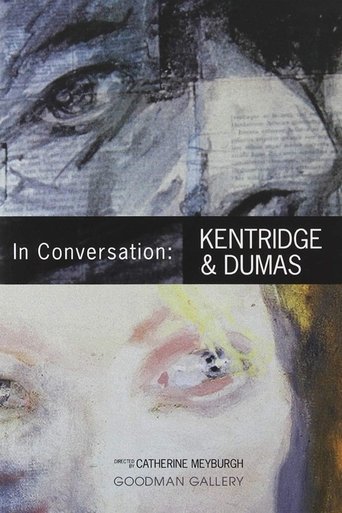
Kentridge and Dumas in Conversation
· 82 min · Not rated
William Kentridge and Marlene Dumas – two of the most celebrated names in international contemporary art – come face to face in a series of frank, witty and intense discussions about their work and practice. The film follows them from the gentle ambience of a dinner conversation, to their studios – where we are given insight into the way that each artist works – to some of their finished works and installations. What emerges is how very differently these two highly successful South African artists approach image making. Dumas’ method is deeply intuitive – she often works on the floor as though embracing her paintings, pouring and dabbing paint to produce her remarkable portraits. Kentridge is intensely systematic, alternating gestural mark making with the repetitive action of drawing-filming-erasing for his animated films.
Trailers are previews, not full movies.
No authorized playback source configured. Use the legal watch options below.
Production details
- Directors
- Catherine Meyburgh
- Production companies
- Unavailable
- Countries
- Unavailable
- Status
- Released
Top Cast
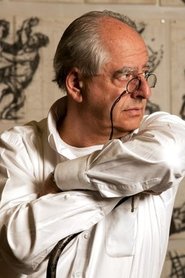 William KentridgeHimself
Title information and images are supplied by TMDb. Explore our discovery guide for advice on comparing metadata and legal viewing options.
Where to watch
Availability provided by JustWatch via TMDb. Offers can change. Provider links are listed on TMDb; full playback requires a separately authorized source.
Availability not listed for this country.
Seasons & episodes
Recommendations

In the Realms of the Unreal is a documentary about the reclusive Chicago-based artist Henry Darger. Henry Darger was so reclusive that when he died his neighbors were surprised to find a 15,145-page manuscript along with hundreds of paintings depicting The Story of the Vivian Girls, in What is Known as the Realms of the Unreal, of the Glodeco-Angelinnian War Storm, Cased by the Child Slave Rebellion.
Performance artist Marina Abramovic prepares for a major retrospective of her work at the Museum of Modern Art in New York.

Musician and performance artist Laurie Anderson reflects on the deaths of her husband Lou Reed, her mother and her beloved dog.

Al Pacino's deeply-felt rumination on Shakespeare's significance and relevance to the modern world through interviews and an in-depth analysis of "Richard III."
The life of internationally renowned artist and activist Nan Goldin is told through her slideshows, intimate interviews, ground-breaking photography, and rare footage of her personal fight to hold the Sackler family accountable for the overdose crisis.

A visual montage portrait of our contemporary world dominated by globalized technology and violence.
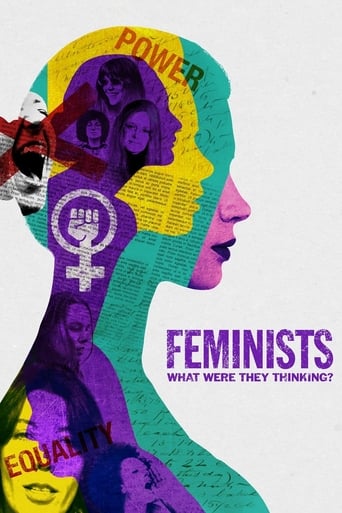
In 1977, a book of photographs captured an awakening - women shedding the cultural restrictions of their childhoods and embracing their full humanity. This documentary revisits those photos, those women and those times and takes aim at our culture today that alarmingly shows the need for continued change.

A documentary on the expletive's origin, why it offends some people so deeply, and what can be gained from its use.
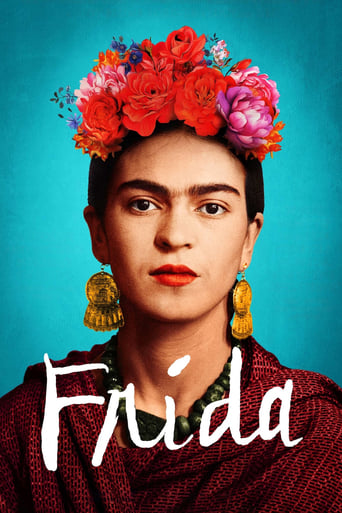
An intimately raw and magical journey through the life, mind, and heart of iconic artist Frida Kahlo. Told through her own words for the very first time — drawn from her diary, revealing letters, essays, and print interviews — and brought vividly to life by lyrical animation inspired by her unforgettable artwork.

In an intimate and joyful story of love in the face of loss, celebrated poets Andrea Gibson and Megan Falley find strength—and unexpected hilarity—in what might be their final year together.

An unprecedented and intimate look at the life, work and enduring legacy of British actress Audrey Hepburn (1929-1993).
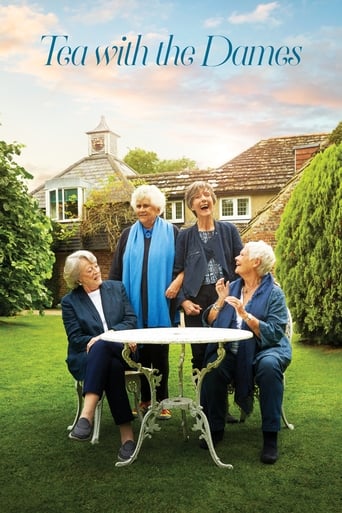
BBC Arena's documentary on the Dames of British Theatre and film featuring Maggie Smith, Eileen Atkins, Judi Dench and Joan Plowright on screen together for the first time as they reminisce over a long summer weekend in a house Joan once shared with Sir Laurence Olivier.
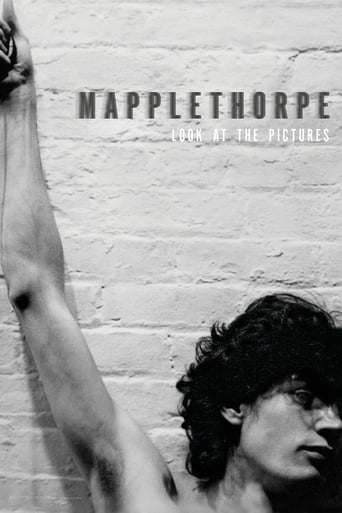
Nude men in rubber suits, close-ups of erections, objects shoved in the most intimate of places—these are photographs taken by Robert Mapplethorpe, known by many as the most controversial photographer of the twentieth century. Openly gay, Mapplethorpe took images of male sex, nudity, and fetish to extremes that resulted in his work still being labelled by some as pornography masquerading as art. But less talked about are the more serene, yet striking portraits of flowers, sculptures, and perfectly framed human forms that are equally pioneering and powerful.

Using the book 'Fragments', which collects Marilyn Monroe's poems, notes and letters, and with participation from the Arthur Miller and Truman Capote estates who have contributed more material, each of the actresses will embody the legend at various stages in her life.
Nine filmmakers each profile a young girl from a different part of the world to weave a global tapestry of youth in the 21st century.
A gripping tale of intrigue and mystery in the art world, this film traces the history of a collection of Post-Impressionist paintings - worth billions - which became the subject of a power struggle after the death of its owner. Dr. Albert Barnes.

As a visually radical memoir, CAMERAPERSON draws on the remarkable footage that filmmaker Kirsten Johnson has shot and reframes it in ways that illuminate moments and situations that have personally affected her. What emerges is an elegant meditation on the relationship between truth and the camera frame, as Johnson transforms scenes that have been presented on Festival screens as one kind of truth into another kind of story—one about personal journey, craft, and direct human connection.

A 1993 documentary film about Bruce Lee. The film includes interviews from some of his fellow students and opponents who worked alongside him in his movies.
Artists in LA discover the work of forgotten Polish sculptor Stanislav Szukalski, a mad genius whose true story unfolds chapter by astounding chapter.
Giving fans unprecedented access to the real life of the music sensation, Katy Perry: Part of Me exposes the hard work, dedication and phenomenal talent of a girl who remained true to herself and her vision in order to achieve her dreams. Featuring rare behind-the-scenes interviews, personal moments between Katy and her friends, and all-access footage of rehearsals, choreography, Katy’s signature style and more, Katy Perry: Part of Me reveals the singer’s unwavering belief that if you can be yourself, then you can be anything.
Similar titles
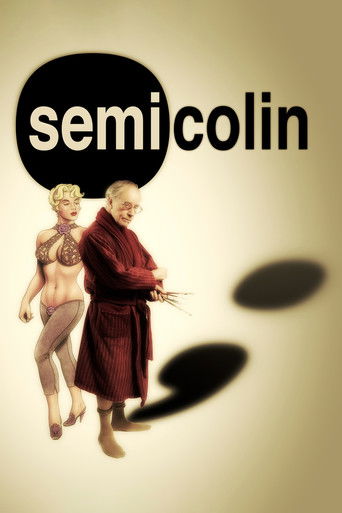
Challenging all notions of genre, Semi Colin is a living, breathing art installation. Part performance, part art, part social comment, Colin philosophizes on his life's obsessive work as an erotic artist.
A group of artists settle in a swamp on the banks of the Indre River. Meanwhile, a voice describes a utopian world.

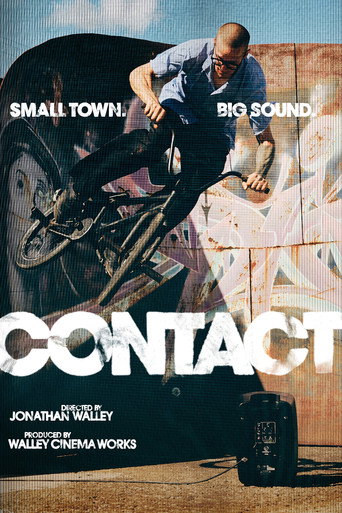
CONTACT is a short documentary film directed by Jonathan Walley that chronicles the transformation of an entire skatepark into a playable musical instrument—where the skate, BMX, art, and music scenes collide. HCS has been many things: a skatepark, gallery, library, museum, and stage; but, for one weekend, Derek Nelson fabricator, activist, BMX pro, and artist, transformed his skatepark into an immersive sonic installation—part instrument, part playground—for the community of Binghamton, NY to become co‑creators in a conflagration of sound. SMALL TOWN, BIG SOUND. CONTACT reminds us of the joy in creativity, community, and the DIY spirit. Contact is about pushing boundaries, experimenting with art, and reclaiming space in an increasingly cruel, unkind, and oppressive world. It’s a poetic exploration of the creative process told by a filmmaker who calls HCS home.
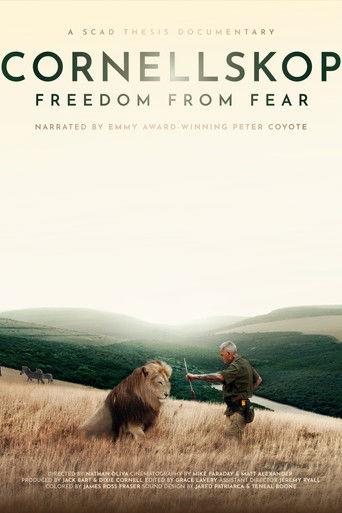
At a South African sanctuary, Luke Cornell provides a second chance for wildlife, confronting the harsh realities of poaching while revealing the deep emotional bond between the animals and those dedicated to their care.
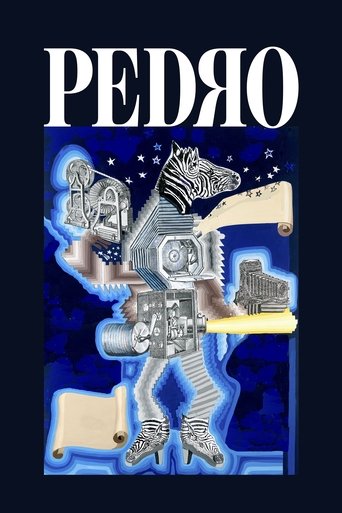
'Pedro', Liora Spilk's debut feature, paints a humorous and emotional portrait of Pedro Friedeberg, a Mexican plastic artist who became famous in the sixties for the creation of the hand chair. Between grumblings, ironies, reflections on art and disagreements, 'Pedro' achieves an endearing portrait of Friedeberg, and at the same time presents a tribute to friendship and creation.
Follows the young people of Selma, Alabama's RATCo (Random Acts of Theatre Company) as they journey to New York City to share their story of hope, resilience, and overcoming.
This film features some of the most important living Postmodern practitioners, Charles Jencks, Robert A M Stern and Sir Terry Farrell among them, and asks them how and why Postmodernism came about, and what it means to be Postmodern. This film was originally made for the V&A exhibition 'Postmodernism: Style and Subversion 1970 - 1990'.
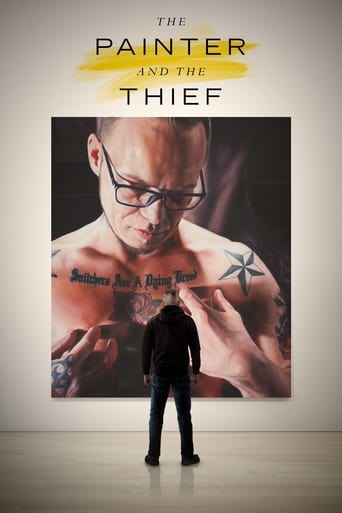
When two of artist Barbora Kysilkova’s most valuable paintings are stolen from a gallery at Frogner in Oslo, the police are able to find the thief after a few days, but the paintings are nowhere to be found. Barbora goes to the trial in hopes of finding clues, but instead she ends up asking the thief if she can paint a portrait of him. This will be the start of a very unusual friendship. Over three years, the cinematic documentary follows the incredible story of the artist looking for her stolen paintings, while at the same time turning the thief into art.
What does modern art mean for ordinary visitors to an exhibition?
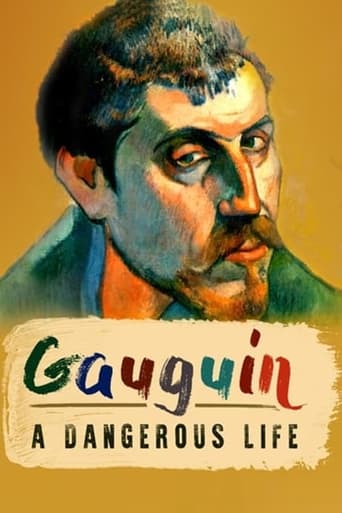
Gauguin’s vivid artworks sell for millions. He was an inspired and committed multi-media artist who worked with the Impressionists and had a tempestuous relationship with Vincent van Gogh. But he was also a competitive and rapacious man who left his wife to bring up five children and used his colonial privilege to travel to Polynesia, where in his 40s he took ‘wives’ between 13 and 15 years old, creating images of them and their world that promoted a fantasy paradise of an unspoilt Eden in the Pacific. Later, he challenged the colonial authorities and the Catholic Church in defence of the indigenous people, dying in the Marquesas Islands in 1903, sick, impoverished and alone.
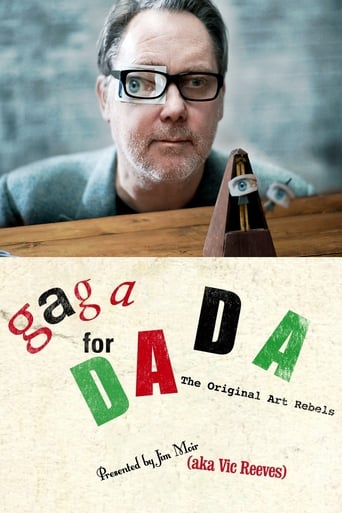
To celebrate the 100th anniversary of the birth of the surreal art movement, comedian Jim Moir (a.k.a. Vic Reeves) presents this documentary exploring the history of Dadism and the lasting influence it has had on himself and others.
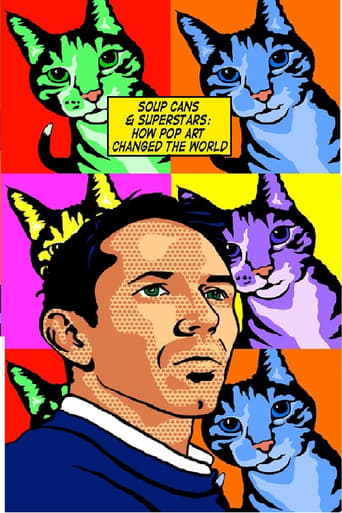
Alastair Sooke champions pop art as one of the most important art forms of the twentieth century, peeling back pop's frothy, ironic surface to reveal an art style full of subversive wit and radical ideas. In charting its story, Alastair brings a fresh eye to the work of pop art superstars Andy Warhol and Roy Lichtenstein and tracks down pop's pioneers, from American artists like James Rosenquist, Claes Oldenburg and Ed Ruscha to British godfathers Peter Blake and Allen Jones. Alastair also explores how pop's fascination with celebrity, advertising and the mass media was part of a global art movement, and he travels to China to discover how a new generation of artists are reinventing pop art's satirical, political edge for the 21st century.
Included in this groundbreaking work are interviews with active farm attackers and serving police officers who confirm corrupt police are complicit in the mass‐slaughter of South Africa’s whites. Their truths are horrifying—a man and woman branded with hot irons and left to die. A husband killed in front of his wife and children. An elderly woman raped, another with half her face blown off from a shotgun. And they all share a common thread: revenge. This is a disturbing documentary—it wrought both an emotional and physical toll on all involved. What’s more, Katie was detained at the airport in South Africa on the orders of the African National Congress (ANC) for her work on this project because Plaasmoorde is the story—the truth—they don’t want you to see. We owe it to the victims—to our fellow man—to listen and to open our eyes to the truth.
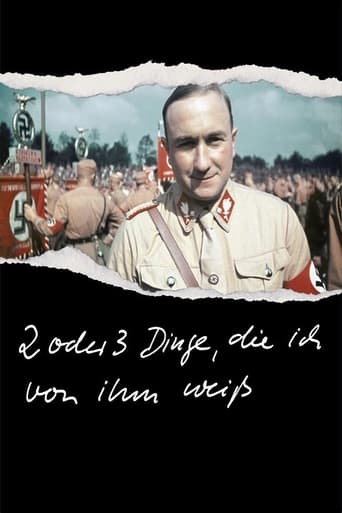
What would your family reminiscences about dad sound like if he had been an early supporter of Hitler’s, a leader of the notorious SA and the Third Reich’s minister in charge of Slovakia, including its Final Solution? Executed as a war criminal in 1947, Hanns Ludin left behind a grieving widow and six young children, the youngest of whom became a filmmaker. It's a fascinating, maddening, sometimes even humorous look at what the director calls "a typical German story." (Film Forum)
Mostly dark, rejecting images which are repeated. A stone wall, the chamber of a revolver which is, at first not recognizable, a close-up of a cactus. The duration of the takes emphasises the photographic character of the pictures, simultaneously with a crackling, brutal sound. (Hans Scheugl)

Documentary that exposes the secret world of these unknown tax havens. There is a global network of tax-free storage facilities valuable goods, catering to the super rich - and it's virtually unknown, until now. Freeports feature highest security levels, confidential record keeping and an offshore legal status and are a huge potential for tax savings. The film investigates their rise, who is using them, and why.
Jo; or The Act of Riding a Bike is Zefier's third film.