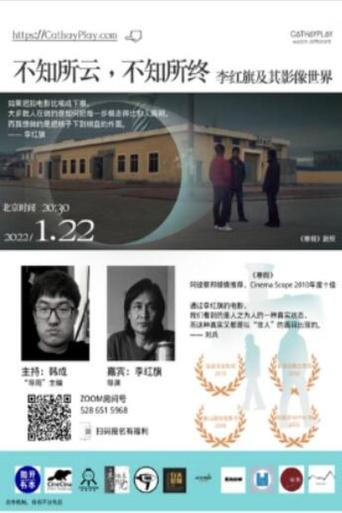
Talking Unknown, Ending Unknown: Li Hongqi And His Cinema World
2022-01-22 · 120 min · Not rated
In this talk, Li Hongqi reviewed his transition from fine art to cinema, and his aesthetic and philosophical exploration from his early 'So Much Rice' to recent 'The The'. Dir. Li Hongqi also shared his strong anxiety of his existence(born with melancholia), his thought on cinema art (actually, I don't think there's any movie worth making), his epistemology, his religious view, his consideration on contemporary cinema, and what he learned about living in seclusion.
Trailers are previews, not full movies.
No authorized playback source configured. Use the legal watch options below.
Production details
- Directors
- Li Hongqi
- Production companies
- Unavailable
- Countries
- Unavailable
- Status
- Released
Top Cast
Cast unavailable.
Title information and images are supplied by TMDb. Explore our discovery guide for advice on comparing metadata and legal viewing options.
Where to watch
Availability provided by JustWatch via TMDb. Offers can change. Provider links are listed on TMDb; full playback requires a separately authorized source.
Availability not listed for this country.
Seasons & episodes
Recommendations

Alexander McQueen's rags-to-riches story is a modern-day fairy tale, laced with the gothic. Mirroring the savage beauty, boldness and vivacity of his design, this documentary is an intimate revelation of McQueen's own world, both tortured and inspired, which celebrates a radical and mesmerizing genius of profound influence.

A compilation of over 30 years of private home movie footage shot by Lithuanian-American avant-garde director Jonas Mekas, assembled by Mekas "purely by chance", without concern for chronological order.
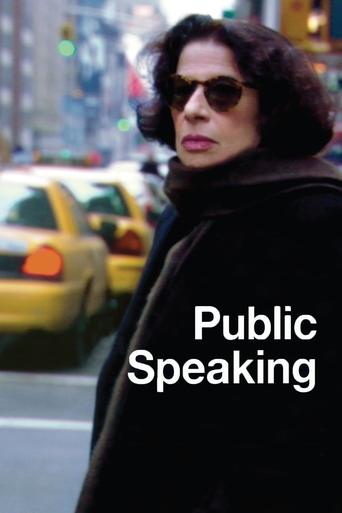
Martin Scorsese’s portrait of writer and social commentator Fran Lebowitz, celebrated for her sharp wit and observations on modern life. Filmed at New York’s Waverly Inn and intercut with archival footage and interviews, the documentary captures Lebowitz’s distinctive worldview through her spontaneous monologues and public appearances.
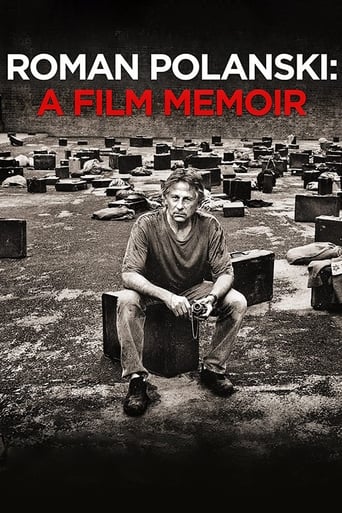
An interview with film director Roman Polanski conducted during his period of house arrest, discussing his life and work.

In the Realms of the Unreal is a documentary about the reclusive Chicago-based artist Henry Darger. Henry Darger was so reclusive that when he died his neighbors were surprised to find a 15,145-page manuscript along with hundreds of paintings depicting The Story of the Vivian Girls, in What is Known as the Realms of the Unreal, of the Glodeco-Angelinnian War Storm, Cased by the Child Slave Rebellion.
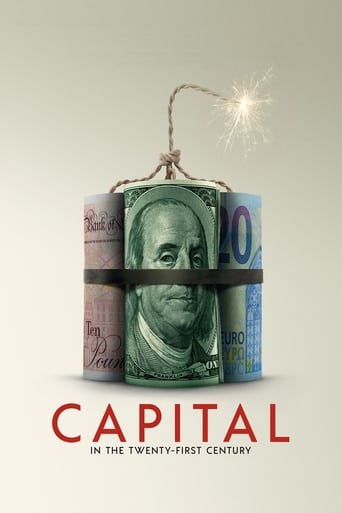
Film adaptation of French economist Thomas Piketty's ground-breaking global bestseller of the same name: an eye-opening journey through wealth and power.
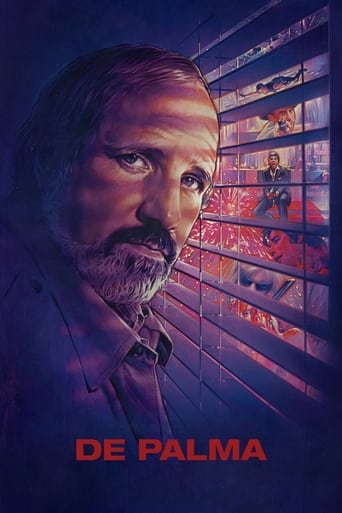
An intimate conversation between filmmakers, chronicling De Palma’s 55-year career, his life, and his filmmaking process, with revealing anecdotes and, of course, a wealth of film clips.
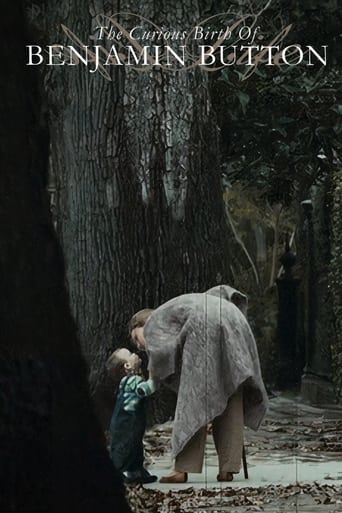
A documentary about the making of David Fincher's 2008 film THE CURIOUS CASE OF BENJAMIN BUTTON. Virtually every element in the evolution of the Fincher's film is documented here, from the project's attachment to numerous other directors during the 1990s, to its shoot in 2006 and 2007 in New Orleans, to its complex, CGI-intensive postproduction process.
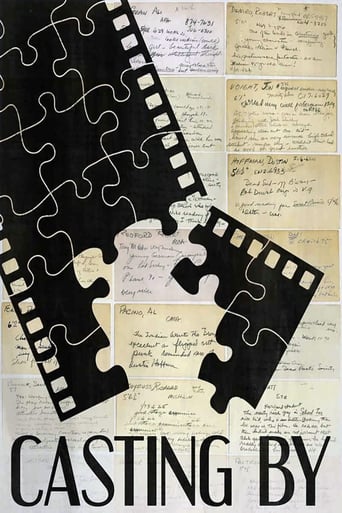
This essential new documentary pays tribute to the legacy of the late, legendary casting director Marion Dougherty and shines a light on one of the most overlooked and least understood crafts in filmmaking.

A documentary on the expletive's origin, why it offends some people so deeply, and what can be gained from its use.
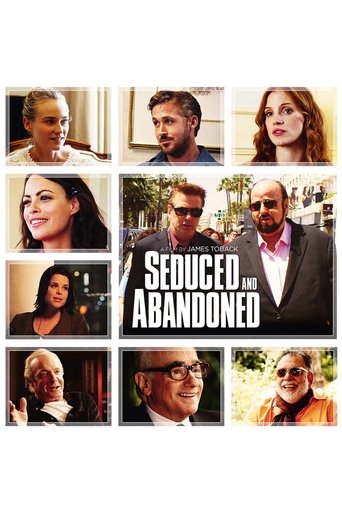
SEDUCED AND ABANDONED combines acting legend Alec Baldwin with director James Toback as they lead us on a troublesome and often hilarious journey of raising financing for their next feature film. Moving from director to financier to star actor, the two players provide us with a unique look behind the curtain at the world's biggest and most glamourous film festival, shining a light on the bitter-sweet relationship filmmakers have with Cannes and the film business. Featuring insights from directors Martin Scorsese, 'Bernando Bertolucci' and Roman Polanski; actors Ryan Gosling and Jessica Chastain and a host of film distribution luminaries.
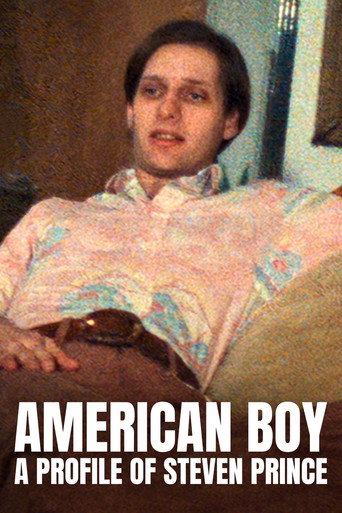
Martin Scorsese spends an evening with larger-than-life raconteur Steven Prince—a former drug addict, road manager for Neil Diamond, and actor—as he recounts stories from his colorful life.
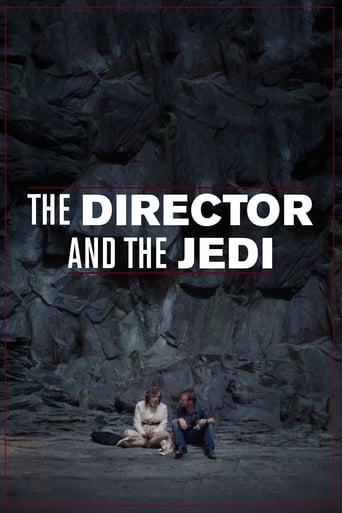
An intimate documentary delving into Rian Johnson's process as he comes in as a director new to the Star Wars universe.

Daniel Craig candidly reflects on his 15 year adventure as James Bond. Including never-before-seen archival footage from Casino Royale to the upcoming 25th film No Time To Die, Craig shares his personal memories in conversation with 007 producers, Michael G Wilson and Barbara Broccoli.

A 1993 documentary film about Bruce Lee. The film includes interviews from some of his fellow students and opponents who worked alongside him in his movies.

A documentary about the life and films of director John Ford.
From a prolific career in film and television, Anton Yelchin left an indelible legacy as an actor. Through his journals and other writings, his photography, the original music he wrote, and interviews with his family, friends, and colleagues, this film looks not just at Anton's impressive career, but at a broader portrait of the man.
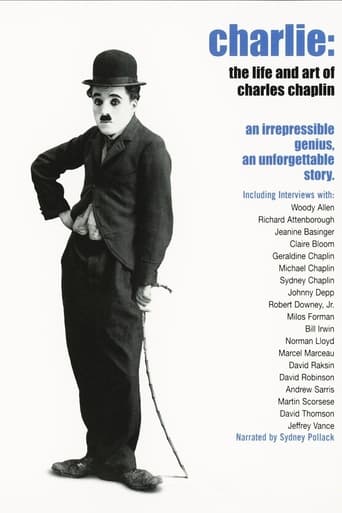
Brilliant, long in-the-works story of the life and art of the world's greatest comedian and the cinema's first genius, Charlie Chaplin. Produced, written and directed by renowned film critic Richard Schickel.

From the heights of her modeling fame to her tragic death, this documentary reveals Anna Nicole Smith through the eyes of the people closest to her.
A documentary on legendary movie-poster artist Drew Struzan.
Similar titles
After "Old Tang Tou", Xu Tong continued to film the family of Old Tang Tou's son, Tang Laosan, in Northeast China. Tang Laosan was sent to prison for a murder case, and Tang Laosan's son, Xiaobao, unexpectedly encountered such a change in the year of his high school entrance exams, which made the fates of father and son both unpredictable.
Part mournful meditation through documentary footage, part experimental narrative. This film looks at the life of the Chinese who have been displaced within their own society.
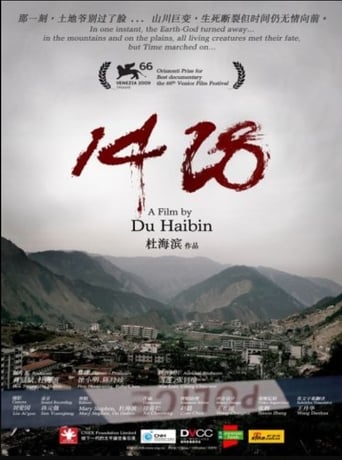
The "Great Sichuan Earthquake" took place at 14:28 on May 12, 2008. In the days after, ordinary people salvage destroyed pig farms in the mountains, collect cheap scrapped metals, or pillaging other victims' homes. Behind the media circus of official visits is an inconsolable grief of families searching for loved ones. As the Lunar New Year approaches, vagabonds and family tell of the ill-handling of rebuilding schemes and misuse relief funds. As they prepare for another visit from a high official, the refugees are swept out of the town and into tent cities. The promise to put a roof over their heads before winter seems impossible to keep.
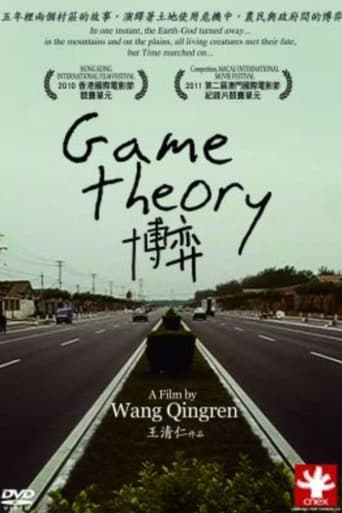
This is a story about a five-year battle waged between the farmers of two villages and the local government over land-use rights. This documentary illustrates the subtle changes being made to the rules of the game between officials and citizens, and provides deep human insight into the loss, despair and increasing awareness experienced by common farmers in the pursuit of land-use rights.
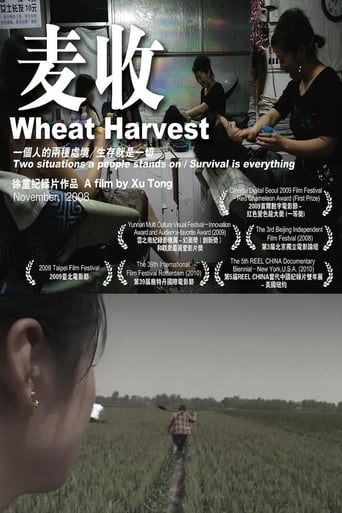
A documentary film showing the life of Niu Hongmiao, a 20-year-old country girl who is now a prostitute in Beijing. Around the time of wheat harvesting, she goes back home to Dingxing County, Hebei Province to visit her parents.

The film is director Gao Zipeng’s first fiction film which takes three years to complete. It premieres on March 27, 2001 in UCCA and stars the poet A Jian, Xiao Zhao and the writer Gou Zi. The film is based on a true crime of disappearance. It creates an atmosphere of what Ma Zhiyuan, a celebrated poet and playwright of Yuan Dynasty, portrays in his famous poem “Autumn Thoughts”: Over old trees wreathed with rotten vines fly evening crows/ Under a small bridge near a cottage a stream flows/ On ancient road in the west wind a lean horse goes/ Westward declines the sun/ Far, far from home is the heartbroken one.
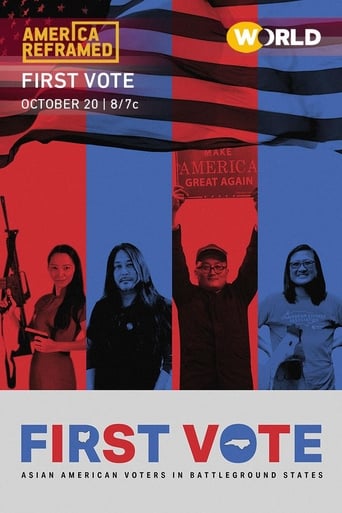
A soon-to-be first-time voter, the filmmaker’s thought-provoking journey into the Rust Belt and South captures four Asian American voters’ ardent first time grassroots political participation ignited by the 2016 rise of “Chinese Americans for Trump.” FIRST VOTE is a character driven cinema verité style film chronicling the democratic participation of four Asian American voters from 2016 through the 2018 midterm elections.

Workers wrongfully dismissed wage battle against their employer, China Telecom. Incorporating artistic means of expression such as photography and theater, various artists wage extraordinary performances with the workers in the film, in solidarity with their struggles.

Workers, peasants, soldiers, students and merchants were five groups of Chinese society in the 1950s, after the so-called elimination of the exploited class. Borrowing this concept, the umbrella is taken as the clue to rediscover changes in various social classes after the economic reform, and to analyze the social problems in China. Workers making umbrellas, merchants selling umbrellas, students looking for jobs in the rain. Umbrella is used as a metaphor that can be seen everywhere. As the raindrop, what we see is sometimes clear, sometimes untraceable.
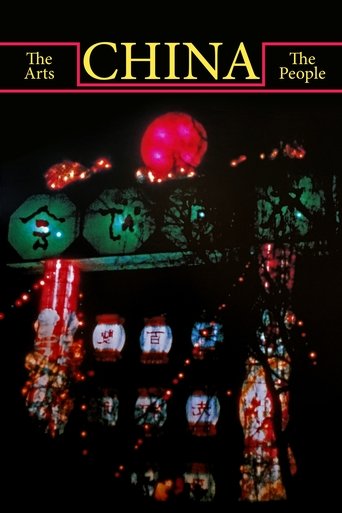
China marks the beginning of the extensive Asian theme in Ottinger’s filmography and is her first travelogue. Her observant eye is interested in anything from Sichuan opera and the Beijing Film Studio to the production of candy and sounds of bicycle bells.
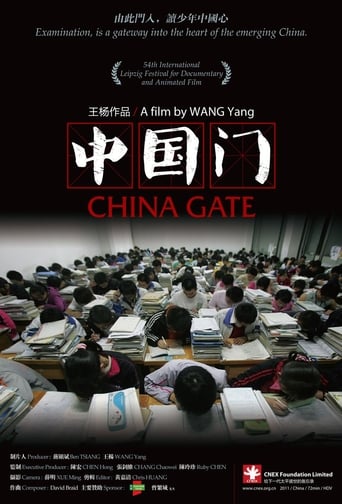
"China Gate" tells the story of young Chinese fight to change their fate through studying. Right before dawn, students in Huining have already started their self-studying session; hard working youngsters have filled up the space of school ground. This is one of the most poverty-stricken Counties in Western China; here people's only hope is in education, as the way to change their social status. Therefore all their effort point towards the College Entrance Examination, the process is like going through a gate, those who pass can study at urban Universities, and have the chance to build a better life. During the same winter season in Beijing, a graduate student faces a big decision. Should he keep trying to survive in the big city or get back to his countryside home? The exhausted faces at the Beijing underground seem to be revealing the truth about their distance in between. The student comes to see the flag ceremony at Tiananmen Square, where the pulsing symbol of the nation lies.
Filmed over three years on China’s railways, The Iron Ministry traces the vast interiors of a country on the move: flesh and metal, clangs and squeals, light and dark, and language and gesture. Scores of rail journeys come together into one, capturing the thrills and anxieties of social and technological transformation. The Iron Ministry immerses audiences in fleeting relationships and uneasy encounters between humans and machines on what will soon be the world’s largest railway network.
Zhang Ming went back to his hometown Wushan to record the last images before it being changed forever by the upcoming Three Gorges Dam.
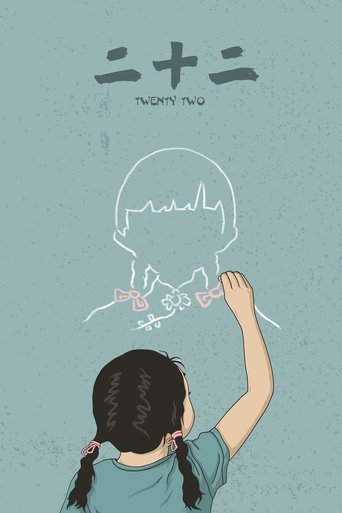
Follow the lives of the elderly survivors who were forced into sex slavery as “Comfort Women” by the Japanese during World War II. At the time of filming, only 22 of these women were still alive to tell their story. Through their own personal histories and perspectives, they tell a tale that should never be forgotten to generations unaware of the brutalization that occurred.
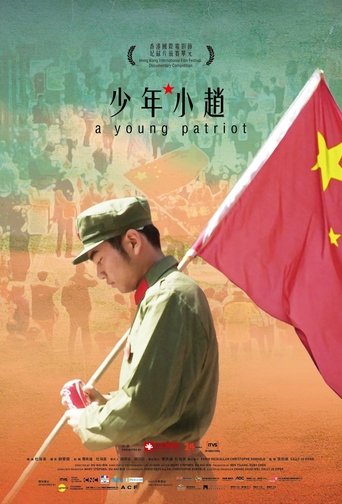
A documentary chronicling the coming of age of a young chinese man.
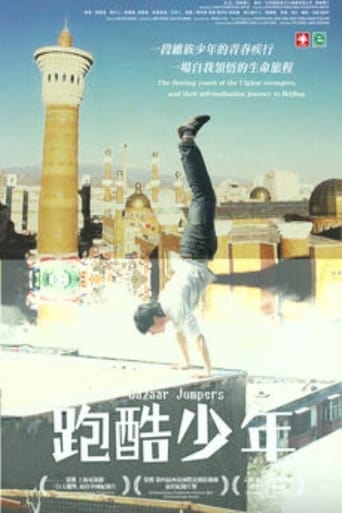
Two Uigur brothers and a friend are in love with parkour, a kind of extreme sport. Regardless of opposition from their worried mothers, the boys train themselves to be the best in an upcoming parkour event in Beijing while managing to iron out additional difficulties. They lose the game, but eventually they learn much more about their true selves.

The film explores the hidden face of poverty in one of the world's most affluent and capitalistic cities. Directed by CHEUNG King Wai (KJ: Music and Life), the film follows five Hong Kong families of different backgrounds that receive government subsidies. How do the poor get by in a glossy city that flaunts conspicuous consumption and hides poverty in cavernous public housing estates? All's Right With The World shares the different stories of these low-income families, their daily living conditions, and their ways of celebrating Chinese New Year.
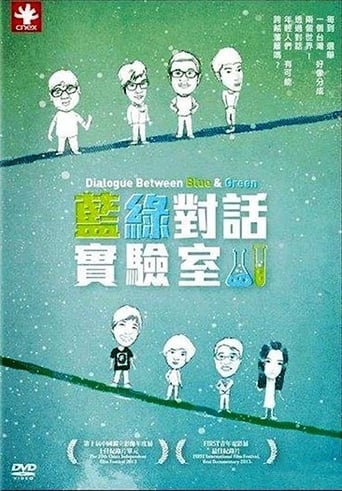
Taiwan's democracy is the envy of Chinese people all over the world. At the same time, when this two-party system-'blue' and 'green'-get at each other's throats, it seems to cast a dark cloud over this beacon of advancing democratization. How does the young generation, many of them first time voters, feel about the political environment they've inherited? Will they allow for their political differences to drive a deeper wedge into the Taiwanese society? A year and a half before Taiwan's 2012 Presidential Election I gathered a group of young people from across the blue and green spectrum to participate in a political dialogue. Although they're from opposing parties, they were willing to talk politics. Through these deliberately arranged dialogues, what sparks will fly?
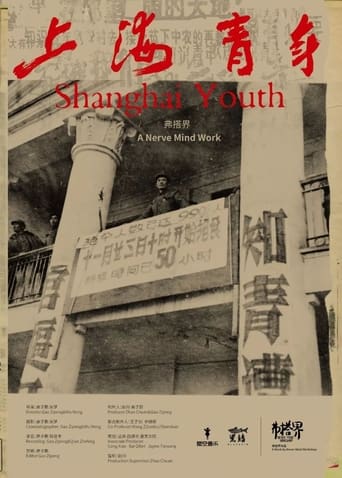
As a special generation born in the New China, the hundreds of thousands of educated youth from Shanghai went through enormous hardship during their work in Xinjiang from 1963 to 1966. Because of the specific historical conditions and context, they have been strikingly stamped with the mark of the times and have had to struggle to understand the relationship between themselves and the nation.