
All's Right With The World
2007-01-01 · 73 min · Not rated
The film explores the hidden face of poverty in one of the world's most affluent and capitalistic cities. Directed by CHEUNG King Wai (KJ: Music and Life), the film follows five Hong Kong families of different backgrounds that receive government subsidies. How do the poor get by in a glossy city that flaunts conspicuous consumption and hides poverty in cavernous public housing estates? All's Right With The World shares the different stories of these low-income families, their daily living conditions, and their ways of celebrating Chinese New Year.
Trailers are previews, not full movies.
No authorized playback source configured. Use the legal watch options below.
Production details
- Directors
- Ben Tsiang, Cheung King-Wai
- Production companies
- CNEX Foundation
- Countries
- Hong Kong
- Status
- Released
Top Cast
Cast unavailable.
Title information and images are supplied by TMDb. Explore our discovery guide for advice on comparing metadata and legal viewing options.
Where to watch
Availability provided by JustWatch via TMDb. Offers can change. Provider links are listed on TMDb; full playback requires a separately authorized source.
Availability not listed for this country.
Seasons & episodes
Recommendations

Alexander McQueen's rags-to-riches story is a modern-day fairy tale, laced with the gothic. Mirroring the savage beauty, boldness and vivacity of his design, this documentary is an intimate revelation of McQueen's own world, both tortured and inspired, which celebrates a radical and mesmerizing genius of profound influence.

A string of threatening emails escalates into a revenge plot involving a newly married US marshal and his ex-girlfriend.

In an intimate and joyful story of love in the face of loss, celebrated poets Andrea Gibson and Megan Falley find strength—and unexpected hilarity—in what might be their final year together.
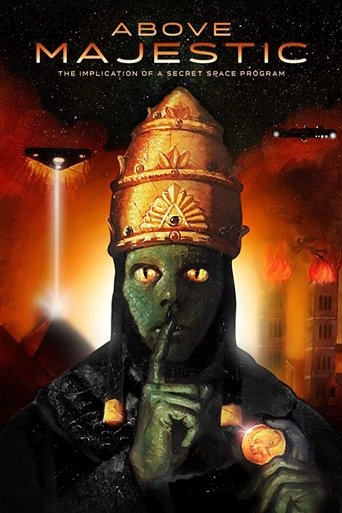
A look at the origins, history and conspiracies behind the "Majestic 12", a clandestine group of military and corporate figureheads charged with reverse-engineering extraterrestrial technology.

A documentary about the life and films of director John Ford.
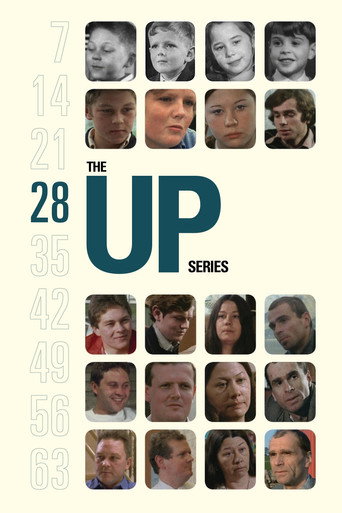
Just two years away from turning 30, participants in Michael Apted's documentary series are facing serious questions of identity and purpose, wondering whether they've found their place in the world.
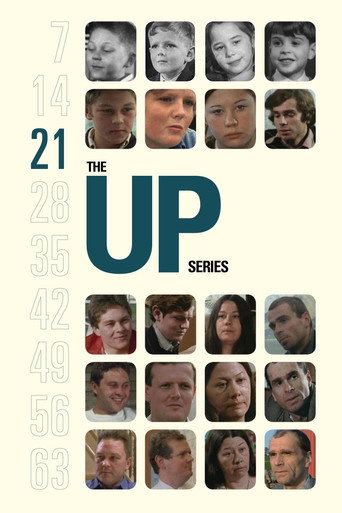
After another 7 year wait, director Michael Apted revisits the same group of British-born children from Seven Up! and 7 Plus Seven. The subjects are interviewed as to the changes that have occurred in their lives during the last seven years.
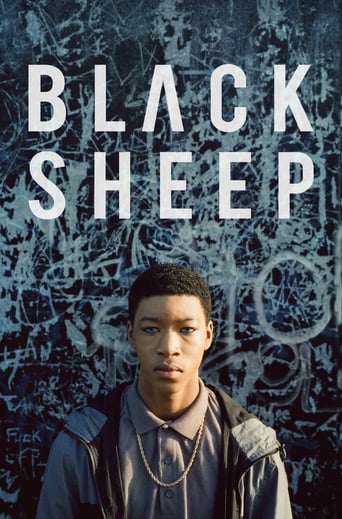
After the high-profile killing of Damilola Taylor, Cornelius' family move out of London. But when they discover their new town is run by racists, Cornelius takes a drastic step to survive.

In the Realms of the Unreal is a documentary about the reclusive Chicago-based artist Henry Darger. Henry Darger was so reclusive that when he died his neighbors were surprised to find a 15,145-page manuscript along with hundreds of paintings depicting The Story of the Vivian Girls, in What is Known as the Realms of the Unreal, of the Glodeco-Angelinnian War Storm, Cased by the Child Slave Rebellion.

An inside look at one of the most anticipated movie sequels ever with James Cameron and cast.
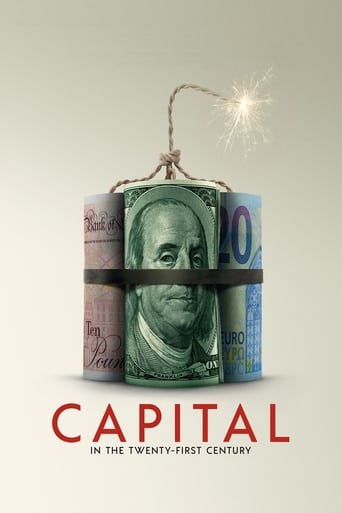
Film adaptation of French economist Thomas Piketty's ground-breaking global bestseller of the same name: an eye-opening journey through wealth and power.

Director Michael Apted revisits the same group of British-born adults after a 7 year wait. The subjects are interviewed as to the changes that have occurred in their lives during the last seven years.

A documentary about how a dominant cultural and demographic institution both sustains their traditional activities and adapts to the digital revolution.
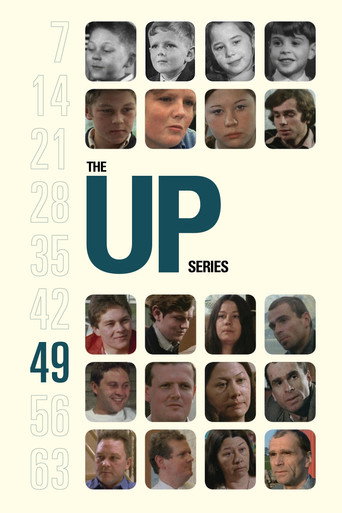
49 Up is the seventh film in a series of landmark documentaries that began 42 years ago when UK-based Granada's World in Action team, inspired by the Jesuit maxim "Give me the child until he is seven and I will give you the man," interviewed a diverse group of seven-year-old children from all over England, asking them about their lives and their dreams for the future. Michael Apted, a researcher for the original film, has returned to interview the "children" every seven years since, at ages 14, 21, 28, 35, 42 and now again at age 49.In this latest chapter, more life-changing decisions are revealed, more shocking announcements made and more of the original group take part than ever before, speaking out on a variety of subjects including love, marriage, career, class and prejudice.

Daniel Craig candidly reflects on his 15 year adventure as James Bond. Including never-before-seen archival footage from Casino Royale to the upcoming 25th film No Time To Die, Craig shares his personal memories in conversation with 007 producers, Michael G Wilson and Barbara Broccoli.
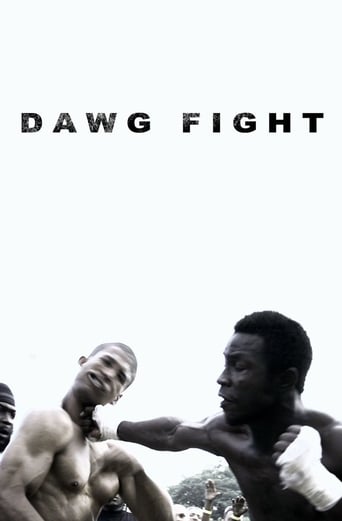
In a crime-plagued neighborhood near Miami, brutal, bare-knuckled backyard fights give young men a chance to earn money -- and self-respect.
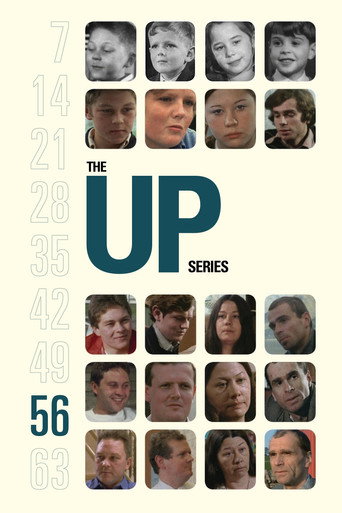
When a cross-section of seven-year-olds were interviewed for 7 Up in 1964 it was immediately evident that their social backgrounds influenced their attitudes towards life. While the upper class children were confident and self-assured, those from middle and working class backgrounds were resigned to a challenging life of hard work. This premise was put to the test every seven years when the same group were interviewed about the progression of their lives. 49 years in the making, the changes that occurred to the original 14 make for fascinating television and are in many ways the stories of all our lives. From success and disappointment, marriage and childbirth, to poverty and illness, nearly every facet of life has been captured on film. Now, at the age of 56, the group are once more brought together and, with the benefit of hindsight, assess whether their lives have been ruled by circumstance or self-determination.

Ranjit, a farmer in India, takes on the fight of his life when he demands justice for his 13-year-old daughter, the victim of a brutal gang rape. His decision to support his daughter is virtually unheard of, and his journey unprecedented.

A compilation of over 30 years of private home movie footage shot by Lithuanian-American avant-garde director Jonas Mekas, assembled by Mekas "purely by chance", without concern for chronological order.
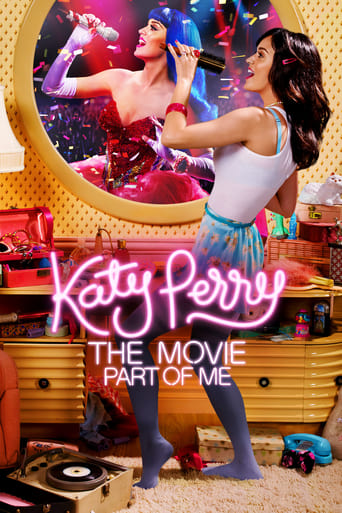
Giving fans unprecedented access to the real life of the music sensation, Katy Perry: Part of Me exposes the hard work, dedication and phenomenal talent of a girl who remained true to herself and her vision in order to achieve her dreams. Featuring rare behind-the-scenes interviews, personal moments between Katy and her friends, and all-access footage of rehearsals, choreography, Katy’s signature style and more, Katy Perry: Part of Me reveals the singer’s unwavering belief that if you can be yourself, then you can be anything.
Similar titles
Filmed over three years on China’s railways, The Iron Ministry traces the vast interiors of a country on the move: flesh and metal, clangs and squeals, light and dark, and language and gesture. Scores of rail journeys come together into one, capturing the thrills and anxieties of social and technological transformation. The Iron Ministry immerses audiences in fleeting relationships and uneasy encounters between humans and machines on what will soon be the world’s largest railway network.
A 480-minute documentary, a historical record of the change of independent music across China, mammoth and complete, involving evolution and conflicts of several generations in Chinese society. In the second decade of the 21 century, it has been ten years since the Beijing Olympics. China has seen the abundance of wealth and civilization. Facing such a diverse lifestyles, people are far more different from each other than ever. Conservative, avant-garde, worried, daring, they not only fail to be understood, but also fail to understand one another. The film is a driving bus of our times, which has already lost its political halo in 30-years glory history, filled with artists, businessmen, workers and all different people who get in and off, however, the innocent younger generation is still queuing up anxiously outside, who might get in one of the buses, or smash all buses.
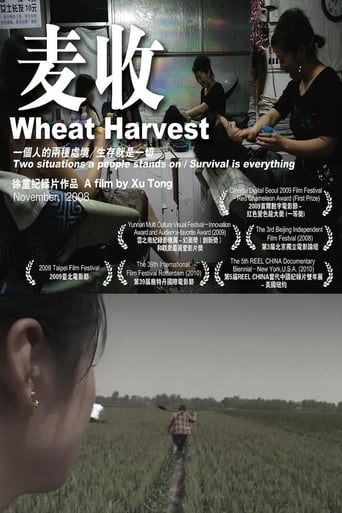
A documentary film showing the life of Niu Hongmiao, a 20-year-old country girl who is now a prostitute in Beijing. Around the time of wheat harvesting, she goes back home to Dingxing County, Hebei Province to visit her parents.
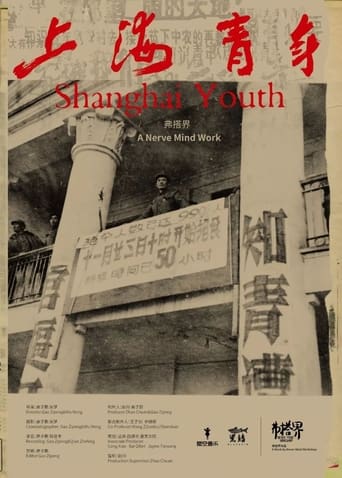
As a special generation born in the New China, the hundreds of thousands of educated youth from Shanghai went through enormous hardship during their work in Xinjiang from 1963 to 1966. Because of the specific historical conditions and context, they have been strikingly stamped with the mark of the times and have had to struggle to understand the relationship between themselves and the nation.

I bought a VHS player to watch my parents’ wedding video. My mother came by and chatted with me as I was rewinding the VHS tape.

A lively community of Christians inhabit Fangshan, a remote rural town in Jiangsu Province. At the start of the millennium, a church was built there with support of local inhabitants' relatives from Taiwan. On Sundays, up to 900 people gather to worship, while spending most of their days maintaining a modest living as farmers. Their faith governs how they handle family conflicts, illnesses and other difficulties. Still, they must contend with constraining forces in their community, from ancient folk religious practices to laws forbidding evangelism.

In this vivid portrait of China's musical heritage, Sichuan Opera performers strive to keep a centuries-old artform alive. After thriving for 300 years, Sichuan Opera is an endangered art form. Having survived the Cultural Revolution, state-sponsored opera troupes now face extinction in the era of private enterprise. Opera master Li Baoting began his career at eight, but now performs pop songs with showgirls in cheap bars. His colleague Wang Bin performs in travelling tents, trying to resist the massive cultural changes threatening to wipe out this artform.
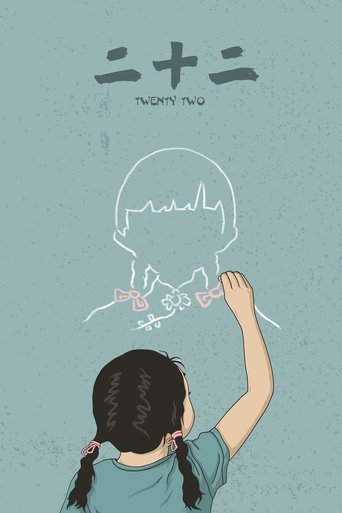
Follow the lives of the elderly survivors who were forced into sex slavery as “Comfort Women” by the Japanese during World War II. At the time of filming, only 22 of these women were still alive to tell their story. Through their own personal histories and perspectives, they tell a tale that should never be forgotten to generations unaware of the brutalization that occurred.
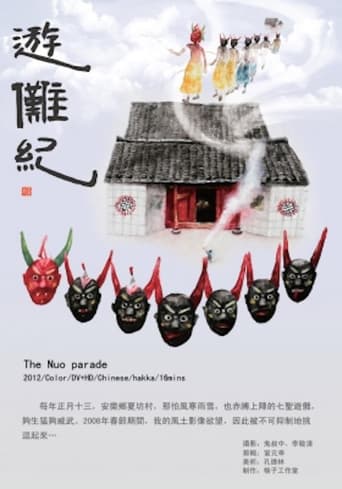
On the thirteenth of the first month of each year, Xiafang Village, Anle Township, even in the cold and rain, the Seven Saints Peregrine Falcons, who are shirtless, are powerful and mighty. During the 2008 Spring Festival, Uncle Ghost's desire to record terroir images was irresistibly teased.
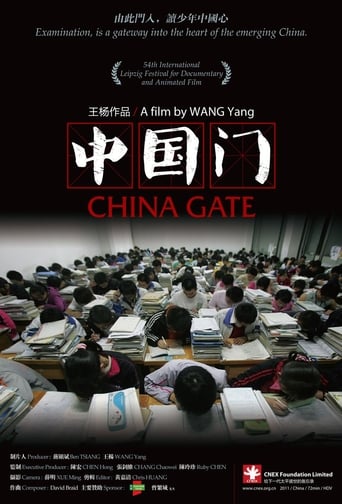
"China Gate" tells the story of young Chinese fight to change their fate through studying. Right before dawn, students in Huining have already started their self-studying session; hard working youngsters have filled up the space of school ground. This is one of the most poverty-stricken Counties in Western China; here people's only hope is in education, as the way to change their social status. Therefore all their effort point towards the College Entrance Examination, the process is like going through a gate, those who pass can study at urban Universities, and have the chance to build a better life. During the same winter season in Beijing, a graduate student faces a big decision. Should he keep trying to survive in the big city or get back to his countryside home? The exhausted faces at the Beijing underground seem to be revealing the truth about their distance in between. The student comes to see the flag ceremony at Tiananmen Square, where the pulsing symbol of the nation lies.
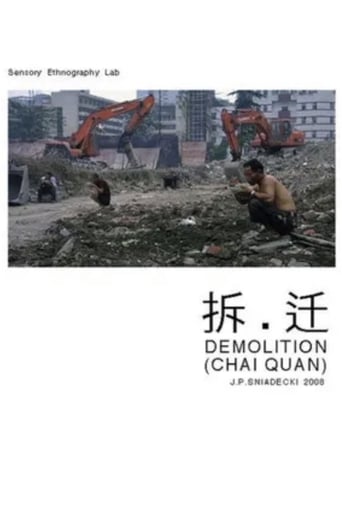
"If the old doesn't go, the new never comes" recites a teenager hanging out near a demolition site in the center of Chengdu, the Sichuan capital in western China. In Demolition, filmmaker J.P. Sniadecki deconstructs the transforming cityscape by befriending the migrant laborers on the site and documenting the honest, often unobserved, human interactions, yielding a wonderfully patient and revealing portrait of work and life in the shadow of progress and economic development.

A soon-to-be first-time voter, the filmmaker’s thought-provoking journey into the Rust Belt and South captures four Asian American voters’ ardent first time grassroots political participation ignited by the 2016 rise of “Chinese Americans for Trump.” FIRST VOTE is a character driven cinema verité style film chronicling the democratic participation of four Asian American voters from 2016 through the 2018 midterm elections.

The Cold Winter was shot from the end of 2009 to early 2010, and focuses on the struggle of artists near Beijing’s famous Chaoyang District 798 Art Zone to protect their land and studios from demolition by developers. During the exceptionally cold winter of the title, the artists formed the “Warm Winter Plan” movement as a means of defending their rights and raising public awareness, being subjected to threats and brutal violence in the process.
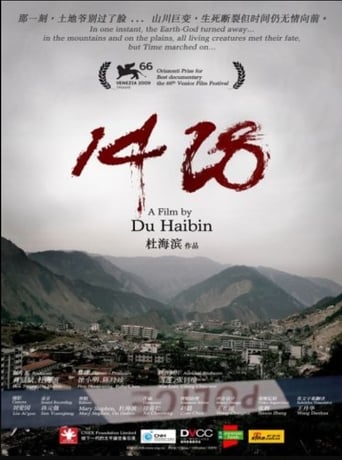
The "Great Sichuan Earthquake" took place at 14:28 on May 12, 2008. In the days after, ordinary people salvage destroyed pig farms in the mountains, collect cheap scrapped metals, or pillaging other victims' homes. Behind the media circus of official visits is an inconsolable grief of families searching for loved ones. As the Lunar New Year approaches, vagabonds and family tell of the ill-handling of rebuilding schemes and misuse relief funds. As they prepare for another visit from a high official, the refugees are swept out of the town and into tent cities. The promise to put a roof over their heads before winter seems impossible to keep.
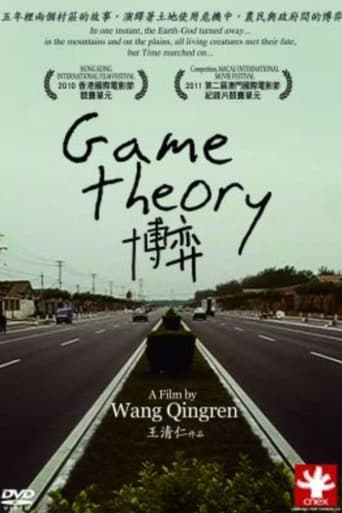
This is a story about a five-year battle waged between the farmers of two villages and the local government over land-use rights. This documentary illustrates the subtle changes being made to the rules of the game between officials and citizens, and provides deep human insight into the loss, despair and increasing awareness experienced by common farmers in the pursuit of land-use rights.

Director's Statement This film describes the story of small people on the margins of society, focusing on two groups, one is a cancer hotel, and the other is test drug patients. These people have no life, just to live. Xiaoyan, who has cancer, lives in a small hotel and waits for a bed in the hospital. Their simple understanding is: being able to live in the hospital represents a chance of life. In order to survive, I waited for more than two months, and finally, it was my turn to be hospitalized, but most of the hospitalization fees raised at the beginning were used to buy medicine. Zi Xiu, who took care of Xiaoyan, had to join the drug testing industry. In exchange for Xiaoyan’s chance of survival. In the film, scammers defrauded life-saving money for cancer patients, unfilial men refused to treat the elderly and maliciously deducted commissions from testers and other heinous behaviors. The rhythm of the film is like an illness tormenting patients, slow and profound.
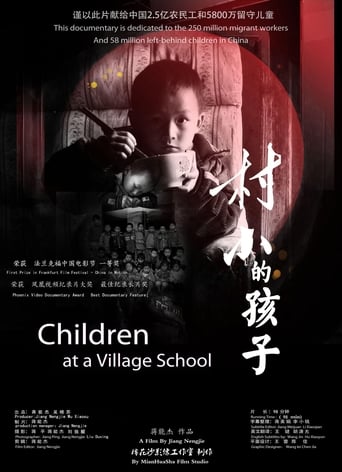

A large majority of LGBT people in mainland China remain in the closet. Most of these closet doors are kept tightly shut by pressure from friends, family, and society itself. This documentary hopes to explore the experience of coming out in China through a series of interviews with out homosexuals. The interviews touch upon the discrimination, suppression, and even violence they have endured as well as the touching moments where they experienced compassion and understanding. The documentary also covers gay rights activist and proud mother of a homosexual, Wu Youjian, who stands strongly by her son and other gay men in full support.
Interviews with Dalai Lama and some Chinese intellectuals about Tibet/China relations and related issues.