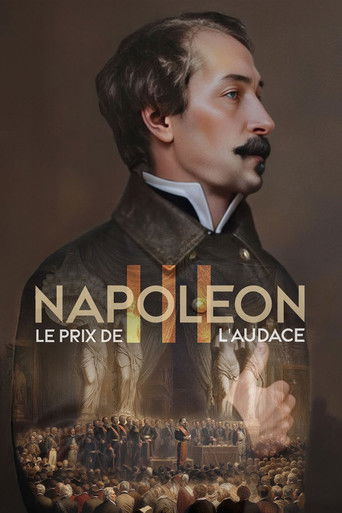
Napoléon III, le prix de l'audace
2025-11-26 · 55 min / episode · ★ 8.0
Trailers are previews, not full movies.
No authorized playback source configured. Use the legal watch options below.
Production details
- Creators
- Edouard Jacques
- Production companies
- Planète+
- Countries
- France
- Status
- Returning Series
Top Cast
Cast unavailable.
Title information and images are supplied by TMDb. Explore our discovery guide for advice on comparing metadata and legal viewing options.
Where to watch
Availability provided by JustWatch via TMDb. Offers can change. Provider links are listed on TMDb; full playback requires a separately authorized source.
Availability not listed for this country.
Seasons & episodes
Recommendations

Using highly advanced colourisation techniques, critical moments from World War II, from Stalingrad to The Battle of Britain, are shown in a whole new light.
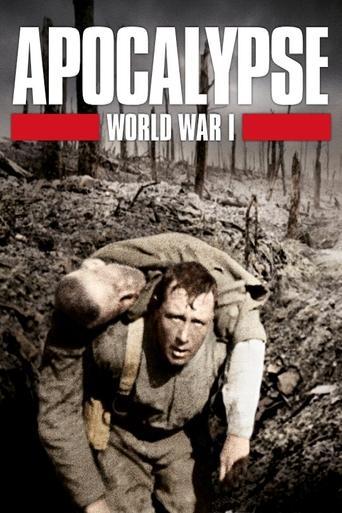
Colorized historical footage in ascending order of World War 1. Not only the relatively known Flanders and France battles, but also the generally unknown Italian-Austrian, German-Polish-Russian, Japanese-German, Ottoman Empire- Allied and African German Colonies, and other unknown or forgotten fronts and battles.
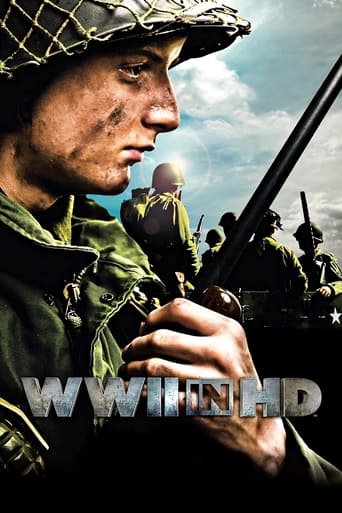
WWII in HD is a 10-part American documentary television miniseries that originally aired from November 15 to November 19, 2009 on the History Channel. The program focuses on the firsthand experiences of twelve American service members during World War II, including an Army nurse, a member of the Tuskegee Airmen, a second generation Japanese American and prisoner of war, and an Austrian Jewish immigrant. The twelve members recorded their time in both theaters and some had later interviews; found footage from the battlefield was paired with the stories of the twelve service members. The episodes premiered on five consecutive days, with two episodes per day. The series is narrated by Gary Sinise and was produced by Lou Reda Productions in Easton, Pennsylvania, United States.
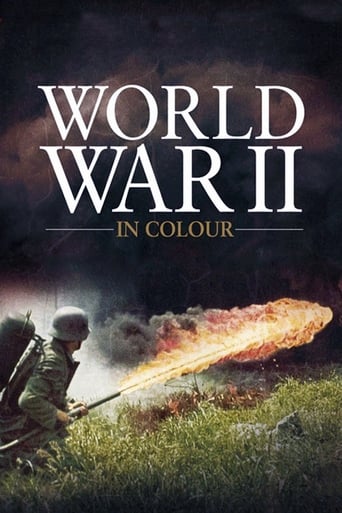
World War II In Colour is a 13-episode television documentary miniseries recounting the events of World War II narrated by Robert Powell. The show covers the Western Front, Eastern Front, and the Pacific War. It is on syndication in America on the Military Channel. This series is in full color, combining both original and colorized footage.
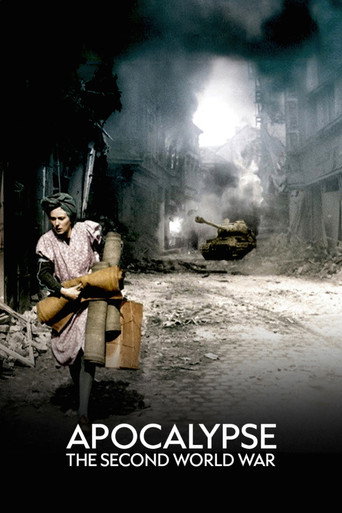
A six-part French documentary about the Second World War composed exclusively of actual footage of the war as filmed by war correspondents, soldiers, resistance fighters and private citizens. The series is shown in color, with the black and white footage being fully colorized, save for some original color footage. The only exception to the treatment are most Holocaust scenes, which are presented in the original black and white.
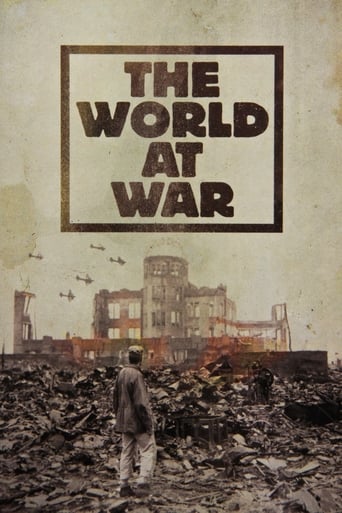
A documentary series that gives a historical account of the events of World War II, from its roots in the 1920s to the aftermath and the lives it profoundly influenced.
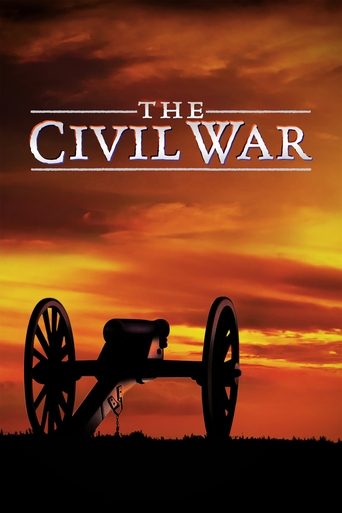
A documentary on the American Civil War narrated by Ken Burns, covering the secession of the Confederacy to the assassination of Abraham Lincoln.
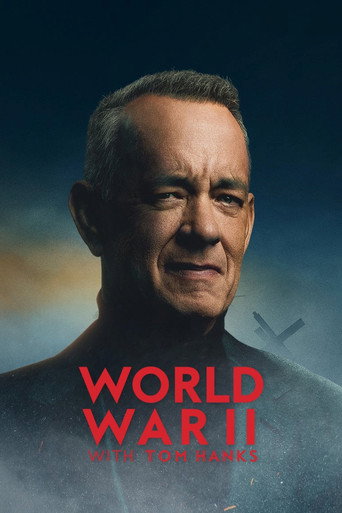
Explores WWII from Germany's invasion of Poland through the atomic age, examining pivotal battles, wartime leaders like Churchill and Roosevelt, and the human cost of total war.
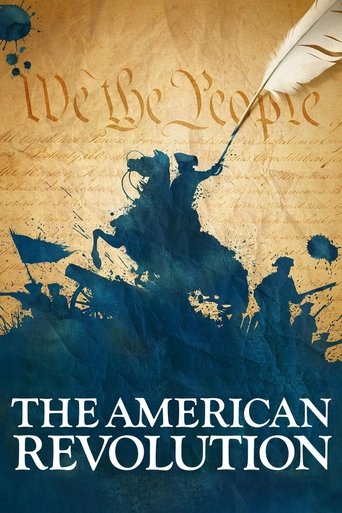
The American Revolution was at once a war for independence, a war of conquest, a civil war, and a world war, fought by neighbors on American farms and between global powers an ocean or more away. It impacted millions from Vermont’s Green Mountains to the swamps of South Carolina, from Indian Country to the Iberian Peninsula. In defeating the British Empire and giving birth to a new nation, the American Revolution turned the world upside-down. Thirteen colonies on the Atlantic Coast united in rebellion, won their independence, and established a republic that still endures. The American Revolution will present the story of the men and women of the Revolutionary generation, their humanity in victory and defeat, and the crisis that they lived through.
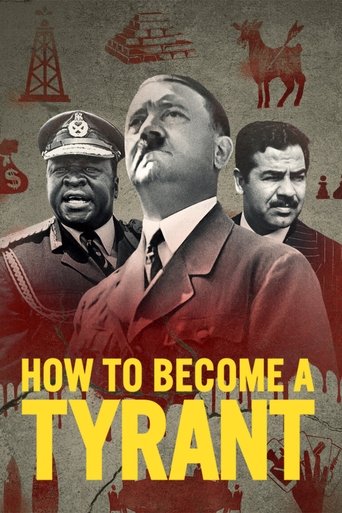
The documentary series explores different political figures throughout history.

30 for 30 is the title for a series of documentary films airing on ESPN, its sister networks, and online highlighting interesting people and events in sports history. This currently includes four "volumes" of 30 episodes each, a 13-episode series under the ESPN Films Presents title in 2011–2012, and a series of 30 for 30 Shorts shown through the ESPN.com website. The series has also expanded to include Soccer Stories, which aired in advance of the 2014 FIFA World Cup, and audio podcasts. This entry refers to the main Volumes of the series presented by ESPN
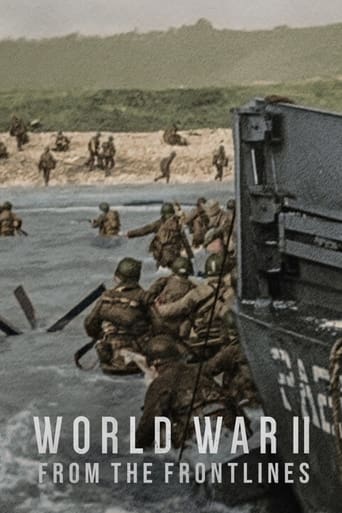
Through vividly enhanced archival footage and voices from all sides of the conflict, this docuseries brings WWII to life like never before.
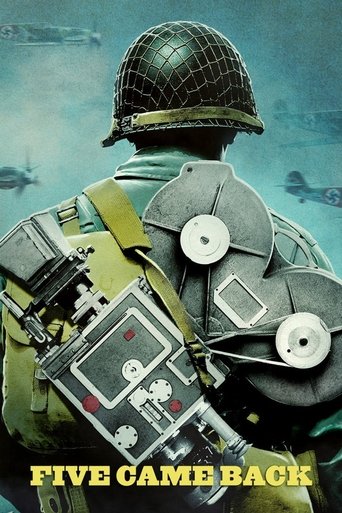
Five acclaimed contemporary directors tell the story of five legendary Hollywood filmmakers who enlisted in the armed forces to document World War II.
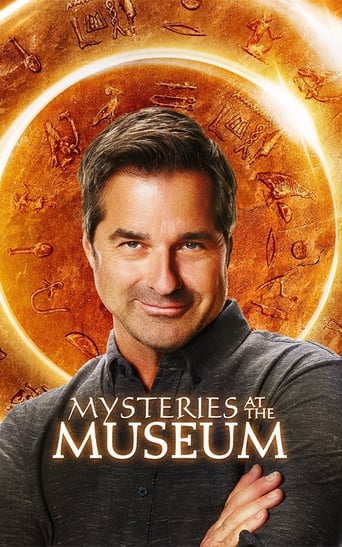
Don Wildman unearths relics from the world's greatest institutions to reveal secrets from the past. He examines each artifact to illuminate history's most incredible triumphs, sensational crimes and bizarre encounters.
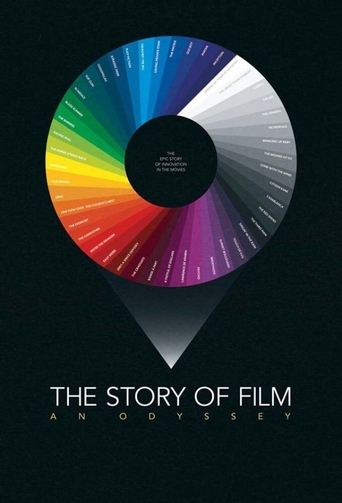
A worldwide guided tour of the greatest movies ever made and the story of international cinema through the history of cinematic innovation.
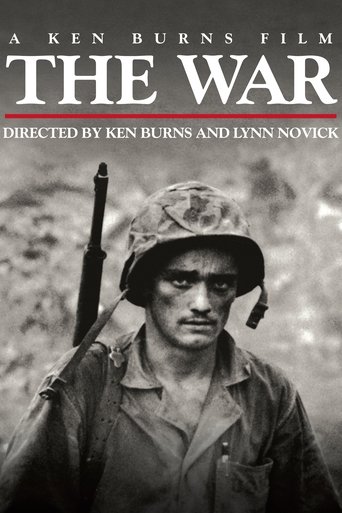
The story of the Second World War through the personal accounts of a handful of men and women from four American towns. The war touched the lives of every family on every street in every town in America and demonstrated that in extraordinary times, there are no ordinary lives.
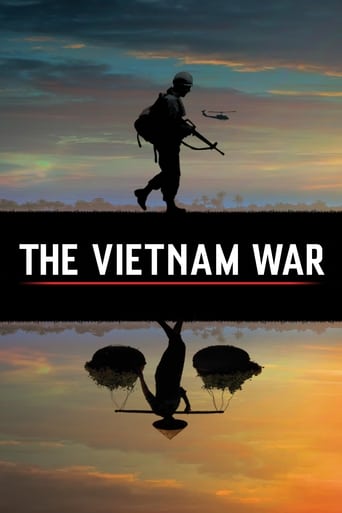
An immersive 360-degree narrative telling the epic story of the Vietnam War as it has never before been told on film. Featuring testimony from nearly 80 witnesses, including many Americans who fought in the war and others who opposed it, as well as Vietnamese combatants and civilians from both the winning and losing sides.
Infographics and archival footage deliver bite-size history lessons on scientific breakthroughs, social movements and world-changing discoveries.
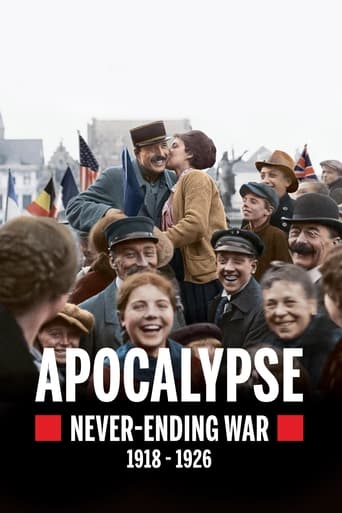
November 11, 1918. The world emerges from the most horrific conflict ever known. While leaders of the victorious countries design a new world order, traumatized societies struggle to find their footing. In the aftermath of war the Russian, German, Austro-Hungarian and Ottoman Empires fall apart, currencies fluctuate wildly, and vast numbers of refugees flee misery. Before long, age-old hatreds, fears, and resentments resurface and drive the world to the brink of a new apocalypse.

This ten-part docuseries tells the comprehensive story of the First World War, featuring excerpts written by Winston Churchill, Karen Blixen, Georges Clémenceau, David Lloyd George, Siegfried Sassoon and Rudolf Hess.
Similar titles
Rageh Omaar visits Spain, Sicily and France to discover the history of Islam in Europe
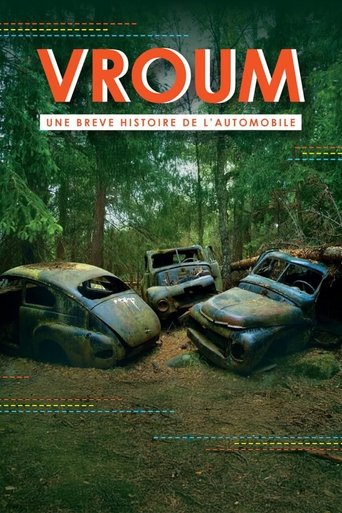
Our cities, transformed a mere century ago to accommodate cars, now want to rid their streets of them. Countries go to war over fuel shortages, and automobiles are at the core of a global ecological crisis. Today, the history of automobile has hit its climax. How did we get here? How did the invention of a single machine reorganize how we work, revolutionize our lifestyles, transform our landscapes, trigger global crises and wreak havoc with the equilibrium of our planet? This documentary series explores the creation and meteoric development of an unprecedented object - the automobile - and its role in mankind’s wild race toward progress.

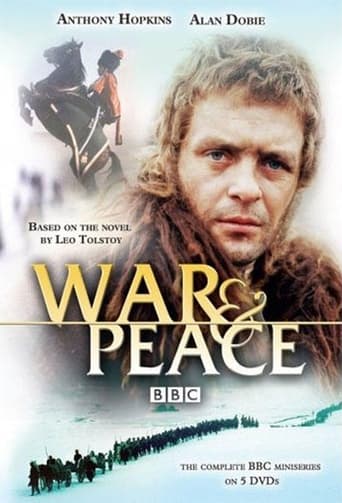
The love story of young Countess Natasha Rostova and Count Pierre Bezukhov is interwoven with the Great Patriotic War of 1812 against Napoleon's invading army.

The story of how women have fought their way into the world of sport, an arena jealously guarded by men.
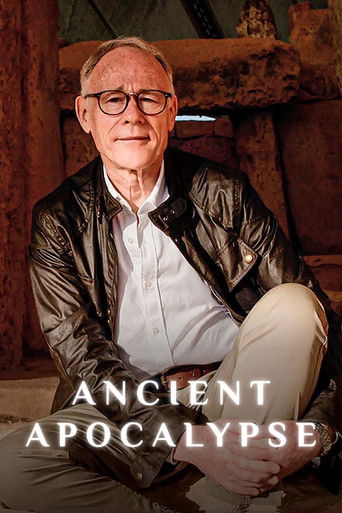
Journalist and writer Graham Hancock travels the globe hunting for evidence of mysterious, lost civilizations dating back to the last Ice Age. He attempts to prove that a climatic event 12,000 years ago wiped out an entire civilization far more sophisticated than the simple hunter-gatherers some archaeologists believe lived at that time.

The series follows the life of Yeon Gaesomun, a powerful military dictator in the waning days of the Goguryeo kingdom.

Survivors of Soviet totalitarianism warn that “soft totalitarianism” is emerging in the U.S. Identity politics, censorship, surveillance, and secularism are encroaching on freedoms. Many American Christians fail to see the threat. Based on Rod Dreher’s book, Live Not by Lies explores these dangers and offers a wake-up call for thoughtful, faithful resistance against the erosion of liberties.
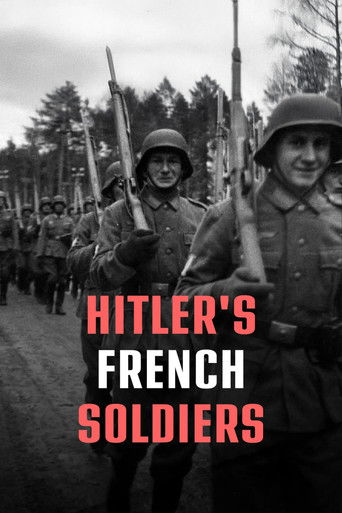
Between 1941 and 1945 around 30,000 French citizens voluntarily joined the German army and engaged in terrible war crimes in central and eastern Europe. This documentary explores a little-known chapter in the story of the second world war and France’s collaboration with Nazi Germany.
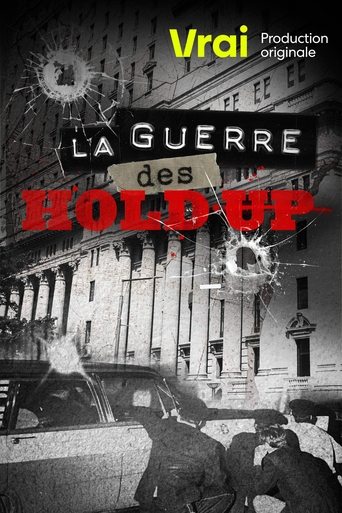
Jonathan Roberge dives into the world of Montréal crime during the 1957-1977 period, when the city saw a prolonged war between the police and bank robbers.

From Bonaparte to Casanova, history is cast in the light of famous escapes from various European countries.
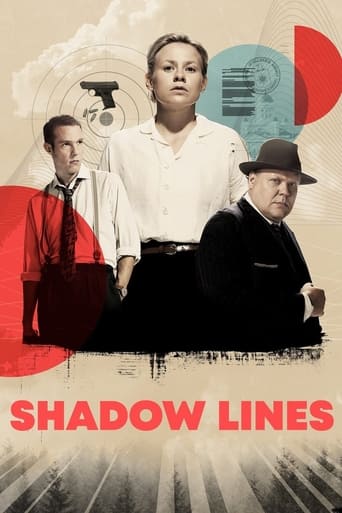
During the 1950s, Helsinki was the focal point of the Cold War, as global powers and their intelligence agencies coalesced in the small neutral country that stood between the East and the West. Shadow Lines is an international spy thriller that follows a secret intelligence team whose mission is to defend the independence of Finland no matter the cost.

Sharpe is a British series of television dramas starring Sean Bean as Richard Sharpe, a fictional British soldier in the Napoleonic Wars. Sharpe is the hero of a number of novels by Bernard Cornwell; most, though not all, of the episodes are based on the books. Produced by Celtic Films and Picture Palace Films for the ITV network, the series was shot mainly in Turkey and the Crimea, although some filming was also done in England, Spain and Portugal. The series originally ran from 1993 to 1997. In 2004, as part of ITV's new set of drama, ITV announced that it intended to produce new episodes of Sharpe, in co-production with BBC America, loosely based on his time in India, with Sean Bean continuing his role as Sharpe. Sharpe's Challenge is a two-part adventure; part one premiered on ITV on 23 April 2006, with part two being shown the following night. With more gore than earlier episodes, the show was broadcast by BBC America in September 2006.

Around the World in 80 Days is an animated television series that lasted one season of sixteen episodes, broadcast during the 1972-1973 season by NBC. It was the first Australian-produced cartoon to be shown on American network television. Leif Gram directed all sixteen episodes, and the stories were loosely adapted by Chester "Chet" Stover from the novel by Jules Verne.
How the Silk Road Made the World 3 x 60' NHNZ/CCTV (China Central Television) The Silk Road is one of humanity’s greatest enterprises. For thousands of years across the vastness of Eurasia, a trade route linking east and west has deeply influenced history. Silk Road trade has helped to build and break empires, fed revolutions and profoundly affected civilisations. Humanity as we know it, and all we have created, owes much to the legendary Silk Road. This is true of objects as basic yet revolutionary as a piece of paper, to the complex metropolis of New York City. Travel through time to witness the evolution of ancient warfare, experience the horror of the Black Death, see the explosive impacts of innovations and live through radical social change. Embark on a dramatic historical journey throughout Eurasia and delve into the captivating tales of this world-famous trade route. Discover How the Silk Road Made the World.

Historian Andrew Roberts journeys through the history and geography of Europe to bring the story of Napoleon vividly to life as he retraces the footsteps of the legendary leader himself.
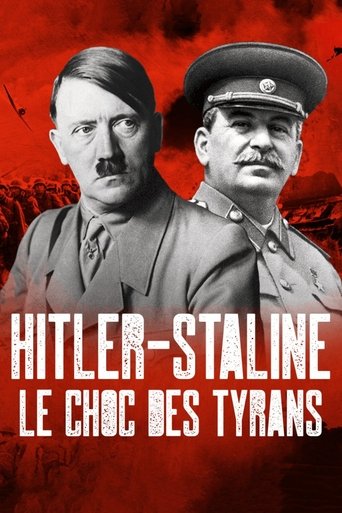
On 23 August 1939, the world was shocked to discover that Hitler and Stalin, the most intractable of their enemies at the time, had signed a pact that allowed them to divide Poland between them and gave the Nazi leader complete freedom to concentrate his forces in the West, against France and the United Kingdom. Through this agreement, Europe was to be thrown into war. For a long time, the relationship between Hitler and Stalin was ignored: their mutual fascination, their moves to get closer, the marks of confidence they exchanged and all the benefits they derived from the German-Soviet pact, before resuming their war to the death in June 41 with the "Barbarossa" operation.
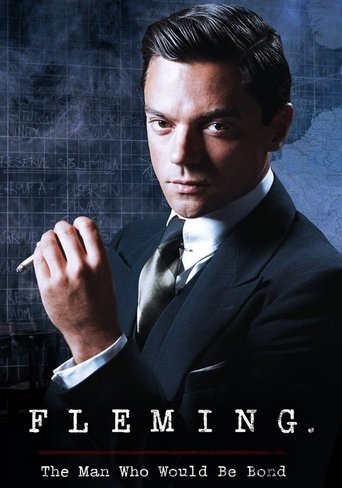
Set at the outbreak of WWII – mischievous playboy Ian Fleming is untroubled by the specter of impending war – chasing women, collecting rare books and living off his family fortune. Forever in the shadow of his brother Peter, and an eternal disappointment to his formidable mother Eve, Fleming dreams of becoming the ‘ultimate’ man – a hero, a lover, a brute and the one who always gets the girl. He is finally given some direction in his life when he’s recruited by the Director of Naval Intelligence to help in the effort against the Nazis. Suddenly, Fleming finds his chance to shine and prove his worth.
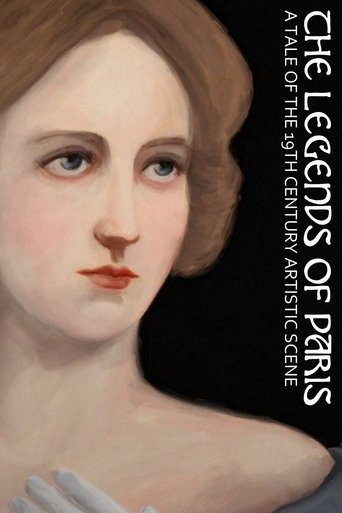
During the turbulent 19th century, a number of brilliant French artists developed the Romantic movement in Paris: writers Victor Hugo, Alexandre Dumas, George Sand, Honoré de Balzac and Charles Baudelaire, painter Eugène Delacroix and composer Hector Berlioz, among others, changed the way of looking at art and created enduring works that have inspired the world to this day.