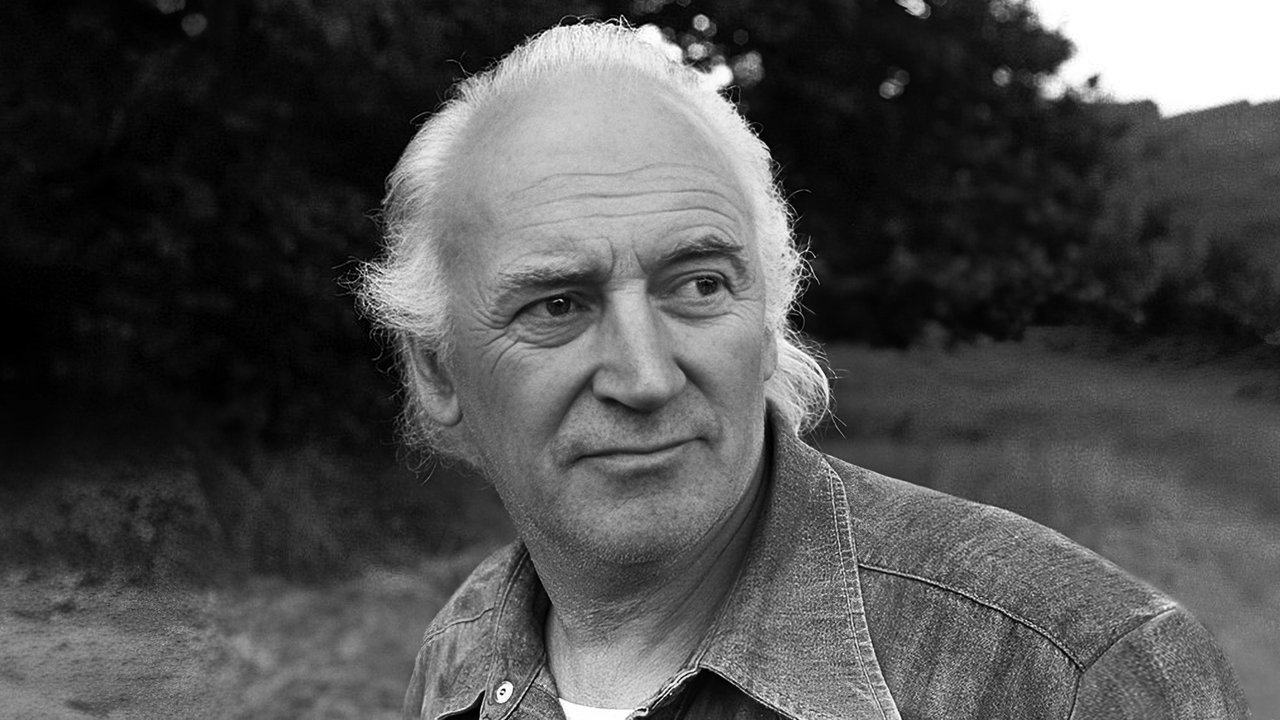
René Vautier, le maquisard à la caméra
2000-01-01 · Runtime unavailable · ★ 10.0
Trailers are previews, not full movies.
No authorized playback source configured. Use the legal watch options below.
Production details
- Directors
- Nasredine Guénifi
- Production companies
- Unavailable
- Countries
- Algeria, France
- Status
- Released
Top Cast
 René VautierSelf
 Nasredine GuénifiSelf - Interviewer
Title information and images are supplied by TMDb. Explore our discovery guide for advice on comparing metadata and legal viewing options.
Where to watch
Availability provided by JustWatch via TMDb. Offers can change. Provider links are listed on TMDb; full playback requires a separately authorized source.
Availability not listed for this country.
Seasons & episodes
Recommendations

When Allied forces liberated the Nazi concentration camps in 1944-45, their terrible discoveries were recorded by army and newsreel cameramen, revealing for the first time the full horror of what had happened. Making use of British, Soviet and American footage, the Ministry of Information’s Sidney Bernstein (later founder of Granada Television) aimed to create a documentary that would provide lasting, undeniable evidence of the Nazis’ unspeakable crimes. He commissioned a wealth of British talent, including editor Stewart McAllister, writer and future cabinet minister Richard Crossman – and, as treatment advisor, his friend Alfred Hitchcock. Yet, despite initial support from the British and US Governments, the film was shelved, and only now, 70 years on, has it been restored and completed by Imperial War Museums under its original title "German Concentration Camps Factual Survey".
Stars of "The Walking Dead," Andrew Lincoln and Danai Gurira, walk down memory lane and visit iconic locations where pivotal moments between their characters, Rick and Michonne, were filmed.
Commissioned by the journal Présence Africaine, this short documentary examines how African art is devalued and alienated through colonial and museum contexts. Beginning with the question of why African works are confined to ethnographic displays while Greek or Egyptian art is celebrated, the film became a landmark of anti-colonial cinema and was banned in France for eight years.

In an intimate and joyful story of love in the face of loss, celebrated poets Andrea Gibson and Megan Falley find strength—and unexpected hilarity—in what might be their final year together.
With a first-person look at the notorious Crips and Bloods, this film examines the conditions that have lead to decades of devastating gang violence among young African Americans growing up in South Los Angeles.

A feature length documentary about the all-women team at the helm of Pixar's original feature, Turning Red. With unprecedented behind-the-scenes access to Director Domee Shi and her core leadership crew, this story shines a light on the powerful professional and personal journeys that brought this incredibly comical, utterly relatable, and deeply heartfelt story to the screen.
Working from the text of James Baldwin’s unfinished final novel, director Raoul Peck creates a meditation on what it means to be Black in the United States.

Through deeply personal interviews with her siblings and an examination of the photographs, letters, and belongings left behind, Mariska assembles a new portrait of her mother Jayne Mansfield, an extraordinary and complex woman.
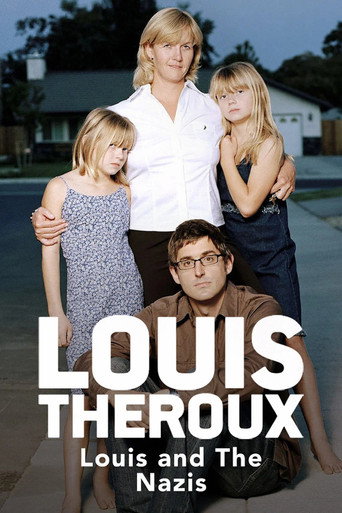
Louis Theroux travels to California to meet the man dubbed "the most dangerous racist in America"; Tom Metzger. Louis meets him, his family and his publicity manager as well as following him to skinhead rallies and on a visit to Mexico.

A compilation of over 30 years of private home movie footage shot by Lithuanian-American avant-garde director Jonas Mekas, assembled by Mekas "purely by chance", without concern for chronological order.

Al Pacino's deeply-felt rumination on Shakespeare's significance and relevance to the modern world through interviews and an in-depth analysis of "Richard III."

A documentary about the life and films of director John Ford.

Using the book 'Fragments', which collects Marilyn Monroe's poems, notes and letters, and with participation from the Arthur Miller and Truman Capote estates who have contributed more material, each of the actresses will embody the legend at various stages in her life.

This documentary movie is about the battle of San Pietro, a small village in Italy. Over 1,100 US soldiers were killed while trying to take this location, that blocked the way for the Allied forces from the Germans. Preserved by the Academy Film Archive in 2005.
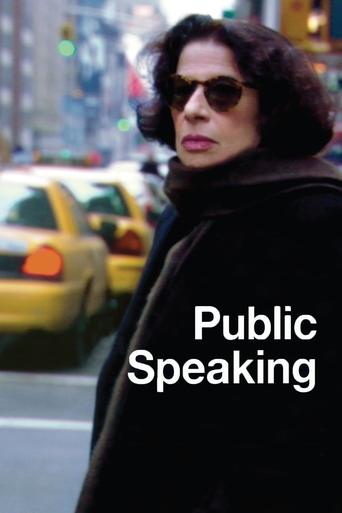
Martin Scorsese’s portrait of writer and social commentator Fran Lebowitz, celebrated for her sharp wit and observations on modern life. Filmed at New York’s Waverly Inn and intercut with archival footage and interviews, the documentary captures Lebowitz’s distinctive worldview through her spontaneous monologues and public appearances.
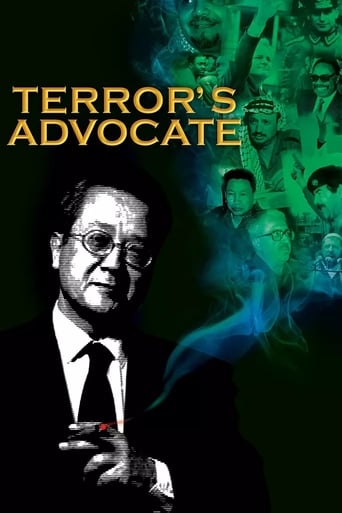
A documentary on Jacques Vergès, the controversial lawyer and former Free French Forces guerrilla, exploring how Vergès assisted, from the 1960s onwards, anti-imperialist terrorist cells operating in Africa, Europe, and the Middle East. Participants interviewed include Algerian nationalists Yacef Saadi, Zohra Drif, Djamila Bouhired and Abderrahmane Benhamida, Khmer Rouge members Nuon Chea and Khieu Samphan, once far-left activists Hans-Joachim Klein and Magdalena Kopp, terrorist Carlos the Jackal, lawyer Isabelle Coutant-Peyre, neo-Nazi Ahmed Huber, Palestinian politician Bassam Abu Sharif, Lebanese politician Karim Pakradouni, political cartoonist Siné, former spy Claude Moniquet, novelist and ghostwriter Lionel Duroy, and investigative journalist Oliver Schröm.
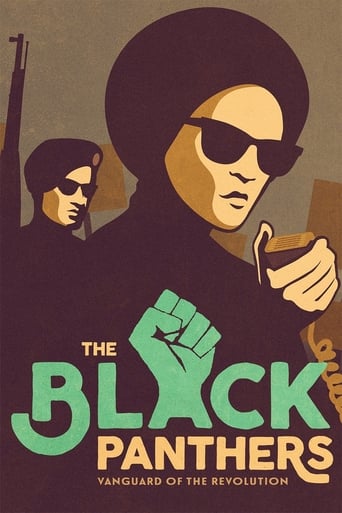
The story of the Black Panthers is often told in a scatter of repackaged parts, often depicting tragic, mythic accounts of violence and criminal activity; but this is an essential story, vibrant, human; a living and breathing chronicle of a pivotal movement that birthed a new revolutionary culture in America.

Musician and performance artist Laurie Anderson reflects on the deaths of her husband Lou Reed, her mother and her beloved dog.

Alexander McQueen's rags-to-riches story is a modern-day fairy tale, laced with the gothic. Mirroring the savage beauty, boldness and vivacity of his design, this documentary is an intimate revelation of McQueen's own world, both tortured and inspired, which celebrates a radical and mesmerizing genius of profound influence.
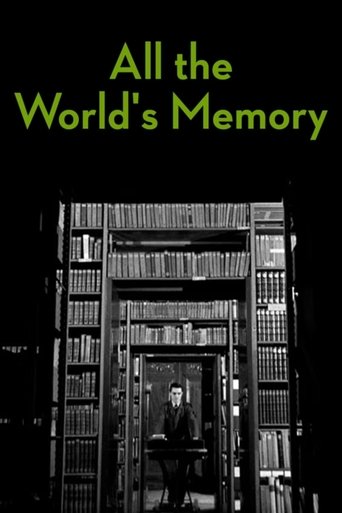
A documentary about the Bibliothèque Nationale in Paris. It presents the building, with its processes of cataloguing and preserving all sorts of printed material, as both a monument of cultural memory and as a monstrous, alien being.
Similar titles
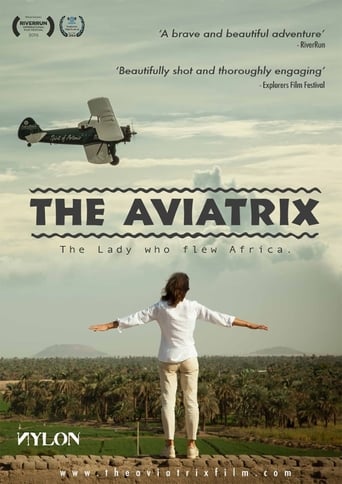
In 1928, Lady Heath became the first person to fly solo from Cape Town to London. Eighty-five years later, Tracey Curtis-Taylor set out in a vintage biplane to fly that adventure again. Following Tracey as she retraces the journey, The Aviatrix is more than just a film about the rapture of flying – it’s a story about living life on your own terms and having the courage and determination to realise your greatest dreams.

Between 1983 and 1987, Ouagadougou, the capital of Burkina Faso and the home city of FESPACO, one of the most important Pan-African film festivals in the world, was the scene of an exciting cinema utopia. With the support of the young president Thomas Sankara, the festival became a symbol of the cultural renaissance of a whole continent. The assassination of Sankara stifled the hopes of millions of young Africans, but the dynamism of FESPACO and African cinema did not stop.
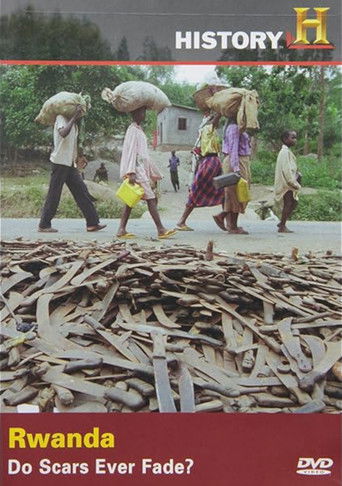
This 90-minute special presents the complex and riveting history of Rwanda, providing an in-depth look at the propaganda campaign that's crucial to understanding how genocide leaders got ordinary citizens to participate. In 1994, the small African country was awash in blood. An estimated 75 percent of the Tutsi minority was slaughtered, and in just 100 days, more than 800,000 were killed. And, at least 50,000 politically moderate Hutus also perished. We explore the 1994 genocide and post-genocide period, and grapple with the question: How does a country recover from its haunted past? Unfolding through firsthand experiences of Rwandans who lived through the genocide, we document stories of survivors, perpetrators, and government officials and sort through the difficulties of balancing justice with reconciliation.
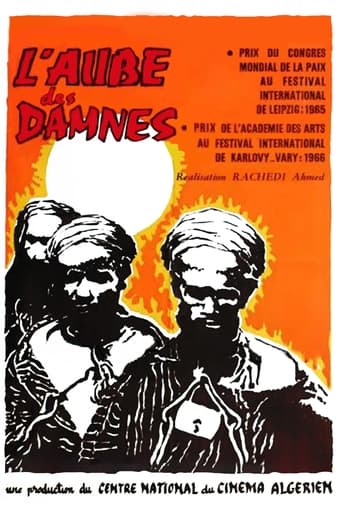
This excellent feature-length documentary - the story of the imperialist colonization of Africa - is a film about death. Its most shocking sequences derive from the captured French film archives in Algeria containing - unbelievably - masses of French-shot documentary footage of their tortures, massacres and executions of Algerians. The real death of children, passers-by, resistance fighters, one after the other, becomes unbearable. Rather than be blatant propaganda, the film convinces entirely by its visual evidence, constituting an object lesson for revolutionary cinema.
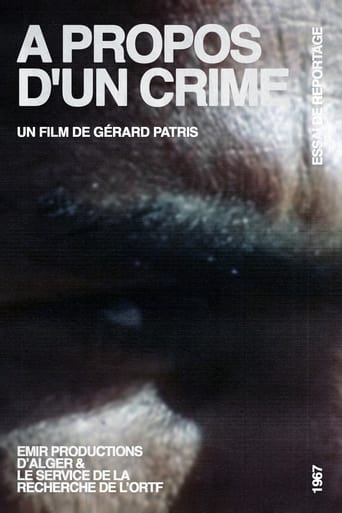
In 1967, Visconti came to Algiers for the filming of The Stranger with Mastroianni and Anna Karina. Camus, during his lifetime, had always refused to allow one of his novels to be brought to the screen. His family made another decision. The filming of the film was experienced in Algiers, like a posthumous return of the writer to Algiers. During filming, a young filmmaker specializing in documentaries Gérard Patris attempts a report on the impact of the filming of The Stranger on the Algerians. Interspersed with sequences from the shooting of Visconti's film, he films Poncet, Maisonseul, Bénisti and Sénac, friends of Camus, in full discussions to situate Camus and his work in a sociological and historical context. “The idea is for us to show people, others, ourselves as if they could all be Meursault, or at least the witnesses concerned to his drama.”
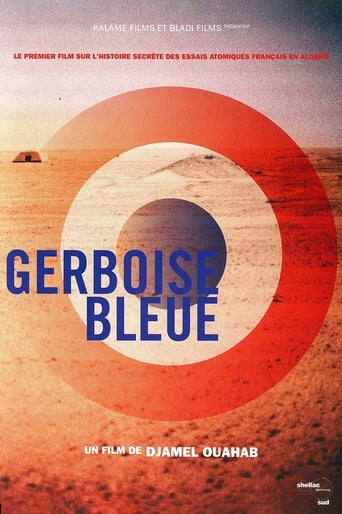
"Gerboise bleue", the first French atomic test carried out on February 13, 1960 in the Algerian Sahara, is the starting point of France's nuclear power. These are powerful radioactive aerial shots carried out in areas belonging to the French army. Underground tests will follow, even after the independence of Algeria. From 1960 to 1978, 30,000 people were exposed in the Sahara. The French army was recognized recognized nine irradiations. No complaint against the army or the Atomic Energy Commission has resulted. Three requests for a commission of inquiry were rejected by the National Defense Commission. For the first time, the last survivors bear witness to their fight for the recognition of their illnesses, and revealed to themselves in what conditions the shootings took place. The director goes to the zero point of "Gerboise Bleue", forbidden access for 47 years by the Algerian authorities
"Africa Light" - as white local citizens call Namibia. The name suggests romance, the beauty of nature and promises a life without any problems in a country where the difference between rich and poor could hardly be greater. Namibia does not give that impression of it. If you look at its surface it seems like Africa in its most innocent and civilized form. It is a country that is so inviting to dream by its spectacular landscape, stunning scenery and fascinating wildlife. It has a very strong tourism structure and the government gets a lot of money with its magical attraction. But despite its grandiose splendor it is an endless gray zone as well. It oscillates between tradition and modernity, between the cattle in the country and the slums in the city. It shuttles from colonial times, land property reform to minimum wage for everyone. It fluctuates between socialism and cold calculated market economy.
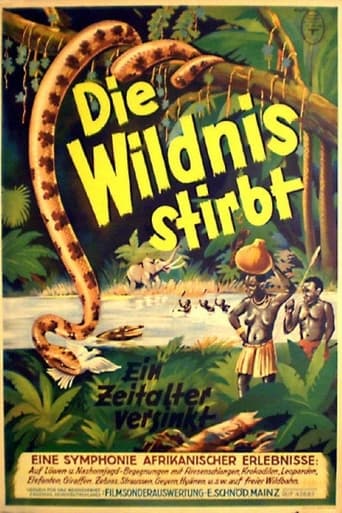
A reportage cross-cutting film about the development of Africa from 1900-1936, using archive footage and film material from earlier African expeditions.
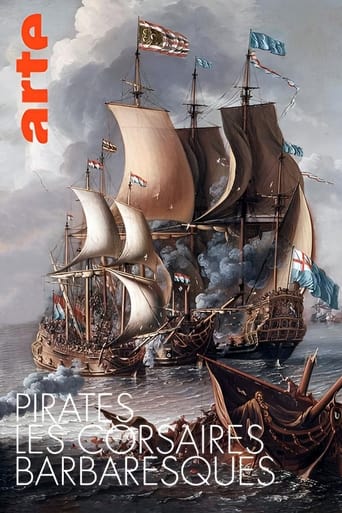
In the 18th century, the Barbary threat became serious. In July 1785, two American boats were returned to Algiers; In the winter of 1793, eleven American ships, their crews in chains, were in the hands of the dey of Algiers. To ensure the freedom of movement of its commercial fleet, the United States was obliged to conclude treaties with the main Barbary states, paying considerable sums of money as a guarantee of non-aggression. With Morocco, treaty of 1786, 30,000 dollars; Tripoli, November 4, 1796, $56,000; Tunis, August 1797, 107,000 dollars. But the most expensive and the most humiliating was with the dey of Algiers, on September 5, 1795, “treaty of peace and friendship” which cost nearly a million dollars (including 525,000 in ransom for freed American slaves). , with an obligation to pay 20,000 dollars upon the arrival of each new consul and 17,000 dollars in annual gifts to senior Algerian officials...
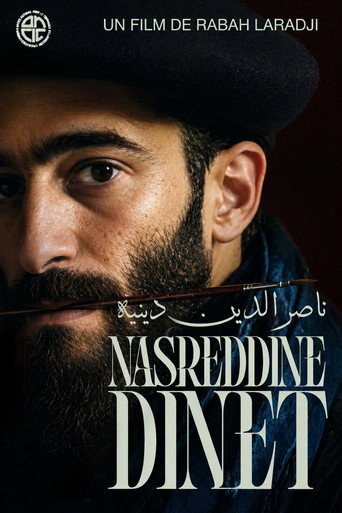
Étienne Dinet (إتيان دينيه), born March 28, 1861 in Paris, where he died on December 24, 1929, was a French painter and lithographer. He was one of the leading representatives of Orientalist painting at the turn of the 19th and 20th centuries. Obtaining a scholarship in 1884, Dinet undertook his first trip to southern Algeria in the region of Bou-Saâda, the Naili culture having a profound impact on him, as he would return there many times until he settled in his first Algerian studio in Biskra in 1900. In 1905, he bought a house in Bou-Saâda to spend three-quarters of the year there. In 1907, on his advice, the Villa Abd-el-Tif was created in Algiers, modeled on the Villa Medici in Rome. Having lived much of his life in Algeria, he called himself Nasreddine Dinet (نصر الدين ديني) after converting to Islam. On January 12, 1930, he was buried in the Bou-Saâda cemetery, where a museum that houses many of his works bears his name.
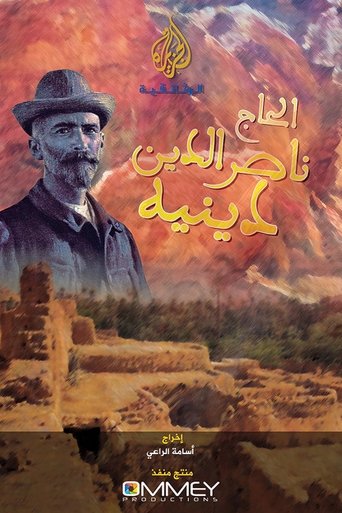
Étienne Dinet, born March 28, 1861 in Paris, where he died on December 24, 1929, was a French painter and lithographer. Having lived much of his life in Algeria and recognized during his lifetime, he called himself Nasreddine Dinet after converting to Islam.
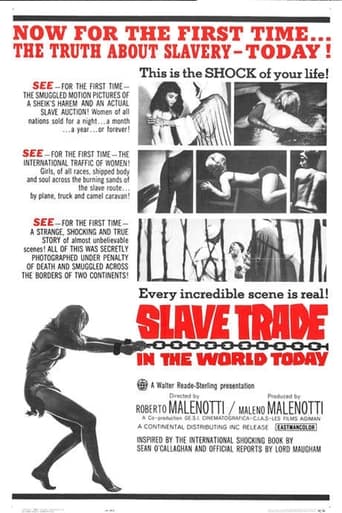
The film documents modern slave trade through a number of African countries, under dictatorship rule. The filming was conducted both in public places, and sometimes with the use of hidden cameras, for high impact scenes of nudity, sex, and violence - and a few surprises, as slaves made out of peregrins to Asia, and slave traders paid in traveller checks.

The rivers of Africa bring life and abundance to their inhabitants, but they can also be the arena for some of nature's greatest challenges and dramas. Harsh seasonal cycles dictate the course of life - and death - along the rivers. Only the fittest survive crossing the crocodile-infested Mara, the extreme drought of the Luangwa Valley or any of the many other perils harbored by rivers all over the continent. With cunning and opportunistic hunters of all sizes lurking in the waters or prowling the banks, "Rivers of Danger" is a predator's world.
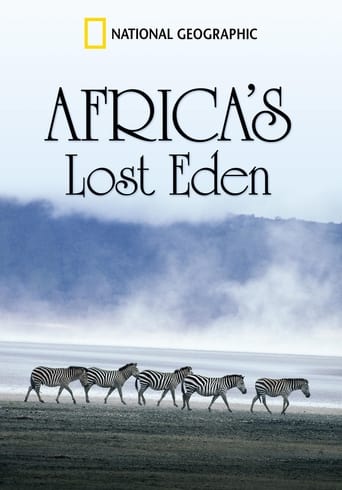
In the heart of Gorongosa National Park, Mozambique, the waters of Lake Urema explode with the thrashing of a giant crocodile tail. Gorongosa was once known as the place where Noah left his ark: 1,500 square miles of lush floodplains in central Mozambique, packed with wild animals. All around, enormous buffalo, soaring fish eagles, and countless antelopes roam freely. But on closer look, something strange is going on. Fifteen years of civil war has taken a heavy toll and many species have been almost completely wiped out. All the usual top predators and prey are virtually missing, except for one - giant crocodiles and thousands of them. Discover what is being done to bring this African oasis back to its former glory, including perhaps the most ambitious restoration effort ever attempted, with elephants, hippos and scores of zebra, wildebeest, impala and buffalo, being relocated into the park.
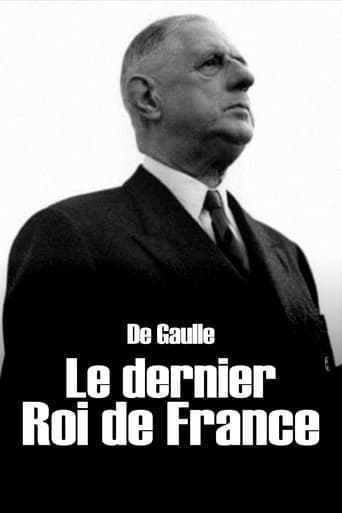
Charles de Gaulle, the first president (1958-1969) of the Vth Republic, France’s current system of government, left his mark on the country . He was statesman of action and has been compared to a monarch. This film depicts the general’s personality through the great events of his presidential term, at a time when the world was undergoing considerable changes.
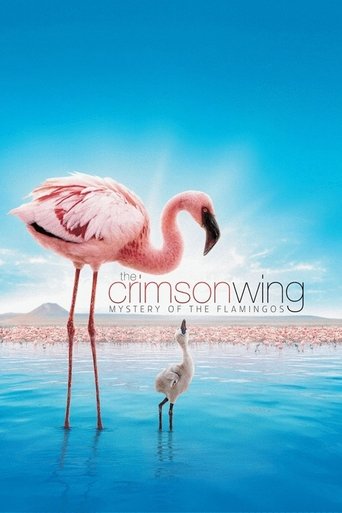
In the remote and forgotten wilderness of Lake Natron, in northern Tanzania, one of nature's last great mysteries unfolds: the birth, life and death of a million crimson-winged flamingos.
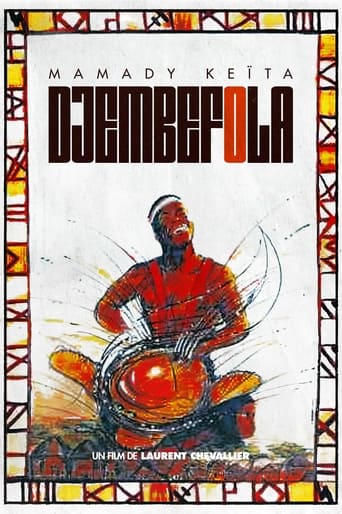
African drummer leaves village, makes it big in the world. Great drumming!!
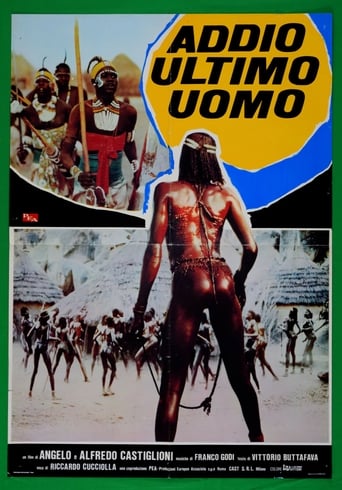
A Castiglioni Brothers mondo film about the practices and rites of several native African tribes.

Herzog's documentary of the Wodaabe people of the Sahara/Sahel region. Particular attention is given to the tribe's spectacular courtship rituals and 'beauty pageants', where eligible young men strive to outshine each other and attract mates by means of lavish makeup, posturing and facial movements.

Echoes of Lamu tells the story of Alpha ODH, a painter from Nairobi, who travels to Ubunfiu Lamu art center to inspire local children through art. His goal is to help them “cut” through reality to imagine and build their own world through painting. Alpha becomes a guide and creative companion. While the children decorate symbolic Aknuloonk sculptures with local patterns and stories, Alpha paints his own AKNEYE sculpture, slowly shifting from urban imagery to the colorful spirit of Lamu. Scenes of the village, its people, and the children’s hopes reveal a place full of contrast daily life and dreams, city and island, past and future. Step by step, Alpha’s artwork becomes a mirror of the journey they’ve all shared.