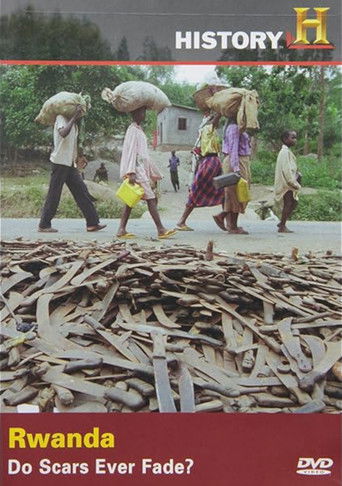
Rwanda: Do Scars Ever Fade?
2004-12-19 · 68 min · Not rated
This 90-minute special presents the complex and riveting history of Rwanda, providing an in-depth look at the propaganda campaign that's crucial to understanding how genocide leaders got ordinary citizens to participate. In 1994, the small African country was awash in blood. An estimated 75 percent of the Tutsi minority was slaughtered, and in just 100 days, more than 800,000 were killed. And, at least 50,000 politically moderate Hutus also perished. We explore the 1994 genocide and post-genocide period, and grapple with the question: How does a country recover from its haunted past? Unfolding through firsthand experiences of Rwandans who lived through the genocide, we document stories of survivors, perpetrators, and government officials and sort through the difficulties of balancing justice with reconciliation.
Trailers are previews, not full movies.
No authorized playback source configured. Use the legal watch options below.
Production details
- Directors
- Unavailable
- Production companies
- Bill Brummel Productions Inc.
- Countries
- United States of America
- Status
- Released
Top Cast
Title information and images are supplied by TMDb. Explore our discovery guide for advice on comparing metadata and legal viewing options.
Where to watch
Availability provided by JustWatch via TMDb. Offers can change. Provider links are listed on TMDb; full playback requires a separately authorized source.
Availability not listed for this country.
Seasons & episodes
Recommendations

An unprecedented and intimate look at the life, work and enduring legacy of British actress Audrey Hepburn (1929-1993).

Oskar Gröning, known as the "Accountant of Auschwitz," was charged with the murder of 300,000 Jews. When he took the stand in 2015, at the age of 94, his trial made headlines worldwide.
Stars of "The Walking Dead," Andrew Lincoln and Danai Gurira, walk down memory lane and visit iconic locations where pivotal moments between their characters, Rick and Michonne, were filmed.
The special focuses on how Star Wars is relevant today and the history that inspired it, and also makes various connections to Greek mythology. It consists of several interviews with well-known politicians, journalists, and critics, along with historical content and clips from all six of the Star Wars movies.
A filmed version of David Byrne's Broadway show, a unifying musical celebration that inspires audiences to connect to each other and to the global community.

“The Soviet Story” is a story of an Allied power, which helped the Nazis to fight Jews and which slaughtered its own people on an industrial scale. Assisted by the West, this power triumphed on May 9th, 1945. Its crimes were made taboo, and the complete story of Europe’s most murderous regime has never been told. Until now...
Filmed at night from Tel Aviv rooftops, this investigative documentary examines the civilian casualties of Israel's military operations in Gaza and the systems behind targeted killings of Palestinians.
Documentary about the arena-packing Swedish DJ, chronicling his explosive rise to fame and surprising decision to retire from live performances in 2016.
He's devoted his career to uncovering stories the powerful want buried. From My Lai to Abu Ghraib, dig into the life's work of journalist Seymour Hersh.
Featuring a wealth of previously unseen archive, this film looks at how Bowie continually evolved: from Ziggy Stardust to the Soul Star of Young Americans, to the ‘Thin White Duke’. It explores his regeneration in Berlin with the critically acclaimed album Heroes, his triumph with Scary Monsters and his global success with Let’s Dance. With interviews with all his closest collaborators, David Bowie - Five Years presents a unique account of why Bowie has become an ‘icon of our times’.

A documentary on the expletive's origin, why it offends some people so deeply, and what can be gained from its use.
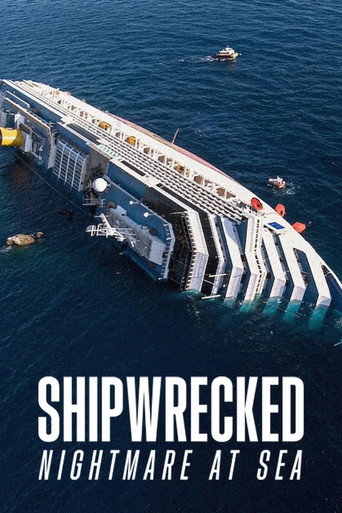
Never-before-seen footage and survivor accounts trace the 2012 shipwreck of a luxury cruise and the disaster that ensued, in this immersive documentary.
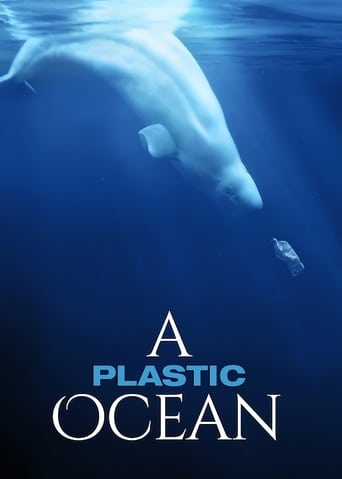
A documentary focused on plastic pollution in the world's oceans.
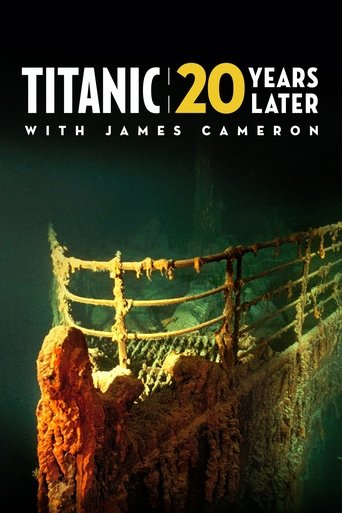
For the 20th anniversary of "Titanic," James Cameron reopens the file on the disaster.

A subjective documentary that explores various theories about hidden meanings in Stanley Kubrick's classic film The Shining. Five very different points of view are illuminated through voice over, film clips, animation and dramatic reenactments.
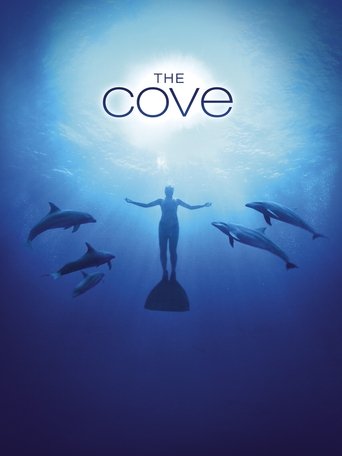
The Cove tells the amazing true story of how an elite team of individuals, films makers and free divers embarked on a covert mission to penetrate the hidden cove in Japan, shining light on a dark and deadly secret. The shocking discoveries were only the tip of the iceberg.

Through deeply personal interviews with her siblings and an examination of the photographs, letters, and belongings left behind, Mariska assembles a new portrait of her mother Jayne Mansfield, an extraordinary and complex woman.
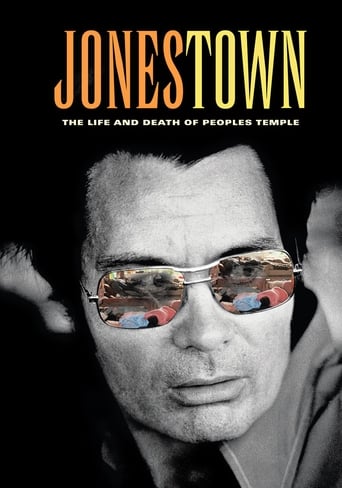
Featuring never-before-seen footage, this documentary delivers a startling new look at the Peoples Temple, headed by preacher Jim Jones who, in 1978, led more than 900 members to Guyana, where he orchestrated a mass suicide via tainted punch.
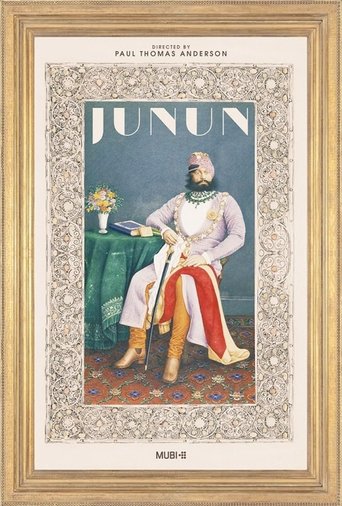
A documentary capturing the creation of the album Junun inside Rajasthan’s 15th-century Mehrangarh Fort. Paul Thomas Anderson follows Jonny Greenwood, Shye Ben Tzur, Nigel Godrich, and the Rajasthan Express as they record a cross-cultural fusion of Indian, Israeli, and Western music.

A documentary examining possible historical and modern conspiracies surrounding Christianity, the 9/11 terrorist attacks, and the Federal Reserve bank.
Similar titles
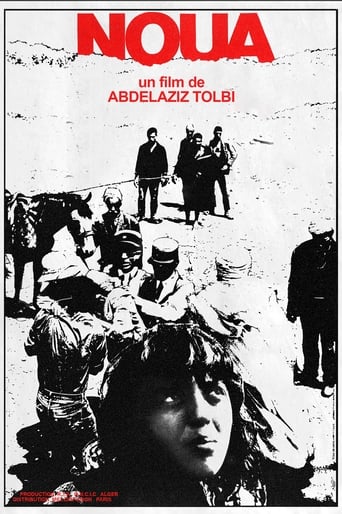
In Algeria in 1954, in a village in the Aurès region, poverty reigns over peasants enslaved by colonial administrators and Algerian landowners. Noua, in love with the son of a peasant dispossessed of his land, must be sold to a wealthy landowner.
Directed by François Woukoache.
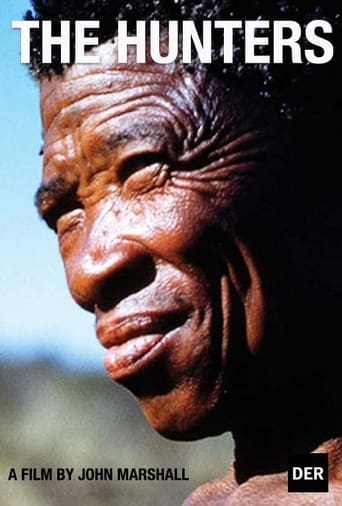
An ethnographic documentary following four Ju/’hoansi (!Kung) men during a multi-day giraffe hunt in the Kalahari Desert, filmed during the Smithsonian–Harvard Peabody expedition of 1952–53.
On a journey to West Africa, award-winning documentarian Mathew Welsh fashions portraits of six 'middle class' Gambians - taking us beyond stereotypes about Africa - and teaching us that we in the Developed World have a lot to learn from West Africa about how we give, how we live. These are six personalities that will resonate with a Western audience.

October 8, 2005. Togo, one of Africa's poorest countries, qualifies for the World Cup for the first time in its history. The achievement is not only historic; it also hastens the end of the bloody civil war that has been ravaging the country for several months. On the eve of the World Cup opening in Germany, hopes are high in Lomé, the capital of Togo, that the national team will restore pride and prosperity to an entire people. However, disillusionment quickly sets in. The team had not even entered the competition when it was already beset by endless internal problems. What if soccer, in the end, was nothing more than a reflection of the deep-seated problems that have been plaguing Africa for years?
Shout Gladi Gladi is a documentary about hope. It tells the story of one woman's quest to cure fistula and save mother's lives in Africa. Shot in Malawi and Sierra Leone (just prior to the Ebola crisis) this is an intense portrait of the people suffering from fistula and the struggle of those who are not only trying to fix this condition but curtail it through better maternal health care. In addition, it is about women's empowerment, specifically through a radical device from BBOXX, a solar powered generator that provides the women not only with electricity in a region where there is none but also as a means to make money by charging cell phones.
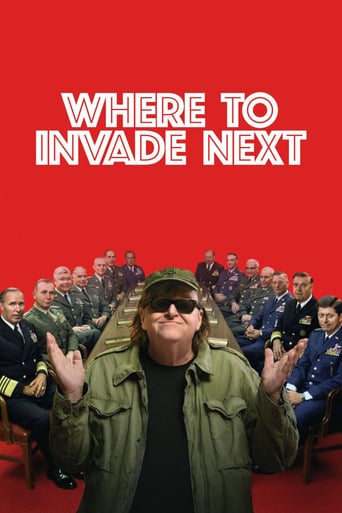
To understand firsthand what the United States of America can learn from other nations, Michael Moore playfully “invades” some to see what they have to offer.
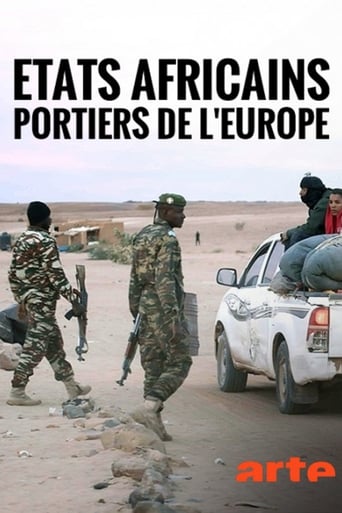
The EU is investing billions to establish African states as its new border guards. It also supports dictatorships that close their borders in return.
Short documentary about folk customs in Nigeria.
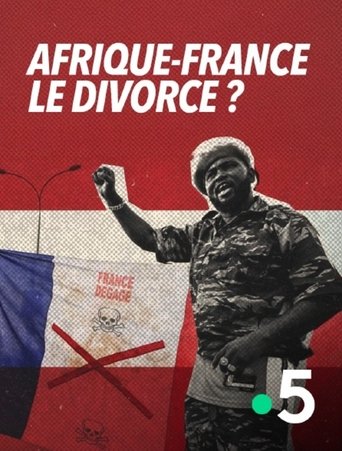
At a time when French flags are being burned and French embassies targeted, this documentary delves into the growing disaffection between French-speaking Africa and the former colonial power. Through the voices of African leaders, pan-African activists, and committed young people, the film questions the persistence of a relationship marked by the aftermath of colonization, the opaque agreements of "Françafrique," and a military presence deemed paternalistic.
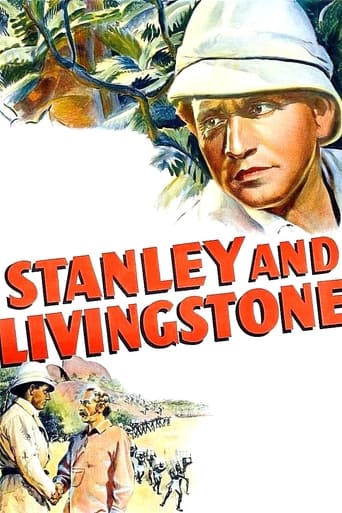
When American newspaperman and adventurer Henry M. Stanley comes back from the western Indian wars, his editor James Gordon Bennett sends him to Africa to find Dr. David Livingstone, the missing Scottish missionary. Stanley finds Livingstone ("Dr. Livingstone, I presume.") blissfully doling out medicine and religion to the happy natives. His story is at first disbelieved.

Namib, an incredible spot is home to the highest sand dunes on Earth, along with 3500 species of plants of incredible diversity, all adapted to the arid climate. Elephants, antelopes, lions, giraffes and rhinoceros roam freely in the Namib with neither fence nor enclosure, as if at the dawn of time. Management of the protected areas has been entrusted to the local people and in particular to the Himba, the dominant tribe of the desert. Underground there are hidden treasures, diamonds, uranium and iron. From the beginning of the 20th century the Namib has attracted miners from all over the world, with an increasing appetite. Today, new mining projects threaten the ecosystem of the region. Olivia crosses the desert from the South to North, sharing the difficult everyday lives of the people of the desert. Exploring this rich but fragile garden of Eden, she attempts to understand why the survival of the desert is so important to the people and animals that live there.

Every evening during exam season, as the sun sets over Conakry, Guinea, hundreds of school children begin a nightly pilgrimage to the airport, petrol stations and wealthy parts of the city, searching for light to study. This evocative and poignant documentary shows how children reconcile their daily lives in one of the worlds poorest countries with their desire to learn.

British explorer Henry Stanley travels to Africa in 1871 seeking missionary David Livingstone.

Intimate story of a Baka family living a traditional life in the rainforests of Cameroun.

Bamako. Several women are illegally evicted from their home in 2008. Their brother, Souleymane Cissé, takes up his camera to look back at his childhood and family history in a country heading for war despite a tradition of tolerance.

A character-driven heartfelt story of resilience and the impact of education. The film follows Angel, Moses and Nina from the slums of Kampala, Uganda through a world tour with the Grammy-nominated African Children's Choir; stunningly shot and told through Angel, Moses and Nina's perspectives on their one shot journey from poverty to education.
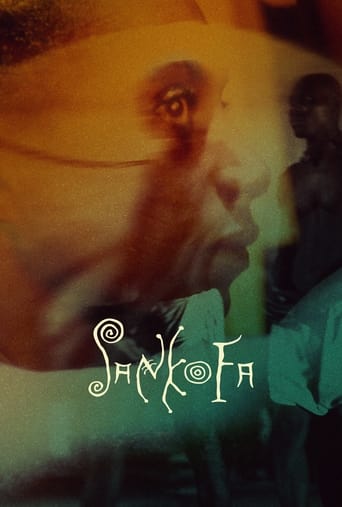
On a photo shoot in Ghana, an American model slips back in time, becomes enslaved on a plantation and bears witness to the agony of her ancestral past.
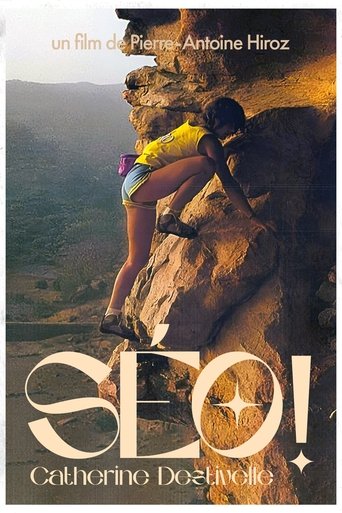
The film shows Catherine Destivelle's trip to Dogon Country, in Mali, where she will make spectacular free solo rock climbing ascents in the sun-warmed cliffs of Bandiagara. Destivelle is accompanied on this trip by a friend climber, Lucien Abbet. A film by Pierre-Antoine Hiroz produced in 1987 by Paradoxe and also featuring Tidjani Koné, Ibrahim Dolo, and the Dogon inhabitants of the Bandiagara Escarpment. The film won the Genziana D'argento for best free climbing film at the Trento Film Festival in 1987.