
Absence
1990-02-28 · 45 min · Not rated
Is it possible to talk about death in war time? This question is exposed through four people who lost friends and relatives in four different Lebanese regions.
Trailers are previews, not full movies.
No authorized playback source configured. Use the legal watch options below.
Production details
- Directors
- Mohamed Soueid
- Production companies
- Unavailable
- Countries
- Lebanon
- Status
- Released
Top Cast
Cast unavailable.
Title information and images are supplied by TMDb. Explore our discovery guide for advice on comparing metadata and legal viewing options.
Where to watch
Availability provided by JustWatch via TMDb. Offers can change. Provider links are listed on TMDb; full playback requires a separately authorized source.
Availability not listed for this country.
Seasons & episodes
Recommendations

Through deeply personal interviews with her siblings and an examination of the photographs, letters, and belongings left behind, Mariska assembles a new portrait of her mother Jayne Mansfield, an extraordinary and complex woman.

In an intimate and joyful story of love in the face of loss, celebrated poets Andrea Gibson and Megan Falley find strength—and unexpected hilarity—in what might be their final year together.

A documentary about ten very different lives connected by having appeared onscreen wearing masks or helmets in Star Wars.

A compilation of over 30 years of private home movie footage shot by Lithuanian-American avant-garde director Jonas Mekas, assembled by Mekas "purely by chance", without concern for chronological order.

From the heights of her modeling fame to her tragic death, this documentary reveals Anna Nicole Smith through the eyes of the people closest to her.

A documentary about the life and films of director John Ford.

Using the book 'Fragments', which collects Marilyn Monroe's poems, notes and letters, and with participation from the Arthur Miller and Truman Capote estates who have contributed more material, each of the actresses will embody the legend at various stages in her life.

This revealing documentary honors the legendary Sidney Poitier—iconic actor, filmmaker, and civil rights activist. Featuring interviews with Denzel Washington, Spike Lee, Halle Berry, and more.

Daniel Craig candidly reflects on his 15 year adventure as James Bond. Including never-before-seen archival footage from Casino Royale to the upcoming 25th film No Time To Die, Craig shares his personal memories in conversation with 007 producers, Michael G Wilson and Barbara Broccoli.

An inside look at one of the most anticipated movie sequels ever with James Cameron and cast.
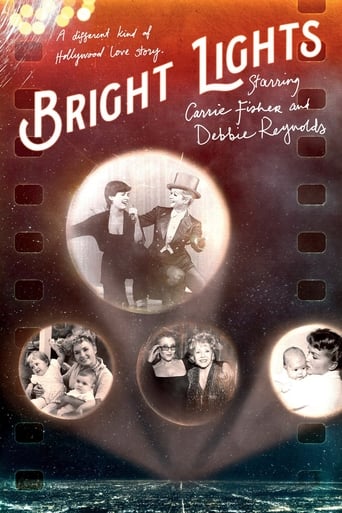
An intimate portrait of Hollywood royalty featuring Debbie Reynolds, Todd Fisher, and Carrie Fisher.

Ranjit, a farmer in India, takes on the fight of his life when he demands justice for his 13-year-old daughter, the victim of a brutal gang rape. His decision to support his daughter is virtually unheard of, and his journey unprecedented.
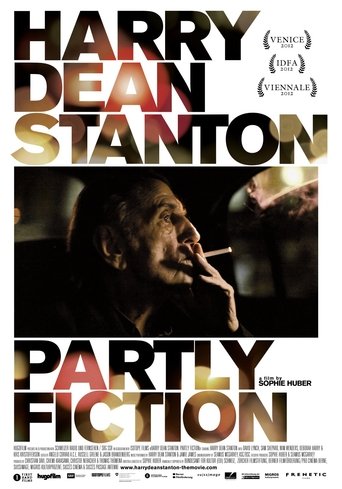
An impressionistic portrait of the iconic actor Harry Dean Stanton comprised of intimate moments, film clips from some of his 250 films and his renditions of American folk songs.

Vanessa Guillen was 20 years old when she was found murdered at a US Army base. Rather than submit to silence, her family fought for justice and change.

When Sgt. First Class Brian Eisch is critically wounded in Afghanistan, it sets him and his sons on a journey of love, loss, redemption and legacy.
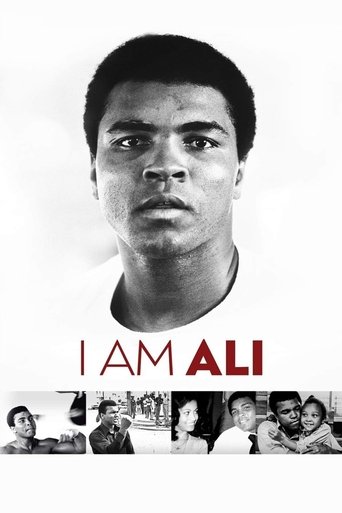
Unprecedented access to Muhammad Ali's personal archive of "audio journals" as well as interviews and testimonials from his inner circle of family and friends are used to tell the legend's life story.

A detailing of the rise to prominence and global sporting superstardom of six supremely talented young Manchester United football players (David Beckham, Nicky Butt, Ryan Giggs, Paul Scholes, Phil and Gary Neville). The film covers the period 1992-1999, culminating in Manchester United's European Cup triumph.

The life and career of one of comedy's most inimitable modern voices, Mr. Gilbert Gottfried.
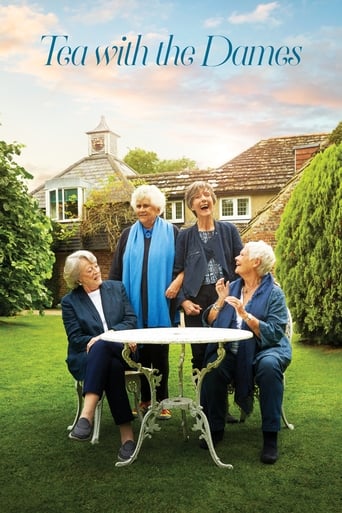
BBC Arena's documentary on the Dames of British Theatre and film featuring Maggie Smith, Eileen Atkins, Judi Dench and Joan Plowright on screen together for the first time as they reminisce over a long summer weekend in a house Joan once shared with Sir Laurence Olivier.

Al Pacino's deeply-felt rumination on Shakespeare's significance and relevance to the modern world through interviews and an in-depth analysis of "Richard III."
Similar titles
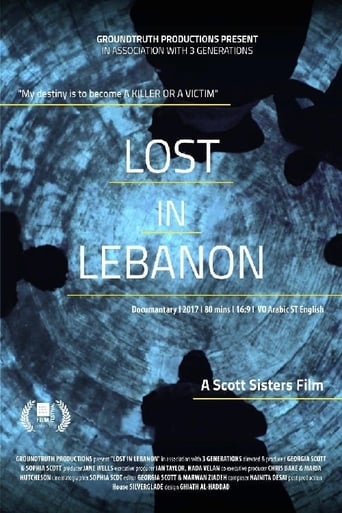
As the Syrian war continues to leave entire generations without education, health care, or a state, Lost in Lebanon closely follows four Syrians during their relocation process. The resilience of this Syrian community, which currently makes up one fifth of the population in Lebanon, is astoundingly clear as its members work hard to collaborate, share resources, and advocate for themselves in a new land. With the Syrian conflict continuing to push across borders, lives are becoming increasingly desperate due to the devastating consequences of new visa laws that the Lebanese government has implemented, leaving families at risk of arrest, detention, and deportation. Despite these obstacles, the film encourages us to look beyond the staggering statistics of displaced refugees and focus on the individuals themselves.
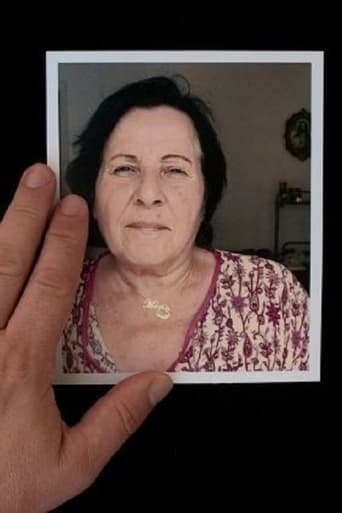
Severely battered from the Beirut Port Explosion on August 4th, Minerva passed away eight days later. Her son Joseph, while still grieving for his loss, sunk into a long and absurd bureaucratic path through the inept system that disowned his mother as a victim of the blast. Minerva is gone. The explosion has snatched her soul, and the city walls have not yet recognized her as a martyr. There is no poster of her smiling face among those of the victims. Their faces are memories that will haunt us for the rest of our lives. Perhaps her son, devastated by her passing, seeks to etch her image into the city's memory. Perhaps he is seeking some confession to the crime. This is a place that casts out its children, whether dead or alive.
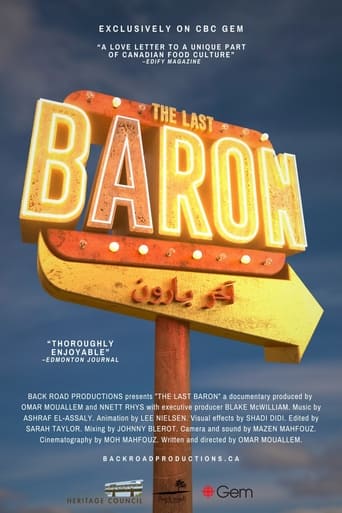
The meaty saga of Burger Baron, a rogue fast-food chain with mysterious origins and a cult following, run by a loose network of fiercely independent Arab Canadian immigrants.
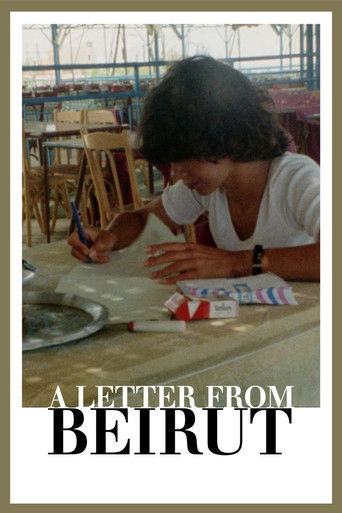
Letter from Beirut documents the filmmaker's return to Beirut during one of the lulls, three years after the outbreak of the civil war, animated by the urge to return. She is confronted by the physical, emotional and psychological ravages of the war, terrified and sorrowful, she cannot find her place in the city. In that quest, she communicates with everyday people, friends, neighbors, people riding the bus across the city's eastern and western flanks. To pace her journeying and dramatic unraveling of the film, Saab borrows the guise of a letter read in a voice-over, written by world-renowned poet Etel Adnan. A rare document from the civil war, Letter from Beirut lays bare and spontaneously how people make sense of their everyday in the midst of chaos, violence, terror and sorrow.
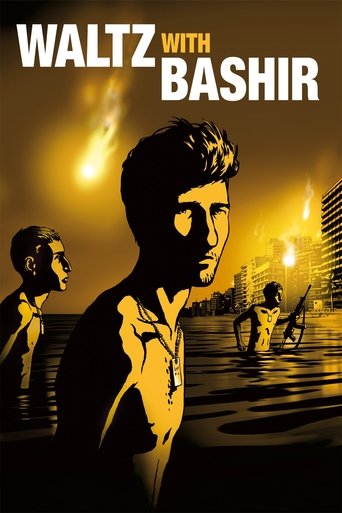
A film director from Israel interviews fellow veterans of the 1982 invasion of Lebanon to reconstruct his own memories of his term of service in that conflict.
Filmed in Beirut in the Spring of 1984, in many ways a letter about warfront.
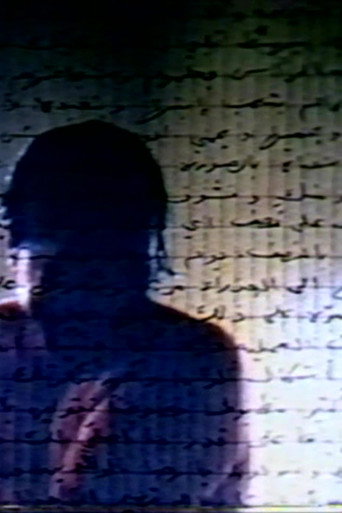
In this video, the artist tries to overcome the effects of distance, and reflects on geography represented in exile due to war, and on the psychological distance represented in each one’s approach to her womanhood. The video beautifully weaves personal images and audio recordings of a very intimate nature, binding the personal with the political. Reading aloud from letters sent by her mother in Beirut, Hatoum creates a visual montage reflecting her feelings of separation and isolation from her Palestinian family. The personal and political are inextricably bound in a narrative that explores personal and family identity against a backdrop of traumatic social rupture, exile and displacement.

Mohammed, the son of a simple worker, lives in the city of Alexandria with his father and dreams of moving to Cairo to become a filmmaker. In Cairo, Mohammed meets Salma and Bassam and is impressed by their self-confidence. When he discovers that Salma and Bassam’s parents were left-wing activists from the 1970s, he looks for a similar sense of purpose in his own father’s life. As he compares lives, Mohammed the filmmaker discovers answers. More importantly, he is led to new questions that connect the past with the present.
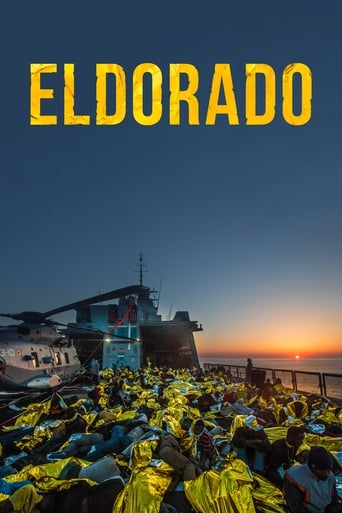
Drawing inspiration from his personal encounter with the Italian refugee child Giovanna during World War II, Markus Imhoof tells how refugees and migrants are treated today: on the Mediterranean Sea, in Lebanon, in Italy, in Germany and in Switzerland.
“Al Makhtufun” won the 1998 Best Short Documentary Film Award at the Mediterranean Film Festival for highlighting the issue of abducted Lebanese. The film raises two major issues: The abductee’s physical absence and his spiritual presence among his family members, and the parents silently wishing his return. The documentary looks at documents kept by Wadad, a mother who decides to step outside her comfort zone and share her papers and forms when other parents would not.
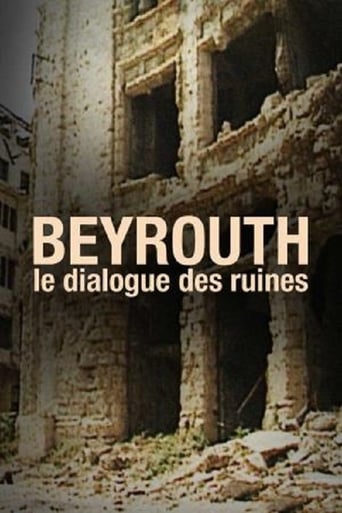
Architecture in Beirut was the second greatest victim of the civil war, with pages of ancient and modern history erased by the end of the conflict. This documentary interviews citizens calling for a reconstruction plan that would preserve Beirut’s spirit of culture and openness.
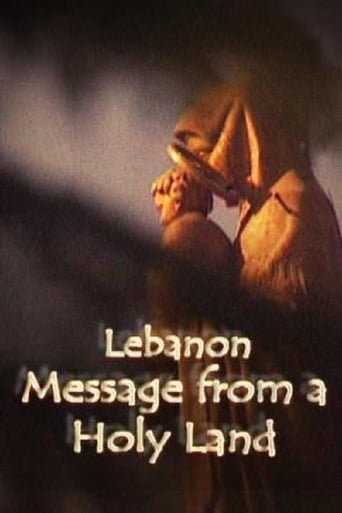
Directed by Bahij Hojeij, “Lebanon, Message from a Holy Land” visits Lebanon’s many ancient Christian holy sites. The documentary focuses especially on the Qadisha Valley, home to several historical monastaries and very old Christian churches.
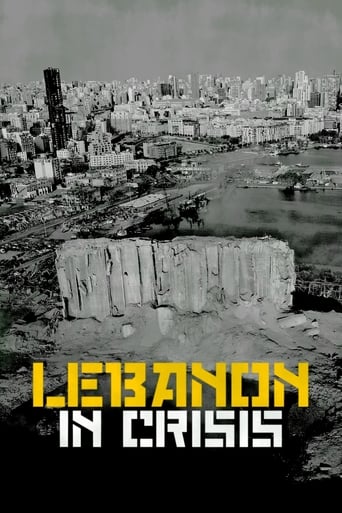
The apocalyptic blast in the Port of Beirut, Lebanon, on August 4, 2020, exacerbates anger at those in power: protests cross religious boundaries as the Lebanese people curse corruption, nepotism, gross economic mismanagement and squandering of resources. How did the Land of Cedars, a country with so much to offer, allow itself to get into such a dire situation? And will it be able to bounce back?
Yallah! Underground follows some of today’s most influential and progressive artists in Arab underground culture from 2009 to 2013 and documents their work, dreams and fears in a time of great change for Arab societies. In a region full of tension, young Arab artists in the Middle East have struggled for years to express themselves freely and to promote more liberal attitudes within their societies. During the Arab Spring, like many others of this new generation, local artists had high hopes for the future and took part in the protests. However, after years of turmoil and instability, young Arabs now have to challenge both old and new problems, being torn between feelings of disillusion and a vague hope for a better future.
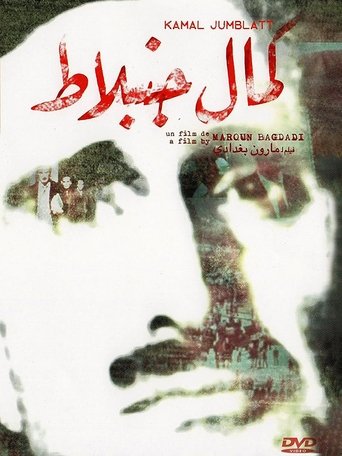
Tribute to the Druze Kamal Jumblatt, Minister of Economy and Agriculture (1946) and founder of the Progressive Socialist Party (PSP) in 1949. He was one of the architects of the departure of President Bechara el-Khoury (1952), before playing a major role in the events of 1958. From 1960 to 1964, Kamal Jumblatt assumed, under the presidency of Fouad Chehab, various ministerial functions . . After the conflict of June 1967, he gradually approached the Palestinian organizations. In 1969 he became Minister of the Interior; in August 1970, he supported the election of Soleiman Frangié as President of the Republic. Following the Lebanese-Palestinian clashes of May 1973, he took sides against the head of state, established himself as the leader of the National Movement in 1975 and engaged in a revolutionary armed struggle against the Lebanese Front. Hostile to Syria's intervention in Lebanon, he broke with it (March 1976). He was assassinated near a Syrian checkpoint in 1977.
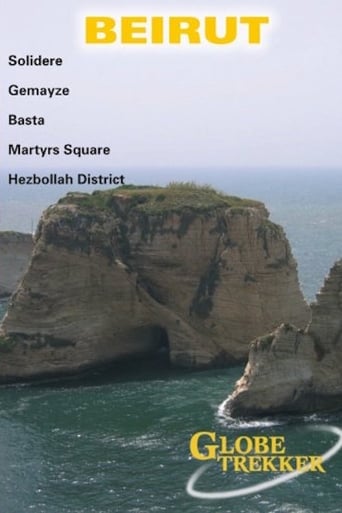
Beirut, Lebanon's capital has a long history of political and social unrest that still makes headlines today. Globe Trekker's Beirut City Guide captures the city in more optimistic days, two weeks before the latest outbreak of hostilities in Lebanon between Israeli and Hezbollah forces in July 2006. Globe Trekker Megan McCormick explores the neighborhoods of Basta, Solidere, Gemayze and the Hezbollah District and finds a city in the midst of regeneration. She gets a glimpse at Beirut's future when meeting up with a group of young Arabic hip hop artists, who are eager to live in peace and put the country's political troubles in the past.
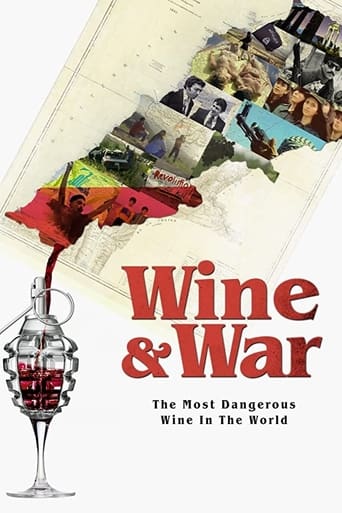
WINE and WAR is a documentary about one of the the oldest winemaking regions on earth and the resilience of the Lebanese entrepreneurial spirit seen through the lens of war and instability.
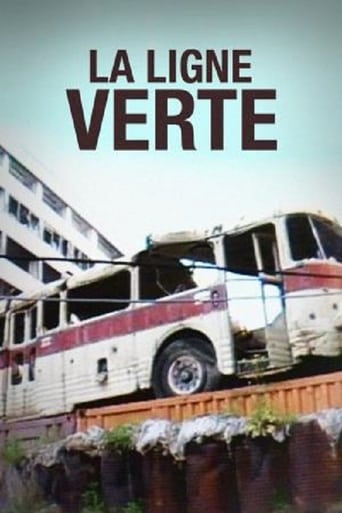
Bahij Hojeij’s documentary studies the infamous Green Line between east and west Beirut during the civil war.

The capital of Lebanon burns through photo-chemical manipulation, specifically variations on Mordançage and Chromaflex film processing techniques. Still, the images from one of the oldest cities in the world remain recognizable... The footage is almost entirely edited in camera. The sound design includes field recordings, modular synthesizers, and Buzuk samples by Bob Lachapelle.
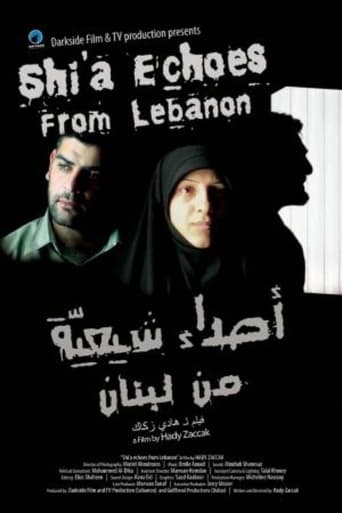
This political documentary by Hady Zaccak delves into the world of Lebanese Shiites through interviews with three Shiite youths, each with a different political and ideological affiliation, in addition to a very valuable interview with late Shiite cleric Sayyed Hani Fahs. The documentary explores the Shiites’ relation to Beirut’s Dahiyeh suburb, a Shiite stronghold, as well as the difference between the political and social perspectives of these youths.