
Blue Movie
1970-01-01 · 4 min · ★ 4.5
Blue Movie was made for the international Dome Show where it was projected down onto the muslin surface of David Rimmer's geodesic dome. The audience lay on the floor looking up at it, the inside of each eye finishing the globe. Preserved by the Academy Film Archive in 2013.
Trailers are previews, not full movies.
No authorized playback source configured. Use the legal watch options below.
Production details
- Directors
- David Rimmer
- Production companies
- Unavailable
- Countries
- Unavailable
- Status
- Released
Top Cast
Cast unavailable.
Title information and images are supplied by TMDb. Explore our discovery guide for advice on comparing metadata and legal viewing options.
Where to watch
Availability provided by JustWatch via TMDb. Offers can change. Provider links are listed on TMDb; full playback requires a separately authorized source.
Availability not listed for this country.
Seasons & episodes
Recommendations

Donald continually heckles Mickey's magic act, but Mickey bests him at every turn. Donald shoots off a magic pistol that causes all the stage props to fall down on them at the finish of the act.

Mickey buys a boat kit, and enlists Goofy and Donald to help assemble it. The plans say, "so simple a child could do it", so of course, they have their share of troubles. But before long, they're ready to launch the Queen Minnie, with appropriate fanfare, at which time, all the collapsible parts collapse.
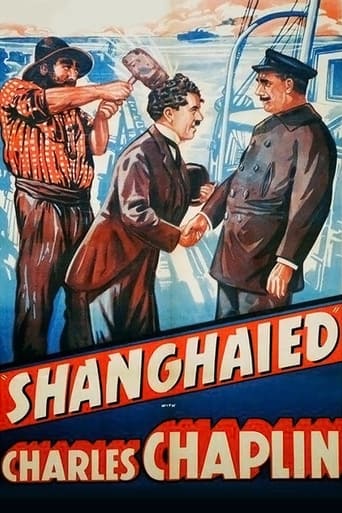
A shipowner intends to scuttle his ship on its last voyage to get the insurance money. Charlie, a tramp in love with the owner's daughter, is grabbed by the captain and promises to help him shanghai some seamen. The daughter stows away to follow Charlie. Charlie assists in the galley and attempts to serve food during a gale.
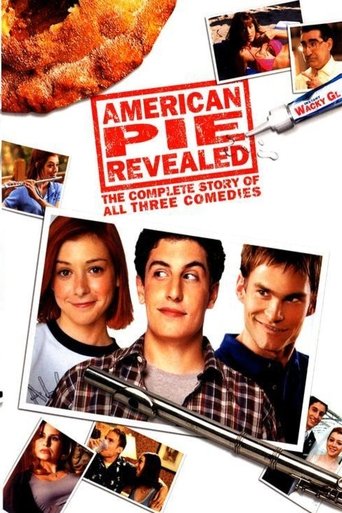
Documentary about the making of American Pie (1999), American Pie 2 (2001) and American Wedding (2003).
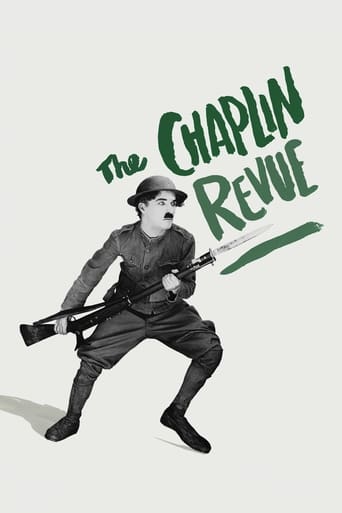
Three Chaplin silent comedies "A Dog's Life", "Shoulder Arms", and "The Pilgrim" are strung together to form a single feature length film. Chaplin provides new music, narration, and a small amount of new connecting material. "Shoulder Arms" is now described as taking place in a time before "the atom bomb".

Stan and Ollie join the French Foreign Legion after Ollie's sweetheart rejects him.

Woody Allen stars as Val Waxman, a two-time Oscar winner turned washed-up, neurotic director in desperate need of a comeback. When it comes, Waxman finds himself backed into a corner: Work for his ex-wife Ellie or forfeit his last shot. Is Val blinded by love when he opts for the reconnect? Is love blind when it comes to Ellie's staunch support? Literally and figuratively, the proof is the picture.
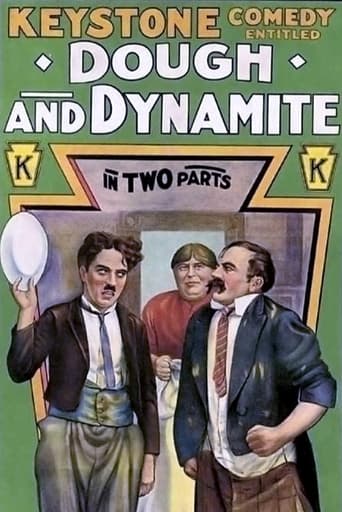
Pierre and Jacques are working as waiters at a restaurant where the cooks go on strike. When the two are forced to work as bakers, the striking cooks put dynamite in the dough, with explosive results.

After his wife is kidnapped by a group of White supremacists, a record producer teams up with a PR man and a martial artist to get her back and put a stop to their plot to poison the water supply with a toxin that only kills Black people.
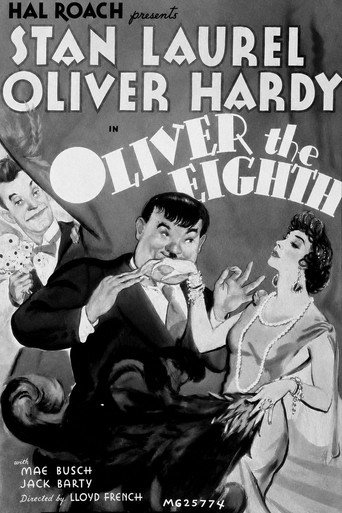
Barbershop owners Stan and Ollie answer an ad in the newspaper from a wealthy widow looking for a husband. Ollie only mails in his response and is invited to the widow's mansion. Stan discovers his unmailed letter and insists on tagging along. At the mansion, the widow's creepy butler informs them that the woman is crazy. She was once jilted by an Oliver and now her hobby is marrying Olivers and then slitting their throats. Now the boys must figure out how to escape.

On the morning of his wedding to oil baron Peter Cucumber's daughter, Ollie receives a jigsaw puzzle from Stan as a wedding gift. The boys soon become absorbed in the puzzle. A taxi driver, butler, policeman and messenger boy join in as well.
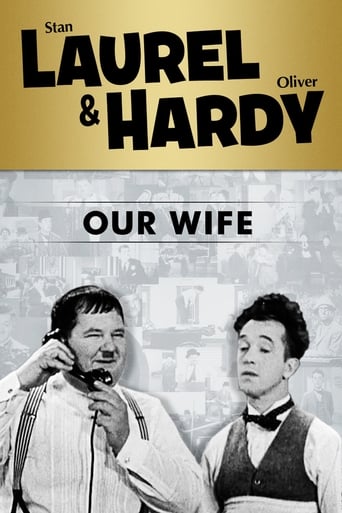
Oliver is making plans to marry his sweetheart Dulcy with Stan as his best man, but the plans are thwarted when Dulcy's father sees a picture of Ollie and forbids the marriage. The couple plan to elope, and run away to a Justice of the Peace. After typical Laurel and Hardy blundering, they manage to sneak the girl away from her father's house.

Stan and Ollie are greeting card salesmen who agree to help a woman put a spark in her loveless marriage by making her husband jealous.
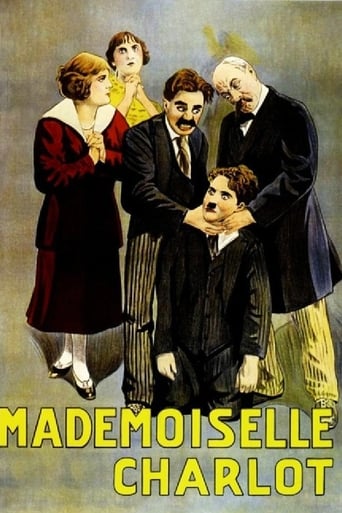
Mother, father and daughter go to the park. The women doze off on a bench while the father plays a hide-and-seek game with a girl, blindfolded. Charlie leads him into a lake. Both dozing ladies on the bench fall for Charlie and invite him for dinner. The father returns home with a friend. Charlie rushes upstairs and dresses like a woman, shaving his mustache. Both men fall for Charlie.
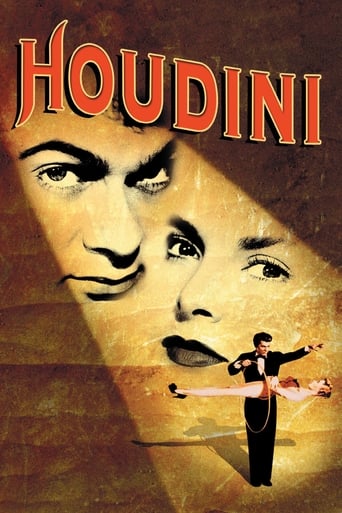
By the early 1900s, the extraordinary Houdini earned an international reputation for his theatrical tricks and daring feats of extrication from shackles, ropes, handcuffs and... Scotland Yard's jails.
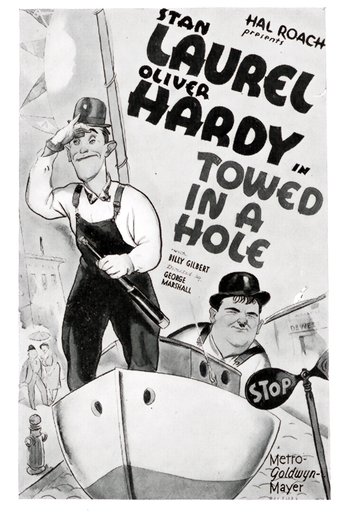
Although they are successful fishmongers, Stan convinces Ollie that they should become fishermen too, but making a boat seaworthy isn't an easy task.

The definitive 3½-hour documentary about the troubled creation and enduring legacy of the science fiction classic 'Blade Runner', culled from 80 interviews and hours of never-before-seen outtakes and lost footage.

A down on his luck young man makes several attempts at committing suicide but fails them too. He then finds himself becoming more confident through a series of petty adventures, to such an extent that this becomes his undoing.
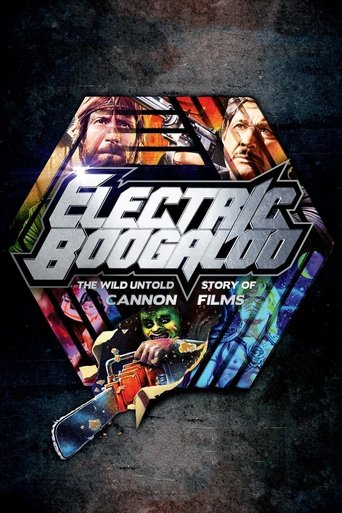
A documentary about the rise and fall of the Cannon Film Group, the legendary independent film company helmed by Israeli cousins Menahem Golan and Yoram Globus.
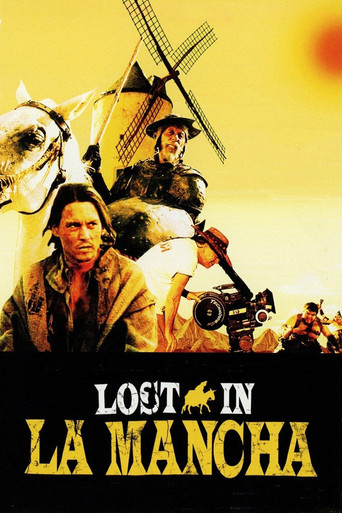
Fulton and Pepe's 2000 documentary captures Terry Gilliam's attempt to get The Man Who Killed Don Quixote off the ground. Back injuries, freakish storms, and more zoom in to sabotage the project.
Similar titles
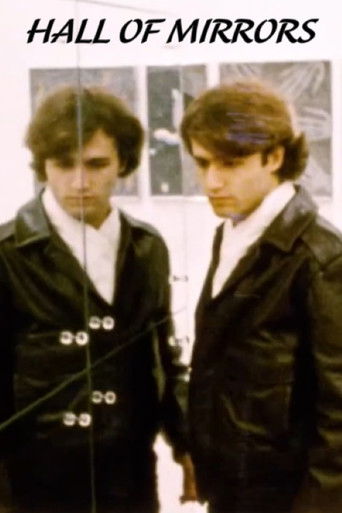
This film is an outgrowth of one of Sonbert's film classes at NYU, in which he was given outtakes from a Hollywood film photographed by Hal Mohr to re-edit into a narrative sequence. Adding to this found footage, Sonbert filmed Warhol's superstars Rene Ricard and Gerard Malanga in more private and reflective moments. -- Jon Gartenberg. Preserved by the Academy Film Archive in partnership with Estate Project for Artists with AIDS in 1998.
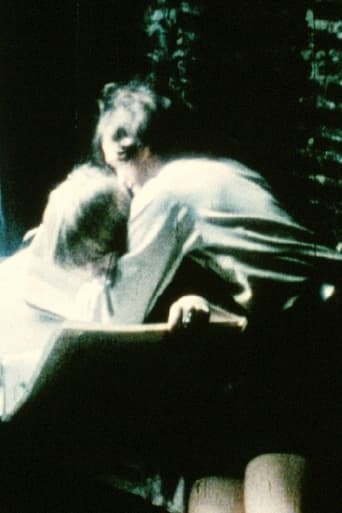
One of the most profound themes coursing throughout Sonbert's work is that of love between couples in all its pitfalls and perfect moments. To express this theme between his protagonists onscreen as well as in the relationship between his ever-roving hand-held camera and the human subjects in his field of vision, Sonbert employed diverse cinematic strategies, including in-camera editing (in The Bad and the Beautiful), twin-screen effects (in Ted and Jessica), and montage of discrete shots filmed in distinct spaces (in Honor and Obey). -- Jon Gartenberg. Preserved by the Academy Film Archive in partnership with the Estate Project for Artists with AIDS in 1998.
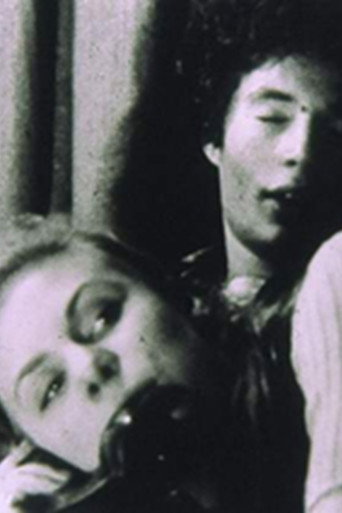
Truth Serum is a rare work by Sonbert made in New York City in 1967. The completed film (that is missing its original soundtrack) provides a unique glimpse into his life and friends at the time including fellow filmmakers Nathaniel Dorsky and Jerome Hiller. Preserved by the Academy Film Archive in partnership with Estate Project for Artists with AIDS in 1998.
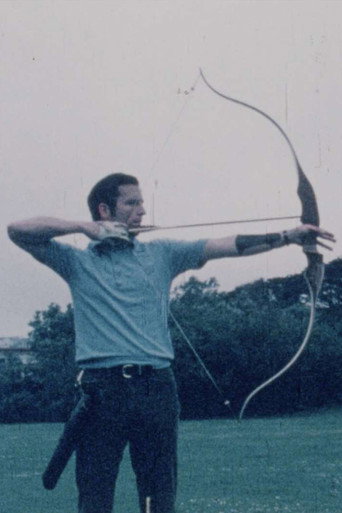
Sonbert's vivid color palette enhances the ritualistic nature of each action observed. Set against this lush panorama, Sonbert subverts the expectation of classic cinematography with a liberal sprinkling of avant-garde techniques. The incorporation of the materiality of film, the treatment of light, and the use of a hand-held camera, all suggest the influence of Stan Brakhage (Sonbert's "hero"). Sonbert's use of the shot as the foundation of his silent montage works parallels the use of the frame as the basic filmmaking unit in the films of Gregory Markopoulos (Sonbert's "mentor"). -- Jon Gartenberg. Preserved by the Academy Film Archive in 1998.
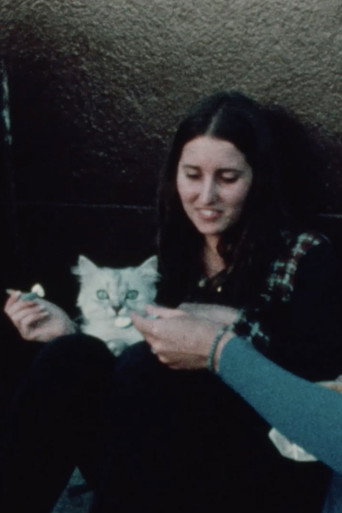
Warren Sonbert described Divided Loyalties as a film 'about art vs. industry and their various crossovers.' According to film critic Amy Taubin, "There is a clear analogy between the filmmaker and the dancers, acrobats and skilled workers who make up so much of his subject matter." -- Jon Gartenberg. Preserved by the Academy Film Archive in partnership with Estate Project for Artists with AIDS in 1998.
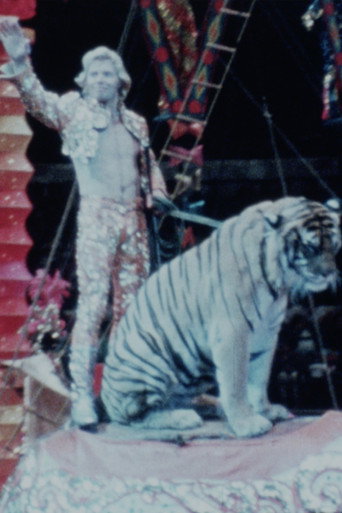
The style is relatively unchanged, but the images--press conferences, news events, disasters--convey his vision of the world in a new, direct, political fashion. Featuring startling footage of the City Hall riots after Councilman Dan White received a light prison sentence for slaying San Francisco Mayor George Moscone and Supervisor Harvey Milk, Noblesse Oblige opens a new chapter on Sonbert's career. --David Ehrenstein, LA Reader. Preserved by the Academy Film Archive in partnership with Estate Project for Artists with AIDS in 1998.
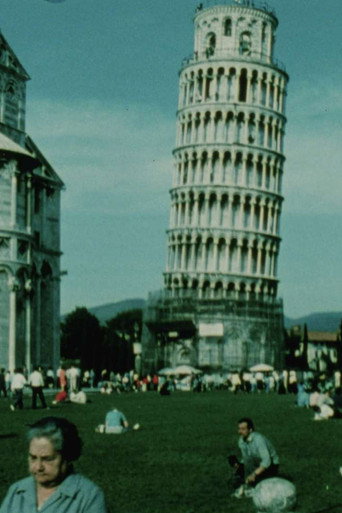
The Cup and the Lip is a complex and challenging picture that will stimulate adventurous filmmakers for years to come. Although its imagery is too dense, varied and fast-moving to be thoroughly parsed after one viewing, the film appears to be a regretful and perhaps sardonic essay on human frailty--and on the effort to stave off chaos by means of political and religious institutions, which carry their own dangers of social control and mental manipulation.

In Warren Sonbert's Honor and Obey soldiers march in formation, a tiger stalks through the snow, religious processions wind through the streets, and palm trees wave in a tropical breeze. As brightly colored images of authority figures blend into scenes of cocktail parties, this 21-minute silent film flows along with the grace of a musical score built on complex tensions hidden among the notes. "Whose authority will you obey?" the film seems to ask, as it deftly avoids simple-minded juxtapositions. Instead, we see a melange of images so full of geography (Notre Dame Cathedral, the Sydney Opera House, Fifth Avenue), that the work mocks the idea of any specific setting. -- Caryn James, The New York Times. Preserved by the Academy Film Archive, in partnership with Estate Project for Artists with AIDS, in 1998.
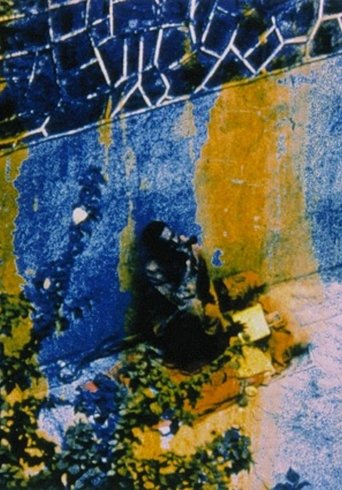
In Friendly Witness, Sonbert returned, after 20 years, to sound. In the first section of the film, he deftly edits a swirling montage of images - suggestive of loves gained and love lost--to the tunes of four rock songs. Fred Camper said, "At times the words of the songs seem to relate directly to the images we see...; at other times words and images seem to be working almost at cross-purposes or relating only ironically. Similarly, at times the image rhythm and music rhythm appear to dance together, while at others they go their separate ways." -- Jon Gartenberg. Preserved by the Academy Film Archive in partnership with Estate Project for Artists with AIDS in 1998.
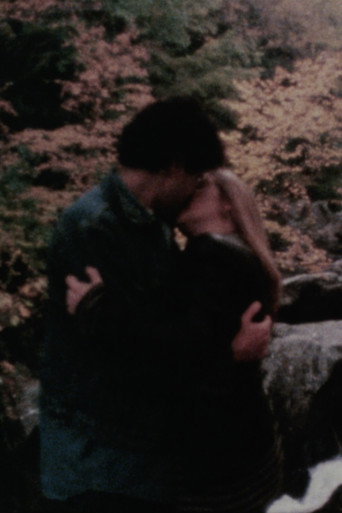
During the years preceeding his death, Sonbert channeled his energy into making Whiplash. His vision and motor skills impaired, he gave his companion, Ascension Serrano, detailed instructions about the assembly of specific shots and the music to be used as a counterpoint to the images. Before his death in 1995, he asked filmmaker Jeff Scher (a former student of Sonbert's at Bard) to complete the film. --Jon Gartenberg. Preserved by the Academy Film Archive in partnership with Estate Project for Artists with AIDS in 1996.

In Flesh Flows we see a balance of Beckett’s keen drawing ability, in the probing erotic forms, and his technical acuity, which transforms the carnal images into a compelling, transcendent experience. Preserved by the Academy Film Archive in partnership with iotaCenter and National Film Preservation Foundation in 2007.
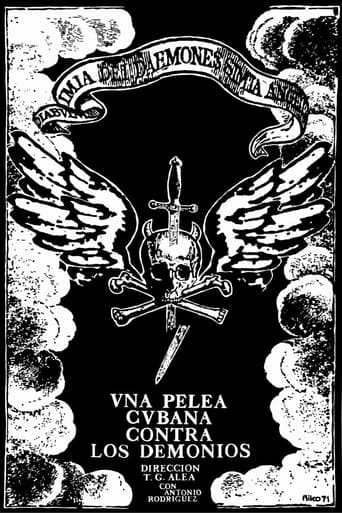
In 1672 Cuban revolutionaries launch an uprising against the Spanish who are occupying the country. Preserved by the Academy Film Archive in 2017.
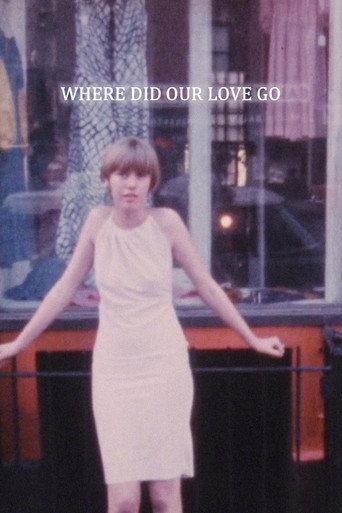
Warhol Factory days... serendipity visits, Janis and Castelli and Bellevue glances... Malanga at work ... glances at Le Mépris and North by Northwest... girl rock groups and a disco opening... a romp through the Modern. My second film. Preserved by the Academy Film Archive in partnership with Estate Project for Artists with AIDS in 1998.
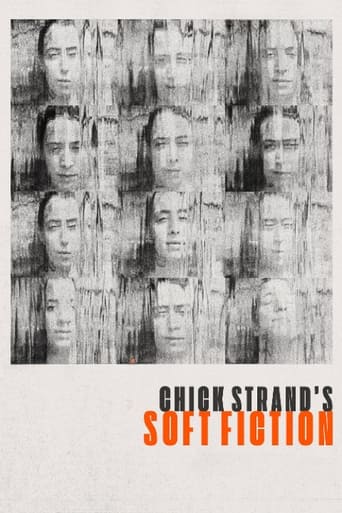
Chick Strand's SOFT FICTION is a personal documentary that brilliantly portrays the survival power of female sensuality. It combines the documentary approach with a sensuous lyrical expressionism. Strand focuses her camera on people talking about their own experience, capturing subtle nuances in facial expressions and gestures that are rarely seen in cinema. Preserved by the Academy Film Archive in partnership with The Film Foundation in 2015.

"Whereas SQUARE INCH FIELD was composed largely in the camera, Rimmer's next film, MIGRATION, made full use of rear-projection rephotography, stop-framing, and slow motion. The migration of the title is interpreted as the flight of a ghost bird through aeons of space/time, through the micro-macro universe, through a myriad of complex realities. A seagull is seen flying gracefully in slow motion against a grainy green sky; suddenly the frame stops, warps and burns, as though caught in the gate of the projector. Now begins an alternation of fast and slow sequences in which the bird flies through time-lapse clouds and fog and, in a stroboscopic crescendo, hurtles into the sun's corona. Successive movements of the film develop rhythmic, organic counterpoints in which cosmic transformations send jelly fish into the sky and ocean waves into the sun." - Gene Youngblood. Preserved by the Academy Film Archive in 2014.

"Treefall" was originally made for a dance performance at the Vancouver Art Gallery, April, 1970. Structured in the form of two loops of high-contrast images of trees falling, reprinted and overlapped. Preserved by the Academy Film Archive in 2014.

With an irresistible humour, Rimmer speculates in The Dance on the nature of the film loop. We see a (1920s) couple whilring around a dance floor at a dizzying pace... Uncanny in its ability to evoke complexity of responses from a simplicity of means. Preserved by the Academy Film Archive in 2015.

In three virtuosic sequences created entirely in-camera, Benning alternates contrary camera movements in a trio of Chicago locations with increasing rapidity to a point where they first fracture and then merge in the viewer’s eye. Preserved by the Academy Film Archive in partnership with Austrian Film Museum in 2013.

This short focuses on the job of the costume designer in the production of motion pictures. The costume designer must design clothing that is correct for the film historically and geographically, and must be appropriate for the mood of the individual scene. We see famed costume designer Edith Head at work on a production. The Costume Designer was part of The Industry Film Project, a twelve-part series produced by the film studios and the Academy. Each series episode was produced to inform the public on a specific facet of the motion picture industry. Preserved by the Academy Film Archive in 2012.
One of Brakhage's series of short films painted directly on film, from 1999. Preserved by the Academy Film Archive in 2013.