
Prisoners of War
1995-01-01 · 64 min · ★ 6.0
This haunting film comprises of footage shot during WWI from opposite sides of the conflict: Czarist Russia and the Austro-Hungarian empire. The filmmakers tinted the material with sensual colors from sepia to red, blue, and purple and slowed the footage to analyze the material. The total absence of commentary renders the material eloquent and disturbing. - MoMA
Trailers are previews, not full movies.
No authorized playback source configured. Use the legal watch options below.
Production details
- Directors
- Angela Ricci Lucchi, Yervant Gianikian
- Production companies
- Unavailable
- Countries
- Italy
- Status
- Released
Top Cast
Cast unavailable.
Title information and images are supplied by TMDb. Explore our discovery guide for advice on comparing metadata and legal viewing options.
Where to watch
Availability provided by JustWatch via TMDb. Offers can change. Provider links are listed on TMDb; full playback requires a separately authorized source.
Availability not listed for this country.
Seasons & episodes
Recommendations

A love letter from a young mother to her daughter, the film tells the story of Waad al-Kateab’s life through five years of the uprising in Aleppo, Syria as she falls in love, gets married and gives birth to Sama, all while cataclysmic conflict rises around her. Her camera captures incredible stories of loss, laughter and survival as Waad wrestles with an impossible choice– whether or not to flee the city to protect her daughter’s life, when leaving means abandoning the struggle for freedom for which she has already sacrificed so much.

Amid the failing counteroffensive, a journalist follows a Ukrainian platoon on their mission to traverse one mile of heavily fortified forest and liberate a strategic village from Russian occupation. But the farther they advance through their destroyed homeland, the more they realize that this war may never end.

Pete Postlethwaite stars as a man living alone in the devastated future world of 2055, looking at old footage from 2008 and asking: why didn’t we stop climate change when we had the chance?

When Sgt. First Class Brian Eisch is critically wounded in Afghanistan, it sets him and his sons on a journey of love, loss, redemption and legacy.

Prelude to War was the first film of Frank Capra's Why We Fight propaganda film series, commissioned by the Pentagon and George C. Marshall. It was made to convince American troops of the necessity of combating the Axis Powers during World War II. This film examines the differences between democratic and fascist states.

“The Soviet Story” is a story of an Allied power, which helped the Nazis to fight Jews and which slaughtered its own people on an industrial scale. Assisted by the West, this power triumphed on May 9th, 1945. Its crimes were made taboo, and the complete story of Europe’s most murderous regime has never been told. Until now...
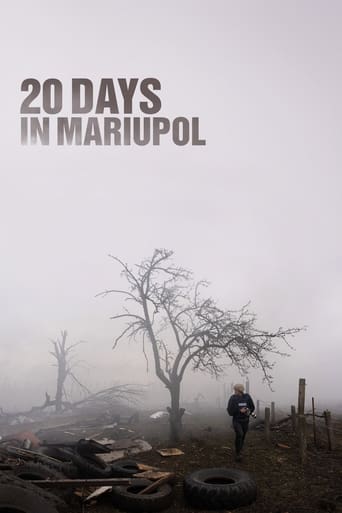
As the Russian invasion begins, a team of Ukrainian journalists trapped in the besieged city of Mariupol struggle to continue their work documenting the war's atrocities.
Documentary about the art of film editing. Clips are shown from many groundbreaking films with innovative editing styles.

Documentary filmmaker Amy Berg investigates the life of 30-year pedophile Father Oliver O'Grady and exposes the corruption inside the Catholic Church that allowed him to abuse countless children. Victims' stories and a disturbing interview with O'Grady offer a view into the troubled mind of the spiritual leader who moved from parish to parish gaining trust ... all the while betraying so many.

Set both in Latin America and the United States, the film explores the historic and current relationship of Washington with countries such as Venezuela, Bolivia and Chile. Pilger says that the film "...tells a universal story... analysing and revealing, through vivid testimony, the story of great power behind its venerable myths. It allows us to understand the true nature of the so-called "war on terror". According to Pilger, the film’s message is that the greed and power of empire is not invincible and that people power is always the "seed beneath the snow".

A documentary about World War I with never-before-seen footage to commemorate the centennial of Armistice Day, and the end of the war.

In the Realms of the Unreal is a documentary about the reclusive Chicago-based artist Henry Darger. Henry Darger was so reclusive that when he died his neighbors were surprised to find a 15,145-page manuscript along with hundreds of paintings depicting The Story of the Vivian Girls, in What is Known as the Realms of the Unreal, of the Glodeco-Angelinnian War Storm, Cased by the Child Slave Rebellion.

Musician and performance artist Laurie Anderson reflects on the deaths of her husband Lou Reed, her mother and her beloved dog.
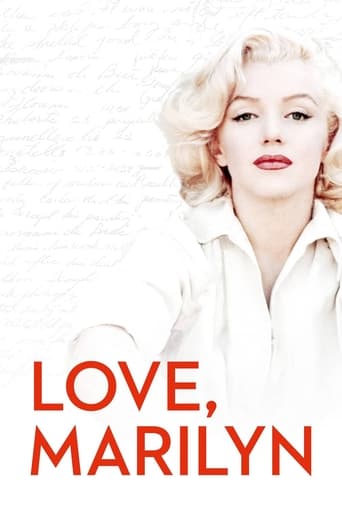
Using the book 'Fragments', which collects Marilyn Monroe's poems, notes and letters, and with participation from the Arthur Miller and Truman Capote estates who have contributed more material, each of the actresses will embody the legend at various stages in her life.
With unprecedented access, this documentary follows the extraordinary journey of “Raqqa is Being Slaughtered Silently”—a group of anonymous citizen journalists who banded together after their homeland was overtaken by ISIS—as they risk their lives to stand up against one of the greatest evils in the world today.
During the chaotic final weeks of the Vietnam War, the North Vietnamese Army closes in on Saigon as the panicked South Vietnamese people desperately attempt to escape. On the ground, American soldiers and diplomats confront a moral quandary: whether to obey White House orders to evacuate only U.S. citizens.

This documentary movie is about the battle of San Pietro, a small village in Italy. Over 1,100 US soldiers were killed while trying to take this location, that blocked the way for the Allied forces from the Germans. Preserved by the Academy Film Archive in 2005.
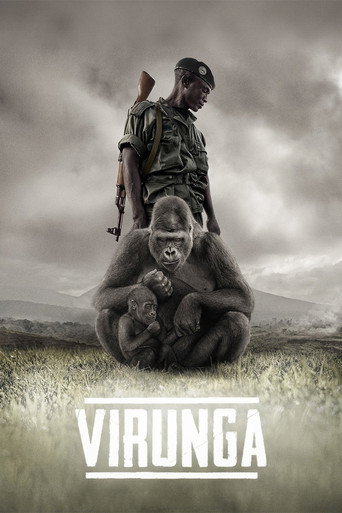
Virunga in the Democratic Republic of the Congo is Africa's oldest national park, a UNESCO world heritage site, and a contested ground among insurgencies seeking to topple the government that see untold profits in the land. Among this ongoing power struggle, Virunga also happens to be the last natural habitat for the critically endangered mountain gorilla. The only thing standing in the way of the forces closing in around the gorillas: a handful of passionate park rangers and journalists fighting to secure the park's borders and expose the corruption of its enemies. Filled with shocking footage, and anchored by the surprisingly deep and gentle characters of the gorillas themselves, Virunga is a galvanizing call to action around an ongoing political and environmental crisis in the Congo.
The final entry in a trilogy of films produced for the U.S. government by John Huston. Some returning combat veterans suffer scars that are more psychological than physical. This film follows patients and staff during their treatment. It deals with what would now be called PTSD, but at the time was categorised as psychoneurosis or shell-shock. Government officials deemed this 1946 film counterproductive to postwar efforts; it was not shown publicly until 1981.

Marcel Ophuls' riveting film details the heinous legacy of the Gestapo head dubbed "The Butcher of Lyon." Responsible for over 4,000 deaths in occupied France during World War II, Barbie would escape—with U.S. help—to South America in 1951, where he lived until a global manhunt led to his 1983 arrest and subsequent trial.
Similar titles
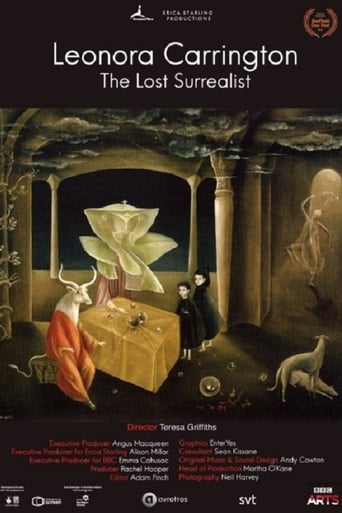
British surrealist Leonora Carrington was a key part of the surrealist movement during its heyday in Paris and yet, until recently, remained a virtual unknown in the country of her birth. This film explores her dramatic evolution from British debutante to artist in exile, living out her days in Mexico City, and takes us on a journey into her darkly strange and cinematic world.
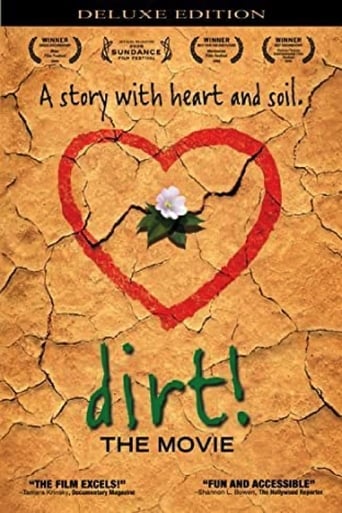
A look at man's relationship with Dirt. Dirt has given us food, shelter, fuel, medicine, ceramics, flowers, cosmetics and color --everything needed for our survival. For most of the last ten thousand years we humans understood our intimate bond with dirt and the rest of nature. We took care of the soils that took care of us. But, over time, we lost that connection. We turned dirt into something "dirty." In doing so, we transform the skin of the earth into a hellish and dangerous landscape for all life on earth. A millennial shift in consciousness about the environment offers a beacon of hope - and practical solutions.
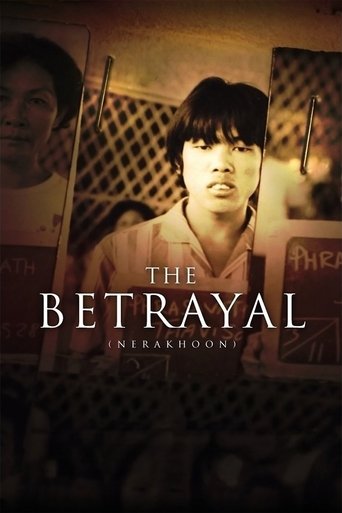
Co-directed by acclaimed cinematographer Ellen Kuras and subject Thavisouk Phrasavath, this haunting documentary chronicles a refugee family’s epic journey from Laos in the aftermath of the secret war waged by the United States there to New York, where they find themselves fighting a different kind of war on the streets of Brooklyn. Filmed over the course of 23 years, THE BETRAYAL is a visually and emotionally stunning look at the complex ways in which the political shapes the personal.
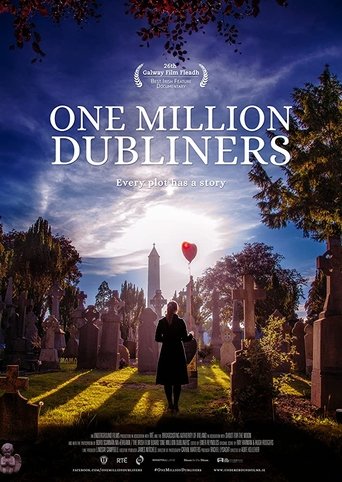
Glasnevin Cemetery is the final resting place of 1.5 million souls; it is Ireland's national necropolis. ONE MILLION DUBLINERS reveals the often unspoken stories of ritual, loss, redemption, emotion, history - and the business of death.
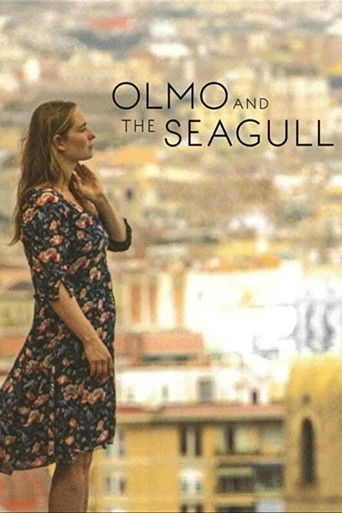
'Olmo and the Seagull' is a poetic and existential dive into an actress's mind during the nine months of her pregnancy as she must confront her most fiery inner demons while trying to rewrite a new philosophy of life, identity and love. Underlying this hybrid film is mounting tension over what is real and what is enacted when one is performing one's own life.
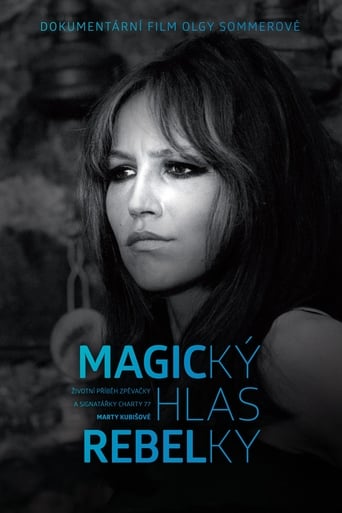
'The Magic Voice of a Rebel' portrays the story of the Czech singer Marta Kubisová, who without never intending it, became a symbol of freedom for all generations in the newly free Czhecoslovakia in 1989. It is Marta herself who tells us her life story and how the Soviet invasion in Czechoslvakia in 1968 changed her life. Because of her deep involvement in the Prague Spring movement, she went from being the most popular singer in the country to being banned and suffering a sudden removal from the public scene by the new authorities imposed from Moscow. She refused to escape to exile and together with other banned intelectuals and artists became a disident instead. Blacklisted and persecuted by the secret police, she also suffered the betrayal of beloved people who were collaborating with the regime.
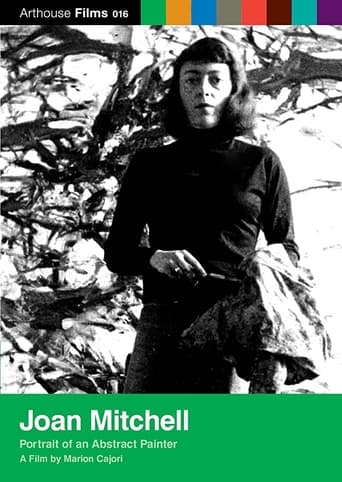
A powerful and intimate portrait, Joan Mitchell: Portrait of an Abstract Painter captures Mitchell's independent spirit and testifies eloquently to Mitchell's art. Joan Mitchell was born in Chicago in 1926 and died in Paris in 1992. After graduating from the School of the Art Institute of Chicago, Joan settled in New York City in 1950. She was an active participant of New York's dynamic Abstract Expressionist scene and hung out with fellow painters Franz Kline, Willem de Kooning and Philip Guston and, soon, poets Frank O'Hara, James Schuyler and John Ashbery. In the mid-fifties, she moved to Paris, France. There she was part of a circle of friends that included Pierre Matisse, Samuel Beckett and Alberto Giacometti. Mitchell is one of the great abstract painters of the 20th century. This elegantly edited documentary weaves interviews with the acerbic Mitchell and other leading painters and critics while letting her stunning pictures dominate the film.
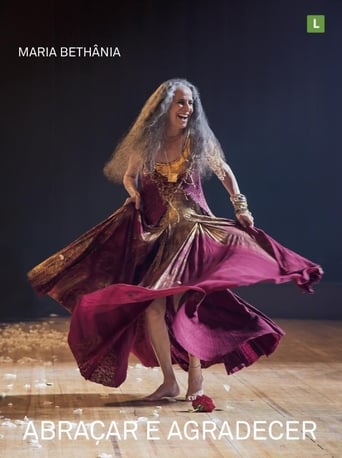
Celebrating 50 years of her career, Maria Bethânia filmed in Brazil in 2105 the show Abraçar e Agradecer, which now comes out on CD and DVD.

Two lawyers and labor rights' activists, Daniel Kovalik of the United Steel Workers of America and Terry Collingsworth of the International Rights Advocates, and their partner Ray Rogers of Corporate Campaign firmly believe that US multinational corporations should be held accountable for the shabby practices of their business associates throughout the world. To lead their battle, they resort to a law dating back to the origin of the American Constitution - The Alien Tort Claims Act - which allows foreigners to file suit in the U.S. against Americans who violate international laws. The film tells the story of their fight against one of America's stellar icons: the Coca-Cola company.
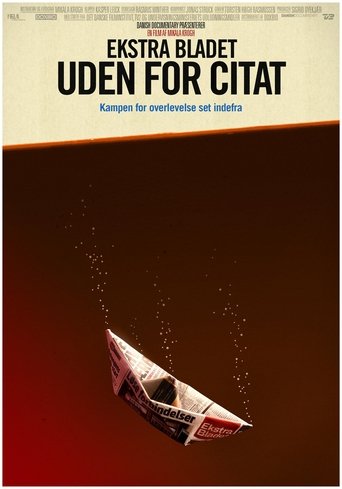
In this new documentary you get to follow the life of Ekstra Bladet's editorial staff through one of the papers most turbulent years with catastrophic readership numbers and a long row of controversial agenda-setting cases. From the common journalistic staff being pushed to deliver the daily front-page stories, to Poul Madsen in management who has to make the drastic decisions regarding the papers continued existence. We get to see up close how the paper's staff handles the many ethical dilemmas they face everyday. We see what it takes for news to make the front page and in the paper's machine room we get to see the drastic death battle for the 110 years old paper play out - The question is: Will there be a place for Ekstra Bladet in the media image of tomorrow?
The contestants are murderers, guerrillas, and thieves. The winner will be crowned Queen, but she won't be invited on a press tour as a role model for young girls. Instead, she will be escorted back to her cell.
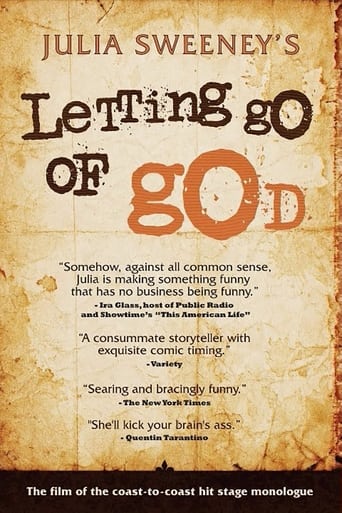
Julia Sweeney's third autobiographical monologue, Letting Go of God takes the audience through her Catholic upbringing and how personal events in her life and that of her family led her to a disbelief in a personal universal deity.
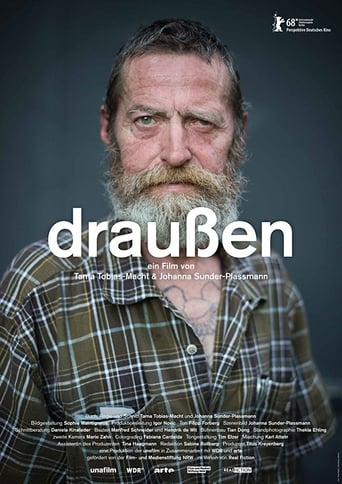
The film explores the turbulent lives of homeless persons in Cologne, Germany. Through their personal belongings the homeless share with the viewer their memories and emotions, and provide insight into the secrets of survival on the street.

United States / Mexico 1974, Super 8 transferred to digital, colour, silent, 4 min
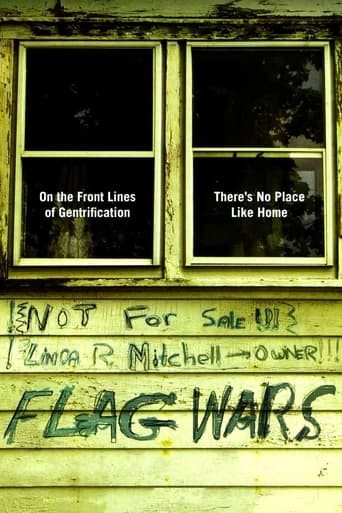
Filmed over four years, this documentary focuses on the impacts of gentrification as gay white professionals move into a largely black working-class neighborhood in Columbus, Ohio.
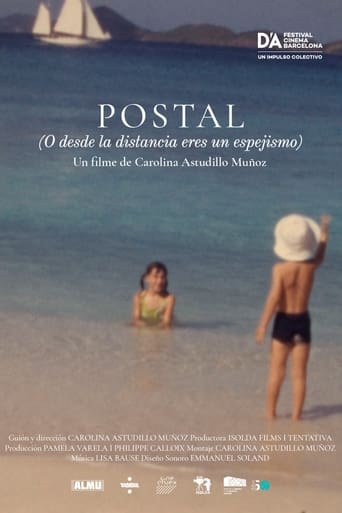
"The palm trees on the reverse are a delusion; so is the pink sand". This line, taken from a poem by Margaret Atwood, lights the path traced in "Postcard". As the years go by, landscapes transform, take on new meanings, and hold onto joys that will never be regained. The sea and the beach, once stages of happy summers, romances, and encounters, will turn into concentration camps or centers of detention and torture. This occurs across different times and places. In this piece, I embark on a journey through some of my works that explore the relationship between testimony, spaces, and time, engaging in dialogue with the beautiful film directed by Alejandro Segovia in 1972.
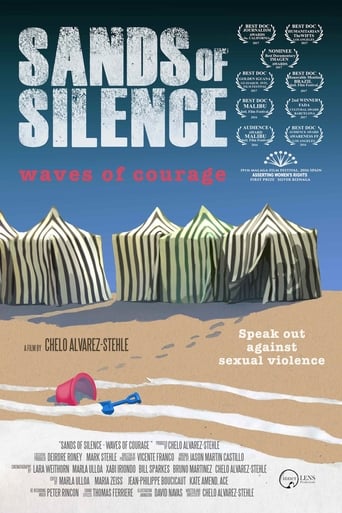
Inspired by the transformation of the sex-trafficking survivors whose lives she follows, the filmmaker finds the courage to break the silence about sexual abuse in her own life.
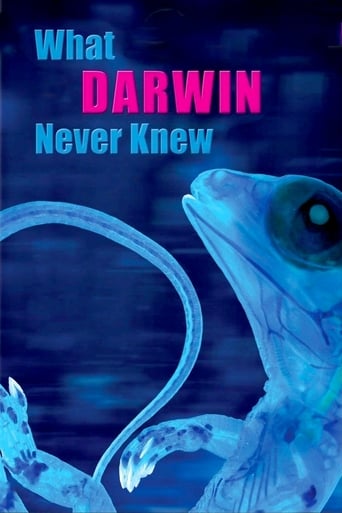
Earth teems with a staggering variety of animals, including 9,000 kinds of birds, 28,000 types of fish, and more than 350,000 species of beetles. What explains this explosion of living creatures—1.4 million different species discovered so far, with perhaps another 50 million to go? The source of life's endless forms was a profound mystery until Charles Darwin brought forth his revolutionary idea of natural selection. But Darwin's radical insights raised as many questions as they answered. What actually drives evolution and turns one species into another? To what degree do different animals rely on the same genetic toolkit? And how did we evolve?

A feature documentary about the writer JT LeRoy - Ethically charged, controversial, and confusing, JT’s life and death sprang open a Pandora’s box of powerful questions about literature and culture, identity and celebrity, and the reality of the society we live in. Fraud? Art? Mental illness? Complicity? The Cult of JT Leroy will be a testament to this bizarre and elaborate story that has captured the attention and fascination of the world’s media, and perplexes to this day.
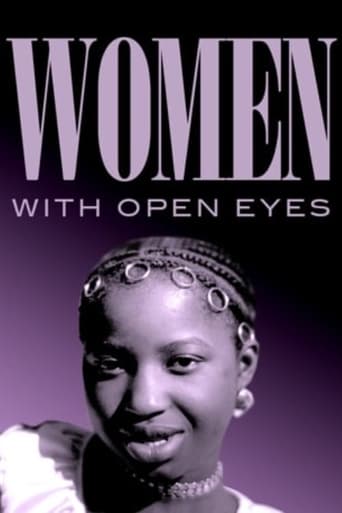
Portraits of contemporary African women from four West African nations: Burkina Faso, Mali, Senegal and Benin.