Camera, Monitor, Frame
1976-03-27 · 17 min · Not rated
Camera, Monitor, Frame is the first installment of Takahiko Iimura's "Video Semiotics Triptych" (the other two works are Observer/Observed, made in 1975, and Observer/Observed/Observer, made in 1976). The work analyzes the fundamental components of video: the camera, the monitor, and the frame, focusing on the role of each within a system of video as analogous to the functions of vision and speech.
Trailers are previews, not full movies.
No authorized playback source configured. Use the legal watch options below.
Production details
- Directors
- Takahiko Iimura
- Production companies
- Electronic Arts Intermix
- Countries
- Japan
- Status
- Released
Top Cast
Cast unavailable.
Title information and images are supplied by TMDb. Explore our discovery guide for advice on comparing metadata and legal viewing options.
Where to watch
Availability provided by JustWatch via TMDb. Offers can change. Provider links are listed on TMDb; full playback requires a separately authorized source.
Availability not listed for this country.
Seasons & episodes
Recommendations

A school teacher visits the home of a boy who's been absent from school for a long period of time, unaware of the horrific tragedy which occurred in the boy's household many years ago.

A Japanese actress begins having strange visions and experiences after landing a role in a horror film about a real-life murder spree that took place over forty years ago.
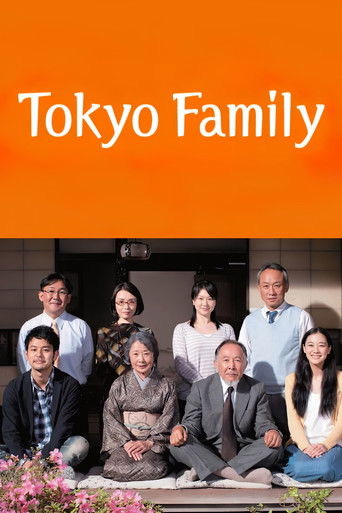
An elderly couple journey to Tokyo to visit their grown children, only to find them preoccupied and self-involved.
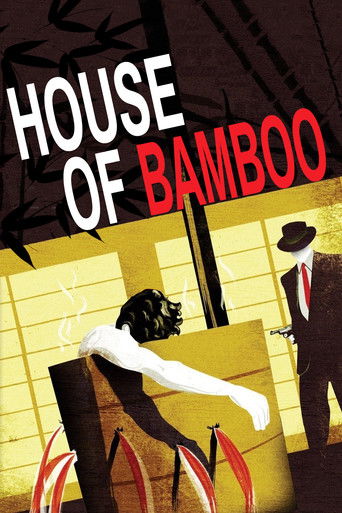
Eddie Kenner is given a special assignment by the Army to get the inside story on Sandy Dawson, a former GI who has formed a gang of fellow servicemen and Japanese locals.

When the Ministry of Education goes back on its promise to keep Ooarai Girls Academy open, the task of saving the five-mile-long Academy Ship from the wreckers falls to Miho and her barely-seasoned tankery team. However, things go off track almost immediately. While the Oorai tank crew may have won the high school tournament, they’re now facing a larger and more experienced university team, and if they fail, their armored vehicles will be forfeit! Will they be swapping their tanks for the memories? It’s possible, but winning a tank battle is all about tactics and teamwork, and the fledgling Ooarai students have more friends and allies than anyone suspects.

The story of golf icon and legend, Bobby Jones, who retired from competition at the tender age of 28.
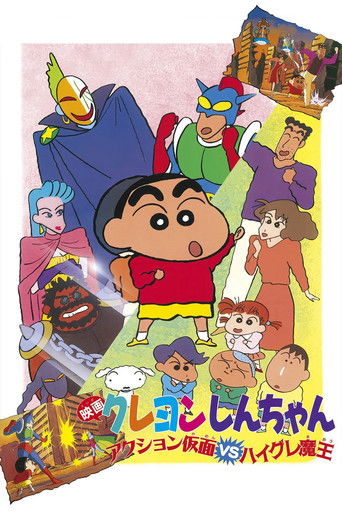
Everyone's favorite TV superhero Action Mask shows up in Kasukabe, and he's trying to get something from Shin-chan -- but what could it be?

Summoned by the black sphere, Kei and Masaru fight against extraterrestrials until Masaru grows tired of fighting and refuses to continue.
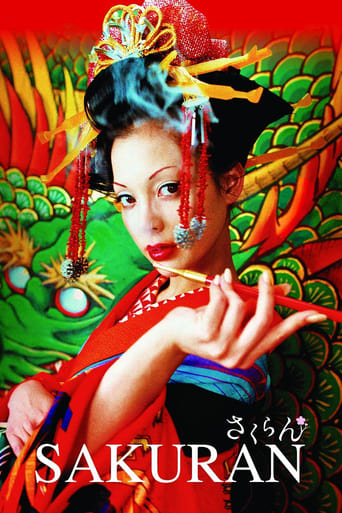
Kiyoha rises from the lowly courtesan ranks to the high class position of Oiran in the steamy red-light district of Yoshiwara. She is determined to stand on her own two feet and live life as she pleased.
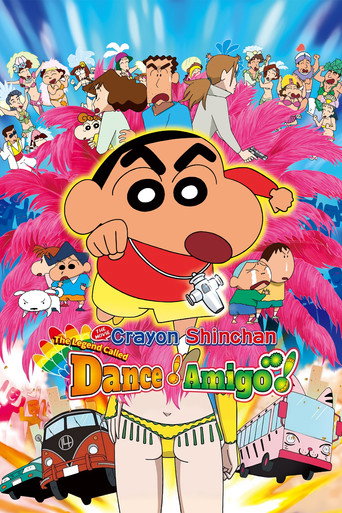
Something sinister's afoot in Kasukabe. Shin-chan doesn't know what it is, but he's pretty sure it involves samba-dancing doppelgängers.

Jack Elliot, a one-time MVP for the New York Yankees is now on the down side of his baseball career. With a falling batting average, does he have one good year left and can the manager of the Chunichi Dragons, a Japanese Central baseball league find it in him?

A beautiful pianist comes to Tokyo for a charity concert - and City Hunter is there. But music isn't his forte. He wants lessons in the language of love. Desperation is the word as bodies start dropping. A foreign dignitary is assassinated in cold blood. Secret agents scour the streets for a missing microchip. And diplomatic infighting swirls around the upcoming concert until Nina the pianist and her grandfather Klaus are kidnapped. A maelstrom of exploding grenades, the rumble of Falcon's jeep, and the tinkling of the ivories all set the stage for City Hunter: . 357 Magnum. The show must go on!

A woman hires actors and strangers to pretend to be her friends and family at her wedding.

Tokyo schoolgirl Hiromi and her friends engage in a practice known as enjo kosai, or "compensated dating", where older men pay young girls for dates. Hiromi plunges deeper into this world to raise money for an expensive ring.
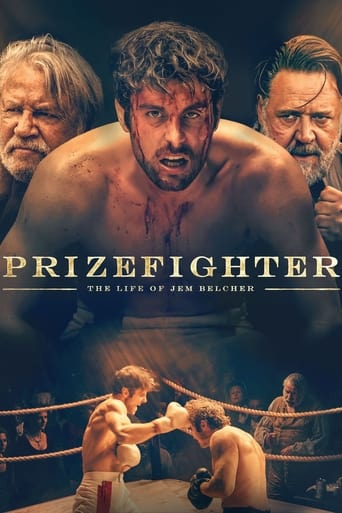
At the turn of the 19th century, Pugilism was the sport of kings and a gifted young boxer fought his way to becoming champion of England.

Ocho is accidentally captured by a drug trafficking cartel who use Chinese women to smuggle drugs into Japan by hiding it in their vaginas. She is tortured, and manages to escape, fighting both the male yakuzas and a gang of female thieves.
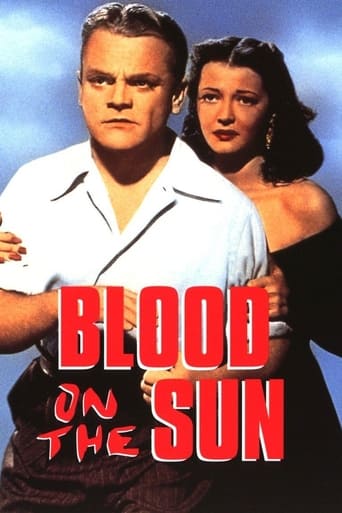
Nick Condon, an American journalist in 20s Tokyo, publishes the Japanese master plan for world domination. Reaction from the understandably upset Japanese provides the action, but this is overshadowed by the propaganda of the time.

A group of five Genesect have invaded the big city and pose a threat to the supply of electricity, which attracts the attention of the legendary Pokémon Mewtwo. Satoshi, Pikachu and his friends must come to the rescue when the powerful leader, a red Genesect, faces Mewtwo.

Ichiko bakes a cake for an end-of-year party with her friends. In the depths of winter, making mochi and curry keeps the people of Komori warm. Later, spring brings thoughts of her absent mother as well as rice planting and sakura, and she begins to think of leaving Komori behind again.

Fleeing heartbreak in the big city, Ichiko returns to Komori, her rural hometown. She battles summer's rain and humidity, bakes her own bread, grows hothouse tomatoes and tills the fields. During autumn, the time for pickling and preserving fish and sweet potatoes, Ichiko begins reaping rice and recalls her departure five years before.
Similar titles

A samurai answers a village's request for protection after he falls on hard times. The town needs protection from bandits, so the samurai gathers six others to help him teach the people how to defend themselves, and the villagers provide the soldiers with food.
Short video art piece.
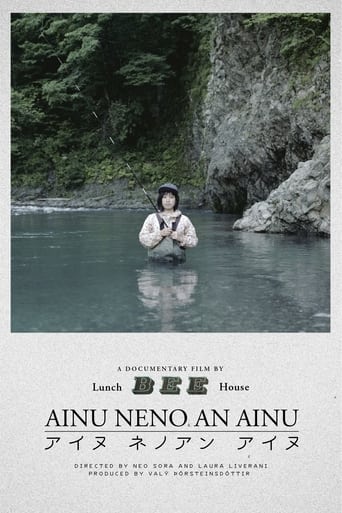
This documentary started as part of a photography project about the indigenous Ainu population in northern Japan, portraying people from tightly knit communities. They feel deeply connected by their culture and tradition. With gorgeous pictures, the directors explore how different generations of Ainu reflect on their identity after centuries of oppression.
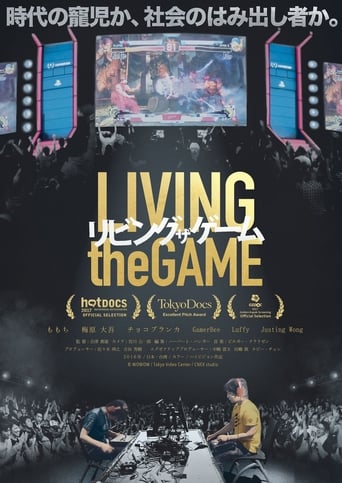
In the world of computer games, there are players earning fight money as a PRO. They are sponsored by digital tool companies or beverage companies, and tour around the world to earn money in tournaments. This film goes over the days of Pro Gamers in Japan, USA, France and Taiwan.
Features four distinct, bizarre, existential tales about people whose lives are in transition, who are each asking questions about themselves, their environments, and about God(s).
Short video art piece.
Phil Morton's General Motors was created in 1976. Then based in Chicago, the late Phil Morton created this project as a playful and critical video response in conversation with a local General Motors dealership from whom he had purchased a van. Segments 'Colorful Colorado' and 'RYRAL' begin after the video-complaints cease. Produced at the School of the Art Institute of Chicago (where Morton founded the Video Area), this work includes Dan Sandin and Tom DeFanti who collaboratively developed the early Video Art scene in Chicago.
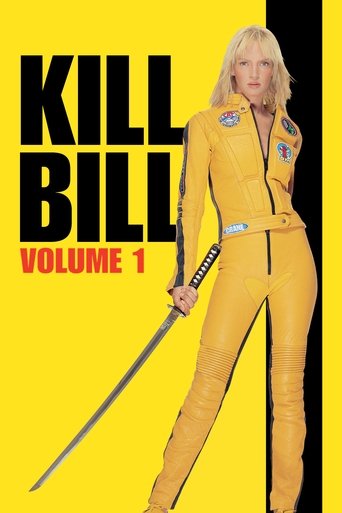
An assassin is shot by her ruthless employer, Bill, and other members of their assassination circle – but she lives to plot her vengeance.
Openland is an art film guided by issues surrounding micro states and its derivative definitions. Through intertwining interviews, meta-narratives, and digital landscapes, Openland unfurls a dialogue between consciousness, individuality and collectivity.
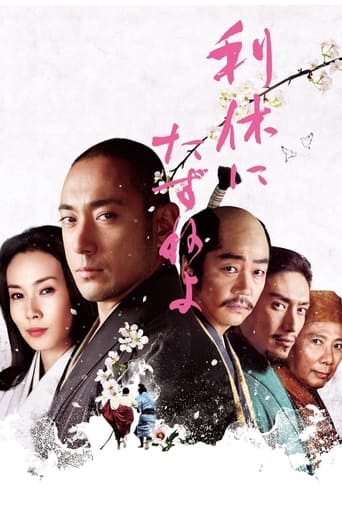
Sen no Rikyu (Ebizo Ichikawa) is the son of a fish shop owner. Sen no Rikyu then studies tea and eventually becomes one of the primary influences upon the Japanese tea ceremony. With his elegant esthetics, Sen no Rikyu is favored by the most powerful man in Japan Toyotomi Hideyoshi (Nao Omori) and becomes one of his closest advisors. Due to conflicts, Toyotomi Hideyoshi then orders Sen no Rikyu to commit seppuku (suicide). Director Mitsutoshi Tanaka's adaptation of Kenichi Yamamoto's award-winning novel of the same name received the Best Artistic Contribution Award at the 37th Montréal World Film Festival, the Best Director Award at the 2014 Osaka Cinema Festival, the 30th Fumiko Yamaji Cultural Award and the 37th Japan Academy Film Prize in nine categories, including Best Art Direction, Excellent Film and Excellent Actor.
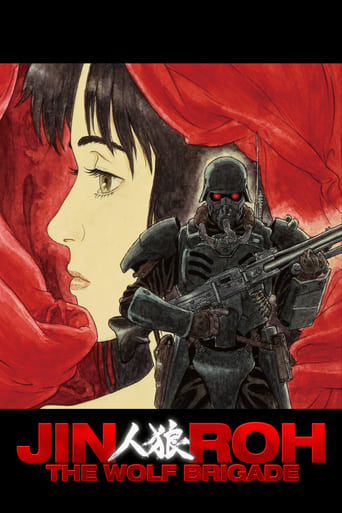
A member of an elite paramilitary counter-terrorism unit becomes traumatized after witnessing the suicide bombing of a young girl and is forced to undergo retraining. However, unbeknownst to him, he becomes a key player in a dispute between rival police divisions, as he finds himself increasingly involved with the sister of the girl he saw die.

Akira, Takeshi, Yasu, and Shun are a gang of four close friends, all of whom were core members of their high-school ekiden team. Although they were stars back in those days, having slacked up their efforts subsequently, their daily life is lackluster now that the age of forty is just around the corner. They talk at a favorite local tavern just like they used to after Akira comes home giving up his dream to become an actor. Thinking back, they have never accomplished anything but ekiden, and they have unknowingly acquired a tendency to run away from problems in life in general. The phrase they cannot help muttering to themselves is how brilliant they were in those days… Feeling dispirited, they think of participating in the Shimanto Dragon Ride. A challenge for the four men in their late thirties begins…
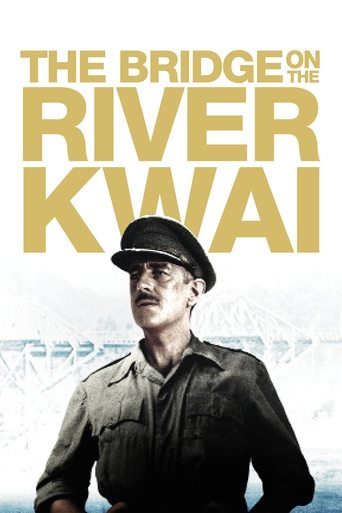
The classic story of English POWs in Burma forced to build a bridge to aid the war effort of their Japanese captors. British and American intelligence officers conspire to blow up the structure, but Col. Nicholson, the commander who supervised the bridge's construction, has acquired a sense of pride in his creation and tries to foil their plans.
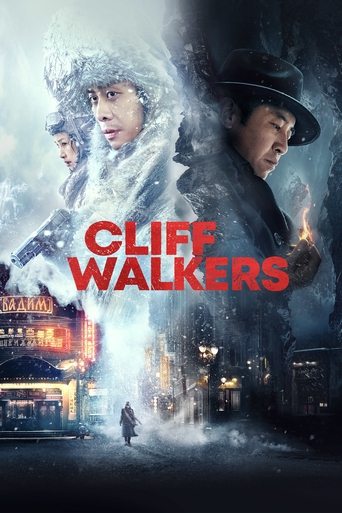
In the puppet state of Manchukuo in the 1930s, four Communist party special agents, after returning to China, embark on a secret mission. Sold out by a traitor, the team find themselves surrounded by threats on all sides.

In the years before World War II, a penniless Japanese child is torn from her family to work as a maid in a geisha house.
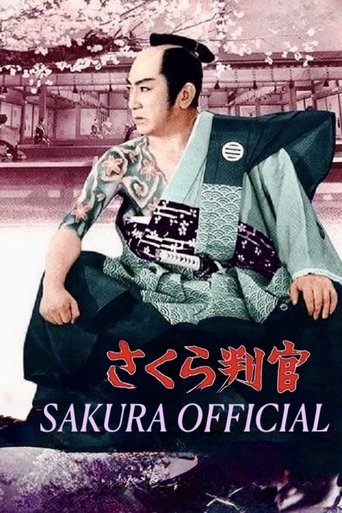
As Japan’s Tokugawa shogunate nears the end of its rule, Edo North Magistrate Toyama no Kinsan is called upon to judge the most difficult case of his career. In a masterfully woven tale, he has to face the truth about his estranged father’s possible involvement in a nefarious plot to take over rule of the Hizen Shimabara clan by assassinating the rightful lord, his son, and install one of Shogun Ienari’s offspring as daimyo.

An expedition in the South Pacific lands on a tropical island where the natives worship the mysterious deity Gappa. An earthquake opens up an underground cavern and a baby reptile is discovered inside. The natives warn the foreigners to leave the hatching alone, but they don't listen and take it back to a zoo in Japan. Soon after, moma and papa Gappa start smashing Tokyo looking for their kidnapped child.
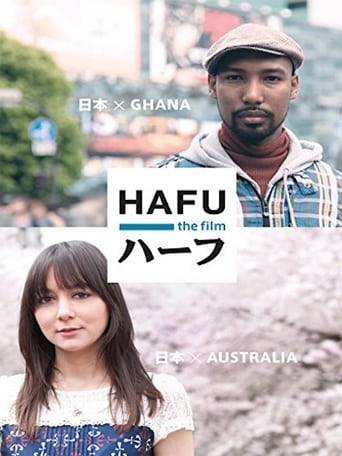
A journey into the intricacies of mixed-race Japanese and their multicultural experiences in modern day Japan. For some hafus, Japan is the only home they know, for some living in Japan is an entirely new experience, and the others are caught somewhere between two different worlds.
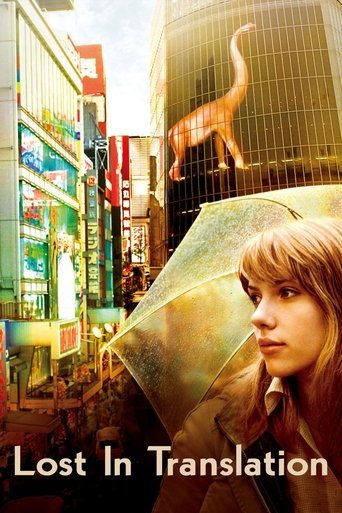
Two lost souls visiting Tokyo -- the young, neglected wife of a photographer and a washed-up movie star shooting a TV commercial -- find an odd solace and pensive freedom to be real in each other's company, away from their lives in America.
The Second Electronic Visualization Event took place at The University of Illinois Chicago Circle Campus in 1976. This documentation features Bob Snyder on EMU Synthesizer, Phil Morton on the Sandin Image Processor by Dan Sandin and Guenther Tetz on the GRASS (GRaphics Symbiosis System) by Tom DeFanti. In Morton's words these artists perform live realtime audio and video synthesis "using both analog and digital computers as 'visual instruments'..." Other artists credited with participation in the Electronic Visualization Events between 1975 and 1978 include Drew Browning, Larry Cuba, Barbara Latham, John Manning, Faramarz Rahbar, Ed Rankus, Michael Sterling, Barbara Sykes and Jane Veeder.