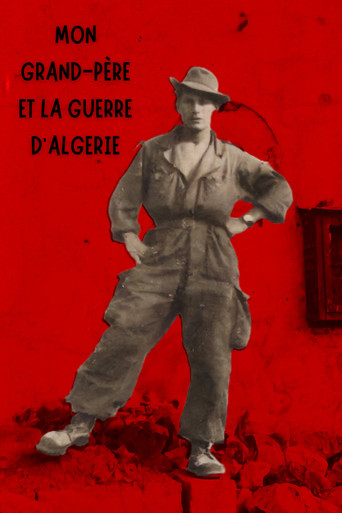
Mon grand-père et la guerre d'Algérie
2026-03-19 · Runtime unavailable · Not rated
Trailers are previews, not full movies.
No authorized playback source configured. Use the legal watch options below.
Production details
- Directors
- Arthur Valois--Lagourdette
- Production companies
- Poitou Presse
- Countries
- France
- Status
- Released
Top Cast
Title information and images are supplied by TMDb. Explore our discovery guide for advice on comparing metadata and legal viewing options.
Where to watch
Availability provided by JustWatch via TMDb. Offers can change. Provider links are listed on TMDb; full playback requires a separately authorized source.
Availability not listed for this country.
Seasons & episodes
Recommendations
Stars of "The Walking Dead," Andrew Lincoln and Danai Gurira, walk down memory lane and visit iconic locations where pivotal moments between their characters, Rick and Michonne, were filmed.
A dreamlike conversation with the past and the present, reimagining Latasha Harlins' story by excavating intimate memories shared by those who loved her.

Martin Scorsese, Robert De Niro, Joe Pesci, and Al Pacino in conversation about The Irishman.

Filmmaker Alain Resnais documents the atrocities behind the walls of Hitler's concentration camps.

Using the book 'Fragments', which collects Marilyn Monroe's poems, notes and letters, and with participation from the Arthur Miller and Truman Capote estates who have contributed more material, each of the actresses will embody the legend at various stages in her life.

A detailing of the rise to prominence and global sporting superstardom of six supremely talented young Manchester United football players (David Beckham, Nicky Butt, Ryan Giggs, Paul Scholes, Phil and Gary Neville). The film covers the period 1992-1999, culminating in Manchester United's European Cup triumph.
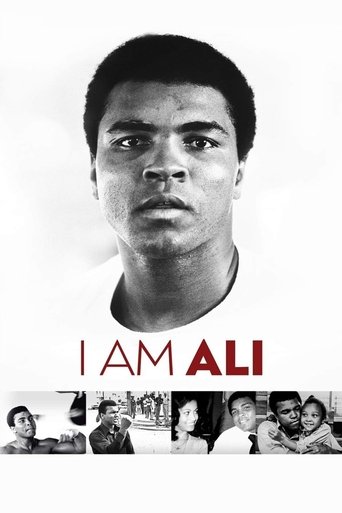
Unprecedented access to Muhammad Ali's personal archive of "audio journals" as well as interviews and testimonials from his inner circle of family and friends are used to tell the legend's life story.
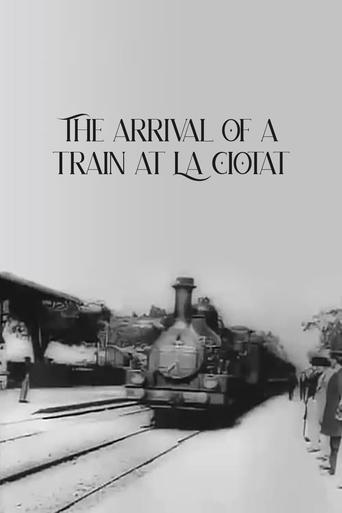
A group of people are standing along the platform of a railway station in La Ciotat, waiting for a train. One is seen coming, at some distance, and eventually stops at the platform. Doors of the railway-cars open and attendants help passengers off and on. Popular legend has it that, when this film was shown, the first-night audience fled the café in terror, fearing being run over by the "approaching" train. This legend has since been identified as promotional embellishment, though there is evidence to suggest that people were astounded at the capabilities of the Lumières' cinématographe.

This revealing documentary honors the legendary Sidney Poitier—iconic actor, filmmaker, and civil rights activist. Featuring interviews with Denzel Washington, Spike Lee, Halle Berry, and more.
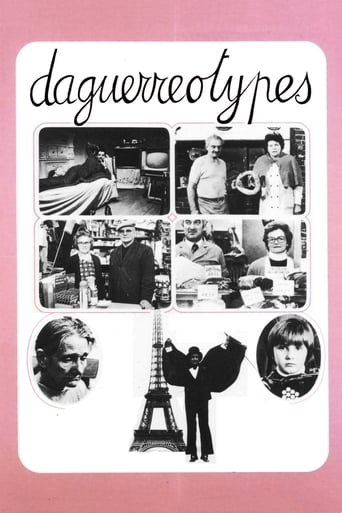
An intimate portrait of the small shops and shopkeepers of the Rue Daguerre in Paris, a picturesque street that has been the filmmaker’s home for more than 50 years.
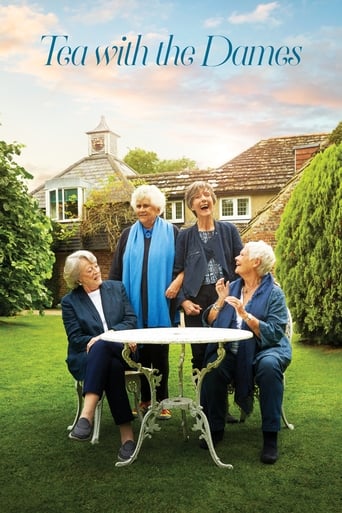
BBC Arena's documentary on the Dames of British Theatre and film featuring Maggie Smith, Eileen Atkins, Judi Dench and Joan Plowright on screen together for the first time as they reminisce over a long summer weekend in a house Joan once shared with Sir Laurence Olivier.
Nine filmmakers each profile a young girl from a different part of the world to weave a global tapestry of youth in the 21st century.
Canadian actress and filmmaker Sarah Polley investigates certain secrets related to her mother, interviewing a group of family members and friends whose reliability varies depending on their implication in the events, which are remembered in different ways; so a trail of questions remains to be answered, because memory is always changing and the discovery of truth often depends on who is telling the tale.
A documentary on Jacques Vergès, the controversial lawyer and former Free French Forces guerrilla, exploring how Vergès assisted, from the 1960s onwards, anti-imperialist terrorist cells operating in Africa, Europe, and the Middle East. Participants interviewed include Algerian nationalists Yacef Saadi, Zohra Drif, Djamila Bouhired and Abderrahmane Benhamida, Khmer Rouge members Nuon Chea and Khieu Samphan, once far-left activists Hans-Joachim Klein and Magdalena Kopp, terrorist Carlos the Jackal, lawyer Isabelle Coutant-Peyre, neo-Nazi Ahmed Huber, Palestinian politician Bassam Abu Sharif, Lebanese politician Karim Pakradouni, political cartoonist Siné, former spy Claude Moniquet, novelist and ghostwriter Lionel Duroy, and investigative journalist Oliver Schröm.
This documentary revisits the French football team's controversial 2010 World Cup and the bus strike that sparked global headlines and national outrage.

A visual montage portrait of our contemporary world dominated by globalized technology and violence.

A feature length documentary about the all-women team at the helm of Pixar's original feature, Turning Red. With unprecedented behind-the-scenes access to Director Domee Shi and her core leadership crew, this story shines a light on the powerful professional and personal journeys that brought this incredibly comical, utterly relatable, and deeply heartfelt story to the screen.
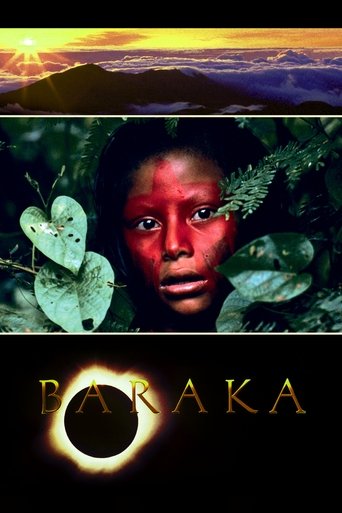
A paralysingly beautiful documentary with a global vision—an odyssey through landscape and time—that attempts to capture the essence of life.

An inside look at one of the most anticipated movie sequels ever with James Cameron and cast.
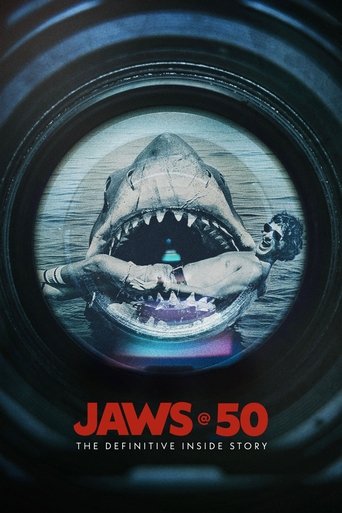
The authorized documentary celebrating the film that redefined Hollywood, 50 years after its premiere. Featuring rare archival footage and interviews with acclaimed Hollywood directors alongside Steven Spielberg, top shark scientists, and conservationists, the film uncovers the behind-the-scenes chaos and how the film launched the summer blockbuster, inspired a new wave of filmmakers, and paved the way for shark conservation that continues today.
Similar titles
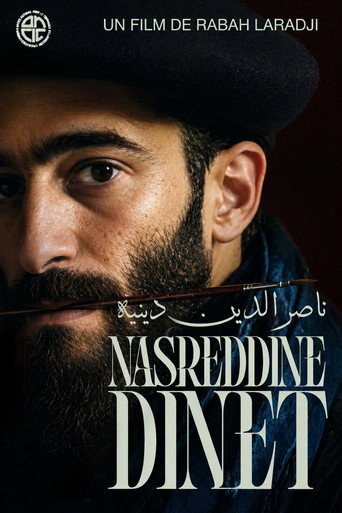
Étienne Dinet (إتيان دينيه), born March 28, 1861 in Paris, where he died on December 24, 1929, was a French painter and lithographer. He was one of the leading representatives of Orientalist painting at the turn of the 19th and 20th centuries. Obtaining a scholarship in 1884, Dinet undertook his first trip to southern Algeria in the region of Bou-Saâda, the Naili culture having a profound impact on him, as he would return there many times until he settled in his first Algerian studio in Biskra in 1900. In 1905, he bought a house in Bou-Saâda to spend three-quarters of the year there. In 1907, on his advice, the Villa Abd-el-Tif was created in Algiers, modeled on the Villa Medici in Rome. Having lived much of his life in Algeria, he called himself Nasreddine Dinet (نصر الدين ديني) after converting to Islam. On January 12, 1930, he was buried in the Bou-Saâda cemetery, where a museum that houses many of his works bears his name.
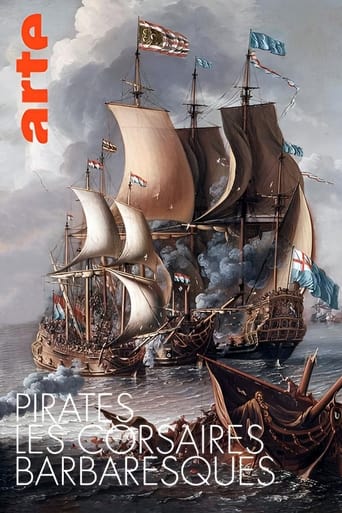
In the 18th century, the Barbary threat became serious. In July 1785, two American boats were returned to Algiers; In the winter of 1793, eleven American ships, their crews in chains, were in the hands of the dey of Algiers. To ensure the freedom of movement of its commercial fleet, the United States was obliged to conclude treaties with the main Barbary states, paying considerable sums of money as a guarantee of non-aggression. With Morocco, treaty of 1786, 30,000 dollars; Tripoli, November 4, 1796, $56,000; Tunis, August 1797, 107,000 dollars. But the most expensive and the most humiliating was with the dey of Algiers, on September 5, 1795, “treaty of peace and friendship” which cost nearly a million dollars (including 525,000 in ransom for freed American slaves). , with an obligation to pay 20,000 dollars upon the arrival of each new consul and 17,000 dollars in annual gifts to senior Algerian officials...

Angela Su’s fictional artist Rosie Leavers is the last remaining person to upload her consciousness to a video game. Contemplating during a pandemic year which also saw people’s resistance movements in many parts of the world, the work pinpoints the uncanny affinities between gaming and warfare strategies. They have mutually informed the infrastructure of both worlds since time immemorial when diplomatic conflicts played out on the battlefield of the 64 squares of a chess board to flight simulation technologies which were adapted to shape gaming experiences as we know it now. When the conflict is between the state and its people, she speculates that gaming strategies empower civilians in resistance movements to counter imperialism through its own operative logic. But once we upload our consciousness, are we able to return to the sensibilities and political motivation that inspired the revolution to begin with?
The film follows Volodymyr Zelensky through a year that pushes him to his political, personal, and moral limits. In 2025, Ukraine suffers under relentless attacks, the army is exhausted, and society is deeply unsettled. At the same time, Zelensky seeks allies between Europe and an unpredictable Washington — in a struggle for weapons deliveries, security guarantees, and a peace framework that preserves Ukrainian sovereignty.
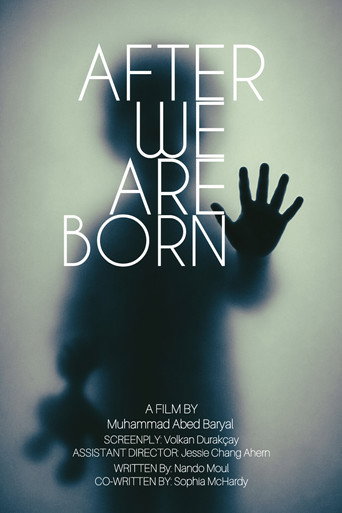
A New Psychological Documentary About Children
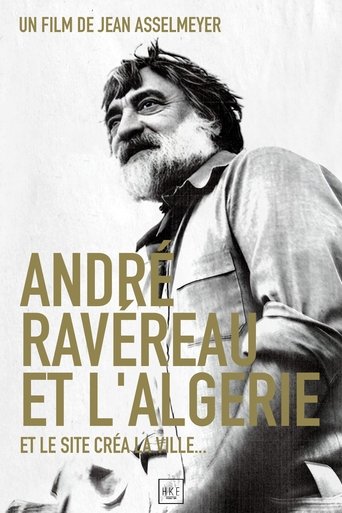
The architect André Ravéreau spent a large part of his life in Algeria, he is today an essential reference for Algerian builders of several generations. His daughter Maya, an architect herself, accompanies us to the places of his creations and his research, in the Mzab first where he lived, created, trained other architects in the "desert workshop" and had the oases of the Mzab classified as a UNESCO World Heritage Site. Inspired by tradition to better innovate as in the construction of the Ghardaïa post office, or in that of a very surprising villa... Then in Algiers where he worked to preserve the ancestral heritage of the Casbah, faithfully describing the principles of his construction in line with current concerns, such as the choice of environmentally friendly materials and avoiding energy waste, as testified by the architect Yasmine Terki, a great specialist in earth materials.
The documentary “Back to the Bunker?” tells the story of traumatic bunker experiences in the World Wars, of empty ruins at the turn of the millennium, and of a bunker renaissance in Germany and Europe, based on the personal experiences of contemporary witnesses. An impressive documentary about the culture of remembrance, resilience, and the societal question of how people deal with extreme situations.

It is with the architect Jean-Jacques Deluz, that we visit Algiers, "his city" since 1960 and that he left only two years during the worst moments of terrorism. From the Casbah, in the 19th century center, including the cities of Fernand Pouillon and Bab El Oued to arrive at the new city of Maelma which he built today. Tender look, but without concessions at the same time architectural promenade and meetings with actors of art and culture: Djamel Allam, the singer Kabyle, Djamel Amrani, the poet, friend of Jean Sennac, Mohamed Ben Gettaf, Dramaturge and director of the theater of Algiers, Souad Delmi-Bourras, young designer Boudjemàa Kareche, director of the Algerian cinema, Amine Kouider, conductor, who relaunches the opera in Algeria, the painter Malek Salah, and others. A look at Algeria and the Algerians, far from the clichés of certain media, the bias being to seek signs of hope rather than "blood and tears".

A documentary film, which focuses on the subject of women’s movement in the Philippines. Myth and legend overlap with history and politics as the women’s struggle is laid to bear in the individual stories and achievements of those featured in the film. The fragmented mosaic of voices and scenes allow for a plurality of views and opinions to account for the multifaceted and complex nature of Filipinas. From poetry to dance, politics to poetry – women chart their own lives in the auspicious event of change happening with the ascent of a woman to the country’s pinnacle of power.
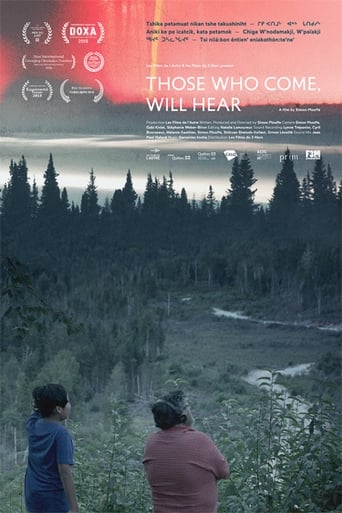
The documentary proposes a unique meeting with the speakers of several indigenous and inuit languages of Quebec – all threatened with extinction. The film starts with the discovery of these unsung tongues through listening to the daily life of those who still speak them today. Buttressed by an exploration and creation of archives, the film allows us to better understand the musicality of these languages and reveals the cultural and human importance of these venerable oral traditions by nourishing a collective reflection on the consequences of their disappearance.

A documentary film by Georgiy Gongadze made in 1993. He dedicated this film to Ukrainians - members of the UNA-UNSO who died in Georgia during the war in Abkhazia.
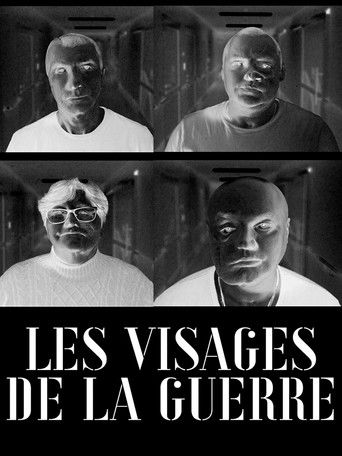
At the Vynnyky Medical Center, located in the suburbs of Lviv, Ukraine, the staff treats exclusively war casualties: amputees and those who have been disfigured. An internationally renowned surgeon, Chloé Bertolus is one of the leading specialists in facial reconstruction. Several times a year, she visits the wounded to repair tissue damaged by bullets and shrapnel from the Russian army.
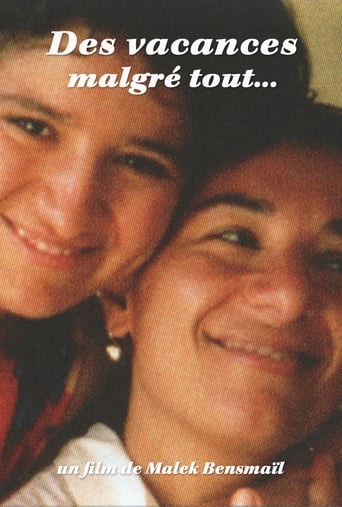
Immigrated to the Paris region since 1964, Kader decides to spend the summer holidays with his family in his native village, not far from Algiers. These few weeks, so eagerly awaited by both sides, constitute a special moment full of strong emotions. The camera follows the family in their meetings, their reunions, their difficulties, their visions of the country and its region, the celebrations, the weddings, their return to France… This film raises many questions. Within this family itself, between those who stayed in the country and those who emigrated to France, how do we perceive the situation in Algeria? What hopes do each of them have for their country? What about the Franco-Algerian relationship? Contemporary immigration? The desire for exile of Algerians today? Different discourses on both sides of the Mediterranean? The desires of each of them…
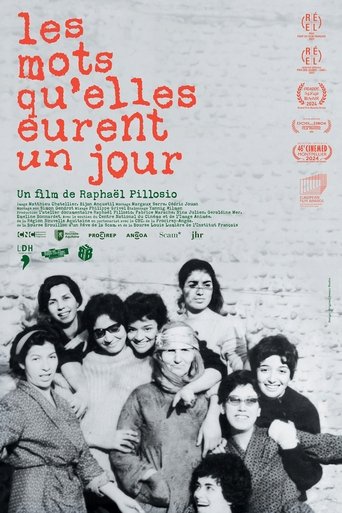
1962, at the end of the Algerian War, Algerian independence activists are released from Rennes prison. For one night, filmmaker Yann Le Masson films them. They tell him their vision for the future of Algeria and the place women must occupy in the new society to be built. Fifty years later, with the soundtrack missing, Raphaël Pillosio sets out to find these women. Two deaf people set about lip-reading the women filmed by Yann Le Masson, revealing snatches of sentences, words cut short by the camera's shifts. An investigative film in which the few activists still alive discover their old testimonies and tell us their silent story. The reconstruction of the lost soundtrack will remain in suspense; no happy ending will come to absorb the absence, to cancel the ferocious operation of time. An essay film about cinema that depicts their disappearance, and forever keeps them alive.

Pierre Clément, student and photographer of René Vauthier, first accompanied him to Tunisia to make a film on the country's independence in 1957. Destiny led him to Algeria and his presence in February 1958 at the Tunisian-Algerian border changed his life. . Forever. He took his camera and photographed the attacks on Sakia Sidi Youssef before committing himself body and soul to the Algerian cause. Shortly after, he directed the film “Algerian Refugees” before being arrested, tortured and imprisoned, while his third film, “The National Liberation Army in Almaki”, was not finished. Abdel Nour Zahzah, a director who commemorates Pierre Clément, the director who risked his life, the brother of the Algerian resistance, who disappeared in 2007.
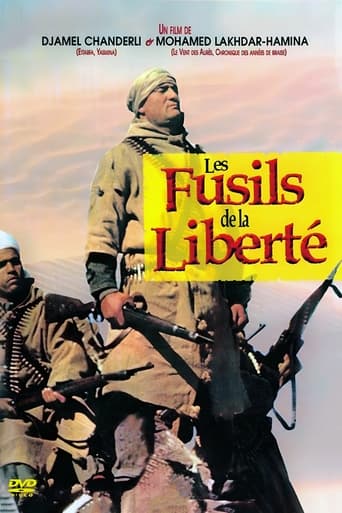
This docu-fiction recounts the difficulties overcome by an ALN detachment whose perilous mission is to transport weapons and ammunition from Tunisia across the Algerian Sahara during the Algerian liberation war (1954-1962) against the French army of occupation.
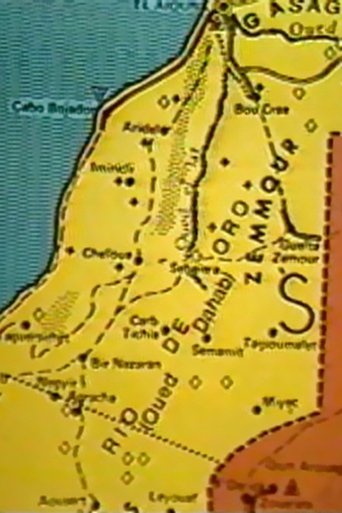
A historical analysis of the on-going war in the Western Sahara. Liza Bear interviews Abdullah Majdid, the Polisario Front's United Nations representative. The tape addresses Morocco's U.S.-backed military effort to subjugate the indigenous Sahrawi population and annex one of the world's largest phosphate deposits, as well as the Sahrawis' conditions for a referendum.
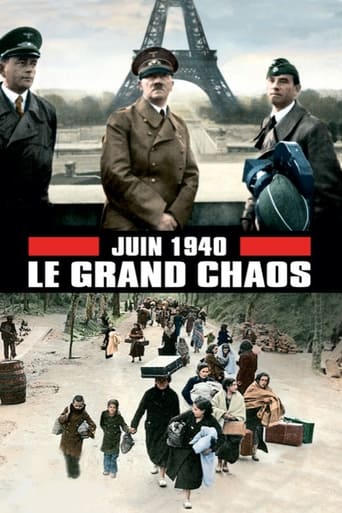
From May 10, 1940, France is living one of the worst tragedies of it history. In a few weeks, the country folds, and then collapsed in facing the attack of the Nazi Germany. On June 1940, each day is a tragedy. For the first time, thanks to historic revelations, and to numerous never seen before images and documents and reenacted situations of the time, this film recounts the incredible stories of those men and women trapped in the torment of this great chaos.
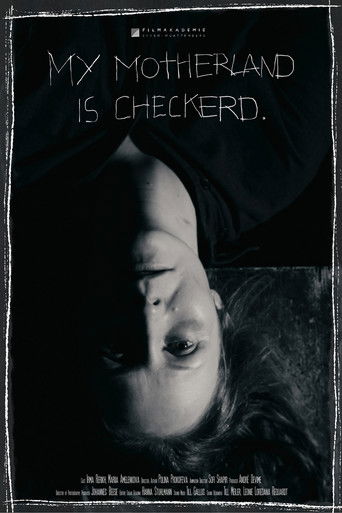
In a mix of 2D animation and live action, through their voices and acting, two actresses recount the lives of imprisoned women that opposed the Russian Regime and their emotional stories of suffering and anguish.

When on February 24, 2022, Russian troops attacked Ukraine, the world stopped. The first shock, however, quickly turned into action. It was a natural impulse of the heart, Poles could not leave their neighbors, their friends from Ukraine completely alone. Almost everyone, residents of small and large cities, young and old, rich and poor, became involved in helping Ukrainians, opened their homes for those fleeing the war, and began to organize humanitarian aid. Did they pass the humanity test?