Der Sturz - Honeckers Ende
2012-04-02 · Runtime unavailable · Not rated
Erich Honecker ruled the GDR for 18 years. His fall in 1989 heralded the downfall of the state that had called itself "the better Germany" for 40 years. Nazi victim and autocrat, bourgeois and power-conscious: Honecker was an ideological hardliner who coordinated the construction of the Wall in 1961 and whose regime was known as an unjust state for Wall deaths, firing orders, the Stasi and forced adoptions. In the wake of the fall of communism, the former model socialist fell into homelessness and found himself on the run in his own country. Suffering from cancer, he managed to evade responsibility before a court by emigrating to Chile, where he died in 1994. This gripping documentary portrays the rise and fall of this contradictory German politician with an impressive array of top-class international and national contemporary witnesses. Erich Honecker would have been 100 years old on August 25, 2012.
Trailers are previews, not full movies.
No authorized playback source configured. Use the legal watch options below.
Production details
- Directors
- Eric Friedler
- Production companies
- NDR
- Countries
- Germany
- Status
- Released
Top Cast
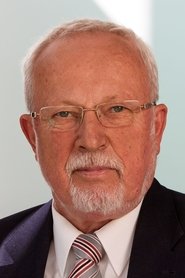 Lothar de MaizièreSelf
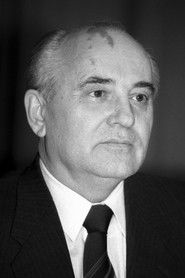 Mikhail GorbachevSelf
 Gregor GysiSelf
 Margot HoneckerSelf
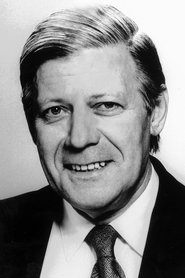 Helmut SchmidtSelf
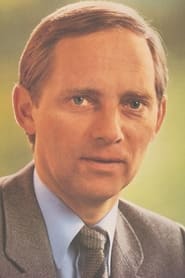 Wolfgang SchäubleSelf
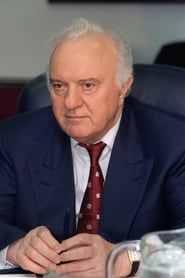 Eduard ShevardnadzeSelf
Title information and images are supplied by TMDb. Explore our discovery guide for advice on comparing metadata and legal viewing options.
Where to watch
Availability provided by JustWatch via TMDb. Offers can change. Provider links are listed on TMDb; full playback requires a separately authorized source.
Availability not listed for this country.
Seasons & episodes
Recommendations
A showcase of German chancellor and Nazi Party leader Adolf Hitler at the 1934 Nuremberg Rally.
This unique cinematic experience dives deep into an artist’s work and reveals his life path, inspiration, and creative process. It explores his fascination with myth and history. Past and present are interwoven to diffuse the line between film and painting, allowing the audience to be completely immersed in the remarkable world of one of the greatest contemporary artists, Anselm Kiefer. Wim Wenders shot this unique portrait over the course of two years in stunning 3D.
Oskar Gröning, known as the "Accountant of Auschwitz," was charged with the murder of 300,000 Jews. When he took the stand in 2015, at the age of 94, his trial made headlines worldwide.

A global television broadcast of the event in which former Pink Floyd leader singer and composer Roger Waters led an all-star cast in a mammoth benefit performance of his acclaimed concept album, The Wall. Set in Berlin, Germany less than a year after the destruction of the hated Berlin Wall, Waters was accompanied by disparate talents such as Cyndi Lauper, James Galway, Joni Mitchell and Albert Finney in the classic dark musical tale of a rock star's descent into madness and back.

In the Realms of the Unreal is a documentary about the reclusive Chicago-based artist Henry Darger. Henry Darger was so reclusive that when he died his neighbors were surprised to find a 15,145-page manuscript along with hundreds of paintings depicting The Story of the Vivian Girls, in What is Known as the Realms of the Unreal, of the Glodeco-Angelinnian War Storm, Cased by the Child Slave Rebellion.
Musician and performance artist Laurie Anderson reflects on the deaths of her husband Lou Reed, her mother and her beloved dog.
A presentation of a case for a needed transition out of the current socioeconomic monetary paradigm which governs the entire world society. This subject matter will transcend the issues of cultural relativism and traditional ideology and move to relate the core, empirical 'life ground' attributes of human and social survival, extrapolating those immutable natural laws into a new sustainable social paradigm called a 'Resource-Based Economy'.

When Allied forces liberated the Nazi concentration camps in 1944-45, their terrible discoveries were recorded by army and newsreel cameramen, revealing for the first time the full horror of what had happened. Making use of British, Soviet and American footage, the Ministry of Information’s Sidney Bernstein (later founder of Granada Television) aimed to create a documentary that would provide lasting, undeniable evidence of the Nazis’ unspeakable crimes. He commissioned a wealth of British talent, including editor Stewart McAllister, writer and future cabinet minister Richard Crossman – and, as treatment advisor, his friend Alfred Hitchcock. Yet, despite initial support from the British and US Governments, the film was shelved, and only now, 70 years on, has it been restored and completed by Imperial War Museums under its original title "German Concentration Camps Factual Survey".

Documentary filmmaker Amy Berg investigates the life of 30-year pedophile Father Oliver O'Grady and exposes the corruption inside the Catholic Church that allowed him to abuse countless children. Victims' stories and a disturbing interview with O'Grady offer a view into the troubled mind of the spiritual leader who moved from parish to parish gaining trust ... all the while betraying so many.

Marcel Ophuls' riveting film details the heinous legacy of the Gestapo head dubbed "The Butcher of Lyon." Responsible for over 4,000 deaths in occupied France during World War II, Barbie would escape—with U.S. help—to South America in 1951, where he lived until a global manhunt led to his 1983 arrest and subsequent trial.

Through deeply personal interviews with her siblings and an examination of the photographs, letters, and belongings left behind, Mariska assembles a new portrait of her mother Jayne Mansfield, an extraordinary and complex woman.
A real-life undercover thriller about two ordinary men who embark on an outrageously dangerous ten-year mission to penetrate the world's most secretive and brutal dictatorship: North Korea.

A compilation of over 30 years of private home movie footage shot by Lithuanian-American avant-garde director Jonas Mekas, assembled by Mekas "purely by chance", without concern for chronological order.

The life and career of one of comedy's most inimitable modern voices, Mr. Gilbert Gottfried.

A 1993 documentary film about Bruce Lee. The film includes interviews from some of his fellow students and opponents who worked alongside him in his movies.

This revealing documentary honors the legendary Sidney Poitier—iconic actor, filmmaker, and civil rights activist. Featuring interviews with Denzel Washington, Spike Lee, Halle Berry, and more.

A documentary on the expletive's origin, why it offends some people so deeply, and what can be gained from its use.
A documentary on legendary movie-poster artist Drew Struzan.
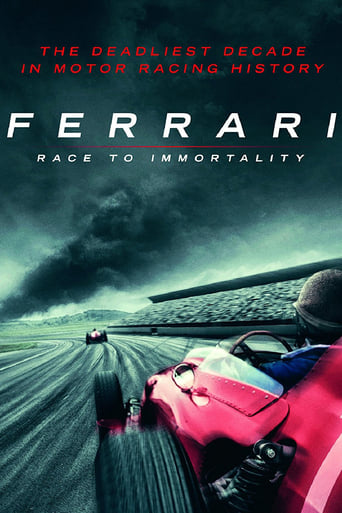
The late 1950s were known as golden years in the world of motor racing, champions were made and lost on a Sunday, and no losses were greater than those of Enzo Ferrari’s Scuderia. Based on Chris Nixon’s bestselling biography Mon Ami Mate, Ferrari: Race to Immortality tells the story of the loves and losses, triumphs and tragedy of a turbulent era that shook the motor racing world.

Ten of Muhammad Ali's former rivals pay tribute to the three-time world heavyweight champion.
Similar titles
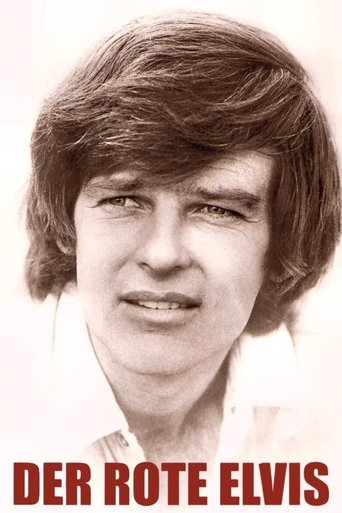
A documentary on the late American entertainer Dean Reed, who became a huge star in East Germany after settling there in 1973.
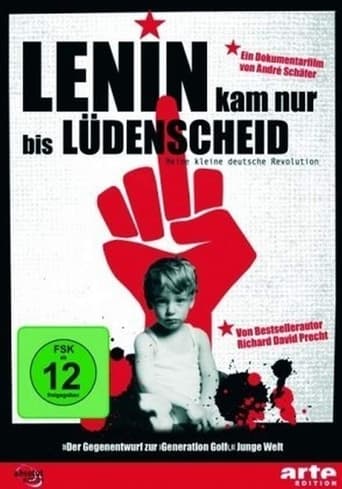
The free, almost naive view from the perspective of a child puts the "68ers" in a new, illuminating light in the anniversary year 2008. The film is a provocative reckoning with the ideological upbringing that seemed so progressive and yet was suffocated by the children's desire to finally grow up. With an ironic eye and a feuilletonistic style, author Richard David Precht and Cologne documentary film director André Schäfer trace a childhood in the West German provinces - and place the major events of those years in completely different, smaller and very private contexts.
When people think of DEFA, the film heritage of the GDR, they probably don't just think of film images, but also some of the timeless melodies that were created in Babelsberg.
In 1999, Konami Corp. introduced a Japanese-influenced coin-operated arcade stand-up to the U.S. Its draw was unheard of for a video game: the combination of music, competition, and interactive video-gameplay along with actual physical activity. Four years later, Dance Dance Revolution (DDR) has become one of the most popular game crazes stateside and found easily in video game stores and in nationwide retail markets. This story explores the youth culture surrounding the game and follows a group of devoted players and documents their interactions at various arcades and tournaments.
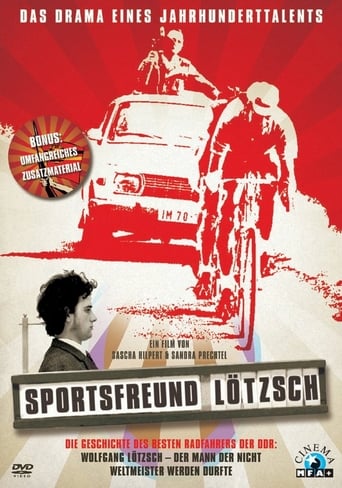

Was my father really a spy, as his file in the former East German Secret Service (STASI) suggests? This question marks the starting point of a son’s journey into his late father’s past which still remains somewhat mysterious even today. Eric Asch is looking for answers – in the Stasi archives, at the NSA and in his own family history. The result is a very personal documentary which reports ironically about the practices of secret service during the Cold War.
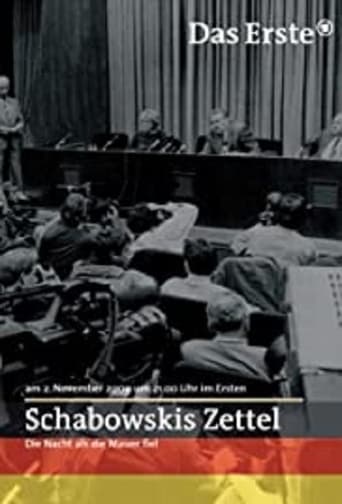
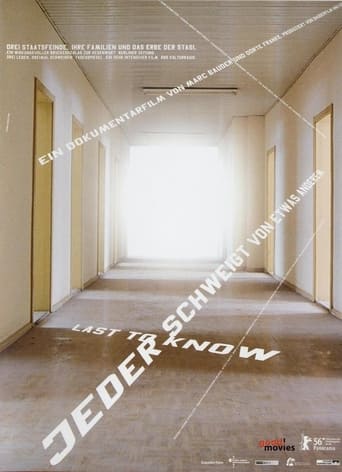
In the documentary Last To Know political prisoners, sent to jail for openly opposing the East German regime that existed until the German reunification in 1990, talk about their times of trial and their lives today. Neither they, nor their families have come to terms with what happened.
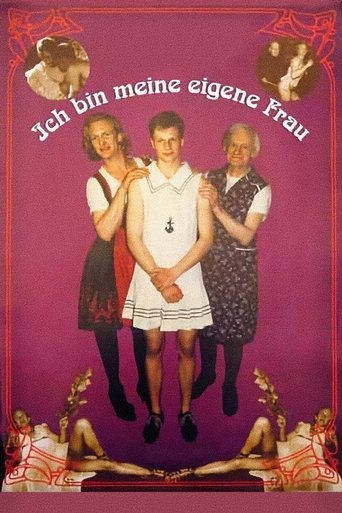
The life story of Charlotte von Mahlsdorf, who survived the Nazi reign as a trans woman and helped start the German gay liberation movement. Documentary with some dramatized scenes. Two actors play the young and middle aged Charlotte and she plays herself in the later years.
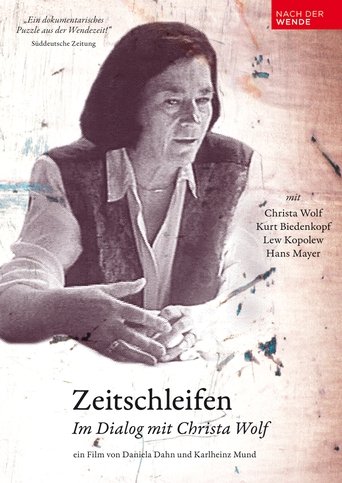
Journalist Daniela Dahn interviews the East-German author Christa Wolf during the German reunification: reflections on history, changing politics, life and work.
Short biographical documentary about the life of Alfred Florstedt and his life as a progressive communist from the Weimar Republic to his death in 1985.
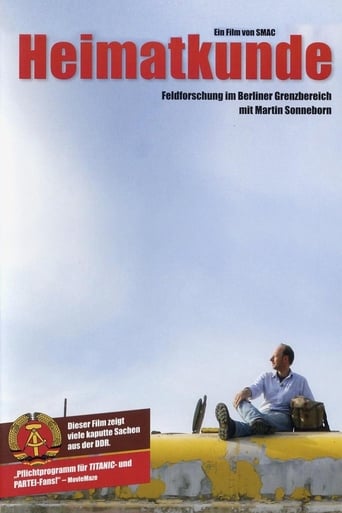
Former "Titanic" satire magazine editor Martin Sonneborn takes an undercover trip around Berlin and discovers the East-German mentality and what is left of the socialist German Democratic Republic.
The film accompanies Jenny Gröllmann, a German actress, during the last two years of her life.
From an official perspective, marginal youth culture did not exist in East Germany. The topic of subcultures was taboo in the GDR, and groups such as goths, skinheads, anti-skins, punks and neo-Nazis were dismissed as social deviations promoted by western countries. Director Roland Steiner had access to such young East Germans in the late 1980s. Over the course of four years, he brought them before the camera in an attempt to understand what drew them to these groups.

Born in Germany in 2002, Noa Blanche Beschorner evokes the memory of those who, a generation before her, lived through the separation of East and West Germany. Tapetenwechsel (Change of Scenery) is the story of youth seeking their identity when confronting their collective memory.
This color documentary tells the story of the "Mamais." In 1960, a group of workers at the Bitterfeld chemical plant set themselves the task of becoming the first "socialist brigade" in the German Democratic Republic (GDR) to act in accordance with the slogan "Work, learn, and live socialist."
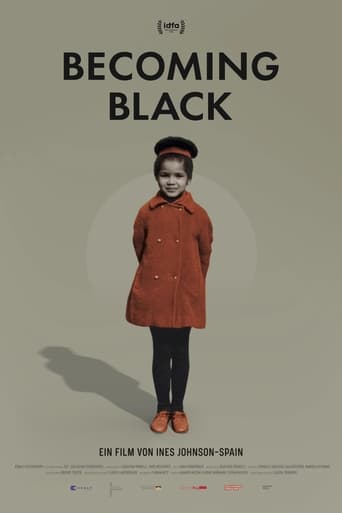
In the 1960s, a white couple living in East Germany tells their dark-skinned child that her skin color is merely a coincidence. As a teenager, she accidentally discovers the truth. Years before, a group of African men came to study in a village nearby. Sigrid, an East German woman, fell in love with Lucien from Togo and became pregnant. But she was already married to Armin. The child is Togolese-East German filmmaker Ines Johnson-Spain. In interviews with Armin and others from her childhood years, she tracks the astonishing strategies of denial her parents, striving for normality, developed following her birth. What sounds like fieldwork about social dislocation becomes an autobiographical essay film and a reflection on themes such as identity, social norms and family ties, viewed from a very personal perspective.

A retrospective look at the youth cultures born in the German Democratic Republic. A celebration of the lust for life, a contemporary trip into the world of skate, a tale on three heroes and their boards, from their childhood in the seventies, through their teenage rebellion in the eighties and the summer of 1989, when their life changed forever, to 2011.