Four In Time
1997-10-28 · Runtime unavailable · Not rated
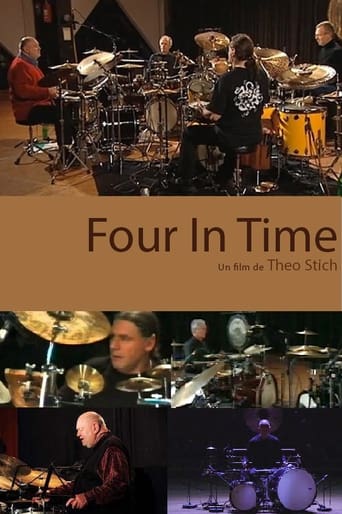
The film is the story of a musical encounter between drummers Pierre Favre, Fritz Hauser, Daniel Humair and Fredy Studer. The filmmaker brought them together in Zurich on January 6, 1997, and followed them over four days of rehearsals. The confrontation between these very different artists culminates in a concert.
Trailers are previews, not full movies.
No authorized playback source configured. Use the legal watch options below.
Production details
- Directors
- Theo Stich
- Production companies
- Filmkollektiv Zürich AG, SRF
- Countries
- Switzerland
- Status
- Released
Top Cast
Cast unavailable.
Title information and images are supplied by TMDb. Explore our discovery guide for advice on comparing metadata and legal viewing options.
Where to watch
Availability provided by JustWatch via TMDb. Offers can change. Provider links are listed on TMDb; full playback requires a separately authorized source.
Availability not listed for this country.
Seasons & episodes
Recommendations
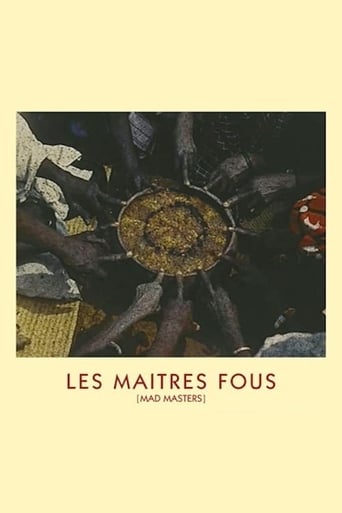
The subject of the film was the Hauka movement. The Hauka movement consisted of mimicry and dancing to become possessed by French Colonial administrators. The participants performed the same elaborate military ceremonies of their colonial occupiers, but in more of a trance than true recreation.
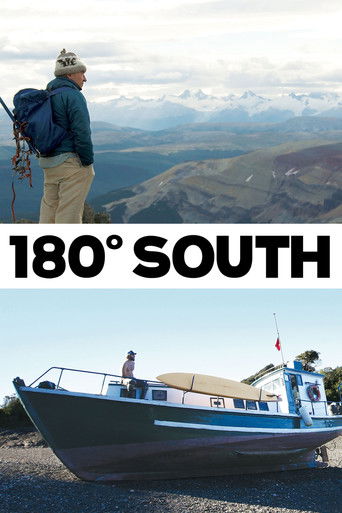
The film follows adventurer Jeff Johnson as he retraces the epic 1968 journey of his heroes Yvon Chouinard and Doug Tompkins to Patagonia.
An inside look at one of the most anticipated movie sequels ever with James Cameron and cast.

A string of threatening emails escalates into a revenge plot involving a newly married US marshal and his ex-girlfriend.

In an intimate and joyful story of love in the face of loss, celebrated poets Andrea Gibson and Megan Falley find strength—and unexpected hilarity—in what might be their final year together.

Martin Scorsese, Robert De Niro, Joe Pesci, and Al Pacino in conversation about The Irishman.
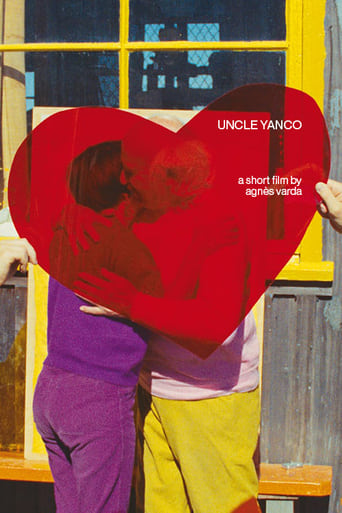
While in San Francisco for the promotion of her last film in October 1967, Agnès Varda, tipped by her friend Tom Luddy, gets to know a relative she had never heard of before, Jean Varda, nicknamed "Yanco". This hitherto unknown uncle lives on a boat in Sausalito, is a painter, has adopted a hippie lifestyle and loves life. The meeting is a very happy one.
Director Jean-Luc Godard reflects in this movie about his place in film history, the interaction of film industry and film as art, as well as the act of creating art.
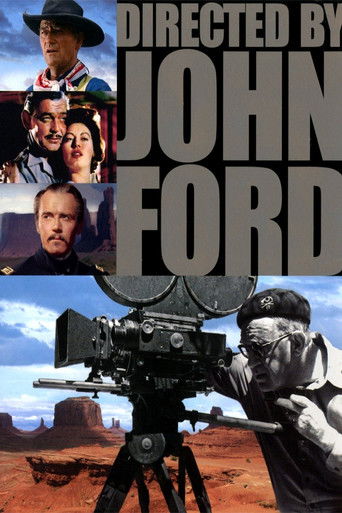
A documentary about the life and films of director John Ford.
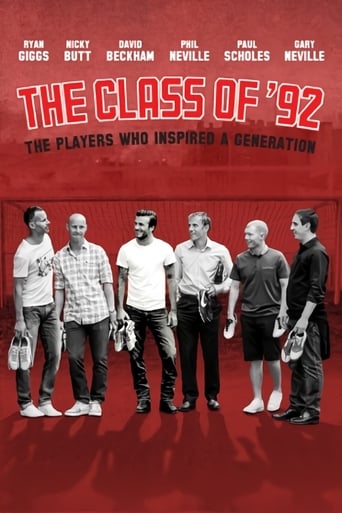
A detailing of the rise to prominence and global sporting superstardom of six supremely talented young Manchester United football players (David Beckham, Nicky Butt, Ryan Giggs, Paul Scholes, Phil and Gary Neville). The film covers the period 1992-1999, culminating in Manchester United's European Cup triumph.
A new documentary by filmmaker-photographer Raymond Depardon – where justice and psychiatry meet.

Amber Heard and Nicole Kidman discuss their characters Mera and Atlanna.
A 1993 documentary film about Bruce Lee. The film includes interviews from some of his fellow students and opponents who worked alongside him in his movies.
The film is based on interviews with 2,000 women from 50 countries, and covers the status of women all over the world. The topics covered include forced marriages, sexual assault, female genital mutilation, acid attacks, motherhood, sexuality, menstruation, education and the professional success of women.

A film shot during the summer of 1968 in Oakland, California around the meetings organised by the Black Panthers Party to free Huey Newton, one of their leaders, and to turn his trial into a political debate. They tried and succeeded in catching America’s attention.
A visual montage portrait of our contemporary world dominated by globalized technology and violence.
In Manhattan's Central Park, a film crew directed by William Greaves is shooting a screen test with various pairs of actors. It's a confrontation between a couple: he demands to know what's wrong, she challenges his sexual orientation. Cameras shoot the exchange, and another camera records Greaves and his crew. Sometimes we watch the crew discussing this scene, its language, and the process of making a movie. Is there such a thing as natural language? Are all things related to sex? The camera records distractions - a woman rides horseback past them; a garrulous homeless vet who sleeps in the park chats them up. What's the nature of making a movie?
The Making-of James Cameron's Avatar. It shows interesting parts of the work on the set.
A compilation of over 30 years of private home movie footage shot by Lithuanian-American avant-garde director Jonas Mekas, assembled by Mekas "purely by chance", without concern for chronological order.

Through deeply personal interviews with her siblings and an examination of the photographs, letters, and belongings left behind, Mariska assembles a new portrait of her mother Jayne Mansfield, an extraordinary and complex woman.
Similar titles
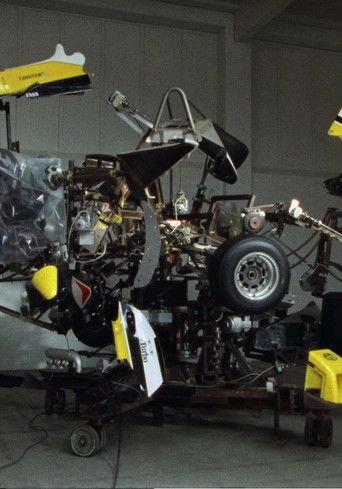
The Jean Tinguely Museum in Basel, Switzerland, designed by Mario Botta, opened in 1996, five years after the Swiss sculptor's death. META MECANO is a poetic depiction of the genesis of this mono-graphic museum, from the builders' first plans and Mario Botta's designs to its construction and the assembly of Tinguely's fragile mobile sculptures. In interviews with Mario Botta, Tinguely's wife Niki de Saint Phalle, museum director Pontus Hultén and Tinguely himself, the film goes on to explore the mission of museums and of art in general today. META MECANO is a unique document on the significance of the artist Jean Tinguely and on the role that museums play in our day and age.
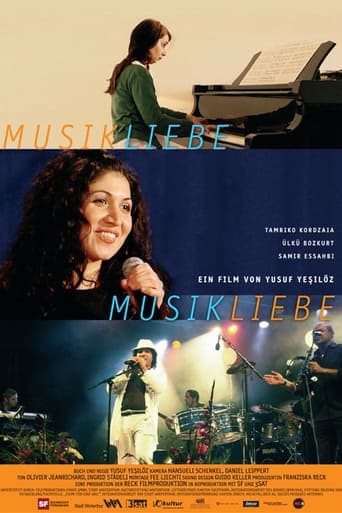
Two musicians whose biographies could not be more different. And yet, they are not only linked by a passion for music that they share with their spouses. All three have enjoyed successful careers in their home countries, and now need to find new bearings in Switzerland. Parallel to her concerts, pianist Tamriko Kordzaia, originally from Georgia, gives lessons at a music school, composer and singer Samir Essahbi, who is Moroccan, performs regularly with his band, and Turkish singer Ülkü Fazilet Bozkurt is starting to perform again.
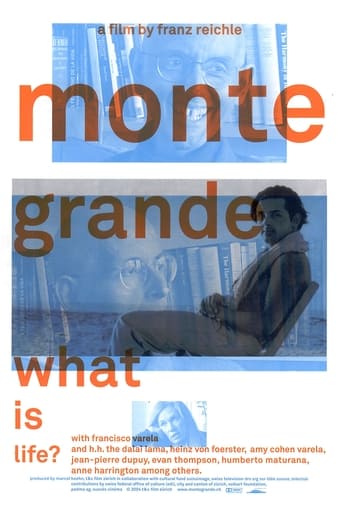
Documentary account of a man’s life in the face of imminent death – Francisco Varela's story told affectionately and gently, touchingly and astutely. Varela spent his life building bridges: between Western science and Eastern wisdom, neurobiology and philosophy, abstract theory and practical life. This film seeks to deconstructs the prevailing division between science and art.
Rudolf Buth, 86, leaves his 45-year-old apartment due to loneliness and moves in with Pauline Pappert and Therese Heinze, also 86, who have lived together for ten years. Initially, their different lifestyles clash, but the women win Rudolf over with empathy. Rudolf charms them, with Therese feeling the need to educate him and Pauline enjoying flirting. However, their joy is short-lived. The documentary “Ménage à trois” captures their story of finding companionship in old age.
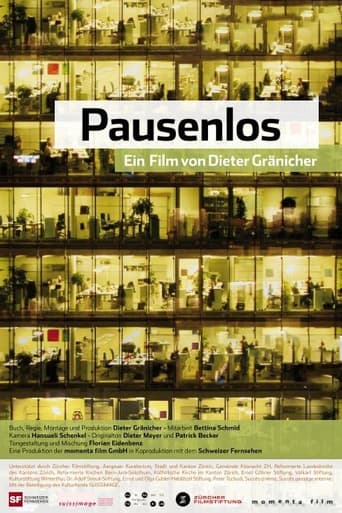
The film portrays people with different time consciousness. A computer scientist works non-stop. Only when she gets home can she relax. A young employee suffers from sleep disorders and stress at work, and sinks into a state of decompensation. Ski trainer Didier Plaschy looks at the effects of slowing down and speeding up. Time historian Karlheinz Geissler takes a piquantly humorous look at our fast-paced society.
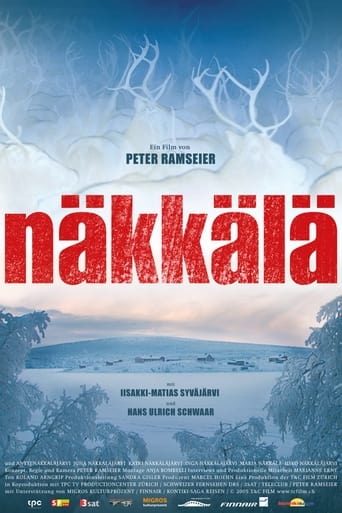
A hamlet in Finland's sprawling tundra. It became the second home of Emmental's Hans Ulrich Schwaar. He lives here with his friend and host, Sami Iisakki-Matias Syväjärvi, owner of the largest reindeer herd in Finland. The reindeer and the rhythm of nature determine daily life. Peter Ramseier has captured this life and the friendship between two men from different cultures in superb, poetic images.
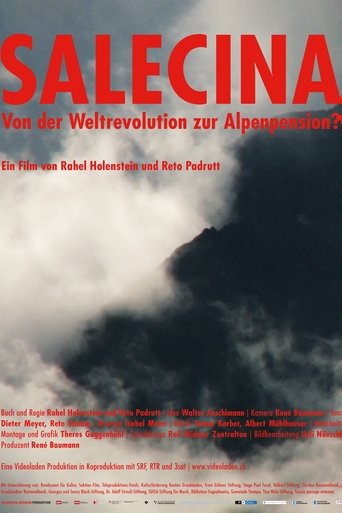
The Salecine meeting place, founded near Maloja in 1971 by Zurich communist bookseller Theo Pinkus, quickly became a socio-cultural and political Mecca for the left-wing intelligentsia. The film provides an overview of the chronicle of this Alpine melting pot of ideas, and also shows the changes in the zeitgeist since 1968. It is also a gentle, sentimental (sometimes self-ironic) tribute to the men and women of three generations of Salecina, who, at 1800 above sea level, are creating utopias for a fairer world.
Two women and a man suffering from severe depression are accompanied by a camera for a year and a half. The acute phase of their depression is the starting point for this filmed account. How do they cope with their illness and their stay in hospital? How does their professional and family situation evolve after this major crisis? When do they feel cured again?
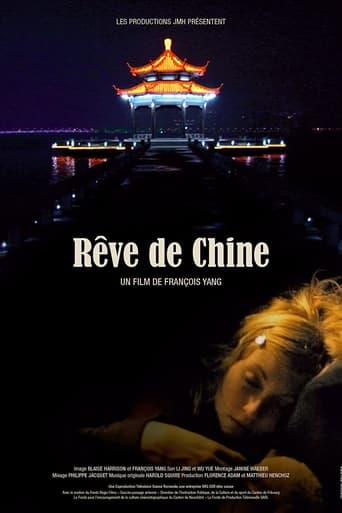
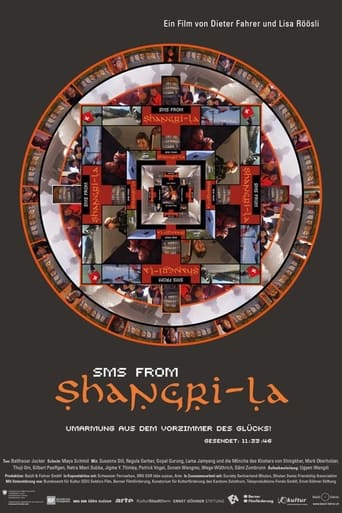
"Gross national happiness is more important than gross national product", declares the King of Bhutan. Can happiness be decreed? We accompany seven Swiss musicians to this mountainous Himalayan country. Between concerts, we meet Bhutanese people in their daily lives, who tell us, as if in passing, what makes them happy. Are we capable of finding happiness elsewhere? Does the advantage of globalization lie precisely in the erasure of the elsewhere? The whole world is in the here and now, and distant horizons are always close to us, transported by SMS...