
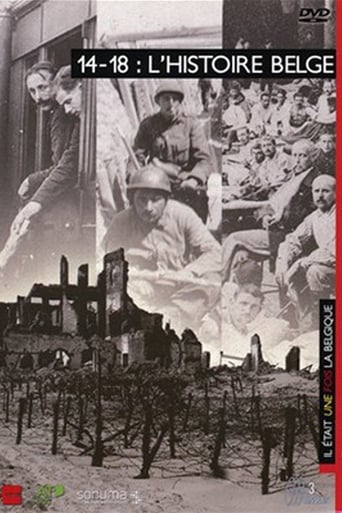
14–18 : l'histoire belge
2014-05-04 · 90 min / episode · ★ 8.0
Trailers are previews, not full movies.
No authorized playback source configured. Use the legal watch options below.
Production details
- Creators
- Marianne Sluszny, Michel Mees
- Production companies
- AT-Production
- Countries
- Belgium
- Status
- Ended
Top Cast
 Bernard YerlèsNarrator (voice)
Title information and images are supplied by TMDb. Explore our discovery guide for advice on comparing metadata and legal viewing options.
Where to watch
Availability provided by JustWatch via TMDb. Offers can change. Provider links are listed on TMDb; full playback requires a separately authorized source.
Availability not listed for this country.
Seasons & episodes
Recommendations
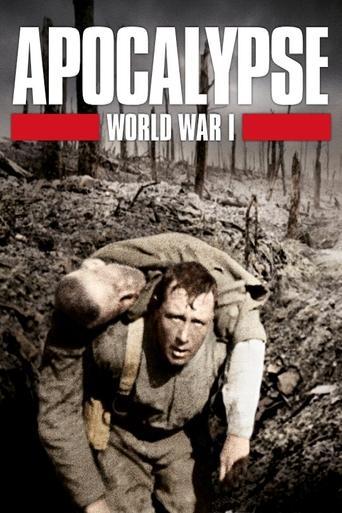
Colorized historical footage in ascending order of World War 1. Not only the relatively known Flanders and France battles, but also the generally unknown Italian-Austrian, German-Polish-Russian, Japanese-German, Ottoman Empire- Allied and African German Colonies, and other unknown or forgotten fronts and battles.
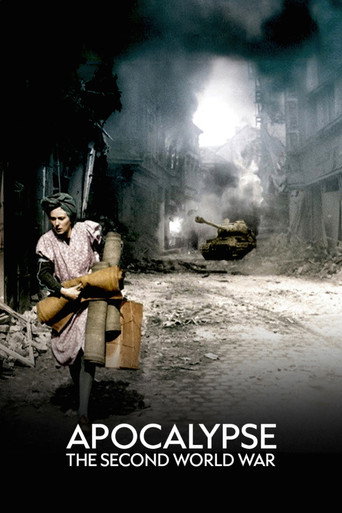
A six-part French documentary about the Second World War composed exclusively of actual footage of the war as filmed by war correspondents, soldiers, resistance fighters and private citizens. The series is shown in color, with the black and white footage being fully colorized, save for some original color footage. The only exception to the treatment are most Holocaust scenes, which are presented in the original black and white.
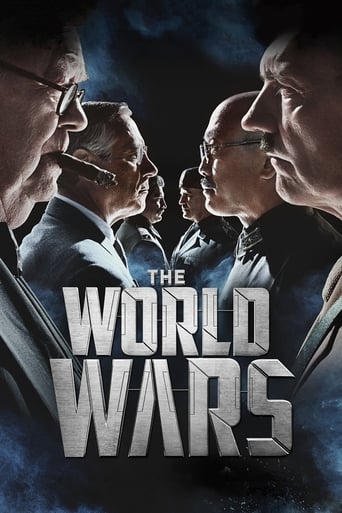
The story of three decades of war told through the eyes of various men who were its key players: Roosevelt, Hitler, Patton, Mussolini, Churchill, Tojo, DeGaulle and MacArthur. The series examines the two wars as one contiguous timeline starting in 1914 and concluding in 1945 with these unique individuals coming of age in World War I before ultimately calling the shots in World War II.
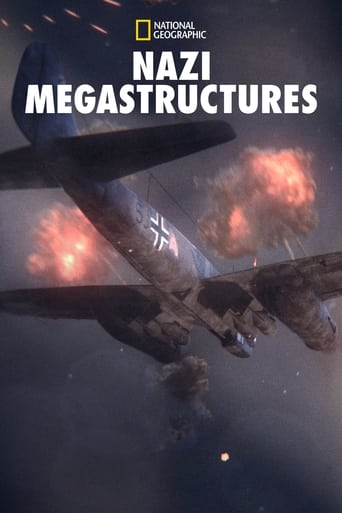
In a quest for world domination, the Nazis built some of the biggest and deadliest pieces of military hardware and malevolent technology in history. This is the stories of the engineers who designed them and how these structures sparked a technological revolution that changed warfare forever.
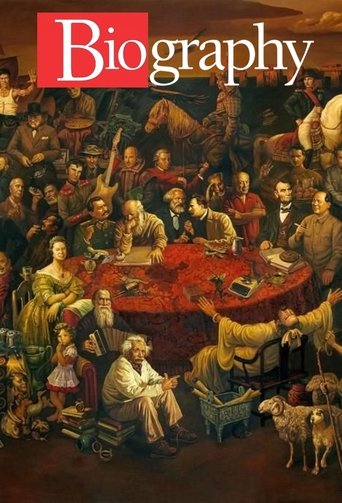
Biography is a documentary television series. It was originally a half-hour filmed series produced for CBS by David Wolper from 1961 to 1964 and hosted by Mike Wallace. The A&E Network later re-ran it and has produced new episodes since 1987. The older version featured historical figures such as Helen Keller and Mark Twain, or long-dead entertainment figures such as Will Rogers or John Barrymore. The A&E series has placed the emphasis on such people as Marilyn Monroe, Elvis Presley, Plácido Domingo, Freddie Mercury, Jacqueline Kennedy Onassis, Eric Clapton, Pope John Paul II, Gene Tierney, Selena, Diego Rivera, Mao Zedong and Queen Elizabeth II, and fictional characters like The Phantom, Superman, Hamlet, Betty Boop, and Santa Claus. The program ended up profiling enough figures that in 1999, A&E spun it off into an entire network, The Biography Channel.

30 for 30 is the title for a series of documentary films airing on ESPN, its sister networks, and online highlighting interesting people and events in sports history. This currently includes four "volumes" of 30 episodes each, a 13-episode series under the ESPN Films Presents title in 2011–2012, and a series of 30 for 30 Shorts shown through the ESPN.com website. The series has also expanded to include Soccer Stories, which aired in advance of the 2014 FIFA World Cup, and audio podcasts. This entry refers to the main Volumes of the series presented by ESPN

Doctor Who Confidential is a documentary to complement the revival of the long-running British science fiction television series Doctor Who. Each episode was broadcast on BBC Three on Saturdays, immediately after the broadcast of the weekly television episode on BBC One. The running time of the first two series was 30 minutes, being extended to 45 minutes in the third. BBC Three also broadcast a cut-down edition of the programme, lasting 15 minutes, shown after the repeats on Sundays and Fridays and after the weekday evening repeats of earlier seasons.
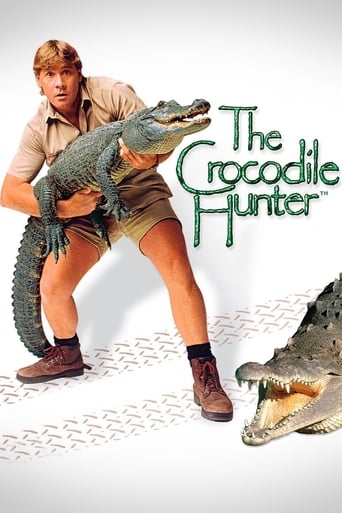
Australian host Steve Irwin and his wife Terri run a wildlife refuge. Their shared passion is educating the world about wildlife, including the much feared crocodile and numerous venomous snakes. Steve's specialty is the capture and relocation of crocodiles. No animal appears too threatening to Steve, his true respect for animals is the foundation for everything he does.
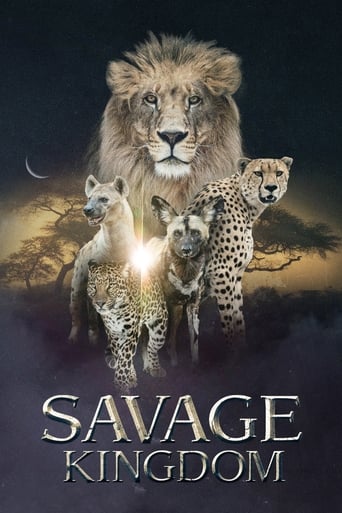
A rare look at warring animal clans battling for survival in a remote region of Africa, which is drying up after years of flood-soaked abundance.
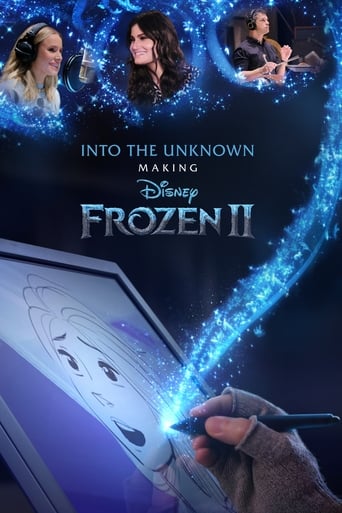
The team behind Frozen II open their doors to cameras for a six-part documentary series to reveal the hard work, heart, and collaboration it takes to create one of the most highly-anticipated films in Walt Disney Animation Studios’ near-century of moviemaking. Cameras were there to capture an eye-opening - and at times jaw-dropping - view of the challenges and the breakthroughs, the artistry, creativity and the complexity of creating the #1 animated feature of all time.
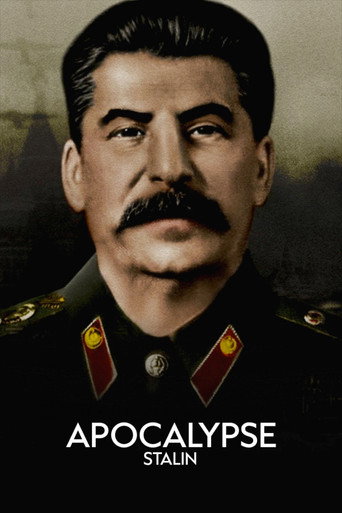
The rise of Stalin, from his early beginning as a bankrobber to the cold-blooded leader of the Soviet Union.
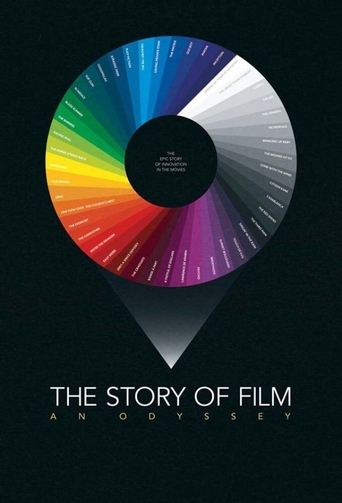
A worldwide guided tour of the greatest movies ever made and the story of international cinema through the history of cinematic innovation.

The history of the sport of baseball in America, told through archival photos, film footage, and the words of those who contributed to the game in each era. Writers, historians, players, baseball personnel, and fans review key events and the significance of the game in America's history.
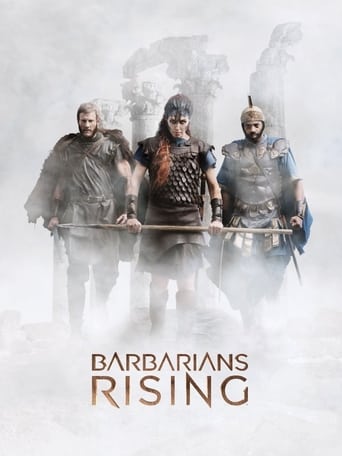
Told from the perspective of the rebel leaders, the series chronicles a wave of rebellions against absolute power by those the Roman Empire called “barbarians” – tribes they viewed as beyond the fringe of civilization that lived a brutish and violent existence. But these also were men and women who launched epic struggles that shaped the world to come with a centuries-long fight to defeat the sprawling empire.
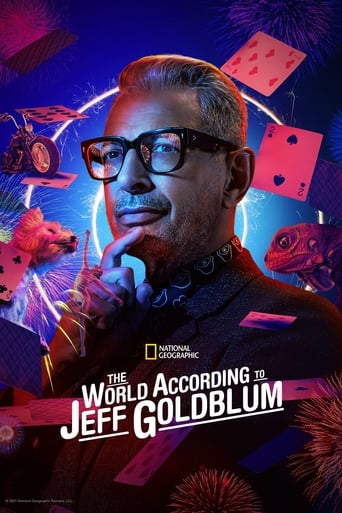
Through the prism of Jeff Goldblum's always inquisitive and highly entertaining mind, nothing is as it seems. Each episode is centered around something we all love — like sneakers or ice cream — as Jeff pulls the thread on these deceptively familiar objects and unravels a wonderful world of astonishing connections, fascinating science and history, amazing people, and a whole lot of surprising big ideas and insights.
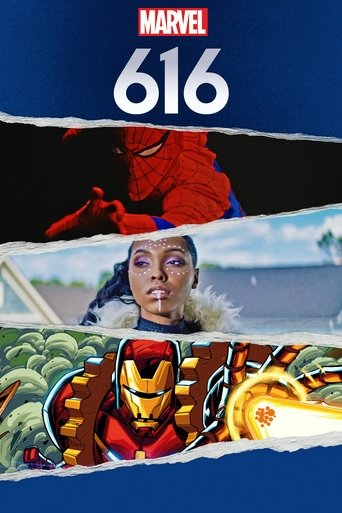
Explore Marvel’s rich legacy of pioneering characters, creators and storytelling to reflect the world outside your window. Each documentary, helmed by a unique filmmaker, showcases the intersections of storytelling, pop culture, and fandom within the Marvel Universe.

Have you ever wondered how the products you use every day are made? How It's Made leads you through the process of how everyday products, such as apple juice, skateboards, engines, contact lenses, and many more objects are manufactured.

Based on the popular BBC series running since 1979, the PBS Antiques Roadshow combines history with discovery. Each year, the show visits a handful of cities to appraise items brought in by viewers. Are these items worth a lot of money, more than the visitors expect?
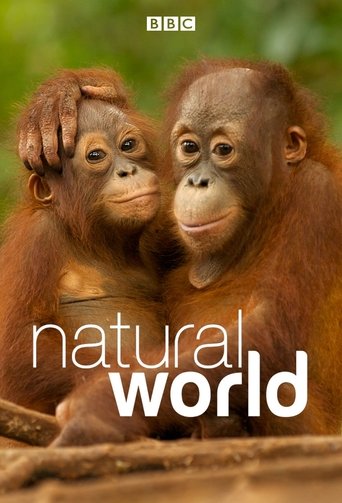
Natural World is a nature documentary television series broadcast annually on BBC Two and regarded by the BBC as its flagship natural history brand. It is currently the longest-running series in its genre on British television, with more than 400 episodes broadcast since its inception in 1983. Natural World is produced by the BBC Natural History Unit in Bristol, but individual programmes can be in-house productions, collaborative productions with other broadcasters or films made and distributed by independent production companies and purchased by the BBC. Natural World programmes are often broadcast as PBS Nature episodes in the USA. Since 2008, most Natural World programmes have been shot and broadcast in high definition.
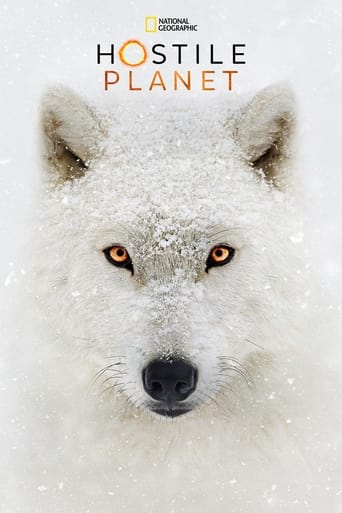
This six part documentary draws attention to the most extraordinary — almost supernatural — accounts of animals that have adapted to the cruelest evolutionary curveballs.
Similar titles
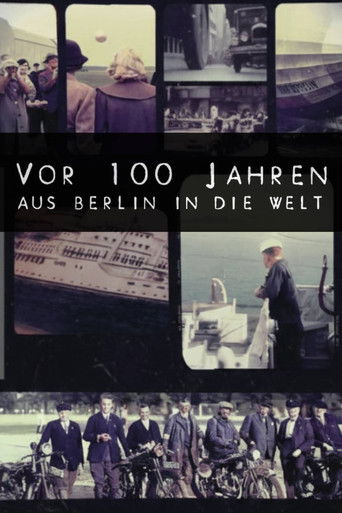
A century ago, the world experienced a revolution in mobility. Cities like Berlin grew rapidly, with the Graf Zeppelin soaring over the city in 1928, sparking excitement for airship travel. These majestic airships made ocean crossings faster and more luxurious, and even enabled polar expeditions. At the same time, automobiles and motorcycles became staples for many, although streets became congested. Women like Amelia Earhart and Elly Beinhorn broke barriers in aviation, inspiring new possibilities for both genders in the field of technology. While air travel grew in popularity, trains remained the main long-distance transport. The era also saw an explosion of new mobility options, with faster, cheaper ways to travel across the globe, making the world seem smaller and more connected. However, this golden age of mobility would be cut short by the outbreak of World War II.
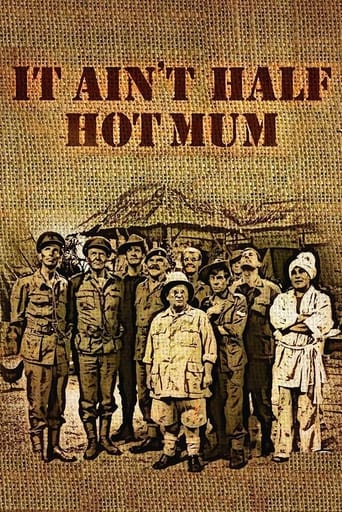
In 1945, during the final months of the Second World War, a group of soldiers perform for the Royal Artillery concert party, with comic acts and musical numbers for others prior to their departure for the frontlines. The party avoids partaking in combat duty; thus, the soldiers love being part of the outfit. Some even daydream of becoming world-famous actors when they leave the army.

To join the ranks of Australia's elite SAS regiment you've got to make it through one of the toughest training courses in the world.
A look into the Belgian colonisation of Congo through interviews of both colonials as Congolese people that lived it.
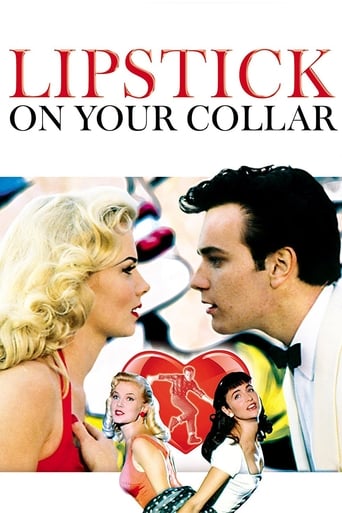
During the Suez Crisis of 1956, two young clerks at the stuffy Foreign Office in Whitehall display little interest in the decline of the British Empire. To their eyes, it can hardly compete with girls, rock music, and the intrigue of romantic entanglements.

Once voted out, written off countless times, convicted multiple times – and unstoppable. The comeback of the century: Trump is transforming the USA. And perhaps even the world? This documentary tells the story of an American president who stirs up and unsettles Europe with deals and harsh words. What is his strategy and what has he achieved with it so far? How is Germany responding? How is Europe faring? And what will become of the America we knew? Will the “system crasher” Trump merely dismantle bureaucracy and inefficiency – or democracy itself?

When war broke out in Europe in 1914, most people thought the conflict would be over by Christmas; they could not imagine how wrong they were. An attack in Sarajevo ended up becoming a snowball that swept the world: a new kind of warfare had begun, waged with techniques and means never seen before. By November 1918, ten million people had died and the political map of the planet had been redrawn.
Communism spread to all of the continents of the word, lasting through four generations and over seven decades. Hundreds of millions of men and women were affected by this political system, one of the most unjust and bloodiest in history. Using newly discovered propaganda films and archival photos, these four episodes explore the mysteries of this totalitarian political machine that lured its share of important followers into the fold. Known as the red church, communism seduced its ardent followers like some earthly religion.
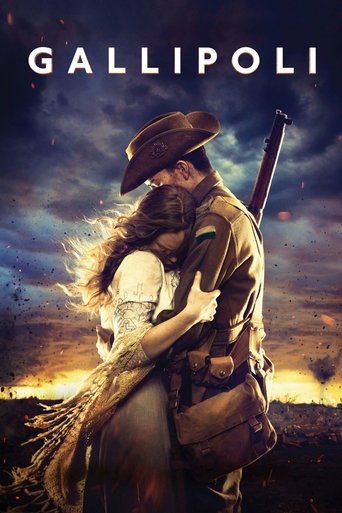
As dawn breaks on April 25, 1915, ANZAC troops go into battle on the beaches of the Gallipoli peninsula. Landing in the dark chaos, Tolly, Bevan and their mates struggle to establish a tenuous foothold on the treacherous slopes and deep ravines. They endure the next eight months on the peninsula learning lessons of survival. By the time of the final evacuation they have also learned the skills of combat and what it means to be a young man in war.

They're not just fire chiefs, inspectors, or skilled technicians, but also buddies, athletes, fathers, soccer fans, and amateur chefs. This series follows the firefighters of Station 4 in Stuttgart in their daily lives, revealing the individuals behind the helmets—their diverse personalities, strengths, and weaknesses. In their demanding and dangerous job, these men must rely on each other completely. They can only overcome the challenges together as a team. When the alarm sounds, absolute concentration is required. But how do they cope with stressful impressions and experiences? And do arguments sometimes arise within the team?
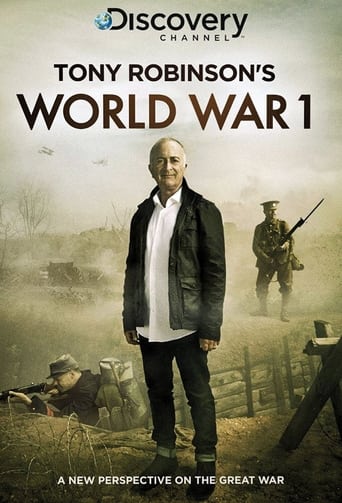
Sir Tony Robinson, the history presenter and former Black Adder star, tells the story of the Great War. How it started, how it changed the world and how it finished with a 100 day flourish of military brilliance, which finally put an end to four years of incompetence and slaughter. With the aid of hundreds of amazing archived 3D images of the Great War which chronicle WWI from start to finish and breathe new life into the story, Tony Robinson's World War I allows modern audiences to see the war in a completely new way. Robinson will also show how the Great War changed British people for generations to come – liberating large portions of the working class, powering the rise of the Labour party and breaking the old ties of service to the aristocracy.
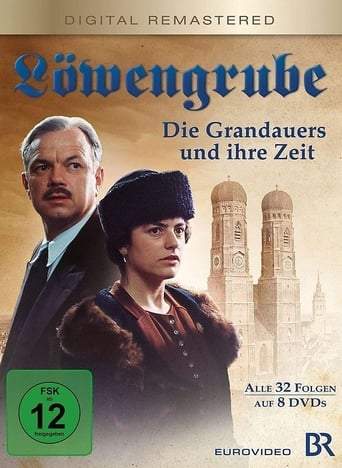
"Löwengrube – Die Grandauers und ihre Zeit" is a German television series first aired between 1989 and 1992, created by Willy Purucker and directed by Rainer Wolffhardt. It is set in Munich and follows the lives of Ludwig Grandauer and his son Karl, both policemen, covering the years from 1897 to 1954. The TV show is based on Purucker's radio play series Die Grandauers und ihre Zeit (‘The Grandauers and their time’). The series’ main title "Löwengrube", meaning ‘Lions’ Den’, refers to the address of the Munich Police Headquarters inaugurated in 1913.
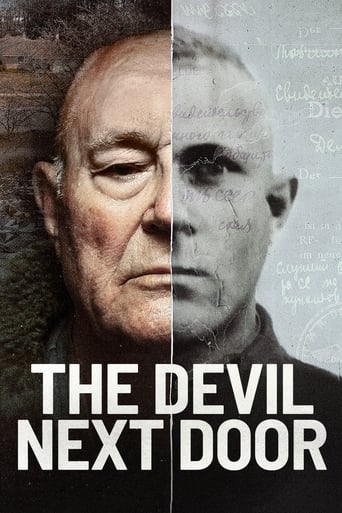
A Cleveland grandfather is brought to trial in Israel, accused of being the infamous Nazi death camp guard known as Ivan the Terrible.
Colorized historical footage in ascending order of World War 1. Not only the relatively known Flanders and France battles, but also the generally unknown Italian-Austrian, German-Polish-Russian, Japanese-German, Ottoman Empire- Allied and African German Colonies, and other unknown or forgotten fronts and battles.
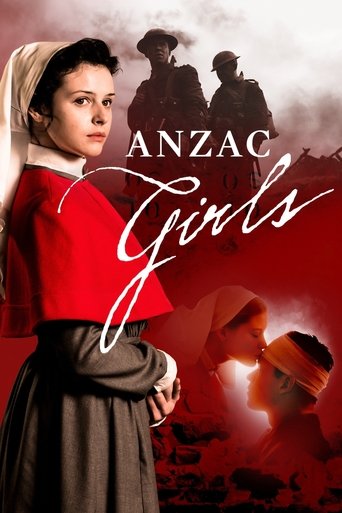
The unique, and rarely told true stories of Australian and New Zealand nurses serving at Gallipoli and the Western Front during the First World War.

At the outbreak of World War I, two teenage boys - one German and one British - defy their parents to sign up. An epic historical drama spanning the five years of the First World War, as seen through the eyes of two ordinary young soldiers.
The story of three decades of war told through the eyes of various men who were its key players: Roosevelt, Hitler, Patton, Mussolini, Churchill, Tojo, DeGaulle and MacArthur. The series examines the two wars as one contiguous timeline starting in 1914 and concluding in 1945 with these unique individuals coming of age in World War I before ultimately calling the shots in World War II.

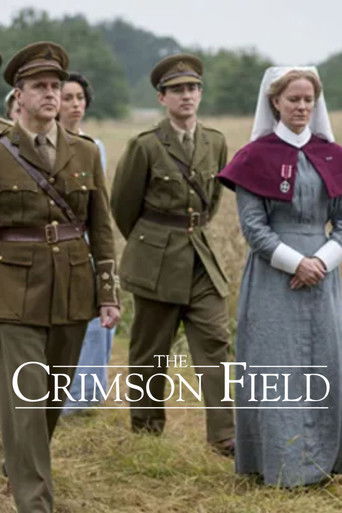
In a tented field hospital on the coast of France, a team of doctors, nurses and women volunteers work together to heal the bodies and souls of men wounded in the trenches.