

Ma'abarot: The Israeli Transit Camps
2019-02-19 · 50 min / episode · Not rated
A four episodes documentary series that unveils one of the most controversial topics in the history of the Israeli state. Rare archival materials and testimonials of former residents tell the stories of the 'Ma'abrot' (refugee absorption camps meant to provide accommodation for the large influx of Jewish refugees in Israel in the 1950s), and the institutional discrimination towards its inhabitants — Jewish immigrants from North Africa and Middle East.
Trailers are previews, not full movies.
No authorized playback source configured. Use the legal watch options below.
Production details
- Creators
- Arik Bernstein, Hila Shalem Baharad, Shay Lahav, Dina Zvi-Riklis
- Production companies
- Alma Productions
- Countries
- Israel
- Status
- Ended
Top Cast
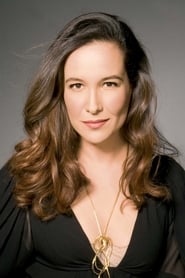 Yaël AbecassisNarrator
Title information and images are supplied by TMDb. Explore our discovery guide for advice on comparing metadata and legal viewing options.
Where to watch
Availability provided by JustWatch via TMDb. Offers can change. Provider links are listed on TMDb; full playback requires a separately authorized source.
Availability not listed for this country.
Seasons & episodes
Recommendations

The history of the sport of baseball in America, told through archival photos, film footage, and the words of those who contributed to the game in each era. Writers, historians, players, baseball personnel, and fans review key events and the significance of the game in America's history.

Doctor Who Confidential is a documentary to complement the revival of the long-running British science fiction television series Doctor Who. Each episode was broadcast on BBC Three on Saturdays, immediately after the broadcast of the weekly television episode on BBC One. The running time of the first two series was 30 minutes, being extended to 45 minutes in the third. BBC Three also broadcast a cut-down edition of the programme, lasting 15 minutes, shown after the repeats on Sundays and Fridays and after the weekday evening repeats of earlier seasons.
Don Wildman unearths relics from the world's greatest institutions to reveal secrets from the past. He examines each artifact to illuminate history's most incredible triumphs, sensational crimes and bizarre encounters.
Infographics and archival footage deliver bite-size history lessons on scientific breakthroughs, social movements and world-changing discoveries.

TV's most-watched history series brings to life the compelling stories from our past that inform our understanding of the world today.
Biography is a documentary television series. It was originally a half-hour filmed series produced for CBS by David Wolper from 1961 to 1964 and hosted by Mike Wallace. The A&E Network later re-ran it and has produced new episodes since 1987. The older version featured historical figures such as Helen Keller and Mark Twain, or long-dead entertainment figures such as Will Rogers or John Barrymore. The A&E series has placed the emphasis on such people as Marilyn Monroe, Elvis Presley, Plácido Domingo, Freddie Mercury, Jacqueline Kennedy Onassis, Eric Clapton, Pope John Paul II, Gene Tierney, Selena, Diego Rivera, Mao Zedong and Queen Elizabeth II, and fictional characters like The Phantom, Superman, Hamlet, Betty Boop, and Santa Claus. The program ended up profiling enough figures that in 1999, A&E spun it off into an entire network, The Biography Channel.
A series of standalone documentaries powered by the unparalleled journalism and insight of The New York Times, bringing viewers close to the essential stories of our time.
Actor Zac Efron journeys around the world with wellness expert Darin Olien in a travel show that explores healthy, sustainable ways to live.

This compelling series investigates the motives and m.o. of female murderers. While males are often driven by anger, impulse and destruction, women usually have more complex, long-term reasons to kill.

With series creator Lauren S. Hissrich as your guide, take an in-depth journey into the stories and themes powering the first season of The Witcher.
Come one, come all to The Circus. This real-time documentary series pulls back the curtain on the current political stories, revealing the intense, inspiring and infuriating stories behind the headlines. Key characters and events are presented in real time, as they are happening.

Motoring programme featuring reviews of and reports about cars of all types.

Executive producer Jon Favreau invites the cast and crew of The Mandalorian to share an unprecedented look at the making of the series. Each chapter explores a different facet of the first live-action Star Wars television show through interviews, never-before-seen footage, and roundtable conversations hosted by Favreau himself.
Explores WWII from Germany's invasion of Poland through the atomic age, examining pivotal battles, wartime leaders like Churchill and Roosevelt, and the human cost of total war.
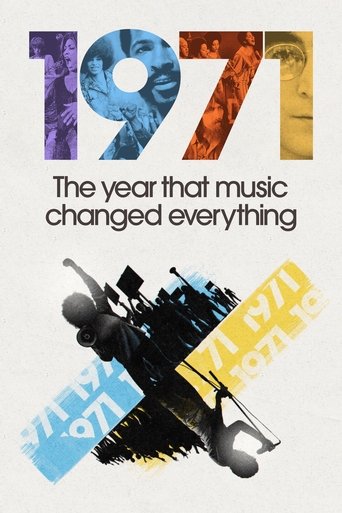
In a tumultuous era, 1971 was a year of musical innovation and rebirth fueled by the political and cultural upheaval of the time. Stars reached new heights, fresh talent exploded onto the scene, and boundaries expanded like never before.
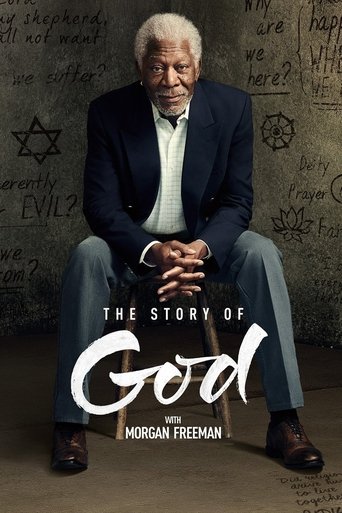
Morgan Freeman presents his quest in order to find how most religions perceive life after death, what different civilizations thought about the act of creation and other big questions that mankind has continuously asked.
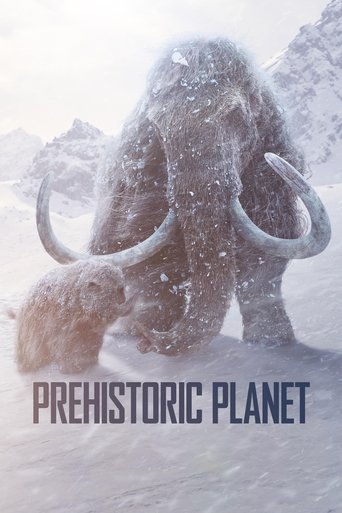
Experience the wonders of our world like never before in this epic series from Jon Favreau and the producers of Planet Earth. Travel back 66 million years to when majestic dinosaurs and extraordinary creatures roamed the lands, seas, and skies.
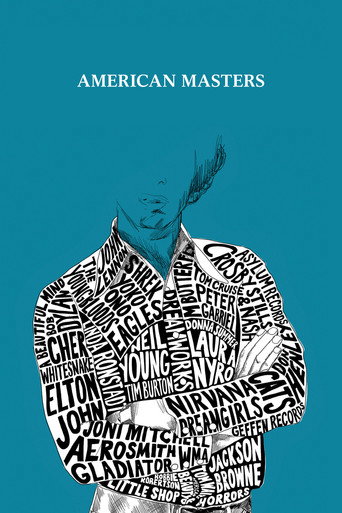
American Masters is a PBS television series which produces biographies on enduring writers, musicians, visual and performing artists, dramatists, filmmakers, and others who have left an indelible impression on the cultural landscape of the United States.
The Walking Dead: Origins is a series of specials exploring the journeys of the series' most celebrated characters. Each episode charts the story of the zombie apocalypse from the point of view of a single character and features new interviews and narrations from the actors that portray these iconic characters, interwoven with clips from the most pivotal moments of their journeys so far.
MegaStructures is a documentary television series appearing on the National Geographic Channel in the United States and the United Kingdom, Channel 5 in the United Kingdom, France 5 in France, and 7mate in Australia. Each episode is an educational look of varying depth into the construction, operation, and staffing of various structures or construction projects, but not ordinary construction products. Generally containing interviews with designers and project managers, it presents the problems of construction and the methodology or techniques used to overcome obstacles. In some cases this involved the development of new materials or products that are now in general use within the construction industry. MegaStructures focuses on constructions that are extreme; in the sense that they are the biggest, tallest, longest, or deepest in the world. Alternatively, a project may appear if it had an element of novelty or are a world first. This type of project is known as a Megaproject.
Similar titles
A Cleveland grandfather is brought to trial in Israel, accused of being the infamous Nazi death camp guard known as Ivan the Terrible.
Documentary series exploring the lives of Romanians trying to make a new life in Britain, and seeking out the truth behind the headlines about immigration.

Over six episodes, Maisonneuve looks at the repercussions flowing from the arrest of 11 students at Montreal’s Collège de Maisonneuve as they prepared to join the ranks of the Islamic State in Syria. From the initial shock to a gradual opening for dialogue, the series follows the paths of six exceptional young people who share their points of view. Through their eyes, Maisonneuve highlights both the importance and the fragility of living together in harmony in Quebec.


"Keeping Up with the Khans" explores the lives and aspirations of new migrants to Britain, and the impact that immigration has on one community: Page Hall in Sheffield

The epic history behind the creation of America, exploring how and why our ancestors came to this country. Examine the massive immigration patterns of ethnic groups to the United States through the telling of historical events including the Dutch Fur Trade, the Great Potato Famine, the California Gold Rush and more.


Recounts the largest migration movement in history in which 55 million Europeans left their home countries and set off to America.

With unprecedented access to ICE operations and moving portraits of immigrants, this documentary series takes a deep look at US immigration.

Ross Kemp journeys to the Middle East where the bitter conflict has cost tens of thousands of lives and forced millions to live in fear and misery. Ross visits Gaza one year on from Operation Cast Lead, a massive Israeli military assault on the Gaza Strip that saw as many as 1,400 Palestinians die, thousands of homes destroyed, and much of Gaza's infrastructure obliterated. He then travels to Israel and discovers a country divided, one that is surrounded by enemies and living under the constant fear of rocket attacks and suicide bombs from groups dedicated to its destruction.

Created, directed and hosted by real-life partners Noémi Mercier and Philippe Desrosiers, Devenir Keb (Becoming a Quebecer) explores the topic of Quebec identity by giving immigrants the mic — and a voice.
Exploring cultural and historical peculiarities of different nations around the world from the perspective of winemaking. Docuseries that reveals unusual wine destinations.

The miniseries tells in four episodes the story of powerful men that included Brazil in the world economic map in the first decades of the twentieth century: Francesco Matarazzo, Percival Farquhar, Giuseppe Martinelli and Guilherme Guinle. Visionaries, dreamers and polemic, they bet on developments that put the country on the path to become one of the economic powers of the twenty-first century.

This series shows how in Latin America each border is a challenge for those who try to ignore the limits of legality by land, sky or sea. With exclusive access to 15 border points in Mexico, Brazil, Colombia, Chile, Bolivia and Peru.

In 2006, the body of the girl Tair Rada was found in the bathroom stall at the school where she studied. Days later, the police arrested a suspect - Roman Zadorov, and after a week of intense interrogation he admits and restores the murder. However, even after he was convicted three times, many still believe in his innocence. The series explores the length and breadth provision and leaving no stone unturned in an attempt to complete the picture of the puzzle, exposing new and dramatic discoveries. Through a complex mosaic of interviews, photographs and cinematic touch with the extensive use of inquiry and archives, the show tries to fathom the overwhelming truth.

Following U.S. Customs and Border Protection officers working across the 28 international bridges linking the United States and Mexico. With unprecedented access to one of the world's busiest land borders, the series captures the daily challenge of facilitating millions of legitimate crossings while intercepting smugglers, wanted fugitives, illegal contraband, and other cross-border crime.

Pillar of Fire focuses on the History of Zionism, beginning in 1896, in the wake of Theodor Herzl's revival of the concept of Jewish nationalism and continues to follow the Jewish People in the 20th century, the early stages of Zionism, followed by the waves of Aliyah prior to the founding of Israel, the Revival of the Hebrew language, the Ottoman Empire's rule in over the Land of Israel, the British Mandate, Anti-Semitism in Europe, the rise of Nazism and The Holocaust, the history of the Yishuv, the Jewish struggle for independence, and ends in 1948, with the Israeli Declaration of Independence.
Jamaican-born Stuart Hall looks at the history of the Caribbean islands through interviews with modern inhabitants.
November 1947. The United Nations votes the partition plan for Palestine. For some, it is a dream becoming reality; for others, it is the beginning of a catastrophe. Seventy years after this historic vote, the land of Palestine remains an open wound, a battleground for two peoples torn apart by their shared history, a source of inextricable tension in the region and even beyond the borders of the Middle East.