The BBC at War
2015-06-14 · 60 min / episode · ★ 7.0
An enthralling series exploring how the BBC fought not only Hitler but also the British government to become the institution it is today.
Trailers are previews, not full movies.
No authorized playback source configured. Use the legal watch options below.
Production details
- Creators
- Unavailable
- Production companies
- BBC
- Countries
- United Kingdom
- Status
- Ended
Top Cast
 William JoyceHimself - Lord Haw-Haw
 Pip Torrens
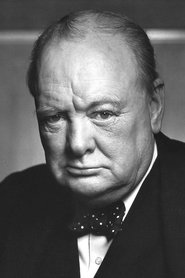 Winston ChurchillSelf (archive footage)
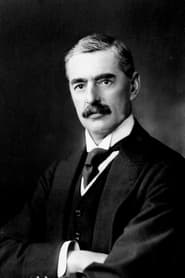 Neville ChamberlainHimself
 Jonathan DimblebySelf - Presenter
Title information and images are supplied by TMDb. Explore our discovery guide for advice on comparing metadata and legal viewing options.
Where to watch
Availability provided by JustWatch via TMDb. Offers can change. Provider links are listed on TMDb; full playback requires a separately authorized source.
Seasons & episodes
Recommendations
Explores WWII from Germany's invasion of Poland through the atomic age, examining pivotal battles, wartime leaders like Churchill and Roosevelt, and the human cost of total war.

TV's most-watched history series brings to life the compelling stories from our past that inform our understanding of the world today.
This captivating docuseries examines Winston Churchill's pivotal role in World War II and the formative events that made him an ideal leader for the era.
Infographics and archival footage deliver bite-size history lessons on scientific breakthroughs, social movements and world-changing discoveries.

Doctor Who Confidential is a documentary to complement the revival of the long-running British science fiction television series Doctor Who. Each episode was broadcast on BBC Three on Saturdays, immediately after the broadcast of the weekly television episode on BBC One. The running time of the first two series was 30 minutes, being extended to 45 minutes in the third. BBC Three also broadcast a cut-down edition of the programme, lasting 15 minutes, shown after the repeats on Sundays and Fridays and after the weekday evening repeats of earlier seasons.
WWII in HD is a 10-part American documentary television miniseries that originally aired from November 15 to November 19, 2009 on the History Channel. The program focuses on the firsthand experiences of twelve American service members during World War II, including an Army nurse, a member of the Tuskegee Airmen, a second generation Japanese American and prisoner of war, and an Austrian Jewish immigrant. The twelve members recorded their time in both theaters and some had later interviews; found footage from the battlefield was paired with the stories of the twelve service members. The episodes premiered on five consecutive days, with two episodes per day. The series is narrated by Gary Sinise and was produced by Lou Reda Productions in Easton, Pennsylvania, United States.
A documentary series that gives a historical account of the events of World War II, from its roots in the 1920s to the aftermath and the lives it profoundly influenced.

Using highly advanced colourisation techniques, critical moments from World War II, from Stalingrad to The Battle of Britain, are shown in a whole new light.

Motoring programme featuring reviews of and reports about cars of all types.
World War II In Colour is a 13-episode television documentary miniseries recounting the events of World War II narrated by Robert Powell. The show covers the Western Front, Eastern Front, and the Pacific War. It is on syndication in America on the Military Channel. This series is in full color, combining both original and colorized footage.
Biography is a documentary television series. It was originally a half-hour filmed series produced for CBS by David Wolper from 1961 to 1964 and hosted by Mike Wallace. The A&E Network later re-ran it and has produced new episodes since 1987. The older version featured historical figures such as Helen Keller and Mark Twain, or long-dead entertainment figures such as Will Rogers or John Barrymore. The A&E series has placed the emphasis on such people as Marilyn Monroe, Elvis Presley, Plácido Domingo, Freddie Mercury, Jacqueline Kennedy Onassis, Eric Clapton, Pope John Paul II, Gene Tierney, Selena, Diego Rivera, Mao Zedong and Queen Elizabeth II, and fictional characters like The Phantom, Superman, Hamlet, Betty Boop, and Santa Claus. The program ended up profiling enough figures that in 1999, A&E spun it off into an entire network, The Biography Channel.
The story of the Second World War through the personal accounts of a handful of men and women from four American towns. The war touched the lives of every family on every street in every town in America and demonstrated that in extraordinary times, there are no ordinary lives.
This docuseries captures the remarkable rise and unprecedented success of one of the most dominant and iconic franchises in professional sports. Featuring exclusive access to the Buss Family and probing, revealing interviews with players, coaches, and front office execs, this series chronicles this extraordinary story from the inside – told only by the people who lived it.

Have you ever wondered how the products you use every day are made? How It's Made leads you through the process of how everyday products, such as apple juice, skateboards, engines, contact lenses, and many more objects are manufactured.
Don Wildman unearths relics from the world's greatest institutions to reveal secrets from the past. He examines each artifact to illuminate history's most incredible triumphs, sensational crimes and bizarre encounters.

Through the prism of Jeff Goldblum's always inquisitive and highly entertaining mind, nothing is as it seems. Each episode is centered around something we all love — like sneakers or ice cream — as Jeff pulls the thread on these deceptively familiar objects and unravels a wonderful world of astonishing connections, fascinating science and history, amazing people, and a whole lot of surprising big ideas and insights.

An insider's look at the engineering and scientific miracles behind the things that form the modern world.

Explore Marvel’s rich legacy of pioneering characters, creators and storytelling to reflect the world outside your window. Each documentary, helmed by a unique filmmaker, showcases the intersections of storytelling, pop culture, and fandom within the Marvel Universe.
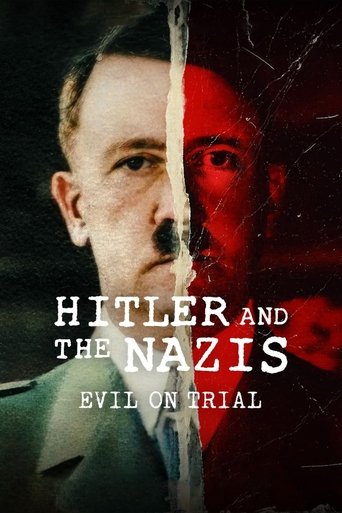
This gripping docuseries examines Adolf Hitler and the Nazis' rise, rule and reckoning from pre-WWII to the Holocaust to the Nuremberg trials.
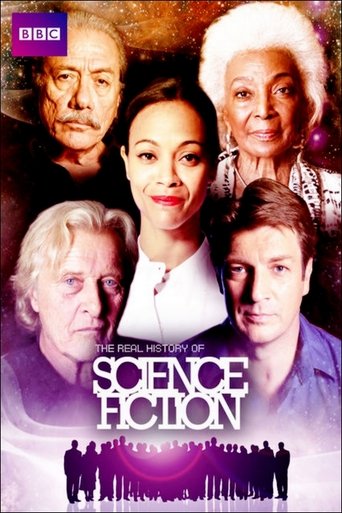
The series heads to the very frontiers of space and science to produce the definitive television history of science fiction, told through its impact on cinema, television and literature, with the help of filmmakers, writers, actors, and graphic artists. Each episode will explore one of the enduring themes of science fiction: time travel; the exploration of space; robots and artificial intelligence; and aliens.
Similar titles
Documentary series recounting the exploits of the Special Operations Executive in World War Two.
In this blend of historical drama and original source material, the story of this decisive year is remagined, not from the saddles of kings and conquerors, but through the eyes of the ordinary men who fought on their behalf.
Tank Overhaul is a Canadian documentary television program broadcast on the Military Channel starting in 2007. Episodes are filmed at the Isle of Wight Military Museum as well as other organizations specializing in military history vehicle restoration and preservation.
Investigating the most notorious murders ever to take place on the British railways. The cases start from 1864 with the the first murder on a British railway.
The Normans is a British television documentary series first aired on BBC Two in 2010. Over three episodes, it sees Professor Robert Bartlett's journey from Great Britain via Jerusalem to the Kingdom of Sicily to examine the expansion and ambition of the Normans between the 10th and 13th centuries.
Explores WWII from Germany's invasion of Poland through the atomic age, examining pivotal battles, wartime leaders like Churchill and Roosevelt, and the human cost of total war.
Documentary series that tells the stories of the extraordinary last survivors of the generation who fought or lived through World War II.
Katherine Jenkins and Michael Aspel celebrate the heroes of the Home Front.
As commanders from the great battles of WWII go head-to-head on the battlefield, they attempt to outwit and outfight each other with strategic moves in a game of skill, bluff and counterbluff. With the lives of thousands of men at risk, the generals’ reputations hanging in the balance, the stakes are impossibly high and the pressure is on.
The Wehrmacht is a 5 parts documentary that provides differentiated answers on the Wehrmacht role in the World War II based on the latest historical and comprehensive investigative research, bringing many new facts to light, among them documents proving for the first time ever, what many among the officers actually thought from Trent Park operation archives.
Dive into history. Family memories reveal Northern Ireland's crucial role in WWII's epic sea battle, as divers explore the lost wrecks that reveal the human cost of the conflict.
Exploring the 'hidden front line' of the Second World War.
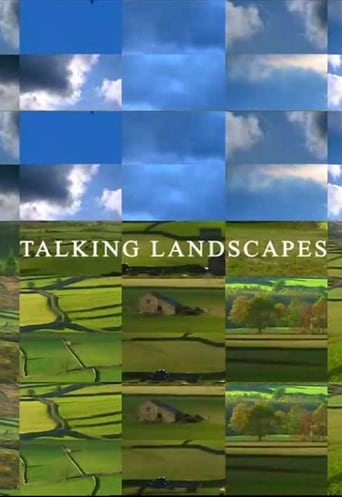
Aubrey Manning sets out on a journey to study the changing face of Britain's countryside
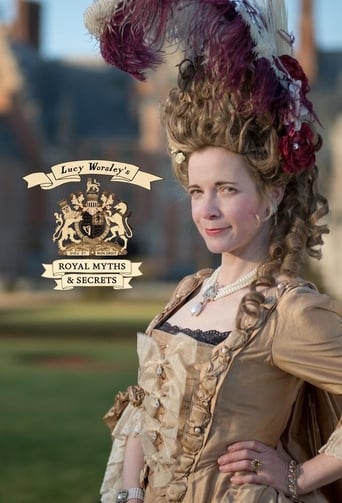
In this 3-part documentary series, Lucy Worsley travels across Britain and Europe visiting the locations where royal history was made. In palaces and castles and on battlefields she investigates how royal history is a mixture of facts, exaggeration, manipulation and mythology.