
The Trackers Diary Tigers Of Nepal
2024-05-09 · Runtime unavailable · Not rated
Nepal is known for its Bengal tigers but only 300 remain in the wild. Tracker Casey Anderson is determined to walk in their footsteps.
Trailers are previews, not full movies.
No authorized playback source configured. Use the legal watch options below.
Production details
- Creators
- Unavailable
- Production companies
- Unavailable
- Countries
- Unavailable
- Status
- Returning Series
Top Cast
Cast unavailable.
Title information and images are supplied by TMDb. Explore our discovery guide for advice on comparing metadata and legal viewing options.
Where to watch
Availability provided by JustWatch via TMDb. Offers can change. Provider links are listed on TMDb; full playback requires a separately authorized source.
Availability not listed for this country.
Seasons & episodes
Recommendations
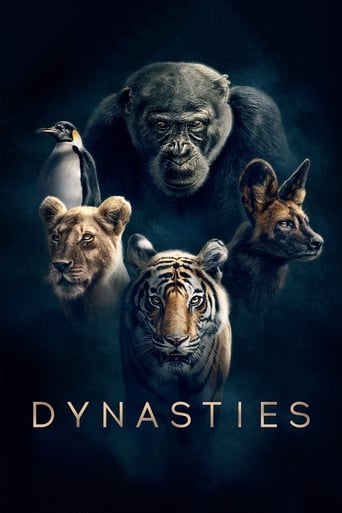
Follow the true stories of five of the world's most celebrated, yet endangered animals; penguins, chimpanzees, lions, painted wolves and tigers. Each in a heroic struggle against rivals and against the forces of nature, these families fight for their own survival and for the future of their dynasties.
Consistently stunning documentaries transport viewers to far-flung locations ranging from the torrid African plains to the chilly splendours of icy Antarctica. The show's primary focus is on animals and ecosystems around the world. A comic book based on the show, meant to be used an as educational tool for kids, was briefly distributed to museums and schools at no cost in the mid-2000s.
Bear strands himself in popular wilderness destinations where tourists often find themselves lost or in danger.

PBS' premier science series helps viewers of all ages explore the science behind the headlines. Along the way, NOVA demystifies science and technology, and highlights the people involved in scientific pursuits.
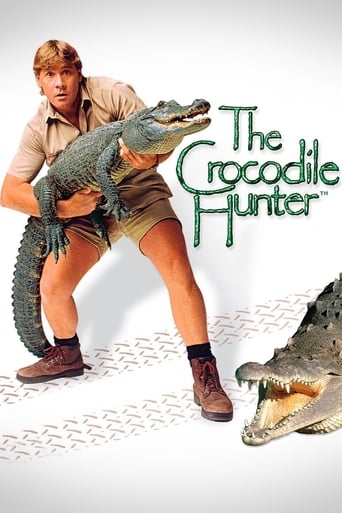
Australian host Steve Irwin and his wife Terri run a wildlife refuge. Their shared passion is educating the world about wildlife, including the much feared crocodile and numerous venomous snakes. Steve's specialty is the capture and relocation of crocodiles. No animal appears too threatening to Steve, his true respect for animals is the foundation for everything he does.
Natural World is a nature documentary television series broadcast annually on BBC Two and regarded by the BBC as its flagship natural history brand. It is currently the longest-running series in its genre on British television, with more than 400 episodes broadcast since its inception in 1983. Natural World is produced by the BBC Natural History Unit in Bristol, but individual programmes can be in-house productions, collaborative productions with other broadcasters or films made and distributed by independent production companies and purchased by the BBC. Natural World programmes are often broadcast as PBS Nature episodes in the USA. Since 2008, most Natural World programmes have been shot and broadcast in high definition.
Journeying to the far reaches of our planet, this eight part series follows some of the world's most amazing species, telling extraordinary stories that are dramatic, thrilling, funny and sometimes heart-breaking, but always full of hope.
A rare look at warring animal clans battling for survival in a remote region of Africa, which is drying up after years of flood-soaked abundance.
David Attenborough celebrates the amazing variety of the natural world in this epic documentary series, filmed over four years across 64 different countries.
David Attenborough presents a nature documentary series looking at why mammals are the most successful creatures on the planet.

This immersive series follows the world's most magnificent creatures, capturing never-before-seen moments from the heartwarming to the outrageous.
A zoo owner spirals out of control amid a cast of eccentric characters in this true murder-for-hire story from the underworld of big cat breeding.
Documentary series looking at the most dramatic wildlife spectacles on our planet, showing how life responds to natural events which can dramatically transform entire landscapes.

From the vast Gobi Desert to the jungles of Borneo, and from the polar wilderness of Siberia to the coral seas of the Indian Ocean, showcasing the breath-taking variety of Asia's wildest places.

30 for 30 is the title for a series of documentary films airing on ESPN, its sister networks, and online highlighting interesting people and events in sports history. This currently includes four "volumes" of 30 episodes each, a 13-episode series under the ESPN Films Presents title in 2011–2012, and a series of 30 for 30 Shorts shown through the ESPN.com website. The series has also expanded to include Soccer Stories, which aired in advance of the 2014 FIFA World Cup, and audio podcasts. This entry refers to the main Volumes of the series presented by ESPN
Experience our planet's natural beauty and examine how climate change impacts all living creatures in this ambitious documentary of spectacular scope.
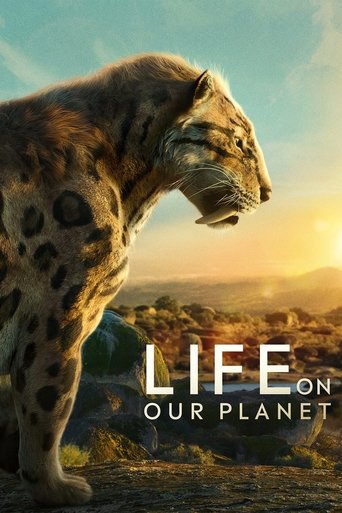
Life's extraordinary journey to conquer, adapt and survive on Earth across billions of years comes alive in this groundbreaking nature docuseries.
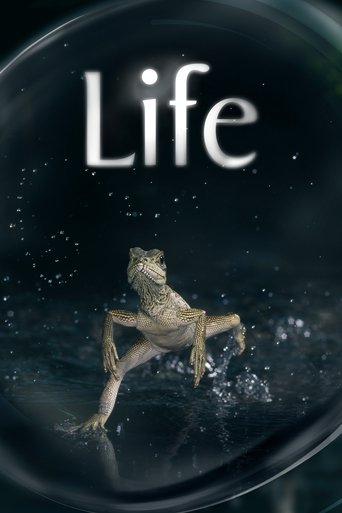
David Attenborough looks at the extraordinary ends to which animals and plants go in order to survive. Featuring epic spectacles, amazing TV firsts and examples of new wildlife behaviour.
Don Wildman unearths relics from the world's greatest institutions to reveal secrets from the past. He examines each artifact to illuminate history's most incredible triumphs, sensational crimes and bizarre encounters.

Filmed over the course of more than six years at some of nature's most spectacular locales – from Acadia to Yosemite, Yellowstone to the Grand Canyon, the Everglades of Florida to the Gates of the Arctic in Alaska - “The National Parks: America's Best Idea” is nonetheless a story of people: people from every conceivable background – rich and poor; famous and unknown; soldiers and scientists; natives and newcomers; idealists, artists and entrepreneurs; people who were willing to devote themselves to saving some precious portion of the land they loved, and in doing so reminded their fellow citizens of the full meaning of democracy.
Similar titles

‘The Lions Rule’ is the saga of three lion families linked together by a strange, charmed place called the Glade: a beautiful oasis in Ruaha National Park where there is always water. The Glade is the territory of two old lionesses and their cubs. The Glade pride can bring down an adult giraffe – a remarkable skill. A magical Baobab forest spreads out beyond the Glade. This is the territory of the Baobab pride. They are the largest pride in all of Ruaha. The third pride are drifters – lean, mean and ruthless. They are the Njaa. The Njaa follow the buffalo. The herd is their territory and they are experts in the dark art of the buffalo kill. All three prides are lead by lionesses; there are no adult males in residence. This will play a major role in their fates
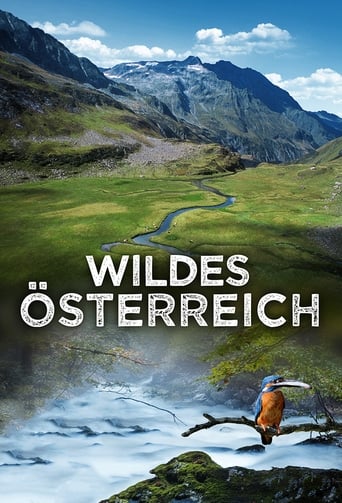
One force determines a country's fate more than any other: Water. Austria's love-affair with water has given her unique and amazing landscapes and biospheres, carved out by Alpine glaciers, ancient seas and mighty rivers, home to iconic animals like eagles, ibex, otters and deer. But this country has wildlife surprises, too. The days are gone when raging oceans brought giant sharks to her primeval shores, but there's an odd little survivor from those times: a three-eyed hermaphrodite, maybe the oldest animal on the planet. The tadpole shrimp lives in pools and puddles, until they dry out. Its eggs can stay dormant for decades or centuries, till water brings them to life. At a pinch, an adult can even fertilize itself - a single survivor guaranteeing future generations. Goldeneye ducks breed in abandoned woodpecker holes high in trees. Once the last sibling has hatched, the ducklings follow their mother in a leap of faith of up to ten meters to the river below. Two months later, they will finally learn to fly! The Bullhead, a fish that will never master the art of swimming, lives in brooks and creeks at up to 2,000 meters. It claws its way upstream, digging its fins into the gravelly riverbed. From ice caves, crystalline mountain springs and spectacular waterfalls, down to Lake Neusiedl, world-famous bird sanctuary on the edge of the endless Eurasian steppe: This epic two-part documentary celebrates Austria's most precious landscapes and her wildlife's unrivaled beauty.
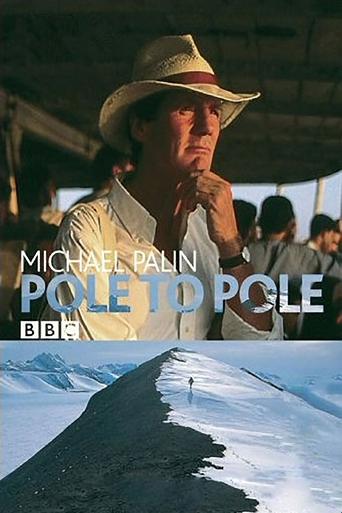
Michael Palin undertakes an epic journey of 23,000 miles, traveling from the North to the South Pole across 17 countries with a minimum of air travel, all on a tight deadline.
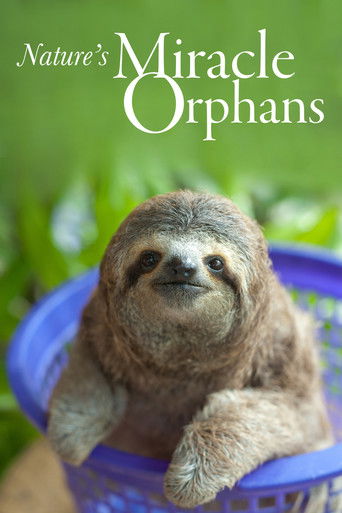
The first months of an animal's life are crucial - if they lose their mothers, they'll need help. Meet the wild orphans getting a second chance, and those devoted to saving them.
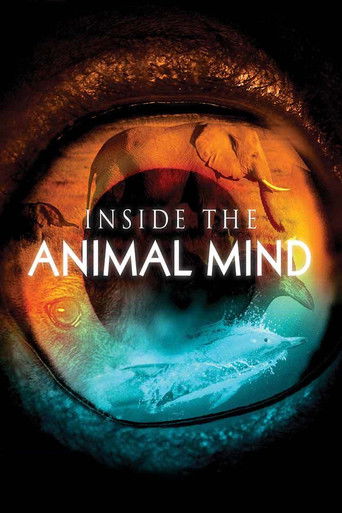
Chris Packham travels the world to uncover the secrets of the animal mind.
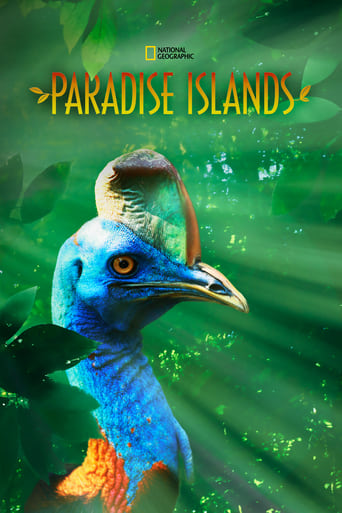
The tropical islands that lie between Asia and Australia are among the biologically richest on earth, and home to a vast number of plants and animals. From tree kangaroos to tarsiers, manta rays to mudskippers, the region abounds with life. But why? The answer lies deep in time, due to the many millions of years these islands have existed - and the power of the earth, the sun and the moon.

Bill Pullman introduces and narrates this four-part documentary on the world's first national park, Yellowstone.
Experience the wonders of our world like never before in this epic series from Jon Favreau and the producers of Planet Earth. Travel back 66 million years to when majestic dinosaurs and extraordinary creatures roamed the lands, seas, and skies.
The Congo: more powerful and dangerous than any other river, yet a sanctuary and home for some of the most wonderful creatures on our Earth.
David Attenborough celebrates the amazing variety of the natural world in this epic documentary series, filmed over four years across 64 different countries.
Chris Packham uses groundbreaking science and brand-new behaviour to delve deep beneath the skin and discover the unique features that have made certain animal groups successful.
The four-part series takes an awe-inspiring look at the world around us, shot with ultra-high-definition cameras that capture sweeping panoramas and extraordinary close-ups of Canada’s majestic terrain and diverse species.
Storm chasers, survivors and first responders recount their harrowing experiences with volcanoes, tornadoes, hurricanes and earthquakes.

David Attenborough embarks on a remarkable 500 million-year journey revealing the extraordinary group of animals that dominate our world, and how their evolution defines our human bodies.
Will Smith whose curiosity and wonder is positively infectious—is guided by National Geographic Explorers traveling to different corners of the world to get up close and personal with the weirdest, most unusual, dangerous and thrilling spectacles of the planet.
See It Now is an American newsmagazine and documentary series broadcast by CBS from 1951 to 1958. It was created by Edward R. Murrow and Fred W. Friendly, Murrow being the host of the show. From 1952 to 1957, See It Now won four Emmy Awards and was nominated three other times. It also won a 1952 Peabody Award, which cited its

Three-part series that looks at a year in Alaska, revealing the stories of pioneering Alaskans, both animal and human, as they battle the elements and reap the benefits of nature's seasonal gold rush.
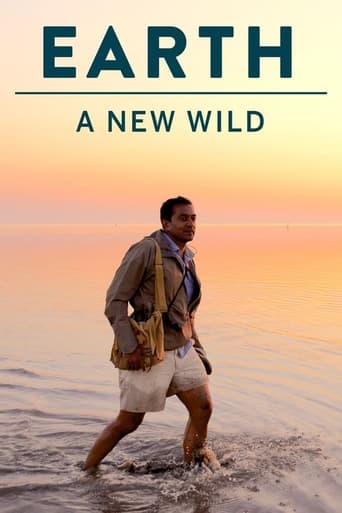
A fresh look at humankind’s relationship to the planet’s wildest places and most fascinating species. Using advanced filming techniques, this series will provide visuals as stunning as the best natural history programs. Distinguishing itself from nearly all other nature films, however, the series turns the cameras around, showing the world as it really is—with humans in the picture.
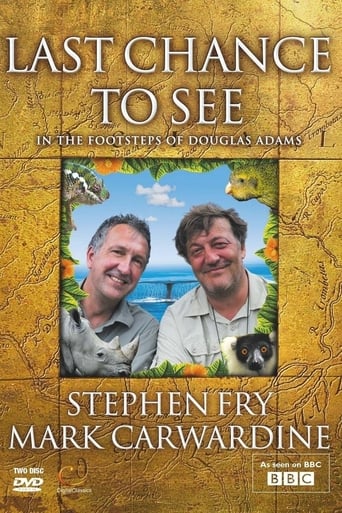
A follow-up to the 1990 Radio 4 series in which the late Douglas Adams and Mark Carwardine travelled around the world in search of endangered species. 20 years later Stephen Fry and Mark Carwardine go back to see what has become of the animals in two decades, and to discover what has affected their fortunes.