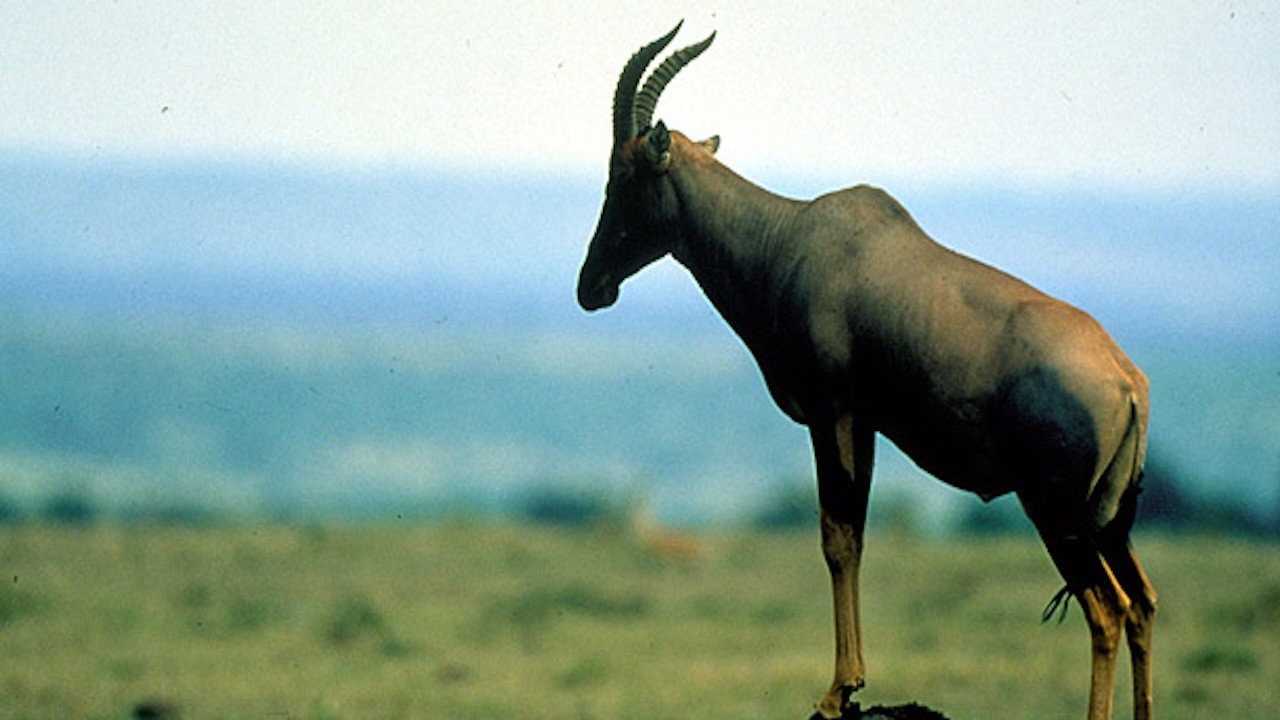
Triumph of Life
2000-01-14 · 320 min / episode · Not rated
Despite overwhelming obstacles, life on Earth has evolved from the most humble of beginnings to a level of diversity that challenges human comprehension. The fittest have indeed survived -- even in places where no living creatures could be thought to exist. NATURE's six-part series presents the remarkable story of evolution and its survivors.
Trailers are previews, not full movies.
No authorized playback source configured. Use the legal watch options below.
Production details
- Creators
- David Malakoff
- Production companies
- Unavailable
- Countries
- Unavailable
- Status
- Returning Series
Top Cast
 Liev Schreiber
 George Page
Title information and images are supplied by TMDb. Explore our discovery guide for advice on comparing metadata and legal viewing options.
Where to watch
Availability provided by JustWatch via TMDb. Offers can change. Provider links are listed on TMDb; full playback requires a separately authorized source.
Availability not listed for this country.
Seasons & episodes
Recommendations
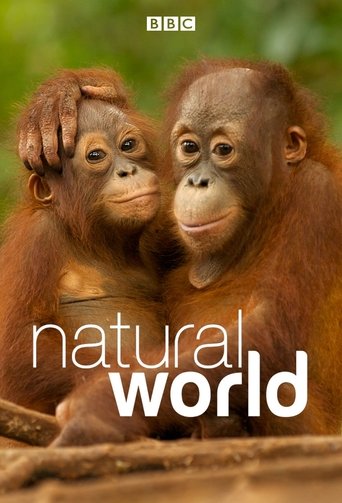
Natural World is a nature documentary television series broadcast annually on BBC Two and regarded by the BBC as its flagship natural history brand. It is currently the longest-running series in its genre on British television, with more than 400 episodes broadcast since its inception in 1983. Natural World is produced by the BBC Natural History Unit in Bristol, but individual programmes can be in-house productions, collaborative productions with other broadcasters or films made and distributed by independent production companies and purchased by the BBC. Natural World programmes are often broadcast as PBS Nature episodes in the USA. Since 2008, most Natural World programmes have been shot and broadcast in high definition.
Life's extraordinary journey to conquer, adapt and survive on Earth across billions of years comes alive in this groundbreaking nature docuseries.
Filmed across six continents, this docuseries uses cutting-edge camera technology to capture animals' nocturnal lives, revealing new behaviours filmed in full color like never before.
This six part documentary draws attention to the most extraordinary — almost supernatural — accounts of animals that have adapted to the cruelest evolutionary curveballs.
PBS' premier science series helps viewers of all ages explore the science behind the headlines. Along the way, NOVA demystifies science and technology, and highlights the people involved in scientific pursuits.

This immersive series follows the world's most magnificent creatures, capturing never-before-seen moments from the heartwarming to the outrageous.
Will Smith whose curiosity and wonder is positively infectious—is guided by National Geographic Explorers traveling to different corners of the world to get up close and personal with the weirdest, most unusual, dangerous and thrilling spectacles of the planet.
Utilizing the latest scientific innovations and leading-edge filmmaking technology, this documentary reveals the secret powers and super-senses of the world’s most extraordinary animals, and invites viewers to see and hear beyond normal human perception to experience the natural world as a specific species does — from seeing flowers in bee-vision to eavesdropping on a conversation between elephant seals to soaring the length of a football field with glow-in-the-dark squirrels.
A unique fusion of blue chip natural history and earth science that explains how our living planet operates. This five-part series shows how the forces of nature drive, shape and support Earth’s great diversity of wildlife.
David Attenborough presents a documentary series exploring how animals meet the challenges of surviving in the most iconic habitats on earth.
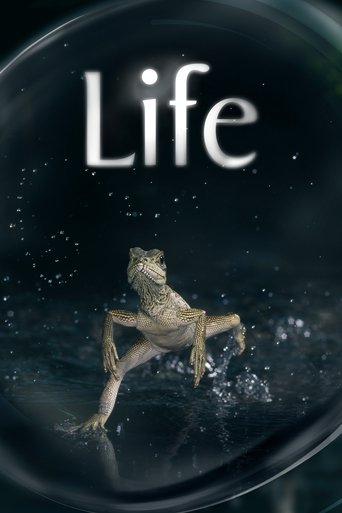
David Attenborough looks at the extraordinary ends to which animals and plants go in order to survive. Featuring epic spectacles, amazing TV firsts and examples of new wildlife behaviour.
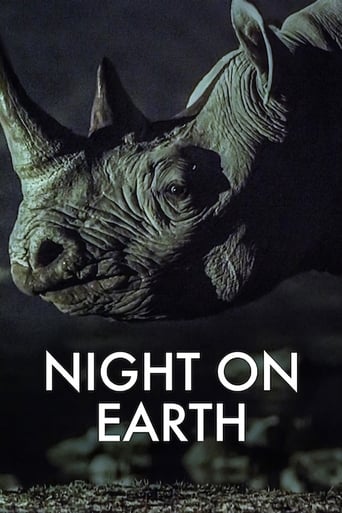
This nature series’ new technology lifts night’s veil to reveal the hidden lives of the world’s creatures, from lions on the hunt to bats on the wing.
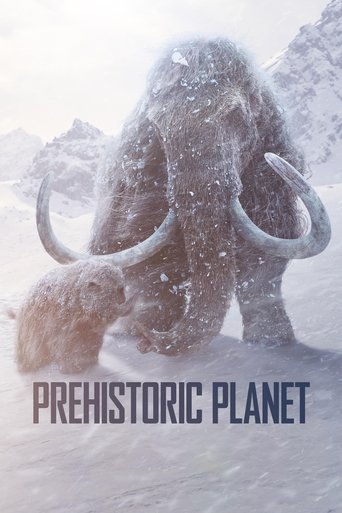
Experience the wonders of our world like never before in this epic series from Jon Favreau and the producers of Planet Earth. Travel back 66 million years to when majestic dinosaurs and extraordinary creatures roamed the lands, seas, and skies.
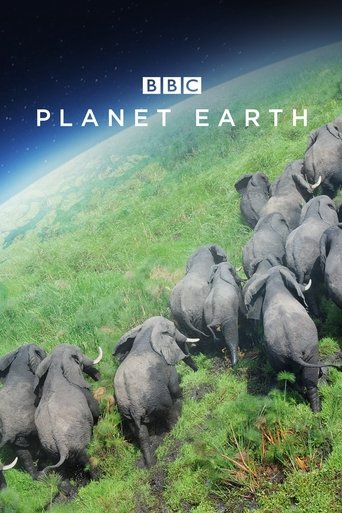
David Attenborough celebrates the amazing variety of the natural world in this epic documentary series, filmed over four years across 64 different countries.
Sir David shines the spotlight on some of nature’s evolutionary anomalies and reveals how these curious animals continue to baffle and fascinate.
Enter an unseen micro-verse where miniature heroes use amazing superpowers to survive in a series of spellbinding dramas.
Shot from land and air, in trees and cliff-blinds, on ice floes and underwater, this documentary tells the powerful stories of many of the planet's species and their movements, while revealing new scientific insights with breathtaking high-definition clarity and emotional impact. The beauty of these stories is underscored by a new focus into these species; fragile existence and their life-and-death quest for survival in an ever-changing world.
Experience our planet's natural beauty and examine how climate change impacts all living creatures in this ambitious documentary of spectacular scope.
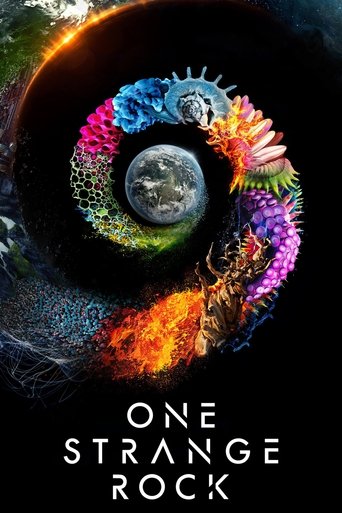
A mind-bending, thrilling journey exploring the fragility and wonder of planet Earth, one of the most peculiar, unique places in the entire universe, brought to life by the only people to have left it behind – the world’s most well known and leading astronauts.
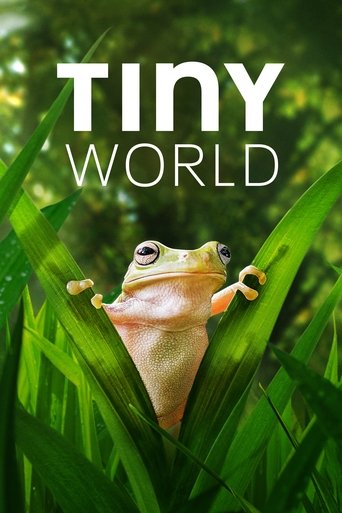
This docuseries showcases nature's lesser-known tiny heroes. Spotlighting small creatures and the extraordinary things they do to survive, each episode is filled with surprising stories and spectacular cinematography.
Similar titles
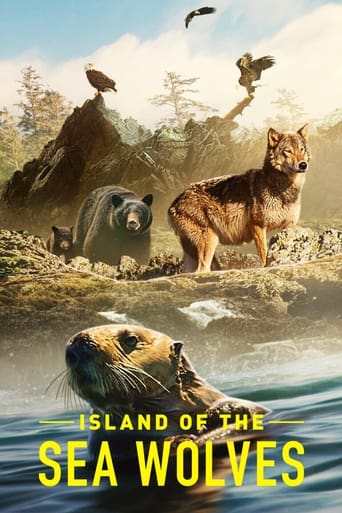
Explore wild, wondrous Vancouver Island, where the ocean nurtures all life, from bald eagles who go fishing to sea wolves who swim in frigid waters.
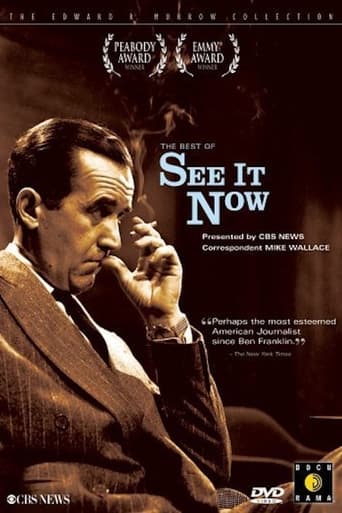
See It Now is an American newsmagazine and documentary series broadcast by CBS from 1951 to 1958. It was created by Edward R. Murrow and Fred W. Friendly, Murrow being the host of the show. From 1952 to 1957, See It Now won four Emmy Awards and was nominated three other times. It also won a 1952 Peabody Award, which cited its
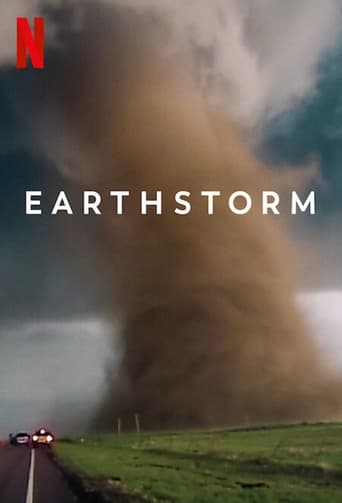
Storm chasers, survivors and first responders recount their harrowing experiences with volcanoes, tornadoes, hurricanes and earthquakes.
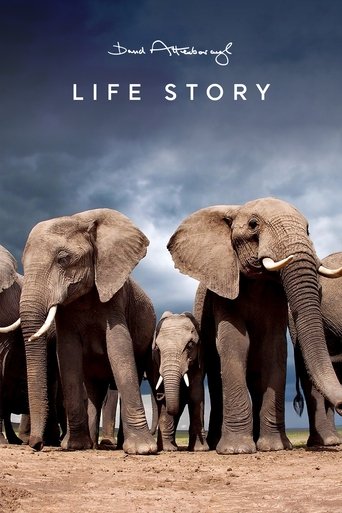
The remarkable and often perilous story of the journey through life. It is a story that unites each of us with every animal on the planet, because we all set out on this journey from the moment we are born. For animals there is just one goal in life – to continue their bloodline in the form of offspring. This series follows that journey through its six crucial stages: first steps, growing up, finding a home, gaining power, winning a mate and succeeding as a parent.
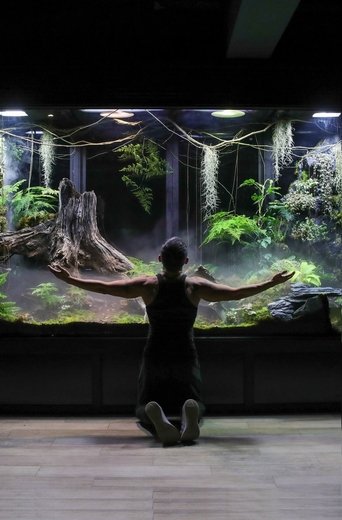
Welcome to 'Pantdora', my 1000 gallon cloud rainforest vivarium.
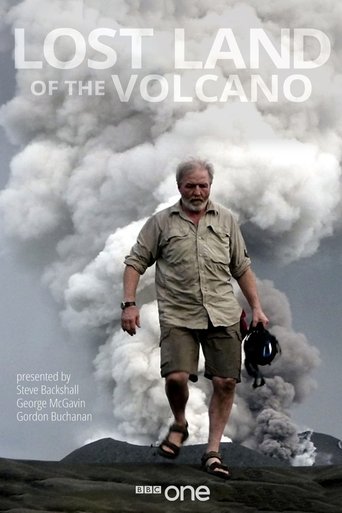
An international team of scientists, cavers and wildlife filmmakers venture deep into the heart of the remote tropical island of New Guinea.


A 12-part nature film series that shows the wildlife of the forests from January to December.
Coast Australia follows renowned Scottish archaeologist and historian Neil Oliver on his very first trip to Australia, as he and a diverse group of co-hosts gather stories about our spectacular coastline: the history, the people, the archaeology, the geography and the marine life, investigating interesting and little known facts along the way. Oliver’s co-hosts, all experts in their field, are journalist and Australian arts and culture specialist Miriam Corowa, environmentalist Professor Tim Flannery, marine scientist Dr Emma Johnston, anthropologist Dr Xanthe Mallett and television presenter and landscape architect Brendan Moar.

Three-part series that looks at a year in Alaska, revealing the stories of pioneering Alaskans, both animal and human, as they battle the elements and reap the benefits of nature's seasonal gold rush.
The people, places and stories making news in the British countryside.
Australian host Steve Irwin and his wife Terri run a wildlife refuge. Their shared passion is educating the world about wildlife, including the much feared crocodile and numerous venomous snakes. Steve's specialty is the capture and relocation of crocodiles. No animal appears too threatening to Steve, his true respect for animals is the foundation for everything he does.
Meerkat Manor is a British television programme produced by Oxford Scientific Films for Animal Planet International that premiered in September 2005 and ran for four series until its cancellation in August 2008. Blending more traditional animal documentary style footage with dramatic narration, the series told the story of the Whiskers, one of more than a dozen families of meerkats in the Kalahari Desert being studied as part of the Kalahari Meerkat Project, a long-term field study into the ecological causes and evolutionary consequences of the cooperative nature of meerkats. The original programme was narrated by Bill Nighy, with the narration redubbed by Mike Goldman for the Australian airings and Sean Astin for the American broadcasts. The fourth series, subtitled The Next Generation, saw Stockard Channing replacing Astin as the narrator in the American dubbing.


Filmed over the course of a year, this three-part documentary follows those who live in one of the most extraordinary places on the planet, Australia's Great Barrier Reef.

Explore six of the last untouched locations on earth. The documentary series presents life as nature intended, following the unique way wildlife has adapted to these environments and continues to rise to new challenges over the course of a year.
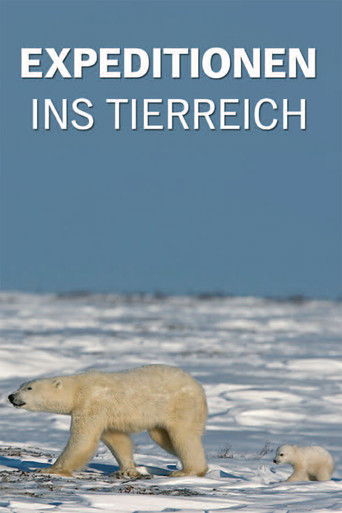

The Mekong basin is one of the richest areas of biodiversity in the world, yet one of the most undiscovered. 20,000 plant species, 430 mammals, 1,200 birds, 800 reptiles and amphibians, and an estimated 850 freshwater fish species, are found in this very remote Asian region. A not-to-be-missed wildlife series that will truly be a feast for the eyes.
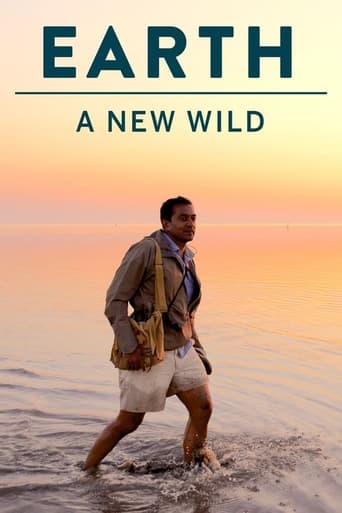
A fresh look at humankind’s relationship to the planet’s wildest places and most fascinating species. Using advanced filming techniques, this series will provide visuals as stunning as the best natural history programs. Distinguishing itself from nearly all other nature films, however, the series turns the cameras around, showing the world as it really is—with humans in the picture.
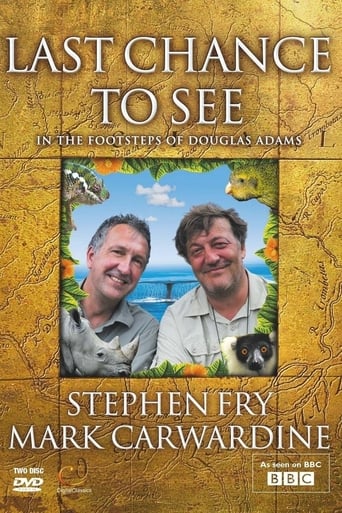
A follow-up to the 1990 Radio 4 series in which the late Douglas Adams and Mark Carwardine travelled around the world in search of endangered species. 20 years later Stephen Fry and Mark Carwardine go back to see what has become of the animals in two decades, and to discover what has affected their fortunes.