French Fields
1989-09-05 · 30 min / episode · ★ 6.9
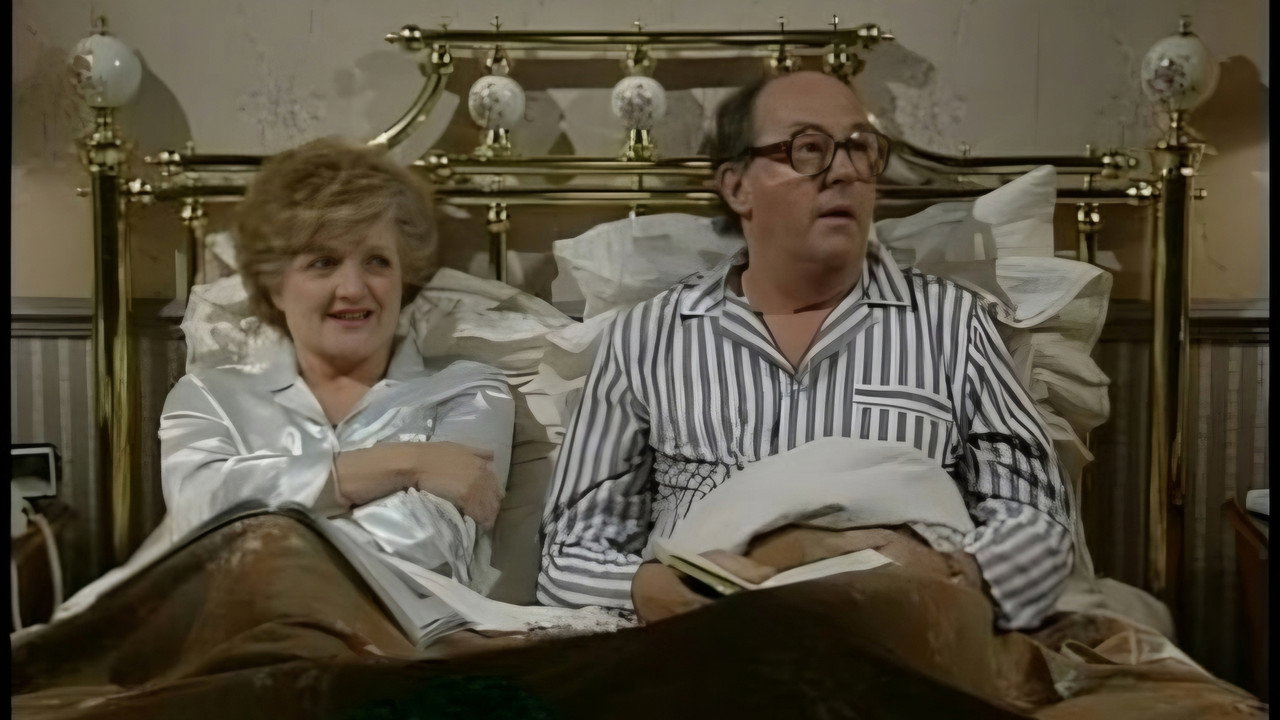
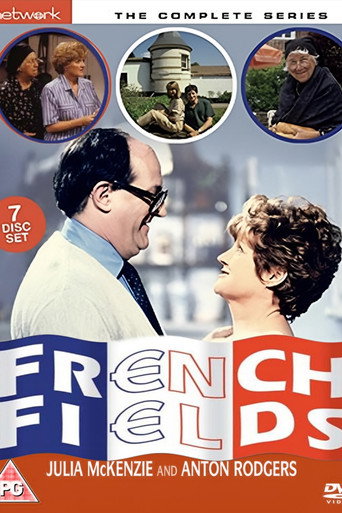
French Fields is a British situation comedy. It ran for 19 episodes from 5 September 1989 to 8 October 1991. It was written by John T. Chapman and Ian Davidson and was produced by Thames Television for ITV. The series starred Anton Rodgers and Julia McKenzie as husband and wife William and Hester Fields and followed the series Fresh Fields, which ran from 7 March 1984 to 23 October 1986. At the end of the last series of Fresh Fields, William accepted a position with a French company. French Fields follows Hester and William after they make the move to Calais. Other regular cast included their French real estate agent Chantal, who was also the Fields' neighbour to the left. On the right, were the horrible and snobbish English couple the Trendles. Hester and William also coped with Madame Remoleux, an unintelligible and ancient French woman who lived in and cared for the estate — called Les Hirondelles — where they all lived. Also, popping in on a regular basis, were local farmer and mayor Monsieur Dax and his daughter Marie-Christine, to whom Hester did her best to teach English. Nicholas Courtney also appeared frequently as the Marquis.
Trailers are previews, not full movies.
No authorized playback source configured. Use the legal watch options below.
Production details
- Creators
- Unavailable
- Production companies
- Unavailable
- Countries
- Unavailable
- Status
- Ended
Top Cast
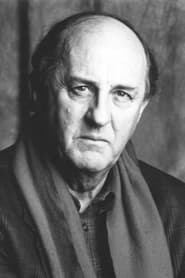 Anton RodgersWilliam Fields
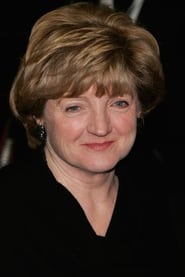 Julia McKenzieHester Fields
Title information and images are supplied by TMDb. Explore our discovery guide for advice on comparing metadata and legal viewing options.
Where to watch
Availability provided by JustWatch via TMDb. Offers can change. Provider links are listed on TMDb; full playback requires a separately authorized source.
Availability not listed for this country.
Seasons & episodes
Recommendations
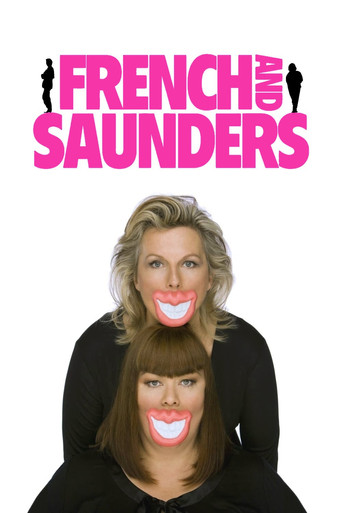
French and Saunders is a British sketch comedy television series written by and starring comic duo Dawn French and Jennifer Saunders. It is also the name by which the performers are known on the occasions when they appear elsewhere as a double act.
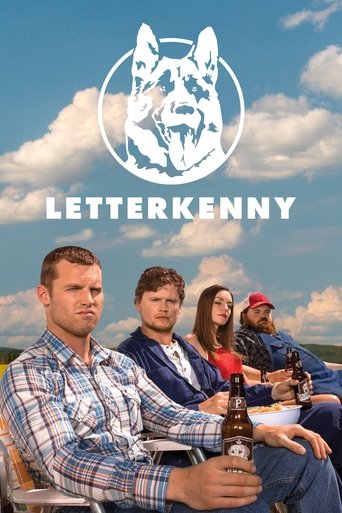
Letterkenny follows Wayne, a good-ol’ country boy in Letterkenny, Ontario trying to protect his homegrown way of life on the farm, against a world that is constantly evolving around him. The residents of Letterkenny belong to one of three groups: Hicks, Skids, and Hockey Players. The three groups are constantly feuding with each other over seemingly trivial matters; often ending with someone getting their ass kicked.
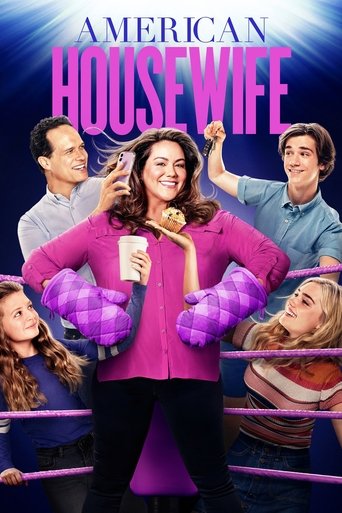
A family comedy narrated by Katie, a strong-willed mother, raising her flawed family in a wealthy town filled with perfect wives and their perfect offspring.
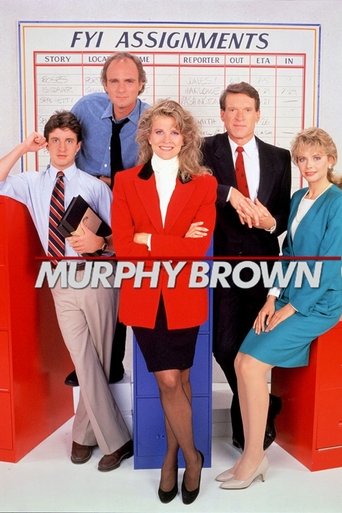
Murphy Brown (Candice Bergen) is a recovering alcoholic who returns to the fictional newsmagazine FYI for the first time following a stay at the Betty Ford Clinic residential treatment center. Over 40 and single, she is sharp tongued and hard as nails. In her profession, she is considered one of the boys, having shattered many glass ceilings encountered during her career. Dominating the FYI news magazine, she is portrayed as one of America's hardest-hitting (though not the warmest or more sympathetic) media personalities.
Hayden Fox, the curmudgeonly coach of Minnesota State University's Screaming Eagles football team, tries to navigate his way through the sports world, fatherhood and family life without dropping the ball.
Tim Heidecker reviews the latest movies in theaters with a special guest.
A butler deals with life at the governor's mansion.
Green Acres is an American sitcom starring Eddie Albert and Eva Gabor as a couple who move from New York City to a rural country farm. Produced by Filmways as a sister show to Petticoat Junction, the series was first broadcast on CBS, from September 15, 1965 to April 27, 1971. Receiving solid ratings during its six-year run, Green Acres was cancelled in 1971 as part of the "rural purge" by CBS. The sitcom has been in syndication and is available in DVD and VHS releases. In 1997, the two-part episode "A Star Named Arnold is Born" was ranked #59 on TV Guide's 100 Greatest Episodes of All Time.
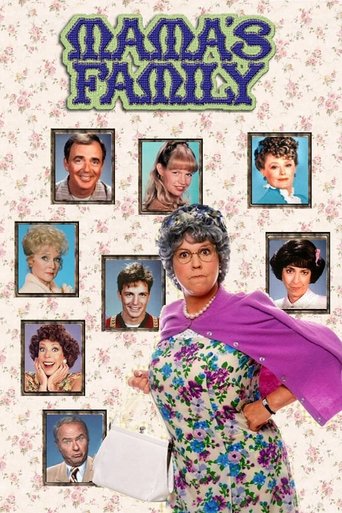
Thelma Harper and her spinster sister Fran open their home to Thelma's recently divorced son Vinton and his teenage son and daughter. It's quite an adjustment for everyone, especially the cranky, argumentative Thelma.
Join sadomasochistic superheroes Johnny Knoxville, Bam Margera, and the rest of the Jackass crew as they terrorize your TV screens and everyone that gets in their way (especially themselves) with their own sick and twisted interpretation of physical entertainment. Their brand of pranks, goofball antics, and unabashed brutal comedy are sure to bring new meaning to the phrase "Don't Try This At Home!"
You Can't Do That on Television is a Canadian television program that first aired locally in 1979 before airing internationally in 1981. It featured pre-teen and teenaged actors in a sketch comedy format. Each episode had a theme. The show was notable for launching the careers of many performers, including Alanis Morissette, and writer Bill Prady, who would write and produce shows like The Big Bang Theory, Gilmore Girls and Dharma and Greg. The show was produced by and aired on Ottawa's CTV station CJOH-TV. After production ended in 1990, the show continued in reruns on Nickelodeon through 1994, when it was replaced with the similar All That. The show is synonymous with Nick, and was at that time extremely popular, with the highest ratings overall on the channel. The show is also well known for introducing the network's iconic slime. The program is the subject of the 2004 feature-length documentary, You Can't Do That on Film, directed by David Dillehunt.
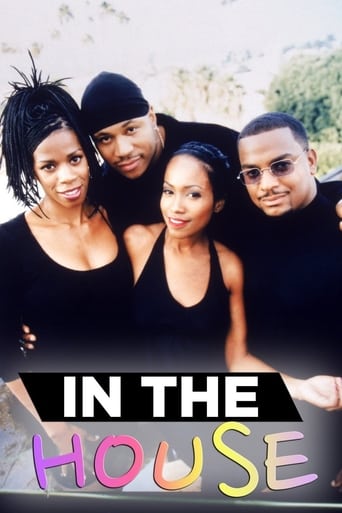
A once-famous football player must rent part of his house to support himself. A single mother and her two kids are the latest tenants. He also owns a sports clinic that he barely manages to run with help from his friends
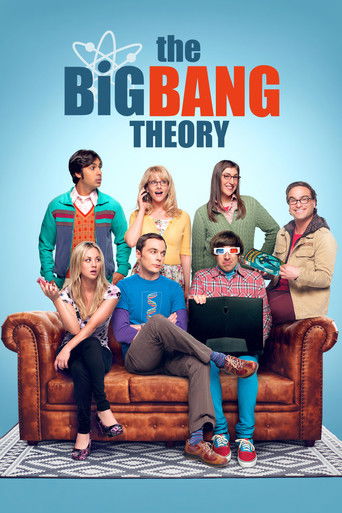
Physicists Leonard and Sheldon find their nerd-centric social circle with pals Howard and Raj expanding when aspiring actress Penny moves in next door.
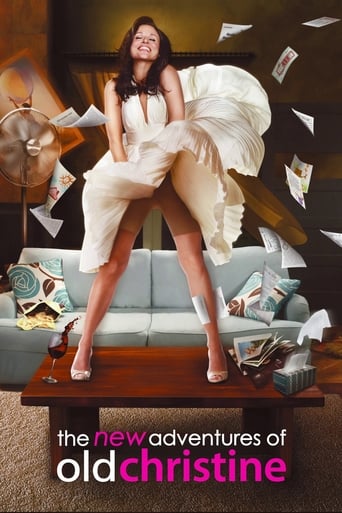
Single working mom Christine Campbell has just learned that her ex is dating a much younger woman with the same first name. To avoid any confusion, the new girlfriend is dubbed New Christine, which leaves her with the unfortunate nickname Old Christine.
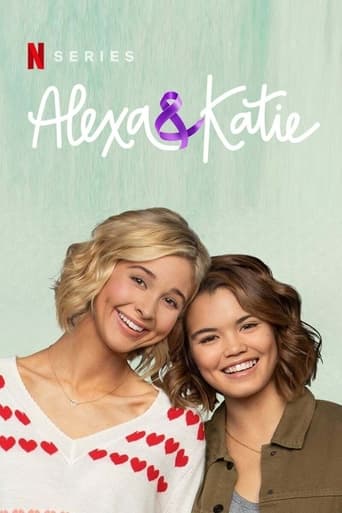
Lifelong best friends Alexa and Katie are eagerly anticipating the start of their freshman year of high school. The pals confront a crisis that leaves them feeling like outsiders at a time when what seems to matter most is fitting in.

The Naked Truth is an American sitcom broadcast on ABC from 1995 to 1996, and on NBC from 1996 to 1998. The series stars Téa Leoni and Holland Taylor. After a messy divorce with her very rich and powerful husband, Nora Wilde refuses to accept his offer of $1.8 million and tries to make it on her own. Being a Pulitzer nominated photographer, the only place that even considers hiring her is sleazy tabloid The Comet. She's forced to accept and starts as a regular papparazzo.
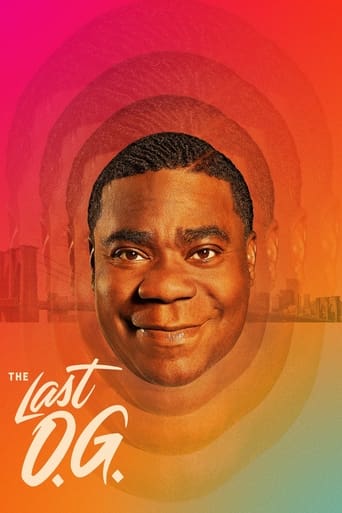
An ex-felon is shocked to see just how much the world has changed when he is released from prison for good behavior after a 15-year stint and returns to his newly gentrified Brooklyn neighborhood.
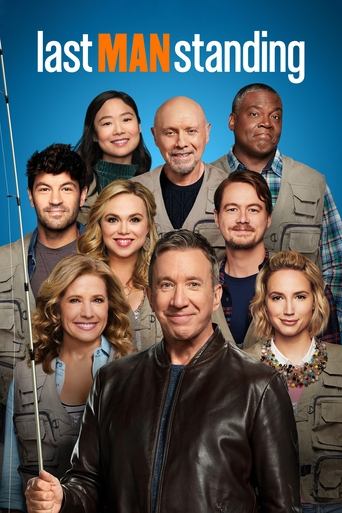
A married father of three tries to maintain his manliness in a world increasingly dominated by women.
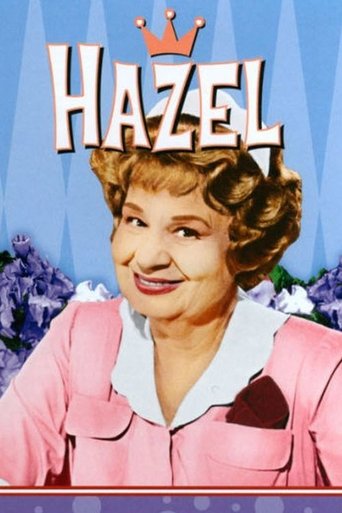
Hazel is an American sitcom about a fictional live-in maid named Hazel Burke and her employers, the Baxters. The five-season, 154-episode series aired in primetime from September 28, 1961 until April 11, 1966 and was produced by Screen Gems. The show aired on NBC for its first four seasons, and then on CBS for its final season. The first season, except for one color episode was in black and white, the remainder in color. The show was based on the popular single-panel comic strip by cartoonist Ted Key, which appeared in the Saturday Evening Post.

Still Open All Hours is a sitcom set in a grocer's shop. It is a sequel to the series Open All Hours, written by original series writer Roy Clarke and featuring several of the permanent cast members of the original series
Similar titles
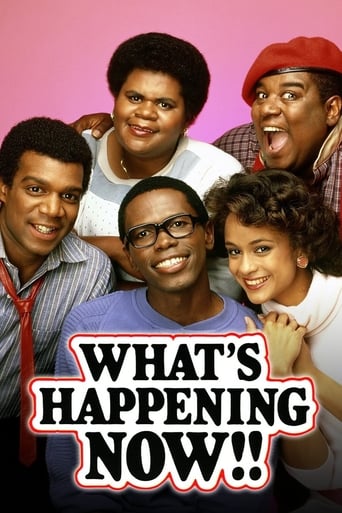
Roger 'Raj' Thomas has graduated from the University of Southern California, and become a fledgling writer. He and his wife Nadine, a social worker, move in to his old home in Watts (given to him by his mother, Mabel, now remarried and living in Phoenix, Arizona). His sister Dee is away at college. Childhood friend Dwayne Nelson has become a computer programmer, while Freddie 'Rerun' Stubbs is a used-car salesman. The old soda shop hangout, Rob's Place, has gone out of business and left abandoned. Reminded of his youth, and seeing an opportunity, Raj and Shirley Wilson, who used to wait tables there, decide to buy the business together, renaming it Rob's.
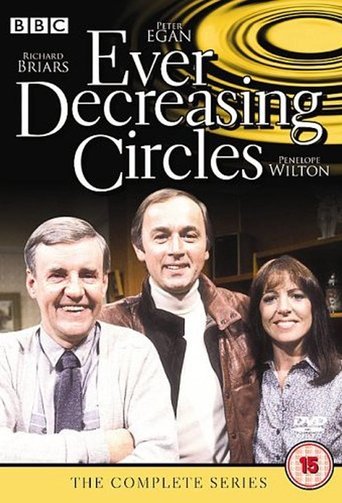
Martin Bryce lives in a quiet suburban close with his wife Anne. He does his best to "organise" the leisure time of all of the other inhabitants of the close, running umpteen societies and doing "good works". He's is quite happy with his lot until Paul Ryman moves in next door.
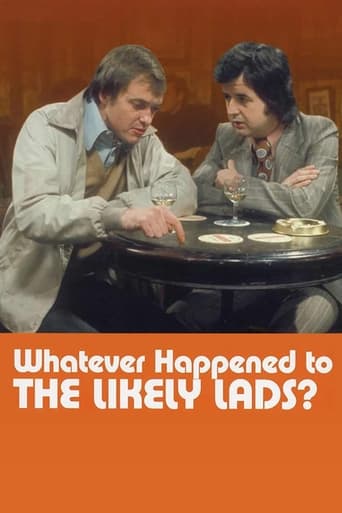
Whatever Happened to the Likely Lads? is a British sitcom which was broadcast between 9 January 1973 and 9 April 1974 on BBC1. It was the colour sequel to the mid-1960s hit The Likely Lads. It was created and written, as was its predecessor, by Dick Clement and Ian La Frenais. There were 26 television episodes over two series; and a subsequent 45-minute Christmas special was aired on 24 December 1974. The cast were reunited in 1975 for a BBC radio adaptation of series 1, transmitted on Radio 4 from July to October that year. In 1976, a feature film spin-off was made. Around the time of its release, however, Rodney Bewes and James Bolam fell out over a misunderstanding involving the press and have not spoken since. This long-suspected situation was finally confirmed by Bewes while promoting his autobiography in 2005. Unlike Bewes, Bolam is consistently reluctant to talk about the show, and has vetoed any attempt to revive his character.
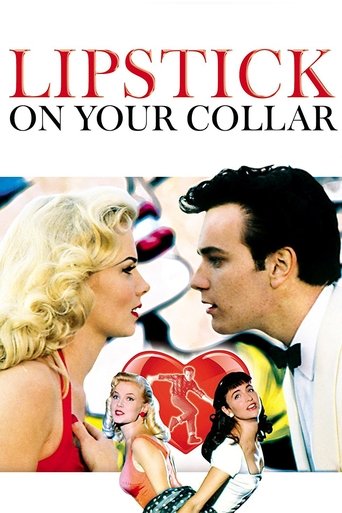
During the Suez Crisis of 1956, two young clerks at the stuffy Foreign Office in Whitehall display little interest in the decline of the British Empire. To their eyes, it can hardly compete with girls, rock music, and the intrigue of romantic entanglements.
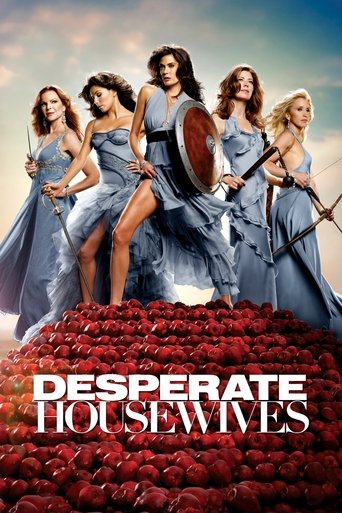
Looking down on her friends and family isn't a way of life for Mary Alice Young... it's a way of death. One day, in her perfect house, in the loveliest of suburbs, Mary Alice ended it all. Now she's taking us into the lives of her family, friends and neighbors, commenting from her elevated P.O.V.

Yuichi Yamada works as a magazine editor. He has recently transferred to Kyoto from Tokyo. In Kyoto, he comes across a French couple who are lost. Yuichi Yamada doesn't speak French and ask for help from nearby tobacco shop owner Yoriko Shindo. Yoriko Shindo speaks French fluently and she is able to help the couple. Meanwhile, Yuichi Yamada takes an interest in Yoriko Shindo.

When a heartbroken New Yorker moves to London hoping for a love story, she falls for an indie musician who's anything but the typical romantic hero.
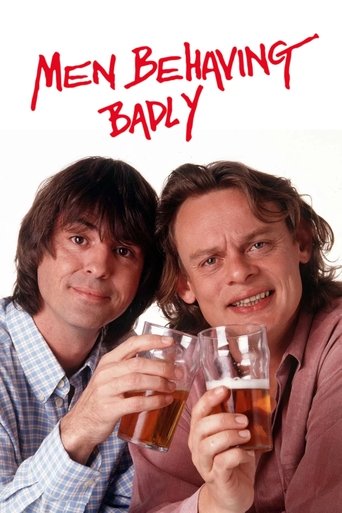
Sitcom following the misadventures of laddish flatmates Gary and Tony
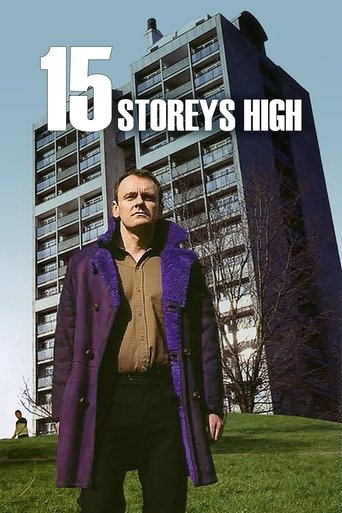
15 Storeys High is a critically acclaimed British sitcom, set in a tower block. The main characters are Vince Clark, a misanthropic, cynical recluse played by Sean Lock, and Errol Spears, Vince's exact opposite and whipping boy, played by Benedict Wong.
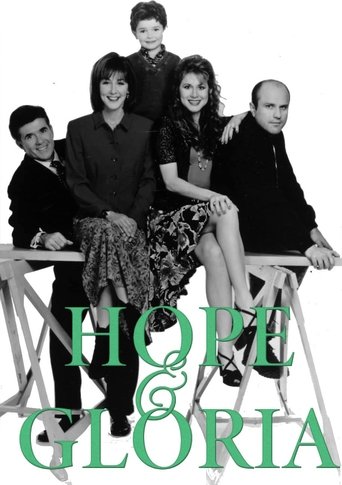
Hope and Gloria is an American sitcom produced by Warner Bros. Television and aired on NBC from March 9, 1995, through June 22, 1996. The show was canceled after 35 episodes. It starred Cynthia Stevenson and Jessica Lundy, respectively, as the titular characters, both working in an office environment in downtown Pittsburgh. The program also starred Alan Thicke as a local talk show host and featured Enrico Colantoni in one of his first regular roles on television. The series was broadcast in Britain on ITV during the 1996 summer holiday, going out Monday to Friday for seven weeks.
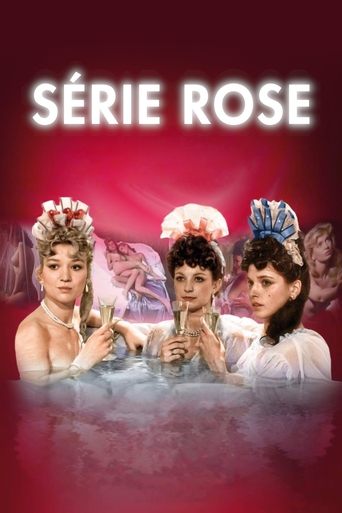
An anthology of erotic stories by famous writers like Guy de Maupassant, Nicolas Edme Restif de La Bretonne, Marquis de Sade, Giovanni Boccaccio, Marquis de Foudras, Daniel Defoe, Anton Tchekov, Jin Ping Mei, and Aristophanes.
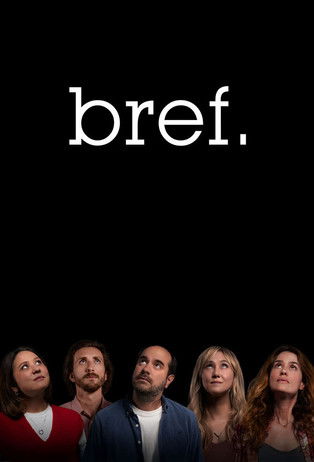
A lost thirty-something shares his struggles, from failed relationships to boring jobs and pointless nights out. Stuck in his routine at first, he slowly evolves, searching for meaning in his life. In short, he's just trying to live.
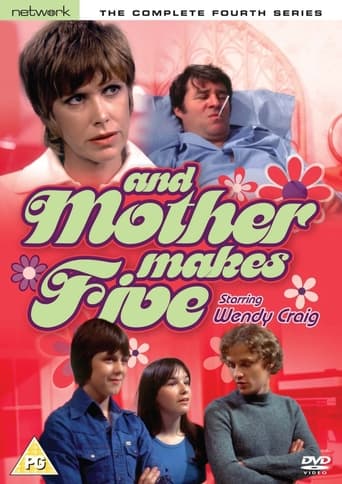
...And Mother Makes Five is a British sitcom that aired on ITV from 1974 to 1976. Starring Wendy Craig, it is the sequel of ...And Mother Makes Three and aired for four series. ...And Mother Makes Five was written by Richard Waring, Brian Cooke and Johnnie Mortimer. Wendy Craig also wrote some episodes under the pseudonym Jonathan Marr. It was made for the ITV network by Thames Television.
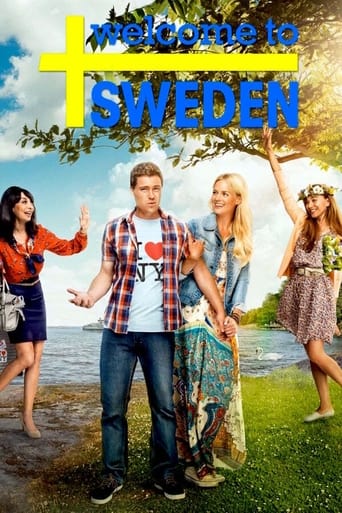
The fish-out-of-water story of New York accountant Bruce, who falls in love with a Swedish girl named Emma and follows her to Sweden.
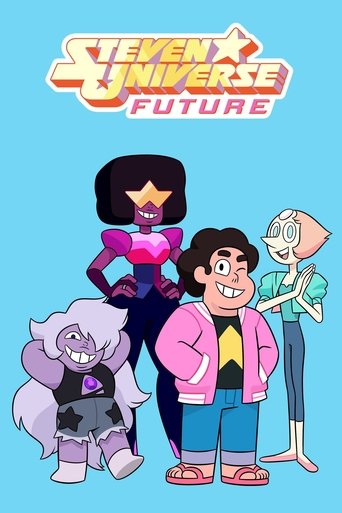
After saving the universe, Steven is still at it, tying up every loose end. As he runs out of other people's problems to solve, he'll finally have to face his own.
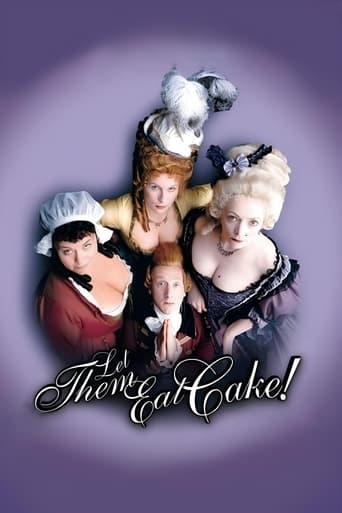
Let Them Eat Cake is a British sitcom starring Dawn French and Jennifer Saunders set in France, 1782, just seven years before the French Revolution. It is one of the few programmes in which French and Saunders have appeared which they did not create themselves.

Sergeant Keroro comes to conquer Earth, only to get captured and stuck living with the Hinata family!
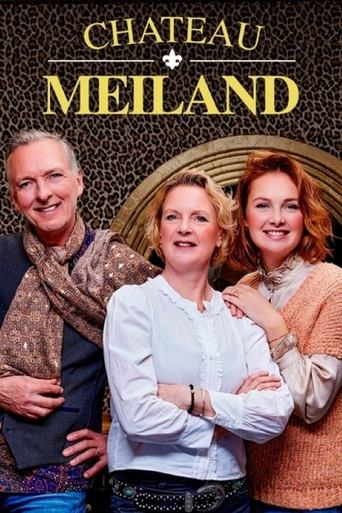
Chateau Meiland has been on Dutch television since 2019. The Meiland family's adventure started when they bought a castle in France where they ran a bed and breakfast. The family has now been living in the Netherlands for a number of years, where the recordings of the reality series continue unabated.
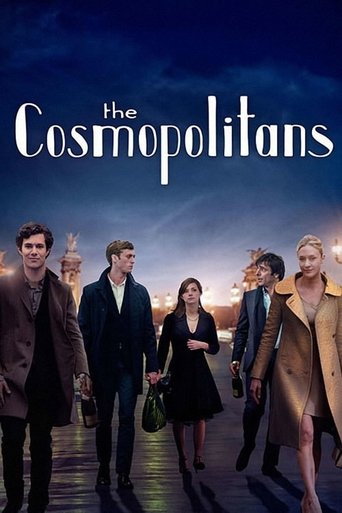
A dramatic comedy about a group of young American expats in Paris searching for love and friendship and an ocean of distance from their past.
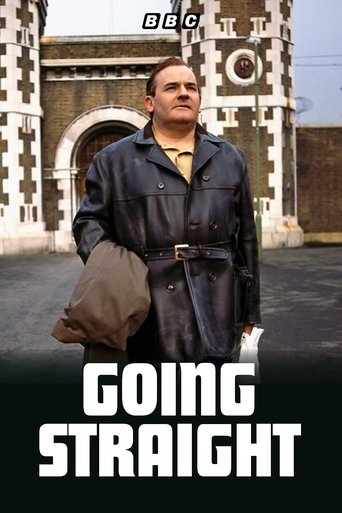
Going Straight is a BBC sitcom which was a direct spin-off from Porridge, starring Ronnie Barker as Norman Stanley Fletcher, newly released from the fictional Slade Prison where the earlier series had been set. It sees Fletcher trying to become an honest member of society, having vowed to stay away from crime on his release. The title refers to his attempt, 'straight' being a slang term meaning being honest, in contrast to 'bent', i.e., dishonest. Also re-appearing was Richard Beckinsale as Lennie Godber, who was Fletcher's naïve young cellmate and was now in a relationship with his daughter Ingrid. Her brother Raymond was played by a teenage Nicholas Lyndhurst. Only one series, of six episodes, was made in 1978. It attracted an audience of over 15 million viewers and won a BAFTA award in March 1979, but hopes of a further series had already been dashed by Beckinsale's premature death earlier in the same month.