

I Didn't Know You Cared
1975-08-27 · 30 min / episode · ★ 7.1
I Didn't Know You Cared is a British comedy series set in a working class household in South Yorkshire in the 1970s, written by Peter Tinniswood loosely based upon his books A Touch Of Daniel, I Didn't Know You Cared and Except You're A Bird. It was broadcast by the BBC in four series from 1975 to 1979. The main characters are Carter Brandon; his Uncle Mort; his mother, Annie; his father, Les; his girlfriend, Pat Partington; and Uncle Staveley. Auntie Lil appears in the first two series. Other recurring characters, mostly from Carter's workplace, are Linda Preston; Mrs Partington; Sid Skelhorn
Trailers are previews, not full movies.
No authorized playback source configured. Use the legal watch options below.
Production details
- Creators
- Unavailable
- Production companies
- Unavailable
- Countries
- Unavailable
- Status
- Ended
Top Cast
 Robin BaileyUncle Mort
 John ComerLes Brandon
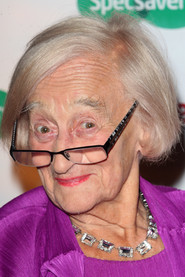 Liz SmithAnnie Brandon
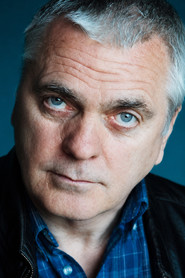 Keith DrinkelCarter Brandon
 Leslie SaronyUncle Staveley
 Vanda GodsellMrs Partington
Title information and images are supplied by TMDb. Explore our discovery guide for advice on comparing metadata and legal viewing options.
Where to watch
Availability provided by JustWatch via TMDb. Offers can change. Provider links are listed on TMDb; full playback requires a separately authorized source.
Availability not listed for this country.
Seasons & episodes
Recommendations
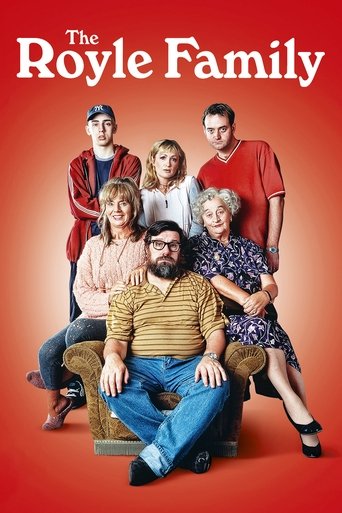
The Royle Family is a British sitcom created by Caroline Aherne and Craig Cash, and produced by Granada Television for BBC Two (series 1) and BBC One (series 2 and 3). It centres on the lives of a television-fixated Manchester family, the Royles, comprising lazy patriarch Jim, his hard-working wife Barbara, their entitled daughter Denise, their put-upon son Antony, and Denise's lad fiancé–later husband–David.
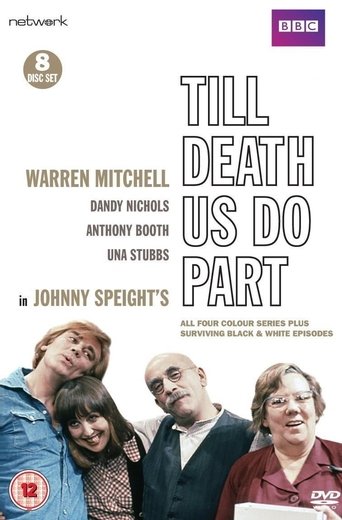
This English follows the East End working-class Garnett family, headed by patriarch Alf, a reactionary working-class man who wields racist and anti-Socialist views. His long-suffering wife Else manages to keep things in control... for the most part. Their progressive daughter Rita lives with them, as does her Irish husband Mike, who, with an array of liberal worldviews, often quarrels with his father-in-law. It inspired the American show "All In The Family" and several other international variations on the same theme.

Bread is a British television sitcom, written by Carla Lane, produced by the BBC and screened on BBC1 from 1 May 1986 to 3 November 1991. The series focused on the devoutly-Catholic and extended Boswell family of Liverpool, in the district of Dingle, led by its matriarch Nellie through a number of ups and downs as they tried to make their way through life in Thatcher's Britain with no visible means of support. The street shown at the start of each programme is Elswick Street. A family called Boswell had also featured in Lane's earlier sitcom The Liver Birds and Lane admitted in interviews that the two families were probably related. Nellie's feckless and estranged husband, Freddie, left her for another woman known as 'Lilo Lill'. Her children Joey, Jack, Adrian, Aveline and Billy continued to live in the family home in Kelsall Street and contributed money to the central family fund, largely through benefit fraud and the sale of stolen goods.

Open All Hours is a British television sitcom created and written by Roy Clarke, starring Ronnie Barker as penny-pinching corner-shopkeeper Albert Arkwright, and David Jason as his nephew and assistant Granville. The programme originated as a 1973 episode of Barker’s comedy anthology Seven of One, and later ran for 26 episodes; the first series broadcast on BBC2, the remaining three series broadcast on BBC1.
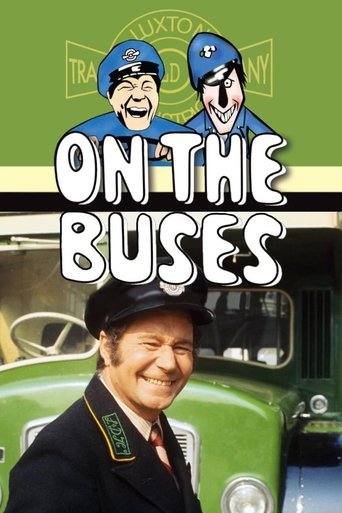
On the Buses is a British comedy series created by Ronald Wolfe and Ronald Chesney, broadcast in the United Kingdom from 1969 to 1973. The writers' previous successes with The Rag Trade and Meet the Wife were for the BBC, but the corporation rejected On the Buses, not seeing much comedy potential in a bus depot as a setting. The comedy partnership turned to a friend, Frank Muir, Head of Entertainment at London Weekend Television, who loved the idea; the show was accepted and despite a poor critical reception became a hit with viewers.
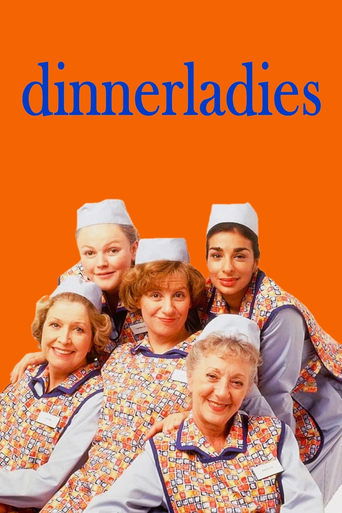
Dinnerladies is a BBC sitcom written by and starring Victoria Wood that chronicles the antics of a group of workers in a canteen in the north of England. Bren tries to maintain a semblance of order in amongst the chaos, while dealing with the canteen supervisor, slightly sex-obsessed cancer sufferer Tony. Dolly and Jean are the bickering menopausal older women, always at odds but best friends beneath it all. Then there's thick-as-two-short-planks Anita, and the terminally uninterested Twinkle, more concerned with having a good time than anything else. Making up the motley crew are military man handyman Stan, all rules and regulations, and ditzy Philippa, who never seems to get anything right.
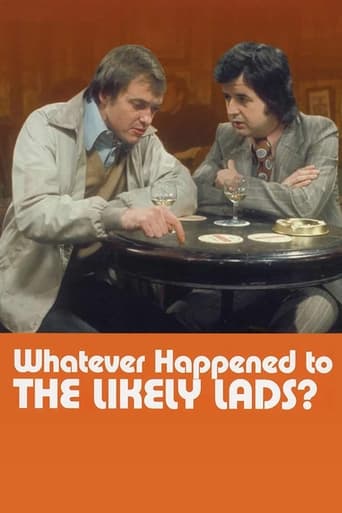
Whatever Happened to the Likely Lads? is a British sitcom which was broadcast between 9 January 1973 and 9 April 1974 on BBC1. It was the colour sequel to the mid-1960s hit The Likely Lads. It was created and written, as was its predecessor, by Dick Clement and Ian La Frenais. There were 26 television episodes over two series; and a subsequent 45-minute Christmas special was aired on 24 December 1974. The cast were reunited in 1975 for a BBC radio adaptation of series 1, transmitted on Radio 4 from July to October that year. In 1976, a feature film spin-off was made. Around the time of its release, however, Rodney Bewes and James Bolam fell out over a misunderstanding involving the press and have not spoken since. This long-suspected situation was finally confirmed by Bewes while promoting his autobiography in 2005. Unlike Bewes, Bolam is consistently reluctant to talk about the show, and has vetoed any attempt to revive his character.
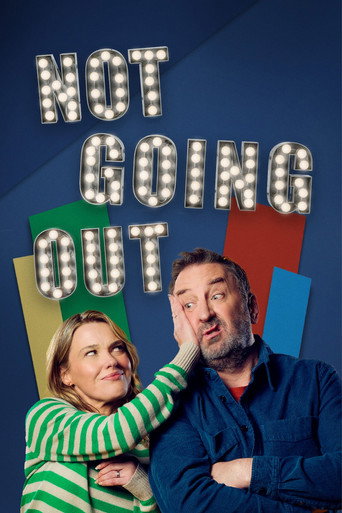
Lee is a childish northerner who lives in a fancy penthouse apartment in London who goes through a variety of jobs such as a janitor and ice cream man, as well as attempting relationships with female flatmates. His best mate, Daily Mail reading, middle-class citizen Tim is always there to stop Lee from getting in trouble, or not? Mayhem is never far away with cleaner Barbara who has never done an honest day's work in her life.

A multigenerational, working-class family experience life's struggles with faith, love and, most importantly, humor. Curtis, aka 'Pops', the uncle and head of the household, has house and home turned upside down when an unexpected event forces his nephew, CJ, and CJ’s kids to move in, putting three generations under one roof. This chaotic living situation takes its toll on cranky Pops, who is reluctant to have his routine disturbed. In addition to CJ’s family, Pops and Ella’s son, Calvin, a wise-cracking, broke college student, hangs out at home, making it impossible for any peace and quiet. It soon becomes evident just how wide the gap is, as the family tries to find a way to coexist through all of life’s hilarious ups and downs.
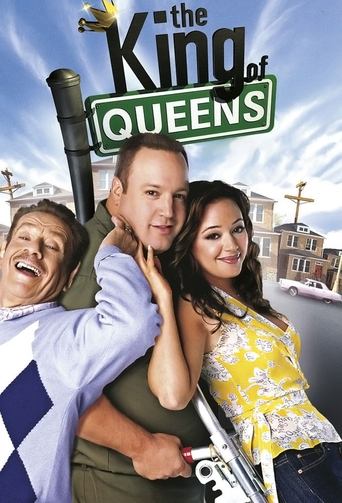
Life’s good for deliveryman Doug Heffernan, until his newly widowed father-in-law, Arthur, moves in with him and his wife Carrie. Doug is no longer the king of his domain, and instead of having a big screen television in his recently renovated basement, he now has a crazy old man.
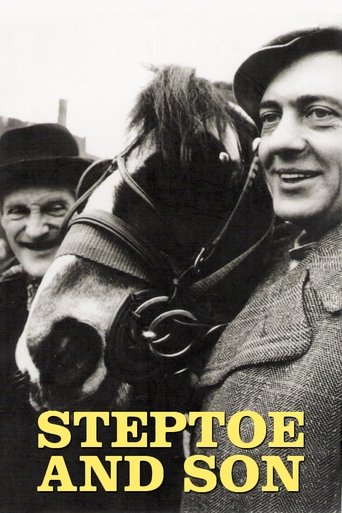
A father and son who work as rag-and-bone men live together in Shepherd's Bush, London. While Albert is content with their way of life, Harold aspires to better himself and build a life of his own, but his attempts are repeatedly thwarted by his father, leading to frequent clashes between the two.
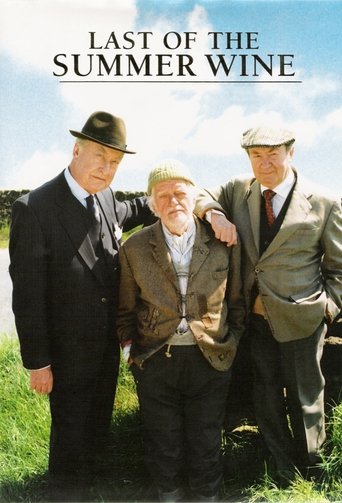
Unencumbered by wives, jobs or any other responsibilities, three senior citizens who've never really grown up explore their world in the Yorkshire Dales. They spend their days speculating about their fellow townsfolk and thinking up adventures not usually favored by the elderly. Last of the Summer Wine premiered as an episode of Comedy Playhouse in 1973. The show ran for 295 episodes until 2010. It is the longest running comedy Britain has produced and the longest running sitcom in the world.
An inquisitive and often naïve boy, Theodore 'The Beaver' Cleaver, has adventures at home, in school, and around his suburban neighborhood. The show also starred Barbara Billingsley and Hugh Beaumont as Beaver's parents, June and Ward Cleaver, and Tony Dow as Beaver's brother Wally. The show has attained an iconic status in the US, with the Cleavers exemplifying the idealized suburban family of the mid-20th century.

Wealthy, young-at-heart business owner Edward Stratton III is stunned to discover his brief marriage several years ago produced a son, Richard Bluedhorn-Stratton, now 12 and standing in Edward's living room, wanting to live with the father he never knew. Although Edward's first impulse is to send Ricky to boarding school, he soon relents and let his son move in with him and Kate, his love-struck secretary.
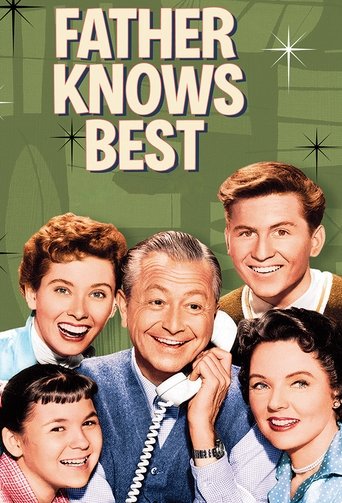
Family man Jim Anderson copes with the everyday problems among his wife Margaret and their three children as they experience day-to-day changes.

You Rang, M'Lord? is a British comedy series written by Jimmy Perry and David Croft, the creators of Dad's Army, It Ain't Half Hot Mum and Hi-de-Hi! It was broadcast between 1990 and 1993 on the BBC. The show was a comedy set in the house of an aristocratic family in the 1920s, contrasting the upper-class family and their servants in a house in London, along the same lines as the popular drama Upstairs, Downstairs. The series featured many actors who had also appeared in their earlier series, notably Paul Shane, Jeffrey Holland and Su Pollard, all of whom had previously been in Perry and Croft's holiday camp sitcom, Hi-de-Hi!. Also featured were Donald Hewlett and Michael Knowles from Perry and Croft's It Ain't Half Hot Mum, and Bill Pertwee and occasionally Frank Williams from Dad's Army. The memorable 1920s-style theme tune was sung by Bob Monkhouse.
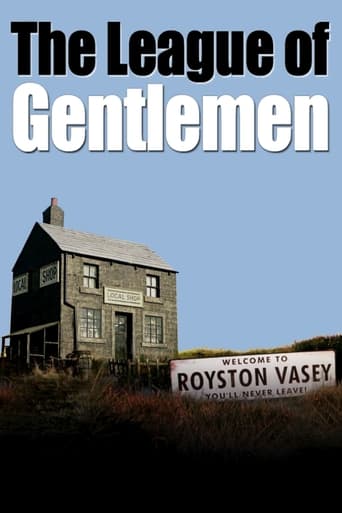
The League of Gentlemen is a British sitcom broadcast on BBC Two over three series from 1999 to 2002. In the fictional Northern England town of Royston Vasey—based on Bacup, Lancashire—the lives are explored of dozens of bizarre citizens, much of whom are played by three of the show's four writers—Mark Gatiss, Steve Pemberton, and Reece Shearsmith—who, along with Jeremy Dyson, formed the titular comedy troupe in 1995. The programme was followed by a film in 2005, and a three-part revival miniseries in December 2017 to celebrate the group's 20th anniversary.
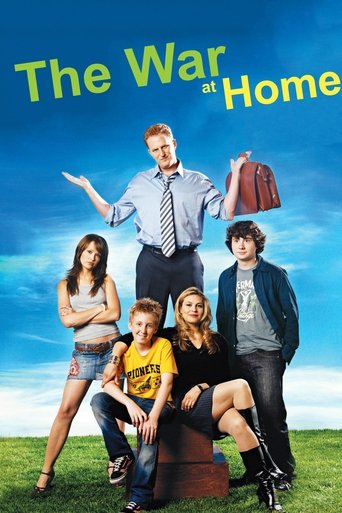
When Dave and Vicky were growing up, their parents had it easy. Back then, there were no “time-outs,” no one had any “boundaries,” and “parenting” wasn’t even a word. Parents had no idea what their kids were really up to and ignorance truly was bliss. Now Dave and Vicky have teenagers of their own, and anything their kids might even think about doing, Dave and Vicky have already done… at least twice.
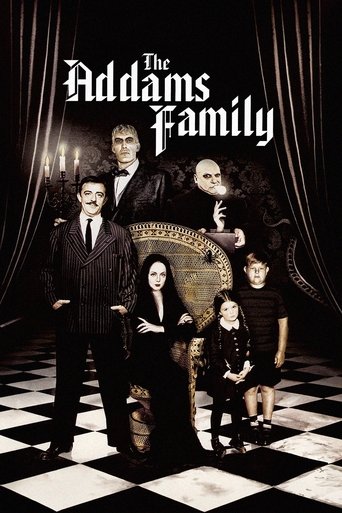
A satirical inversion of the ideal of the perfect American nuclear family, they are an eccentric wealthy family who delight in everything grotesque and macabre, and are never really aware that people find them bizarre or frightening. In fact, they themselves are often terrified by "normal" people.
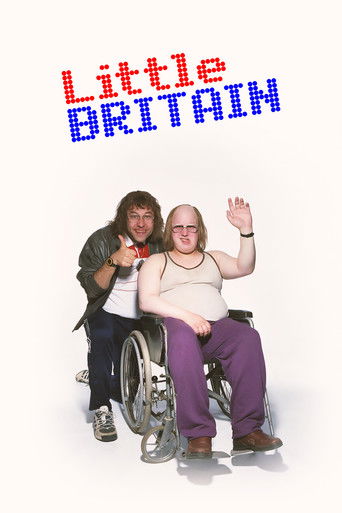
A zany comedy show with Matt Lucas and David Walliams, featuring characters from all over Little Britain.
Similar titles
Twenty-Nine years ago, winner of RuPaul’s Drag Race season 5, Jinkx Monsoon, gave birth to a homosexual son (best friends in real life). Jinkx is on a mission to be a more active mother and spend quality time with her gay son. Because she’s not just a regular Mom...she’s a cool mom. This quirky duo cover topics such as hooking up, internet slang and smoking marijuana.
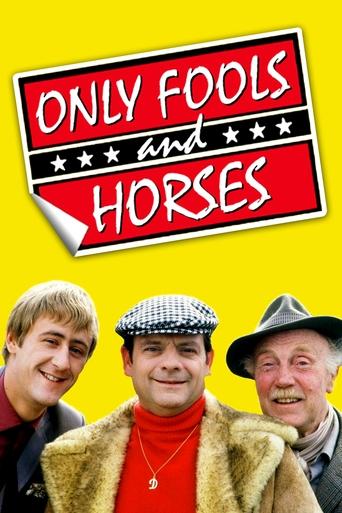
Only Fools and Horses.... Is a British sitcom created and written by John Sullivan. Seven series were originally transmitted on BBC One from 1981 to 1991, with sixteen sporadic Christmas specials aired until 2003. In working-class Peckham in south-east London, ambitious market trader Derek 'Del Boy' Trotter and his younger half-brother Rodney, explore their highs and lows in life, in particular their attempts to get rich. Initially not an immediate hit and receiving little promotion early on, it later achieved consistently high ratings, and the 1996 episode "Time on Our Hands" (originally billed as the series finale) holds the record for the biggest UK audience for a sitcom episode, attracting 24.3 million viewers. The series bears a significant influence on British culture, contributing several words and phrases to the English language.

The lives of five loveable, 20-somethings are followed in the northern town of Runcorn in Cheshire, England, where the friends meet often at a local pub to chat about life and love.
This English follows the East End working-class Garnett family, headed by patriarch Alf, a reactionary working-class man who wields racist and anti-Socialist views. His long-suffering wife Else manages to keep things in control... for the most part. Their progressive daughter Rita lives with them, as does her Irish husband Mike, who, with an array of liberal worldviews, often quarrels with his father-in-law. It inspired the American show "All In The Family" and several other international variations on the same theme.

Cousins Bo and Luke Duke and their car "General Lee", assisted by Cousin Daisy and Uncle Jesse, have a running battle with the authorities of Hazzard County (Boss Hogg and Sheriff Coltrane), plus a string of ne'er-do-wells often backed by the scheming Hogg.
Whatever Happened to the Likely Lads? is a British sitcom which was broadcast between 9 January 1973 and 9 April 1974 on BBC1. It was the colour sequel to the mid-1960s hit The Likely Lads. It was created and written, as was its predecessor, by Dick Clement and Ian La Frenais. There were 26 television episodes over two series; and a subsequent 45-minute Christmas special was aired on 24 December 1974. The cast were reunited in 1975 for a BBC radio adaptation of series 1, transmitted on Radio 4 from July to October that year. In 1976, a feature film spin-off was made. Around the time of its release, however, Rodney Bewes and James Bolam fell out over a misunderstanding involving the press and have not spoken since. This long-suspected situation was finally confirmed by Bewes while promoting his autobiography in 2005. Unlike Bewes, Bolam is consistently reluctant to talk about the show, and has vetoed any attempt to revive his character.
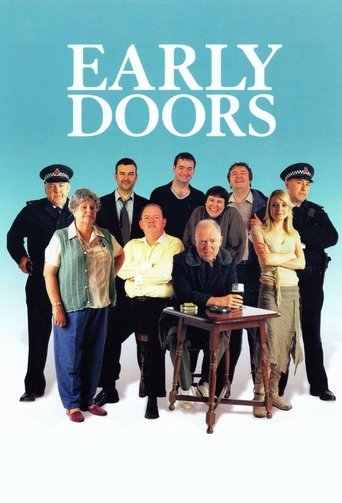
A sitcom set in a small pub in Manchester, “The Grapes”, where daily life is bound up in the issues of love, loneliness, and blocked urinals. Regular drinkers Joe and Duffy pass the time with landlord Ken and his police officer cronies.
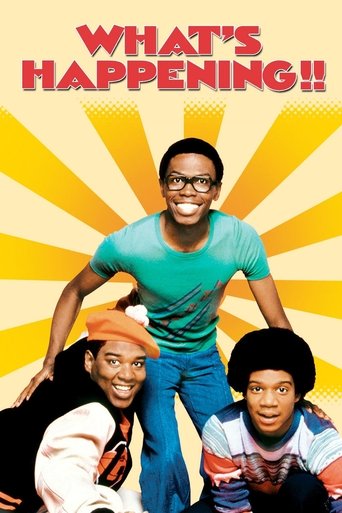
Buddies Raj, Rerun and Dwayne come of age in 1970s Los Angeles. The trio have a penchant for mischief and trying to find ways of getting rich quick. Almost always the trio's schemes wind up getting them into trouble and it's up to Raj's mother Mabel to get them out of it. Also, half of the time, the guys get into trouble because of Raj's bratty sister Dee.

When did it all go wrong? Liam, who parties too hard and disappoints his girlfriend, turns to his teenage years for answers. A funny, frank evaluation of how lads become men.
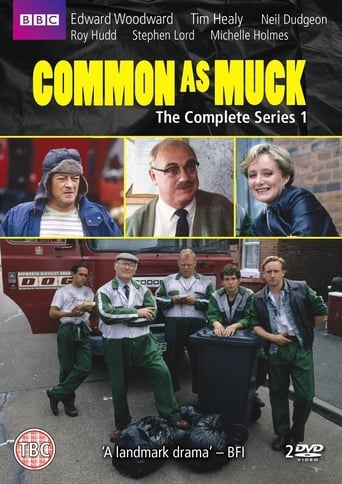
Common As Muck is a gritty BBC comedy drama serial focusing on the lives of a crew of bin men and their management staff. It ran for two series. The first series was screened in 1994 and the second in 1997. Both were nominated for a BAFTA for Best Drama.
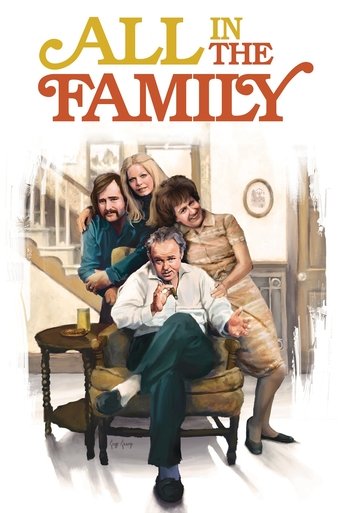
Archie Bunker, a working class bigot, constantly squabbles with his family over the important issues of the day.

Sitcom prequel to Last of the Summer Wine set in a small Yorkshire village in 1939 as Britain becomes poised for war.

Still Open All Hours is a sitcom set in a grocer's shop. It is a sequel to the series Open All Hours, written by original series writer Roy Clarke and featuring several of the permanent cast members of the original series
Open All Hours is a British television sitcom created and written by Roy Clarke, starring Ronnie Barker as penny-pinching corner-shopkeeper Albert Arkwright, and David Jason as his nephew and assistant Granville. The programme originated as a 1973 episode of Barker’s comedy anthology Seven of One, and later ran for 26 episodes; the first series broadcast on BBC2, the remaining three series broadcast on BBC1.
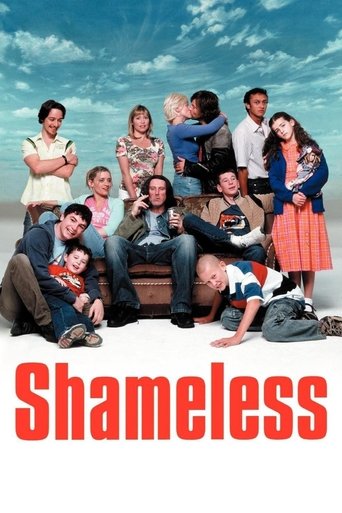
The story of a young group of siblings pretty much abandoned by their parents, surviving by their wits - and humor - on a rough Manchester council estate. Whilst they won't admit it, they need help and find it in Steve, a young middle class lad who falls for Fiona, the oldest sibling, and increasingly finds himself drawn to this unconventional and unique family. Anarchic family life seen through the eyes of an exceptionally bright fifteen year old, who struggles to come of age in the context of his belligerent father, closeted brother, psychotic sister and internet porn star neighbors.

Set in 1996 in Lincolnshire, the show tells the tragic and humorous story of a very troubled young girl Rae, who has just left a psychiatric hospital, where she has spent four months after attempting suicide, begins to reconnect with her best friend Chloe and her group, who are unaware of Rae's mental health and body image problems, believing she was in France for the past four months.
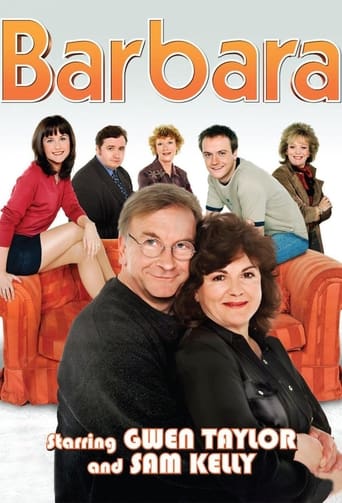
Barbara is a British sitcom starring Gwen Taylor in the title role. A pilot was broadcast in 1995, and three series were then televised from 1999 to 2003. It was made by Central Television, and filmed at their Lenton Lane studios in Nottingham in front of a live studio audience. The majority of location scenes for the series were filmed in various suburbs of Nottingham, including Mapperley and West Bridgford, with other scenes filmed around Nottinghamshire and Derbyshire. Despite winning awards and respectable viewing figures, it was axed by ITV in 2003.
Dinnerladies is a BBC sitcom written by and starring Victoria Wood that chronicles the antics of a group of workers in a canteen in the north of England. Bren tries to maintain a semblance of order in amongst the chaos, while dealing with the canteen supervisor, slightly sex-obsessed cancer sufferer Tony. Dolly and Jean are the bickering menopausal older women, always at odds but best friends beneath it all. Then there's thick-as-two-short-planks Anita, and the terminally uninterested Twinkle, more concerned with having a good time than anything else. Making up the motley crew are military man handyman Stan, all rules and regulations, and ditzy Philippa, who never seems to get anything right.
On the Buses is a British comedy series created by Ronald Wolfe and Ronald Chesney, broadcast in the United Kingdom from 1969 to 1973. The writers' previous successes with The Rag Trade and Meet the Wife were for the BBC, but the corporation rejected On the Buses, not seeing much comedy potential in a bus depot as a setting. The comedy partnership turned to a friend, Frank Muir, Head of Entertainment at London Weekend Television, who loved the idea; the show was accepted and despite a poor critical reception became a hit with viewers.

Follow the lives and loves of a group of thirtysomethings in a heart-warming comic drama as they try to find true love - or at least keep their relationships on track. In this wry and funny look at a generation which is as confused as it is liberated by the choices it faces, will the chill in their feet put out the passion that burns in their hearts?