Raise the Roof
1995-09-02 · Runtime unavailable · Not rated
Raise the Roof was a British television game show which ran from 2 September 1995 to 13 January 1996, co-produced by Yorkshire Television and Action Time for ITV and hosted by Bob Holness.
Trailers are previews, not full movies.
No authorized playback source configured. Use the legal watch options below.
Production details
- Creators
- Andrew O'Connor
- Production companies
- Unavailable
- Countries
- Unavailable
- Status
- Canceled
Top Cast
Title information and images are supplied by TMDb. Explore our discovery guide for advice on comparing metadata and legal viewing options.
Where to watch
Availability provided by JustWatch via TMDb. Offers can change. Provider links are listed on TMDb; full playback requires a separately authorized source.
Seasons & episodes
Recommendations
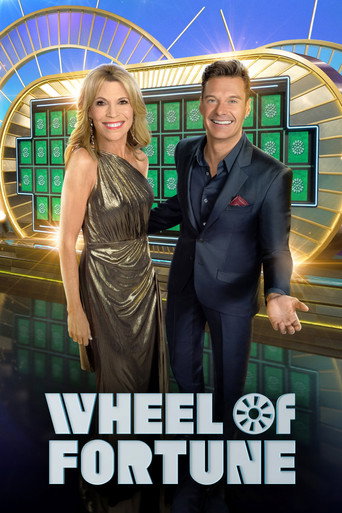
This game show sees contestants solve word puzzles, similar to those used in Hangman, to win cash and prizes determined by spinning a giant carnival wheel.
American version of the tense gameshow where contestants tackle a series of multiple-choice questions to win large cash prizes.
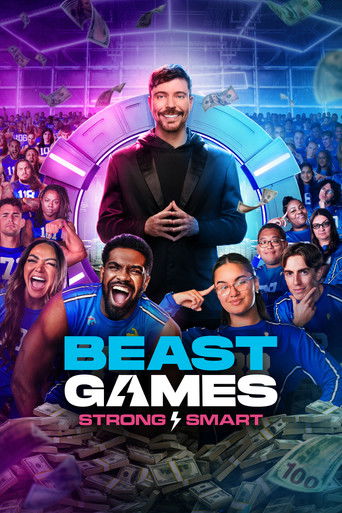
I gathered 1,000 people to fight for $5,000,000, the LARGEST cash prize in TV history! We're also giving away a private island, Lamborghinis, and millions more in cash throughout the competition! Go watch to see the greatest show ever made!

The clock is ticking as contestants compete in games of lexical dexterity and numerical agility.
Takeshi's Castle was a Japanese game show that aired between 1986 and 1990 on the Tokyo Broadcasting System. It featured the Japanese actor Takeshi Kitano as a count who owns a castle and sets up difficult challenges for players to get to him. Contestants throw themselves into daunting physical challenges as they attempt to storm Takeshi's Castle and win the grand prize of one million yen. The show has become a cult television hit around the world. A special live "revival" was broadcast on April 2, 2005, for TBS's 50th anniversary celebrations.
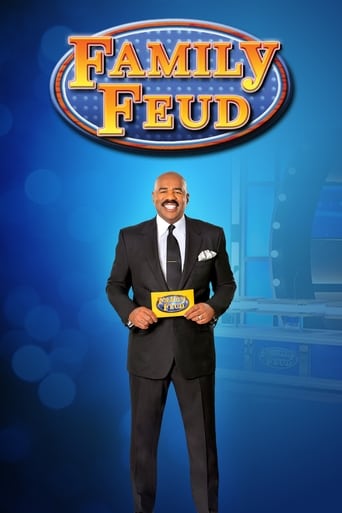
Two families compete against each other in a contest to name the most popular responses to a survey question posed to 100 people.
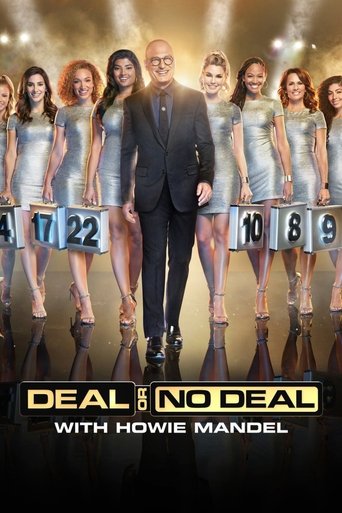
A contestant must choose from 26 sealed briefcases containing a marker for various amounts of cash from one penny to $1 million. The player then eliminates the remaining 25 cases one by one. The chosen ones are opened and the amount of money inside revealed. After several cases are opened, the player is tempted by the Banker to accept an offer of cash in exchange for not continuing the game and possibly winning a larger sum of money.
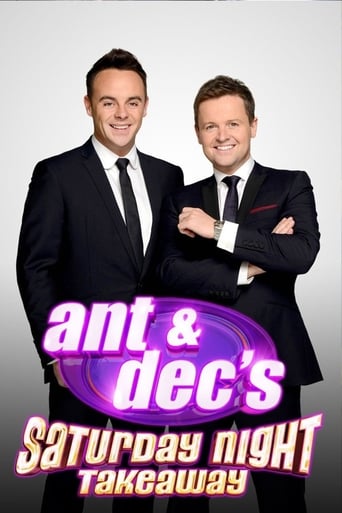
A gameshow hosted by Ant and Dec filled with stunts, sketches, and special guest appearances.
America's favorite quiz show where contestants are presented with general knowledge clues in the form of answers, and must phrase their responses in question form.
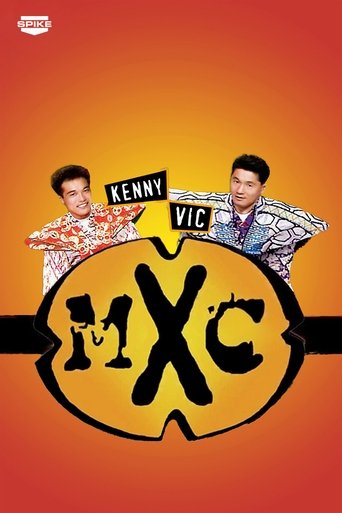
Footage from the popular game show, Takeshi's Castle has been re-edited, re-written and re-voiced into a hilarious, intentionally over-produced, modern "action/X-treme" sports show.
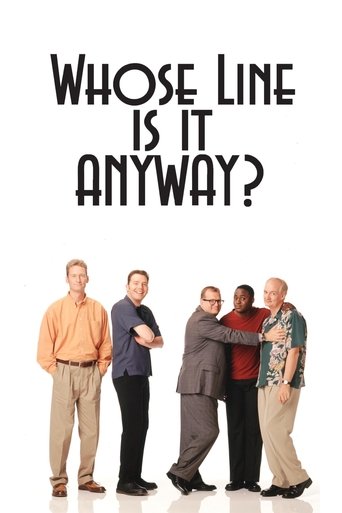
The show where everything's made up and the points don't matter. Not a talk show, not a sitcom, not a game show, Whose Line Is It Anyway? is a completely unique concept to network television. Four talented actors perform completely unrehearsed skits and games in front of a studio audience. Host Drew Carey sets the scene, with contributions from the audience, but the actors rely completely on their quick wit and improvisational skills. It's genuinely improvised, so anything can happen - and often does.

The Great Food Truck Race is a reality television series, that originally aired on August 15, 2010, on Food Network, with Tyler Florence as the host. It features competing food trucks. The fourth season premiered on August 18, 2013.
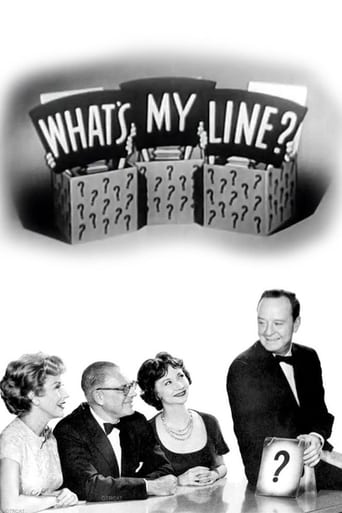
Four panelists must determine guests' occupations - and, in the case of famous guests, while blindfolded, their identity - by asking only "yes" or "no" questions.
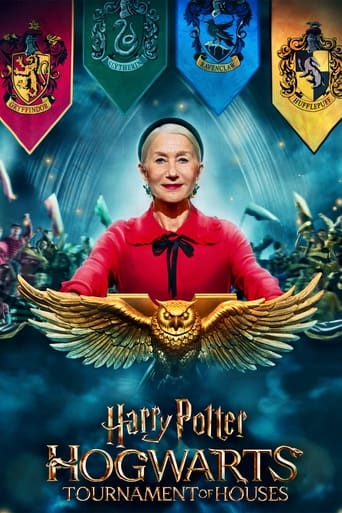
Wizarding World fans put their Harry Potter knowledge to the test for the ultimate honor to be named House Cup champion.
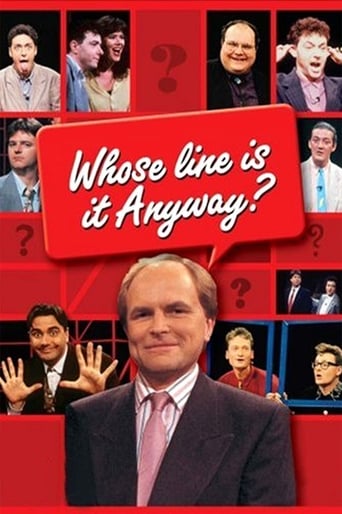
An un-scripted comedy show in which four guest performers improvise their way through a series of games, many of which rely on audience suggestions.
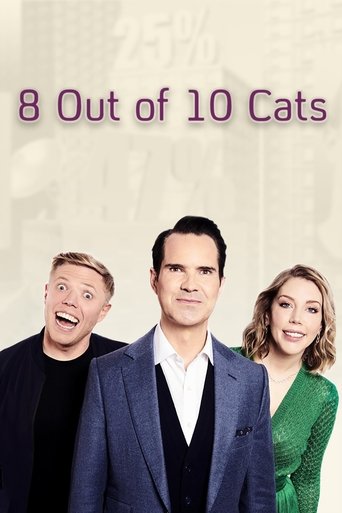
A weekly, topical panel show based around a huge series of opinion poll surveys carried out around Britain.
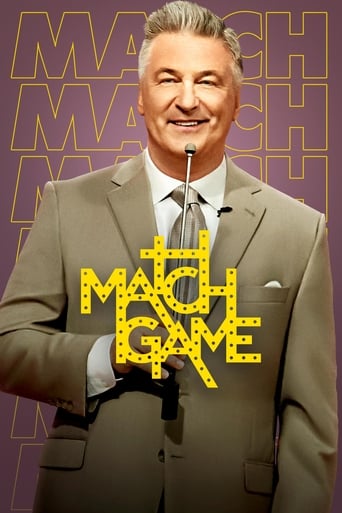
A modern reboot of the classic 70s game show that features two contestants attempting to match the answers of six celebrities in a game of fill-in-the-blank.
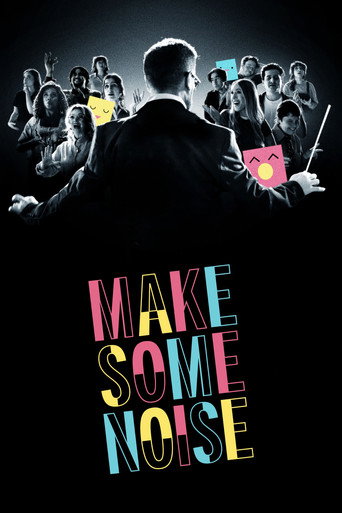
A Dropout TV game show spun off from Gamechanger in which talented improvisors compete to bring silly prompts to life.

The outrageous comedy panel show hosted by the irrepressible Keith Lemon. Each episode sees top celebrities going head to head in a series of hilarious rounds unlike any other panel show.
Status and strategy collide in this social experiment and competition show where online players flirt, befriend and catfish their way toward $100,000.
Similar titles

Happy Camp is a Chinese variety show produced by Hunan Broadcasting System. The series debuted in 1997, and has remained in production since then due to its popularity. The show was hosted by the Happy Family: He Jiong, Li Weijia, Xie Na, Du Haitao, and Wu Xin. Happy Camp is one of China's most popular shows, with a viewership of tens of millions.

Strangers play the ultimate game of detection, backstabbing and trust in the hope of winning up to £120,000. But hidden amongst the players are three Traitors, who secretly ‘murder’ a player every night. It’s up to the Faithfuls to banish them from the game before they become the next victim. If the Faithfuls eliminate all the Traitors they split the cash; but if a Traitor remains undetected to the end of the game, they take all the money.
The Game Show where we answer some of the world's silliest questions.
The Great Food Truck Race is a reality television series, that originally aired on August 15, 2010, on Food Network, with Tyler Florence as the host. It features competing food trucks. The fourth season premiered on August 18, 2013.

From Thursday, January 23, the Expedition Robinson survival fight will continue via Videoland. For the first time in years, a Flemish team will again participate in the program, which consists entirely of unknown participants. Eight Dutchmen and eight Flemish people will compete.
50/50 was a British children's game show that was broadcast on BBC1. It was broadcast from 7 April 1997 to 12 July 2005. Two schools in the UK put forward 50 students, each child given a number from 1–50 which they wear during the show, before each round a random number generator picks which students will take part in the next game. The t-shirt colours were originally green and orange but this was changed to blue and yellow. They sit opposite each other in raised seating while the game takes place in between them. Most of the children will not get an opportunity to play in a game, but there are question rounds and observation rounds where points are won by the number of correct answers. The games usually consist of inflatable obstacle courses similar to those found in Get Your Own Back, Fun House and Run the Risk.

Players vie for the chance to answer a series of questions on general culture by undertaking a variety of utterly wacky and extreme challenges! No pressing buzzers in this game, instead, players will need to be much bolder to be able to give their answers as quickly as possible; they may have to take a cream pie in the face, or crack a dozen eggs over their heads! In Distraction, the question isn’t the challenge.

Blockbusters is a British television game show based upon the American game show of the same name in which contestants answer trivia questions to complete a path across or down a game board of hexagons.

Passengers in a specially outfitted taxi are surprised and offered the chance to win money by correctly answering a series of general knowledge or trivia questions on the way to their destination.

TV's most iconic reality show is back - get all the latest from the House.

Two teams of three alternate between giving and guessing the meanings of obscure English words.

Austrian adaptation of the reality singing competition where celebrities battle it out with one major twist: each singer is shrouded from head to toe in an elaborate costume, concealing their identity from the audience. With Elke Winkens, Sasa Schwarzjirg und Nathan Trent as Panelists.


Amigo is a game show for kids in Norway. The host is Stian Barsnes Simonsen, who is also the host for Melodi Grand Prix Junior with Nadia Hasouni. Amigo has an individual named The Soundeffect-man. The format consists of three teams, with two children each. The children make their own version of the Amigo theme song, which they then sing. The show is recorded in the NRK studio in Oslo, Norway.
The American version of the British television game show The Weakest Link aired in two separate formats, one on primetime network television and one in daily syndication. The primetime Weakest Link debuted on NBC April 16, 2001 and aired until July 14, 2002. The series' final ten episodes went unaired until 2003, when PAX TV aired some of them. The remainder aired on GSN, which maintains broadcast rights to the series. While the primetime series was still in production, the daily syndicated series was being developed. That series debuted at midseason in 2002, premiering on January 7, 2002, and aired for a season and a half before ending its run on May 20, 2003. Reruns of this series would join the primetime series on both PAX and GSN but neither series is currently airing.
Wheel of Fortune is an Australian television game show produced by Grundy Television. The program aired on the Seven Network from 1981 to 2004 and November 2005 to July 2006 and is mostly based on the same general format as the original American version of the program. After Wheel of Fortune ended, the format was revived by the Nine Network in 2008 as Million Dollar Wheel of Fortune, until it was cancelled in June 2008 due to low ratings following arguments from long-time host John Burgess concerning why he did not like the show. An earlier unrelated show also titled Wheel of Fortune had been broadcast on the Nine Network. That version had been developed by Reg Grundy as a radio game show before it transferred to television in 1959.

Five artists show their wild side by performing zany challenges. There are no points, no stakes, and no keeping score between guests, just a fun and unique combination of crazy games and improvisation.