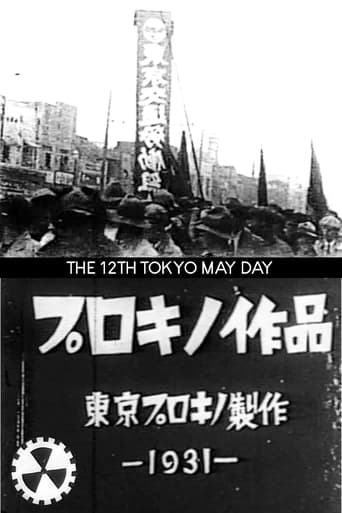
The 12th Tokyo May Day
1931-05-16 · 6 min · Not rated
On May 1st, unions all over Japan celebrate May Day, the international day for workers. Workers gather together at parks and hold demonstrations and parades. May Day has its origins in a strike that occurred in the United States on May 1, 1886, a strike that called for an eight-hour workday. Prokino recorded the May Day every year from 1927 to 1932. Among these films, this work is the only one that has survived. However, only its first part has survived. The original film depicts the march to the Ueno Park where the rally was dismissed. Iwasaki Akira coordinated the entire Tokyo Prokino organization as it photographed the 1931 May Day celebrations. They shot in both 16mm and 35mm (other 35mm productions were planned, but this is the only one that achieved completion). A 16mm print was circulated around the countryside by mobile projection units, and a 35mm print was shown at Soviet film nights in Tokyo and Osaka.
Trailers are previews, not full movies.
No authorized playback source configured. Use the legal watch options below.
Production details
- Directors
- Sozo Okada
- Production companies
- Prokino
- Countries
- Japan
- Status
- Released
Top Cast
Cast unavailable.
Title information and images are supplied by TMDb. Explore our discovery guide for advice on comparing metadata and legal viewing options.
Where to watch
Availability provided by JustWatch via TMDb. Offers can change. Provider links are listed on TMDb; full playback requires a separately authorized source.
Availability not listed for this country.
Seasons & episodes
Recommendations

A documentary on the expletive's origin, why it offends some people so deeply, and what can be gained from its use.

A behind-the-scenes documentary about the Clinton for President campaign, focusing on the adventures of spin doctors James Carville and George Stephanopoulos.
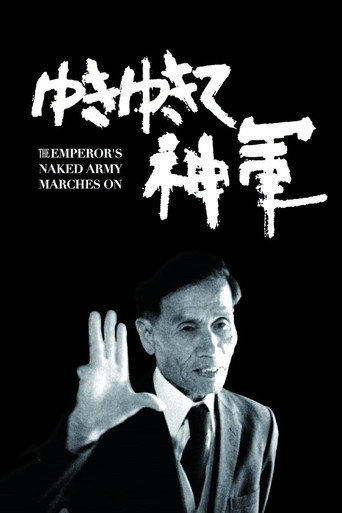
Kenzo Okuzaki, a 62-year-old anarchist veteran of the New Guinea campaign in World War II, sets out to conduct interviews with survivors and relatives to find the truth behind atrocities committed by Japanese military, in particular the unexplained killing of two Japanese privates in his unit.

Cameramen and women discuss the craft and art of cinematography and of the "DP" (the director of photography), illustrating their points with clips from 100 films, from Birth of a Nation to Do the Right Thing. Themes: the DP tells people where to look; changes in movies (the arrival of sound, color, and wide screens) required creative responses from DPs; and, these artisans constantly invent new equipment and try new things, with wonderful results. The narration takes us through the identifiable studio styles of the 30s, the emergence of noir, the New York look, and the impact of Europeans. Citizen Kane, The Conformist, and Gordon Willis get special attention.

In 1977, a book of photographs captured an awakening - women shedding the cultural restrictions of their childhoods and embracing their full humanity. This documentary revisits those photos, those women and those times and takes aim at our culture today that alarmingly shows the need for continued change.
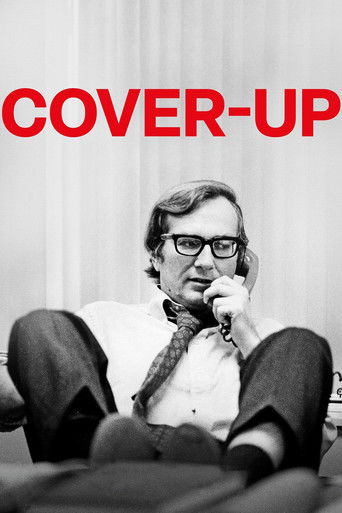
He's devoted his career to uncovering stories the powerful want buried. From My Lai to Abu Ghraib, dig into the life's work of journalist Seymour Hersh.

A compilation of over 30 years of private home movie footage shot by Lithuanian-American avant-garde director Jonas Mekas, assembled by Mekas "purely by chance", without concern for chronological order.

Director Michael Apted revisits the same group of British-born adults after a 7 year wait. The subjects are interviewed as to the changes that have occurred in their lives during the last seven years.

Learn the incredible behind-the-scenes story of how the original Star Wars movie was brought to the big screen in this fascinating documentary hosted by C-3PO and R2-D2 which includes interviews with George Lucas and appearances by Mark Hamill, Harrison Ford and Carrie Fisher.
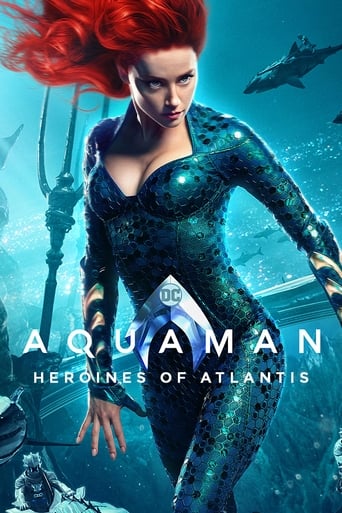
Amber Heard and Nicole Kidman discuss their characters Mera and Atlanna.

A subjective documentary that explores various theories about hidden meanings in Stanley Kubrick's classic film The Shining. Five very different points of view are illuminated through voice over, film clips, animation and dramatic reenactments.

After years in the limelight, Selena Gomez achieves unimaginable stardom. But just as she reaches a new peak, an unexpected turn pulls her into darkness. This uniquely raw and intimate documentary spans her six-year journey into a new light.

When Allied forces liberated the Nazi concentration camps in 1944-45, their terrible discoveries were recorded by army and newsreel cameramen, revealing for the first time the full horror of what had happened. Making use of British, Soviet and American footage, the Ministry of Information’s Sidney Bernstein (later founder of Granada Television) aimed to create a documentary that would provide lasting, undeniable evidence of the Nazis’ unspeakable crimes. He commissioned a wealth of British talent, including editor Stewart McAllister, writer and future cabinet minister Richard Crossman – and, as treatment advisor, his friend Alfred Hitchcock. Yet, despite initial support from the British and US Governments, the film was shelved, and only now, 70 years on, has it been restored and completed by Imperial War Museums under its original title "German Concentration Camps Factual Survey".
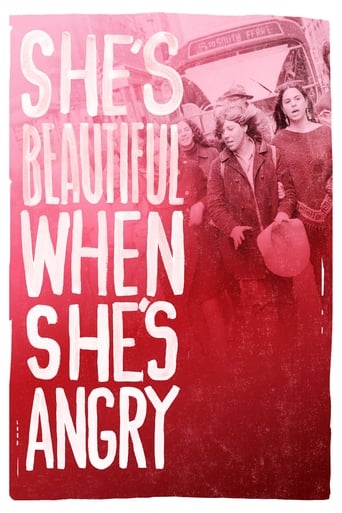
A documentary that resurrects the buried history of the outrageous, often brilliant women who founded the modern women's movement from 1966 to 1971.
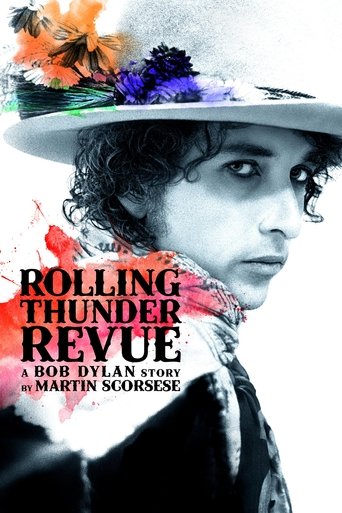
Part documentary, part concert film, part fever dream, this film captures the troubled spirit of America in 1975 and the joyous music that Dylan performed during the fall of that year.

Retrospective documentary about the making of the horror cult classic "The Return of the Living Dead."

A documentary on the modeling industry's 'supply chain' between Siberia, Japan, and the U.S., told through the experiences of the scouts, agencies, and a 13-year-old model.

With unprecedented access to the official archives and intimate recollections from the band, both current and past, Iron Maiden: Burning Ambition invites fans to experience one of the most iconic journeys in music history. Spanning five decades, this electrifying documentary charts the band’s rise from the pubs of East London to the world’s biggest stadiums. Featuring exclusive interviews with band members and contributors such as Javier Bardem, Lars Ulrich and Chuck D, as well as all-new animated sequences of the band's legendary mascot, Eddie, the film offers a rare and intimate look at Iron Maiden’s uncompromising vision and unwavering connection with their truly global army of fans.

A love letter from a young mother to her daughter, the film tells the story of Waad al-Kateab’s life through five years of the uprising in Aleppo, Syria as she falls in love, gets married and gives birth to Sama, all while cataclysmic conflict rises around her. Her camera captures incredible stories of loss, laughter and survival as Waad wrestles with an impossible choice– whether or not to flee the city to protect her daughter’s life, when leaving means abandoning the struggle for freedom for which she has already sacrificed so much.

In the Realms of the Unreal is a documentary about the reclusive Chicago-based artist Henry Darger. Henry Darger was so reclusive that when he died his neighbors were surprised to find a 15,145-page manuscript along with hundreds of paintings depicting The Story of the Vivian Girls, in What is Known as the Realms of the Unreal, of the Glodeco-Angelinnian War Storm, Cased by the Child Slave Rebellion.
Similar titles

The story of Saul Alinsky, the father of community organizing, and the rise of his Cultural Marxism in the Catholic Church and America.
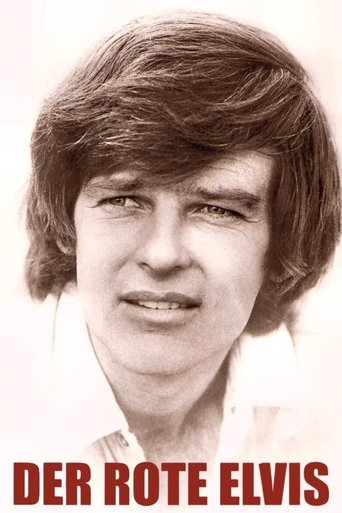
A documentary on the late American entertainer Dean Reed, who became a huge star in East Germany after settling there in 1973.
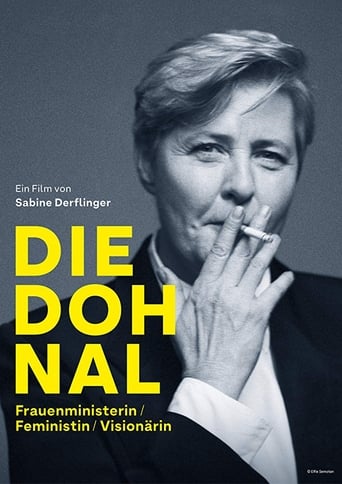
Johanna Dohnal, whose political career spans three decades, was one of the very first explicitly feminist politicians in Europe. As a member of the Austrian socialist government and the first Austrian minister for Women’s Affairs from 1990 to 1994, Dohnal was responsible for founding Austria’s first women’s refuge as well as criminalizing of marital rape. Yet her legacy remains yet to be discovered and re-examined. DIE DOHNAL makes a first step, and it makes Dohnal come alive.
Visionary, radical, spiritual seeker, renowned poet, founding member of a major literary movement, champion of human rights, Buddhist, political activist and teacher. Extensive archival footage, interviews, and home movies cover Allen Ginsberg's life, activism, and influence on American culture through the Beat era, the 1960s, and beyond.

In recognition of the 4th of July, several celebrities and politicians of differing ideologies join to read the historic documents which laid the foundation for the United States of America.
Salhia Brakhlia has filmed the set and behind the scenes of Franceinfo's breakfast show during a year. How to inform at the time of social media and fake news ? How careful are journalist with those news ? How do they connect to politicians during an presidential election campaign ? This unique immersion gives us a part of the answer.

Filmmaker Gio Petti takes an in-depth look at the city's troublesome transit system in his documentary, Dude, Where's My Bus?. His nearly 2 year-long independent investigation delves into the frustrations of daily commuters in Ottawa and more deeply explores the systemic issues plaguing OC Transpo and their effects on the community. Beginning in the South End Suburbs of Ottawa, Dude, Where's My Bus? peels back layers leading to a broader investigation into issues plaguing the once model transit system. From late buses in neglected areas of the city, sprawl and the greenbelt, to the ever more controversial Confederation Line and the P3 system that built it, Petti aims to explore the impact of policy missteps and broken promises on Ottawa's transit users, with an optimistic look to the future.
Across America, UPS workers come together to demand better working conditions as they go about criss-crossing the world, delivering packages and connecting lives.

When the renowned author, orator and journalist Christopher Hitchens was challenged to undergo the brutal interrogation technique known as waterboarding, few would've expected he'd accept such a task - he had previously expressed the position that the controversial procedure would not qualify as torture, and most who'd claim such a thing would not have the courage to test their convictions. Yet, in May 2007, Hitchens did just that - and his experience profoundly impacted both himself and his stance on the matter, prompting him to declare he'd been wrong, and later to publish his 2008 article for Vanity Fair's August issue, simply titled 'Believe Me, It's Torture'.
The early struggles of the working class are placed under a microscope in Plutocracy III: Class War, the latest chapter in an exceptionally well produced series which explores the origins of America's growing economic divide.

A portrait of environmental folk hero & gay icon Bob Brown, who took green politics to the center of power. His story is interwoven with the life cycle of the ancient trees he's fighting for.
The First Year tells the inside story of Jamie Driscoll’s first 12 months as the new North of Tyne Mayor.
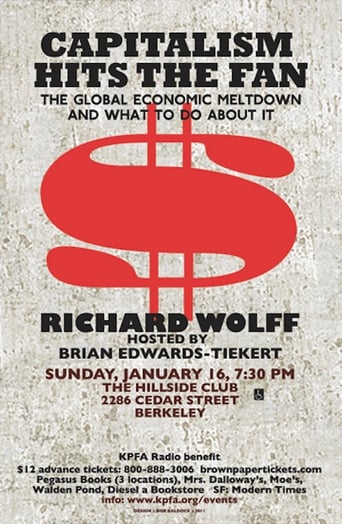
With breathtaking clarity, renowned University of Massachusetts Economics Professor Richard Wolff breaks down the root causes of today's economic crisis, showing how it was decades in the making and in fact reflects seismic failures within the structures of American-style capitalism itself. Wolff traces the source of the economic crisis to the 1970s, when wages began to stagnate and American workers were forced into a dysfunctional spiral of borrowing and debt that ultimately exploded in the mortgage meltdown. By placing the crisis within this larger historical and systemic frame, Wolff argues convincingly that the proposed government "bailouts," stimulus packages, and calls for increased market regulation will not be enough to address the real causes of the crisis, in the end suggesting that far more fundamental change will be necessary to avoid future catastrophes.

The film shines a light onto federal chancellor Angela Merkel and her now ending 16-year-long tenure. An era, not an episode. And a vagarious relationship history between the chancellor and the Germans. Who has changed whom here?


The story of Russian writer and Soviet dissident Aleksandr Solzhenitsyn (1918-2008) and his masterpiece, The Gulag Archipelago, published in Paris in 1973, which forever shook the very foundations of communist ideology.

In their own words, this is the story of six women from the South Wales valleys and how they helped sustain the bitter year-long miners' strike, changing their lives forever.

The love affair between King Alfonso VIII of Castile and Rahel la Fermosa, a Jewish woman.
A variety of locals react to a napalm plant and an ensuing protest in Redwood City CA during the Vietnam War.