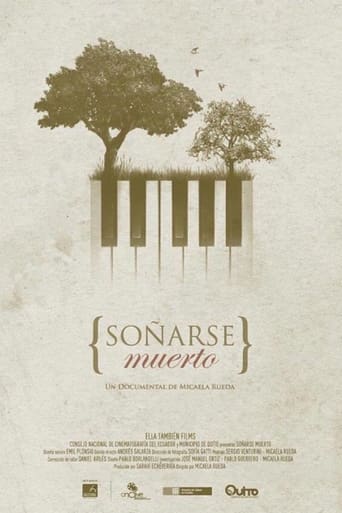
Soñarse muerto
2013-05-13 · 80 min · Not rated
José Manuel Ortiz, 32, has had a great interest and sensitivity towards music since he was very young. He grows up listening to the anecdotes of his great-grandfather Carlos Amable Ortiz who was the first academic musician in Ecuador. After the death of Carlos Amable Ortiz, his fame begins to fade, but his 237 scores have managed to survive time. Upon recovering the works, José Manuel's interest in studying and deepening the music found is awakened.
Trailers are previews, not full movies.
No authorized playback source configured. Use the legal watch options below.
Production details
- Directors
- Micaela Rueda
- Production companies
- Unavailable
- Countries
- Unavailable
- Status
- Released
Top Cast
Cast unavailable.
Title information and images are supplied by TMDb. Explore our discovery guide for advice on comparing metadata and legal viewing options.
Where to watch
Availability provided by JustWatch via TMDb. Offers can change. Provider links are listed on TMDb; full playback requires a separately authorized source.
Availability not listed for this country.
Seasons & episodes
Recommendations

A compilation of over 30 years of private home movie footage shot by Lithuanian-American avant-garde director Jonas Mekas, assembled by Mekas "purely by chance", without concern for chronological order.
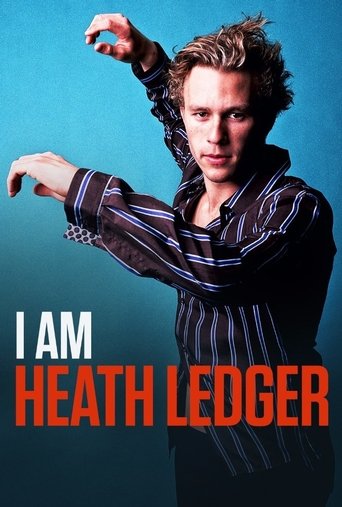
The life and career of an actor, artist, and icon. His own journey through his own camera.
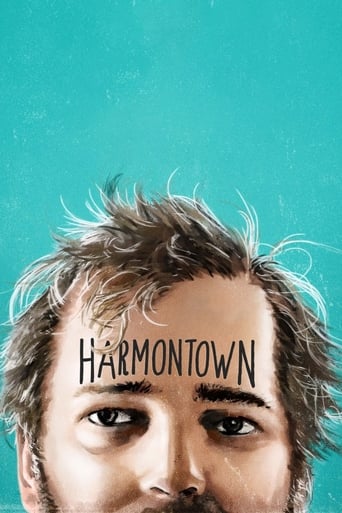
A comedic, brutally honest documentary following self-destructive TV writer Dan Harmon as he takes his live podcast on a national tour.

A string of threatening emails escalates into a revenge plot involving a newly married US marshal and his ex-girlfriend.
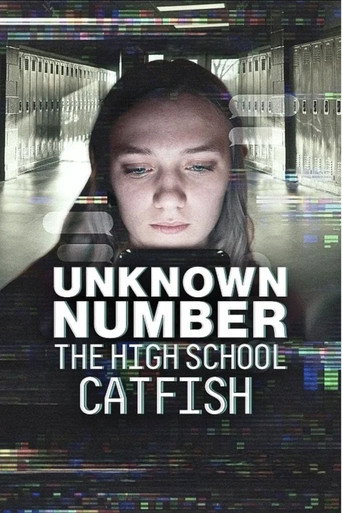
Vulgar, taunting texts blow up the phones of a teen and her boyfriend. Who's sending them — and why? This twisty documentary reveals the shocking answer.

In an intimate and joyful story of love in the face of loss, celebrated poets Andrea Gibson and Megan Falley find strength—and unexpected hilarity—in what might be their final year together.
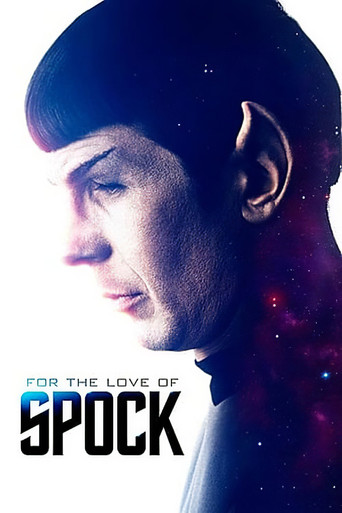
The life of Mr. Spock, as well as that of Leonard Nimoy, the actor who played him for almost fifty years, written and directed by his son: Adam.

The film follows adventurer Jeff Johnson as he retraces the epic 1968 journey of his heroes Yvon Chouinard and Doug Tompkins to Patagonia.

Director Michael Apted revisits the same group of British-born adults after a 7 year wait. The subjects are interviewed as to the changes that have occurred in their lives during the last seven years.
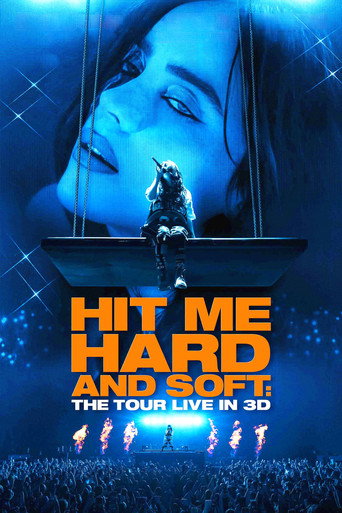
Captured during Billie Eilish's sold-out world tour, a concert experience from one of the most celebrated and successful artists of her generation, presented in immersive 3D.
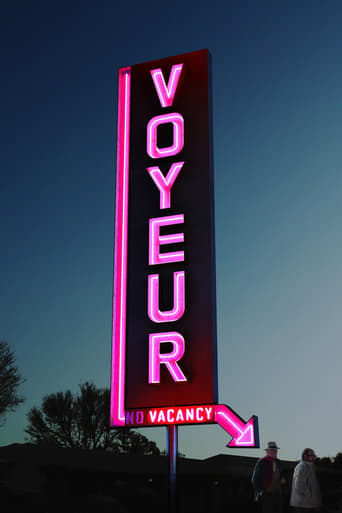
Legendary journalist Gay Talese unmasks a motel owner who spied on his guests for decades. But his bombshell story soon becomes a scandal of its own.
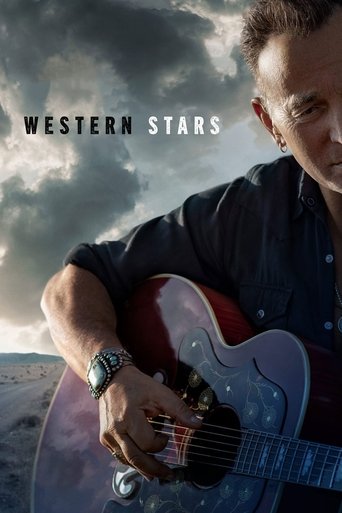
The incomparable Bruce Springsteen performs his critically acclaimed latest album and muses on life, rock, and the American dream, in this intimate and personal concert film co-directed by Thom Zimny and Springsteen himself.

An inside look at one of the most anticipated movie sequels ever with James Cameron and cast.

The life and career of one of comedy's most inimitable modern voices, Mr. Gilbert Gottfried.
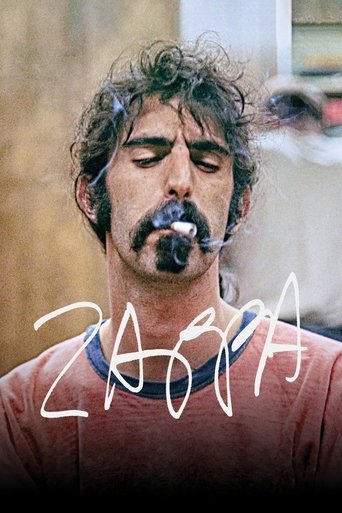
With the help of more than 10,000 dedicated Zappa fans, this is the long-awaited definitive documentary project of Alex Winter documenting the life and career of enigmatic groundbreaking rock star Frank Zappa. Alex also utilizes in this picture thousands of hours of painstakingly digitized videos, photos, audio, writing, and everything in between from Zappa's private archives. These chronicles have never been brought to a public audience before, until now.

Daniel Craig candidly reflects on his 15 year adventure as James Bond. Including never-before-seen archival footage from Casino Royale to the upcoming 25th film No Time To Die, Craig shares his personal memories in conversation with 007 producers, Michael G Wilson and Barbara Broccoli.

Through deeply personal interviews with her siblings and an examination of the photographs, letters, and belongings left behind, Mariska assembles a new portrait of her mother Jayne Mansfield, an extraordinary and complex woman.
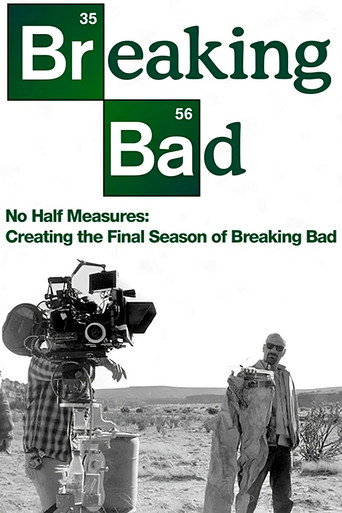
A documentary about the making of season five of the acclaimed AMC series Breaking Bad.
From a prolific career in film and television, Anton Yelchin left an indelible legacy as an actor. Through his journals and other writings, his photography, the original music he wrote, and interviews with his family, friends, and colleagues, this film looks not just at Anton's impressive career, but at a broader portrait of the man.

Just two years away from turning 30, participants in Michael Apted's documentary series are facing serious questions of identity and purpose, wondering whether they've found their place in the world.
Similar titles
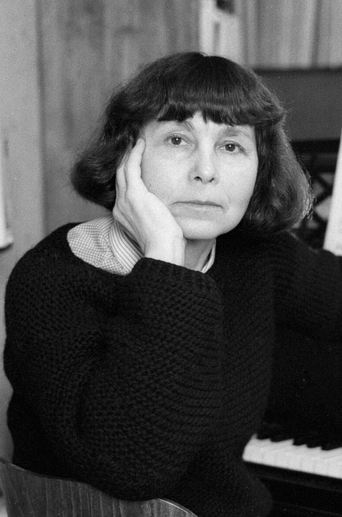
A documentary on the life and work of the composer Sofia Gubaidulina.

A short documentary film about the director's relationship with his deceased grandfather.

The film traces the career of some of the winners of this new generation nicknamed the "K-Classics Generation", including the 2 recent winners of the Queen Elisabeth Competition, the soprano Hwang Sumi and the violinist Lim Jiyoung. In Korea, where it all began, and in Germany where most of them have settled.

After the recent loss of his wife Angèle, grandpa René tries to stay positive, finding comfort in simple joys like his cacti and cat Musti—but the weight of impermanence lingers.
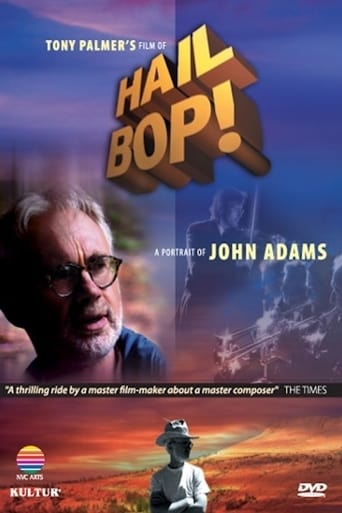
Shot over the course of a year, this intimate portrait of provocative composer John Adams presents scenes of the artist at work and at play against the backdrop of dramatic American landscapes that reflect the themes of his music. Though he has a number of credits to his name, Adams is best known for his unconventional opera "Nixon in China," which explores the former U.S. president's meeting with Mao Zedong in 1972.
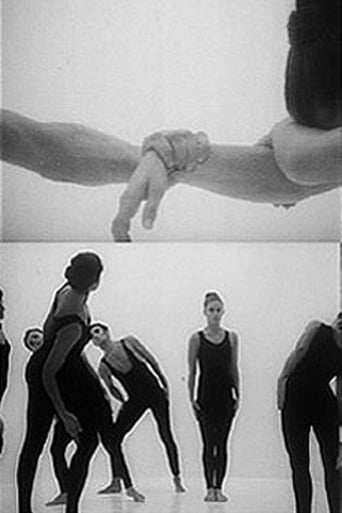
The first experimental dance film from Croatia, which pays homage to the pioneer of experimental and dance film Maya Deren and her "Study in Choreography for Camera" from 1945. The theme of the film is inspired by a composition by Ivo Malec "Miniatures for Lewis Carroll", and the dance is performed by the members of the Studio for Contemporary Dance who, in black suits and white surroundings, seem to float in the space captured by the eye of the camera.
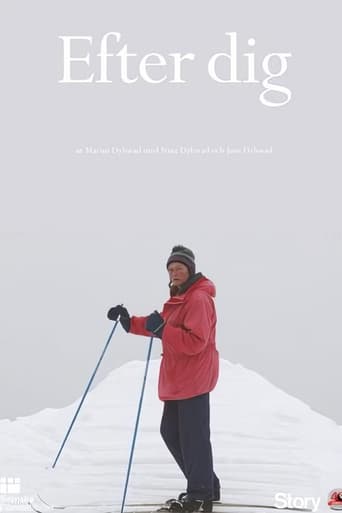
"My mother is spending all her time with her dying father. I’m spending all my time filming her. As the end is getting closer, my mother and I start doing the filming more and more together. It becomes our way of dealing with the time we have left." —Marius Dybwad Brandrud
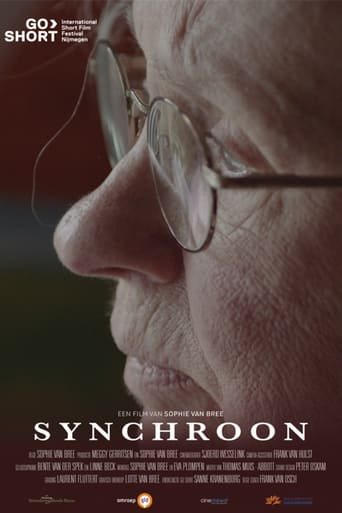
SYNCHRONOUS is an intimate portrait of love and the reverse side of love: mourning. The granddaughter/maker looks idealistically at the endless love between her grandfather and grandmother. When her grandfather dies, she decides to look for answers by filming her grandmother. What happens when you've been together all your life and your great love dies? Where is the love then?
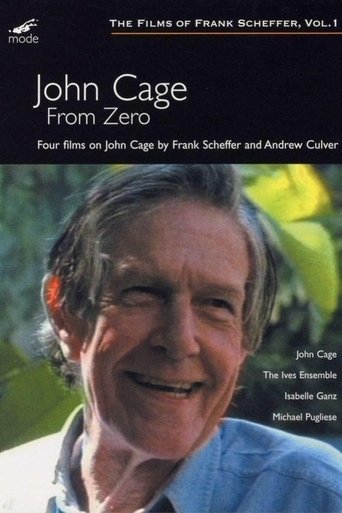
A fascinating study of merging form with content, broken into four shorts, each complete with opening title and closing credits: "19 Questions," "Fourteen," "Paying Attention," and "Overpopulation and Art."
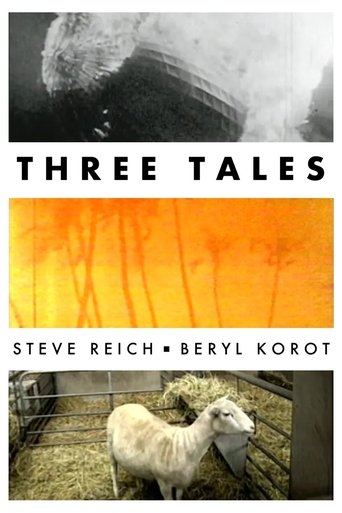
"Three Tales" is a video music work by American composer Steve Reich and video artist Beryl Korot. It is set in three "Acts", each depicting a technological advance of the 20th century and its negative implications on humanity: the dirigible airship Hindenburg and its explosion; the Atom Bomb and its testing on Bikini Atoll; and Dolly the sheep, first successful genetic cloning of a mammal.
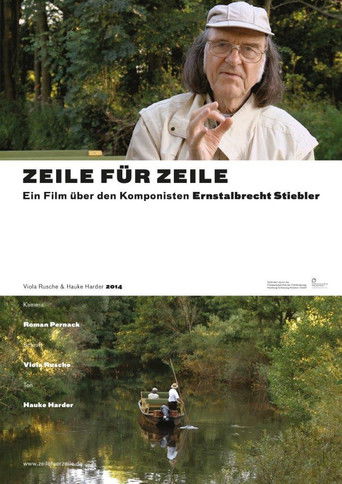
A cello piece A punt ride Thoughts about music and composition The eight lines of Ernstalbrecht Stiebler’s cello piece Sequenz 2 alternating with his thoughts about slowness, space, reduction, repetition, resonance, liveliness and emotion A cinematic continuum
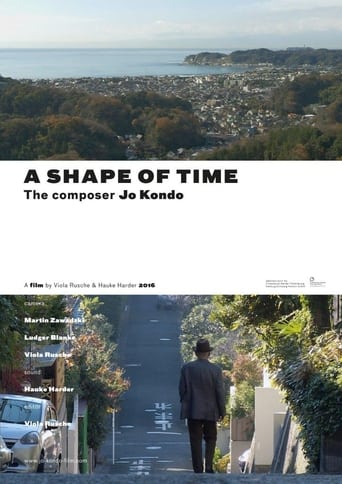
Jo Kondo (*1947) is one of the most interesting composers of contemporary music in Japan. His music is composed intuitively and at the same time it is highly abstract. Without clear directionality and at the same time not without form. For a Japanese audience it sounds “Western” and in the West it is regarded “Japanese”. A music in between categories. Like Kondo’s music the film is shifting between places and directions: a concert in the Muziekgebouw in Amsterdam, an elaborate sushi bar in Tokyo, a CD-production in a Cologne radio station, the Zuisenji temple in Kondo’s neighborhood in Kamakura. Kondo wants his music to appear “normal”, without spectacular surface or narrative elements. A concept of “normality” you may also find in the films of Japanese filmmaker Yasujiro Ozu, who – like Kondo – spent most of his life in Kamakura.
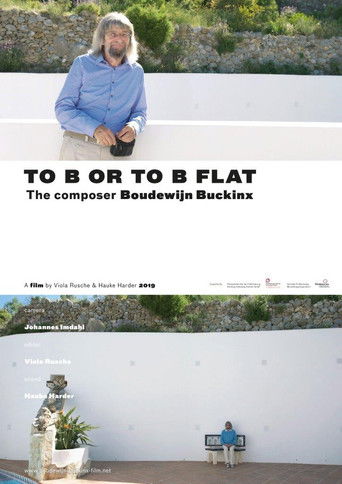
Who gets the idea to write “Nine unfinished symphonies” - one of them perhaps the shortest Symphony in music history? Or "1001 sonatas’ - each lasting about a minute but in total being one of the longest pieces ever written? Like a postmodern Erik Satie the Belgium composer Boudewijn Buckinx is using music history as a playing field. The classical music audience is irritated, the avant-gardist wrinkles his nose... "Daisies in a Meadow" - that's how Buckinx described his "1001 Sonatas” for violin and piano, They play a leading role in our film, in the supporting roles the Spanish sun and the Belgian rain. The latter, however, did not show up at the set - just as you always have to be prepared for surprises with Boudewijn Buckinx. "Why is my music so simple? - Why is my music so complex?" With a wink, Buckinx gives various answers to these recurring questions. The portrait of an immensely productive artist who is radically taking his own path.


Lucie, a contemporary music composer and performer, creates bizarre pieces using knitting patterns or water turbine schemes, which the public struggles to accept. She prioritises authenticity over popularity, avoiding emotional storytelling in her music. Despite facing resistance from performers and listeners, Lucie remains dedicated, sacrificing much for her art. Her composition “Accept” succeeds, leading her to study in the Netherlands and USA, where she gains acclaim but finds personal life unfulfilled. After losing someone close, Lucie is left adrift in sound, questioning her ability to compose without emotion. Director Jan Hubacek explores these themes in his debut documentary.
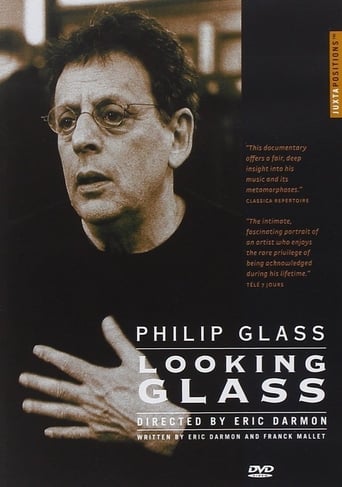
This documentary captures the overflowing energy and activity of one today's greatest composers, Philip Glass, and allows us to follow him from New York to London and from Paris to Boston. He speaks about his beginnings, his moving to Paris for two years of intensive study with Nadia Boulanger, his meeting with Indian musician Ravi Shankar and director Robert Wilson, who had a deep influence on his career. The film also shows him at work on the last details of his opera The Sound of a Voice, directed by Robert Woodruff and conducted by Alan Johnson. Éric Darmon's camera, with its poetic shots and original framings, takes us for a musical journey into seven months of the life of the composer who, rising from the underground scene of the seventies, brought on a revolution in modern theater.
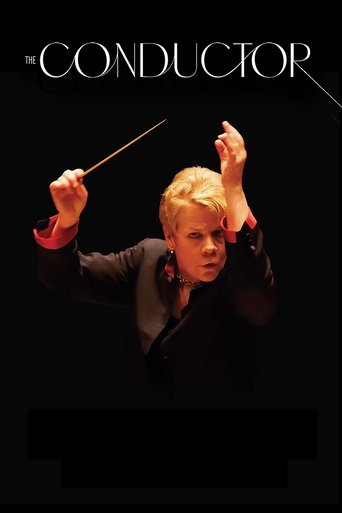
Leonard Bernstein’s protégée Marin Alsop reveals how she smashed the glass ceiling to become an internationally renowned conductor.
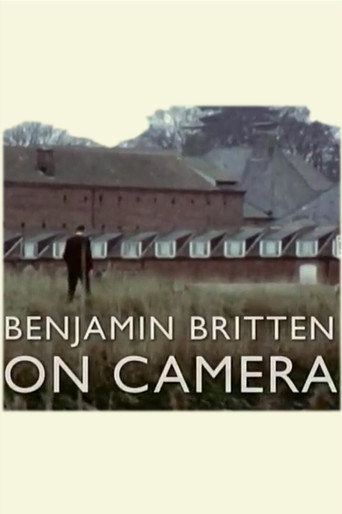
BBC documentary exploring the dynamic relationship that developed between British composer Benjamin Britten and the BBC as they worked together to broadcast modern classical music further and wider. Through this collaboration, Britten's music reached television audiences, from elaborately staged studio operas to intimate duets featuring his partner Peter Pears to the massive Proms performance of his War Requiem. The programme features interviews with Britten's collaborators and singers as well as those working behind the scenes including Michael Crawford, David Attenborough, Humphrey Burton and soprano April Cantelo. James Naughtie narrates.
Knots and Fields examines the aesthetic debates and tensions that have animated the Darmstadt courses over six decades, exploring their relevance today in an increasingly globalised environment.

I am sitting in a room is a sound art piece by American composer and sound artist Alvin Lucier composed in 1969. The first performance of the work was in 1970 at the Guggenheim Museum in New York. In collaboration with his partner Mary Lucier. The piece features Lucier recording himself narrating a text, and then playing the tape recording back into the room while re-recording it. The new recording is then played back and re-recorded, and this process is repeated. Due to the room's particular size and geometry, certain resonant frequencies are emphasized while others are attenuated. Eventually the words become unintelligible, replaced by the characteristic resonance of the room.