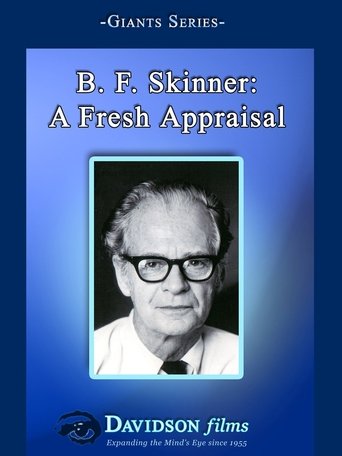
B. F. Skinner: A Fresh Appraisal
1999-01-01 · 41 min · Not rated
Other than Freud, no psychologist has been so discussed, critiqued and, at times, maligned as B.F. Skinner. Using both archival and new film, this video takes a new look at who the man was, and what he really said in his twenty books. Like other thinkers who broke new ground, Skinner had to invent his own vocabulary to describe the phenomena he was studying. In this film, his terms are introduced in context so the student understands how they were intended to be used and the research that produced them. The film lays to rest some myths and credits Skinner with contributions not often attributed to him. Understanding the complex man behind his work enables students to better evaluate the importance and relevance of the work he inspired. Murray Sidman, Ph.D., colleague and thoughtful practitioner of behavioral analysis, narrates.
Trailers are previews, not full movies.
No authorized playback source configured. Use the legal watch options below.
Production details
- Directors
- John Davidson
- Production companies
- Davidson Films
- Countries
- Unavailable
- Status
- Released
Top Cast
Title information and images are supplied by TMDb. Explore our discovery guide for advice on comparing metadata and legal viewing options.
Where to watch
Availability provided by JustWatch via TMDb. Offers can change. Provider links are listed on TMDb; full playback requires a separately authorized source.
Seasons & episodes
Recommendations

Oliver Stone charts the history of the United States from the Second World War to the present.
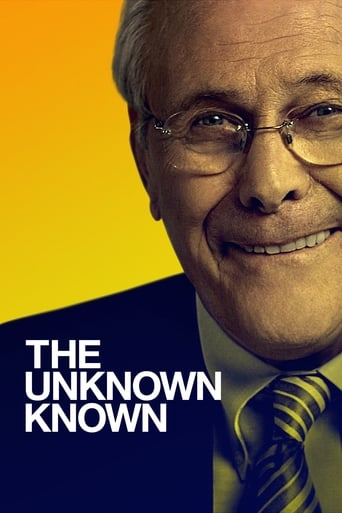
Former United States Secretary of Defense Donald Rumsfeld discusses his career in Washington D.C. from his days as a congressman in the early 1960s to planning the invasion of Iraq in 2003.

The history of cinematic sound, told by legendary sound designers and visionary filmmakers.

Cameramen and women discuss the craft and art of cinematography and of the "DP" (the director of photography), illustrating their points with clips from 100 films, from Birth of a Nation to Do the Right Thing. Themes: the DP tells people where to look; changes in movies (the arrival of sound, color, and wide screens) required creative responses from DPs; and, these artisans constantly invent new equipment and try new things, with wonderful results. The narration takes us through the identifiable studio styles of the 30s, the emergence of noir, the New York look, and the impact of Europeans. Citizen Kane, The Conformist, and Gordon Willis get special attention.

When Allied forces liberated the Nazi concentration camps in 1944-45, their terrible discoveries were recorded by army and newsreel cameramen, revealing for the first time the full horror of what had happened. Making use of British, Soviet and American footage, the Ministry of Information’s Sidney Bernstein (later founder of Granada Television) aimed to create a documentary that would provide lasting, undeniable evidence of the Nazis’ unspeakable crimes. He commissioned a wealth of British talent, including editor Stewart McAllister, writer and future cabinet minister Richard Crossman – and, as treatment advisor, his friend Alfred Hitchcock. Yet, despite initial support from the British and US Governments, the film was shelved, and only now, 70 years on, has it been restored and completed by Imperial War Museums under its original title "German Concentration Camps Factual Survey".

A compilation of over 30 years of private home movie footage shot by Lithuanian-American avant-garde director Jonas Mekas, assembled by Mekas "purely by chance", without concern for chronological order.

The life of Mr. Spock, as well as that of Leonard Nimoy, the actor who played him for almost fifty years, written and directed by his son: Adam.

The life and career of an actor, artist, and icon. His own journey through his own camera.
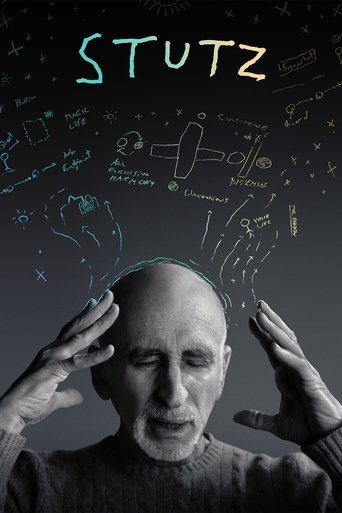
In candid conversations with actor Jonah Hill, leading psychiatrist Phil Stutz explores his early life experiences and unique, visual model of therapy.
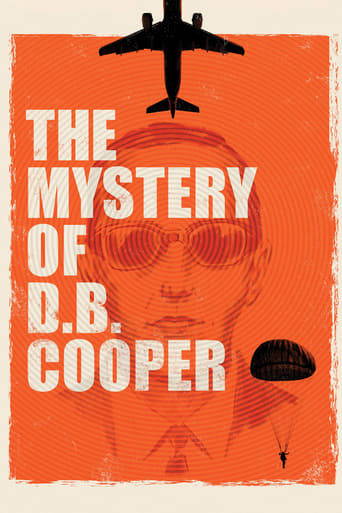
This documentary brings to life the stories of four people believed by their family and friends to be “DB Cooper,” a man who hijacked a 727 flying out of Seattle and jumped from the plane over the wilds of Washington State with a parachute and $200,000, never to be heard from again.

Al Pacino's deeply-felt rumination on Shakespeare's significance and relevance to the modern world through interviews and an in-depth analysis of "Richard III."
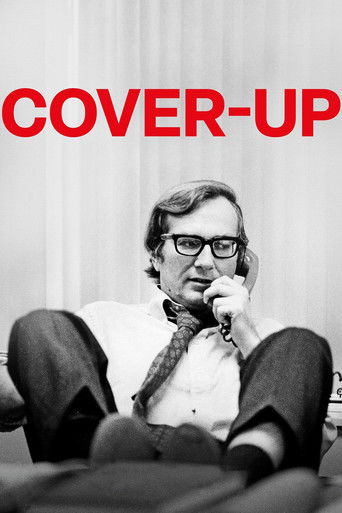
He's devoted his career to uncovering stories the powerful want buried. From My Lai to Abu Ghraib, dig into the life's work of journalist Seymour Hersh.

This revealing documentary honors the legendary Sidney Poitier—iconic actor, filmmaker, and civil rights activist. Featuring interviews with Denzel Washington, Spike Lee, Halle Berry, and more.

Through deeply personal interviews with her siblings and an examination of the photographs, letters, and belongings left behind, Mariska assembles a new portrait of her mother Jayne Mansfield, an extraordinary and complex woman.
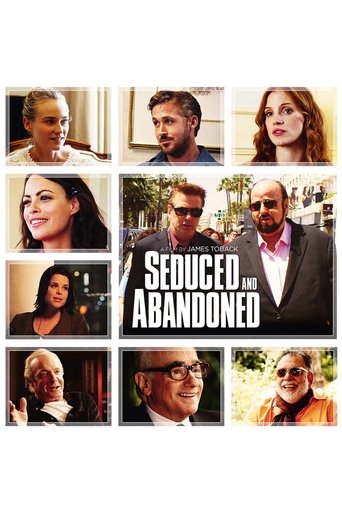
SEDUCED AND ABANDONED combines acting legend Alec Baldwin with director James Toback as they lead us on a troublesome and often hilarious journey of raising financing for their next feature film. Moving from director to financier to star actor, the two players provide us with a unique look behind the curtain at the world's biggest and most glamourous film festival, shining a light on the bitter-sweet relationship filmmakers have with Cannes and the film business. Featuring insights from directors Martin Scorsese, 'Bernando Bertolucci' and Roman Polanski; actors Ryan Gosling and Jessica Chastain and a host of film distribution luminaries.

“The Soviet Story” is a story of an Allied power, which helped the Nazis to fight Jews and which slaughtered its own people on an industrial scale. Assisted by the West, this power triumphed on May 9th, 1945. Its crimes were made taboo, and the complete story of Europe’s most murderous regime has never been told. Until now...
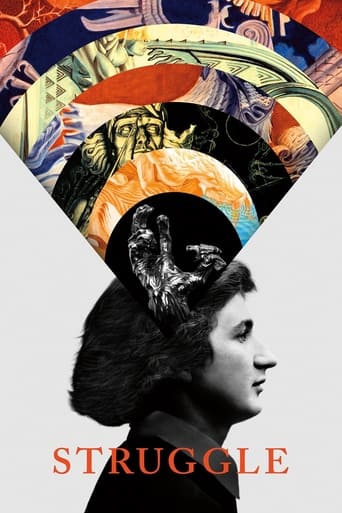
Artists in LA discover the work of forgotten Polish sculptor Stanislav Szukalski, a mad genius whose true story unfolds chapter by astounding chapter.

Medical doctors and mental health professionals go on camera, on the record, for the record, for a discussion, analysis, and science-based examination of the behavior, psyche, condition, and stability of President Donald Trump. Also examines Trump's effect on our citizenry, culture, and institutions.

A documentary highlighting the Soviet Union's legendary and enigmatic hockey training culture and world-dominating team through the eyes of the team's Captain Slava Fetisov, following his shift from hockey star and celebrated national hero to political enemy.

An inside look at one of the most anticipated movie sequels ever with James Cameron and cast.
Similar titles
In the 1920s, Western Electric Company ordered a series of studies to be conducted at their plant in Cicero, Illinois. At first they wanted to see how lighting affected productivity on the factory floor. Researchers also interviewed employees to hear their ideas and opinions about company policies, management, and other subjects. These were the Hawthorne studies, landmark research in industrial and organizational psychology. In the early 1970s, some of the participants of this study—researchers and workers alike--reunited and reminisced about their involvement.


In this documentary about art psychotherapy, children express themselves and their conflicts through drawing.
This compelling film represents a rare record of an original genius. In Jung on Film, the pioneering psychologist tells us about his collaboration with Sigmund Freud, about the insights he gained from listening to his patients' dreams, and about the fascinating turns his own life has taken. Dr. Richard I. Evans, a Presidential Medal of Freedom nominee, interviews Jung, giving us a unique understanding of Jung's many complex theories, while depicting Jung as a sensitive and highly personable human being.
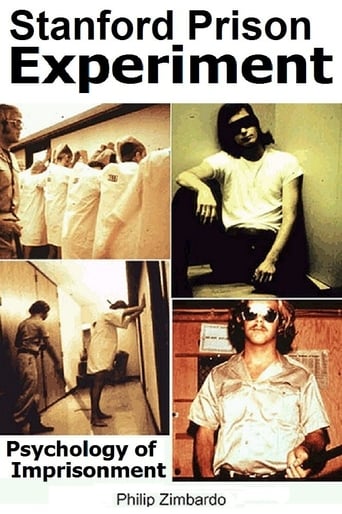
The Stanford prison experiment was a landmark psychological study of the human response to captivity, in particular, to the real world circumstances of prison life, and the effects of imposed social roles on behaviour. It was conducted in 1971 by a team of researchers led by Philip Zimbardo of Stanford University.

THEY HEARD VOICES is a documentary film exploring the Hearing Voices Movement, chronic psychosis, and the schizophrenia label. The film is a series of wide-ranging interviews with voice hearers, medical historians, anthropologists and psychiatrists from Britain and America, presenting different people’s views. Is schizophrenia hard science or an arbitrary, catch-all term with no real meaning? What does it mean for those experiencing psychosis?

A feature length documentary which invites the viewer to rediscover an enchanted cosmos in the modern world by awakening to the divine within. The film examines the re-emergence of archaic techniques of ecstasy in the modern world by weaving a synthesis of ecological and evolutionary awareness,electronic dance culture, and the current pharmacological re-evaluation of entheogenic compounds.

The film is an intimate record of a difficult period in the life of the creators. The main character, eight months pregnant, was diagnosed with aggressive breast cancer. The dramatic event disrupted the joy associated with the birth of her child.
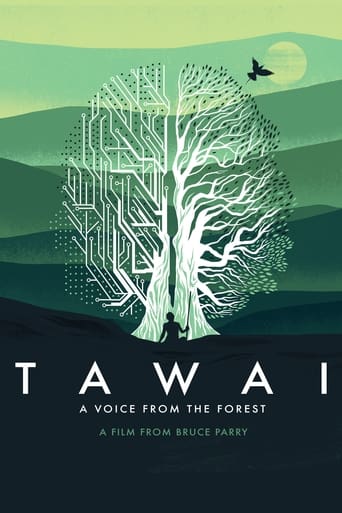
Explorer Bruce Parry visits nomadic tribes in Borneo and the Amazon in hope to better understand humanity's changing relationship with the world around us.
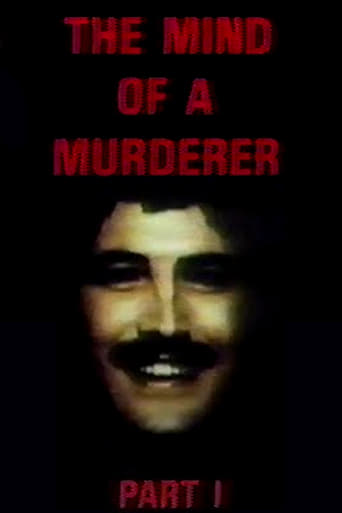
A look into the mind of one of the Hillside Strangler murderers, Kenneth Bianchi.
Epigenetics and psychogenealogy through a VERY personal experience.

A documentary short film about the point of view of different professionals about the new technologies that have become such a big thing in our lives.
In September 1957, the philosopher Carl Gustav Jung was interviewed in Houston. Part of that interview was filmed in 16mm. After reviewing the images obtained, the footage was censored in many countries, ending up in oblivion, lost in a warehouse in Central America. Just 50 years later, after several years of searching for images around the world and a difficult reconstruction and restoration, the director Shang Solomon offers us on the big screen almost all of the interview with Jung, known as the main opponent to the theories of Freud and an eminence of the Philosophy and the History of Psychology.

Author Ayn Rand becomes involved with a much younger and married man, to the dismay of those close to her.
Sometimes the greatest act of courage is to tell the truth. Hear and witness our soldiers in this penetrating film. The shocking Iraq War ground conflict is only a prelude to the even more challenging battles these reluctant heroes face upon their return home.

This documentary follows three couples to see how things turned out several years after their weddings. The film presents challenging ideas about relationships, as it answers the question: Why is marriage so difficult?

Around six to 15 percent of all people (study by John Hearst 2011) hear voices at some point in their lives. Many of them even live with their invisible companions for their entire lives. Well over half of voice hearers are mentally healthy and lead a completely unremarkable life. Despite this, voice hearers continue to be stigmatized and are subject to prejudice. As a result, few speak openly about their experiences. In recent decades in particular, however, voice hearing has been regarded as a symptom of impaired brain function. The documentary sheds light on the phenomenon. Sufferers describe the voices in their heads, as well as the thoughts and feelings they trigger in them, and scientists explain the causes that lead people to hear voices.
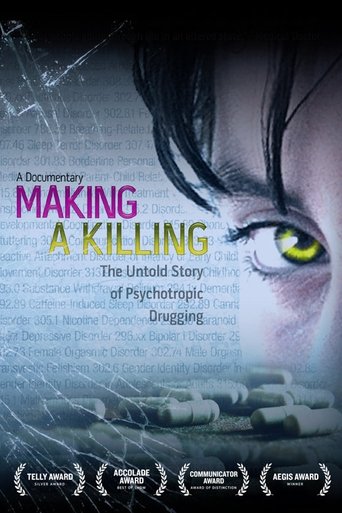
Psychotropic drugs. It’s the story of big money-drugs that fuel a $330 billion psychiatric industry, without a single cure. The cost in human terms is even greater-these drugs now kill an estimated 42,000 people every year. And the death count keeps rising. Containing more than 175 interviews with lawyers, mental health experts, the families of victims and the survivors themselves, this riveting documentary rips the mask off psychotropic drugging and exposes a brutal but well-entrenched money-making machine. Before these drugs were introduced in the market, people who had these conditions would not have been given any drugs at all. So it is the branding of a disease and it is the branding of a drug for a treatment of a disease that did not exist before the industry made the disease.
A New Psychological Documentary About Children