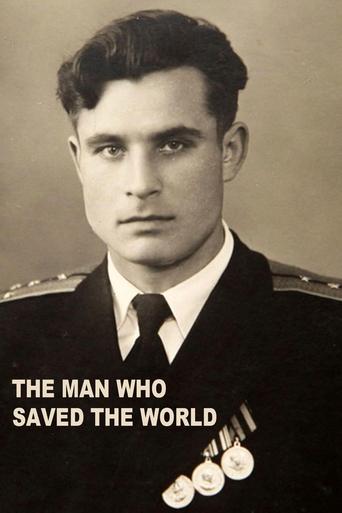
The Man Who Saved the World
2012-10-22 · 53 min · ★ 8.0
During the Cuban Missile Crisis of 1962, Soviet Navy officer Vasily Arkhipov refused to launch a nuclear strike and saved the world from nuclear war and total destruction.
Trailers are previews, not full movies.
No authorized playback source configured. Use the legal watch options below.
Production details
- Directors
- Nick Green
- Production companies
- Unavailable
- Countries
- Unavailable
- Status
- Released
Top Cast
 Jay O. SandersNarrator (voice)
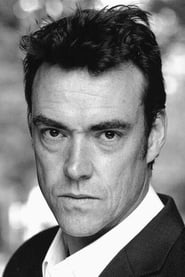 Alisdair SimpsonNarrator (voice)
 Leon OckendenVasily Arkhipov
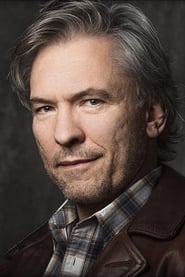 Martin McDougallSubmarine Captain
 Vasili ArkhipovSelf (archive footage)
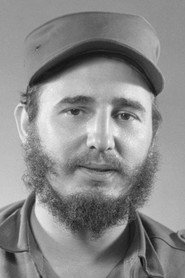 Fidel CastroSelf (archive footage)
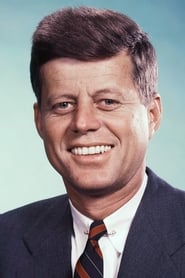 John F. KennedySelf (archive footage)
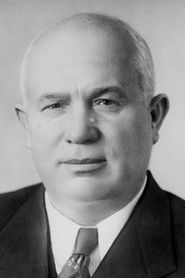 Nikita KhrushchevSelf (archive footage)
Title information and images are supplied by TMDb. Explore our discovery guide for advice on comparing metadata and legal viewing options.
Where to watch
Availability provided by JustWatch via TMDb. Offers can change. Provider links are listed on TMDb; full playback requires a separately authorized source.
Availability not listed for this country.
Seasons & episodes
Recommendations
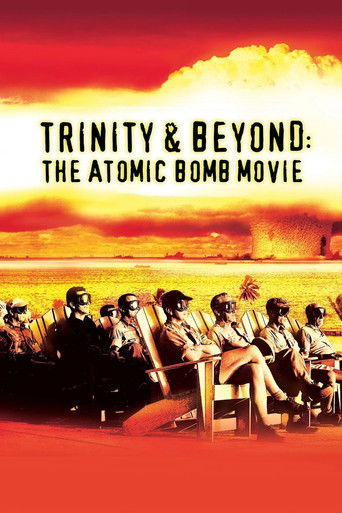
"Trinity and Beyond" is an unsettling yet visually fascinating documentary presenting the history of nuclear weapons development and testing between 1945-1963. Narrated by William Shatner and featuring an original score performed by the Moscow Symphony Orchestra, this award-winning documentary reveals previously unreleased and classified government footage from several countries.

“The Soviet Story” is a story of an Allied power, which helped the Nazis to fight Jews and which slaughtered its own people on an industrial scale. Assisted by the West, this power triumphed on May 9th, 1945. Its crimes were made taboo, and the complete story of Europe’s most murderous regime has never been told. Until now...

When Sgt. First Class Brian Eisch is critically wounded in Afghanistan, it sets him and his sons on a journey of love, loss, redemption and legacy.

Prelude to War was the first film of Frank Capra's Why We Fight propaganda film series, commissioned by the Pentagon and George C. Marshall. It was made to convince American troops of the necessity of combating the Axis Powers during World War II. This film examines the differences between democratic and fascist states.
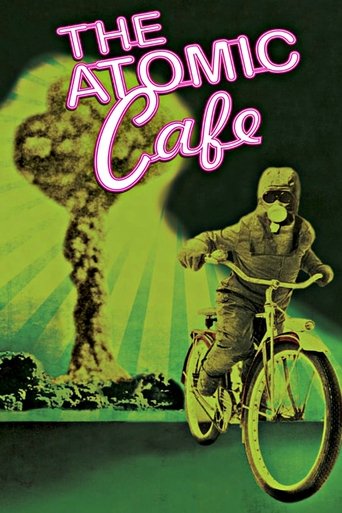
A disturbing collection of 1940s and 1950s United States government-issued propaganda films designed to reassure Americans that the atomic bomb was not a threat to their safety.

Set both in Latin America and the United States, the film explores the historic and current relationship of Washington with countries such as Venezuela, Bolivia and Chile. Pilger says that the film "...tells a universal story... analysing and revealing, through vivid testimony, the story of great power behind its venerable myths. It allows us to understand the true nature of the so-called "war on terror". According to Pilger, the film’s message is that the greed and power of empire is not invincible and that people power is always the "seed beneath the snow".
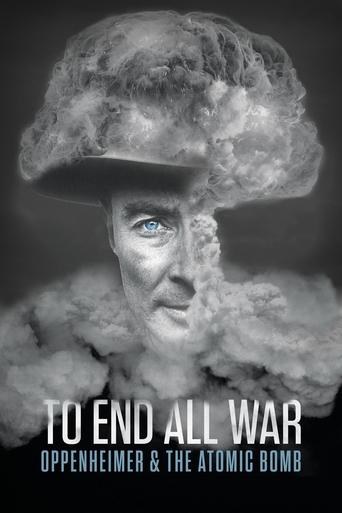
Explore how one man's relentless drive and invention of the atomic bomb changed the nature of war forever, led to the deaths of hundreds of thousands of people and unleashed mass hysteria.

A documentary about World War I with never-before-seen footage to commemorate the centennial of Armistice Day, and the end of the war.

This documentary movie is about the battle of San Pietro, a small village in Italy. Over 1,100 US soldiers were killed while trying to take this location, that blocked the way for the Allied forces from the Germans. Preserved by the Academy Film Archive in 2005.

Amid the failing counteroffensive, a journalist follows a Ukrainian platoon on their mission to traverse one mile of heavily fortified forest and liberate a strategic village from Russian occupation. But the farther they advance through their destroyed homeland, the more they realize that this war may never end.
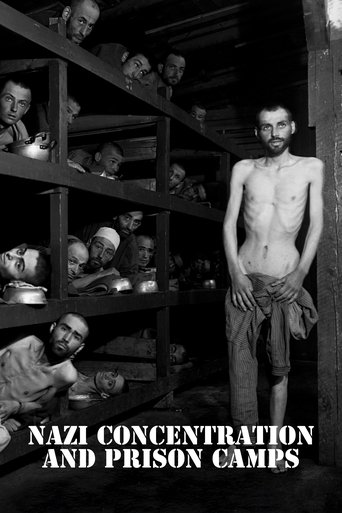
Produced and presented as evidence at the Nuremberg war crimes trial of Hermann Göring and twenty other Nazi leaders, this film consists primarily of dead and surviving prisoners and of facilities used to kill and torture during the World War II.
Pete Postlethwaite stars as a man living alone in the devastated future world of 2055, looking at old footage from 2008 and asking: why didn’t we stop climate change when we had the chance?
As the Russian invasion begins, a team of Ukrainian journalists trapped in the besieged city of Mariupol struggle to continue their work documenting the war's atrocities.
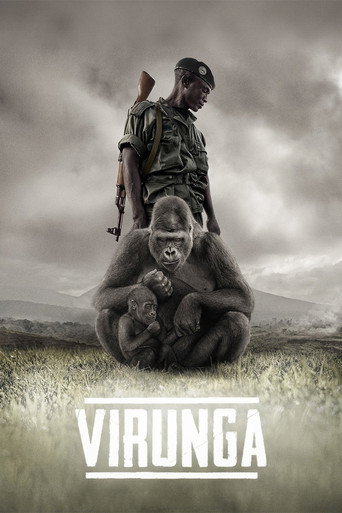
Virunga in the Democratic Republic of the Congo is Africa's oldest national park, a UNESCO world heritage site, and a contested ground among insurgencies seeking to topple the government that see untold profits in the land. Among this ongoing power struggle, Virunga also happens to be the last natural habitat for the critically endangered mountain gorilla. The only thing standing in the way of the forces closing in around the gorillas: a handful of passionate park rangers and journalists fighting to secure the park's borders and expose the corruption of its enemies. Filled with shocking footage, and anchored by the surprisingly deep and gentle characters of the gorillas themselves, Virunga is a galvanizing call to action around an ongoing political and environmental crisis in the Congo.
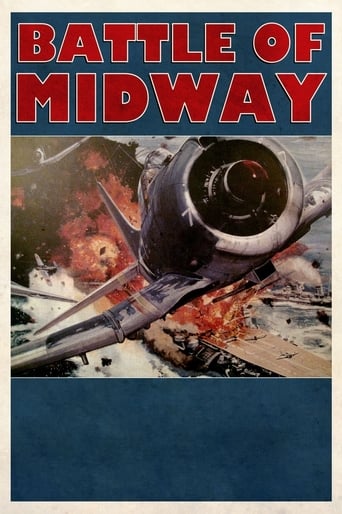
The Japanese attack on Midway in June 1942, filmed as it happened. Preserved by the Academy Film Archive, in partnership with Twentieth Century Fox Film Corporation, in 2006.
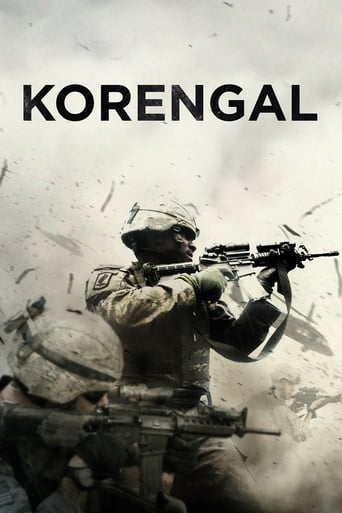
Korengal picks up where Restrepo left off; the same men, the same valley, the same commanders, but a very different look at the experience of war.
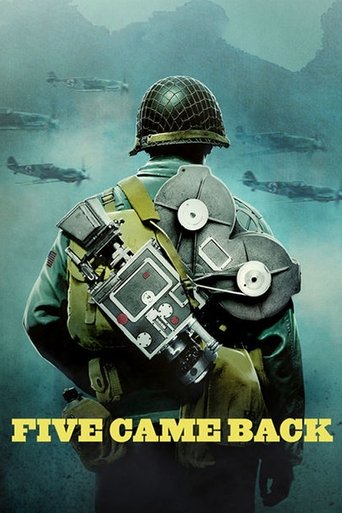
The extraordinary story of how Hollywood changed World War II – and how World War II changed Hollywood, through the interwoven experiences of five legendary filmmakers who went to war to serve their country and bring the truth to the American people: John Ford, William Wyler, John Huston, Frank Capra, and George Stevens. Based on Mark Harris’ best-selling book, “Five Came Back: A Story of Hollywood and the Second World War.”
During the chaotic final weeks of the Vietnam War, the North Vietnamese Army closes in on Saigon as the panicked South Vietnamese people desperately attempt to escape. On the ground, American soldiers and diplomats confront a moral quandary: whether to obey White House orders to evacuate only U.S. citizens.
Meet the real-life airmen who inspired Masters of the Air as they share the harrowing and transformative events of the 100th Bomb Group.
For the 20th anniversary of "Titanic," James Cameron reopens the file on the disaster.
Similar titles

Chappy Sinclair is called to gather together a mixed Soviet/U.S. strike force that will perform a surgical strike on a massively defended nuclear missile site in the Middle East. Chappy finds that getting the Soviet and U.S. Pilots to cooperate is only the most minor of his problems as he discovers someone in the Pentagon is actively sabotaging his mission.
The story of the Cuban Missile Crisis in 1962—the nuclear standoff with the USSR sparked by the discovery by the Americans of missile bases established on the Soviet-allied island of Cuba.
Joe Enders is a gung-ho Marine assigned to protect a "windtalker" - one of several Navajo Indians who were used to relay messages during World War II because their spoken language was indecipherable to Japanese code breakers.
In Autumn of 1943 American plane carrying Soviet colonel is shot down near Nazi-occupied Belgrade. Germans capture the colonel and begin interrogations, because he knows everything about forecoming Allied summit in Tehran. Group of Yugoslav Partizans is sent to Belgrade in order to rescue the colonel before he starts talking.
Edward Peden purchased a former US military launch site in the 1980s, and has been living in it ever since. Meanwhile, Larry Hall is building million-dollar condominiums inside of an underground missile silo.
Many members of the Dutch Underground were gay and lesbian. This film pays homage to them and recounts their story.
Miracle at St. Anna chronicles the story of four American soldiers who are members of the all-black 92nd "Buffalo Soldier" Division stationed in Tuscany, Italy during World War II.
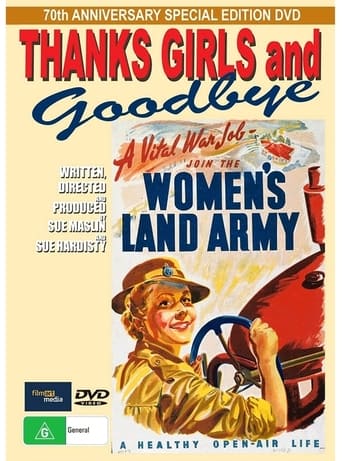
Documentary using archival footage, newsreels and contemporary interviews with women of the WW2 Australian Women's Land Army.

The American Film Institute celebrates 100 years of film by recognizing the top 50 film heroes and top 50 film villains of all time.
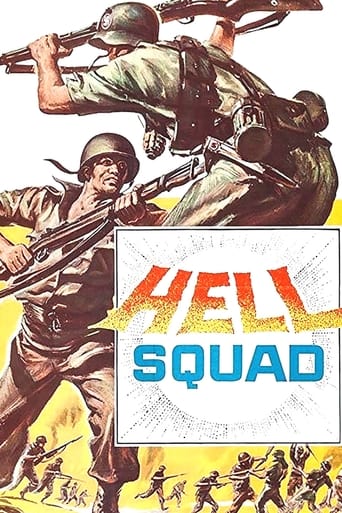
During World War II, a squad of five American soldiers become lost in Tunisia and are killed one by one in fights with German units. Finally only one man, Private Russo, is left, in the midst of a mine field, together with a German officer, locked in a stalemate. Russo has water, while the German claims to have a map revealing the mine positions. So Russo agrees to swap water for the map, but the German officer tries to double-cross him. This was Burt Topper's debut film, made on 16mm on weekends together with some friends in Indio, California. It was also Wally Campo's debut film, as well as script supervisor Joyce King's.

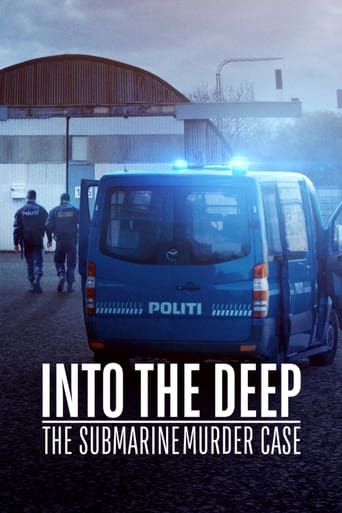
When journalist Kim Wall disappears after boarding inventor Peter Madsen's submarine, his changing story about her fate masks a terrifying truth.
The commandant of Auschwitz, Rudolf Höss, and his wife Hedwig, strive to build a dream life for their family in a house and garden next to the camp.
Historical drama depicting the events leading up to the 1917 October Revolution produced to celebrate the 40th anniversary.
Compilation short film about the Communist Revolution and Soviet Union.
A Soviet commando is sent to eliminate a rebel leader in Africa. Soon he finds himself doubting his mission.
Former corporate whiz kid Robert McNamara was the controversial Secretary of Defense in the Kennedy and Johnson administrations, during the height of the Vietnam War. Augmented by archival footage and cabinet conversation recordings, Errol Morris gives the conflicted McNamara a platform on which he attempts to confront his and the U.S. government's actions in Southeast Asia in light of the horrors of modern warfare, the end of ideology and the punitive judgment of history.
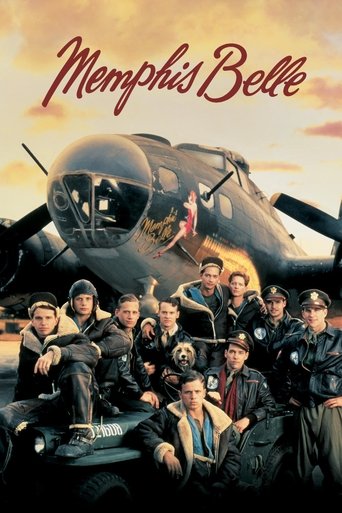
The "Memphis Belle" is a World War II bomber, piloted by a young crew on dangerous bombing raids into Europe. The crew only have to make one more bombing raid before they have finished their duty and can go home. In the briefing before their last flight, the crew discover that the target for the day is Bremen.
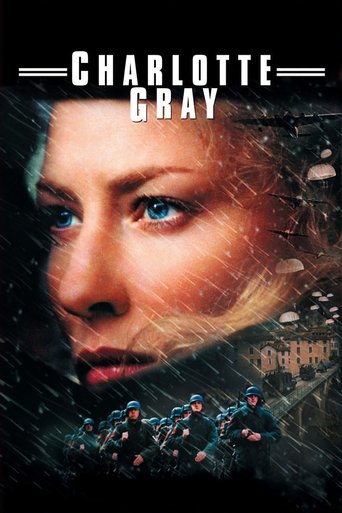
This is a drama set in Nazi-occupied France at the height of World War II. Charlotte Gray tells the compelling story of a young Scottish woman working with the French Resistance in the hope of rescuing her lover, a missing RAF pilot. Based on the best-selling novel by Sebastian Faulks.