
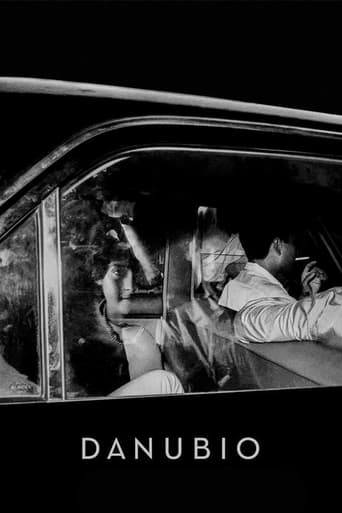
Danube
2021-11-20 · 63 min · ★ 5.0
Argentina, 1968. In the midst of the Cold War, the dictatorship of Juan Carlos Onganía (1966-70) organizes the 9th Mar del Plata Film Festival in order to show the world its friendly face, while exercising censorship and repressing dissidence.
Trailers are previews, not full movies.
No authorized playback source configured. Use the legal watch options below.
Production details
- Directors
- Agustina Pérez Rial
- Production companies
- Fiørd Estudio, En Otro Orden de Cosas
- Countries
- Argentina
- Status
- Released
Top Cast
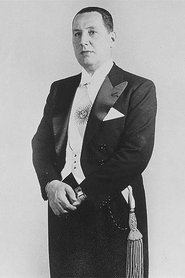 Juan Domingo PerónSelf - Politician (archive footage)
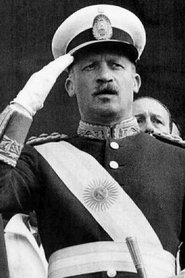 Juan Carlos OnganíaSelf - Politician (archive footage)
 Isabel SarliSelf - Actress (voice) (archive footage)
Title information and images are supplied by TMDb. Explore our discovery guide for advice on comparing metadata and legal viewing options.
Where to watch
Availability provided by JustWatch via TMDb. Offers can change. Provider links are listed on TMDb; full playback requires a separately authorized source.
Availability not listed for this country.
Seasons & episodes
Recommendations

A documentary on the expletive's origin, why it offends some people so deeply, and what can be gained from its use.
Documentary about the art of film editing. Clips are shown from many groundbreaking films with innovative editing styles.

As a visually radical memoir, CAMERAPERSON draws on the remarkable footage that filmmaker Kirsten Johnson has shot and reframes it in ways that illuminate moments and situations that have personally affected her. What emerges is an elegant meditation on the relationship between truth and the camera frame, as Johnson transforms scenes that have been presented on Festival screens as one kind of truth into another kind of story—one about personal journey, craft, and direct human connection.

A visual montage portrait of our contemporary world dominated by globalized technology and violence.
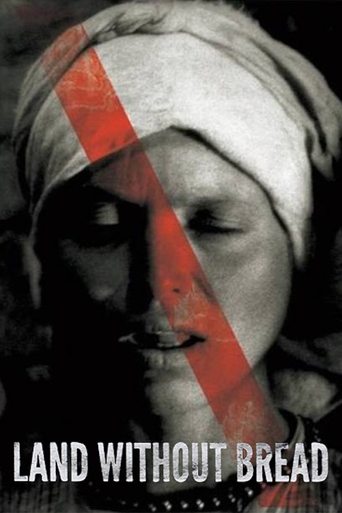
An exploration —manipulated and staged— of life in Las Hurdes, in the province of Cáceres, in Extremadura, Spain, as it was in 1932. Insalubrity, misery and lack of opportunities provoke the emigration of young people and the solitude of those who remain in the desolation of one of the poorest and least developed Spanish regions at that time.

The history of cinematic sound, told by legendary sound designers and visionary filmmakers.
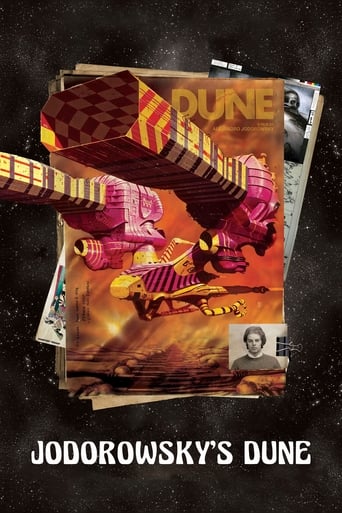
In 1974, Chilean-French director Alejandro Jodorowsky embarked on the quixotic project of adapting Frank Herbert's influential novel Dune (1969) for the big screen. After investing two years, and millions of dollars, the gigantic project ended in failure; but the artists Jodorowsky brought together to carry it out continued to work together, and ended up laying the foundations for modern science fiction cinema.
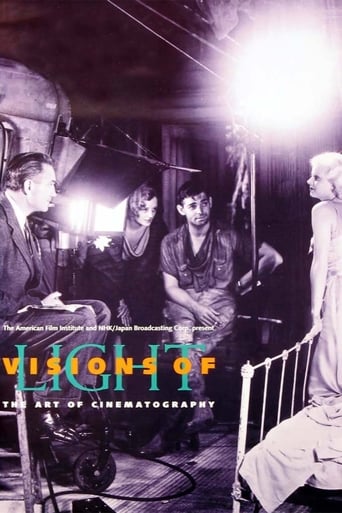
Cameramen and women discuss the craft and art of cinematography and of the "DP" (the director of photography), illustrating their points with clips from 100 films, from Birth of a Nation to Do the Right Thing. Themes: the DP tells people where to look; changes in movies (the arrival of sound, color, and wide screens) required creative responses from DPs; and, these artisans constantly invent new equipment and try new things, with wonderful results. The narration takes us through the identifiable studio styles of the 30s, the emergence of noir, the New York look, and the impact of Europeans. Citizen Kane, The Conformist, and Gordon Willis get special attention.
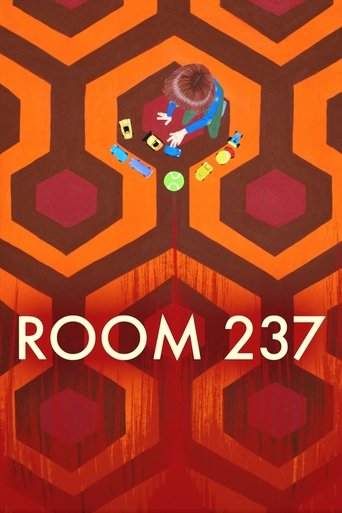
A subjective documentary that explores various theories about hidden meanings in Stanley Kubrick's classic film The Shining. Five very different points of view are illuminated through voice over, film clips, animation and dramatic reenactments.

Alexander McQueen's rags-to-riches story is a modern-day fairy tale, laced with the gothic. Mirroring the savage beauty, boldness and vivacity of his design, this documentary is an intimate revelation of McQueen's own world, both tortured and inspired, which celebrates a radical and mesmerizing genius of profound influence.

When Allied forces liberated the Nazi concentration camps in 1944-45, their terrible discoveries were recorded by army and newsreel cameramen, revealing for the first time the full horror of what had happened. Making use of British, Soviet and American footage, the Ministry of Information’s Sidney Bernstein (later founder of Granada Television) aimed to create a documentary that would provide lasting, undeniable evidence of the Nazis’ unspeakable crimes. He commissioned a wealth of British talent, including editor Stewart McAllister, writer and future cabinet minister Richard Crossman – and, as treatment advisor, his friend Alfred Hitchcock. Yet, despite initial support from the British and US Governments, the film was shelved, and only now, 70 years on, has it been restored and completed by Imperial War Museums under its original title "German Concentration Camps Factual Survey".
A behind-the-scenes documentary about the Clinton for President campaign, focusing on the adventures of spin doctors James Carville and George Stephanopoulos.
An intimate documentary delving into Rian Johnson's process as he comes in as a director new to the Star Wars universe.

The life of the bullfighter Andrés Roca Rey during a day of bullfighting, from the moment he dresses up to the moment he undresses.
Michael Moore comes home to the issue he's been examining throughout his career: the disastrous impact of corporate dominance on the everyday lives of Americans (and by default, the rest of the world).
This revealing portrait of Cuba follows the lives of Fidel Castro and three Cuban families affected by his policies over the last four decades.
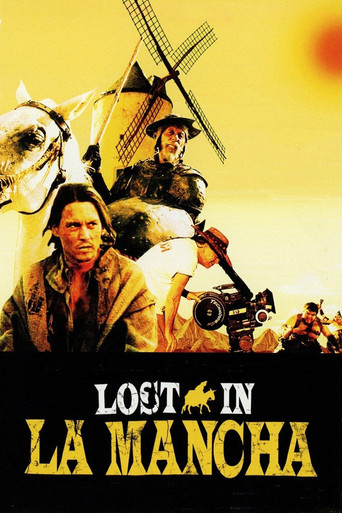
Fulton and Pepe's 2000 documentary captures Terry Gilliam's attempt to get The Man Who Killed Don Quixote off the ground. Back injuries, freakish storms, and more zoom in to sabotage the project.

Documentary filmmaker Amy Berg investigates the life of 30-year pedophile Father Oliver O'Grady and exposes the corruption inside the Catholic Church that allowed him to abuse countless children. Victims' stories and a disturbing interview with O'Grady offer a view into the troubled mind of the spiritual leader who moved from parish to parish gaining trust ... all the while betraying so many.
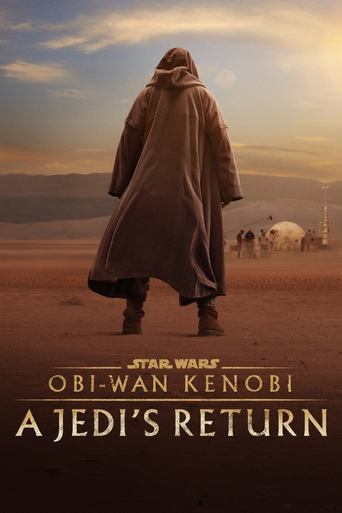
This special explores the return of Obi-Wan Kenobi and Anakin Skywalker to the screen, as well as Ewan McGregor and Hayden Christensen to their classic roles. Director Deborah Chow leads the cast and crew as they create new heroes and villains that live alongside new incarnations of beloved Star Wars characters, and an epic story that dramatically bridges the saga films.
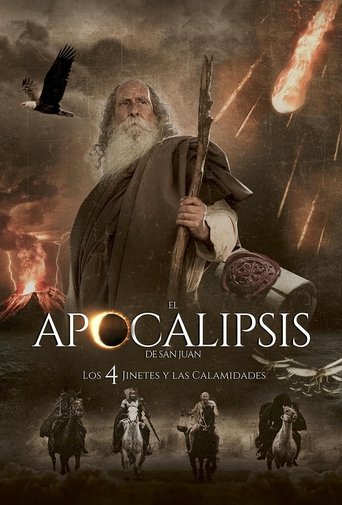
Embark on an epic journey through time and faith with 'The Apocalypse of Saint John.' Join the Apostle John in a stunning visual narrative that unravels the visions of the End Times. Experience each vision like never before, with striking visual effects and epic scenes that immerse you in the apocalyptic narrative.
Similar titles
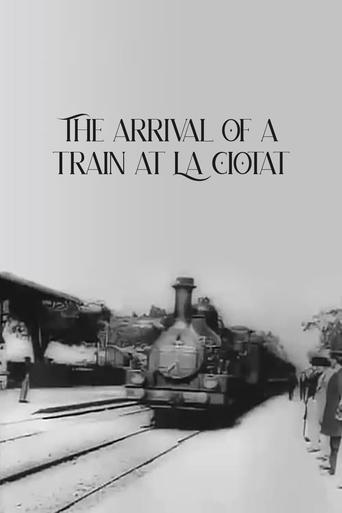
A group of people are standing along the platform of a railway station in La Ciotat, waiting for a train. One is seen coming, at some distance, and eventually stops at the platform. Doors of the railway-cars open and attendants help passengers off and on. Popular legend has it that, when this film was shown, the first-night audience fled the café in terror, fearing being run over by the "approaching" train. This legend has since been identified as promotional embellishment, though there is evidence to suggest that people were astounded at the capabilities of the Lumières' cinématographe.
In Spain, on May 11, 1896, at the Price circus, the first moving images ever shown in the country are projected. From that event, the Spanish actor Antonio Resines intends to compile a series of anecdotes to shape the amazing history of Spanish cinema, holding several conversations with prominent figures of the Spanish film industry.
Walt Disney said “We have created characters and animated them in the dimension of depth, revealing through them to our perturbed world that the things we have in common far outnumber and outweigh those that divide us.” Outside of Walt himself there are few people who have brought together and united more animators in the history of the genre than Craig "Spike" Decker and Mike Gribble, known to all as Spike & Mike. They created an animation festival that helped launch the careers of John Lasseter, Peter Lord, Will Vinton, Bill Plympton and Mike Judge to name just a few. Their Spike & Mike festival had an enormous impact on animation that was felt the world over. The festival was known as much for the breakthrough animation it presented as the outrageous antics of the founders.
The video revolution of the 1970s offered unprecedented access to the moving image for artists and performers. This Is Not a Dream explores the legacies of this revolution and its continued impact on contemporary art and performance. Charting a path across four decades of avant-garde experiment and radical escapism, This Is Not a Dream traces the influences of Andy Warhol, John Waters and Jack Smith to the perverted frontiers of YouTube and Chatroulette, taking in subverted talk shows and soap operas, streetwalker fashions and glittery magic penises along the way.
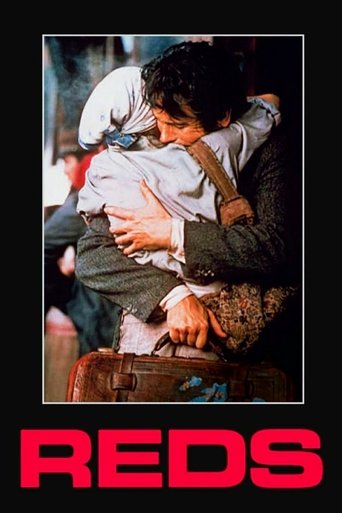
An account of the revolutionary years of the legendary American journalist John Reed, who shared his adventurous professional life with his radical commitment to the socialist revolution in Russia, his dream of spreading its principles among the members of the American working class, and his troubled romantic relationship with the writer Louise Bryant.
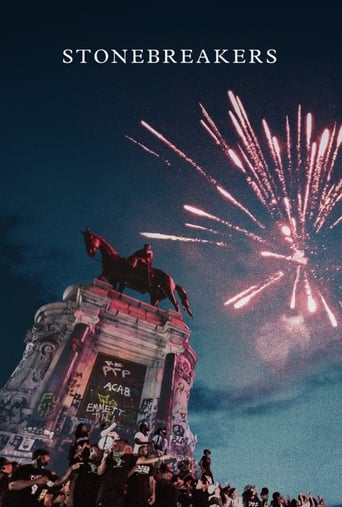
In a year of uprisings and political unrest, Stonebreakers documents the fights around monuments in the United States and explores the shifting landscapes of the nation's historical memory.
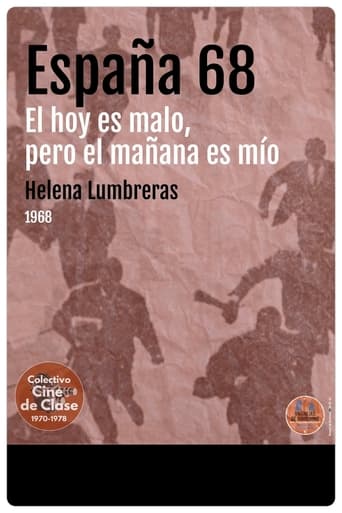
Spain, 1968. An analysis of the political and social situation of the country, suffocated by the boot of General Franco's tyrannical regime. (Filmed clandestinely in Madrid and Barcelona during the spring of 1968.)
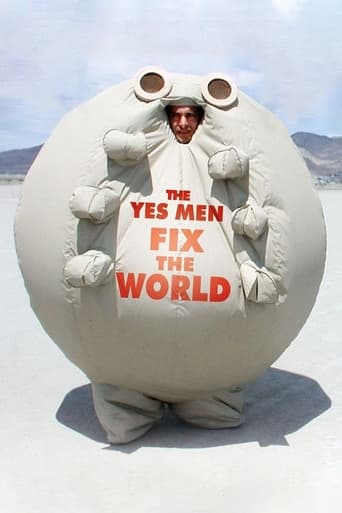
THE YES MEN FIX THE WORLD is a screwball true story about two gonzo political activists who, posing as top executives of giant corporations, lie their way into big business conferences and pull off the world's most outrageous pranks.
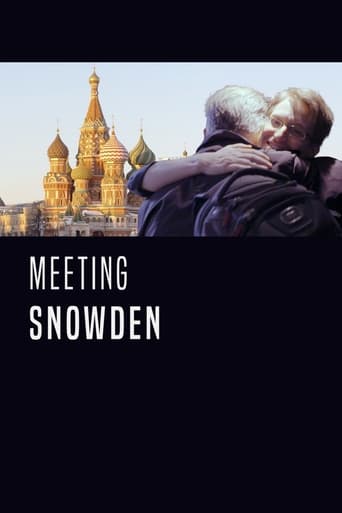
Moscow, Russia, December 2016. Edward Snowden, Larry Lessig and Birgitta Jónsdóttir meet for the first time in a secret place. Apparently, Russia is interfering in the US presidential elections while it mourns the death of its ambassador to Turkey. Snowden carefully chooses his interviews, so nobody really knows something about him. As the world prepares for Christmas, they gather to discuss the only issue that matters, their common struggle: how to save democracy.
A homeless man living in a encampment in Minneapolis tells his perspective on the ongoing crisis of homelessness.
A documentary film about Comanche activist LaDonna Harris, who led an extensive life of Native political and social activism, and is now passing on her traditional cultural and leadership values to a new generation of emerging Indigenous leaders.
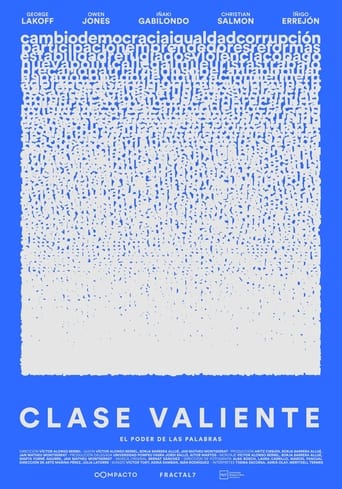
Three college students start a social experiment to prove that reality changes according to the words we use to describe it. Through research, activist actions, and artistic interventions, they analyze the importance of language in the way we understand the world. The documentary includes analysis from more than 20 international experts and leaders in the fields of political communication and information.

A retrospective look at the global impact of Alien, the science fiction and horror masterpiece directed by British filmmaker Ridley Scott in 1979, exploring the origins of its unique aesthetic and the audacity of its screenplay.

Throughout Hong Kong’s history, Hongkongers have fought for freedom and democracy but have yet to succeed. In 2019, a controversial extradition bill was introduced that would allow Hongkongers to be tried in mainland China. This decision spurred massive protests, riots, and resistance against heavy-handed Chinese rule over the City-State. Award-winning director Kiwi Chow documents the events to tell the story of the movement, with both a macro view of its historical context and footage and interviews from protestors on the front lines.

L, a student in India witness to the government's violent response to university protests, writes letters to her estranged lover while he is away.
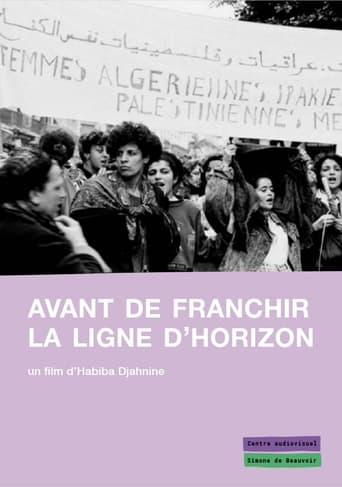
Habiba Djahnine went to meet activists who continue to take action. To meet them, to capture them in the spaces where they live, work or fight. They inscribe a few words of our tormented history. Memory, memory gaps, background noise, demonstrations... The film bears witness to 20 years of political mobilization/repression in Algeria.
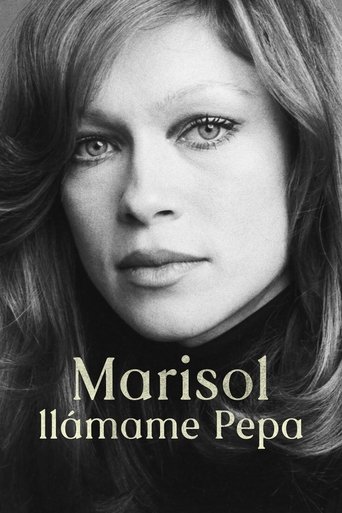
A portrait of the actress and singer Pepa Flores, an incarnation of the recent history of Spain, who, in just twenty-five years of intense career, went from being Marisol, child prodigy of the Franco dictatorship, to being one of the first communist militants, icon of the Transition; an idol of the masses who became a discreet person after having claimed her right to remain silent.
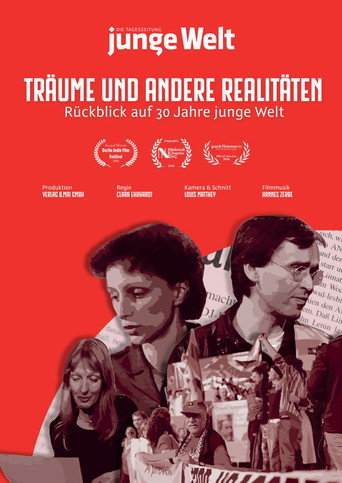
The film looks both back and forward, examining traditions, ruptures, and reinventions. It recounts the struggle for survival in the years following German reunification, the unique role of *junge Welt* as a national Marxist daily newspaper, and its place within the Left movement—as well as the repression, resistance, and visions for the future it has encountered. It is a portrait of the newspaper, the last three decades of its history, and the people who create it.

Montreal, spring 1966. Jean Corbo, 16 years old, born to a Quebec mother and an Italian father, is torn between his two affiliations. After befriending two young far-left activists, he joined the Front de Libération du Québec, an underground radical group. Jean, from then on, marches inexorably towards his destiny.