

Snescha and Franz
2025-11-03 · 90 min · Not rated
Sunny Beach at socialist Bulgaria, the summer of 1967. 19-year-old Bulgarian SNESCHA meets FRANZ, an 18-year-old Austrian lad. They dance and talk, he is speaking German and she – Bulgarian, and despite the language barrier, they fall in love. In 1975 they get married and leave for Austria. SNESCHA gets pregnant and gives birth to twin sisters. FRANZ embarks to an expedition in Iran and Pamir. SNESCHA gives birth to a third daughter. His next adventure is passing the river Niger to the city of Bamako in Mali. After that he goes back to Austria and buys a house on credit. In 1987 he decides to make a bicycle tour going through Tibet. Despite SNESCHA’S disagreeing, he sets for Pakistan and never comes back. SNESCHA has to take care of her daughters and pay for the house.
Trailers are previews, not full movies.
No authorized playback source configured. Use the legal watch options below.
Production details
- Directors
- Svetoslav Draganov
- Production companies
- Unavailable
- Countries
- Unavailable
- Status
- Released
Top Cast
Cast unavailable.
Title information and images are supplied by TMDb. Explore our discovery guide for advice on comparing metadata and legal viewing options.
Where to watch
Availability provided by JustWatch via TMDb. Offers can change. Provider links are listed on TMDb; full playback requires a separately authorized source.
Availability not listed for this country.
Seasons & episodes
Recommendations

In an intimate and joyful story of love in the face of loss, celebrated poets Andrea Gibson and Megan Falley find strength—and unexpected hilarity—in what might be their final year together.
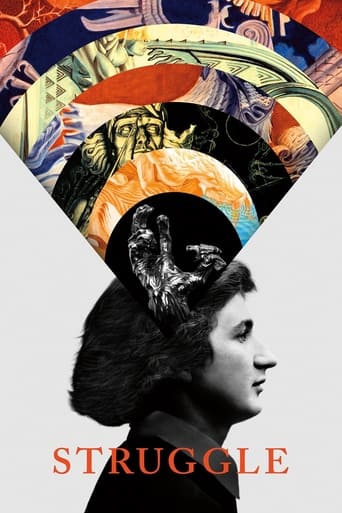
Artists in LA discover the work of forgotten Polish sculptor Stanislav Szukalski, a mad genius whose true story unfolds chapter by astounding chapter.

A compilation of over 30 years of private home movie footage shot by Lithuanian-American avant-garde director Jonas Mekas, assembled by Mekas "purely by chance", without concern for chronological order.

The life and career of one of comedy's most inimitable modern voices, Mr. Gilbert Gottfried.

This revealing documentary honors the legendary Sidney Poitier—iconic actor, filmmaker, and civil rights activist. Featuring interviews with Denzel Washington, Spike Lee, Halle Berry, and more.
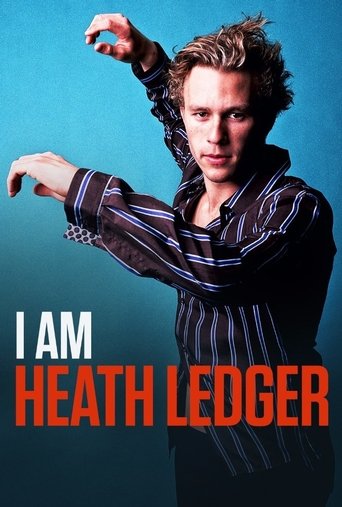
The life and career of an actor, artist, and icon. His own journey through his own camera.
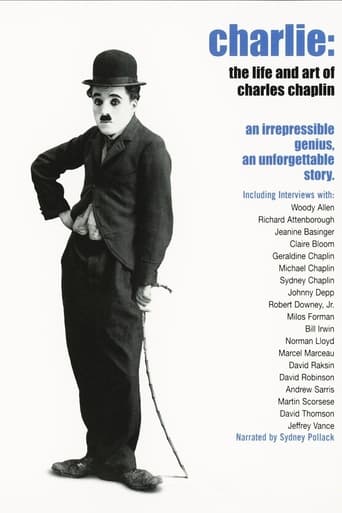
Brilliant, long in-the-works story of the life and art of the world's greatest comedian and the cinema's first genius, Charlie Chaplin. Produced, written and directed by renowned film critic Richard Schickel.

The life of Mr. Spock, as well as that of Leonard Nimoy, the actor who played him for almost fifty years, written and directed by his son: Adam.
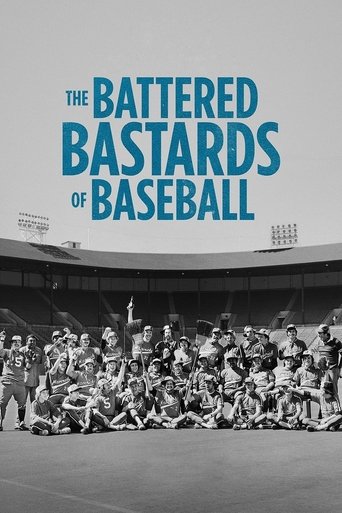
Hollywood veteran Bing Russell creates the only independent baseball team in the country—alarming the baseball establishment and sparking the meteoric rise of the 1970s Portland Mavericks.

Director Michael Apted revisits the same group of British-born adults after a 7 year wait. The subjects are interviewed as to the changes that have occurred in their lives during the last seven years.

When Allied forces liberated the Nazi concentration camps in 1944-45, their terrible discoveries were recorded by army and newsreel cameramen, revealing for the first time the full horror of what had happened. Making use of British, Soviet and American footage, the Ministry of Information’s Sidney Bernstein (later founder of Granada Television) aimed to create a documentary that would provide lasting, undeniable evidence of the Nazis’ unspeakable crimes. He commissioned a wealth of British talent, including editor Stewart McAllister, writer and future cabinet minister Richard Crossman – and, as treatment advisor, his friend Alfred Hitchcock. Yet, despite initial support from the British and US Governments, the film was shelved, and only now, 70 years on, has it been restored and completed by Imperial War Museums under its original title "German Concentration Camps Factual Survey".

Through deeply personal interviews with her siblings and an examination of the photographs, letters, and belongings left behind, Mariska assembles a new portrait of her mother Jayne Mansfield, an extraordinary and complex woman.

A string of threatening emails escalates into a revenge plot involving a newly married US marshal and his ex-girlfriend.

A documentary that explores the downloading revolution; the kids that created it, the bands and the businesses that were affected by it, and its impact on the world at large.

A detailing of the rise to prominence and global sporting superstardom of six supremely talented young Manchester United football players (David Beckham, Nicky Butt, Ryan Giggs, Paul Scholes, Phil and Gary Neville). The film covers the period 1992-1999, culminating in Manchester United's European Cup triumph.

Musician and performance artist Laurie Anderson reflects on the deaths of her husband Lou Reed, her mother and her beloved dog.
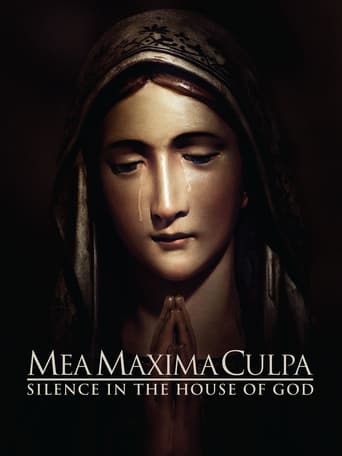
Alex Gibney explores the charged issue of pedophilia in the Catholic Church, following a trail from the first known protest against clerical sexual abuse in the United States and all way to the Vatican.

From the heights of her modeling fame to her tragic death, this documentary reveals Anna Nicole Smith through the eyes of the people closest to her.
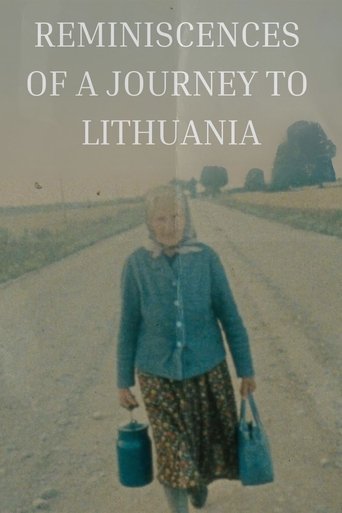
Jonas Mekas weaves an elegiac diary film from his 1971–72 return to Lithuania, chronicling a visit to his birthplace of Semeniškiai after decades in exile. Blending personal memory with documentary observation, the film becomes both a portrait of homecoming and a meditation on displacement, family, and the passage of time.
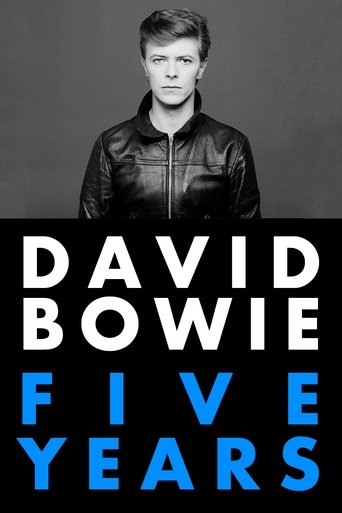
Featuring a wealth of previously unseen archive, this film looks at how Bowie continually evolved: from Ziggy Stardust to the Soul Star of Young Americans, to the ‘Thin White Duke’. It explores his regeneration in Berlin with the critically acclaimed album Heroes, his triumph with Scary Monsters and his global success with Let’s Dance. With interviews with all his closest collaborators, David Bowie - Five Years presents a unique account of why Bowie has become an ‘icon of our times’.
Similar titles
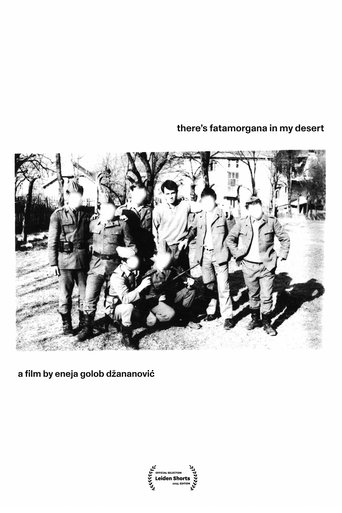
The film weaves together archival footage of Yugoslavia’s idealized unity with a personal investigation into the filmmaker’s grandfather’s imprisonment under the regime. Rooted in archival theory, the project questions the authority of official histories, exploring how archives shape power and memory.

A collection of 8mm film reels from İlhan Mimaroğlu’s archive—once tucked away in whisky boxes—has found new life through art. Curated by director Serdar Kökçeoğlu and producer Dilek Aydın, the project brings together visual artists and musicians to reimagine these long-lost images. Over thirty artists transformed the footage into fifteen distinct audiovisual pieces, blending experimental soundscapes with contemporary video art. The project concludes with a special highlight: the first-ever screening of Mimaroğlu’s silent short film about a street jazz festival, accompanied by Erdem Helvacıoğlu’s dark jazz score.
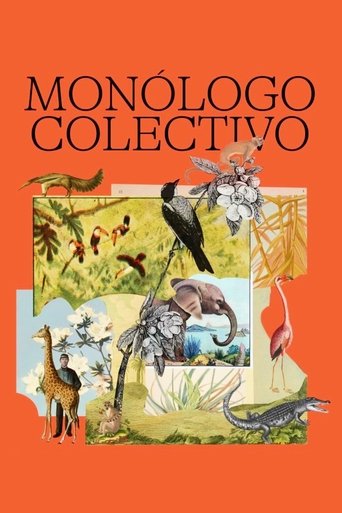
Intimate and fragmented moments unfold in a community of zoos and animal rescue centers across Argentina. As histories of these institutions are uncovered, dedicated workers commit both day and night to caring for the remaining enclosed animals, fostering a mutual bond that transcends imagined boundaries between human and animal.

Marcel Proust's "In Search of Lost Time" is one of the great novels of world literature. The documentary immerses itself in the very own cosmos, spanning 3,000 pages and hundreds of characters, for which Proust's own world was the source of inspiration, and brings Proust's moral portrait of the Belle Epoque to new life.

Composed of images filmed in April 1975, a few months before the Green March, during an expedition of more than 3000 kilometres across the then Spanish Sahara, a unique testimony of the life of this region in an era in which it was preparing for its independence.

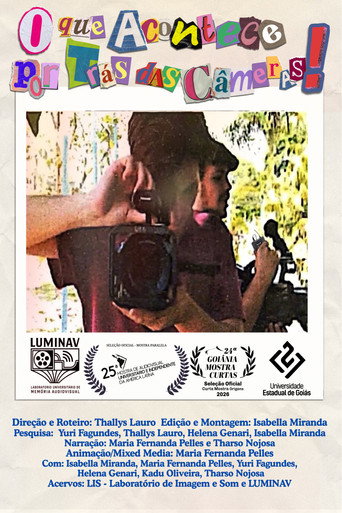
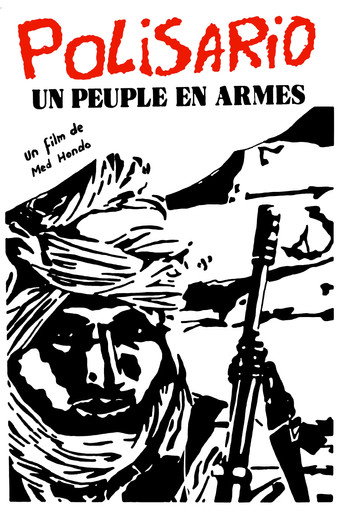
This film is a testimony. These are the images and sounds recorded throughout the area of struggle of the Saharawi people and they testify to their will to live free at home while placing the "Sahroui problem" in a real context. Ex-Spanish colony whose wealth is considerable, Western Sahara should, like many African countries, gain independence according to United Nations resolutions.
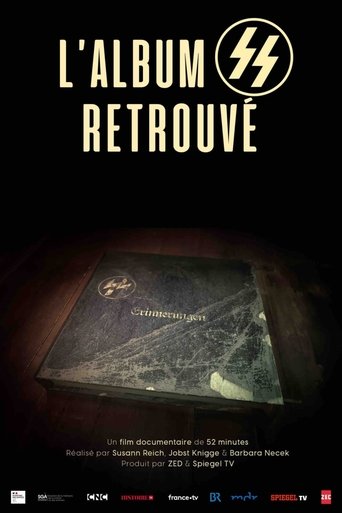
In 2016, an album containing 250 previously unseen photos of Nazi officials was discovered in the USA by Stephan Hördler, a prominent Holocaust historian, who immediately understood the album's inestimable value. The album brings together photographs of a "group of friends," all from the same region of Germany, all of whom became SS men. From 1928 to 1943, the photo album allows us to follow their journey. Hördler conducted the investigation, comparing the photos in the album with other, better-known ones, the faces of these men with those of concentration camp officials, and ultimately revealed that it was at Lichtencburg that these young men were trained, a "school" for future camp executioners, and the bonds of camaraderie and informal network that would allow them to help each other, even after the war.
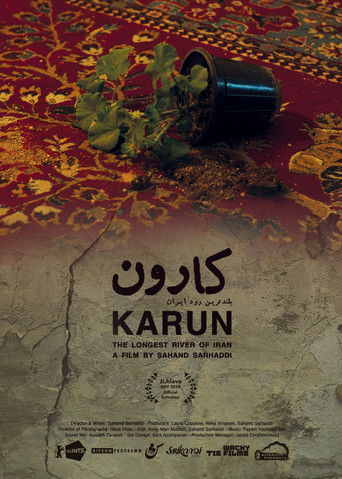
On September 22, 1998, the Iranian poet Hamid Hajizadeh and his nine-year-old son Karun, whose name symbolically refers to Iran's longest river, were brutally murdered in their home in Kerman. The documentary film, based on the statements of the survivors, tries to sensitively reconstruct one of the many terrible motivated events that took place in Iran at the end of the previous century and draws us into the fateful day with the help of detailed shots of the objects in Hamid's study.

On 22 June 1941, the German Wehrmacht launched a war of aggression against the Soviet Union. Under the code name ‘Operation Barbarossa’, the campaign aimed to bring the vast country in the east to its knees. Millions of people died as a result.

In the summer of 1989, the 13th edition of the World Festival of Youth and Students was held in Pyongyang. Thousands of socialist youth from 177 countries celebrated their belief in a better society and international solidarity.
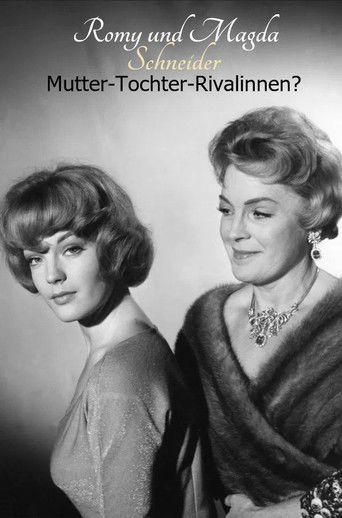
New light is shed on the complex relationship between Romy Schneider and her mother Magda, a German film star of the 1930s admired by Hitler - who welcomed her and her daughter to his chalet in Berchtesgaden.
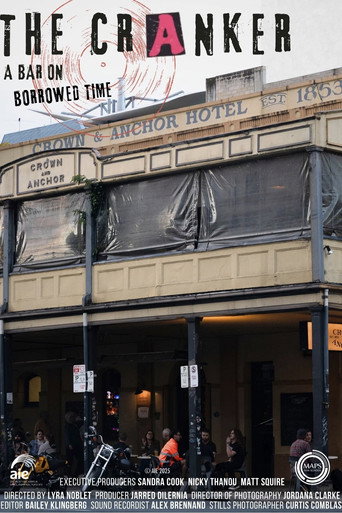
A short documentary following the story of a local pub in Adelaide facing threats of demolition.
Witness the rise and fall of The Warehouse, a rave venue from Plymouth and times gone by now reduced to a derelict shell. We explore its history, its people and the future. An amateur filmmaker-explorer finds the building in an empty derelict state, long after the prosperous life and energy it endured through the 90s. Through a combination of archives and stories of people who lived there, the film explores through the medium of analogue what once was and how even a now silent derelict shell can become the centre of the universe.

The film reveals Scotland's post-war history as seen through the lens of current debate, inviting audiences on a journey to revisit the promises of the past and consider how they relate to our future on this planet. Was climate change inevitable? Can we break free from a boom-and-bust mentality?

ZAAD tells the autobiographical story of Dries Meddens. After the death of his mother, the care for Dries' bipolar father falls on his plate. He discovers how crudely and ruthlessly society and psychiatry treat patients. His father eventually dies in solitary confinement. While emptying his parent’s home, Dries discovers an old letter from his grandfather. The man appears to have led a busy, productive life. He is the founder of an internationally renowned seed breeding company and still has time to paint, write diaries and conduct intensive correspondence. Dries finds similarities between his grandfather, his father and himself. Slowly the fear grows that his father's psychiatric illness might be hereditary. Strolling through the family’s film and photo archives, with dramatic and sometimes hilarious finds, Dries tries to find answers. He also consults a psychiatrist. Together the consultations and reviewing of his archival material help Dries look at bipolarity with new eyes.
