Kea - Mountain Parrot
· 52 min · Not rated
This documentary tells the story of the inimitable kea. The 'Clown of the Alps' is heralded as the world’s smartest bird (its intelligence rivals a monkey’s). Kea are famous on South Island tracks and ski fields for their insatiable (and destructive) inquisitiveness. Curiosity almost killed the kea when it was labelled a sheep killer, and tens of thousands were killed for a bounty. After shots of baby kea being fed, there is extraordinary night footage in clip four of the 'avian wolf' in action. The award-winning film makes a compelling case for the charismatic kea as a national icon.
Trailers are previews, not full movies.
No authorized playback source configured. Use the legal watch options below.
Production details
- Directors
- Rod Morris
- Production companies
- Unavailable
- Countries
- Unavailable
- Status
- Released
Top Cast
Title information and images are supplied by TMDb. Explore our discovery guide for advice on comparing metadata and legal viewing options.
Where to watch
Availability provided by JustWatch via TMDb. Offers can change. Provider links are listed on TMDb; full playback requires a separately authorized source.
Availability not listed for this country.
Seasons & episodes
Recommendations
Some of the world's most majestic birds display delightfully captivating mating rituals, from flashy dancing to flaunting their colorful feathers.
An exploration of technologically developing nations and the effect the transition to Western-style modernization has had on them.
An epic story of adventure, starring some of the most magnificent and courageous creatures alive, awaits you in EARTH. Disneynature brings you a remarkable story of three animal families on a journey across our planet – polar bears, elephants and humpback whales.
In the remote and forgotten wilderness of Lake Natron, in northern Tanzania, one of nature's last great mysteries unfolds: the birth, life and death of a million crimson-winged flamingos.

A visual montage portrait of our contemporary world dominated by globalized technology and violence.
In 2019, Nepalese mountain climber Nirmal “Nims” Purja set out to do the unthinkable by climbing the world’s fourteen highest summits in less than seven months. (The previous record was eight years). He called the effort “Project Possible 14/7” and saw it as a way to inspire others to strive for greater heights in any pursuit. The film follows his team as they seek to defy naysayers and push the limits of human endurance.
A nature documentary centered on a family of chimps living in the Ivory Coast and Ugandan rain forests. Through Oscar, a little chimpanzee, we discover learning about life in the heart of the African tropical forest and follow his first steps in this world with humor, emotion and anguish. Following a tragedy, he finds himself separated from his mother and left alone to face the hostility of the jungle. Until he is picked up by an older chimpanzee, who will take him under her protection.
From the team behind Man on Wire comes the story of Nim, the chimpanzee who in the 1970s became the focus of a landmark experiment which aimed to show that an ape could learn to communicate with language if raised and nurtured like a human child. Following Nim's extraordinary journey through human society, and the enduring impact he makes on the people he meets along the way, the film is an unflinching and unsentimental biography of an animal we tried to make human. What we learn about his true nature - and indeed our own - is comic, revealing and profoundly unsettling.
In the mountains of Sichuan, China, a researcher forms a bond with Qian Qian, a panda who is about to experience nature for the first time.
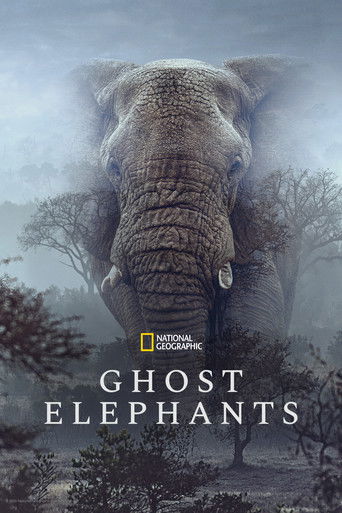
In Angola's mist-shrouded highlands, three KhoiSan master trackers embark on a spiritual quest to rediscover the legendary "ghost elephants" of Lisima, creatures presumed lost but remembered in ancestral trance, ritual, and memory.
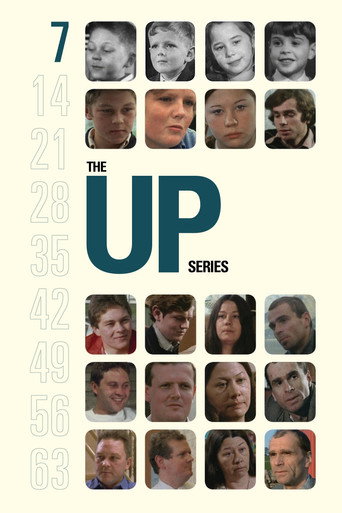
A group of British children aged 7 from widely ranging backgrounds are interviewed about a range of subjects. The filmmakers plan to re-interview them at 7 year intervals to track how their lives and attitudes change as they age.
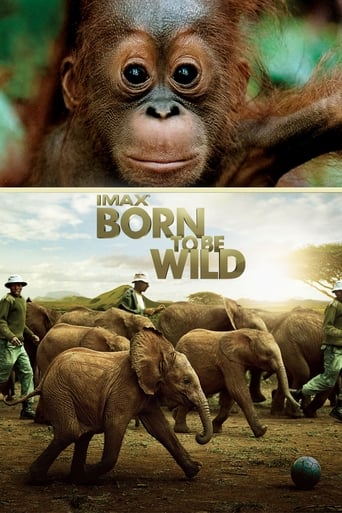
Born to Be Wild observes various orphaned jungle animals and their day-to-day behavioural interactions with the individuals who rescue them and raise them to adulthood. The film unfurls in two separate geographic spheres. Half of it takes place in the rain forests of Borneo, where celebrated primatologist Dr. Birute Galdikas assists baby orangutans; the other half takes place on the arid savannahs of Kenya, where zoologist Dame Daphne Sheldrick works with baby elephant calves.
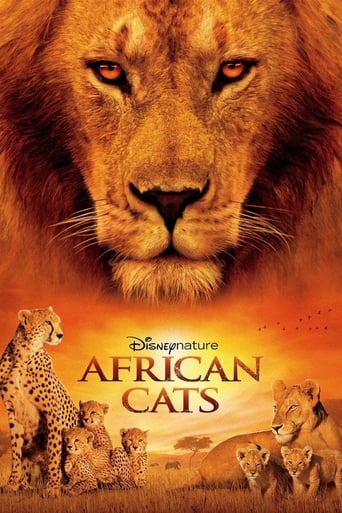
African Cats captures the real-life love, humor and determination of the majestic kings of the savanna. The story features Mara, an endearing lion cub who strives to grow up with her mother’s strength, spirit and wisdom; Sita, a fearless cheetah and single mother of five mischievous newborns; and Fang, a proud leader of the pride who must defend his family from a once banished lion.
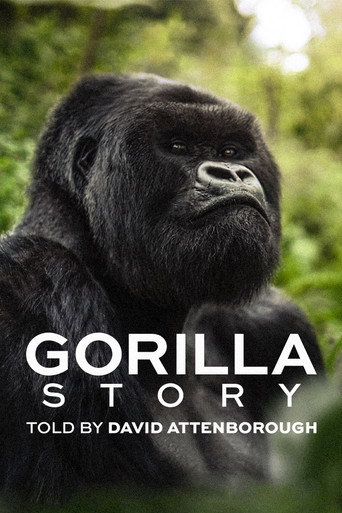
Veteran naturalist Sir David Attenborough tells the story of a remarkable group of gorillas, from his first encounter in the '70s to the present day.
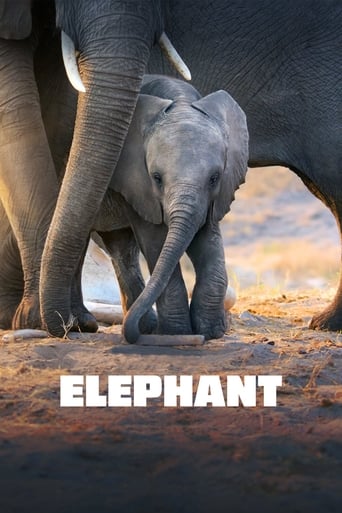
Disneynature’s Elephant follows African elephant Shani and her spirited son Jomo as their herd make an epic journey hundreds of miles across the vast Kalahari Desert. Led by their great matriarch, Gaia, the family faces brutal heat, dwindling resources and persistent predators, as they follow in their ancestors’ footsteps on a quest to reach a lush, green paradise.
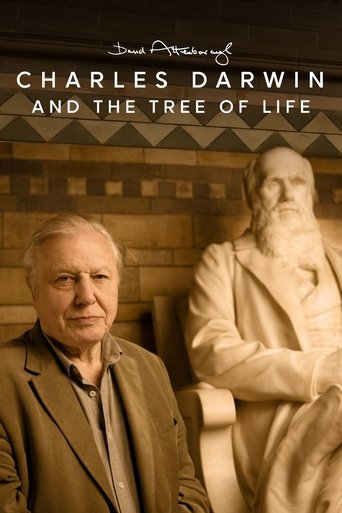
Darwin's great insight – that life has evolved over millions of years by natural selection – has been the cornerstone of all David Attenborough’s natural history series. In this documentary, he takes us on a deeply personal journey which reflects his own life and the way he came to understand Darwin’s theory.
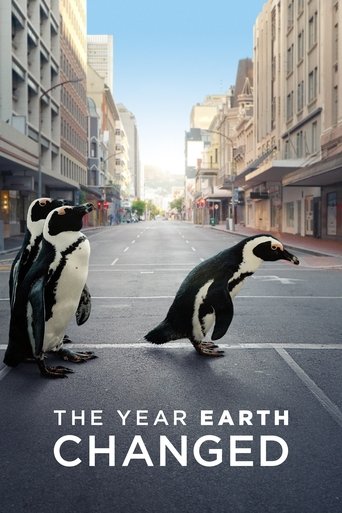
Never-before-seen footage shows how our living in lockdown opened the door for nature to bounce back and thrive. Across the seas, skies, and lands, Earth found its rhythm when we came to a stop.

Musician and performance artist Laurie Anderson reflects on the deaths of her husband Lou Reed, her mother and her beloved dog.

A documentary on the expletive's origin, why it offends some people so deeply, and what can be gained from its use.
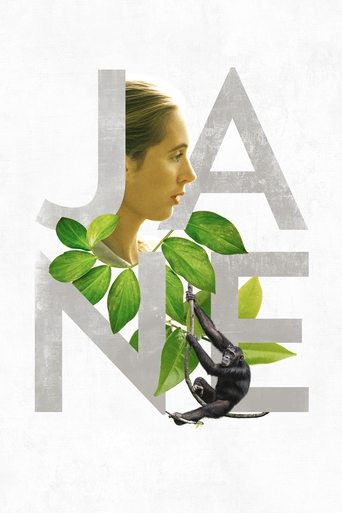
Drawing from never-before-seen footage that has been tucked away in the National Geographic archives, director Brett Morgen tells the story of Jane Goodall, a woman whose chimpanzee research revolutionized our understanding of the natural world.
Similar titles
The Isle of Mull is one of the UK's largest islands, located in the Inner Hebrides, and is home to one of the largest Eurasian otter populations in Europe. This documentary delves into the intricate relationship shared between this fascinating species and humans - through several sequences, each offering a different perspective.
Filmmaker Christina Karliczek Skoglund goes in search of the Greenland shark.
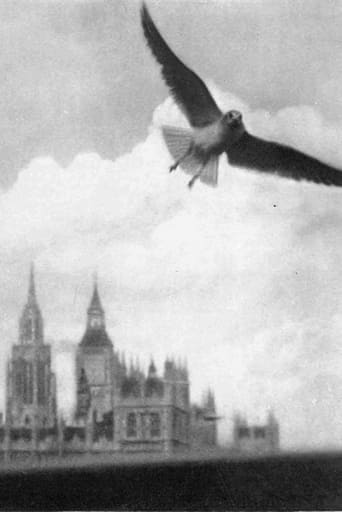
The film takes us to the North of England to follow the migration of the black-headed gull down to London. There, the narrator asks viewers to "listen to their gossip", before demonstrating the bird’s flight in slow motion. We see a polecat feasting on gull eggs, and then a man collecting the eggs for human consumption, with the film telling us that they are considered a “delicacy” in London. Indeed, according to the British Trust for Ornithology, around 300,000 gull’s eggs were sold every year in Leadenhall Market in London during the 1930s, when London Visitors was made.
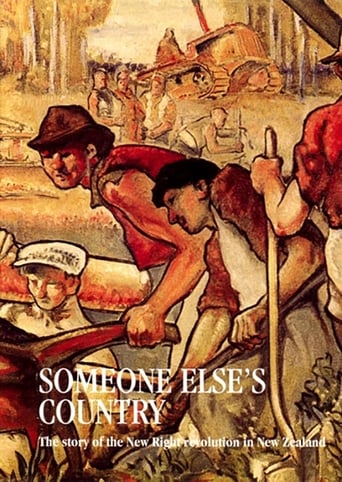
Someone Else’s Country looks critically at the radical economic changes implemented by the 1984 Labour Government - where privatisation of state assets was part of a wider agenda that sought to remake New Zealand as a model free market state. The trickle-down ‘Rogernomics’ rhetoric warned of no gain without pain, and here the theory is counterpointed by the social effects (redundant workers, Post Office closures). Made by Alister Barry in 1996 when the effects were raw, the film draws extensively on archive footage and interviews with key “witnesses to history”.
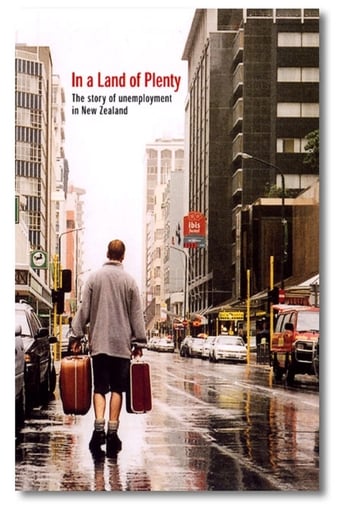
The story of unemployment in New Zealand and In A Land of Plenty is an exploration of just that; it takes as its starting point the consensus from The Depression onwards that Godzone economic policy should focus on achieving full employment, and explores how this was radically shifted by the 1984 Labour government. Director Alister Barry's perspective is clear, as he trains a humanist lens on ‘Rogernomics' to argue for the policy's negative effects on society, as a new poverty-stricken underclass developed.
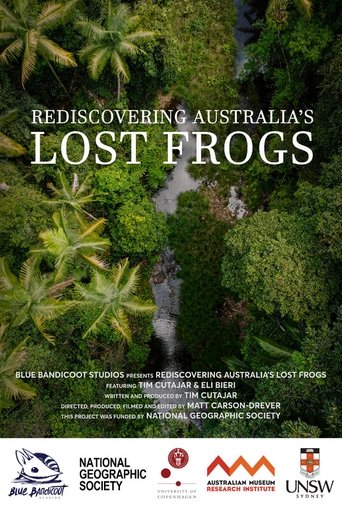
Join Australian Museum and UNSW Sydney PhD Candidate and Nat Geo Explorer Tim Cutajar as he searches for the feared-extinct Southern Gastric Brooding Frog (Rheobatrachus silus) in the Sunshine Coast hinterland. Using environmental DNA, Tim and the team are trying to detect any trace of this species, which has been missing since the early 1980s. Taking samples from water, air and frog-biting, blood-sucking flies, the team are trying to forensically detect this missing species.
Coral reefs are believed by many to have the highest biodiversity of any ecosystem on the planet. A lot of the life found here can seem very alien at first, they occupy less than 1 percent of the ocean floor but yet are home to more than 25 percent of all marine life. Warm water reefs typically come to mind when thinking of the Pacific Ocean and the Caribbean Sea, these reefs are very well known but they don’t just occur in warm waters. In this one hour special, we are brought into this alien environment and discover for ourselves a strange, hidden world that is simply abundant with life, ranging from the weird to the wonderful.
Gripping, hi-octane adventure as intrepid underwater explorer Jacquie Cozens and experienced filmmaker Mike deGruy attempt to uncover the truth behind the legendary Red Demon: an enormous flesh-eating squid. This film was first broadcast: 12 Sep 2004

From the turtles of the Farasan Islands to the ibex that dot the Asir Mountains, this documentary captures Saudi Arabia's diverse wildlife and scenery.
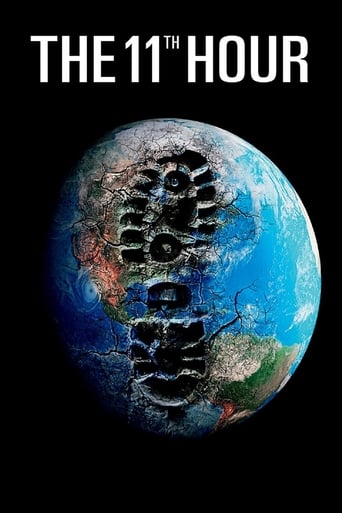
A look at the state of the global environment including visionary and practical solutions for restoring the planet's ecosystems. Featuring ongoing dialogues of experts from all over the world, including former Soviet Prime Minister Mikhail Gorbachev, renowned scientist Stephen Hawking, former head of the CIA R. James Woolse
Deep in Papua's tropical forests, the Northern Cassowary (New Guinea's largest native animal) remains an enigma—a creature rarely seen, yet vital to the ecosystem. Often regarded as dangerous, this large, flightless bird is crucial for forest regeneration through seed dispersal. With habitat loss and hunting threatening their survival, efforts to protect cassowaries are more urgent than ever.

The sequel to the hugely successful documentary about the beauty of Slovak nature, featuring Nigel Marven, British wildlife filmmaker, screenwriter, presenter, and adventurer, known worldwide for his distinctive style, innovative programs, and enthusiasm. The sequel to the documentary Wild Nature of Slovakia with Nigel Marven 2 will show Slovak and international viewers that Slovakia is a "hidden gem of Europe" whose biodiversity rivals that of exotic countries around the world, with populations of bears, wolves, lynxes, and many species of birds, reptiles, and amphibians.
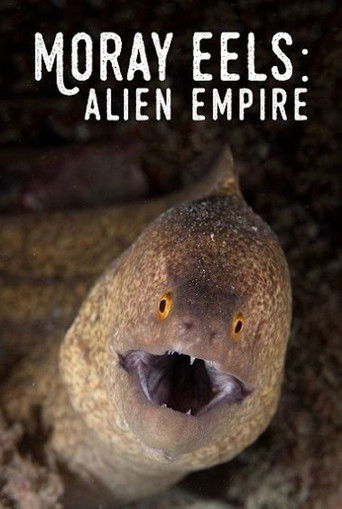
Wildlife filmmaker Sigurd Tesche delves into the mysterious world of the moray eel to reveal the secrets of this supreme underwater predator and the truth behind its ugly reputation.
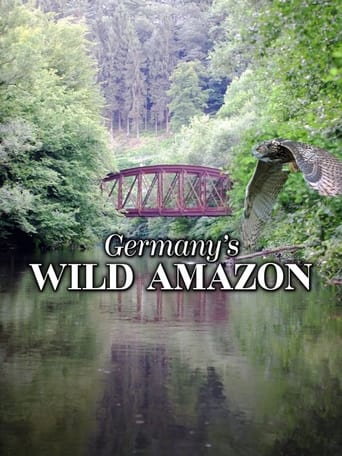
As one of Germany’s beauties, the river was the gem of German landscape. But with industrialization it became the country’s hardest working river and like everything that has been overworked, it lost it magnificence and charm. Due to tender love and care, the river is now a reigning example of one of the most successful and outstanding renaturation projects in the country.
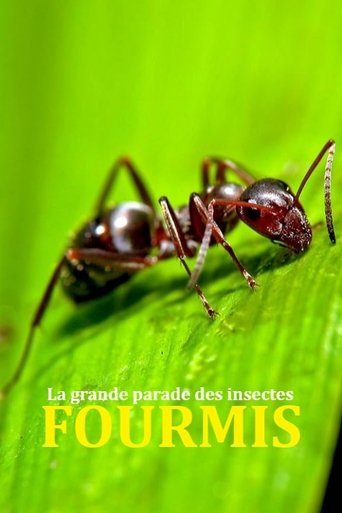
„The Fabulous Insects – Ants“ shows the diversity, beauty and exciting strategies of ants in their respective habitats. Whether in the tropics of South America or in the native climes of Europe - the world of ants is full of surprises. The biomass of ants and humans in the world is about the same. Next to us, ants are probably the most adaptable creatures on the planet. Whether rainforest, savannah, forests or moors - ants populate every terrestrial habitat. You can observe particularly exciting natural history not only in the distant tropics, but also in densly populated Central Europe.

16-year-old Bella and Vipulan are part of a generation convinced its very future is in danger. Between climate change and the 6th mass extinction of wildlife, their world could well be inhabitable 50 years from now. They have sounded the alarm over and over, but nothing has really changed. So they’ve decided to tackle the root of the problem: our relationship with the living world. Over the course of an extraordinary journey, they come to realize just how deeply humans are tied to all other living species. And that by saving them… we’re also saving ourselves. Humans thought they could distance themselves from nature, but humans are part and parcel of nature. For man is, after all, an Animal.
High up on the Tibetan plateau. Amongst unexplored and inaccessible valleys lies one of the last sanctuaries of the wild world, where rare and undiscovered fauna lives. Vincent Munier, one of the world’s most renowned wildlife photographers takes the adventurer and novelist Sylvain Tesson (In the Forest of Siberia) with him on his latest mission. For several weeks, they’ll explore these valleys searching for unique animals and try to spot the snow leopard, one of the rarest and most difficult big cats to approach.
This documentary follows various migratory bird species on their long journeys from their summer homes to the equator and back, covering thousands of miles and navigating by the stars. These arduous treks are crucial for survival, seeking hospitable climates and food sources. Birds face numerous challenges, including crossing oceans and evading predators, illness, and injury. Although migrations are undertaken as a community, birds disperse into family units once they reach their destinations, and every continent is affected by these migrations, hosting migratory bird species at least part of the year.