

Kiribati? Here We Are
1980-01-01 · 52 min · Not rated
On 12 July 1979 the Gilbert Islands in the central Pacific became independent from British rule. The country then became known as Kiribati. This film shows the lifestyle of the people of these 33 islands, their history and culture, the natural resources and the effects of colonialism, World War Two, nuclear testing and foreign industry. It also records the celebrations that took place at this important moment in the country's history and looks to the nation's future.
Trailers are previews, not full movies.
No authorized playback source configured. Use the legal watch options below.
Production details
- Directors
- John Shaw
- Production companies
- National Film and Sound Archive of Australia (NFSA)
- Countries
- Australia
- Status
- Released
Top Cast
Cast unavailable.
Title information and images are supplied by TMDb. Explore our discovery guide for advice on comparing metadata and legal viewing options.
Where to watch
Availability provided by JustWatch via TMDb. Offers can change. Provider links are listed on TMDb; full playback requires a separately authorized source.
Seasons & episodes
Recommendations

Director Michael Apted revisits the same group of British-born adults after a 7 year wait. The subjects are interviewed as to the changes that have occurred in their lives during the last seven years.
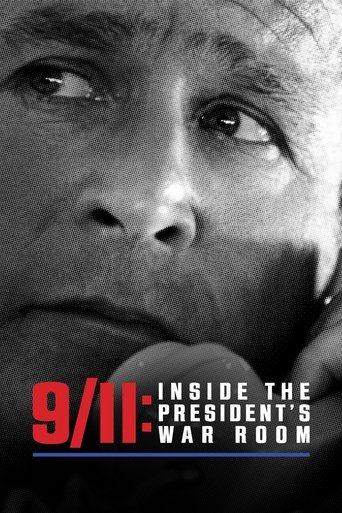
Experience the events of September 11, 2001 through the eyes of President Bush and his closest advisors as they personally detail the crucial hours and key decisions from that historic day.

In an intimate and joyful story of love in the face of loss, celebrated poets Andrea Gibson and Megan Falley find strength—and unexpected hilarity—in what might be their final year together.
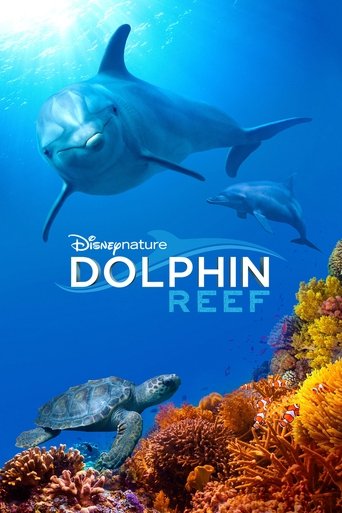
Echo is a youngster who can't quite decide if it's time to grow up and take on new responsibilities-or give in to her silly side and just have fun. Dolphin society is tricky, and the coral reef that Echo and his family call home depends on all of its inhabitants to keep it healthy. But Echo has a tough time resisting the many adventures the ocean has to offer.

Oliver Stone charts the history of the United States from the Second World War to the present.

Decades after her untimely death, Princess Diana continues to evoke mystery, glamour, and the quintessential modern fairy tale gone wrong. As a symbol of both the widening fissures weakening the British monarchy and the destructive machinery of the press, the Princess of Wales navigated an unparalleled rise to fame and the corrosive challenges that came alongside it. Crafted entirely from immersive archival footage and free from the distraction of retrospective voices, this hypnotic and audaciously revealing documentary takes a distinctive formal approach, allowing the story of the People’s Princess to unfold before us like never before.
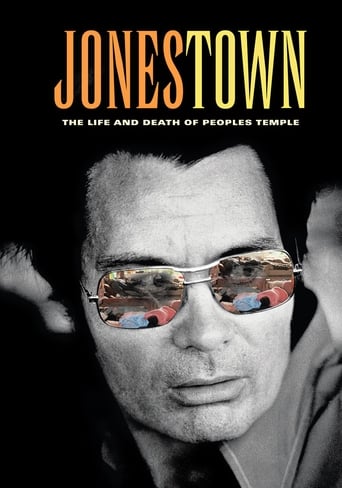
Featuring never-before-seen footage, this documentary delivers a startling new look at the Peoples Temple, headed by preacher Jim Jones who, in 1978, led more than 900 members to Guyana, where he orchestrated a mass suicide via tainted punch.

Just two years away from turning 30, participants in Michael Apted's documentary series are facing serious questions of identity and purpose, wondering whether they've found their place in the world.

“The Soviet Story” is a story of an Allied power, which helped the Nazis to fight Jews and which slaughtered its own people on an industrial scale. Assisted by the West, this power triumphed on May 9th, 1945. Its crimes were made taboo, and the complete story of Europe’s most murderous regime has never been told. Until now...

A compilation of over 30 years of private home movie footage shot by Lithuanian-American avant-garde director Jonas Mekas, assembled by Mekas "purely by chance", without concern for chronological order.
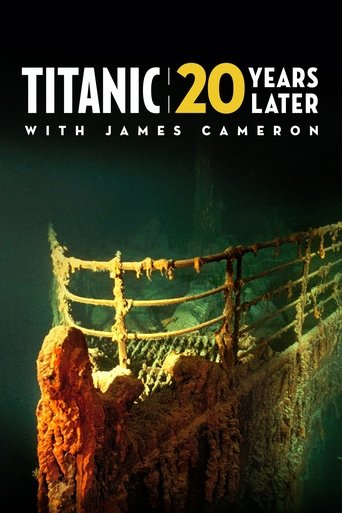
For the 20th anniversary of "Titanic," James Cameron reopens the file on the disaster.

Through deeply personal interviews with her siblings and an examination of the photographs, letters, and belongings left behind, Mariska assembles a new portrait of her mother Jayne Mansfield, an extraordinary and complex woman.

Carefully picked scenes of nature and civilization are viewed at high speed using time-lapse cinematography in an effort to demonstrate the history of various regions.
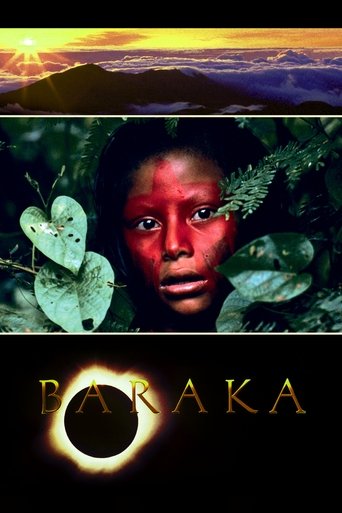
A paralysingly beautiful documentary with a global vision—an odyssey through landscape and time—that attempts to capture the essence of life.

Pete Postlethwaite stars as a man living alone in the devastated future world of 2055, looking at old footage from 2008 and asking: why didn’t we stop climate change when we had the chance?

Unravel the case of Utah therapist Jodi Hildebrandt, whose child abuse arrest with parenting YouTuber Ruby Franke exposed a twisted tale of manipulation.

Documentary about the art of film editing. Clips are shown from many groundbreaking films with innovative editing styles.

A visual montage portrait of our contemporary world dominated by globalized technology and violence.
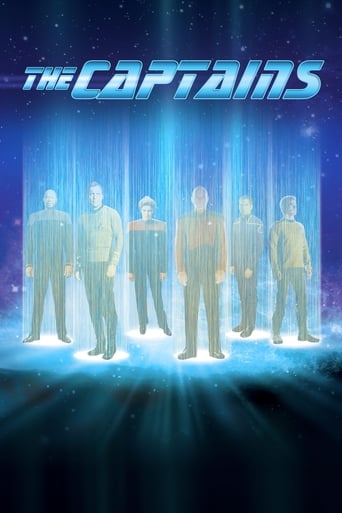
The Captains is a feature-length documentary film written and directed by William Shatner. The film follows Shatner as he interviews the other actors who have portrayed starship captains in the Star Trek franchise.
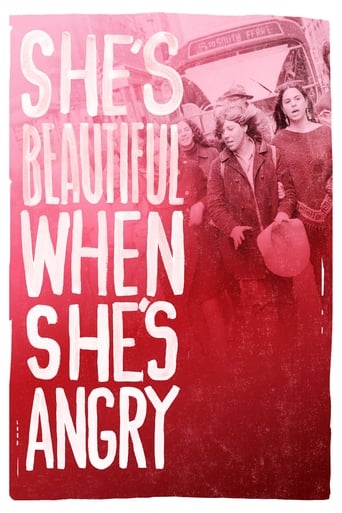
A documentary that resurrects the buried history of the outrageous, often brilliant women who founded the modern women's movement from 1966 to 1971.
Similar titles

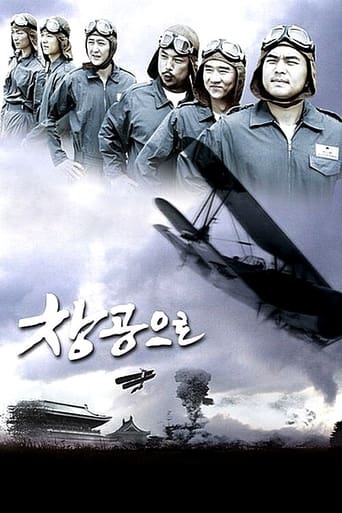
In 1920, a combat flight training school named "Willows" is founded in California. People who want to fight for Korea’s independence from Japan gather at the school. Their mission is to bomb the palace of the Japanese emperor. The pilots’ ardent desire for Korea’s independence grows, but as they prepare for their mission, a spy in the school ruins their plans. However, KIM Ja-jung and the other pilots manage to get on board for what will most likely be their last flight.
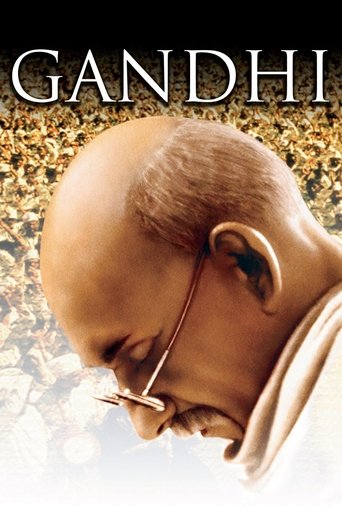
In the early years of the 20th century, Mohandas K. Gandhi, a British-trained lawyer, forsakes all worldly possessions to take up the cause of Indian independence. Faced with armed resistance from the British government, Gandhi adopts a policy of 'passive resistance', endeavouring to win freedom for his people without resorting to bloodshed.
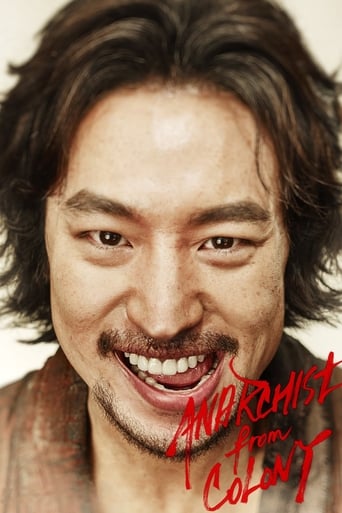
Based on the life of the Korean anarchist Park Yeol, the film shows his struggle to counter the massacre of Koreans by the government during the 1923 great Kanto earthquake, focusing on his activities as the leader of the anti-Japanese organization Bulryeongsa and his relationship with Japanese comrade Fumiko Kaneko.
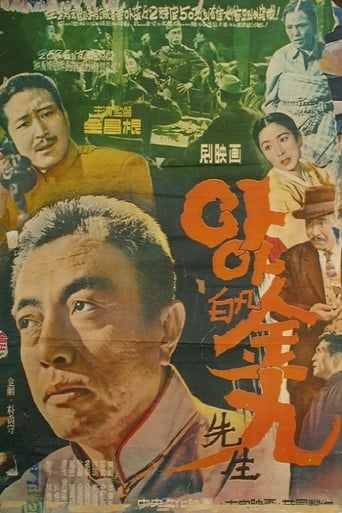
Kim Chang-su, who participated in the Donghak Movement, escapes to Manchuria after being chased by the Japanese army, finally making his way home. Angered by the assassination of Empress Myeong-seong, he murders a Japanese lieutenant and is sent to jail. He escapes from prison turns his focus on the democratic movement by teaching civilians and organizing Sinminheo (a democratic organization), even changing his name to 'Kim Gu.' After he is imprisoned again, he gets out on parole and goes to China, where he participates in establishing a provisional government from which he can direct the anti-Japanese struggle. Kim Gu goes on to play a part in Yun Bong-gil's deeds in Shanghai, the events at Hongkou Park, the encounter with Jiang Jish, and the establishment of the Korean National Army, and leads the struggle for Korea's independence with warm fraternal love and clear national spirit. When Korea is liberated in August 15, 1945, he returns back to his native land.
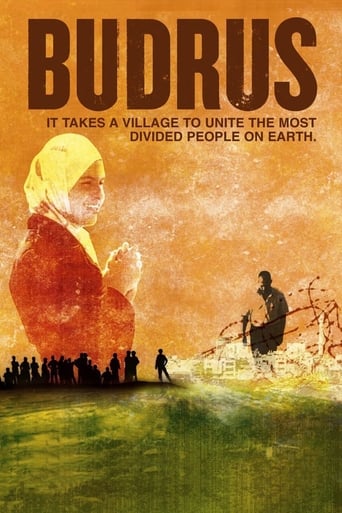
Follows a Palestinian leader who unites Fatah, Hamas and Israelis in an unarmed movement to save his village from destruction. Success eludes them until his 15-year-old daughter jumps into the fray.

A collective effort about the recent history of Spain. A distorting mirror, a radiography, a rotten but exquisite corpse: the blood, the sweat, the dandruff of a country in the shape of a large and extended bull skin. A parade of freaks. The ridiculous independence of the upstairs neighbor, the sovereignty demanded by an insane parrot prisoner in its open cage. Football, potato omelette, kings and safaris. Things not to do again. Guerrilla cinema. Hysteria of Spain.
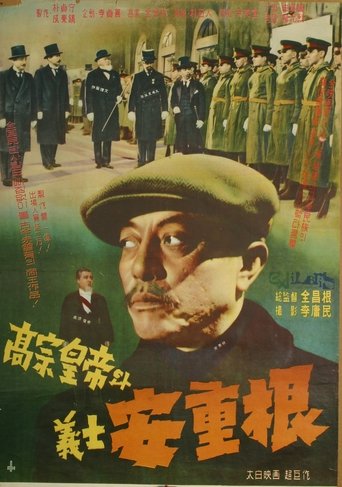
At the end of the Joseon Dynasty, shortly after the Eulsa Treaty has been forced to be concluded by Ito Hirobumi and the pro-Japanese courtiers, Japan pressures King Gojong to step down from the throne. Meanwhile, An Jung-geun, who is cultivating men of ability at Samheung school, is deeply impressed by a speech made by An Chang-ho, and heads for Russia to volunteer the army fighting for independence of the country. As both a lieutenant general of the Korean militia and a commander of the Korean expeditionary force in Manchuria, he carries on the independence movement in defiance of Japanese coercion.
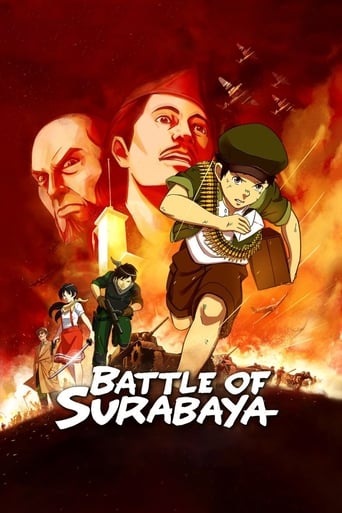
Musa, who is only a thirteen-year-old shoe shiner, undergoes destiny through his adventure of waging war during the war time. Will he manage to bring peace among the troops who keep on fighting for nothing?
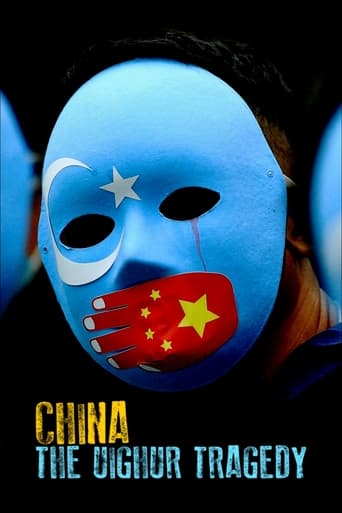
A relentless chronicle of the tragedy of the Uighurs, an ethnic minority of some eleven million people who live in the Xinjiang region of northwest China, speak a Turkic language and practice the Muslim religion. The Uighurs suffer brutal cultural and political oppression by Xin Jinping's tyrannical government: torture, disappearances, forced labor, re-education of children and adults, mass sterilizations, extensive surveillance and destruction of historical heritage.

Donghak Rebellion (Donghak Peasant Movement) takes place in Hongjuseong (now Hongseong). Manhae, a boy who participates in the Donghak Rebellion as a 16-year-old, steals 1,000 nyang and sends it to military funds. At the age of 55, at Simujang in Seongbuk-dong, Manhae remarried while staying in a boarding house. While making a living by sewing his wife's wages, Manhae continues to resist Japanese imperialism by participating in the movement against the name change of the Chang clan and against the dispatch of Korean student soldiers along with writing. He takes over the military funds from Madam Baekhwa of Myeongwol in Yongjing. Lee Hwa-yeong hands over the military funds with Man-hae. In 1944, Manhae passed away at the age of 66. As the poem "Your Silence" flows, Manhae's achievements are introduced as highlights, and his subtitles flow.
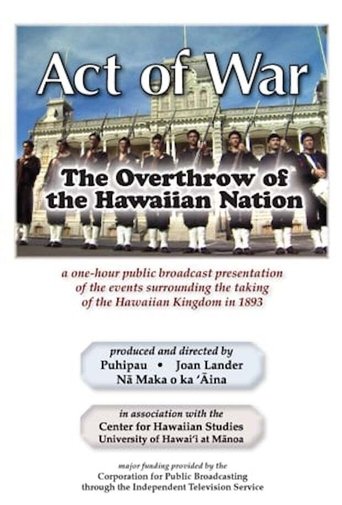
This hour-long documentary is a provocative look at a historical event of which few Americans are aware. In mid-January, 1893, armed troops from the U.S.S Boston landed at Honolulu in support of a treasonous coup d’état against the constitutional sovereign of the Hawaiian Kingdom, Queen Lili‘uokalani. The event was described by U.S. President Grover Cleveland as an "act of war."
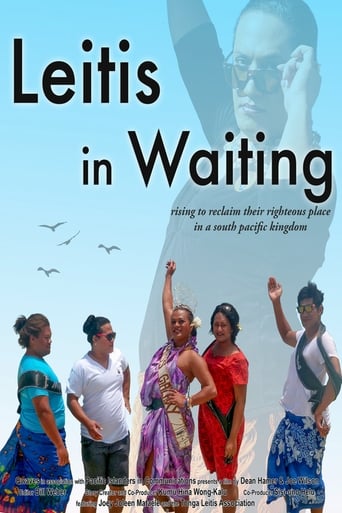
The story of Joey Mataele and the Tonga Leitis, an intrepid group of transgender women fighting a rising tide of religious fundamentalism and intolerance in the South Pacific Kingdom.

A punk documentary which is, at the same time, a history of Catalonia, an analysis of its political situation in 2017, a comic lamentation on the milestones of the Procés —the broken, unsuccessful path started October 1st which eventually should've ended with a true declaration of independence from Spain—, and a chaotic festival of references to pop culture, from Dumbo to Salvador Dalí.
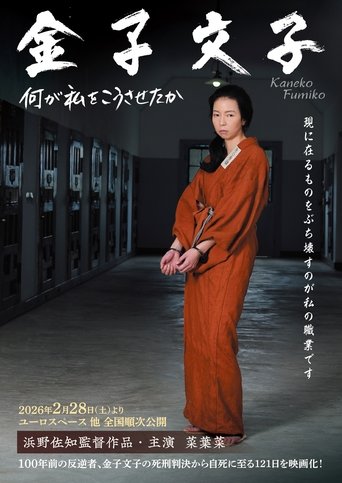
The 1923 Kanto earthquake sparks fears of a Korean uprising in Japan. Many anti-colonial and leftist activists are arrested, including Fumiko and her partner Yeol. Accused of a plot to assassinate the Crown Prince, they are sentenced to death, later reduced to life in prison.
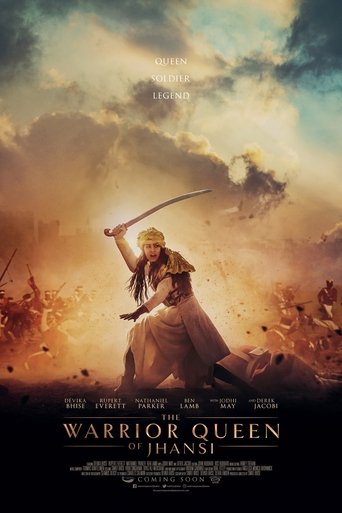
The Warrior Queen of Jhansi tells the true story of Lakshmibai, the historic Queen of Jhansi who fiercely led her army against the British East India Company in the mutiny of 1857. From Queen Elizabeth to Queen Victoria, two-and- a half-centuries of East India Company rule will be reversed by its attempt to crush India’s Warrior Queen. Lakshmibai is known as one of the most prominent figures within the independence movement of India. The passion to free her province from colonial rule led this young woman to become one of the greatest generals of the Indian army, and to go down in history for her bravery, strategic acumen, and as a force to reckon with by the East India Company and the British Raj. The Warrior Queen of Jhansi is the story of the woman who lived and fought for the freedom of her people.
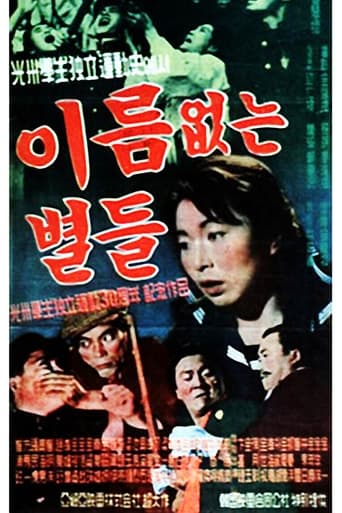
The son of a freedom fighter, Sang-hun is a member of an anti-Japanese resistance group called "Seongjinhoe," composed of students who share a dedication to the cause of liberation. Their spiritual guide is a teacher named Song Un-in. One day, Yeong-ae, whose brother is a detective in the Japanese police force charged with monitoring independence movements, joins their group. Following a series of sporadic incidents, the students gather one night to resolve on an uprising, but are discovered by the police. Young-ae is wrongfully accused of betraying their plans, but she risks her life in order to allow the group members to escape. The morning after, the students of Gwangju rise up against the Japanese government.

On January 1, 1994, thousands of indigenous people occupied seven towns in the southern Mexican state of Chiapas under the slogan "Ya Basta!" (Enough!) occupied seven towns in the southern Mexican state of Chiapas. For two weeks, the Zapatistas - who named themselves after the revolutionary Emiliano Zapata - fought armed against the government, which had only contempt or violence for them.
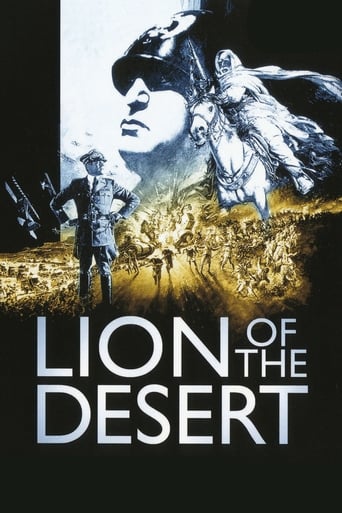
Resistance leader Omar Mukhtar opposes Italian colonization before World War II. The brutal guerrilla war against Italian General Rodolfo Graziani and the Fascist forces of Benito Mussolini highlights the struggle for Libyan independence and the harsh tactics utilised by the colonisers.