
Sotsgorod: Cities for Utopia
1996-09-05 · 92 min · Not rated
A 1996 Dutch documentary film about the Western European architects who were invited by the Soviet Union to construct “Socialist cities” in Siberia during the late 1920s and early 30s. The film draws on interviews of some of the last survivors of this time, including Jan Rutgers (of the Kuzbass Autonomous Industrial Colony), Margarete Schütte-Lihotzky (of the Ernst May group), and Philipp Tolziner (of the “Bauhaus Brigade”), and on letters, articles, and lectures written by those who have already died, including Hans Schmidt, Mart Stam, Johannes van Loghem, and Ernst May. It also follows the daily lives of contemporary residents of Magnitogorsk, Orsk, Novokuznetsk, and Kemerovo.
Trailers are previews, not full movies.
No authorized playback source configured. Use the legal watch options below.
Production details
- Directors
- Anna Abrahams
- Production companies
- Unavailable
- Countries
- Unavailable
- Status
- Released
Top Cast
Cast unavailable.
Title information and images are supplied by TMDb. Explore our discovery guide for advice on comparing metadata and legal viewing options.
Where to watch
Availability provided by JustWatch via TMDb. Offers can change. Provider links are listed on TMDb; full playback requires a separately authorized source.
Availability not listed for this country.
Seasons & episodes
Recommendations

In an intimate and joyful story of love in the face of loss, celebrated poets Andrea Gibson and Megan Falley find strength—and unexpected hilarity—in what might be their final year together.

When Allied forces liberated the Nazi concentration camps in 1944-45, their terrible discoveries were recorded by army and newsreel cameramen, revealing for the first time the full horror of what had happened. Making use of British, Soviet and American footage, the Ministry of Information’s Sidney Bernstein (later founder of Granada Television) aimed to create a documentary that would provide lasting, undeniable evidence of the Nazis’ unspeakable crimes. He commissioned a wealth of British talent, including editor Stewart McAllister, writer and future cabinet minister Richard Crossman – and, as treatment advisor, his friend Alfred Hitchcock. Yet, despite initial support from the British and US Governments, the film was shelved, and only now, 70 years on, has it been restored and completed by Imperial War Museums under its original title "German Concentration Camps Factual Survey".

A documentary about the life and films of director John Ford.

A 1993 documentary film about Bruce Lee. The film includes interviews from some of his fellow students and opponents who worked alongside him in his movies.
Artists in LA discover the work of forgotten Polish sculptor Stanislav Szukalski, a mad genius whose true story unfolds chapter by astounding chapter.

A string of threatening emails escalates into a revenge plot involving a newly married US marshal and his ex-girlfriend.

A documentary about the making of season five of the acclaimed AMC series Breaking Bad.
The life of Mr. Spock, as well as that of Leonard Nimoy, the actor who played him for almost fifty years, written and directed by his son: Adam.

Daniel Craig candidly reflects on his 15 year adventure as James Bond. Including never-before-seen archival footage from Casino Royale to the upcoming 25th film No Time To Die, Craig shares his personal memories in conversation with 007 producers, Michael G Wilson and Barbara Broccoli.

The life and career of one of comedy's most inimitable modern voices, Mr. Gilbert Gottfried.

A compilation of over 30 years of private home movie footage shot by Lithuanian-American avant-garde director Jonas Mekas, assembled by Mekas "purely by chance", without concern for chronological order.

The life and career of an actor, artist, and icon. His own journey through his own camera.

Through deeply personal interviews with her siblings and an examination of the photographs, letters, and belongings left behind, Mariska assembles a new portrait of her mother Jayne Mansfield, an extraordinary and complex woman.

An inside look at one of the most anticipated movie sequels ever with James Cameron and cast.

This revealing documentary honors the legendary Sidney Poitier—iconic actor, filmmaker, and civil rights activist. Featuring interviews with Denzel Washington, Spike Lee, Halle Berry, and more.

A documentary on the expletive's origin, why it offends some people so deeply, and what can be gained from its use.

A documentary about ten very different lives connected by having appeared onscreen wearing masks or helmets in Star Wars.

The film follows adventurer Jeff Johnson as he retraces the epic 1968 journey of his heroes Yvon Chouinard and Doug Tompkins to Patagonia.

In the Realms of the Unreal is a documentary about the reclusive Chicago-based artist Henry Darger. Henry Darger was so reclusive that when he died his neighbors were surprised to find a 15,145-page manuscript along with hundreds of paintings depicting The Story of the Vivian Girls, in What is Known as the Realms of the Unreal, of the Glodeco-Angelinnian War Storm, Cased by the Child Slave Rebellion.
Featuring a wealth of previously unseen archive, this film looks at how Bowie continually evolved: from Ziggy Stardust to the Soul Star of Young Americans, to the ‘Thin White Duke’. It explores his regeneration in Berlin with the critically acclaimed album Heroes, his triumph with Scary Monsters and his global success with Let’s Dance. With interviews with all his closest collaborators, David Bowie - Five Years presents a unique account of why Bowie has become an ‘icon of our times’.
Similar titles
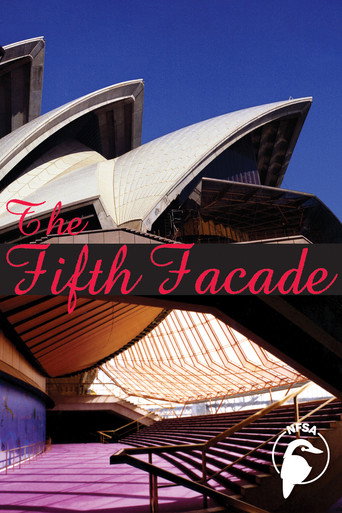
On 20 October 1973, the Sydney Opera House was officially opened by Queen Elizabeth II. From conception to completion, it had taken more than 15 years and over $100 million dollars. In the years since its completion, the Sydney Opera House has become one of the most identifiable of Australia’s icons - ranking with the Sydney Harbour Bridge, Uluru, the koala and kangaroo - and is considered by many to be among the world's great architectural masterpieces.
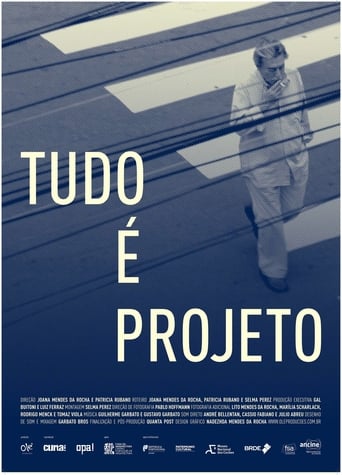
Documentary about the life and work of the architect Paulo Mendes da Rocha, told by him in prominence for Joana, his daughter. With more than 80 years of age, Paulo Mendes is today one of the most important and renowned architects in the world, but, above all, he is a thinker who has controversial ideas and opinions about urbanism, nature, humanity, art and technique deserve to be heard. In a constant dialogue between interviewee / father and interviewer / daughter, Joana is the guiding thread of the film. As in all personal relationships, especially between parents and children, the thread that leads is also that which is conducted.

The documentary offers an overview of the district of Cidade Tiradentes and its inhabitants. It starts by the acquisition of land by the public authorities from the 1970s onwards, to the occupation of what is today one of the largest housing projects in Latin America.

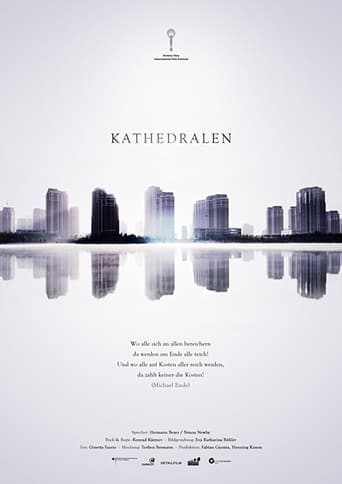
The city of Ordos, in the middle of China, was build for a million people yet remains completely empty. Ordos is not so much a place but a symbol of babylonic hype. But nothing will change - as long as people believe.

A documentary about the concrete sections of the Berlin Wall that have been acquired by institutions or individuals since 1989 and are now scattered across the USA. Cherished or abandoned, they have become silent witnesses to recent history.
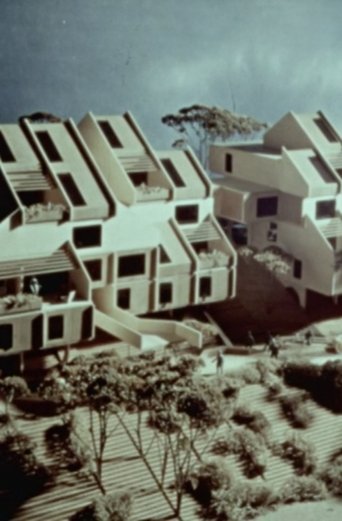
The human side of town planning, as exemplified in Baltimore, Maryland. The Coldspring Project concerned a proposed housing development for lower and upper income levels on a three hundred-acre site adjoining a wildlife sanctuary. The film records the differences aired in meetings of various interest groups that tried to modify the plan according to their views, and the compromise reached, based on plans drawn up by Montréal architect Moshe Safdie.
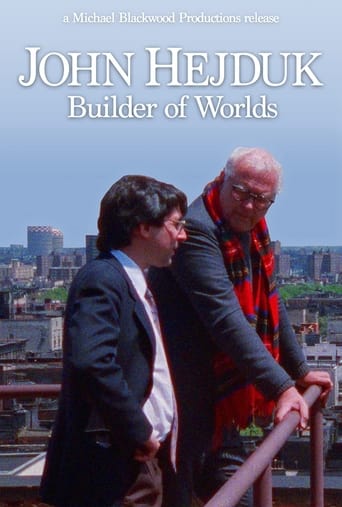
A poet among architects and an innovator among educators, John Hejduk converses with poet David Shapiro at The Cooper Union about the mystery and spirit of architecture. His own sketches and structures are shown
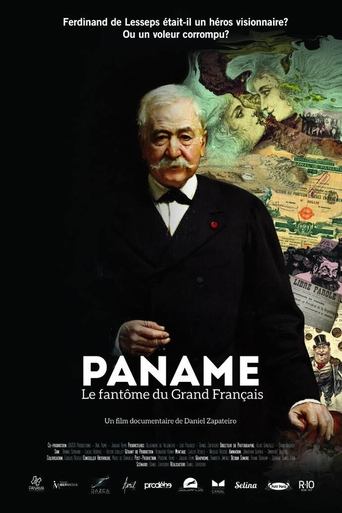
Ferdinand de Lesseps, known as “The Great Frenchman”, will embark in the greatest adventure of his life: To unite the Pacific and Atlantic oceans through a Canal in the Isthmus of Panama – without knowing that this will cost him his reputation, thousands of innocent lives and the biggest financial scandal of all time, up to that point: the famous “Scandal of Panama”. Today, the French capital is known as “Paname”.
On the tiny island of Martha's Vineyard, where presidents and celebrities vacation, trophy homes threaten to destroy the islands unique character. Twelve years in the making, One Big Home follows one carpenters journey to understand the trend toward giant houses. When he feels complicit in wrecking the place he calls home, he takes off his tool belt and picks up a camera.
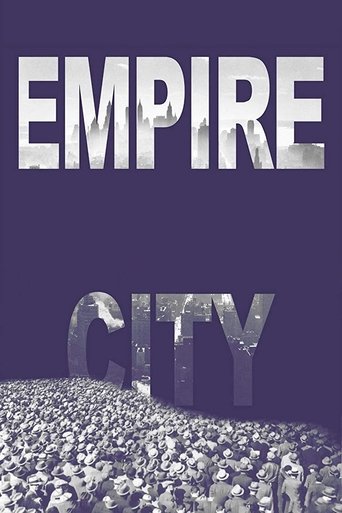
A film essay contrasting the modern metropolis with its "golden age" from 1830-1930, with the participation of some of New York's leading political and cultural figures. Made at a time when the city was experiencing unprecedented real estate development on the one hand and unforeseen displacement of population and deterioration on the other. Empire City is the story of two New Yorks. The film explores the precarious coexistence of the service-based midtown Manhattan corporate headquarters with the peripheral New York of undereducated minorities living in increasing alienation.
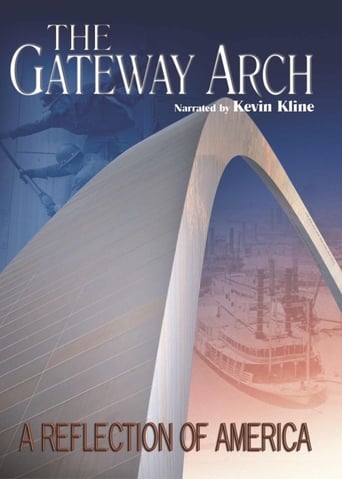
The Gateway Arch: A Reflection of America chronicles for the first time the complete story of this great American symbol… from Thomas Jefferson, Lewis & Clark, and St. Louis’ role in westward expansion; to the eventual construction of the largest stainless steel structure in history.
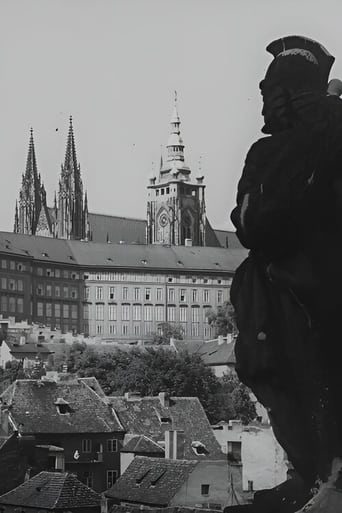
A documentary film comparing current / everyday and historical / noble aspects of Prague.
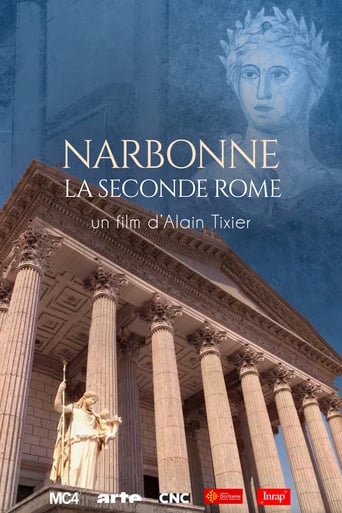
More than 2.000 years ago, Narbonne in today's Département Aude was the capital of a huge Roman province in Southern Gaul - Gallia Narbonensis. It was the second most important Roman port in the western Mediterranean and the town was one of the most important commercial hubs between the colonies and the Roman Empire, thus the town could boast a size rivaling that of the city that had established it: Rome itself. Paradoxically, the town that distinguished itself for its impressive architecture, today shows no more signs of it: neither temples, arenas, nor theaters. Far less significant Roman towns like Nîmes or Arles are full of ancient sites. Narbonne today is a tranquil town in Occitania