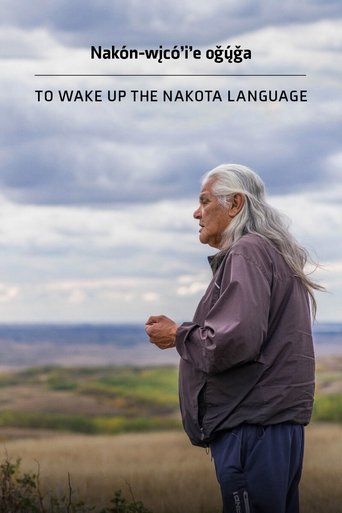
To Wake Up the Nakota Language
2018-06-01 · 7 min · Not rated
“When you don’t know your language or your culture, you don’t know who you are,” says 69-year-old Armand McArthur, one of the last fluent Nakota speakers in Pheasant Rump First Nation, Treaty 4 territory, in southern Saskatchewan. Through the wisdom of his words, Armand is committed to revitalizing his language and culture for his community and future generations.
Trailers are previews, not full movies.
No authorized playback source configured. Use the legal watch options below.
Production details
- Directors
- Louise BigEagle
- Production companies
- Unavailable
- Countries
- Canada
- Status
- Released
Top Cast
Title information and images are supplied by TMDb. Explore our discovery guide for advice on comparing metadata and legal viewing options.
Where to watch
Availability provided by JustWatch via TMDb. Offers can change. Provider links are listed on TMDb; full playback requires a separately authorized source.
Availability not listed for this country.
Seasons & episodes
Recommendations
The true history of a collection of some 500 films dating from 1910s to 1920s, which were lost for over 50 years until being discovered buried in a sub-arctic swimming pool deep in the Yukon Territory, in Dawson City, located about 350 miles south of the Arctic Circle.
Serial killer Dennis Nilsen narrates his life and horrific crimes via a series of chilling audiotapes recorded from his jail cell.

In an intimate and joyful story of love in the face of loss, celebrated poets Andrea Gibson and Megan Falley find strength—and unexpected hilarity—in what might be their final year together.

A documentary on the expletive's origin, why it offends some people so deeply, and what can be gained from its use.
Nine filmmakers each profile a young girl from a different part of the world to weave a global tapestry of youth in the 21st century.
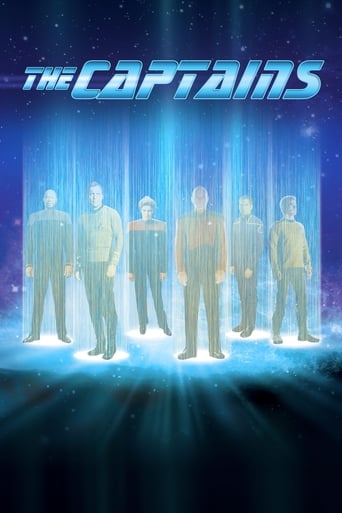
The Captains is a feature-length documentary film written and directed by William Shatner. The film follows Shatner as he interviews the other actors who have portrayed starship captains in the Star Trek franchise.
The making of Matrix Revolutions, The (2003) is briefly touched on here in this documentary. Interviews with various cast and crew members inform us how they were affected by the deaths of Gloria Foster and Aaliyah, and also delve into the making of the visual effects that takes up a lot of screen time. Written by Rhyl Donnelly

In the Realms of the Unreal is a documentary about the reclusive Chicago-based artist Henry Darger. Henry Darger was so reclusive that when he died his neighbors were surprised to find a 15,145-page manuscript along with hundreds of paintings depicting The Story of the Vivian Girls, in What is Known as the Realms of the Unreal, of the Glodeco-Angelinnian War Storm, Cased by the Child Slave Rebellion.

A documentary on the modeling industry's 'supply chain' between Siberia, Japan, and the U.S., told through the experiences of the scouts, agencies, and a 13-year-old model.

Pete Postlethwaite stars as a man living alone in the devastated future world of 2055, looking at old footage from 2008 and asking: why didn’t we stop climate change when we had the chance?
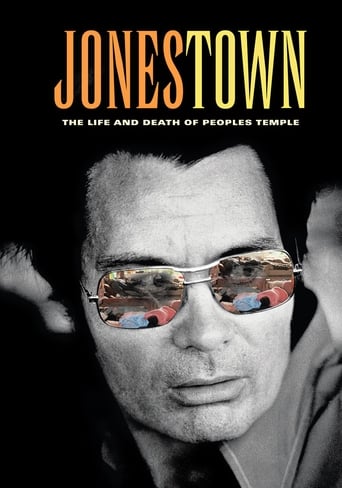
Featuring never-before-seen footage, this documentary delivers a startling new look at the Peoples Temple, headed by preacher Jim Jones who, in 1978, led more than 900 members to Guyana, where he orchestrated a mass suicide via tainted punch.

Through deeply personal interviews with her siblings and an examination of the photographs, letters, and belongings left behind, Mariska assembles a new portrait of her mother Jayne Mansfield, an extraordinary and complex woman.

In his latest documentary, Sean Menard gives viewers an unprecedented look at Vince Carter: the six-foot-six, eight-time NBA All-Star from Daytona Beach who made waves in the Canadian basketball scene when he joined the Toronto Raptors in 1998.
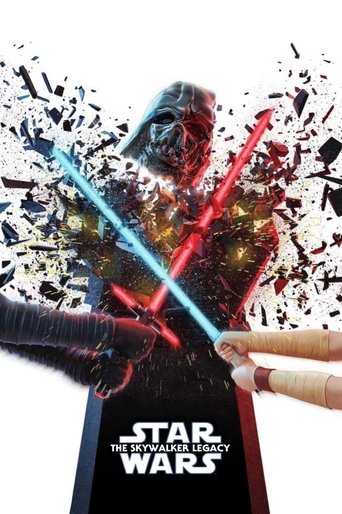
The story lives forever in this feature-length documentary that charts the making of Star Wars: The Rise of Skywalker.
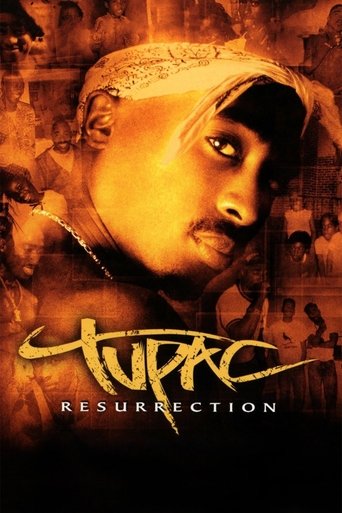
Home movies, photographs, and recited poetry illustrate the life of Tupac Shakur, one of the most beloved, revolutionary, and volatile hip-hop MCs of all time.
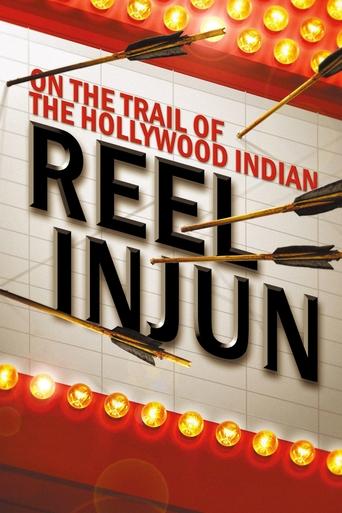
The evolution of the depiction of the various Native American peoples in cinema, from the silent era to the present day: how their image on the screen has changed the way to understand their history and culture.

A 1993 documentary film about Bruce Lee. The film includes interviews from some of his fellow students and opponents who worked alongside him in his movies.

From the heights of her modeling fame to her tragic death, this documentary reveals Anna Nicole Smith through the eyes of the people closest to her.

This revealing documentary honors the legendary Sidney Poitier—iconic actor, filmmaker, and civil rights activist. Featuring interviews with Denzel Washington, Spike Lee, Halle Berry, and more.
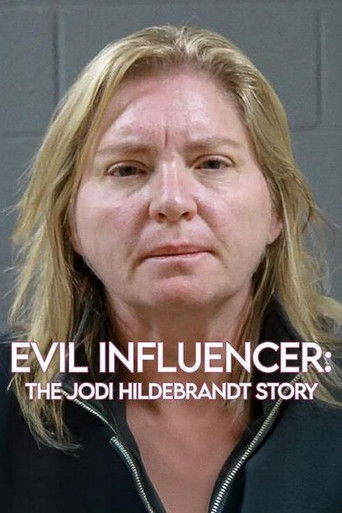
Unravel the case of Utah therapist Jodi Hildebrandt, whose child abuse arrest with parenting YouTuber Ruby Franke exposed a twisted tale of manipulation.
Similar titles

The Purge traces a dark and little-known moment in Canadian history: the systemic discrimination faced by members of the LGBT community within the Armed Forces and the federal public service. From 1950 to 1996, it was yesterday, no effort was spared to flush out these men and women deemed "immoral" and representing a "danger to national security": intensive and coercive interrogations, humiliating tests, polygraphs, forced confessions and denunciations.
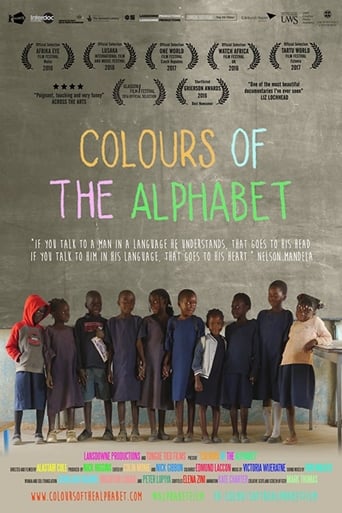
It is estimated that 40% of the world’s population lack the opportunity to be educated in their own language. In Colours of the Alphabet we get an insight into the challenges this poses as we follow a group of first graders in Zambia – a country with 72 local languages where education is primarily offered in English.
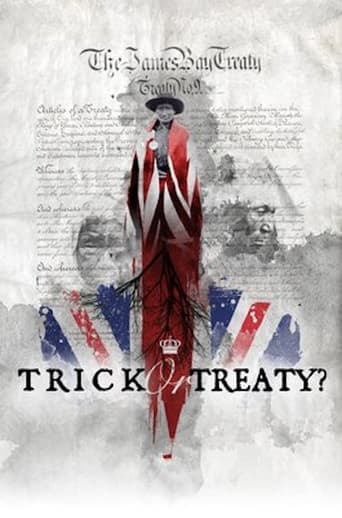
Legendary Canadian documentarian Alanis Obomsawin digs into the tangled history of Treaty 9 — the infamous 1905 agreement wherein First Nations communities relinquished sovereignty over their traditional territories — to reveal the deceptions and distortions which the document has been subjected to by successive governments seeking to deprive Canada’s First Peoples of their lands.
In the early 1970s, a group of young volunteers, the Free Youth Clinic of Winnipeg, operated a "crisis bus" to rescue young people experiencing bad drug trips, usually from LSD.
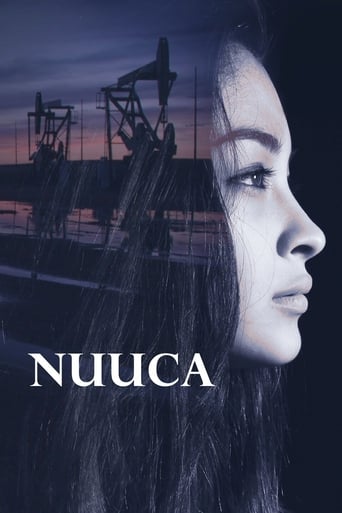
In this evocative meditation, a disturbing link is made between the resource extraction industries’ exploitation of the land and violence inflicted on Indigenous women and girls. Or, as one young woman testifies, “Just as the land is being used, these women are being used.”
The title of this video, taken from the texts of the architect Kengo Kuma, suggests a way of looking at everything as “interconnected and intertwined” - such as the historical and the present and the tool and the artifact. Images and representations of two structures in the Portland Metropolitan Area that have direct and complicated connections to the Chinookan people who inhabit(ed) the land are woven with audio tapes of one of the last speakers of chinuk wawa, the Chinookan creole. These localities of matter resist their reduction into objects, and call anew for space and time given to wandering as a deliberate act, and the empowerment of shared utility.
One Saturday morning, filmmaker Madison Thomas has a revelation: she’s just like her mother. As she thinks about a friend going through tough times, she feels the sudden urge to clean. Through the scrubbing and wiping and rinsing, Madison's thoughts drift to her mother — and her obsessive need to tidy. Madison’s mother survived a traumatic childhood: her own mother never reconciled what she went through at residential school. Cleaning offers moments of control that she didn’t have as a child. She’s fought hard, against all odds, to become a strong woman. They say trauma is in the genes, that it’s passed from one generation to the next. But strength is inherited too. Through rituals as simple as spending time together and smudging, Madison and her mother are beginning to mend the cycle of pain in their family. Declutter is an intimate look into a private moment between mother and daughter and the strength that carries them both.
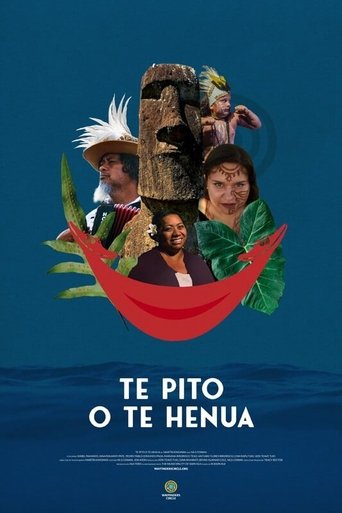
“Te Pito o Te Henua” (The Navel of the World) tells the story of the community behind Rapa Nui’s largest and most colorful annual Indigenous celebration, the Tāpati Rapa Nui Festival. Honoring ancient rites and competitions, Rapa Nui families participate in nine days of athletic feats, cultural demonstrations and ceremonies paying respect to the land, water and other natural beings of the island. They also crown a Queen to represent her people for a year throughout Polynesia and on the world stage. The film traces the journey of 19-year-old candidate Vaitiare and her family as they join work to earn her the crown and represent this small but well-known island as its people fight for increased autonomy and recognition on the world stage. Through intimate character portraits, behind-the-curtain moments and heartfelt musical performances, “Te Pito o Te Henua” reveals the true meaning of Tāpati and the deep connections the Rapa Nui share with their lands and waters.

Examines the impact a century of struggling for survival has on a native people. It weaves the Crow tribe's turbulent past with modern-day accounts from Robert Yellow-tail, a 97-year-old Crow leader and a major reason for the tribe's survival. Poverty and isolation combine with outside pressures to undermine the tribe, but they resist defeat as "Contrary Warriors," defying the odds.

Two Lawalapiti young men from Alto Xingu learn to build a canoe from the bark of the jatobá tree, a quick and simple technique that leaves the tree still rooted and alive, and that has ceased to be used and is only known by the oldest Lawalapiti men.
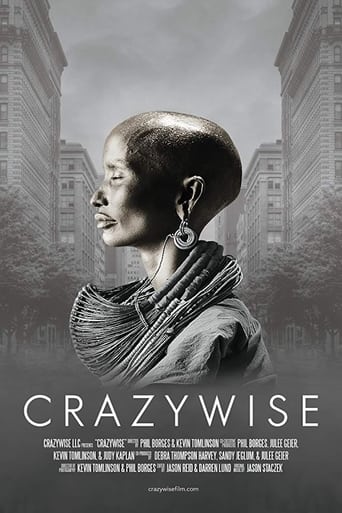
Western culture treats mental disorders primarily through biomedical psychiatry, but filmmakers Phil Borges and Kevin Tomlinson reveal a growing movement of professionals and survivors who are forging alternative treatments that focus on recovery and turning mental “illness” into a positive transformative experience.

North of the 51st parallel, where the dense boreal forest opens onto an arctic islet, the snow-capped peaks of the Uapishka Mountains watch over the Nitassinan of Pessamit. In the heart of winter, a group of Innu and non-Innu adventurers attempt to cross this vast mountain range on snowshoes, completely independently. Faced with the vastness of the territory, the rigors of the northern climate and the impetuous breath of the tundra, they discover each other in a different way, form friendships and unite to better chart their course. Over the kilometres, the adventure reveals a space for meeting, sharing and reconciliation.
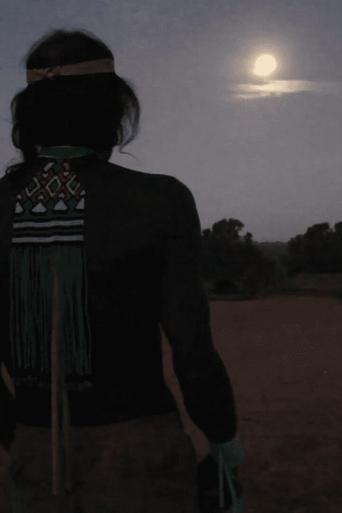
The Mentuwajê Guardians of Culture (a group of young Krahô filmmakers) invite the Beture Collective (Mebêngôkre-Kayapó) to visit their village and attend the Kêtwajê festival – an important initiation ritual that has not taken place for ten years. Over the course of several days, children and adolescents undergo various “tests” to transform into adult warriors, under the watchful and shared gaze of the local filmmakers and the Mebêngôkre-Kayapó guests.
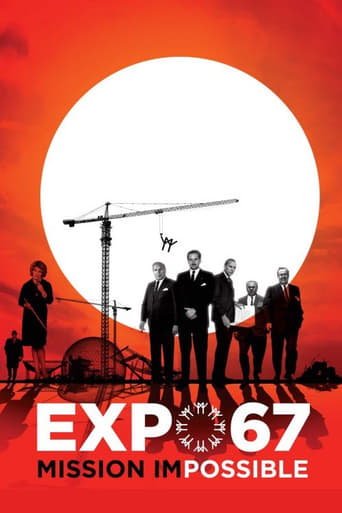
This documentary let us to relive the challenge of the men behind the 1967 Universal Exposition in Montréal, Canada. By searching trough 80,000 archival documents at the national Archives, they managed to bring light on one of the biggest logistical and political challenges that were faced by organizers during the "Révolution Tranquille" in the Québec sixties. Includes the accounts of the Chief of Advertising Yves Jasmin, and businessman Philippe de Gaspé Beaubien.
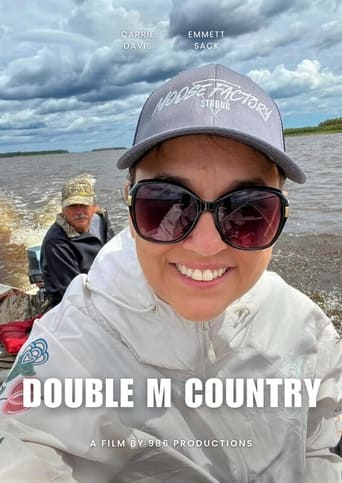
Carrie Davis was part of the child removal system near the end of the Sixties Scoop. With guidance from her uncle Emmett Sack and the community, Carrie reconnects to their land, language, and culture.
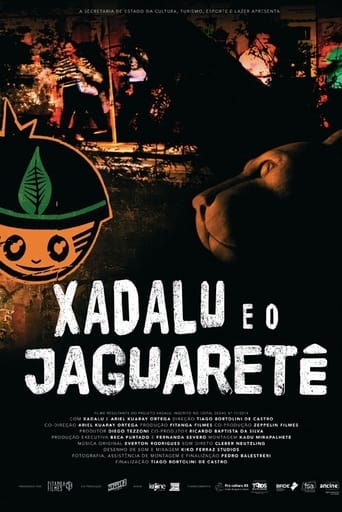
Documentary that accompanies the exchange between the mestizo urban artist Xadalu and the filmmaker of the Mbya Guarani ethnic group Ariel Kuaray Ortega. As part of his artistic quest, Xadalu goes on an immersion in Guarani territory, accompanied by Ariel. While traveling between villages, Xadalu transforms his experiences into art. After this period, Xadalu travels spreading his work through the streets of several cities. Ariel accompanies him filming wherever they go. Xadalu introduces Ariel to a new world: the world of street art. United in the same fight for the indigenous cause, Xadalu and Ariel cross over for special places and experiences, while their relationship evolves and changes.
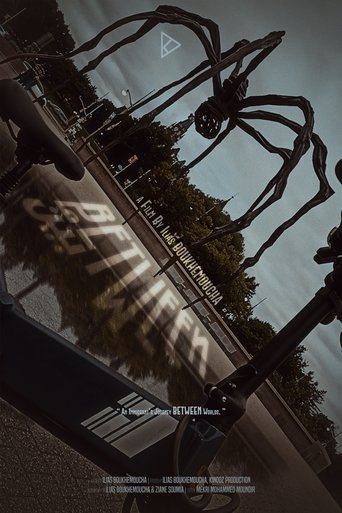
Initially embarking on an unplanned personal filmmaking project, Ilias Boukhemoucha finds himself drawn to the overlooked corners and marginalized communities within Canadian cities.
Yagorihwanirats, a Mohawk child from Kahnawake Mohawk Territory in Quebec, attends a unique and special school: Karihwanoron. It is a Mohawk immersion program that teaches Mohawk language, culture and philosophy. Yagorihwanirats is so excited to go to school that she never wants to miss a day – even if she is sick.
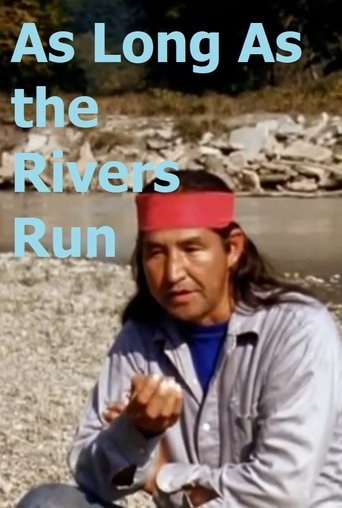
Examines the violence and civil disobedience leading up to the hallmark decision in U.S. v. Washington, with particular reference to the Nisqually Indians of Frank's Landing in Washington.
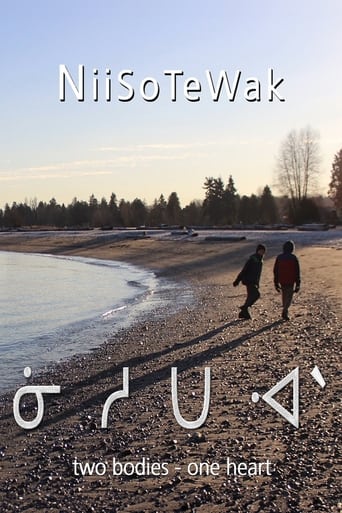
NiiSoTeWak means “walking the path together.” Tapwewin and Pawaken are 10-year-old brothers trying to make sense of the world, their family and each other. They’re already grappling with some heady questions about identity. What does it mean to be a twin? What does it mean to be Cree? How do you define yourself when you’re forever linked to someone else? The twins discuss these questions with their two elder brothers — 22-year-old actor Asivak and 20-year-old basketball player Mahiigan — and their parents, Jules and Jake.