

One Word
2020-05-31 · Runtime unavailable · Not rated
A documentary about the impacts of climate change on the Republic of the Marshall Islands and its people. Most parts of the Marshall Islands are less than 5.9 feet above sea level. Forecasts predict the uninhabitability of the country by 2050.
Trailers are previews, not full movies.
No authorized playback source configured. Use the legal watch options below.
Production details
- Directors
- Viviana Uriona
- Production companies
- Studio Kalliope
- Countries
- Germany, Marshall Islands
- Status
- Released
- Budget
- USD 294,000
Top Cast
Cast unavailable.
Title information and images are supplied by TMDb. Explore our discovery guide for advice on comparing metadata and legal viewing options.
Where to watch
Availability provided by JustWatch via TMDb. Offers can change. Provider links are listed on TMDb; full playback requires a separately authorized source.
Streaming
Amazon Prime Video, Philo, Fandor Amazon Channel, Amazon Prime Video with Ads
Rental
Amazon Video, Apple TV Store, Google Play Movies, YouTube, Fandango At Home
Purchase
Amazon Video, Apple TV Store, Google Play Movies, YouTube, Fandango At Home
Free
Kanopy, Hoopla, Vimeo, Fawesome
With ads
The Roku Channel, Fandango at Home Free, Cineverse, Tubi TV
View authorized watch options on TMDbSeasons & episodes
Recommendations
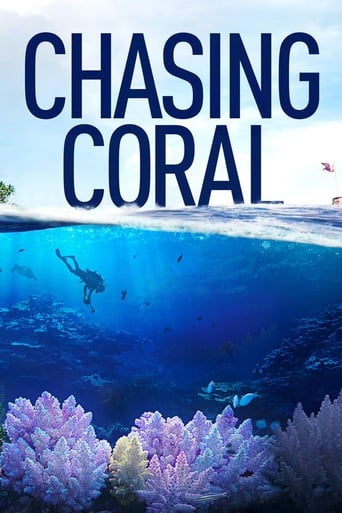
Coral reefs are the nursery for all life in the oceans, a remarkable ecosystem that sustains us. Yet with carbon emissions warming the seas, a phenomenon called "coral bleaching" -- a sign of mass coral death -- has been accelerating around the world, and the public has no idea of the scale or implication of the catastrophe silently raging underwater.
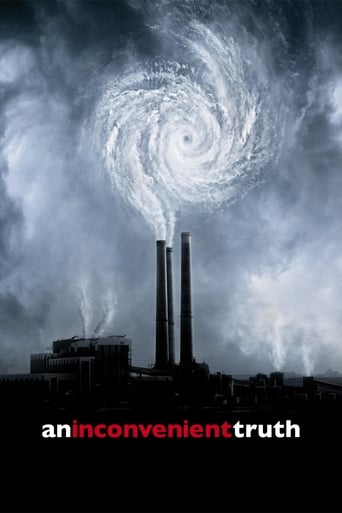
A documentary on Al Gore's campaign to make the issue of global warming a recognized problem worldwide.
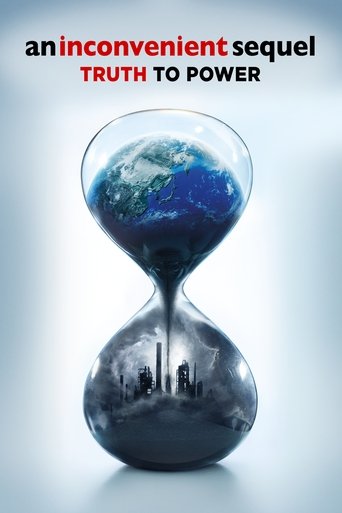
A decade after An Inconvenient Truth brought climate change into the heart of popular culture comes the riveting and rousing follow-up that shows just how close we are to a real energy revolution. Vice President Al Gore continues his tireless fight, traveling around the world training an army of climate champions and influencing international climate policy. Cameras follow him behind the scenes—in moments private and public, funny and poignant—as he pursues the empowering notion that while the stakes have never been higher, the perils of climate change can be overcome with human ingenuity and passion.
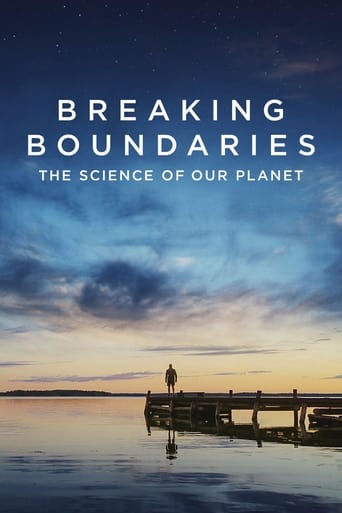
David Attenborough and scientist Johan Rockström examine Earth's biodiversity collapse and how this crisis can still be averted.
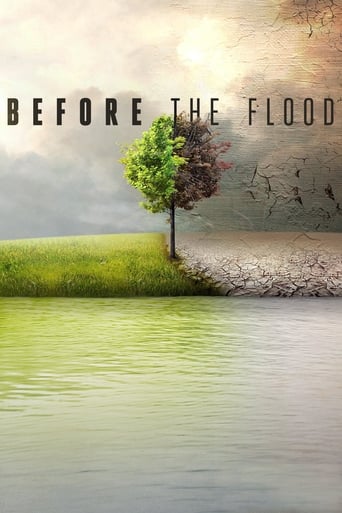
A look at how climate change affects our environment and what society can do to prevent the demise of endangered species, ecosystems, and native communities across the planet.
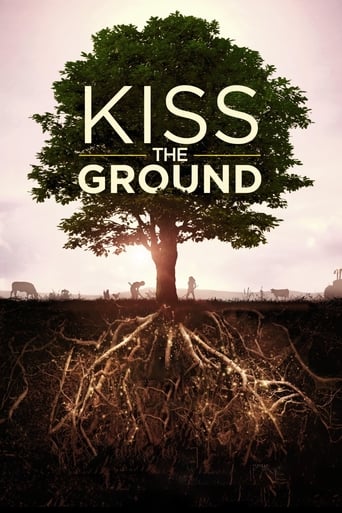
Sheds light on an alternative approach to farming called “regenerative agriculture” that could balance our climate, replenish our vast water supplies, and feed the world.

The film follows adventurer Jeff Johnson as he retraces the epic 1968 journey of his heroes Yvon Chouinard and Doug Tompkins to Patagonia.
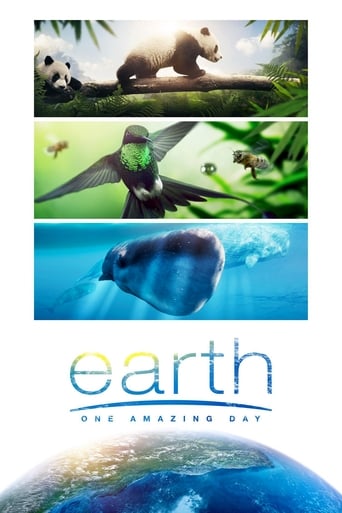
An astonishing journey revealing the awesome power of the natural world. Over the course of one single day, we track the sun from the highest mountains to the remotest islands to exotic jungles.
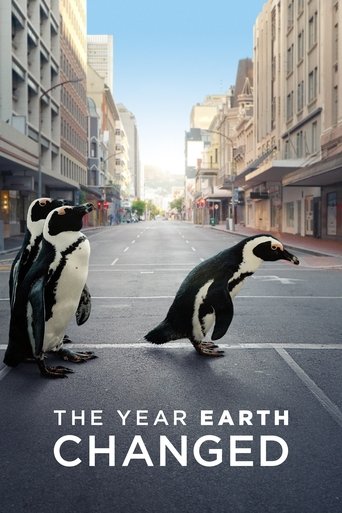
Never-before-seen footage shows how our living in lockdown opened the door for nature to bounce back and thrive. Across the seas, skies, and lands, Earth found its rhythm when we came to a stop.
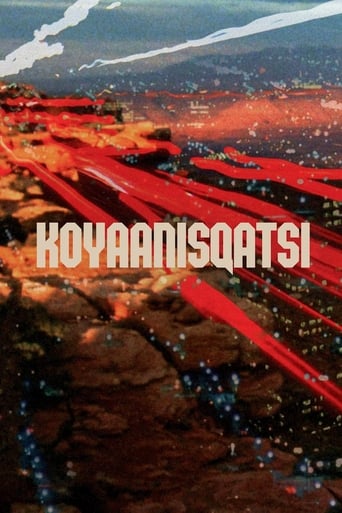
Takes us to locations all around the US and shows us the heavy toll that modern technology is having on humans and the earth. The visual tone poem contains neither dialogue nor a vocalized narration: its tone is set by the juxtaposition of images and the exceptional music by Philip Glass.

David Attenborough takes viewers on a breathtaking journey showing there is nowhere more vital for our survival, more full of life, wonder, or surprise, than the ocean. Through spectacular sequences featuring coral reefs, kelp forests and the open ocean, Attenborough shares why a healthy ocean keeps the entire planet stable and flourishing.

A feature length documentary about the all-women team at the helm of Pixar's original feature, Turning Red. With unprecedented behind-the-scenes access to Director Domee Shi and her core leadership crew, this story shines a light on the powerful professional and personal journeys that brought this incredibly comical, utterly relatable, and deeply heartfelt story to the screen.

An inside look at one of the most anticipated movie sequels ever with James Cameron and cast.

Follow the shocking, yet humorous, journey of an aspiring environmentalist, as he daringly seeks to find the real solution to the most pressing environmental issues and true path to sustainability.

Al Pacino's deeply-felt rumination on Shakespeare's significance and relevance to the modern world through interviews and an in-depth analysis of "Richard III."
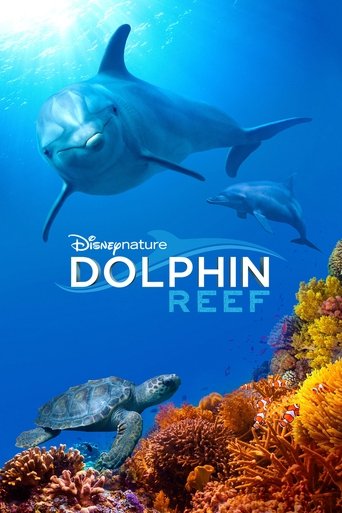
Echo is a youngster who can't quite decide if it's time to grow up and take on new responsibilities-or give in to her silly side and just have fun. Dolphin society is tricky, and the coral reef that Echo and his family call home depends on all of its inhabitants to keep it healthy. But Echo has a tough time resisting the many adventures the ocean has to offer.
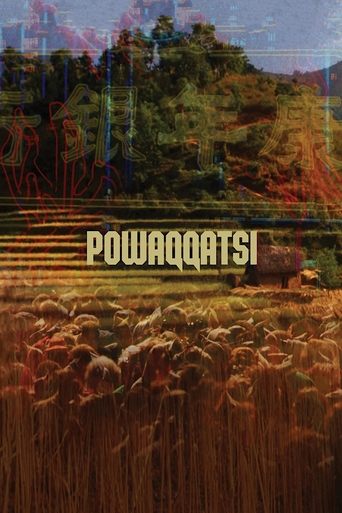
An exploration of technologically developing nations and the effect the transition to Western-style modernization has had on them.
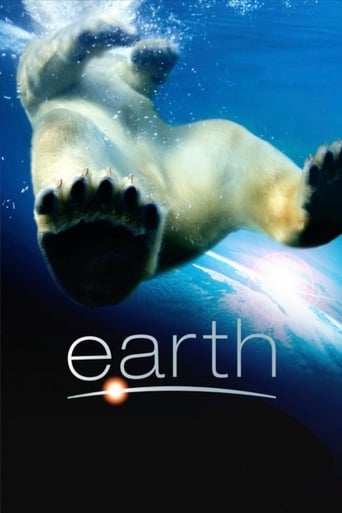
An epic story of adventure, starring some of the most magnificent and courageous creatures alive, awaits you in EARTH. Disneynature brings you a remarkable story of three animal families on a journey across our planet – polar bears, elephants and humpback whales.

Performance artist Marina Abramovic prepares for a major retrospective of her work at the Museum of Modern Art in New York.
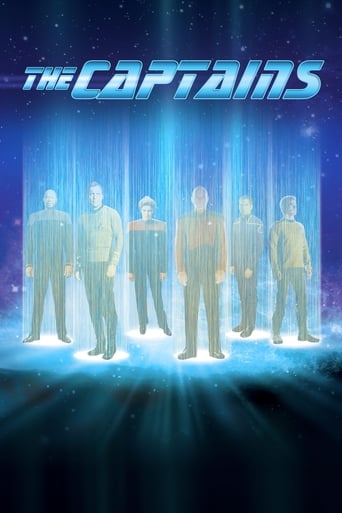
The Captains is a feature-length documentary film written and directed by William Shatner. The film follows Shatner as he interviews the other actors who have portrayed starship captains in the Star Trek franchise.
Similar titles
A documentary on Al Gore's campaign to make the issue of global warming a recognized problem worldwide.
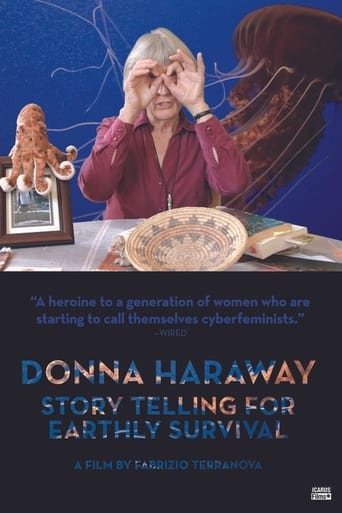
In Fabrizio Terranova’s film, Donna Haraway – an original thinker and activist, one of the founders of cyberfeminism and the author of A Cyborg Manifesto, which proposed a number of innovative theories about the existence of scientific knowledge – calls for the abandonment of the idea of human exceptionalism and for a conception of the world as complex web of interconnections between people, animals and machines. Jellyfish can be seen flying around her home while she discusses the stories that are necessary for Earth’s preservation and reads her fantastic tale of the art of survival on a broken planet, and of fusion and care between the species.

Zanzibar: Trouble in Paradise depicts a group of women who gained financial independence and stability in an otherwise male dominated culture through seaweed farming, until climate change killed the seaweed. The film follows the women, whose ingenuity led them to a new crop, more resistant to climate change: sea sponges. However, new challenges occurred; combating bacteria and climate change threatening their new product as well. In bringing the story of these women to light, the film demonstrates their resiliency and individual struggles facing the effects of climate change. While many documentaries focus on the science, Zanzibar shines a light on the disaster's impact upon those least likely to be heard.
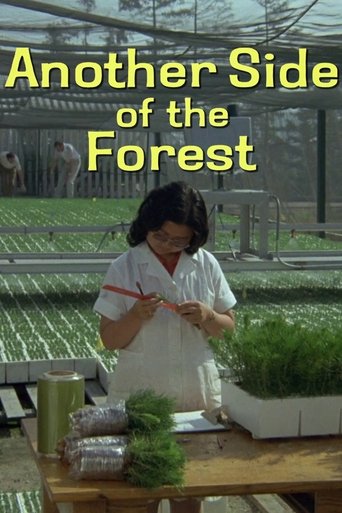
Developments in the Canadian forestry industry during the 1970s are shown being carried out both as lab experiments and in the field to protect and conserve the country's vast forests. These include turning a Newfoundland bog into woodland, fostering British Columbia seedlings that withstand mechanical planting, inoculating Ontario elms against the bark beetle, devising ways of controlling fire, and more.

Joy is an environmentalist documentary that follows the NBO Joygopalpur Gram Vikash Kendra in their journey to uplift their community from poverty and battling the effects of climate change by promoting a sustainable village model.

Our shoes go lots of places, across vast distances, and over many miles. But eventually, no matter how much we care for them, our shoes break down and usually get thrown away. Max Romey wanted to find out what happens to his old shoes, and in his film No Lost Shoes, highlights the full scale of the problem.
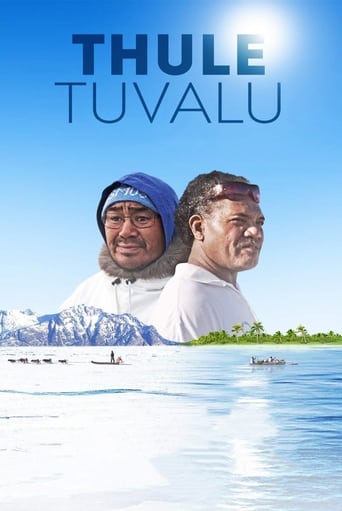
Thule, Greenland, also called Qaanaaqis, one of the northernmost towns in the world. As the climate warms and the ice caps begin to melt, the gentle balance of life for the people of this community is in jeopardy. On the other side of the globe, the melting ice caps are raising sea levels around the Polynesian island nation of Tuvalu, threatening to wipe the island right off the map. Though a world apart, these two communities are intricately connected as environmental balance begins to tip and traditional ways of life are threatened. 'ThuleTuvalu' is a stunning documentary addressing the high price of a hundred years of development and how two very different communities are now bound together in facing an uncertain future.
A surrealistic look at the future if man does not learn to control pollution.
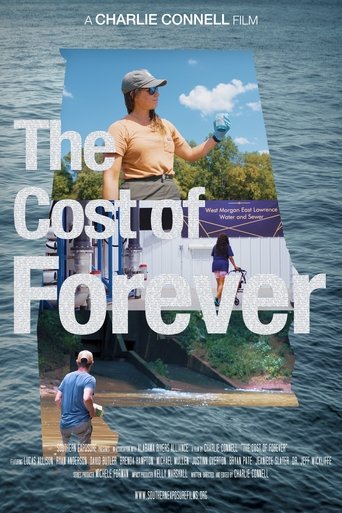
In "The Cost of Forever", we uncover the hidden and costly dangers of ‘forever chemicals’ in our rivers and drinking water sources, following Riverkeepers and water protectors as they strive to protect communities—and themselves—from PFAS contamination.
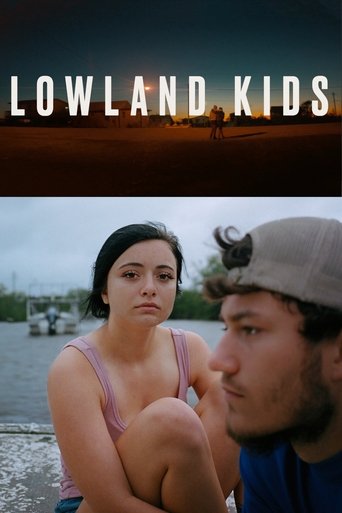
As climate change erases the Louisiana coast, the last two teenagers on Isle de Jean Charles fight to stay on an island that's been in their family home for generations. Feature film continuation of a short of the same name.

In isolation on Iceland’s Snæfellsnes Peninsula, Nigerian-born modular synthesis artist Colloboh transforms glacial and oceanic recordings into sonic compositions; uncovering a dialogue between ice and sea that reshapes his understanding of consciousness, ecological collapse, and humanity’s place within both.
A new uranium mill -- the first in the U.S. in 30 years -- would re-connect the economically devastated rural mining community of Naturita, Colorado, to its proud history supplying the material for the first atomic bomb. Some view it as a greener energy source freeing America from its dependence on foreign oil, while others worry about the severe health and environmental consequences of the last uranium boom.
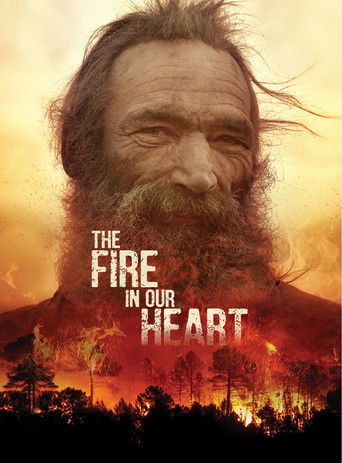
On British Columbia’s remote Southside, wildfire is not an abstract threat—it is a lived reality. As flames close in on a frontier community, the Cheslatta Carrier Nation and their neighbours face an impossible choice: evacuate, or stay to protect the land that defines them. With limited access and little outside support, the community responds collectively, drawing on Indigenous leadership, cooperation, and generations of knowledge to confront the fire in near isolation. In the aftermath, the burn reveals a long-erased Cheslatta village site, resurfacing a suppressed history just as their response gains wider attention as a model for resilience. But when the flames recede, new constraints emerge—raising questions about the limits of community-led action, and the fragile balance between survival, autonomy, and authority.
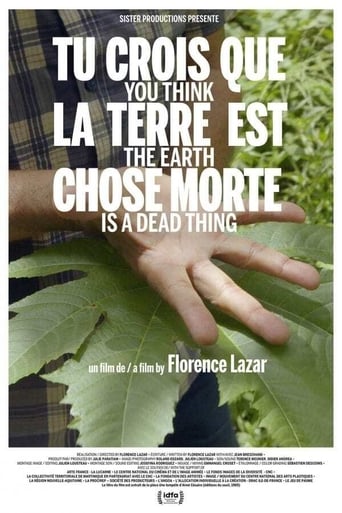
Just one of the many far-reaching impacts of the slave trade on human history is on agriculture and horticulture. While the French plantation owners on the Caribbean island of Martinique had their gardens laid out, Versailles-style, their enslaved workers continued their tradition of using medicinal wild herbs. Nowadays these herbs represent one of several resources through which the people of Martinique counter the health and ecological ravage caused by the use of pesticides on the banana plantations. Farmers are reclaiming uncultivated lands to grow indigenous vegetables, without any industrial pesticides; they fight boldly for simple biodiversity.
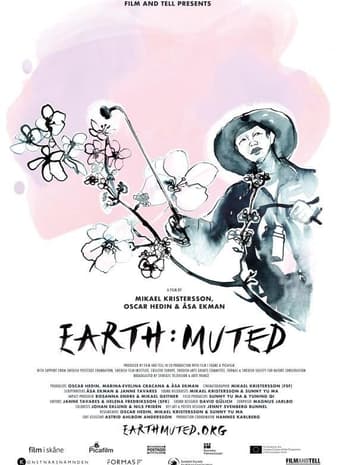
Three farming families in Hanyuan, China, strive to give their children a good life in the midst of an ecological crisis, as widespread use of pesticides leads to a dramatic decline in bees and other pollinating insects in the valley.
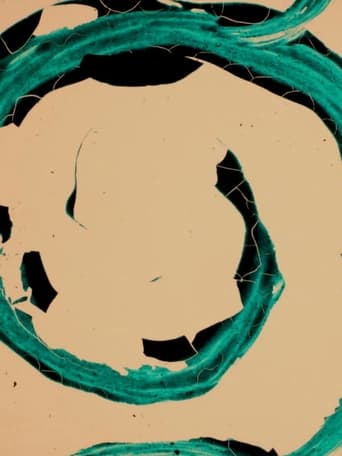
The Red Tide follows a life changing move to Florida. Exploring a new home located near famous earthworks by Robert Smithson, the enormous art collection-turned-museum of John Ringling, and beaches plagued by a toxic phenomenon called the ‘red tide’. Beginning with a recreation of Nancy Holt and Robert Smithson’s 1969 film, Swamp, the film describes a confusion between multiple anxieties: art’s legacy, climate change, and a longing to stay connected. Taken From Sally Lawton's Website: http://www.sallylawton.net/the-red-tide.html
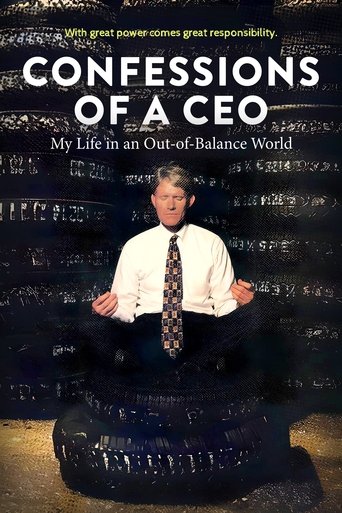
A bare-knuckled critique of corporate America told through the powerful true story of a toxic CEO who evolves from a profits-over-people, philandering executive to an unorthodox leader, populist messenger, and mentor to American influencers. It’s a story of growth, redemption and the impact of self-awareness on leadership and life.
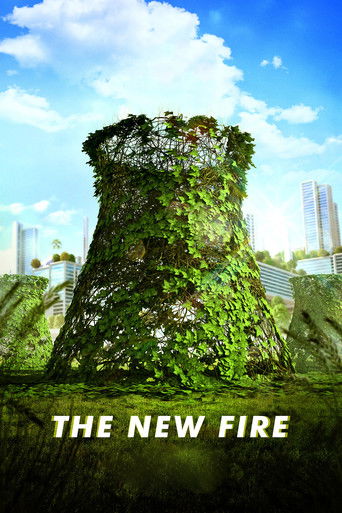
As the effects of climate change become more and more apparent, a new generation of nuclear engineers is on the rise, hoping to help solve this greatest environmental challenge humanity has ever faced. THE NEW FIRE is a documentary by Emmy-winning director David Schumacher, which provides a timely perspective on addressing climate change and global development. Nuclear energy has been vilified in much of the environmental community, yet the next-generation reactors currently in development may actually be the key to avoiding climate catastrophe
Takes us to locations all around the US and shows us the heavy toll that modern technology is having on humans and the earth. The visual tone poem contains neither dialogue nor a vocalized narration: its tone is set by the juxtaposition of images and the exceptional music by Philip Glass.

Meet influencer, online personality and Internet sensation PolarBarry: The mischievous Polar Bear who knows how to make the North Pole rumble. PolarBarry introduces his followers to the Climate Change debate. VLOG #207 sheds a light on the likeliness that humanity cannot act as a collective.