

Fear(less) and Dear
2020-10-22 · 106 min · Not rated
Hongkongers have been experiencing extremely difficult times due to the political movement caused by anti-Extradition Bill since the summer of 2019 followed by the COVID-19 pandemic. This film explores Hongkongers’ fear in various dimensions, be it a concept or actual physical experience, personal or political, private or public, or the mixing of these pairs.
Trailers are previews, not full movies.
No authorized playback source configured. Use the legal watch options below.
Production details
- Directors
- Anson Mak
- Production companies
- Unavailable
- Countries
- Hong Kong
- Status
- Released
Top Cast
Title information and images are supplied by TMDb. Explore our discovery guide for advice on comparing metadata and legal viewing options.
Where to watch
Availability provided by JustWatch via TMDb. Offers can change. Provider links are listed on TMDb; full playback requires a separately authorized source.
Availability not listed for this country.
Seasons & episodes
Recommendations
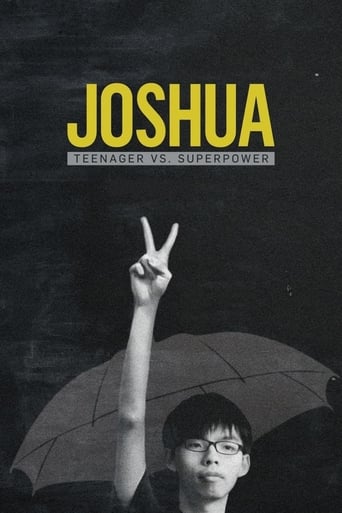
When the Chinese Communist Party backtracks on its promise of autonomy to Hong Kong, teenager Joshua Wong decides to save his city. Rallying thousands of kids to skip school and occupy the streets, Joshua becomes an unlikely leader in Hong Kong and one of China’s most notorious dissidents.

A string of threatening emails escalates into a revenge plot involving a newly married US marshal and his ex-girlfriend.

This documentary focuses on the actors and their journey over two summers to create the remake to the original IT, by Stephen King. The documentary originally released as bonus material, bundled with IT: Chapter Two.
A road trip across five countries to explore the social and political movements as well as the mainstream media's misperception of South America while interviewing seven of its elected presidents.

The film follows adventurer Jeff Johnson as he retraces the epic 1968 journey of his heroes Yvon Chouinard and Doug Tompkins to Patagonia.

A compilation of over 30 years of private home movie footage shot by Lithuanian-American avant-garde director Jonas Mekas, assembled by Mekas "purely by chance", without concern for chronological order.

A documentary that explores the downloading revolution; the kids that created it, the bands and the businesses that were affected by it, and its impact on the world at large.

An inside look at one of the most anticipated movie sequels ever with James Cameron and cast.

Ranjit, a farmer in India, takes on the fight of his life when he demands justice for his 13-year-old daughter, the victim of a brutal gang rape. His decision to support his daughter is virtually unheard of, and his journey unprecedented.
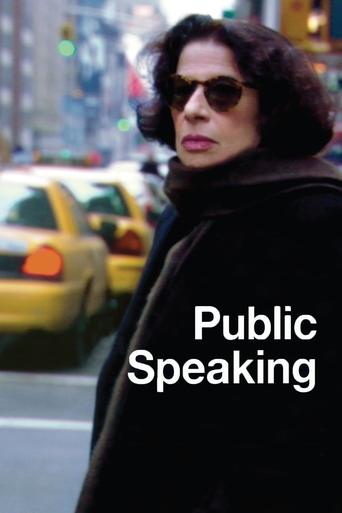
Martin Scorsese’s portrait of writer and social commentator Fran Lebowitz, celebrated for her sharp wit and observations on modern life. Filmed at New York’s Waverly Inn and intercut with archival footage and interviews, the documentary captures Lebowitz’s distinctive worldview through her spontaneous monologues and public appearances.

In an intimate and joyful story of love in the face of loss, celebrated poets Andrea Gibson and Megan Falley find strength—and unexpected hilarity—in what might be their final year together.

In the Realms of the Unreal is a documentary about the reclusive Chicago-based artist Henry Darger. Henry Darger was so reclusive that when he died his neighbors were surprised to find a 15,145-page manuscript along with hundreds of paintings depicting The Story of the Vivian Girls, in What is Known as the Realms of the Unreal, of the Glodeco-Angelinnian War Storm, Cased by the Child Slave Rebellion.

Director Michael Apted revisits the same group of British-born adults after a 7 year wait. The subjects are interviewed as to the changes that have occurred in their lives during the last seven years.
A documentary on the life of John Lennon, with a focus on the time in his life when he transformed from a musician into an antiwar activist.

A documentary on the expletive's origin, why it offends some people so deeply, and what can be gained from its use.

A 1993 documentary film about Bruce Lee. The film includes interviews from some of his fellow students and opponents who worked alongside him in his movies.

Through deeply personal interviews with her siblings and an examination of the photographs, letters, and belongings left behind, Mariska assembles a new portrait of her mother Jayne Mansfield, an extraordinary and complex woman.
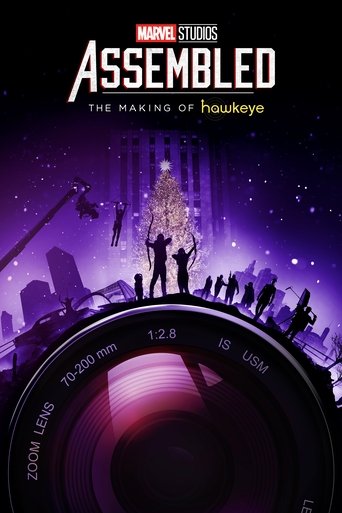
Join the likes of Jeremy Renner, Hailee Steinfeld, Florence Pugh, and Vincent D’Onofrio as they reveal how Marvel Studios’ “Hawkeye” was conceived and created. Witness firsthand what it took to pull off the show’s pulse-pounding action set pieces, and discover how iconic characters from the pages of Marvel Comics such as Kate Bishop were adapted and brought to life for the six-episode series.

A documentary about how a dominant cultural and demographic institution both sustains their traditional activities and adapts to the digital revolution.
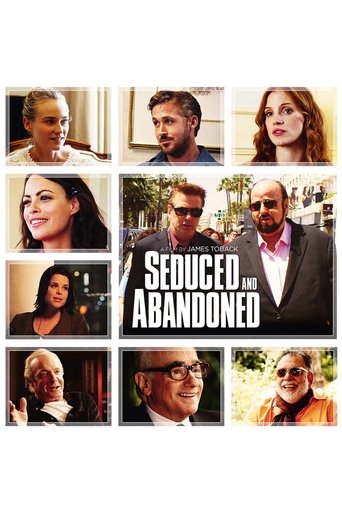
SEDUCED AND ABANDONED combines acting legend Alec Baldwin with director James Toback as they lead us on a troublesome and often hilarious journey of raising financing for their next feature film. Moving from director to financier to star actor, the two players provide us with a unique look behind the curtain at the world's biggest and most glamourous film festival, shining a light on the bitter-sweet relationship filmmakers have with Cannes and the film business. Featuring insights from directors Martin Scorsese, 'Bernando Bertolucci' and Roman Polanski; actors Ryan Gosling and Jessica Chastain and a host of film distribution luminaries.
Similar titles
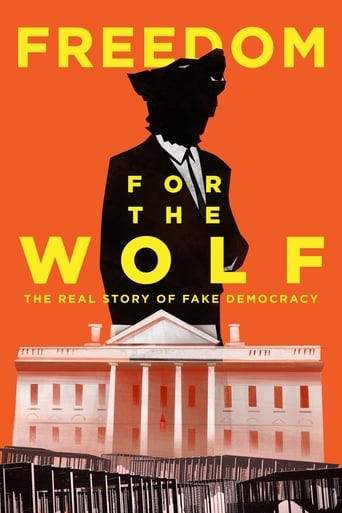
The Real Story of Fake Democracy. Filmed over three years in five countries, FREEDOM FOR THE WOLF is an epic investigation into the new regime of illiberal democracy. From the young students of Hong Kong, to a rapper in post-Arab Spring Tunisia and the viral comedians of Bollywood, we discover how people from every corner of the globe are fighting the same struggle. They are fighting against elected leaders who trample on human rights, minorities, and their political opponents.
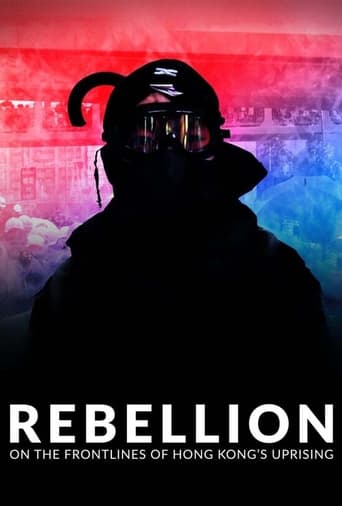
As the 'one country two systems' policy in Hong Kong has slowly eroded, resentment among the territory's citizens has steadily grown. What began as a series of spontaneous protests against an extradition law in March 2019 has now escalated in to a full-blown popular uprising that shows no signs of abating. ABC Four Corners reports from the frontline of the action, capturing extraordinary footage of the growing tension and violence.

Throughout Hong Kong’s history, Hongkongers have fought for freedom and democracy but have yet to succeed. In 2019, a controversial extradition bill was introduced that would allow Hongkongers to be tried in mainland China. This decision spurred massive protests, riots, and resistance against heavy-handed Chinese rule over the City-State. Award-winning director Kiwi Chow documents the events to tell the story of the movement, with both a macro view of its historical context and footage and interviews from protestors on the front lines.
The story of the 2019 Hong Kong protests, told through a series of demonstrations by local protestors that escalate into conflict when highly armed police appear on the scene.
This documentary / fund raiser film was produced in 1984 by the Hong Kong Salvation Army to raise sponsorship for their educational activities in the infamous Kowloon Walled City. The project was filmed in 16mm film.
Documentary about two boys and a girl who travel to surfing spots around the world.
I made June when I didn’t have any inspiration to create a feature film. The documentary is about the rarely known stories in the social movement in June. At first the clips of videos were kept for sorting out my feelings, but after being edited, they were made into a documentary and became a record of history. Six scenes and voices were used to tell what happened during that month.

This anthology film, whose Chinese title begins with a romantic name for human excrement, premiered internationally at Rotterdam and won Best Screenplay from the Hong Kong Film Critics Society. A variety of Hong Kong people wrestle with nostalgia when facing an uncertain future. Their stories give way to a documentary featuring a young barista turned political candidate.
In 1971, after being rejected by Hollywood, Bruce Lee returned to his parents’ homeland of Hong Kong to complete four iconic films. Charting his struggles between two worlds, this portrait explores questions of identity and representation through the use of rare archival footage, interviews with loved ones and Bruce’s own writings.

The work documented the story of Yuli, a Hong Kong domestic worker from Indonesia. She is a novelist who won a literature award and also a journalist dedicated to writing. Between the social event that happened in June in Hong Kong, her thoughts and caring about the city are far more from what people used to imagine a narrative of a domestic worker. They are not only domestic workers but they also have other social roles, e.g. a citizen who lived in Hong Kong.
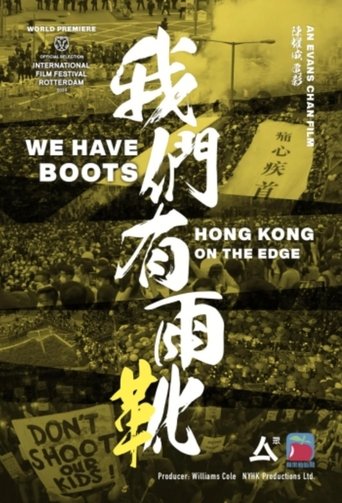
The Umbrella Movement of 2014, also known as the Occupy Movement, paved the way for Hong Kong’s current upheavals, but unfolded in significantly different ways. This creative documentary focuses on the intellectual, political, and discursive underpinnings of the social and political actions of 2014, before fast-forwarding to 2019. A range of thoughtful and engaged intellectuals, students, scholars, activists, and artists including Benny Tai, Chan Kin-man, Ray Wong, and Agnes Chow (many of whom are facing imprisonment for their democratic activism) articulate a range of philosophies, viewpoints and emotions, set against Hong Kong’s spectacular urban background of skyscrapers, night lights, and street-occupying mass movements.
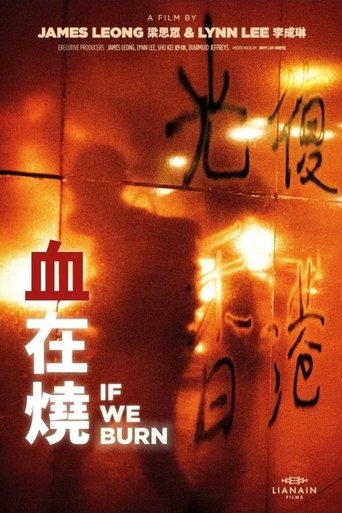
Hundreds of thousands − perhaps even millions − of protestors have taken to the streets of Hong Kong since early June. Sparked initially by the government's plans for a controversial extradition bill, the movement has now transformed into a broader push for greater freedoms and democracy, with anger over police brutality fuelling a cycle of violence. The protests are Hong Kong's biggest challenge to Beijing since its return to China in 1997. If We Burn looks at the movement through the eyes of Hong Kongers whose fates, like their city's future, now hang in the balance.
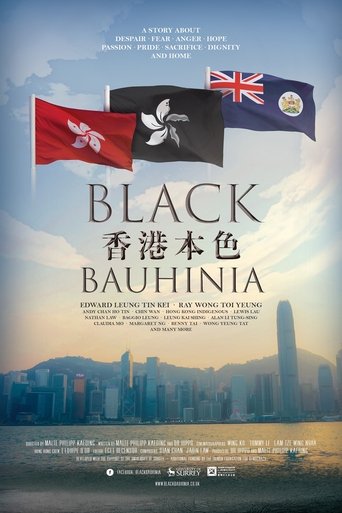
Two young Hong Kong activists reflect on their resistance against China, are forced to decide between long-term imprisonment and refugee camps for a life in exile, while their movement inspires mass protests in the city they love.

Talking to two fishermen made me realize I have never looked at Hong Kong from their perspective. Urban Diary tries to look at Hong Kong and see our shoreline from the sea. We filmed the two fishermen in action, getting on their fishing boat, experiencing fishing and looking at the ongoing reclamation of the harbour with them.

In late 2009, over twenty Hong Kong civic groups united as the "Anti-High-Speed Rail, Stop Funding" coalition, aiming to halt Legislative Council approval of the HKD 66.9 billion Express Rail Link amid deep social rifts. The "Post-80s Anti-High-Speed Rail Youth" group drew thousands of young people with their slogan “Defend Our Homeland, Protest with Joy,” leading to three funding suspensions that surprised the public. Media coverage was intense and innovative, featuring rare camera angles and lively online debate among journalists. This documentary explores how reporters shaped the movement, their emotional involvement, and the dynamic relationship between the media and activists during Hong Kong’s pivotal 2009–10 protests.

After the anti-express rail protests, Choi Yuen Village’s struggle did not end with the railway project approval. Villagers shifted from fighting demolition to painstakingly relocating and rebuilding their community. In 2011, they planned the new village together—including house design, sewage, and land use—while facing government pressure to move out by November. Road access issues caused additional worries. As demolition began, villagers stood together to protect their homes and demanded time to build before moving. By May 2011, villagers left their longtime homes for makeshift housing on newly bought farmland, continuing their collective effort. Their unity in overcoming countless challenges set an example for other rural communities and shows that real resistance is a long journey requiring ongoing attention.
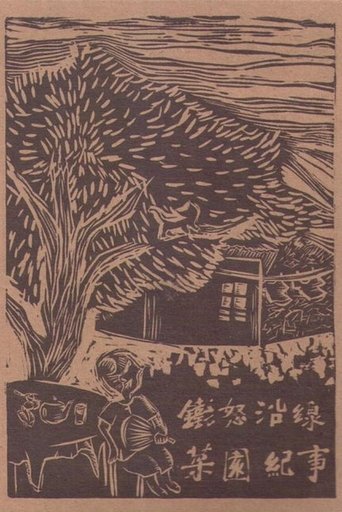
This is a film about Choi Yuen Village, documenting villagers’ lives in the summer and autumn of 2009. Suddenly, weekly meetings, guided tours, protests, and ambiguous government consultations entered their routines. They had to recount their personal histories and the meaning of life. The common belief that protests were only about money began to loosen. The word "agriculture" reemerged for Hongkongers. The timeline depicted in the film leads up to the peak of the anti-high-speed rail protests around the Legislative Council. In the end, the railway was decided to build. In spring and summer 2010, villagers searched for land and negotiated with the government to rebuild their homes and lifestyle, valuing community, and coexistence with nature. What sustains their deep connection to land and life?

Choi Yuen Village faced demolition by the express rail project. In 2009, villagers protested and petitioned, sparking the anti-express rail movement. Despite their efforts, the railway plan was approved in early 2010. Forced to choose between leaving or rebuilding, they opted for the government’s land rehabilitation scheme to create a new village together. With volunteers, they searched for land in Pat Heung and fought to prove their status as farmers. Many outsiders misunderstood, believing the villagers received generous compensation and government help. Yet, it was the villagers’ shared determination and love for their land and way of life that carried them through, even as the once-barren longan trees bloomed again in 2010.
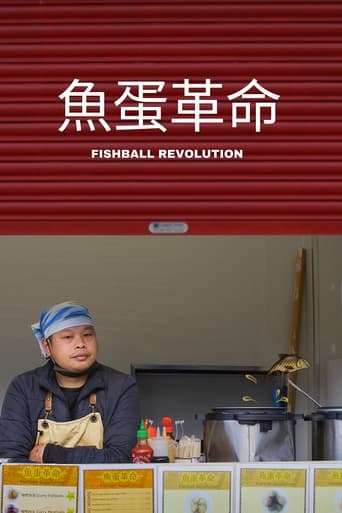
An asylum seeker from Hong Kong builds a new life for himself in Glasgow, using his passion for street food to maintain his cultural identity.
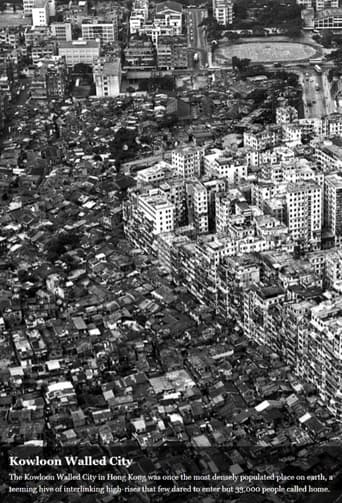
The Kowloon Walled City in Hong Kong was once the densest place on earth, a virtually lawless labyrinth of crime, grime, commerce and hope. A Wall Street Journal documentary tracks its colorful legacy and brings the place alive 20 years later.