
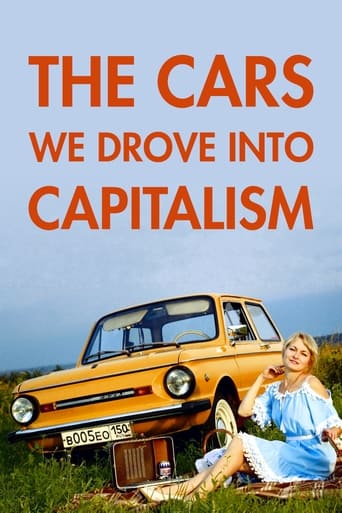
The Cars We Drove into Capitalism
2021-10-27 · 93 min · ★ 7.7
A cinematic, character-driven insight to what it meant to produce and to own a car in communist times: the Socialist propaganda dreams and the hard reality of living that dream. The freedom that these slow and clumsy vehicles were giving to their owners; the cars as an instrument in the Cold War battle; legends and homemade tune-ups as an attempt to stand at least a little bit off the crowd.
Trailers are previews, not full movies.
No authorized playback source configured. Use the legal watch options below.
Production details
- Directors
- Georgi Bogdanov, Boris Missirkov
- Production companies
- Agitprop, Endorfilm, Danish Documentary, Saxonia Entertainment, Hulahop, MDR, ARTE
- Countries
- Germany, Bulgaria, Croatia, Denmark, Czech Republic
- Status
- Released
Top Cast
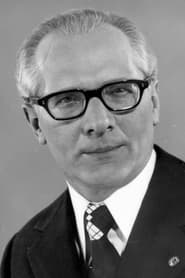 Erich HoneckerSelf (archive footage)
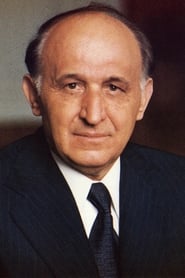 Todor ZhivkovSelf (archive footage)
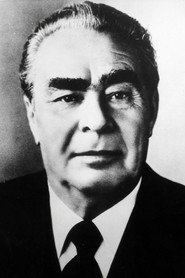 Leonid BrezhnevSelf (archive footage)
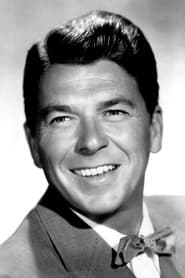 Ronald ReaganSelf (archive footage)
Title information and images are supplied by TMDb. Explore our discovery guide for advice on comparing metadata and legal viewing options.
Where to watch
Availability provided by JustWatch via TMDb. Offers can change. Provider links are listed on TMDb; full playback requires a separately authorized source.
Availability not listed for this country.
Seasons & episodes
Recommendations
In 1936, Victor H. Green (1892-1960) published The Negro Motorist Green Book, a book that was both a travel guide and a survival manual, to help African-Americans navigate safe those regions of the United States where segregation and Jim Crow laws were disgracefully applied.

“The Soviet Story” is a story of an Allied power, which helped the Nazis to fight Jews and which slaughtered its own people on an industrial scale. Assisted by the West, this power triumphed on May 9th, 1945. Its crimes were made taboo, and the complete story of Europe’s most murderous regime has never been told. Until now...
For the 20th anniversary of "Titanic," James Cameron reopens the file on the disaster.

The history of cinematic sound, told by legendary sound designers and visionary filmmakers.
A disturbing collection of 1940s and 1950s United States government-issued propaganda films designed to reassure Americans that the atomic bomb was not a threat to their safety.
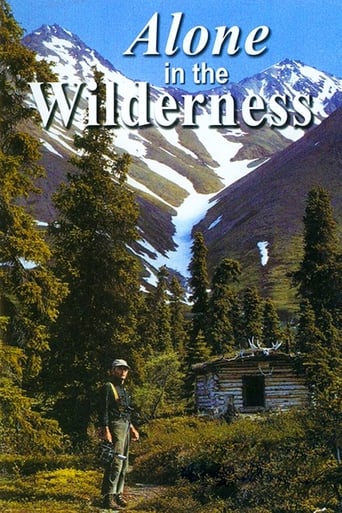
Dick Proenneke retired at age 50 in 1967 and decided to build his own cabin in the wilderness at the base of the Aleutian Peninsula, in what is now Lake Clark National Park. Using color footage he shot himself, Proenneke traces how he came to this remote area, selected a homestead site and built his log cabin completely by himself. The documentary covers his first year in-country, showing his day-to-day activities and the passing of the seasons as he sought to scratch out a living alone in the wilderness.
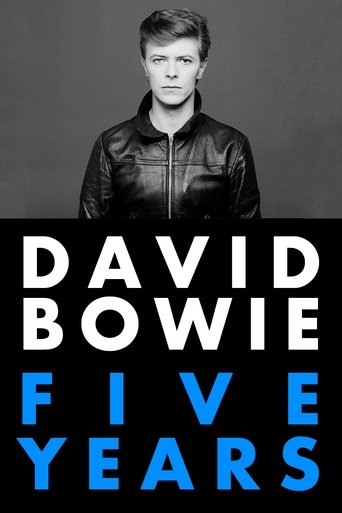
Featuring a wealth of previously unseen archive, this film looks at how Bowie continually evolved: from Ziggy Stardust to the Soul Star of Young Americans, to the ‘Thin White Duke’. It explores his regeneration in Berlin with the critically acclaimed album Heroes, his triumph with Scary Monsters and his global success with Let’s Dance. With interviews with all his closest collaborators, David Bowie - Five Years presents a unique account of why Bowie has become an ‘icon of our times’.

On September 15, 1963, a bomb destroyed a black church in Birmingham, Alabama, killing four young girls who were there for Sunday school. It was a crime that shocked the nation--and a defining moment in the history of the civil-rights movement. Spike Lee re-examines the full story of the bombing, including a revealing interview with former Alabama Governor George Wallace.
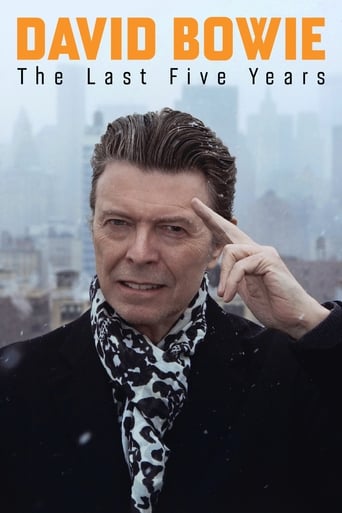
In the last five years of his life, David Bowie ended nearly a decade of silence to engage in an extraordinary burst of activity, producing two groundbreaking albums and a musical. David Bowie: The Last Five Years explores this unexpected end to a remarkable career. Made with remarkable access, Francis Whately’s documentary is a revelatory follow-up to his acclaimed 2013 documentary David Bowie: Five Years, which chronicled Bowie’s golden ‘70s and early-‘80s period.

Oliver Stone charts the history of the United States from the Second World War to the present.
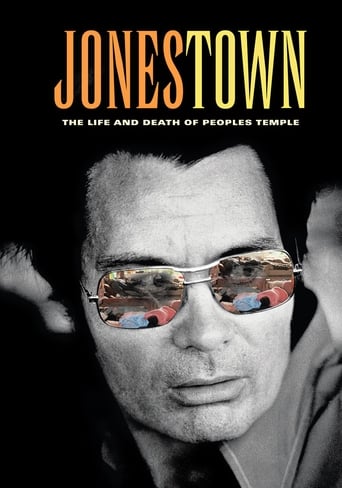
Featuring never-before-seen footage, this documentary delivers a startling new look at the Peoples Temple, headed by preacher Jim Jones who, in 1978, led more than 900 members to Guyana, where he orchestrated a mass suicide via tainted punch.
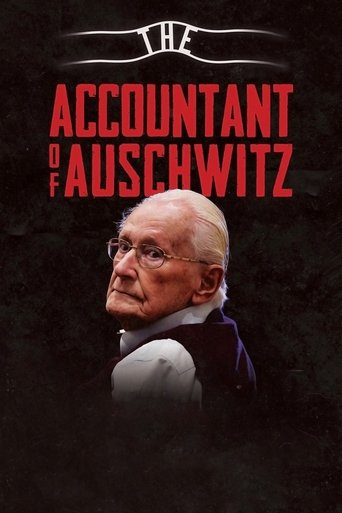
Oskar Gröning, known as the "Accountant of Auschwitz," was charged with the murder of 300,000 Jews. When he took the stand in 2015, at the age of 94, his trial made headlines worldwide.

A documentary highlighting the Soviet Union's legendary and enigmatic hockey training culture and world-dominating team through the eyes of the team's Captain Slava Fetisov, following his shift from hockey star and celebrated national hero to political enemy.
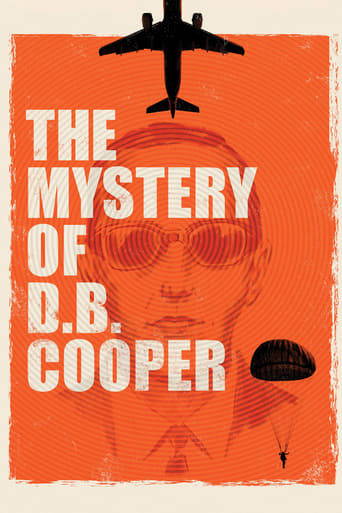
This documentary brings to life the stories of four people believed by their family and friends to be “DB Cooper,” a man who hijacked a 727 flying out of Seattle and jumped from the plane over the wilds of Washington State with a parachute and $200,000, never to be heard from again.
A story of two coalitions – ACT UP and TAG (Treatment Action Group) – whose activism and innovation turned AIDS from a death sentence into a manageable condition. Despite having no scientific training, these self-made activists infiltrated the pharmaceutical industry and helped identify promising new drugs, moving them from experimental trials to patients in record time.
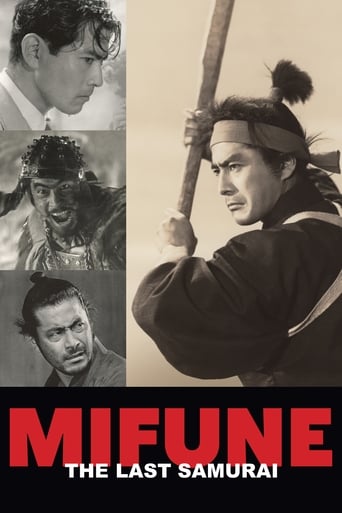
An account of the life and work of legendary Japanese actor Toshirō Mifune (1920-97), the most prominent actor of the Golden Age of Japanese cinema.
This Oscar-winning documentary recounts the harrowing stories of five Hungarian Jews who endured the horrors of the Holocaust and Hitler's reign.
In 1972, a seemingly typical shoestring budget pornographic film was made in a Florida hotel: "Deep Throat," starring Linda Lovelace. This film would surpass the wildest expectation of everyone involved to become one of the most successful independent films of all time. It caught the public imagination which met the spirit of the times, even as the self-appointed guardians of public morality struggled to suppress it, and created, for a brief moment, a possible future where sexuality in film had a bold artistic potential. This film covers the story of the making of this controversial film, its stunning success, its hysterical opposition along with its dark side of mob influence and allegations of the on set mistreatment of the film's star.
Michael Moore comes home to the issue he's been examining throughout his career: the disastrous impact of corporate dominance on the everyday lives of Americans (and by default, the rest of the world).
The story of the gold-plated statuette that became the film industry's most coveted prize, AND THE OSCAR GOES TO... traces the history of the Academy itself, which began in 1927 when Louis B. Mayer, then head of MGM, led other prominent members of the industry in forming this professional honorary organization. Two years later the Academy began bestowing awards, which were nicknamed "Oscar," and quickly came to represent the pinnacle of cinematic achievement.
Similar titles
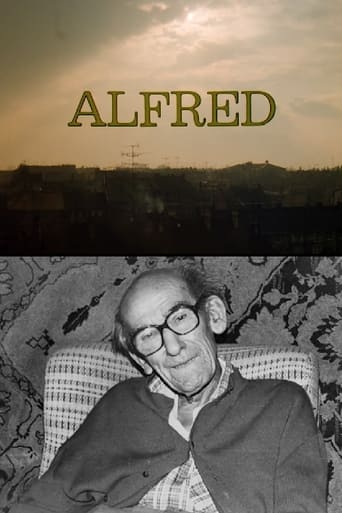
Short biographical documentary about the life of Alfred Florstedt and his life as a progressive communist from the Weimar Republic to his death in 1985.
Russian army recruits complete training and take their posting in late 1980s Afghanistan, where the insurgents are slowly gaining the upper hand.
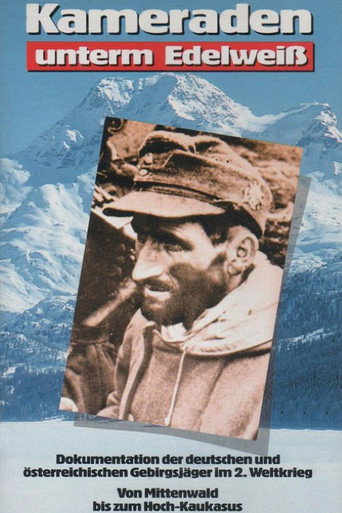
This rare documentary was filmed with the participation and personal camera of Wolfgang Gorther, a German military cinematographer of the 1st mining division, who participated in the legendary ascent of Elbrus on the night of August 21, 1942. From the beginning of the Second World War and the last international winter sports week in Garmisch-Partenkirchen follows the invasion of the German troops into the Soviet Union: Dnieper, Zaporozhy, Kharkov, Rostov-on-Don, Nogaean Steppe, Caucasus – fighting at 50 degrees below zero, military expedition into the world of ice and snow; – ascent of mountain arrows and subsequent hoisting of flags on the Elbrus at an altitude of 5,633 meters.

The filmmaker's mother describes stories of his lustful youth over the phone, causing them to reflect on his current love life at the age of 30.
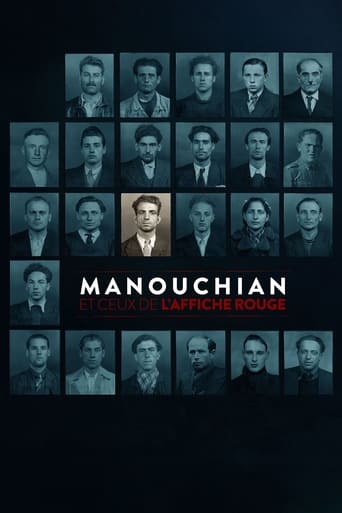
In February 1944, in a courtyard at Fresnes Prison, the Germans staged a spectacle to stigmatize a group of communist resistance fighters—all foreigners and mostly Jewish—who had been arrested a few weeks earlier. The propaganda aimed to discredit these fighters, portraying them as terrorists and criminals, even though they had managed to carry out numerous attacks against the occupiers in Paris. The red poster, plastered in thousands of copies across the country, would immortalize them in legend. They were subsequently executed at Mont-Valérien, near Paris. Missak Manouchian, the Armenian who led these fighters, now embodies this group in the collective memory as he is enshrined in the Panthéon, on behalf of all his comrades, 80 years after their execution.
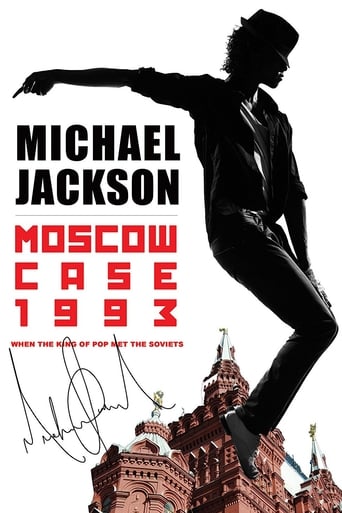
The Moscow Case is a 52 minute documentary with never-before-seen footage of Michael Jackson in Moscow during the "Dangerous" tour. This film tells the behind the scenes story of Jackson's ill fated concert in September 1993. It includes unique archival footage showing Michael close up and personal while meeting fans and playing with orphan children.
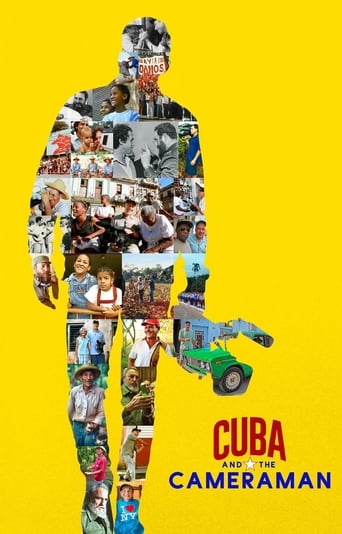
This revealing portrait of Cuba follows the lives of Fidel Castro and three Cuban families affected by his policies over the last four decades.
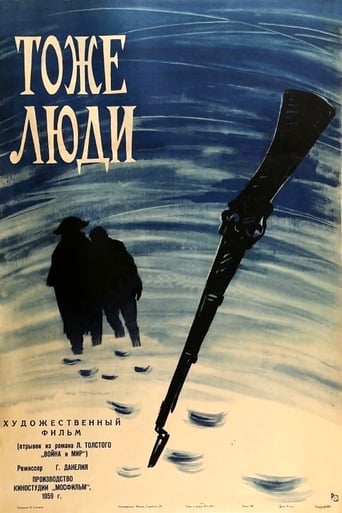
Based on an excerpt from the novel by L.N.Tolstoy "War and Peace." The war of 1812. The defeated Napoleonic army is retreating. Three Russian soldiers settled in a snowy forest near a fire: a young (Zaletayev), an elderly and a middle-aged one. Zaletayev fantasizes — as if he had captured Napoleon. The soldiers laugh good-naturedly at him. After dinner, they fall asleep... Two Frenchmen go to the clearing — an officer and a soldier. Russian soldiers wake up and, seeing that the officer is barely standing on his feet from cold and hunger, take him to the colonel. The French soldier sits down to the fire. The Russians give him porridge and vodka. The soldier, encouraged, sings a french song. Zaletayev echoes him. A tired Frenchman falls asleep on Zaletayev’s shoulder. The soldiers carefully shelter him. “Also people,” an elderly soldier says with a sigh.
Meet Andrew Lindy: a man with a camera and sex on his mind. Andrew is a New Yorker who travels the world to capture beauty for various freelance jobs. Andrew chases beauty but he longs for a connection. On an assignment for ELLE magazine, Andrew travels to Cuba and brings his camera and appetite for women with him. This is a look at the lack of sexual taboo in Cuba, as well as the financial difficulties that lead to prostitution in some Cubans, for the purpose of survival.
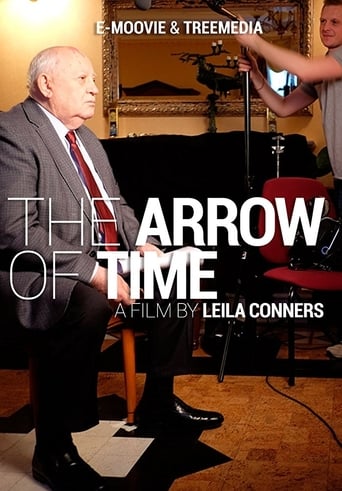
President Mikhail Gorbachev recounts the end of the Cold War and the reduction of nuclear arms.
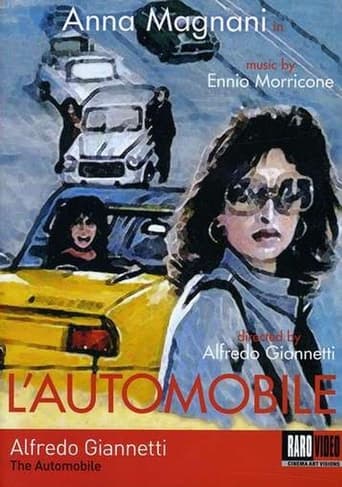
An ex-prostitute, feeling an emptiness in her life, decides to fill it by buying a car.
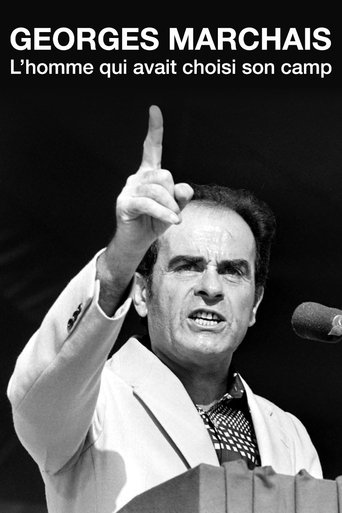
Both a political narrative and a psychological reflection, this documentary explores the personal journey of a quarry worker’s son from Calvados who rose to become the last great figure of the French Communist Party. It delves into the logic that shaped his path and his lasting impact on France’s history.

The riveting biography of 102-year-old CIA spymaster Peter Sichel, who unpacks the obscured roots of conflicts that plague today’s world and the toll espionage took on his personal life.

2019 marks the 30th year since the fall of the Berlin Wall and the end of the Cold War. Rich Hall examines the relationship between the West and the USSR in his inimitable fashion.
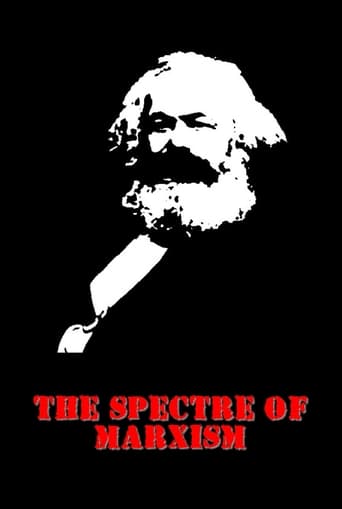
The impact of Marx on the 20th century has been all-pervasive and world-wide. This program looks at the man, at the roots of his philosophy, at the causes and explanations of his philosophical development, and at its most direct outcome: the failed Soviet Union.
Tensions between the USSR and the United States were high in 1959, with the seemingly constant threat of nuclear war. Then some unlikely ambassadors stepped forward to clear all that away: the Harlem Globetrotters. From Harlem With Love is the story of how a group of barnstorming basketball players traveled to the heart of the Soviet Union at the height of the Cold War and bridged a cultural gap many thought would stand forever.

U.S. nuclear tests in space, and the development of the military intercontinental ballistic missile (ICBM).
When a renegade Russian general sends a nuclear bomb hurtling toward the Middle East aboard a hijacked train, special agents are dispatched to disarm the deadly device. Ten tons of steel and one ounce of hot plutonium are now riding roughshod through Europe. With time running out, the agents launch a desperate, bullet-packed assault on a deadly moving target piloted by a cold-blooded mercenary.
The sad story of a drunken athlete.