
Fleeing the Reich
2005-05-11 · 47 min · Not rated
In 1940, carried on a wave of rumour and panic, thirty thousand Channel Islanders fled their homes, their livelihoods and the islands for five long years in exile. Arriving in England with just one small case and only twenty pounds in cash, they were sent by rail across the country from Oldham to Glasgow. Children separated from parents, all cast adrift in an alien culture. Homeless and jobless, the adventures that befell them helped forge friendships the length and breadth of Great Britain which survive to this day. This is their story.
Trailers are previews, not full movies.
No authorized playback source configured. Use the legal watch options below.
Production details
- Directors
- Martin Morgan
- Production companies
- Clearvue Projection Partnership
- Countries
- United Kingdom
- Status
- Released
Top Cast
Cast unavailable.
Title information and images are supplied by TMDb. Explore our discovery guide for advice on comparing metadata and legal viewing options.
Where to watch
Availability provided by JustWatch via TMDb. Offers can change. Provider links are listed on TMDb; full playback requires a separately authorized source.
Availability not listed for this country.
Seasons & episodes
Recommendations

When Allied forces liberated the Nazi concentration camps in 1944-45, their terrible discoveries were recorded by army and newsreel cameramen, revealing for the first time the full horror of what had happened. Making use of British, Soviet and American footage, the Ministry of Information’s Sidney Bernstein (later founder of Granada Television) aimed to create a documentary that would provide lasting, undeniable evidence of the Nazis’ unspeakable crimes. He commissioned a wealth of British talent, including editor Stewart McAllister, writer and future cabinet minister Richard Crossman – and, as treatment advisor, his friend Alfred Hitchcock. Yet, despite initial support from the British and US Governments, the film was shelved, and only now, 70 years on, has it been restored and completed by Imperial War Museums under its original title "German Concentration Camps Factual Survey".
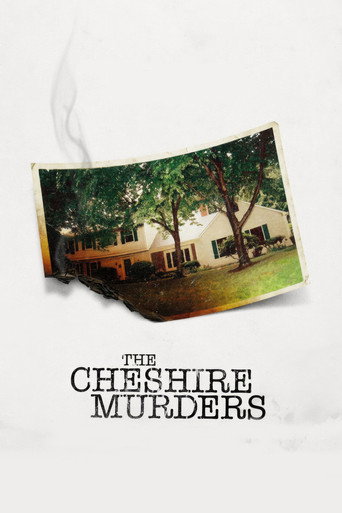
In the early-morning hours of July 23, 2007, in Cheshire, Conn., ex-convicts Steven Hayes and Joshua Komisarjevsky broke into the family home of William Petit, his wife, Jennifer, and their daughters, Michaela, 11, and Hayley, 17. Dr. Petit was beaten and tied to a pole in the basement. The three women were bound in their bedrooms while the men ransacked the house. The brutal ordeal continued throughout the morning, ending with rape, arson and a horrific triple homicide.

Through deeply personal interviews with her siblings and an examination of the photographs, letters, and belongings left behind, Mariska assembles a new portrait of her mother Jayne Mansfield, an extraordinary and complex woman.
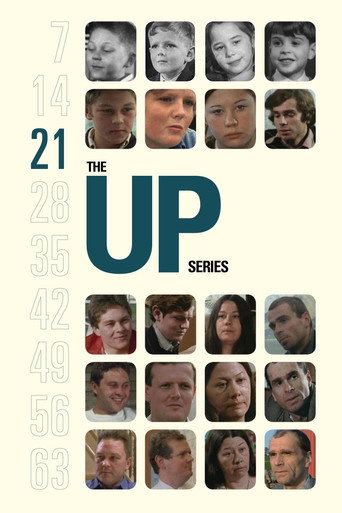
After another 7 year wait, director Michael Apted revisits the same group of British-born children from Seven Up! and 7 Plus Seven. The subjects are interviewed as to the changes that have occurred in their lives during the last seven years.

Director Michael Apted revisits the same group of British-born adults after a 7 year wait. The subjects are interviewed as to the changes that have occurred in their lives during the last seven years.

Director Michael Apted revisits the same group of British-born adults after a 7 year wait. The subjects are interviewed as to the changes that have occurred in their lives during the last seven years.

Vanessa Guillen was 20 years old when she was found murdered at a US Army base. Rather than submit to silence, her family fought for justice and change.
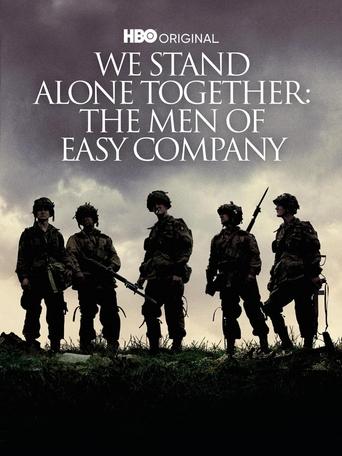
Over a period of two years, Mark Cowen and his crew travelled to thirty U.S. states and ten European cities, to interview the veterans of Easy Company. The stories told by the veterans themselves, create a history of the Second World War from the point of view of this heroic company of men, made famous in the mini-series Band of Brothers.
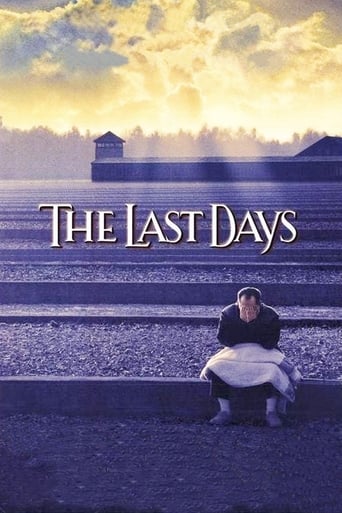
This Oscar-winning documentary recounts the harrowing stories of five Hungarian Jews who endured the horrors of the Holocaust and Hitler's reign.

This documentary movie is about the battle of San Pietro, a small village in Italy. Over 1,100 US soldiers were killed while trying to take this location, that blocked the way for the Allied forces from the Germans. Preserved by the Academy Film Archive in 2005.
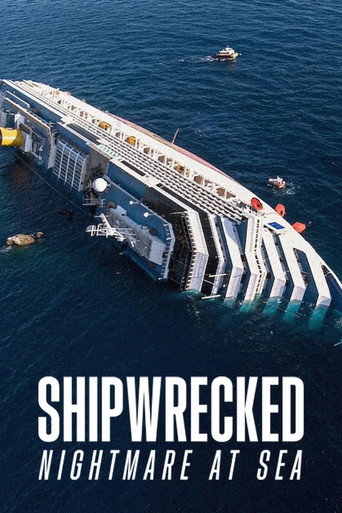
Never-before-seen footage and survivor accounts trace the 2012 shipwreck of a luxury cruise and the disaster that ensued, in this immersive documentary.

A detailing of the rise to prominence and global sporting superstardom of six supremely talented young Manchester United football players (David Beckham, Nicky Butt, Ryan Giggs, Paul Scholes, Phil and Gary Neville). The film covers the period 1992-1999, culminating in Manchester United's European Cup triumph.

A documentary on the expletive's origin, why it offends some people so deeply, and what can be gained from its use.
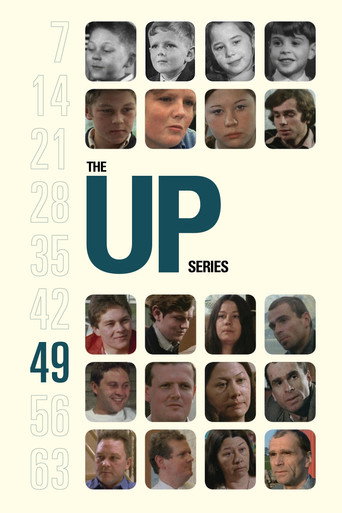
49 Up is the seventh film in a series of landmark documentaries that began 42 years ago when UK-based Granada's World in Action team, inspired by the Jesuit maxim "Give me the child until he is seven and I will give you the man," interviewed a diverse group of seven-year-old children from all over England, asking them about their lives and their dreams for the future. Michael Apted, a researcher for the original film, has returned to interview the "children" every seven years since, at ages 14, 21, 28, 35, 42 and now again at age 49.In this latest chapter, more life-changing decisions are revealed, more shocking announcements made and more of the original group take part than ever before, speaking out on a variety of subjects including love, marriage, career, class and prejudice.
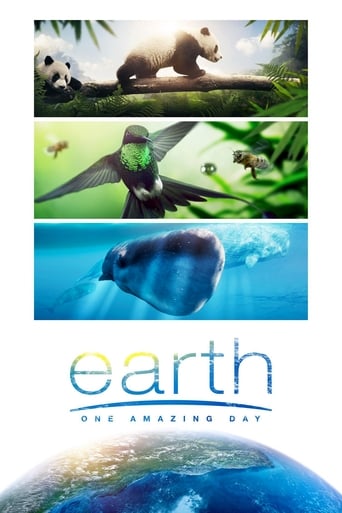
An astonishing journey revealing the awesome power of the natural world. Over the course of one single day, we track the sun from the highest mountains to the remotest islands to exotic jungles.

Prelude to War was the first film of Frank Capra's Why We Fight propaganda film series, commissioned by the Pentagon and George C. Marshall. It was made to convince American troops of the necessity of combating the Axis Powers during World War II. This film examines the differences between democratic and fascist states.

Oliver Stone charts the history of the United States from the Second World War to the present.
Go behind the scenes with stars, puppeteers and creators as they bring Jim Henson's magical world of Thra back to life in a sweeping fantasy series.
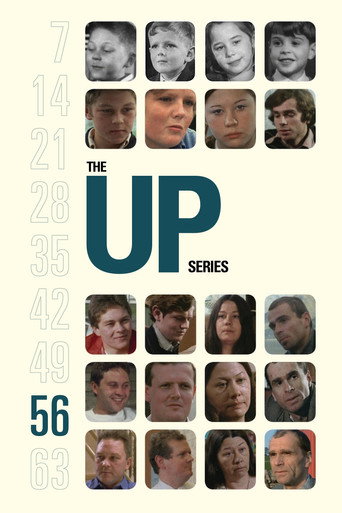
When a cross-section of seven-year-olds were interviewed for 7 Up in 1964 it was immediately evident that their social backgrounds influenced their attitudes towards life. While the upper class children were confident and self-assured, those from middle and working class backgrounds were resigned to a challenging life of hard work. This premise was put to the test every seven years when the same group were interviewed about the progression of their lives. 49 years in the making, the changes that occurred to the original 14 make for fascinating television and are in many ways the stories of all our lives. From success and disappointment, marriage and childbirth, to poverty and illness, nearly every facet of life has been captured on film. Now, at the age of 56, the group are once more brought together and, with the benefit of hindsight, assess whether their lives have been ruled by circumstance or self-determination.

In the Realms of the Unreal is a documentary about the reclusive Chicago-based artist Henry Darger. Henry Darger was so reclusive that when he died his neighbors were surprised to find a 15,145-page manuscript along with hundreds of paintings depicting The Story of the Vivian Girls, in What is Known as the Realms of the Unreal, of the Glodeco-Angelinnian War Storm, Cased by the Child Slave Rebellion.
Similar titles

Documents the little-known heroism of the Belgian Resistance who, during the Nazi occupation, hid over 4,000 Jewish children, rescuing them from deportation and extermination, , often risking their own lives. Directed by Myriam Abramowicz and Esther Hoffenberg, children of parents who spent the war in hiding, the film inspired the creation of The Hidden Child, a world-wide network of hidden children, which, for three decades, has organized reunions of hidden children with the families who hid them in Belgium during WWII.
Single mother Anna and her four children live in the front-line war zone of Donbas, Ukraine. While the outside world is made up of bombings and chaos, the family is managing to keep their home a safe haven, full of life and full of light. Every member of the family has a passion for cinema, motivating them to shoot a film inspired by their own life during a time of war. The creative process raises the question of what kind of power the magical world of cinema could have during times of disaster. How to picture war through fiction? For Anna and the children, transforming trauma into a work of art is the ultimate way to stay human.
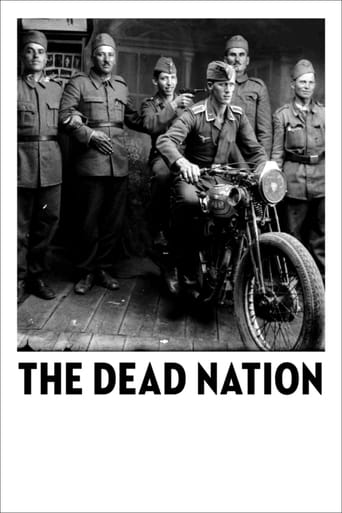
A documentary-essay which shows Costică Axinte's stunning collection of pictures depicting a Romanian small town in the thirties and forties. The narration, composed mostly from excerpts taken from the diary of a Jewish doctor from the same era, tells the rising of the antisemitism and eventually a harrowing depiction of the Romanian Holocaust.

Australian filmmaker Sophia Turkiewicz investigates why her Polish mother abandoned her and uncovers the truth behind her mother's wartime escape from a Siberian gulag, leaving Sophia to confront her own capacity for forgiveness.
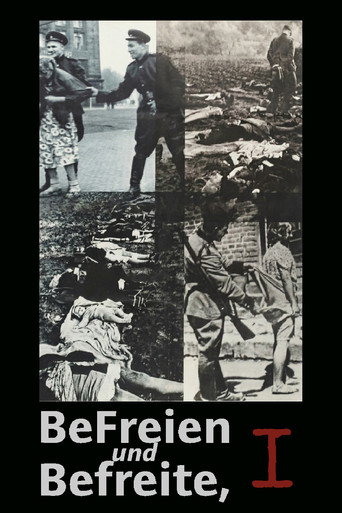
Based on years of research into the mass rapes committed by the Red Army at the end of the Second World War. In the first part of the documentary Helke Sander interviews multiple German women who were raped in Berlin by Soviet soldiers in May 1945. Most women never spoke of their experience to anyone, after 46 years of silence they talk for the first time publicly about their violent experiences that have left such a mark.

How could a German Wehrmacht soldier become a celebrated soccer idol of the Britons in the post-war period? The documentary by Radio Bremen shows the moving life story of the soccer star of the 1950s in a torn Europe and how an enemy became a friend. With his legendary appearance in the English Cup Final 1956, in which he played until the end despite a broken neck, Bert Trautmann set up a memorial for himself in the history of sport. Already in the same year, he is chosen as England’s footballer of the year, and by his club Manchester City even as best player of all times. Bernhard “Bert” Trautmann is one of the most popular and best-known soccer players in England.


Carne Ross was a government highflyer. A career diplomat who believed Western Democracy could save us all. But working inside the system he came to see its failures, deceits and ulterior motives. He felt at first hand the corruption of power. After the Iraq war Carne became disillusioned, quit his job and started searching for answers.
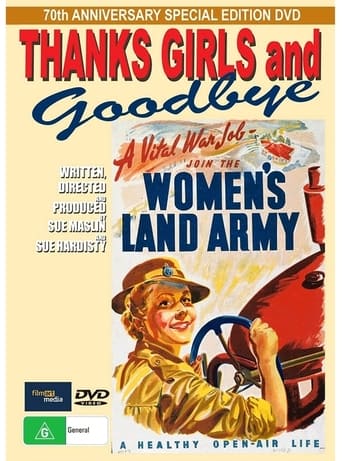
Documentary using archival footage, newsreels and contemporary interviews with women of the WW2 Australian Women's Land Army.
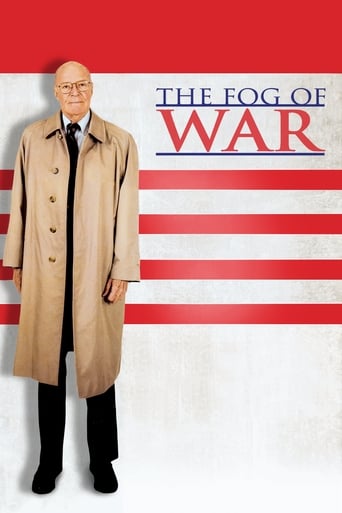
Former corporate whiz kid Robert McNamara was the controversial Secretary of Defense in the Kennedy and Johnson administrations, during the height of the Vietnam War. Augmented by archival footage and cabinet conversation recordings, Errol Morris gives the conflicted McNamara a platform on which he attempts to confront his and the U.S. government's actions in Southeast Asia in light of the horrors of modern warfare, the end of ideology and the punitive judgment of history.

The film looks at the men, their living conditions, the food they eat and their bamboo shower. It shows the men building a radio out of spare parts to re-establish contact with the mainland (contact had been lost after the Japanese victory), the use of florins to pay native helpers, and a raid on a hostile native village which sees huts set on fire.
Seminal Danish documentary about Nazi Germany's occupation of Denmark in the Second World War between 1940 and 1945.
The story of two soldier-cameramen, Sgt Mike Lewis and Sgt Bill Lawrie, who witnessed the liberation of Belsen during the closing days of World War II.
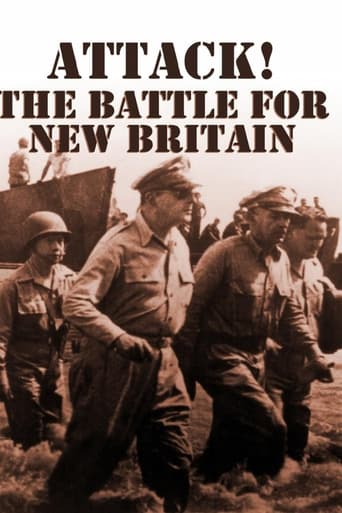
Actual footage by the United States Signal Corps of the landing and attack on Arawe Beach, Cape Glouster, New Britain island in 1943 in the South Pacific theatre of World War Two, and the handicaps of the wild jungle in addition to the Japanese snipers and pill-box emplacements.
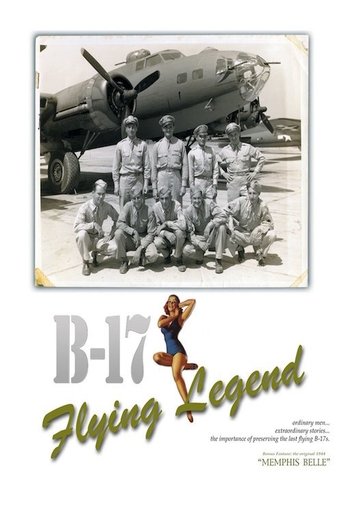
B-17 Flying Legend examines the importance of World War II's most famous airplane, and raises awareness about the importance of keeping the remaining B-17s flying for generations to come. This documentary covers the history of the airplane, from early designs to the outbreak of war, and the stories of bravery behind the faces of the men who flew them. It contrasts the past by also focusing on today's struggles to keep these flying museums in operation. Unless awareness is created to help with this preservation, in the near future B-17s will only be found in static displays. Almost 13,000 B-17s were built during the war. Sixty years later only 13 still fly. It is important to capture the history of the men behind these flying machines while they are still alive. It is also important to capture images of these machines while they still exist.

The classic movie "The Great Escape" was based on a real life escape attempt during the second world war. This documentary follows Archaeologists who are trying to find the original tunnels dug by the real prisoners of war who escaped. Some of the surviving prisoners also join the team to assist with the tunnel locations and to describe what it was really like to live that situation. In an effort to understand the technical details of how this feet of ingenuity was achieved, the team recreate some of the equipment used by the prisoners.
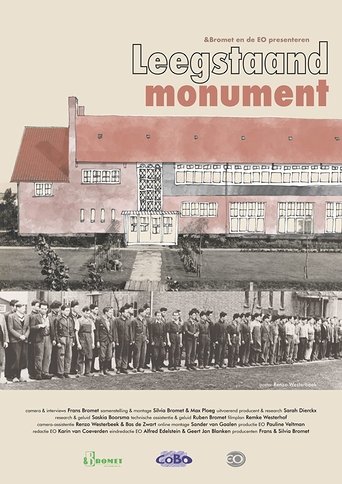
Documentary about the monument Joods Werkdorp.