
Take
2019-06-07 · 10 min · Not rated
TAKE (te reo Maori: issue, promise, challenge) weaves mana wahine (female knowledge), dance and archival materials to retell the story of the removal of the ancestral Maori meetinghouse, Hinemihi o te Ao Tawhito, from Aotearoa, New Zealand to England in 1892. It is a call to return Hinemihi, embodied by Australian born Maori dancer and performance artist, Victoria Hunt. Set in the liminal spaces between history and emotion TAKE unfolds a story of origins, of traumatic events and colonial violence.
Trailers are previews, not full movies.
No authorized playback source configured. Use the legal watch options below.
Production details
- Directors
- Victoria Hunt
- Production companies
- Unavailable
- Countries
- Australia, New Zealand
- Status
- Released
Top Cast
Cast unavailable.
Title information and images are supplied by TMDb. Explore our discovery guide for advice on comparing metadata and legal viewing options.
Where to watch
Availability provided by JustWatch via TMDb. Offers can change. Provider links are listed on TMDb; full playback requires a separately authorized source.
Availability not listed for this country.
Seasons & episodes
Recommendations
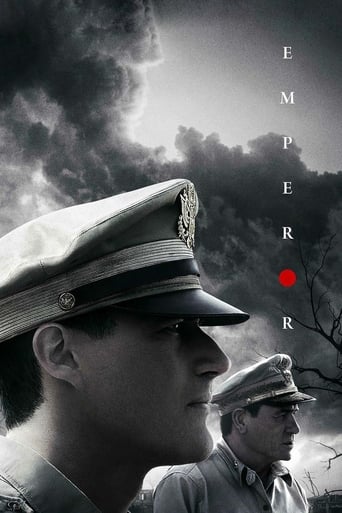
As the Japanese surrender at the end of WWII, Gen. Fellers is tasked with deciding if Emperor Hirohito will be hanged as a war criminal. Influencing his ruling is his quest to find Aya, an exchange student he met years earlier in the U.S.
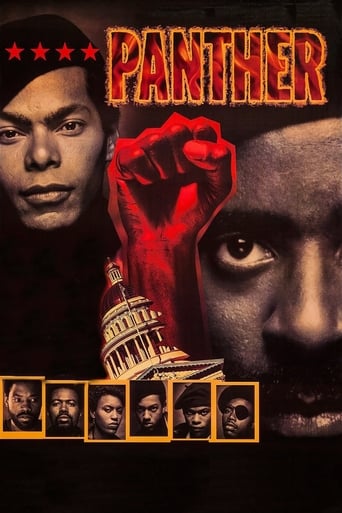
In this sprawling, fictionalized history of the Black Panthers, 1960s Oakland becomes a war zone as the Panthers battle for the right to exist.
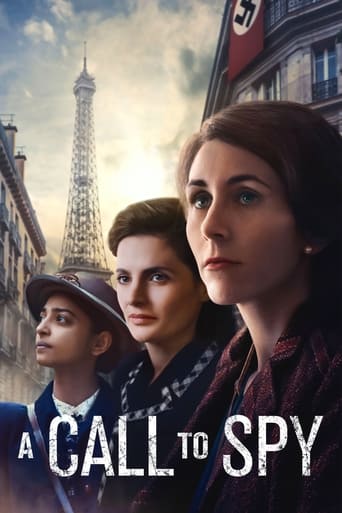
The story of Vera Atkins, a crafty spy recruiter, and two of the first women she selects for Churchill's "secret army": Virginia Hall, a daring American undaunted by a disability and Noor Inayat Khan, a pacifist. These civilian women form an unlikely sisterhood while entangled in dangerous missions to turn the tide of the war.
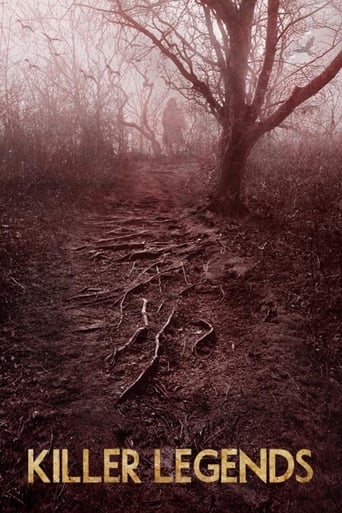
Delving into our collective nightmares, this horror-documentary investigates the origins of our most terrifying urban legends and the true stories that may have inspired them.
In post-World War II America, a woman, rebuilding her life in the suburbs with her husband, kidnaps her neighbor and seeks vengeance for the heinous war crimes she believes he committed against her.

In the summer of 1941, the United States and Japan seem on the brink of war after constant embargos and failed diplomacy come to no end. "Tora! Tora! Tora!", named after the code words used by the lead Japanese pilot to indicate they had surprised the Americans, covers the days leading up to the attack on Pearl Harbor, which plunged America into the Second World War.
Forced into exile by the English after being crowned King of Scotland, legendary warrior Robert the Bruce fights to reclaim the throne.
When the tenacious young sailor Jessica Watson sets out to be the youngest person to sail solo, nonstop and unassisted around the world, many expect her to fail. With the support of her sailing coach and mentor Ben Bryant and her parents, Jessica is determined to accomplish what was thought to be impossible, navigating some of the world’s most challenging stretches of ocean over the course of 210 days.
In 7th-century Arabia, Princess Hind becomes a warrior to defy the ruthless Emperor Kisra. Forged into a warrior and aided by legendary bandit Hanzala, Hind unites warring tribes for a last stand—the historic Battle of Dhi Qar—that will change history.
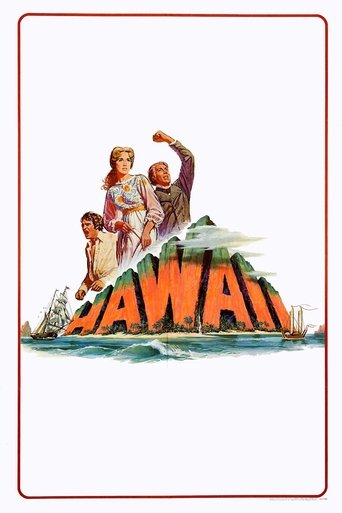
Abner Hale, a rigid and humorless New England missionary, marries the beautiful Jerusha Bromley and takes her to the exotic island kingdom of Hawaii, intent on converting the natives. But the clash between the two cultures is too great and instead of understanding there comes tragedy.

Young women toiling in a factory are exposed to hazardous material which takes a disastrous toll on their health.

During the Republican run of the 2008 Presidential election, candidate John McCain picks a relative unknown, Alaskan governor Sarah Palin, to be his running mate. As the campaign kicks into high gear, her lack of experience, in both political and media savvy, becomes a drain upon McCain and his strategists.
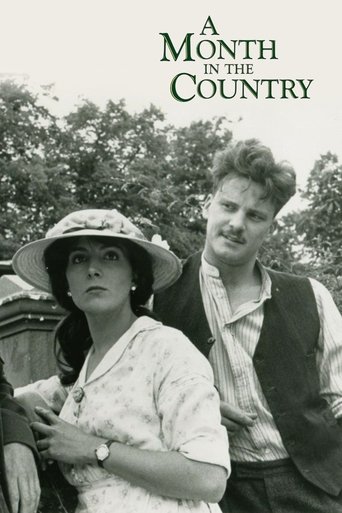
A destitute WWI veteran is hired to help carry out restoration work on a medieval mural in a rural Yorkshire church. While living in the quiet village, he forms a close friendship with an archaeologist and begins to come to terms with his trauma.
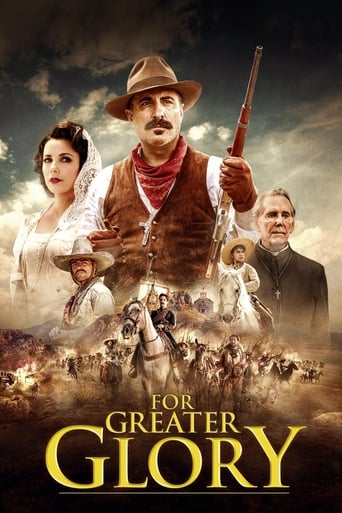
A chronicle of the Cristeros War (1926-1929), which was touched off by a rebellion against the Mexican government's attempt to secularize the country.

A thousand years ago, one boy with a dream of becoming a great warrior is abducted with his sister and taken to a land far away from home. Thrown into a world where greed and injustice rule all, Bilal finds the courage to raise his voice and make a change. Inspired by true events, this is a story of a real hero who earned his remembrance in time and history.

What was a cunning plan from Lord Edmund Blackadder V to fake a time machine on his gullibly incompetent friends, turns out to be the real thing and hurls him and his imbecile underling, Baldrick, through the course of human history.

Judge Clarence Thomas' nomination to the United States' Supreme Court is called into question when former colleague, Anita Hill, testifies that he had sexually harassed her.
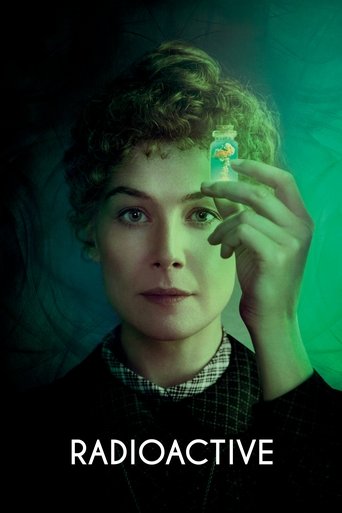
The story of Nobel Prize winner Maria Skłodowska-Curie and her extraordinary scientific discoveries—through the prism of her marriage to husband Pierre—and the seismic and transformative effects their discovery of radium had on the 20th century.

At the tense 1938 Munich Conference, former friends who now work for opposing governments become reluctant spies racing to expose a Nazi secret.

Fr. Hugh O'Flaherty is a Vatican official in 1943-45 who has been hiding downed pilots, escaped prisoners of war, and Italian resistance families. His activities become so large that the Nazis decide to assassinate him the next time he leaves the Vatican.
Similar titles
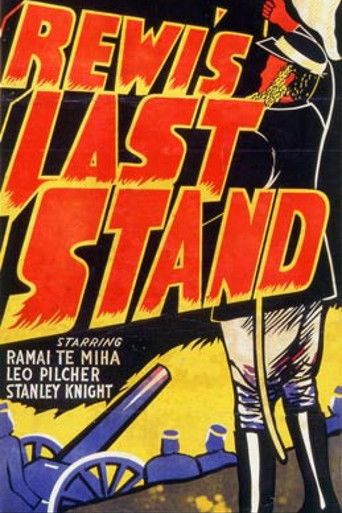
Star-crossed lovers, Robert and Ariana, are caught up in the New Zealand wars of the 1860s. Ariana is claimed by the Maniapoto people as one of their own and, despite Robert's chivalrous defence, is taken by them and must help them prepare for war. Robert likewise must do his patriotic duty and enlists to fight on the other side. He volunteers to ride despatch, thinking it may give him an opportunity to see Ariana again, which it does, but their joy is short-lived; Maniapoto women fight beside their men, and furthermore she is a Rangitira (noble) and will not let her people down. The climax is the siege of Oraku Pa where 300 Maori hold off 2000 troops for three days. The Maniapoto are defeated, but Ariana, although wounded, survives to be reunited with Robert.

Sophie loved Edmund, but he left town when her parents forced her to marry wealthy Octavius. Years later, Edmund returns with his son, William. Sophie's daughter, Marguerite, and William fall in love. Marguerite's sister, Marianne, also loves William. Timothy, a lowly carpenter, secretly loves Marianne. He kills a man in a fight, and Edmund helps him flee to New Zealand. William deserts inadvertently from the navy, and also flees in disgrace to New Zealand, where he and Timothy start a profitable business. One night, drunk, William writes Octavius, demanding his daughter's hand; but, being drunk, he asks for the wrong sister.
This 1981 NFU film is a tour of the contemporary world of Aotearoa’s tangata whenua. It won headlines over claims that its portrayal of Māori had been sanitised for overseas viewers. Debate and a recut ensued. Writer Witi Ihimaera felt that mentions of contentious issues (Bastion Point, the land march) in his original script were ignored or elided in the final film, and withdrew from the project. He later told journalists that the controversy showed that educated members of minority groups were no longer prepared to let the majority interpret the minority view.
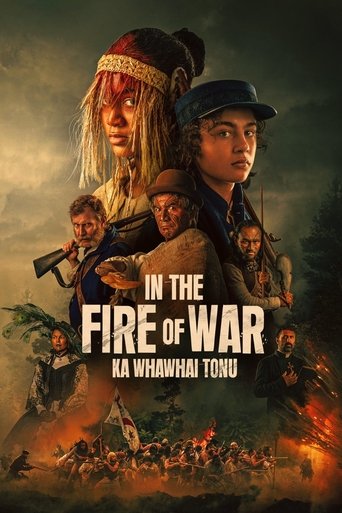
Two young teenagers are forced to take control of their own destiny amid the chaos of a pivotal battle in New Zealand’s first land wars in 1864.

The story of Dame Whina Cooper, the beloved Māori matriarch who worked tirelessly to improve the rights of her people, especially women. Flawed yet resilient, Whina tells the story of a woman formed by tradition, compelled by innovation, and guided by an instinct for equality and justice whose legacy as the Te Whaea o te Motu (Mother of the Nation) was an inspiration to an entire country.

This docudrama follows an imaginary news reporter who travels back in time to cover the days leading up to the Treaty of Waitangi's signing on 6 February 1840. Dropping the usual solemnity surrounding Aotearoa's founding document, it uses humour and asides to camera to evoke the chaos and motives behind the treaty. This clip features a confrontation between Hone Heke and representatives of the Crown.
In a Maori settlement, Ngati Toa leader Te Rauparaha composes the famous chant "Ka Mate", also known as the haka, after evading enemy capture by hiding in a kumara pit.
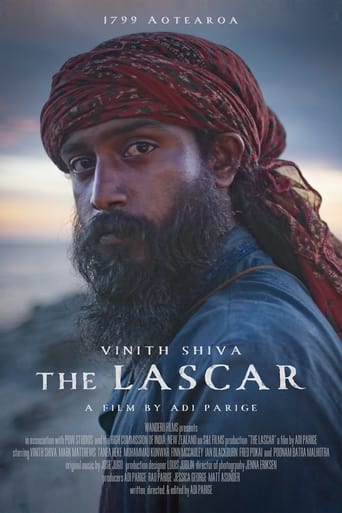
At the end of the 18th century, hundreds of Indian sailors, known as lascars, worked amongst European settlers in Aotearoa New Zealand - often under the gruesome working conditions of seal hunting gangs. The story follows a lascar, Dasa, who has been abandoned on the coast of Aotearoa NZ by the East India Company, alongside his sealing gang. When Dasa finds himself in the middle of a conflict between his abusive British superior and two Māori traders, he is faced with a choice: bend the knee or take a stand.

In 1860s New Zealand, a young Irish woman desperately trying to find her son finds herself caught on both sides of the lines during the wars between Māori tribes and the British colonial army.

Five years have passed and Jake has turned his back on his family. He's still up to his usual tricks in McClutchy's Bar, unaware, as he downs his latest opponent, that his eldest son, Nig, has died in a gang fight. The uncomfortable family reunion at Nig's funeral sparks a confrontation with second son, Sonny, and sets Jake and Sonny on a downward spiral.
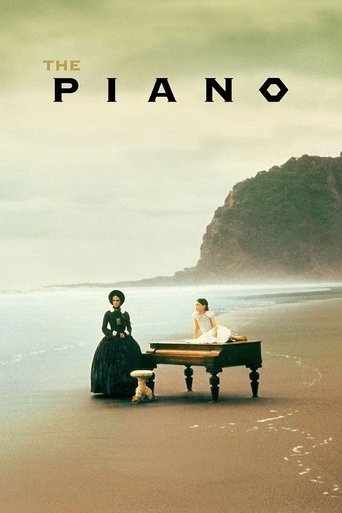
When an arranged marriage brings Ada and her spirited pre-teen daughter Flora to the wilderness of 19th-century New Zealand, she finds herself locked in a battle of wills with both her controlling husband and a rugged frontiersman to whom she develops a forbidden attraction.
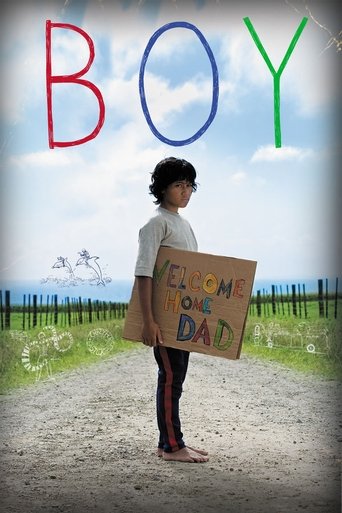
Boy, an 11-year-old child and devout Michael Jackson fan who lives on the east coast of New Zealand in 1984, gets a chance to know his absentee criminal father, who has returned to find a bag of money he buried years ago.

A psychological drama of a family in crisis. Kawa, a successful Māori businessman in Auckland, New Zealand, is forced to reveal his lifelong secret - that he is gay.
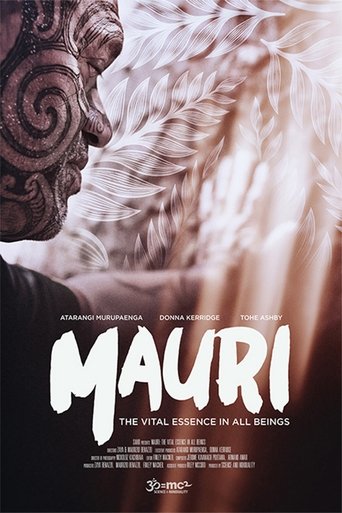
Mauri (life principle, life force, vital essence inherent in all living things) The film is an intimate, visually stunning testament to a land and a people who have survived removal, exploitation and colonization — and to the healing ways that are part of the Māori ancestral knowledge. It juxtaposes the enduring trauma of colonialism with the resilience offered through Māori ancestral healing traditions.
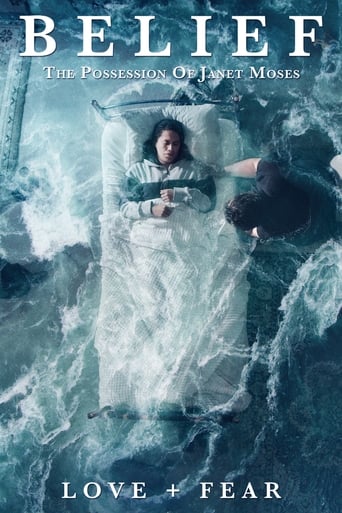
This impressive doco disperses the fog of shame and sensationalism to shed light on the tragedy that made international headlines in 2007 when a young Wainuiomata woman died during a mākutu lifting.
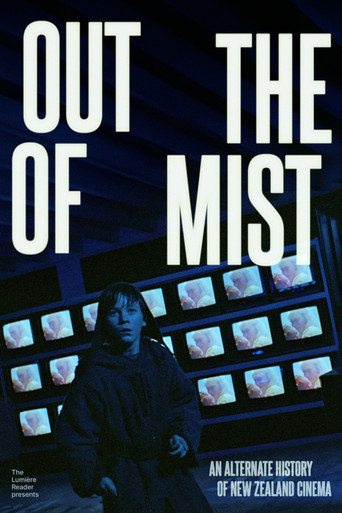
Two decades on from Sam Neill’s Cinema of Unease, Tim Wong’s essay film contemplates the prevailing image of a national cinema while privileging some of the images and image-makers displaced by the popular view of filmmaking in Aotearoa. Free to view at: lumiere.net.nz/films
An East Coast community in Ruatōria, New Zealand attempts to live in autarchy according to the tenets of their movement. Bob Marley, a prophet of our electronic age, is the soundtrack to the everyday lives of these Māori who feel closer to their own roots by observing a blend of Afro-Carribean Rastafarianism and the Ringatū faith. Merata Mita's camera respectfully portrays this singular cultural dialogue. The outsider cultures of Jamaicans, Ethiopians and Māori have come together, vibrating to a common cosmic chord. They find an underground brotherhood, across continents and seas.
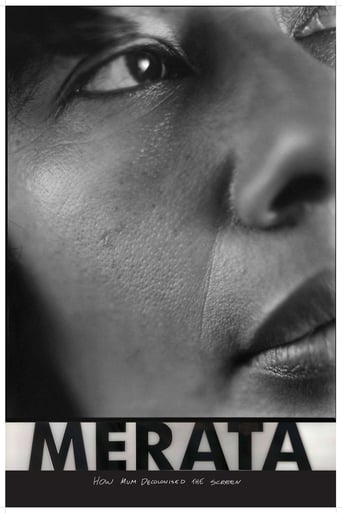
This film is an intimate portrayal of pioneering filmmaker Merata Mita told through the eyes of her children. Using hours of archive footage, some never before seen, her youngest child and director Hepi Mita discovers the filmmaker he never knew and shares the mother he lost, with the world.
A hundred years after the theft from New Zealand of three irreplaceable tribal carvings, two members of a Māori tribe decide it's time for ancient grievances to be put right. Variously praised as a major step forward in indigenous cinema, attacked for overambition, and little screened, Te Rua marked Barry Barclay’s impassioned follow-up to his acclaimed debut feature Ngāti.

Three Maori youths, bored with Auckland, head south in a restored Mark II Zephyr in search of something different. One of them is on the run from drug dealers, whom he had crossed. Various mini-adventures occurs as they make their way down the North Island, but it all comes to a head while visiting a cousin. Finally, they, the drug dealers and the police all come together, with the expected fights and arrests.