The Haunted Screen - German Cinema of the 1920s
1998-01-01 · 61 min · ★ 7.0
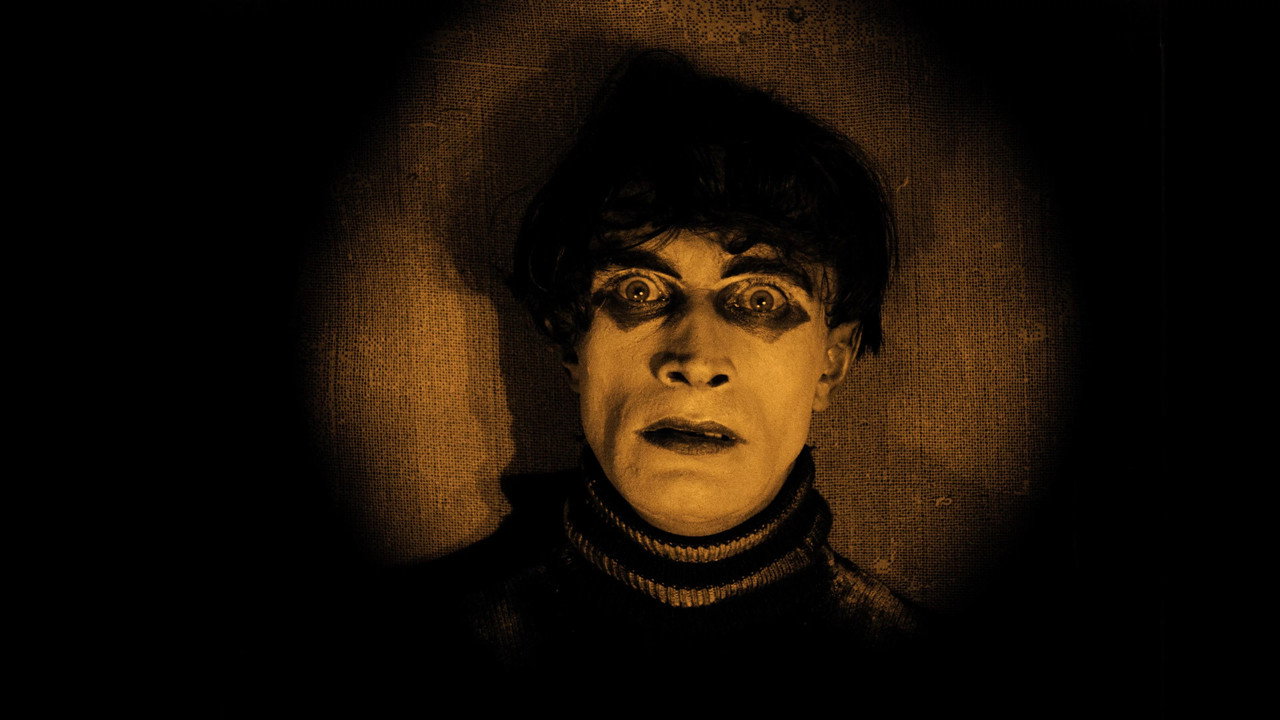
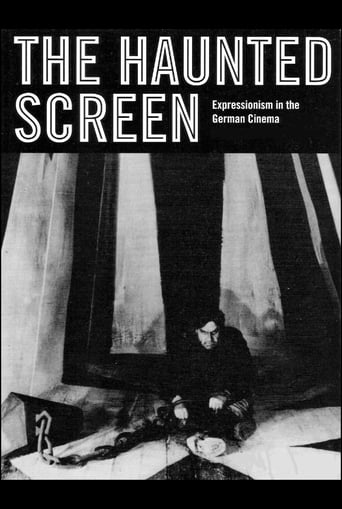
In this film essay, critic Peter Buchka explores the German cinema of the 1920s, ranging from the disquieting images of Fritz Lang's Metropolis to the castrating sexuality of Marlene Dietrich in Die Blaue Engel. The program provides an introduction to Weimar cinema, with Buchka's essay narrated over the images from film clips of 1920s era German films.
Trailers are previews, not full movies.
No authorized playback source configured. Use the legal watch options below.
Production details
- Directors
- Peter Buchka
- Production companies
- BR, Kick Film
- Countries
- Germany
- Status
- Released
Top Cast
Cast unavailable.
Title information and images are supplied by TMDb. Explore our discovery guide for advice on comparing metadata and legal viewing options.
Where to watch
Availability provided by JustWatch via TMDb. Offers can change. Provider links are listed on TMDb; full playback requires a separately authorized source.
Availability not listed for this country.
Seasons & episodes
Recommendations

The history of cinematic sound, told by legendary sound designers and visionary filmmakers.

This unique cinematic experience dives deep into an artist’s work and reveals his life path, inspiration, and creative process. It explores his fascination with myth and history. Past and present are interwoven to diffuse the line between film and painting, allowing the audience to be completely immersed in the remarkable world of one of the greatest contemporary artists, Anselm Kiefer. Wim Wenders shot this unique portrait over the course of two years in stunning 3D.

Oliver Stone charts the history of the United States from the Second World War to the present.
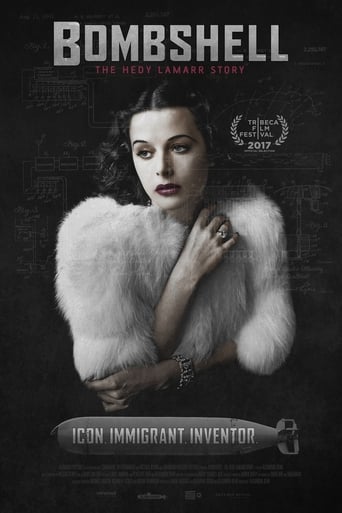
The life and career of the hailed Hollywood movie star and underappreciated genius inventor, Hedy Lamarr.
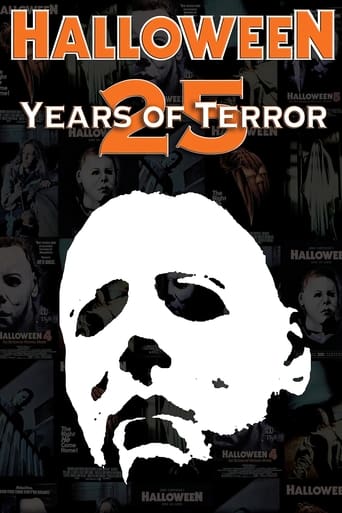
Follow the evolution of the 'Halloween' movies over the past twenty-five years. It examines why the films are so popular and revisits many of the original locations used in the films - seeing the effects on the local community. For the first time, cast, crew, critics and fans join together in the ultimate 'Halloween' retrospective.

Filmed over 14 months with unprecedented access into the inner circle of the man and the sport, this is the first official and fully authorised film of one of the most celebrated figures in football. For the first time ever, the world gets vividly candid and un-paralleled, behind-closed-doors access to the footballer, father, family-man and friend in this moving & fascinating documentary. Through in-depth conversations, state of the art football footage and never before seen archival footage, the film gives an astonishing insight into the sporting and personal life of triple Ballon D'Or winner Cristiano Ronaldo at the peak of his career. From the makers of ‘Senna’ and ‘Amy’, Ronaldo takes audiences on an intimate and revealing journey of what it’s like to live as an iconic athlete in the eye of the storm.

A visual montage portrait of our contemporary world dominated by globalized technology and violence.

An unprecedented and intimate look at the life, work and enduring legacy of British actress Audrey Hepburn (1929-1993).
The making of Matrix Revolutions, The (2003) is briefly touched on here in this documentary. Interviews with various cast and crew members inform us how they were affected by the deaths of Gloria Foster and Aaliyah, and also delve into the making of the visual effects that takes up a lot of screen time. Written by Rhyl Donnelly

Marcel Ophuls' riveting film details the heinous legacy of the Gestapo head dubbed "The Butcher of Lyon." Responsible for over 4,000 deaths in occupied France during World War II, Barbie would escape—with U.S. help—to South America in 1951, where he lived until a global manhunt led to his 1983 arrest and subsequent trial.

The epic life story of Alice Guy-Blaché (1873–1968), a French screenwriter, director and producer, true pioneer of cinema, the first person who made a narrative fiction film; author of hundreds of movies, but banished from history books. Ignored and forgotten. At last remembered.

Prelude to War was the first film of Frank Capra's Why We Fight propaganda film series, commissioned by the Pentagon and George C. Marshall. It was made to convince American troops of the necessity of combating the Axis Powers during World War II. This film examines the differences between democratic and fascist states.

Since the invention of cinema, the standard format for recording moving images has been film. Over the past two decades, a new form of digital filmmaking has emerged, creating a groundbreaking evolution in the medium. Keanu Reeves explores the development of cinema and the impact of digital filmmaking via in-depth interviews with Hollywood masters, such as James Cameron, David Fincher, David Lynch, Christopher Nolan, Martin Scorsese, George Lucas, Steven Soderbergh, and many more.

A documentary highlighting the Soviet Union's legendary and enigmatic hockey training culture and world-dominating team through the eyes of the team's Captain Slava Fetisov, following his shift from hockey star and celebrated national hero to political enemy.

A global television broadcast of the event in which former Pink Floyd leader singer and composer Roger Waters led an all-star cast in a mammoth benefit performance of his acclaimed concept album, The Wall. Set in Berlin, Germany less than a year after the destruction of the hated Berlin Wall, Waters was accompanied by disparate talents such as Cyndi Lauper, James Galway, Joni Mitchell and Albert Finney in the classic dark musical tale of a rock star's descent into madness and back.

An atmospheric essay, which is an alternative version of Count Dracula, a film directed by Jess Franco in 1970; a ghostly narration between fiction and reality.

In 1974, Chilean-French director Alejandro Jodorowsky embarked on the quixotic project of adapting Frank Herbert's influential novel Dune (1969) for the big screen. After investing two years, and millions of dollars, the gigantic project ended in failure; but the artists Jodorowsky brought together to carry it out continued to work together, and ended up laying the foundations for modern science fiction cinema.
Michael Moore comes home to the issue he's been examining throughout his career: the disastrous impact of corporate dominance on the everyday lives of Americans (and by default, the rest of the world).
For the 20th anniversary of "Titanic," James Cameron reopens the file on the disaster.
"Trinity and Beyond" is an unsettling yet visually fascinating documentary presenting the history of nuclear weapons development and testing between 1945-1963. Narrated by William Shatner and featuring an original score performed by the Moscow Symphony Orchestra, this award-winning documentary reveals previously unreleased and classified government footage from several countries.
Similar titles
The life and career of the hailed Hollywood movie star and underappreciated genius inventor, Hedy Lamarr.
In April of 1945, Germany stands at the brink of defeat with the Russian Army closing in from the east and the Allied Expeditionary Force attacking from the west. In Berlin, capital of the Third Reich, Adolf Hitler proclaims that Germany will still achieve victory and orders his generals and advisers to fight to the last man. When the end finally does come, and Hitler lies dead by his own hand, what is left of his military must find a way to end the killing that is the Battle of Berlin, and lay down their arms in surrender.
On April 30, 1945, while the Russian Army surrounded Berlin, Hitler committed suicide in his bunker. His body was discovered a few days later by the Soviets. He would be positively identified after a top secret inquest in which Hitler's personal dentist would play a central role. And yet, at the same time, Stalin publicly declared that his army was unable to find the Führer's body, choosing to let the wildest rumors develop and going so far as to accuse some of his Allies of having aided the monster's probable escape. What secrets were hidden behind this dissimulation? What happened then to the two ladies involved in the identification of Hitler’s body?
This film explains what James Ensor (1860-1949) meant for the development of art and makes palpable where he got his inspiration from.

Can a dog still be man’s best friend if that man is the Führer? Blondi explores the bizarre bond between Hitler and his beloved German Shepherd. From eating the crumbs under the table at the Führer’s birthday, to living in the confinement of the bunker, this film presents intimate glimpses of the dog’s daily life intertwined with the realities of war, depicting the oblivious pet's surreal impact on the Reich.
Report from the party congress of the Liberal Democratic Party of Germany (LDPD) from April 5 to 7, 1982 in Weimar.

In 1961, history was on trial... in a trial that made history. Just 15 years after the end of WWII, the Holocaust had been largely forgotten. That changed with the capture of Adolf Eichmann, a former Nazi officer hiding in Argentina. Through rarely-seen archival footage, The Eichmann Trial documents one of the most shocking trials ever recorded, and the birth of Holocaust awareness and education.
Berlin, February 27, 1933. The Reichstag is in flames. A young Dutch unemployed man, Marinus van der Lubbe, was found alone in the building. For Hitler, it was a plot by the "Reds". One hundred thousand communists and sympathizers were arrested during the night and in the days that followed and locked up in the first Nazi concentration camps. In March, the Chancellor obtained full powers. On September 21, the trial opened in Leipzig, broadcast on the radio. For the Nazis and the Communists alike, van der Lubbe was the perfect scapegoat. On December 23, 1933, he was sentenced to death, while his four co-defendants were acquitted.
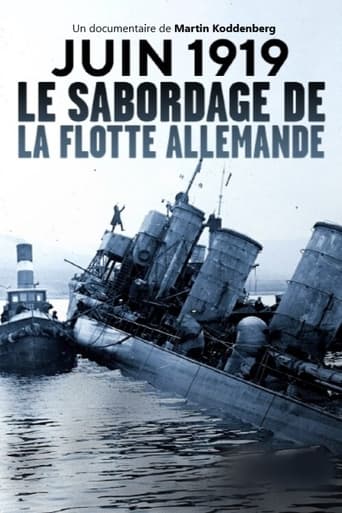
The sinking of the German fleet interned at Scapa-Flow (Orkney Islands), June 21, 1919. We know that one of the stipulations of the armistice signed with Germany on November 11, 1918 was that that power's surface warships were to be "immediately decommissioned and interned in neutral or Allied ports, and remain there under the supervision of the Allies and the United States, guard detachments only being maintained on board". In fact, all the ships designated by the Allies - 11 battleships, 5 battlecruisers, 7 light cruisers and 50 destroyers - had, a few days after the armistice, been assembled in Scapa-Flow Bay, in the center of the Orkney archipelago, i.e. north of Scotland, and had remained there ever since, under the supervision of the English naval authorities, but under the effective authority of German Admiral von Reuter.
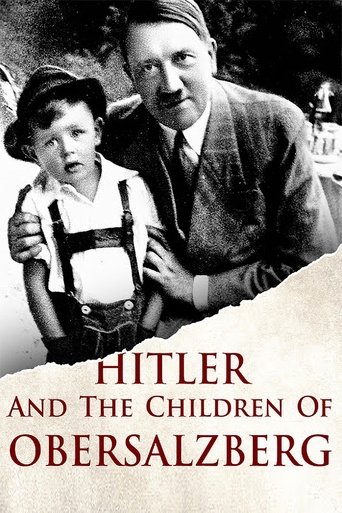
The Obersalzberg retreat was the summer residence and retreat of Adolf Hitler, Eva Braun and his closest confidants in the Nazi regime. The public are mainly familiar with fi lm footage and photographs from the alleged Nazi idyll. For the first time, eye witnesses are willing to talk about their experiences in Obersalzberg.
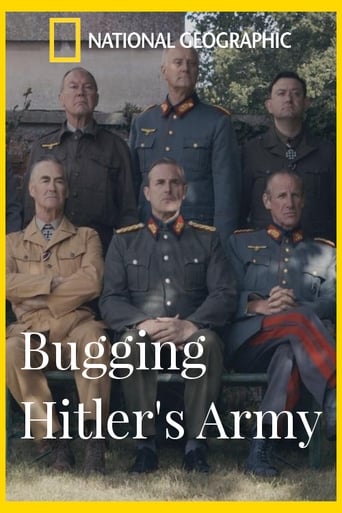
An examination of British Intelligence's World War II systematic eavesdropping on German prisoners of war.
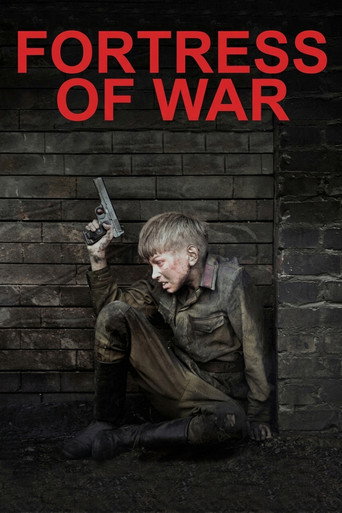
The film covers the heroic defence of the Brest Fortress, which was attacked during the first strike of German invaders on June 22 1941. The story describes the events of the first days of the defence, including the three main resistance zones, headed by the regiment commander, Pyotr Mikhailovich Gavrilov, the commissar Efim Moiseevich Fomin and the head of the 9th frontier outpost, Andrey Mitrofanovich Kizhevatov. Many years later veteran Alexander Akimov again recalls the memories of the time, when he, then a 15 year old Sasha Akimov was deeply in love with the beautiful Anya and suddenly found himself in the middle of the bloody events of war.


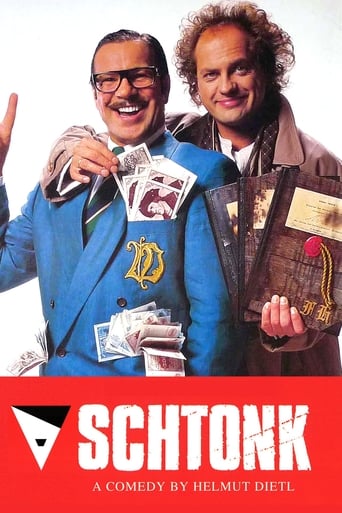
Schtonk! is a farce of the actual events of 1983, when Germany's Stern magazine published, with great fanfare, 60 volumes of the alleged diaries of Adolf Hitler – which two weeks later turned out to be entirely fake. Fritz Knobel (based on real-life forger Konrad Kujau) supports himself by faking and selling Nazi memorabilia. When Knobel writes and sells a volume of Hitler's (nonexistent) diaries, he thinks it's just another job. When sleazy journalist Hermann Willié learns of the diaries, however, he quickly realizes their potential value... and Knobel is quickly in over his head. As the pressure builds and Knobel is forced to deliver more and more volumes of the fake diaries, he finds himself acting increasingly like the man whose life he is rewriting. The film is a romping and hilarious satire, poking fun not only at the events and characters involved in the hoax (who are only thinly disguised in the film), but at the discomfort Germany has with its difficult past.
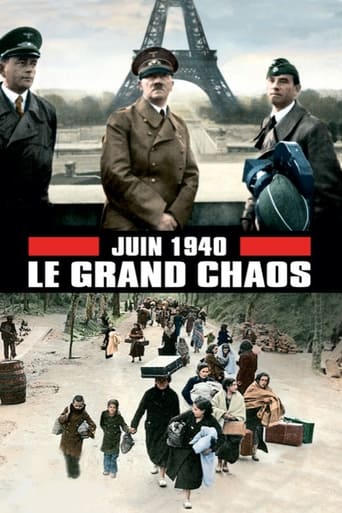
From May 10, 1940, France is living one of the worst tragedies of it history. In a few weeks, the country folds, and then collapsed in facing the attack of the Nazi Germany. On June 1940, each day is a tragedy. For the first time, thanks to historic revelations, and to numerous never seen before images and documents and reenacted situations of the time, this film recounts the incredible stories of those men and women trapped in the torment of this great chaos.
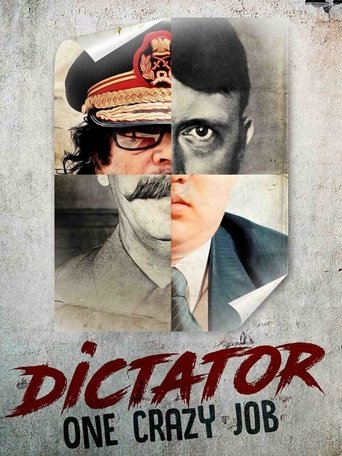
They’ve become the human face of inhuman barbarity. Leaders like Hitler, Idi Amin Dada, Stalin, Kim Jong Il, Saddam Hussein, Nicolae Ceausescu, Bokassa, Muammar Kadhafi, Khomeini, Mussolini and Franco governed their countries completely cut off from reality. These paranoid leaders were driven to abuse their power by the pathology of power itself. Dictators are driven by a relentless, thought-out determination to impose themselves as infallible, all-knowing and all-powerful beings. But they are also men ruled by their caprices, uncontrollable impulses, and reckless fits of frenzy, which paradoxically render them as human as anyone else. The abuses they committed were clearly atrocious, yet some of them were as outlandish as the characters portrayed in the film The Dictator. They sunk to depths worthy of Kafka: so incredibly absurd, they are outrageously funny.
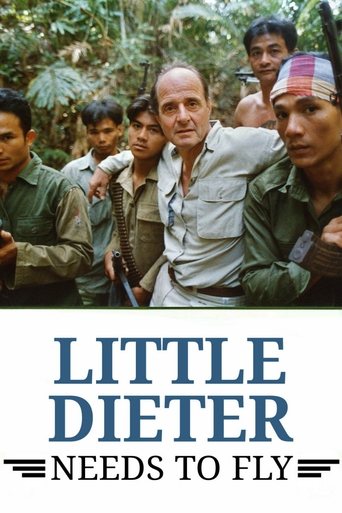
Three decades after German-American pilot Dieter Dengler was shot down over Laos, he returns to the places where he was held prisoner during the early years of the Vietnam War. Accompanied by director Werner Herzog, Dengler describes in unusually candid detail his captivity, the friendships he made, and his daring escape. Not willing to stop there, Herzog even persuades his subject to re-enact certain tortures, with the help of some willing local villagers.

Documentary about the legal system in Nazi Germany.