Animals at War, Wild Heroes of World War II
2019-05-08 · Runtime unavailable · ★ 7.0
Fifty million people died in the Second World War, the biggest massacre in the history of humanity. But the animal kingdom also paid a heavy toll, despite no official numbers being compiled for the victims. This included combat animals, animals that backed up humans, those that entertained or consoled them, some that fed people, and other animals that were symbols. On all fronts and on all continents, at all points of the compass, beasts accompanied mankind in this global conflict. This full archive documentary - partly colorized - shows how dogs, horses, elephants and pigeons became WW2 soldiers’ best friends in battle.
Trailers are previews, not full movies.
No authorized playback source configured. Use the legal watch options below.
Production details
- Directors
- Jean-Christophe Rosé
- Production companies
- France Télévisions
- Countries
- France
- Status
- Released
Top Cast
Cast unavailable.
Title information and images are supplied by TMDb. Explore our discovery guide for advice on comparing metadata and legal viewing options.
Where to watch
Availability provided by JustWatch via TMDb. Offers can change. Provider links are listed on TMDb; full playback requires a separately authorized source.
Streaming
Amazon Prime Video, Amazon Prime Video with Ads
Rental
Amazon Video
Purchase
Amazon Video
With ads
The Roku Channel, Pluto TV, Amazon Prime Video Free with Ads, Tubi TV, Amazon MX Player
View authorized watch options on TMDbSeasons & episodes
Recommendations

Prelude to War was the first film of Frank Capra's Why We Fight propaganda film series, commissioned by the Pentagon and George C. Marshall. It was made to convince American troops of the necessity of combating the Axis Powers during World War II. This film examines the differences between democratic and fascist states.

When Allied forces liberated the Nazi concentration camps in 1944-45, their terrible discoveries were recorded by army and newsreel cameramen, revealing for the first time the full horror of what had happened. Making use of British, Soviet and American footage, the Ministry of Information’s Sidney Bernstein (later founder of Granada Television) aimed to create a documentary that would provide lasting, undeniable evidence of the Nazis’ unspeakable crimes. He commissioned a wealth of British talent, including editor Stewart McAllister, writer and future cabinet minister Richard Crossman – and, as treatment advisor, his friend Alfred Hitchcock. Yet, despite initial support from the British and US Governments, the film was shelved, and only now, 70 years on, has it been restored and completed by Imperial War Museums under its original title "German Concentration Camps Factual Survey".

This documentary movie is about the battle of San Pietro, a small village in Italy. Over 1,100 US soldiers were killed while trying to take this location, that blocked the way for the Allied forces from the Germans. Preserved by the Academy Film Archive in 2005.
The extraordinary story of how Hollywood changed World War II – and how World War II changed Hollywood, through the interwoven experiences of five legendary filmmakers who went to war to serve their country and bring the truth to the American people: John Ford, William Wyler, John Huston, Frank Capra, and George Stevens. Based on Mark Harris’ best-selling book, “Five Came Back: A Story of Hollywood and the Second World War.”
An examination of the life of acclaimed 'horse whisperer' Buck Brannaman, who recovered from years of child abuse to become a well-known expert in the interactions between horses and people.

When Sgt. First Class Brian Eisch is critically wounded in Afghanistan, it sets him and his sons on a journey of love, loss, redemption and legacy.

Meet the real-life airmen who inspired Masters of the Air as they share the harrowing and transformative events of the 100th Bomb Group.
World War II. Not all warriors wore uniforms. Not all warriors were men. Meet ninety-year-old Colette Catherine who, as a young girl, fought the Nazis as a member of the French Resistance. Now she’s about to re-open old wounds, re-visting the terrors of that time. Some nightmares are too terrible to remember. But also, too dangerous to forget.

Produced and presented as evidence at the Nuremberg war crimes trial of Hermann Göring and twenty other Nazi leaders, this film consists primarily of dead and surviving prisoners and of facilities used to kill and torture during the World War II.
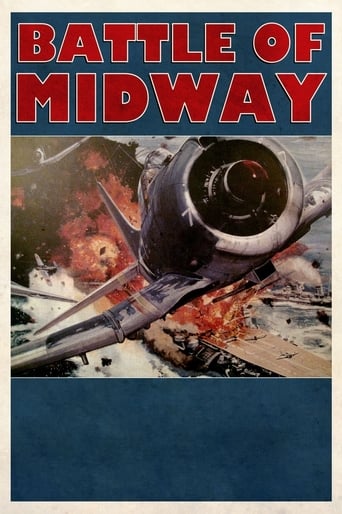
The Japanese attack on Midway in June 1942, filmed as it happened. Preserved by the Academy Film Archive, in partnership with Twentieth Century Fox Film Corporation, in 2006.

Follows a litter of puppies from the moment they're born and begin their quest to become Guide Dogs for the Blind, the ultimate canine career. Cameras follow these pups through a two-year odyssey as they train to become dogs whose ultimate responsibility is to protect their blind partners from harm.
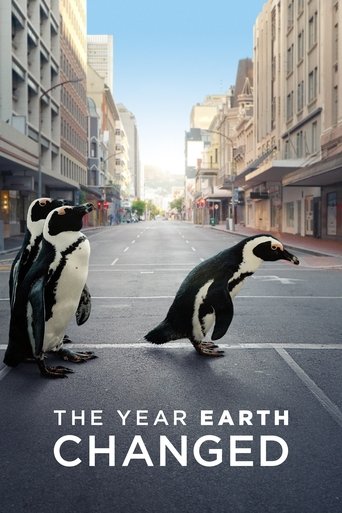
Never-before-seen footage shows how our living in lockdown opened the door for nature to bounce back and thrive. Across the seas, skies, and lands, Earth found its rhythm when we came to a stop.
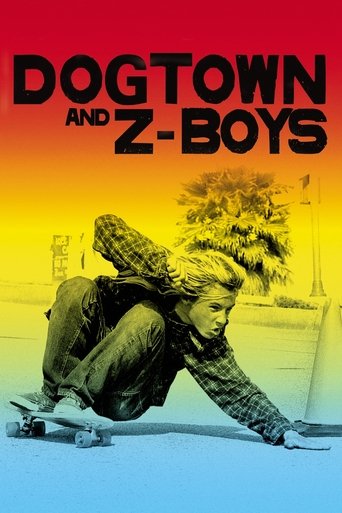
This award-winning, thrilling story is about a group of discarded kids who revolutionized skateboarding and shaped the attitude and culture of modern day extreme sports. Featuring old skool skating footage, exclusive interviews and a blistering rock soundtrack, DOGTOWN AND Z-BOYS captures the rise of the Zephyr skateboarding team from Venice's Dogtown, a tough "locals only" beach with a legacy of outlaw surfing.

From the team behind Man on Wire comes the story of Nim, the chimpanzee who in the 1970s became the focus of a landmark experiment which aimed to show that an ape could learn to communicate with language if raised and nurtured like a human child. Following Nim's extraordinary journey through human society, and the enduring impact he makes on the people he meets along the way, the film is an unflinching and unsentimental biography of an animal we tried to make human. What we learn about his true nature - and indeed our own - is comic, revealing and profoundly unsettling.

Embark on a delightful journey into the world of dogs in this documentary that reveals scientific and emotional insights about our lovable BFFs.

In an intimate and joyful story of love in the face of loss, celebrated poets Andrea Gibson and Megan Falley find strength—and unexpected hilarity—in what might be their final year together.

Korengal picks up where Restrepo left off; the same men, the same valley, the same commanders, but a very different look at the experience of war.

Amid the failing counteroffensive, a journalist follows a Ukrainian platoon on their mission to traverse one mile of heavily fortified forest and liberate a strategic village from Russian occupation. But the farther they advance through their destroyed homeland, the more they realize that this war may never end.

“The Soviet Story” is a story of an Allied power, which helped the Nazis to fight Jews and which slaughtered its own people on an industrial scale. Assisted by the West, this power triumphed on May 9th, 1945. Its crimes were made taboo, and the complete story of Europe’s most murderous regime has never been told. Until now...
Filmmaker Alain Resnais documents the atrocities behind the walls of Hitler's concentration camps.
Similar titles
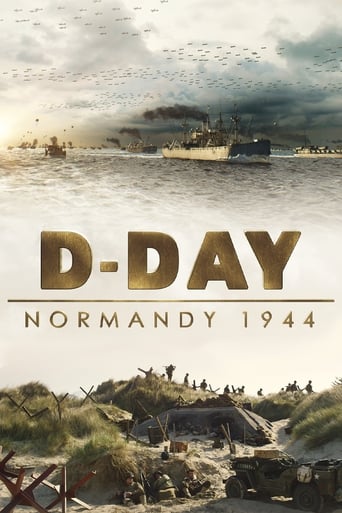
June 6, 1944: The largest Allied operation of World War II began in Normandy, France. Yet, few know in detail exactly why and how, from the end of 1943 through August 1944, this region became the most important location in the world. Blending multiple cinematographic techniques, including animation, CGI and stunning live-action images, “D-Day: Normandy 1944” brings this monumental event to the world’s largest screens for the first time ever. Audiences of all ages, including new generations, will discover from a new perspective how this landing changed the world. Exploring history, military strategy, science, technology and human values, the film will educate and appeal to all. Narrated by Tom Brokaw, “D-Day: Normandy 1944” pays tribute to those who gave their lives for our freedom… A duty of memory, a duty of gratitude.

Narrated by CBS Sports' Jim Nantz. The Seabees on Iwo Jima focuses on the United States Naval Construction Battalions in World War II, which built all the infrastructure for the Allies in Europe and the Pacific in WWII. The Seabees were construction workers by trade but had to fight at times. Their motto was "We Build, We Fight," and their biggest test came in the battle for Iwo Jima in 1945.
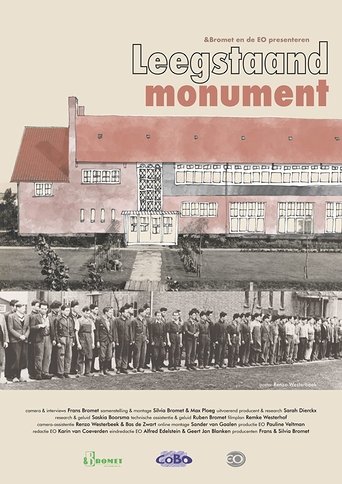
Documentary about the monument Joods Werkdorp.
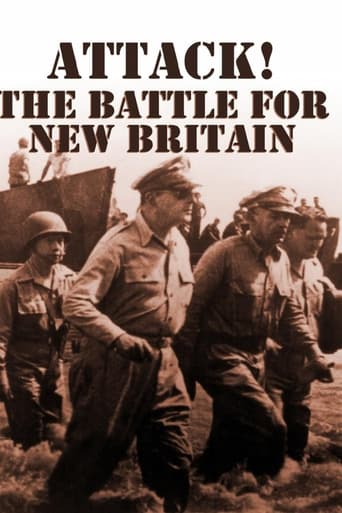
Actual footage by the United States Signal Corps of the landing and attack on Arawe Beach, Cape Glouster, New Britain island in 1943 in the South Pacific theatre of World War Two, and the handicaps of the wild jungle in addition to the Japanese snipers and pill-box emplacements.
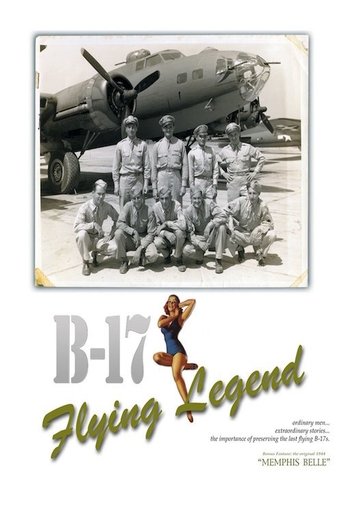
B-17 Flying Legend examines the importance of World War II's most famous airplane, and raises awareness about the importance of keeping the remaining B-17s flying for generations to come. This documentary covers the history of the airplane, from early designs to the outbreak of war, and the stories of bravery behind the faces of the men who flew them. It contrasts the past by also focusing on today's struggles to keep these flying museums in operation. Unless awareness is created to help with this preservation, in the near future B-17s will only be found in static displays. Almost 13,000 B-17s were built during the war. Sixty years later only 13 still fly. It is important to capture the history of the men behind these flying machines while they are still alive. It is also important to capture images of these machines while they still exist.

The biggest trial of Nazi war crimes ever: 360 witnesses in 183 days of trial - a stunning and gripping portrayal of the most terrible massacre in history.

One famous day. Five heroes. Five key turning points that changed the course of World War Two during the D Day landings, told through the eyes of the people who made a difference. Using rarely seen archive, dramatic reconstruction and written accounts from eye witnesses and personal testimony from our five heroes, this is D Day as never seen before.
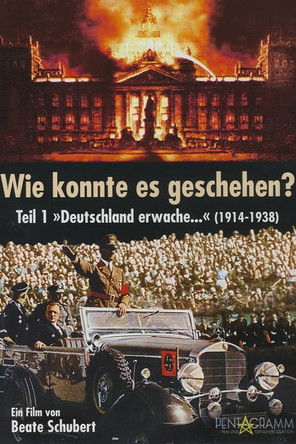
In 1945, 160 German cities lay in ruins and the loss of millions of lives, billions in material assets and countless cultural treasures was mourned throughout Europe... With the question “How could it happen?”, the film goes back to the year 1914, when the “primal catastrophe of the 20th century” took its course with the First World War.
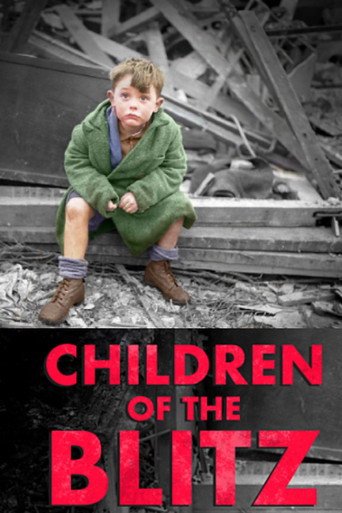
During The Blitz, the British government had plans in place to evacuate approximately 3.5 million people, but only around 1.5 million left towns and cities for the countryside, with the majority of those being children. Children of the Blitz tells the stories of those who remained at home, often to help their families, or because their parents couldn’t bear to send them away. Through the eyes of survivors who were children at the time, the film will explore how The Blitz contributed towards our sense of national identity and how the ‘Blitz Spirit’ is still held up as a defining characteristic of Britishness today. The film will also examine the starker reality for children whose homes were destroyed, including those who lost parents, and some who were left to fend for themselves - many grew up with their stories unheard.
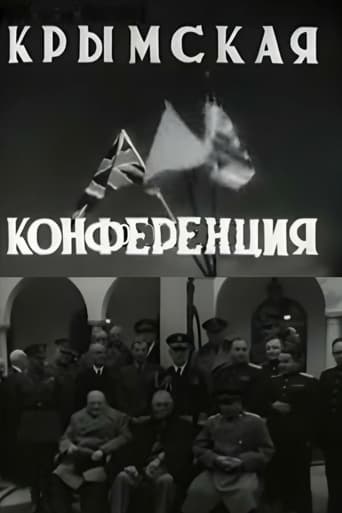
The Crimean (Yalta) conference of the leaders of the three powers - allies in the Anti-Hitler coalition was held from February 4 to February 11, 1945 in the Livadia Palace near Yalta.
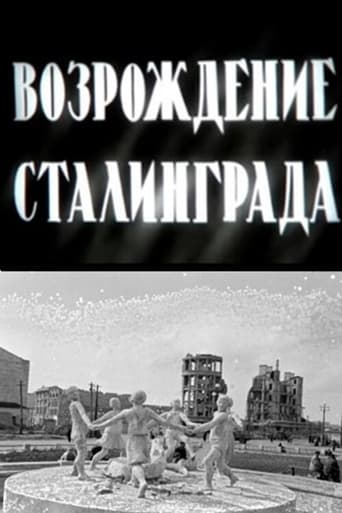

A documentary examining possible historical and modern conspiracies surrounding Christianity, the 9/11 terrorist attacks, and the Federal Reserve bank.

The film looks at the men, their living conditions, the food they eat and their bamboo shower. It shows the men building a radio out of spare parts to re-establish contact with the mainland (contact had been lost after the Japanese victory), the use of florins to pay native helpers, and a raid on a hostile native village which sees huts set on fire.

This richly illustrated historical documentary investigates the mechanism of nationalist feelings that radicalise. It shows how fascism was on the rise even a decade before the founding of the NSB, due to a number of anti-democratic initiatives led by a millionaire with a predilection for one-legged women, a market vendor, a cleric, and an artist. Historians, writers and collectors of fascist curios reveal how an initially marginal and fragmented movement grew into a radical populist party.
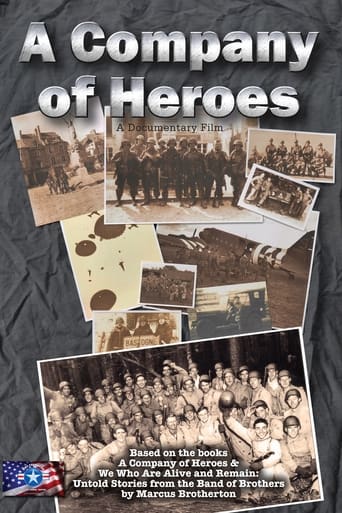
Easy Company, the 2nd Battalion of the 506th Parachute Infantry Regiment of the 101st Airborne Division, fought their way through Europe, liberated concentration camps, and drank a victory toast in April 1945 at Hitler's hideout. Veterans from Easy Company, along with the families of three deceased others, recount their horrors and victories, bonds they made and the friends they lost.
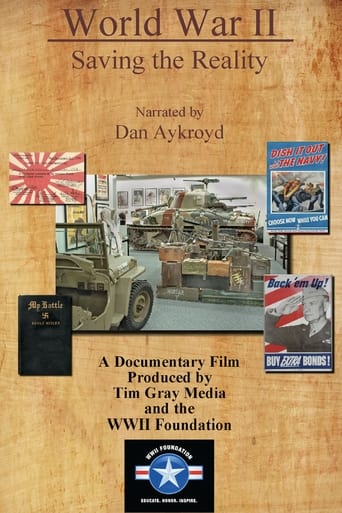
See Kenneth W. Rendell's collection of over 6,000 artifacts that range from the end of World War I and the rise of Nazism to the start of World War II and the fight in Europe and the Pacific.

The film chronicles the story of how the Nazis and the IOC turned, to their mutual benefit, a small sports event into the modern Olympics. The grand themes and controversial issues from the 1936 Games have continued to this day: Monumentality, budget overruns, collusion with authoritarian regimes, corruption and sometimes even bribery.