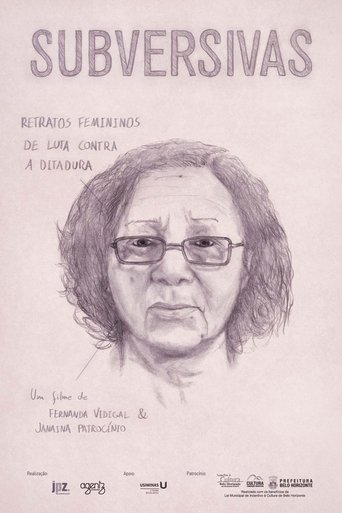
Subversivas
2013-10-01 · 96 min · Not rated
"Subversivas" is a documentary that reveals the brazilian military dictatorship from the perspective of women. Teresa Angelo, Gilse Cosenza, Thereza Vidigal, Angela Pezzuti and Delsy Gonçalves joined the resistance to the military regime in different ways. Their memories bring out events that marked that time and their life. These statements reveal their effort for freedom and democracy not only in political actions, but also in their family, work and everyday relationships, imbued with a belief and search for a fair and free country.
Trailers are previews, not full movies.
No authorized playback source configured. Use the legal watch options below.
Production details
- Directors
- Janaina Patrocínio, Fernanda Vidigal
- Production companies
- Agentz Produções Culturais, JPZ Comunicação
- Countries
- Brazil
- Status
- Released
Top Cast
Title information and images are supplied by TMDb. Explore our discovery guide for advice on comparing metadata and legal viewing options.
Where to watch
Availability provided by JustWatch via TMDb. Offers can change. Provider links are listed on TMDb; full playback requires a separately authorized source.
Availability not listed for this country.
Seasons & episodes
Recommendations
A road trip across five countries to explore the social and political movements as well as the mainstream media's misperception of South America while interviewing seven of its elected presidents.
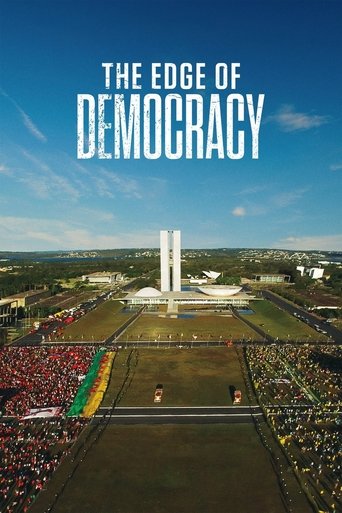
A cautionary tale for these times of democracy in crisis—the personal and political fuse to explore one of the most dramatic periods in Brazilian history. With unprecedented access to Presidents Dilma Rousseff and Lula da Silva, we witness their rise and fall and the tragically polarized nation that remains.

In the winter of 2011, after a controversial election, Vladimir Putin was reinstalled as president of Russia. In response, hundreds of thousands of citizens rose up all over the country to challenge the legitimacy of Putin’s rule. Among them were a group of young, radical-feminist punk rockers, better known as Pussy Riot. Wearing colored balaclavas, tights, and summer dresses, they entered Moscow’s most venerated cathedral and dared to sing “Mother Mary, Banish Putin!” Now they have become victims of a “show” trial.
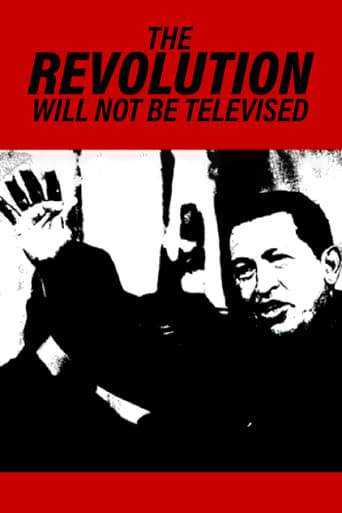
Hugo Chavez was a colourful, unpredictable folk hero who was beloved by his nation’s working class. He was elected president of Venezuela in 1998, and proved to be a tough, quixotic opponent to the power structure that wanted to depose him. When he was forcibly removed from office on 11 April 2002, two independent filmmakers were inside the presidential palace.
In 1977, a book of photographs captured an awakening - women shedding the cultural restrictions of their childhoods and embracing their full humanity. This documentary revisits those photos, those women and those times and takes aim at our culture today that alarmingly shows the need for continued change.
A documentary that resurrects the buried history of the outrageous, often brilliant women who founded the modern women's movement from 1966 to 1971.

Eduardo Coutinho was filming a movie with the same name in the Northeast of Brazil, in 1964, when there came the military coup. He had to interrupt the project, and came back to it in 1981, looking for the same places and people, showing what had ocurred since then, and trying to gather a family whose patriarch, a political leader fighting for rights of country people, had been murdered.
In 1999, Internet entrepreneur Josh Harris recruits dozens of young men and women who agree to live in underground apartments for weeks at a time while their every movement is broadcast online. Soon, Harris and his girlfriend embark on their own subterranean adventure, with cameras streaming live footage of their meals, arguments, bedroom activities, and bathroom habits. This documentary explores the role of technology in our lives, as it charts the fragile nature of dot-com economy.
A real-life undercover thriller about two ordinary men who embark on an outrageously dangerous ten-year mission to penetrate the world's most secretive and brutal dictatorship: North Korea.

Over 35 years after Bob Lazar's revelations, this documentary exposes secrets of a facility the government still denies. Featuring Lazar's testimony, recreations, and new evidence, it reopens a case that continues to spark global curiosity
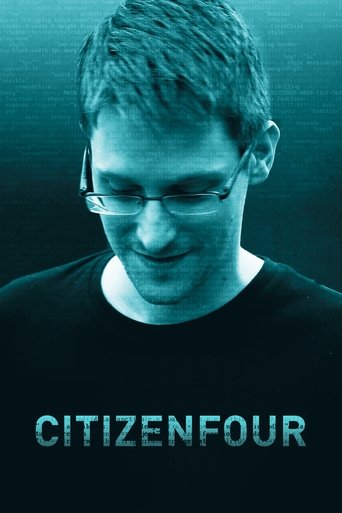
In June 2013, Laura Poitras and reporter Glenn Greenwald flew to Hong Kong for the first of many meetings with Edward Snowden. She brought her camera with her.
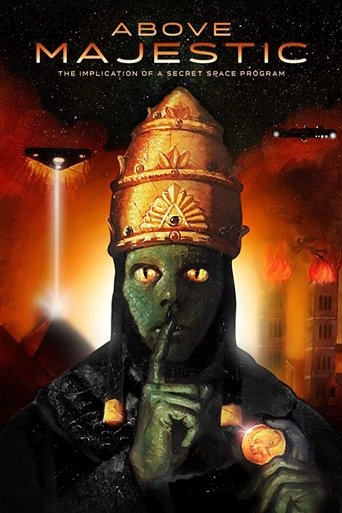
A look at the origins, history and conspiracies behind the "Majestic 12", a clandestine group of military and corporate figureheads charged with reverse-engineering extraterrestrial technology.

In an intimate and joyful story of love in the face of loss, celebrated poets Andrea Gibson and Megan Falley find strength—and unexpected hilarity—in what might be their final year together.

Through deeply personal interviews with her siblings and an examination of the photographs, letters, and belongings left behind, Mariska assembles a new portrait of her mother Jayne Mansfield, an extraordinary and complex woman.

A documentary on the expletive's origin, why it offends some people so deeply, and what can be gained from its use.
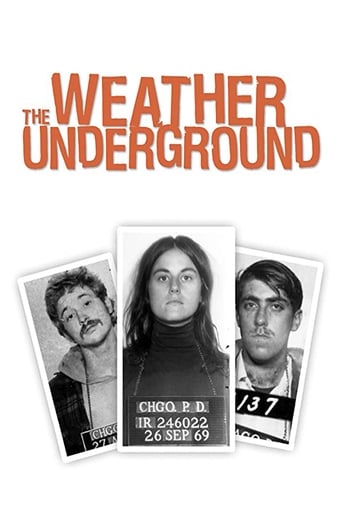
The remarkable story of The Weather Underground, radical activists of the 1970s, and of radical politics at its best and most disastrous.

Documentary filmmaker Amy Berg investigates the life of 30-year pedophile Father Oliver O'Grady and exposes the corruption inside the Catholic Church that allowed him to abuse countless children. Victims' stories and a disturbing interview with O'Grady offer a view into the troubled mind of the spiritual leader who moved from parish to parish gaining trust ... all the while betraying so many.

Dubbed “The Cannibal Cop,” former NYPD officer Gilberto Valle was charged with conspiring to kidnap and eat women but argued it was all a fantasy. His story made headlines both for its disturbing details and its potential to kick off a trend of thought-policing across the nation. Featuring intimate interviews with Valle and insights from experts, Thought Crimes explores if someone can be found guilty for their most dangerous thoughts.
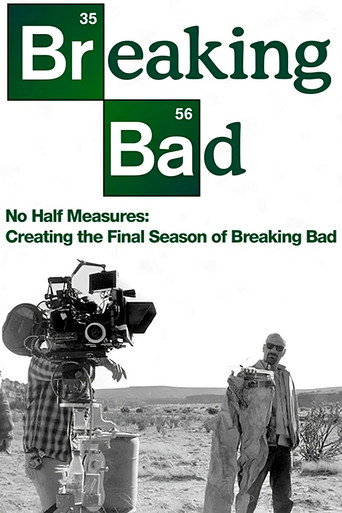
A documentary about the making of season five of the acclaimed AMC series Breaking Bad.
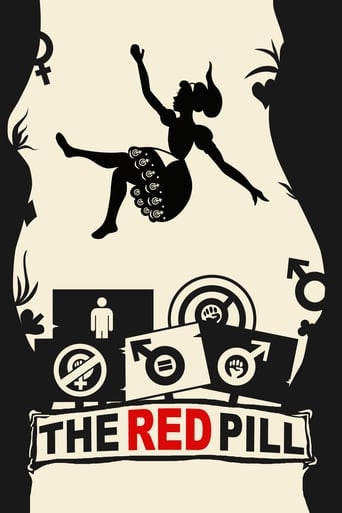
When a feminist filmmaker sets out to document the mysterious and polarizing world of the Men’s Rights Movement, she begins to question her own beliefs. Chronicling Cassie Jaye’s journey exploring an alternate perspective on gender equality, power and privilege.
Similar titles
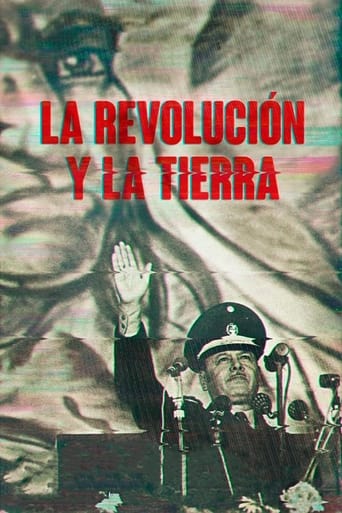
The long fight over the land, which demolished the wall between master and serf, continues to divide Peru to this day. But the 1969 agrarian reform marked a before and after in the country's story - a profound change that Peruvian cinema reflected and encapsulated, creating great imagination we continue to discover today. 50 years after the social experiments of the revolution, we ask ourselves whether Peru really messed up or not with Juan Velasco Alvarado.
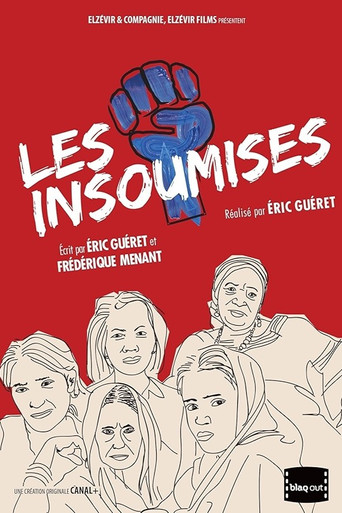

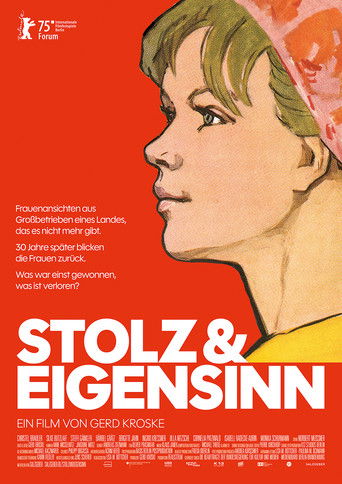
The viewpoints of women from a country that no longer exists preserved on low-band U-matic tape. GDR-FRG. Courageous, self-confident and emancipated: female industry workers talk about gaining autonomy.
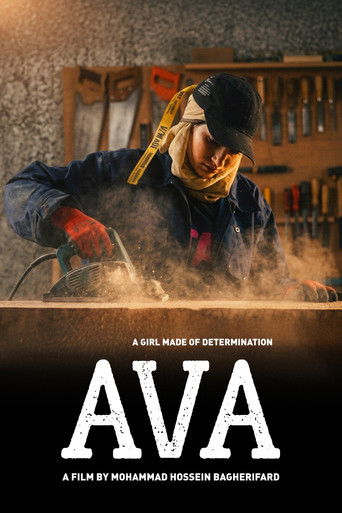
Breaking a centuries-old taboo, Ava stands as the first woman in Iran to master the male-dominated craft of carpentry. Within the grit and clamor of the workshop, she confronts a society that deems her presence forbidden. This observational documentary captures her daily battle against physical hardships and social judgment.
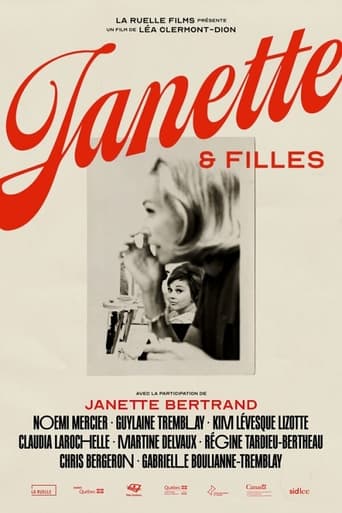
Janette Bertrand, 96, is at the time of the balance sheets. Where are the women, where is the fight for gender equality? An hour of History with a capital H and Love with a capital A, to not forget anything and, above all, never stop moving forward.

AMERICAN COUP tells the story of the first coup ever carried out by the CIA - Iran, 1953. Explores the blowback from this seminal event, as well as the coup's lingering effects on the present US-Iranian relationship. Includes a segment on the 1979 Iranian Hostage Crisis and its relation to the 1953 coup. Concludes with a section on the recent Iranian presidential election. Contains interviews with noted Middle East experts and historians and prominent public figures such as Stephen Kinzer (author, All The Shah's Men), Prof. Ervand Abrahamian, Trita Parsi, Col. Lawrence Wilkerson, Ted Koppel and Rep. Ron Paul of Texas. With Iranian cinematography by James Longley.
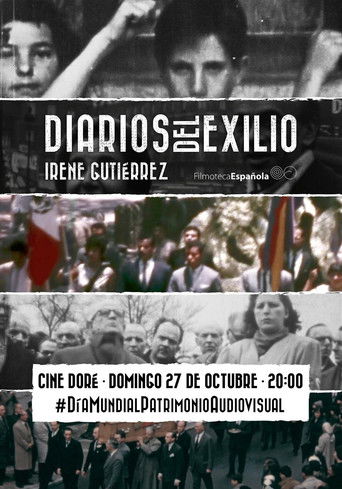
A documentary made with homemade videos of the spanish exiled due to the dictatorship in Spain from 1939 to 1977.
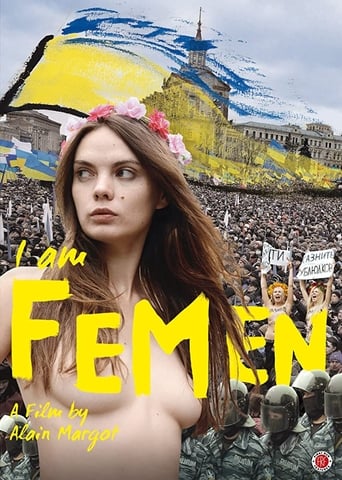
Oxana is a woman, a fighter, an artist. As a teenager, her passion for iconography almost inspires her to join a convent, but in the end she decides to devote her talents to the Femen movement. With Anna, Inna and Sasha, she founds the famous feminist group which protests against the regime and which will see her leave her homeland, Ukraine, and travel all over Europe. Driven by a creative zeal and a desire to change the world, Oxana allows us a glimpse into her world and her personality, which is as unassuming, mesmerising and vibrant as her passionate artworks.
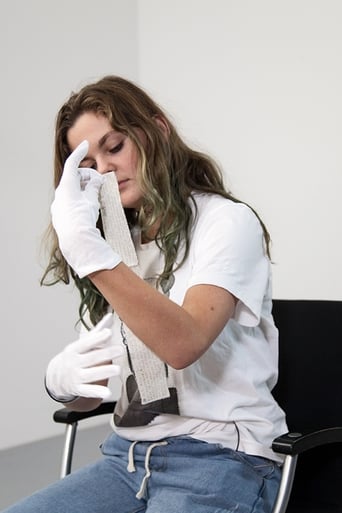
Widerstandsmomente (Moments of Resistance) carries voices, writings, and objects from the anti-Nazi resistance into the present. Politically engaged women of today respond to historical resistance and make links to current events. A line is drawn from what was before and what is today to what might be: a society based on solidarity without discrimination or exclusion.
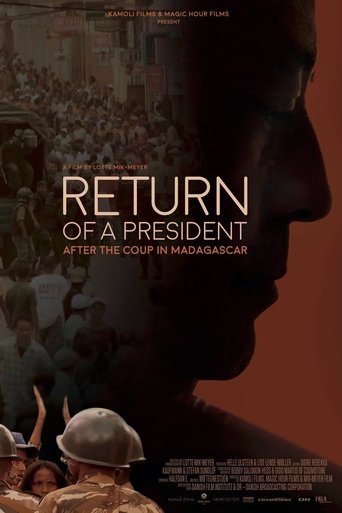
In a fascinating geopolitical drama, Danish filmmaker Mik-Meyer closely follows Ravalomanana as he attempts to return from exile in South Africa to Madagascar, under the threat of arrest and bodily harm.
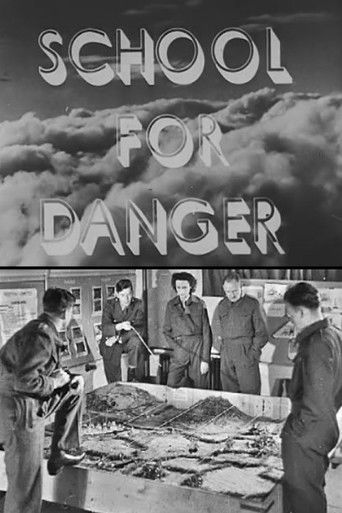
Britain's Special Operations Executive (SOE) provides trained agents, arms and other assistance to the European resistance groups fighting against Hitler. British agents, Captain Harry Rée DSO, OBE, Croix De Guerre, Médaille de la Résistance, aka "Felix", and Jacqueline Nearne, MBE, aka "Cat", recreate some of their adventures in France.
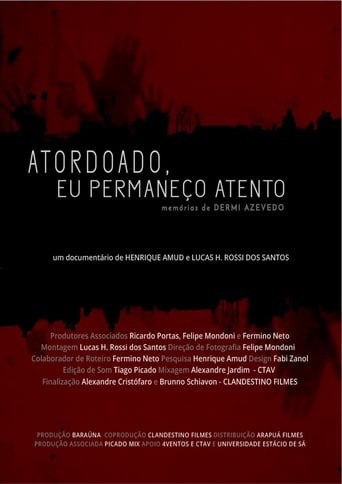
Journalist Dermi Azevedo has never stopped fighting for human rights and now, three decades after the end of the military dictatorship in Brazil, he's witnessing the return of those same practices.

This documentary profiles economist and writer Marilyn Waring. In extensive interviews, Waring details her feminist approach to finances and challenges commonly accepted truths about the global economy. The filmmakers detail Waring's early rise to political prominence and her successful protests against nuclear arms. Waring also speaks candidly about wartime economies, suggesting that government policies tend to marginalize the fiscal contributions of women.
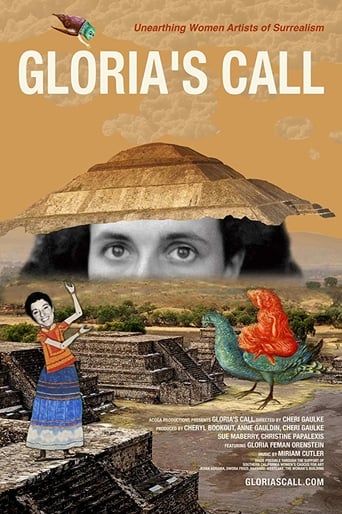
In 1971, graduate student Gloria Orenstein received a call from Surrealist artist Leonora Carrington that sparked a lifelong journey into art, ecofeminism and shamanism. This short film uses art, animation and storytelling to celebrate this wild adventure. Now more than 40 years later, award-winning Dr. Gloria Feman Orenstein is a feminist art critic and pioneer scholar of women in Surrealism and ecofeminism in the arts. Her delightful tale brings alive an often unseen history of women in the arts.
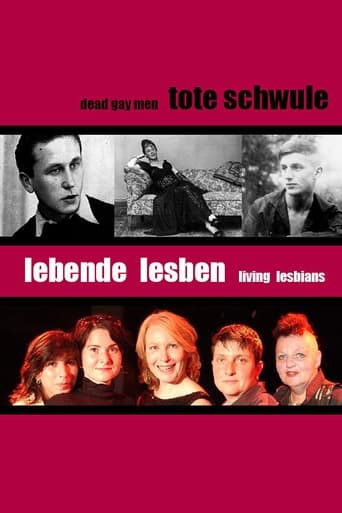
As a result of the Holocaust and later, AIDS, the male homosexual community has sustained bitter losses and, according to Praunheim, lesbian women have now placed themselves at the head of the so-called queer movement. The female protagonists in the film represent two different generations; they also incorporate the past and present status of homosexuals in society.
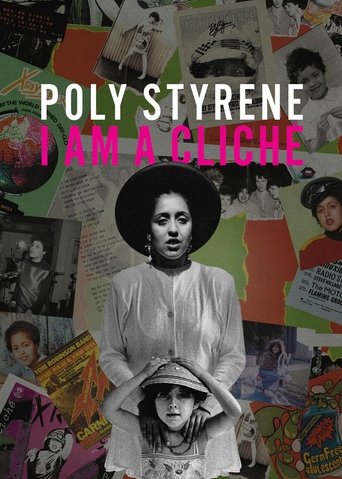
The death of punk icon and X-Ray Spex front-woman Poly Styrene sends her daughter on a journey through her mother's archives in this intimate documentary.
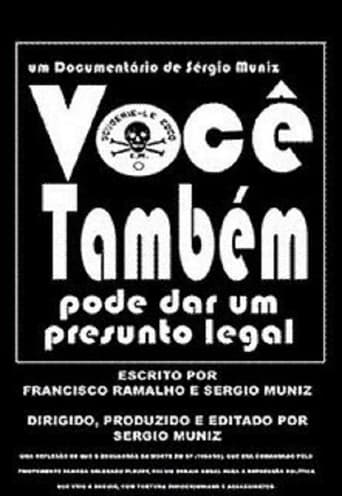
Amid the civil-military dictatorship implanted with the 1964 coup, Sergio Muniz had the idea of making a documentary about the action of the Death Squad. At the time, the press still had some freedom to disseminate the work of these death squads formed by police officers of various ranks, and that he acted on the outskirts of cities like Sao Paulo and Rio de Janeiro. The victims of police repression (as today) were men, poor and black, and this condition is supposed criminals.

On the evening of April 30, 1971, a standing room only audience of local literati and feminists packed New York City’s Town Hall to watch Norman Mailer, who had just written “The Prisoner of Sex,” grapple with a panel of passionate feminists. The subject was Women’s Liberation, an issue on which Mailer seemed like the devil’s own advocate.