

1979: Big Bang of the Present
2019-12-10 · 89 min · ★ 6.0
Deng Xiaoping's economic and political opening in China. Margaret Thatcher's extreme economic measures in the United Kingdom. Ayatollah Khomeini's Islamic Revolution in Iran. Pope John Paul II's visit to Poland. Saddam Hussein's rise to power in Iraq. The Soviet invasion of Afghanistan. The nuclear accident at the Harrisburg power plant and the birth of ecological activism. The year 1979, the beginning of the future.
Trailers are previews, not full movies.
No authorized playback source configured. Use the legal watch options below.
Production details
- Directors
- Dirk van den Berg, Pascal Verroust
- Production companies
- K2 Productions, OutreMer Film, RBB, Telewizja Polska, ORF, INA
- Countries
- Austria, France, Germany, Poland
- Status
- Released
Top Cast
 Leszek BalcerowiczSelf - Economist (1979)
 Charles MooreSelf - Political Journalist (1979)
 Michael HeseltineSelf - Politician (1979)
 Roy HattersleySelf - Politician (1979)
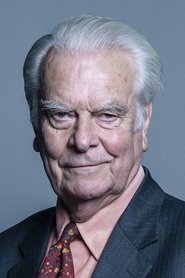 David OwenSelf - Politician (1979)
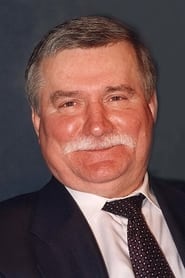 Lech WałęsaSelf - Shipyard Worker (1979)
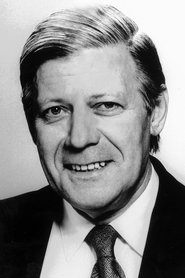 Helmut SchmidtSelf - Politician (archive footage)
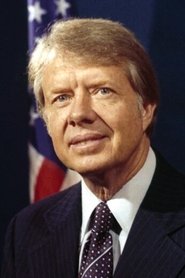 Jimmy CarterSelf - Politician (archive footage)
Title information and images are supplied by TMDb. Explore our discovery guide for advice on comparing metadata and legal viewing options.
Where to watch
Availability provided by JustWatch via TMDb. Offers can change. Provider links are listed on TMDb; full playback requires a separately authorized source.
Availability not listed for this country.
Seasons & episodes
Recommendations
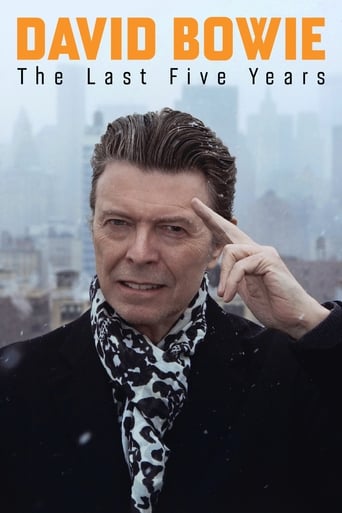
In the last five years of his life, David Bowie ended nearly a decade of silence to engage in an extraordinary burst of activity, producing two groundbreaking albums and a musical. David Bowie: The Last Five Years explores this unexpected end to a remarkable career. Made with remarkable access, Francis Whately’s documentary is a revelatory follow-up to his acclaimed 2013 documentary David Bowie: Five Years, which chronicled Bowie’s golden ‘70s and early-‘80s period.
In 1972, a seemingly typical shoestring budget pornographic film was made in a Florida hotel: "Deep Throat," starring Linda Lovelace. This film would surpass the wildest expectation of everyone involved to become one of the most successful independent films of all time. It caught the public imagination which met the spirit of the times, even as the self-appointed guardians of public morality struggled to suppress it, and created, for a brief moment, a possible future where sexuality in film had a bold artistic potential. This film covers the story of the making of this controversial film, its stunning success, its hysterical opposition along with its dark side of mob influence and allegations of the on set mistreatment of the film's star.
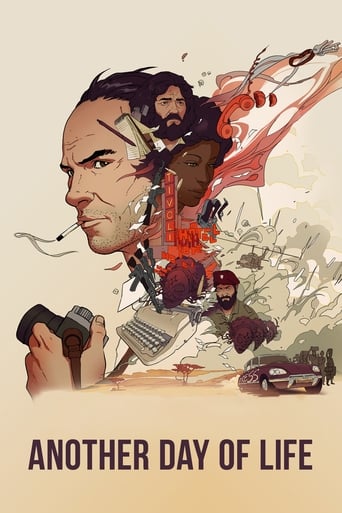
In 1975, Ryszard Kapuściński, a veteran Polish journalist, embarked on a seemingly suicidal road trip into the heart of the Angola's civil war. There, he witnessed once again the dirty reality of war and discovered a sense of helplessness previously unknown to him. Angola changed him forever: it was a reporter who left Poland, but it was a writer who returned…

The full story of the 1972 Munich Olympics Massacre and the Israeli revenge operation 'Wrath of God.' The 1972 Munich Olympics were interrupted by Palestinian terrorists taking Israeli athletes hostage. Besides footage taken at the time, we see interviews with the surviving terrorist, Jamal Al Gashey, and various officials detailing exactly how the police, lacking an anti-terrorist squad and turning down help from the Israelis, botched the operation.
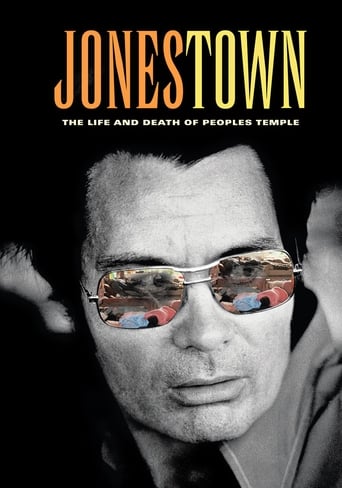
Featuring never-before-seen footage, this documentary delivers a startling new look at the Peoples Temple, headed by preacher Jim Jones who, in 1978, led more than 900 members to Guyana, where he orchestrated a mass suicide via tainted punch.

Oskar Gröning, known as the "Accountant of Auschwitz," was charged with the murder of 300,000 Jews. When he took the stand in 2015, at the age of 94, his trial made headlines worldwide.
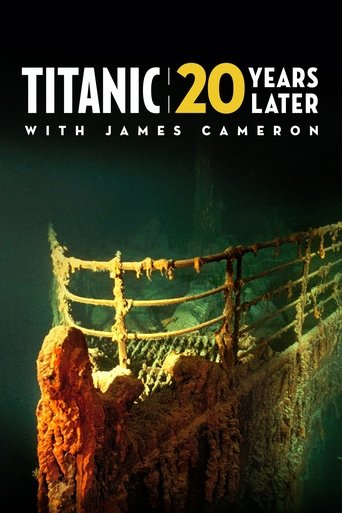
For the 20th anniversary of "Titanic," James Cameron reopens the file on the disaster.
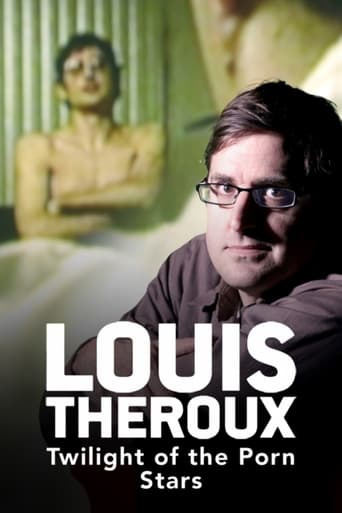
In 1997, Louis Theroux made a documentary about the world of male porn performers in Los Angeles. 15 years later, he returns to find a business struggling with the deluge of free porn on the internet. Louis revisits some of the original programme's contributors as well as meeting the latest crop of porn performers dreaming of porn stardom.

An unprecedented and intimate look at the life, work and enduring legacy of British actress Audrey Hepburn (1929-1993).
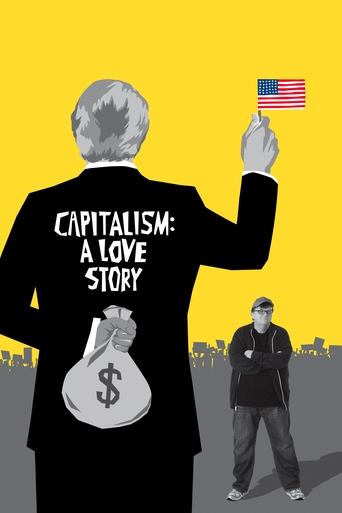
Michael Moore comes home to the issue he's been examining throughout his career: the disastrous impact of corporate dominance on the everyday lives of Americans (and by default, the rest of the world).

On September 15, 1963, a bomb destroyed a black church in Birmingham, Alabama, killing four young girls who were there for Sunday school. It was a crime that shocked the nation--and a defining moment in the history of the civil-rights movement. Spike Lee re-examines the full story of the bombing, including a revealing interview with former Alabama Governor George Wallace.
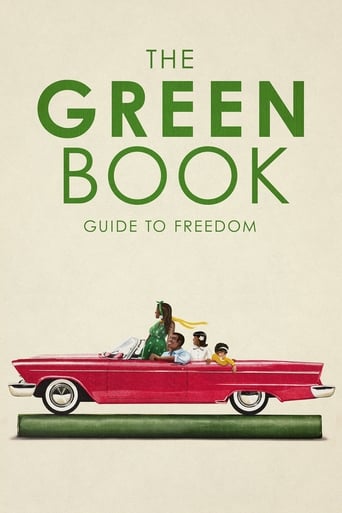
In 1936, Victor H. Green (1892-1960) published The Negro Motorist Green Book, a book that was both a travel guide and a survival manual, to help African-Americans navigate safe those regions of the United States where segregation and Jim Crow laws were disgracefully applied.
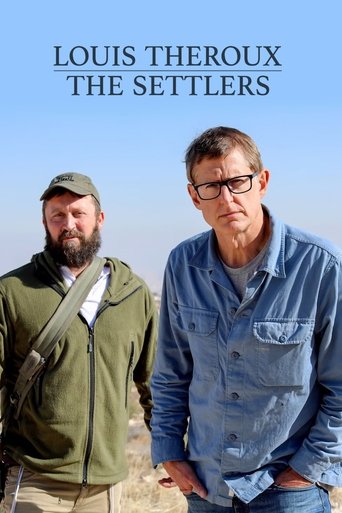
Fourteen years after his first visit, Louis Theroux meets some of the growing community of religious-nationalist Israelis who have settled in the occupied West Bank.
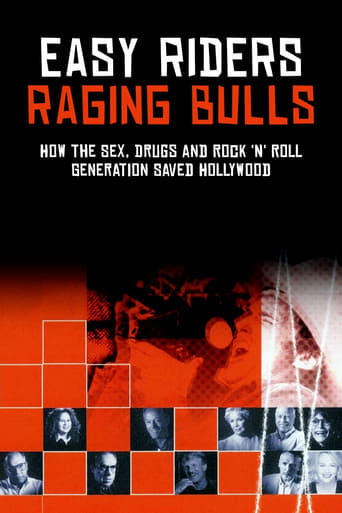
The chronicle of the mind-blowing journey that was Hollywood during the seventies; the true and gripping story of the last golden age of American cinema, an exalted celebration of creativity and experimentation; but also of sex, drugs and rock 'n' roll: a turbulent and dark tale of ambition, envy, betrayal, hatred and self-destruction.
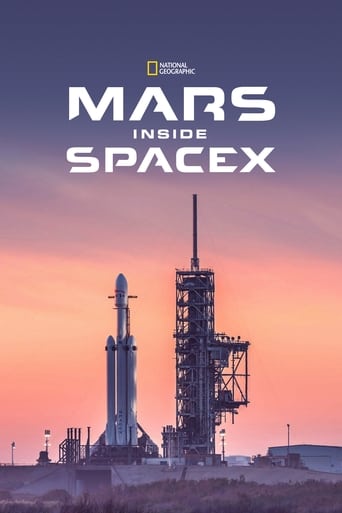
The inside story of SpaceX's plan to get humanity to Mars, providing an unprecedented glimpse into one of the world's most revolutionary companies. A behind-the-scenes journey with Elon Musk and his engineers as they persevere amidst both disheartening setbacks and huge triumphs to advance the space industry faster than we ever thought possible.
Documentary about the art of film editing. Clips are shown from many groundbreaking films with innovative editing styles.
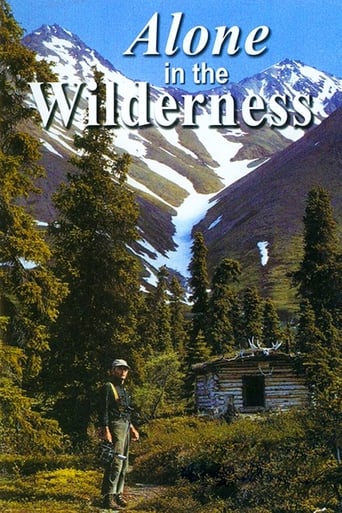
Dick Proenneke retired at age 50 in 1967 and decided to build his own cabin in the wilderness at the base of the Aleutian Peninsula, in what is now Lake Clark National Park. Using color footage he shot himself, Proenneke traces how he came to this remote area, selected a homestead site and built his log cabin completely by himself. The documentary covers his first year in-country, showing his day-to-day activities and the passing of the seasons as he sought to scratch out a living alone in the wilderness.
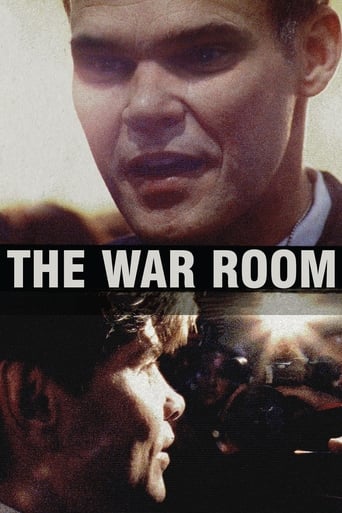
A behind-the-scenes documentary about the Clinton for President campaign, focusing on the adventures of spin doctors James Carville and George Stephanopoulos.
Featuring a wealth of previously unseen archive, this film looks at how Bowie continually evolved: from Ziggy Stardust to the Soul Star of Young Americans, to the ‘Thin White Duke’. It explores his regeneration in Berlin with the critically acclaimed album Heroes, his triumph with Scary Monsters and his global success with Let’s Dance. With interviews with all his closest collaborators, David Bowie - Five Years presents a unique account of why Bowie has become an ‘icon of our times’.

For decades, a nice Jewish couple ran Circus of Books, a porn shop and epicenter for gay LA. Their director daughter documents their life and times.
Similar titles

Jean-Luc Godard brings his firebrand political cinema to the UK, exploring the revolutionary signals in late '60s British society. Constructed as a montage of various disconnected political acts (in line with Godard's then appropriation of Soviet director Dziga Vertov's agitprop techniques), it combines a diverse range of footage, from students discussing The Beatles to the production line at the MG factory in Oxfordshire, burnished with onscreen political sloganeering.
A 3 year trade war has created corporate casualties in both US and China. In China, a dual circulation model is now underway to mitigate the effects of US protectionism. In the US, a Biden administration mulls new economic measures against China, even as industry groups lobby for tariffs to be lifted. Both countries also brace for what used to be unthinkable- the possibility of a financial war.

The case of Yeates, found murdered on Christmas Day 2010 in Bristol, became a stark example of media frenzy gone wrong. Her innocent landlord, Christopher Jefferies, was wrongly accused, before a Dutch national was ultimately jailed.

When the body of 63-year-old vicar, Anthony Crean, was discovered in the quiet village of Shorne, Kent in March 1975, the community were shocked. Father Crean hadn’t died of natural causes; he had been hacked to death with an axe and left in a bath of blood. One detective was certain the killer was 22-year-old career criminal named Patrick Mackay, but he had no proof.

Wittig Yes! introduces Wittig’s political, theoretical, and literary ideas through the creative collaborations with her partner Sande Zeig and a new generation of international academics and writers who articulate the foundations of her conceptual revolution. Zeig interweaves excerpts of work they developed over the years through archival film, photographs, personal notes, as well as theatrical readings. We move with them from France, to Greece, California, and Arizona. The three decades of public and private archival materials unveil Monique Wittig not only as a revolutionary writer, thinker, and activist but also as a multifaceted individual with a profound compassion for others, a deep love of nature, and an exceptional sense of humor. She leaves a legacy that continues to have an impact on our current ideas of gender and political thought.
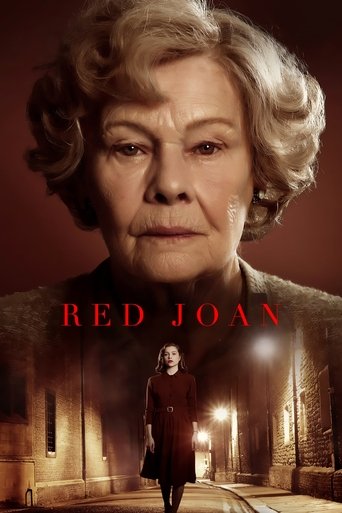
London, England, May 2000. The peaceful life of elderly Joan Stanley is suddenly disrupted when she is arrested by the British Intelligence Service and accused of providing information to communist Russia during the forties.
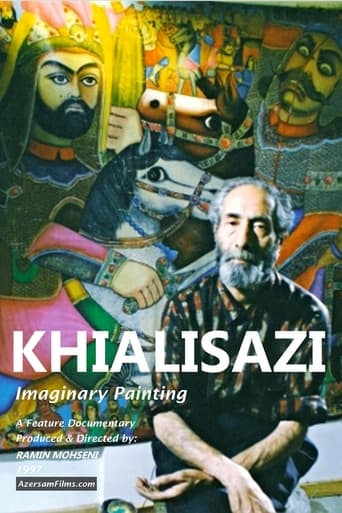
A documentary about the life and works of the maestros of Imaginary Painting School who made Iranian popular old style Khialisazi or Coffee-House Painting.
Interviews from women involved in the 70's and 80's rock music industry. An examination of the people taking advantage of underage fans and calling for a "Me too" movement in the music world
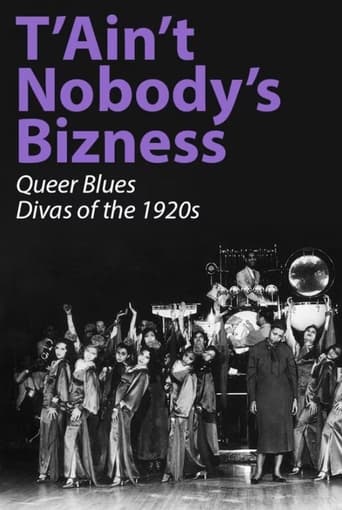
The 1920s saw a revolution in technology, the advent of the recording industry, that created the first class of African-American women to sing their way to fame and fortune. Blues divas such as Bessie Smith, Ma Rainey, and Alberta Hunter created and promoted a working-class vision of blues life that provided an alternative to the Victorian gentility of middle-class manners. In their lives and music, blues women presented themselves as strong, independent women who lived hard lives and were unapologetic about their unconventional choices in clothes, recreational activities, and bed partners. Blues singers disseminated a Black feminism that celebrated emotional resilience and sexual pleasure, no matter the source.
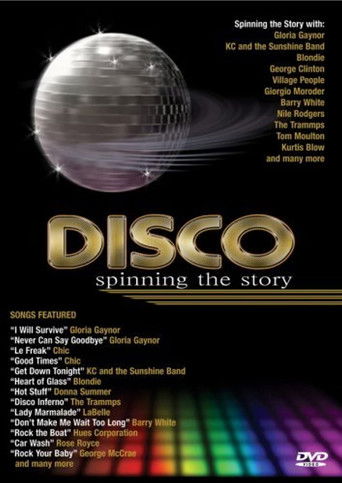
Hosted by the one and only Disco Diva, Gloria Gaynor, "Disco: Spinning the Story" takes a comprehensive look at the evolution of the music that defined the 70's. From the recording studios to the dance floors, "Disco: Spinning the Story" examines the phenomenon in a way it has never been told before. Hear funk pioneer George Clinton, Donna Summer producer Giorgio Moroder, Nile Rodgers of Chic, Earl Young of the Trammps, hip-hop icon Kurtis Blow, remix legend Tom Moulton, "Saturday Night Fever" actress, Karen Lynn Gorney and even Bob Weir of The Grateful Dead talk about the roots of Disco, how it emerged, and how it has influenced music ever since. Included are vintage performance highlights from Donna Summer, KC & The Sunshine Band, Bee Gees, Chic, Gloria Gaynor, Rose Royce, Labelle, Hues Corporation and many more.
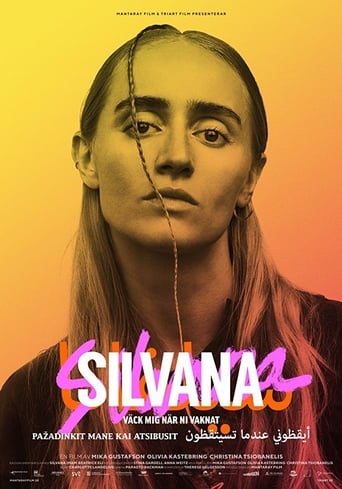
A documentary about the Swedish rapper and artist Silvana Imam.
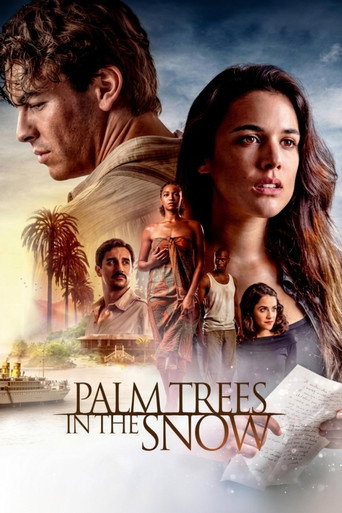
Spain, 2003. An accidental discovery leads Clarence to travel from the snowy mountains of Huesca to Equatorial Guinea, to visit the land where her father Jacobo and her uncle Kilian spent most of their youth, the island of Fernando Poo.
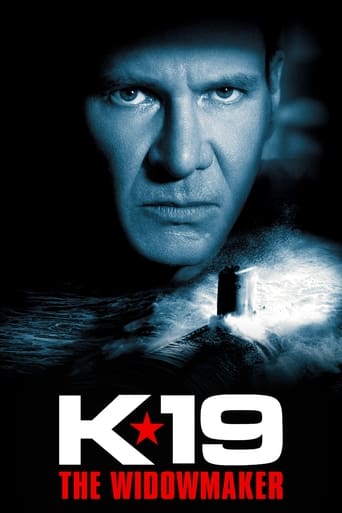
When Russia's first nuclear submarine malfunctions on its maiden voyage, the crew must race to save the ship and prevent a nuclear disaster.

On the evening of April 30, 1971, a standing room only audience of local literati and feminists packed New York City’s Town Hall to watch Norman Mailer, who had just written “The Prisoner of Sex,” grapple with a panel of passionate feminists. The subject was Women’s Liberation, an issue on which Mailer seemed like the devil’s own advocate.
Guy Debord's analysis of a consumer society.

Film sponsored by Western Electric (AT&T's equipment manufacturing division), the builder of the United States Air Force's White Alice Communications System in Alaska. Introduces the people and geography of the new state as well as the Western Electric radio-relay system, which links far-flung military sites, alert stations, and missile-warning facilities. Ralph Caplan praised the film's "intrinsically dramatic and highly photogenic" portrayal of communications equipment.


This 50-minutes long TV production, Wiszniewski's only feature film, is the story of a young worker, who is given a flat by his union commission on condition that he gets married.
Made at the height of 'cold war' paranoia, this drama-documentary shows the work of the UK Warning and Monitoring Organisation, who's duties included the issuing of public warnings of any nuclear missile strike and the subsequent fallout.
President Mikhail Gorbachev recounts the end of the Cold War and the reduction of nuclear arms.