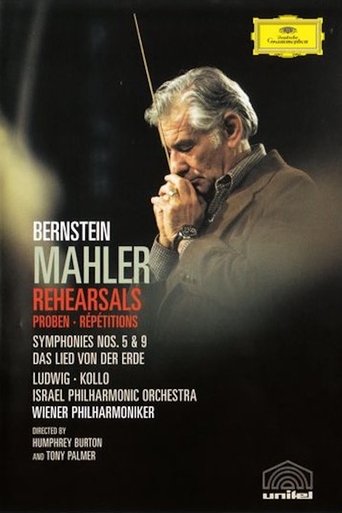
Bernstein Mahler Rehearsal
1976-07-08 · 54 min · ★ 7.0
"Four Ways to Say Farewell" is a personal introduction to Mahler and his Ninth Symphony, during which Leonard Bernstein is seen and heard rehearsing the Vienna Philharmonic Orchestra. Filmed in 1971, this rehearsal was directed by Humphrey Burton,
Trailers are previews, not full movies.
No authorized playback source configured. Use the legal watch options below.
Production details
- Directors
- Humphrey Burton, Tony Palmer
- Production companies
- Unavailable
- Countries
- Unavailable
- Status
- Released
Top Cast
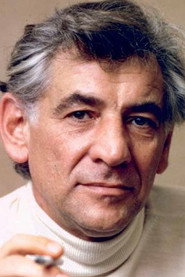 Leonard BernsteinSelf - Conductor
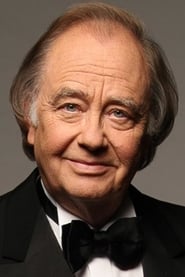 René KolloSelf
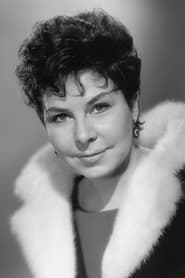 Christa LudwigSelf
Title information and images are supplied by TMDb. Explore our discovery guide for advice on comparing metadata and legal viewing options.
Where to watch
Availability provided by JustWatch via TMDb. Offers can change. Provider links are listed on TMDb; full playback requires a separately authorized source.
Availability not listed for this country.
Seasons & episodes
Recommendations

Taylor Swift takes the stage in Dallas for the Reputation Stadium Tour and celebrates a monumental night of music, memories and visual magic.
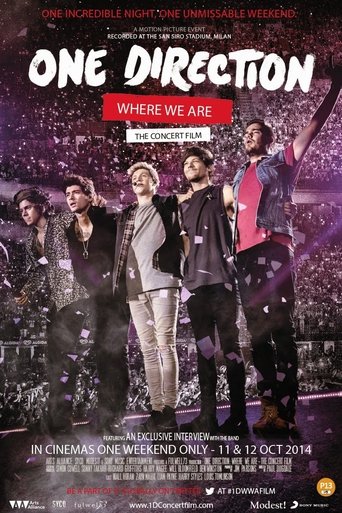
Where We Are: Live from San Siro Stadium features the entire 23 track concert filmed at San Siro Stadium in Milan in June 2014, as well as 24 minutes of bonus content including backstage footage of One Direction and their crew.
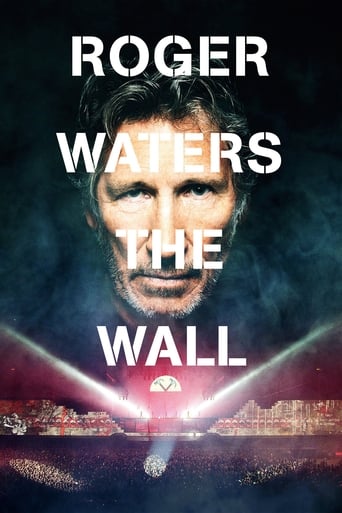
A concert film that the former Pink Floyd singer-songwriter made on various tour dates between 2010 and 2013, when he was playing his former group's 1980 double-album in its entirety.
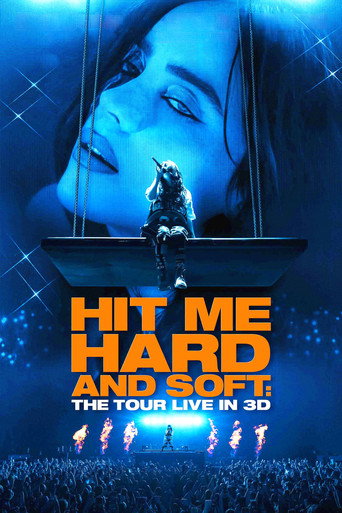
Captured during Billie Eilish's sold-out world tour, a concert experience from one of the most celebrated and successful artists of her generation, presented in immersive 3D.
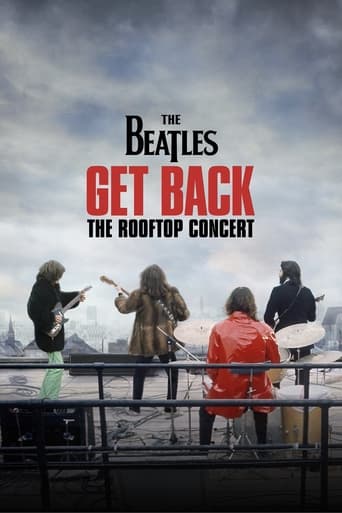
On the 30th of January, 1969, the Beatles performed an unannounced concert from the rooftop of their Apple Corps headquarters at Savile Row, within central London's office and fashion district. Experience the final and unforgettable iconic performance of The Beatles in a special 60-minute presentation, digitally remastered into the image and sound quality of IMAX DMR technology.
A backstage and on-stage look at Justin Bieber during his rise to super stardom.

In a once-in-a-lifetime musical event, Taylor Swift performs songs from her award-winning album, “Lover.” Filmed in Paris, the City of Love, in September 2019, this show gives fans unprecedented access to behind-the-scenes moments with the artist and marks her only concert performance in 2020.
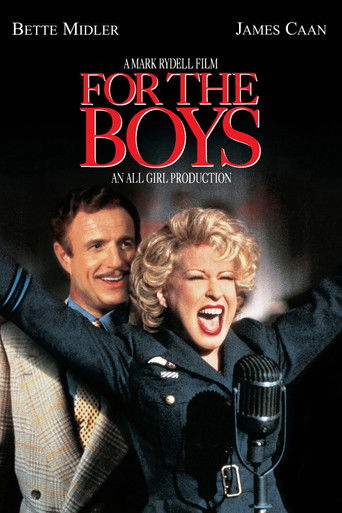
Talented USO entertainer Dixie Leonard and comedian Eddie Sparks deal with their relationship over the course of 5 decades from World War II to the Vietnam War era to their twilight era in the 90's.

Hans Zimmer is one of the most successful film music composers working today. His multi-award winning career reaches back to the mid-eighties and he has developed close working relationships with renowned directors such as Ridley Scott, Tony Scott, Michael Bay, Ron Howard, Gore Verbinski and Christopher Nolan. His credits include some of the biggest blockbuster movies of all time along with acclaimed TV series such as The Crown and Planet Earth II. This concert was filmed on 7th May 2016 in Prague during Hans Zimmer’s hugely successful European concert tour. Hans was accompanied by a band, orchestra and choir, 72 musicians in total, including guitarist Johnny Marr. The staging was spectacular with a ground breaking light show, stunning visuals and a state of the art sound system. Hans Zimmer performs on multiple instruments and gives introductory insights to many of the pieces during the concert. This show is a treat for lovers of both great music and great movies.
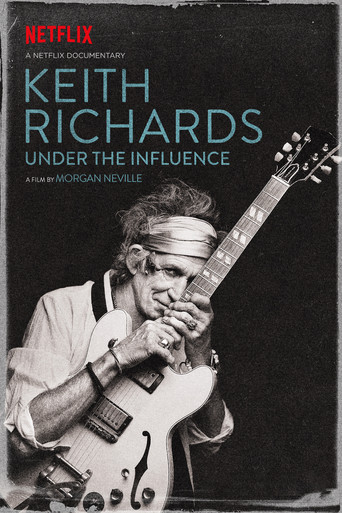
A portrait of Keith Richards that takes us on a journey to discover the genesis of his sound as a songwriter, guitarist and performer.
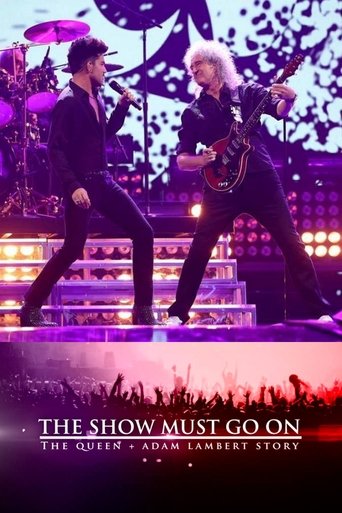
A documentary chronicling Queen and Lambert's incredible journey since they first shared the stage together on "American Idol" in 2009.
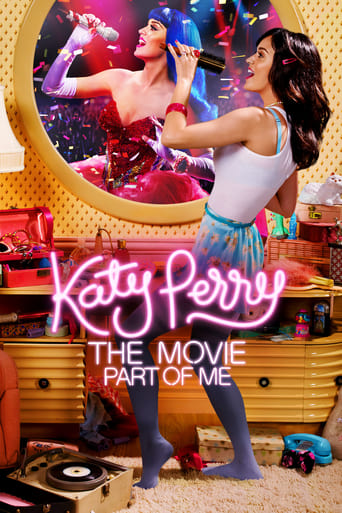
Giving fans unprecedented access to the real life of the music sensation, Katy Perry: Part of Me exposes the hard work, dedication and phenomenal talent of a girl who remained true to herself and her vision in order to achieve her dreams. Featuring rare behind-the-scenes interviews, personal moments between Katy and her friends, and all-access footage of rehearsals, choreography, Katy’s signature style and more, Katy Perry: Part of Me reveals the singer’s unwavering belief that if you can be yourself, then you can be anything.
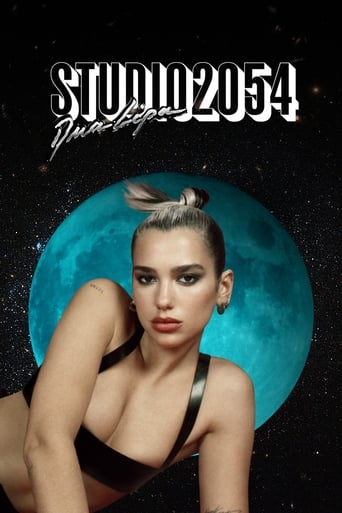
Dua Lipa's kaleidoscopic rocket fuelled journey through time, space, mirrorballs, roller discos, bucket hats, belting beats, throbbing basslines and an absolute slam dunk of the best of times in global club culture throughout the decades.

An incredible concert as the worldwide phenomenon goes extreme! Inviting you behind the scenes and putting you in the middle of the action. Step out of the audience and jump on stage with Vanessa Hudgens, Ashley Tisdale, Corbin Bleu, Monique Coleman, Drew Seeley and more of the cast of the award-winning hit movie High School Musical as they perform their chart-topping songs.

Darrin Hill, a slick-talking but down-on- his-luck NYC advertising exec, returns to his hometown in Georgia to claim the inheritance his aunt left him. But before Darrin can collect the money, he must fulfill his aunt's final wish -- to create a local choir.
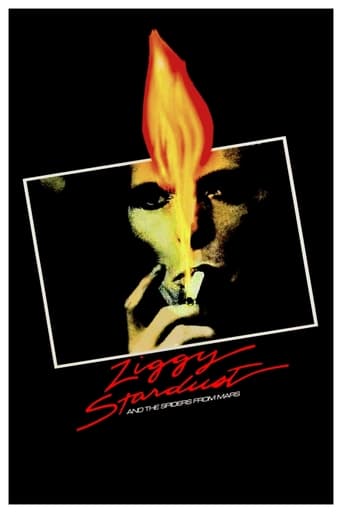
Hammersmith Odeon, London, July 3, 1973. British singer David Bowie performs his alter ego Ziggy Stardust for the very last time. A decadent show, a hallucinogenic collage of kitsch, pop irony and flamboyant excess: a musical symbiosis of feminine passion and masculine dominance that defines Bowie's art and the glam rock genre.
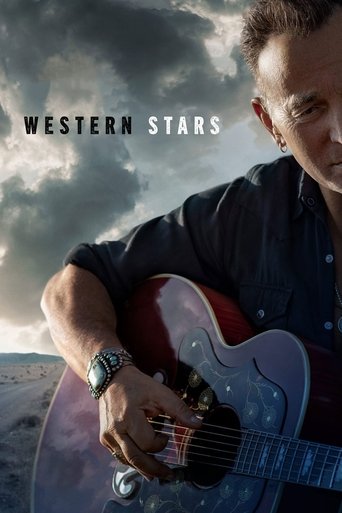
The incomparable Bruce Springsteen performs his critically acclaimed latest album and muses on life, rock, and the American dream, in this intimate and personal concert film co-directed by Thom Zimny and Springsteen himself.
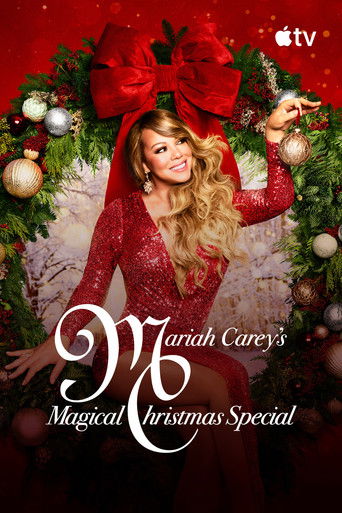
Faced with a holiday cheer crisis, the North Pole knows there's only one person who can save the day: Santa's great friend Mariah Carey. The Queen of Christmas creates a fabulous and star-studded spectacular to make the whole world merry!
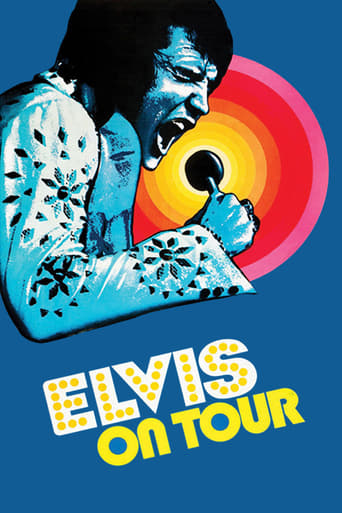
This documentary captures Elvis Presley on his 1972 American tour and includes rehearsals, interviews, archival television appearances and backstage moments. With Elvis at his most flamboyant, the film features well-known hits and cover songs showcasing his country, gospel and rhythm-and-blues influences.

Zander Raines, a dazzling and tempestuous young choreographer, gives the break of a lifetime to two hopeful artists when he casts a stunning contemporary dancer, Barlow, and innovative pianist, Charlie, in New York’s most-anticipated new Broadway show: Free Dance. But the move throws off the show’s delicate creative balance when Charlie falls hard for Barlow, while Zander embraces her as his muse.
Similar titles
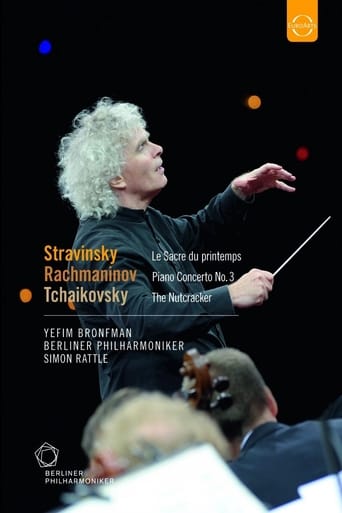
Every year, the Berliner Philharmoniker hold a kind of classical-music fête with a bright, cheerful concert to end the season. In 2009 about 22,000 people had come together at the Berlin Waldbühne to enjoy the traditional summer picnic concert. The theme of the evening was “Russian rhythms”, and star conductor Sir Simon Rattle, the Berliner Philharmoniker and Yefim Bronfman, one of the most famous pianists in the world today, presented a superb selection of Russian music. Repertoire Tchaikovsky: The Nutcracker, op. 71, Overture, The Christmas Tree, March, Pas de deux (Intrada) Rachmaninoff: Piano Concerto No.3 in D minor, op. 30 Stravinsky: Le Sacre du printemps Lincke: Berliner Luft
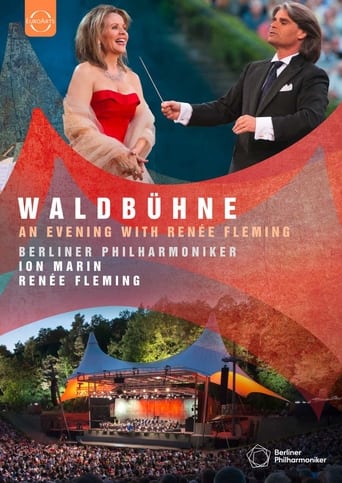
Repertoire Modest Mussorgsky: Night on Bald Mountain; Antonín Dvořák: Song to the Moon from “Rusalka”, Op. 114; Aram Chatschaturjan: Adagio from “Spartacus”; Richard Strauss: Final Scene from “Capriccio”, Op. 85; Richard Wagner: Overture to “Rienzi, der Letzte der Tribunen”; E. W. Korngold: Mariettas Lied from “Die tote Stadt”; Richard Strauss: Zueignung, Op. 10 No. 1; Sir Edward Elgar: Salut d’amour; Giacomo Puccini: Donde lieta uscì from “La bohème”; Tu che di gel sei cinta from “Turandot”; Ruggero Leoncavallo: Musette svaria sulla bocca viva from “La bohème”; Mimì Pinson, la biondinetta from “La bohème”; Piotr Tchaikovsky: “Romeo and Juliet” (Fantasy Overture)
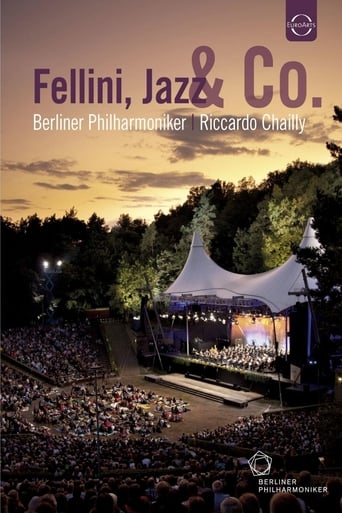
The Waldbühne in Berlin, one of the most appealing outdoor amphitheatres on the European continent, is the home of the Berliner Philharmoniker’s summer concerts. With audiences of more than 20,000, these are some of the most popular classical music concerts in the world. Riccardo Chailly is famous for having one of the broadest and most eclectic repertoires. Here, under his baton, the orchestra presents perennial favourites by Shostakovich, Rota and Respighi. Live recording from the Waldbühne, Berlin, 23 August 2011, directed by Kasten Henning, produced by Jan Bremme. TV Producer: Dorothea Diekmann, RBB. Repertoire Dmitry Shostakovich: Suite No. 2 for Jazz Orchestra (Suite for Variety Orchestra), Lady Macbeth of Mtsensk Suite – Allegretto; Nino Rota: ‘La Strada’ Ballet Suite; Ottorino Respighi: Fountains of Rome • Pines of Rome • Danza gueresca ‘Belkis’; Paul Lincke: Berliner Luft
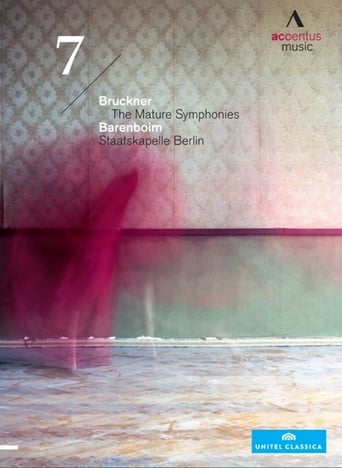
In Anton Bruckner’s 7th Symphony, the listener encounters a music characterized by great spaciousness and profound solemnity, a music which speaks of grief and lamentation, but also of their transcendence. With its monumental architecture and intensity of sound, the symphony has moved listeners ever since its triumphal premiere in 1884. The Guardian calls Daniel Barenboim’s London interpretation “Tremendous … Barenboim and the Staatskapelle seem to have this work in their systems, and the overall impression was of music unfolding organically at its own pace rather than of a work being self-consciously interpreted or led.” Anton Bruckner Symphony No. 7 in E major (original version) Daniel Barenboim, conductor Staatskapelle Berlin Recorded live at the Philharmonie Berlin, 25 June 2010
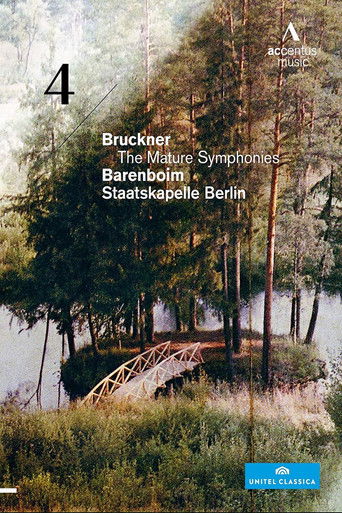
Daniel Barenboim is an expert in exploiting the impact of cyclical performances of composers works: This time he focuses his sharp intellect on all six of Anton Bruckners mature symphonies. Der Tagesspiegel described Barenboim's performance of the works with the Staatskapelle Berlin on six nearly consecutive evenings in June 2010 as a superhuman accomplishment and went on to praise how: His Bruckner is conceived and performed very theatrically, like an opera without words. Bruckners famous Romantic Symphony No. 4 forms the prelude to a spectacular DVD series from Accentus Music and Unitel Classica, exploring Bruckners symphonic cosmos.
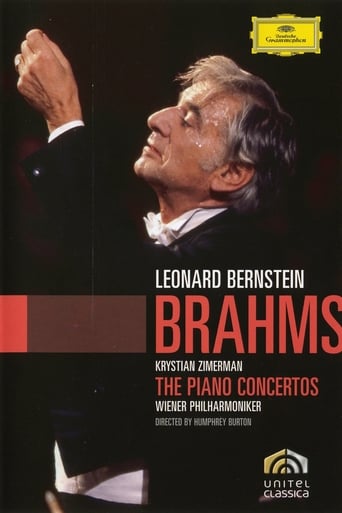
Between 1981 and 1984 Leonard Bernstein recorded nearly all of Brahmss orchestral works with the Wiener Philharmoniker to honor the 150th anniversary of the composer's birth in 1983. For the concertos, Bernstein enlisted the services of some of the finest Brahms interpreters of the time: the violoninst Gidon Kremer, the cellist Mischa Maisky and the pianist Krystian Zimerman. Leonard Bernstein, Krystian Zimerman, and the Wiener Philharmoniker, it's very hard to get a better group of musicians for these masterpieces. Mr. Zimerman and Mr. Wolfgang Herzer's piano cello duets in the third movement of Brahms' second is simply tearful.
With nearly 450 years of tradition, the Staatskapelle Berlin is one of the oldest orchestras in the world. Daniel Barenboim has served as its music director since 1992, and in 2000 the orchestra appointed him Chief Conductor for Life. Having already performed important cycles such as Beethoven, Brahms and Schumann together, Daniel Barenboim and the Staatskapelle turned their focus toward Anton Bruckner's last six Symphonies, performed in the Philharmonie Berlin in the course of only one week in June 2010. This music is more serious and more significant than one had thought, the Berliner Zeitung summarized in its review of Daniel Barenboims celebrated Bruckner cycle with the Staatskapelle Berlin. Bruckners unfinished Symphony No. 9 brought to an end, in a poignant manner, the work of one of the greatest symphonic composers of the Classic-Romantic era.
In celebration of its 100th anniversary in 1983, the Metropolitan Opera hosts a four-hour performance uniting some of the world's most spellbinding opera singers and conductors. The event includes a ballet from Samson et Dalila and boasts incredible classical performances from Kathleen Battle, Plácido Domingo, Jose Carerras, Leonard Bernstein, Marilyn Horne, Leona Mitchell, Luciano Pavarotti and many more.
Anton Bruckner’s 6th Symphony was written between 1879 and 1881: a very happy time in his life. Unlike most of Bruckner’s symphonies, the 6th was not revised. Of all his works, this one seems to come from a single source of inspiration. Bruckner himself called it his “boldest” symphony – probably due to its extreme degree of motivic, rhythmic and harmonic originality. This live recording of the seldom-performed 6th Symphony is the next instalment of the acclaimed Bruckner cycle by the Staatskapelle Berlin and Daniel Barenboim. Anton Bruckner Symphony No. 6 in A major (original version) Daniel Barenboim, Conductor Staatskapelle Berlin Recorded live at the Philharmonie Berlin, 22 June 2010
“Clarity was one thing that made this performance a marvel. Another was the flexibility of Barenboim’s speeds…. The flexibility of Barenboim’s tempi meant that Bruckner’s charm – an often overlooked aspect of his genius – shone through, especially in the genial Trio.” (The Telegraph) Bruckner’s 8th is the last symphony completed by the Austrian composer. Many of his contemporaries regarded the symphony as “the pinnacle of 19th century music”. Even today, this monumental work fascinates listeners with its virtuoso orchestral technique, its immensity of sound, and its inexhaustible richness of detail. Symphony No. 8 in C minor (second version 1887-90, Robert Haas Edition) Daniel Barenboim, Conductor Staatskapelle Berlin Recorded live at the Philharmonie Berlin, 26 June 2010
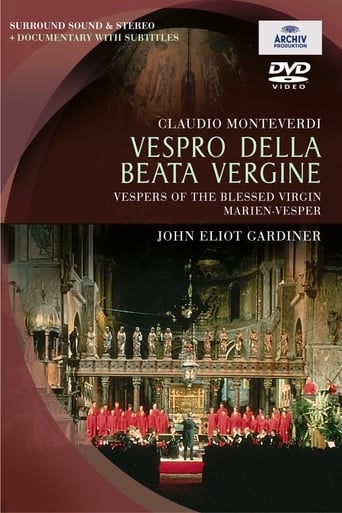
This large-scale live recording (Gardiner's second) was made in Venice's St Mark's Basilica. It captures the drama as well as the ceremonial aspect of the work, despite sometimes cloudy recorded sound.” Gramophone Classical Music Guide. “Gardiner's second [recording of the Vespers], spectacularly recorded live in St Mark's, has a punchy choral sound, near-operatic solo singing (Bryn Terfel and Alistair Miles are among the basses), emphatic enunciation, big contrasts and deliberate exploitation of the building's spaces. Its outright theatricality sets it apart from other performances.
In April 1981 violinist Gidon Kremer performed Vivaldi's Four Seasons leading the English Chamber Orchestra recorded in the baroque library of the monastery in Polling, near Munich. It is, as one would expect from a master violinist, a superbly insightful performance. The sound is resonant and satisfying although surely not true 5.1, and those who wish to have this music on video might well investigate it.
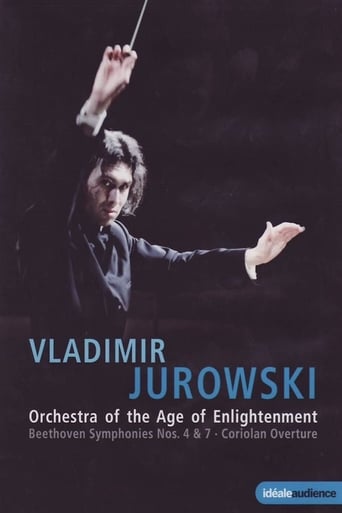
From the very first bars of the Coriolan Overture, it is apparent that this is Beethoven at his very best. Vladimir Jurowski and his absolutely brilliant Orchestra of the Age of Enlightenment give us a new reading of old favorites that may well blow you out of your chair. There is plenty to discover: sounds and textures never heard before, an orchestral timbre as the composer himself may have envisaged and heard, incredible strength and cohesion and, on the other hand, sensitive nuances that often disappear under a blanket of massed strings in more traditional interpretations.
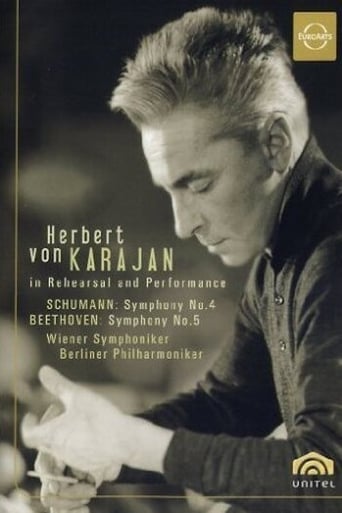
Karajan conducts rehearsal and performance of Schubert's Symphony No. 4 with the Vienna Symphony in Vienna, Nov. 1965, and Beethoven's Symphony No. 5 with the Berlin Philharmonic, January 1966. Henri-Georges Clouzot directs.
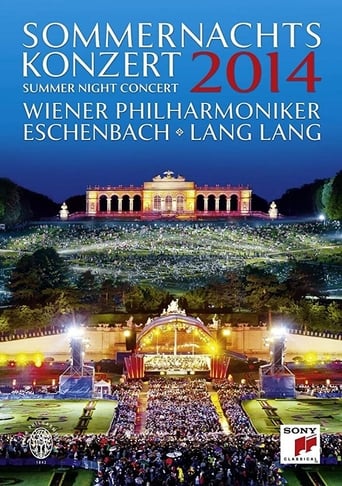
The renowned orchestra presents the world's biggest annual classical open air concert live from their hometown Vienna, Austria on Thursday, May 29th, 2014. The Summer Night Concert with the Vienna Philharmonic is an annual open-air event that takes place in the magical setting of the Schönbrunn Palace Park in Vienna with the palace as a magnificent backdrop. Everyone is invited to come to this unique occasion with free admission. Each year up to 100,000 people can take up the invitation, or enjoy on radio and TV in over 60 countries.
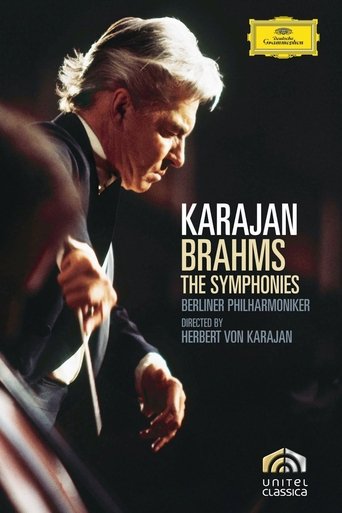
Karajan conducts these symphonies with eyes closed, often intently enraptured by the music, smiling occasionally when a passage or solo sounds just right to his ear. He conducts Brahms with a greater sense of urgency than does Bernstein: the First symphony is 11 minutes shorter as conducted by Karajan! Nothing is rushed but there is what can only be described as emotional compression, an intensity of expression that sounds quicker than Bernstein's performances.
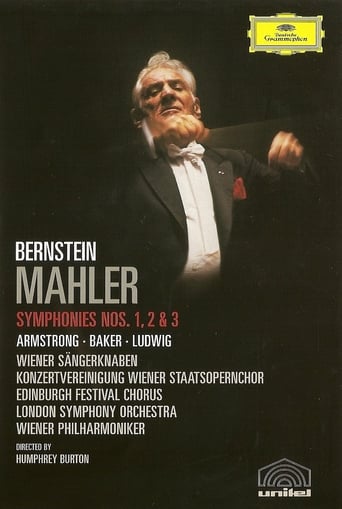
Beginning with the First Symphony, Bernstein reveals Mahler's position at the hinge of modernism, while emphasizing his emotional extremism. The uplifting Second "Resurrection" Symphony, with which Bernstein had an especially long and close association, is recorded here in a historic performance from 1973, set in the Romanesque splendor of Ely Cathedral. In the Third, Bernstein encompasses the symphony's spiritual panorama like no other conductor, with the Vienna Philharmonic players alive to every nuance.
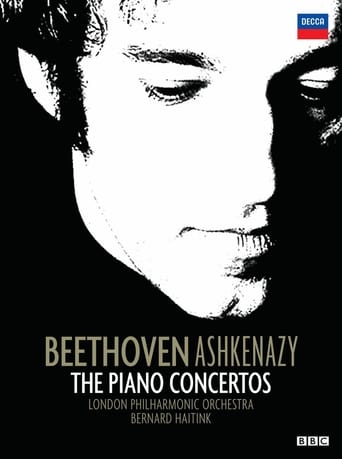
These recordings, filmed in March and April 1974 for the BBC, occurred at the tail end of the old performance era and the very start of the new. Vladimir Ashkenazy was a graduate of the same Soviet school of piano playing that produced Sviatoslav Richter, Emil Gilels, Lazar Berman and a host of others of that era. There are simularities that unite them, including a broad romanticism, a degree of Lisztian showmanship coupled with periods of introspection, powerful technique that occasionally borders on pounding and an intellectual streak that produces some deeply insightful playing. Ashkenazy was younger than the others, more modern in his playing.
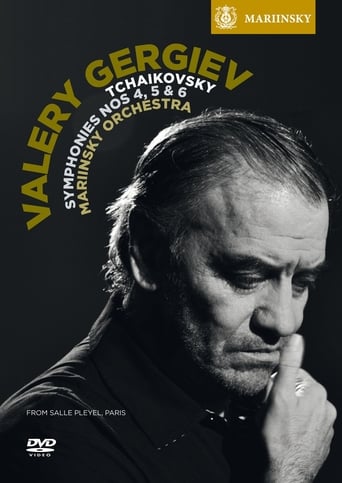
Valery Gergiev is widely recognised as the greatest modern interpreter of Tchaikovsky’s music and the Mariinsky holds a peerless reputation in the repertoire. Together they deliver definitive interpretations of Tchaikovsky’s most popular symphonies. These acclaimed performances were filmed at Salle Pleyel in Paris during January 2010, directed by Andy Sommer. The themes of fate and death pervade Tchaikovsky’s final symphonies. The composition of the Fourth Symphony coincided with the breakdown of Tchaikovsky’s marriage and a failed suicide attempt, yet he considered it to be his greatest. In contrast he believed his Fifth to be flawed and uninviting, yet today this heartfelt work is widely regarded as one of his finest. The subject of fate is further instilled in the Sixth Symphony, premiered shortly before Tchaikovsky’s death. It was posthumously entitled ‘Pathétique’ by his brother and is a deeply melancholic work, full of dynamic extremes and an inherent sense of finality.